
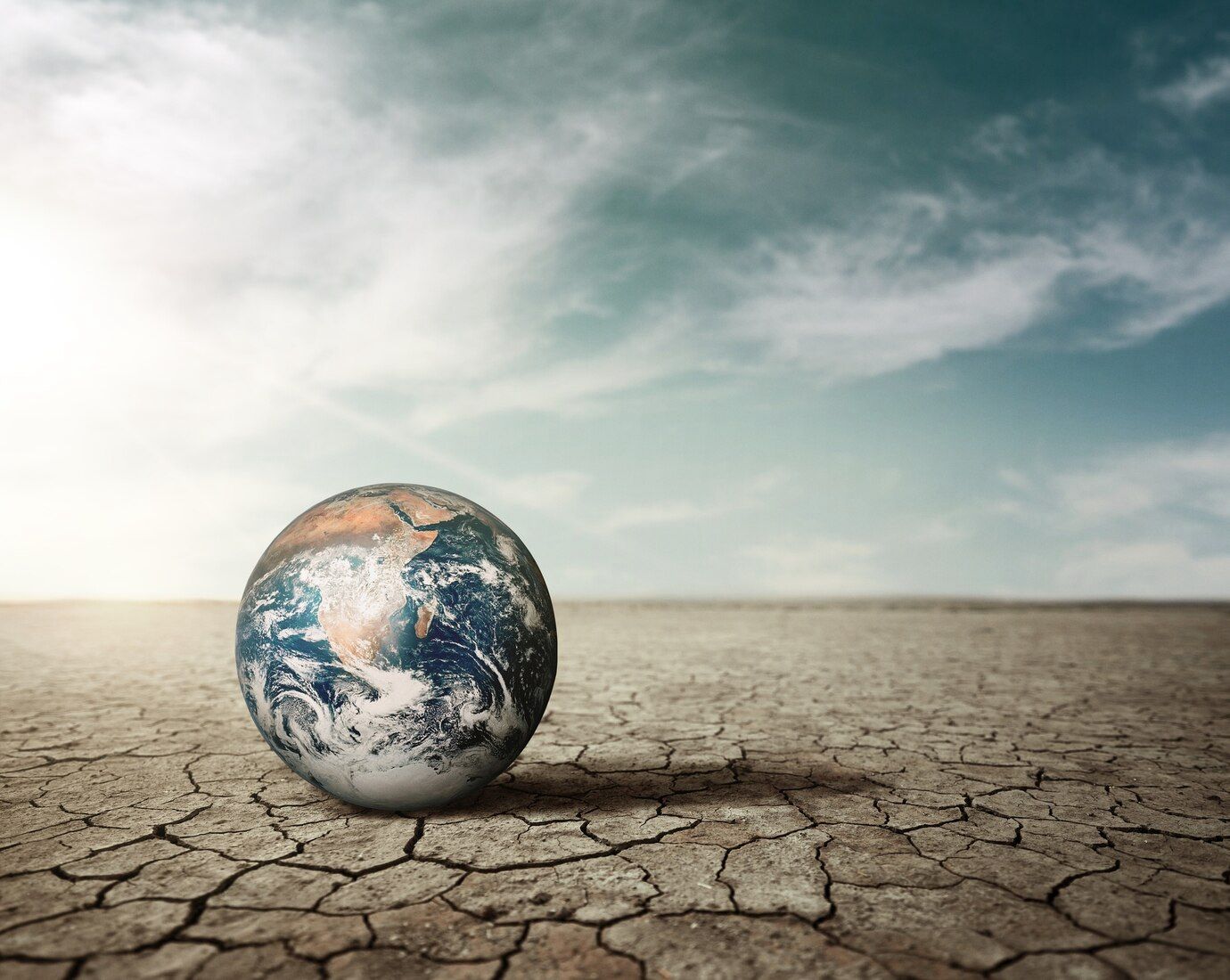
As the global temperature continues to rise, extreme weather events worldwide are increasing at an alarming rate. A deadly flood in Pakistan, catastrophic wildfires in California, and many such calamities make the country realize that climate change is a reality that it could not deny any more. Experts say we are entering a new world of natural disasters that can potentially overwhelm nations, disrupt economies, and make social inequalities worse. Then again, are we really ready for this kind of future characterized by extreme weather events?
An Increase in Extreme Weather Events
2023 is now a stark reminder of just how catastrophic climate change can become. Global warming, according to the World Meteorological Organization (WMO), has now been reported as the hottest year on record since 2023 finally surpassed the earlier records set in 2022 (Dunn et al., 2024). The WMO also reported that the occurrence of extreme weather events, such as floods, hurricanes, and heatwaves, rose dramatically in the last few decades-the trends individually correlated with the rising global temperatures.
An example is the floods in Pakistan, which, according to recent statistics, had affected over 33 million people, killed at least 1,700, and caused billions of dollars in damage. Such floods, connected to climate change, submerged huge tracts of agricultural land and infrastructure, causing grave food shortages and health crises (Sawa, 2023). Many communities in areas such as Sindh and Balochistan are still trying to rebuild.
Across the Atlantic, 2023 witnessed one of the worst seasons of wildfires in the U.S.A. The state of California witnessed more than 4 million acres burned by wildfires that killed people and destroyed homes, including those in the state’s famous wine country (Jones et al., 2024). Western U.S. wildfires are now burning larger and more intense areas because of rising temperatures and prolonging drought conditions.
The Link Between Global Warming and Extreme Weather
The science behind climate change and life-threatening weather events is well reported. For some time, the Intergovernmental Panel on Climate Change (IPCC) has cautioned that human-driven global warming, mainly due to fossil fuel combustion, forest clearing, and industrial emissions, contributes to a rise in frequency and intensity of extreme weather events. Rising temperatures mean that the atmosphere can retain more water (Alimonti et al., 2022). Total rainfall will be increased, hurricane strength will increase, and flooding will be worse in some areas.
Moreover, rising temperatures have led to the melting of polar ice caps and glaciers, making sea-level rise and flooding of coastal areas a more possible phenomenon. According to the United Nations, as early as 2050, around 200 million people might be displaced by flooding and storms triggered by climate change. Extreme events mainly hit the poorest and most vulnerable populations, as they cannot afford to rebuild themselves after disasters (Clarke et al., 2022).
Voices from the Ground
Aftermaths of floods 2023 still continue in Pakistan. “This was something completely unprecedented on that scale, said Dr Ghulam Rasool, a climate scientist from the Pakistan Meteorological Department. “It’s not just a natural disaster; it’s also a wake-up call for the effect of climate change (Seneviratne et al., 2021). We are now reaching the point of view where disasters have become normal”.
In the United States, California resident Maria Lopez, whose home was destroyed in the 2023 wildfires, expressed similar sentiments: “Every year, it gets worse. We are used to the fires, but this year, it was different. The fire came so fast, and the smoke lasted for weeks. It felt like we were living in a constant state of emergency.”
Societies on the frontlines of climate change are crying out for action to stop the devastation. Whether in Pakistan’s rural farming communities or in wildfire-scorched California, the message is urgent and decisive (Song et al., 2022).
Failure to Meet Climate Targets
While the globe has taken some steps in the pursuit of climate change, there is still a distance to go to achieve these minimum requirements to prevent the worst-case scenarios. In 2015, nearly 200 countries signed the Paris Agreement with the set goal for limiting global warming to “well below 2°C” and preferably to 1.5°C compared to pre-industrial levels (Newman & Noy, 2023). According to the United Nations Environment Programme, however, the commitments so far will take the world to 3.2°C of warming by the end of the century, much above the targets in Paris.
Failure to achieve the targets in the climatic levels has also become one of the leading reasons behind increased severe climatic occurrences and weather. Scientists indicate that, in case urgent action toward controlling emission gases will not be made, disasters are expected to worsen more intensely; devastating the lives of people as well as nature.
Suggested Solutions: Moving Towards Renewable Sources and Enhanced Policy Measures
The only way to minimize extreme weather impacts and resilience building for the future is to make a rapid shift to a renewable energy future. The International Renewable Energy Agency (IRENA) further posits that investment in renewable sources such as solar, wind, and hydropower can abate emissions, create jobs, and reduce dependence on fossil fuels.
Moreover, there is an urgent need for tougher environmental regulations that could eventually prevent further cutting of trees and lead to green farming, thus using more sustainable and clean sources of energy. One example is the Green Deal introduced by the European Union that recently promised carbon neutrality by 2050 (Perissi & Jones, 2022). It’s such a step forward to take drastic global actions. Their efforts to finance green technology and reduction policies for emission provide the best benchmarking to others in the world.
Governments also need to build disaster response and recovery capacities. For example, the UNDRR emphasizes early warning systems, climate-resilient infrastructure, and community-based adaptation strategies (Wolf et al., 2021). Pakistan’s National Disaster Risk Management Framework and Pakistan’s Climate Change Policy have also been put in place to improve resilience against extreme weather events.
Call to Action
This escalating wave of extreme weather events underscores that the climate crisis is something for urgent collective response, while governments and international organizations must do their parts, but personal action is just as important. Making the change toward a low-carbon lifestyle is something anyone can do-from minimizing waste and generating renewable energy to investing in sustainable practices.
The road to lessening the impact of climate change is long and even hard but together and through global, national, and local efforts, we can alter the course of the future. Now the question comes: Are we ready to confront the climate crisis front-on or let ourselves watch extreme weather become the new norm?