
Hair care advice is everywhere. From how often you should get a haircut to which styling products will prevent damage, there is an overload of information on the internet. But not all advice is created equal and some can actually damage your hair more than it helps.
Today we’re going to help you sort through the noise by debunking some common myths that just don’t seem to go away. Let’s dive right in.
Myth #1: Cutting your hair frequently makes it grow faster.
Fact: Hair growth is determined by factors such as diet, genetics, and overall health, and occurs at the root, not the ends. Regular trims can help maintain the appearance and health of your hair by removing split ends, but they don’t influence the growth rate.
Myth #2: You shouldn’t wash your hair everyday.
If someone told you to not wash your face everyday, you probably wouldn’t trust them. You should have the same scepticism for people who advocate infrequent hair washing.
Not washing your hair everyday (or at max, every second day if your scalp is very dry) leads to the buildup of oil, dirt, dead cells, microbes, and hair care products on the scalp. This buildup can cause unhealthy scalp conditions including itching, dandruff, and even hair loss. It can also affect hair growth since healthy hair growth starts with a healthy scalp.
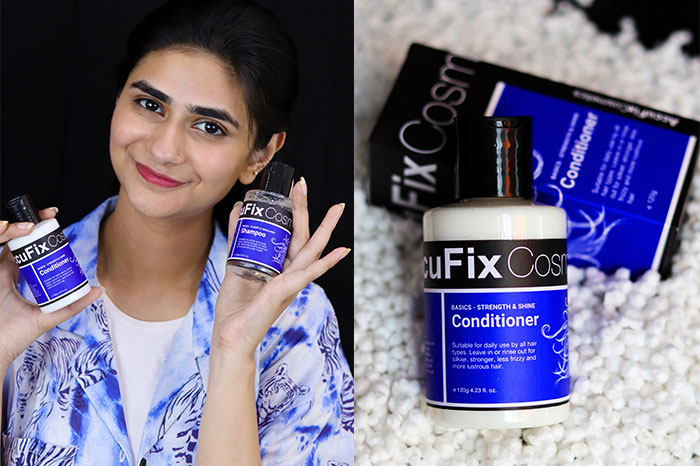
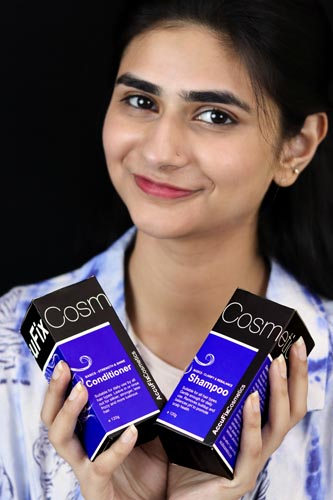
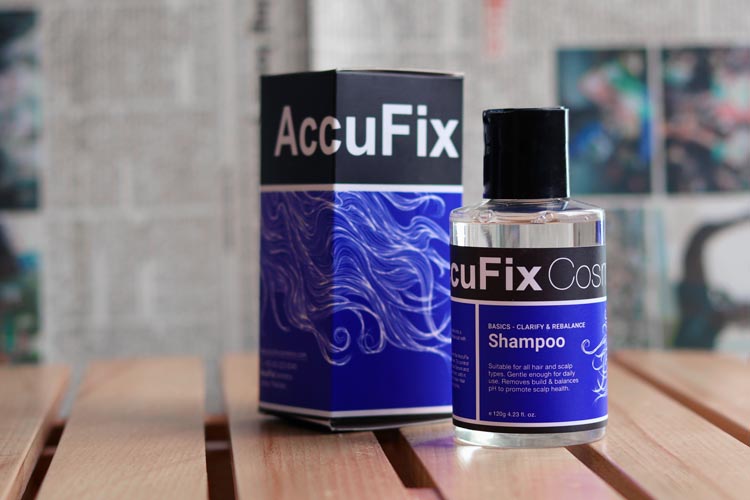
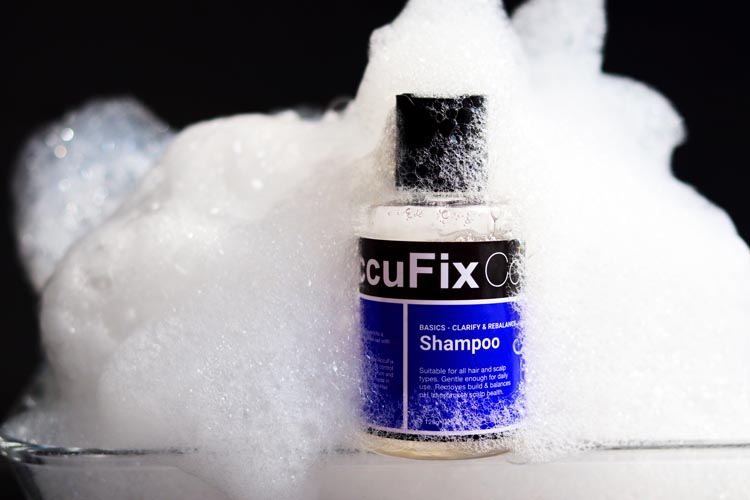
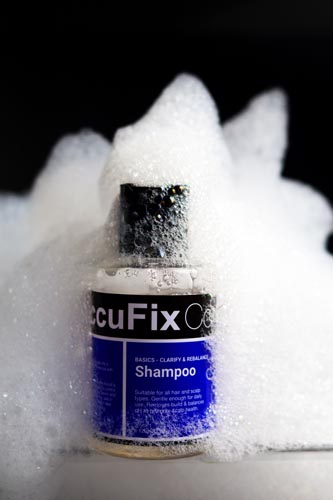
The caveat however, is to ensure that your shampoo is gentle, pH balanced and designed to respect the health of your hair and scalp. Our favourite is the AccuFix Clarify & Rebalance Shampoo. I’ve been using it for a while now and have definitely noticed that my hair has less frizz, and is more manageable. It’s suitable for daily use by all hair types including coloured hair.
Myth #3: You can repair split ends with the right products.
Fact: Once hair splits, it can’t be permanently repaired by any product. Some treatments can temporarily seal split ends, but the best remedy is trimming them off to prevent further damage.
Myth #4: Dry scalp is the main cause of dandruff.
Fact: While a dry scalp can cause flaking, it’s not the same as dandruff. Dandruff is primarily caused by an overgrowth of the Malassezia yeast, and is more likely in people with oily scalps than in those with dry scalps since scalp oils can be used by the fungus as food to grow.
Myth #5: You should apply conditioner to your entire head, from roots to tips.
Fact: When applying conditioner, start at the tips of your hair and work your way up. This is where hair tends to be most damaged and you see the most benefit. Applying conditioner to the scalp isn’t a good idea. This is because conditioners contain ingredients known as cationic surfactants that help form a protective film on your hair, but in some instances, can actually irritate the skin on your scalp.
Myth #6: You don’t need conditioner if you have oily hair.
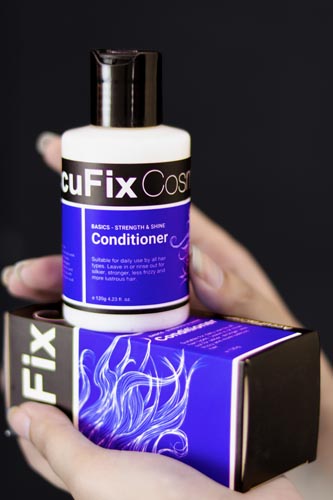
Fact: All hair types can benefit from conditioner. Conditioner helps to smooth the hair cuticle, makes it less frizzy and more manageable and can also protect your hair from damage. I have a favourite conditioner as well. The AccuFix Strength & Shine Conditioner is just fantastic. It’s for all hair types and can be left in or rinsed out. Use this together with the shampoo and thank me later. It’s simply just that good.
Myth #7: Sulfate-free shampoos are always better for your hair.
Fact: Sulfates are an entire class of cosmetic ingredients with very different properties. While some, like sodium lauryl sulfate, can be harsh, others like sodium laureth sulfate are significantly milder. In addition, the entire formula of the shampoo also matters a great deal. Harsh shampoos can also be made without using any sulfates at all. No one ingredient alone can truly help you assess the quality of a product.
In conclusion, the world of hair care is complex, with countless misconceptions that persist despite scientific evidence to the contrary. From understanding that regular trims don’t expedite hair growth, to acknowledging the necessity of daily hair washing for scalp health, we must prioritise accurate information over common myths and make informed decisions in our beauty purchases.