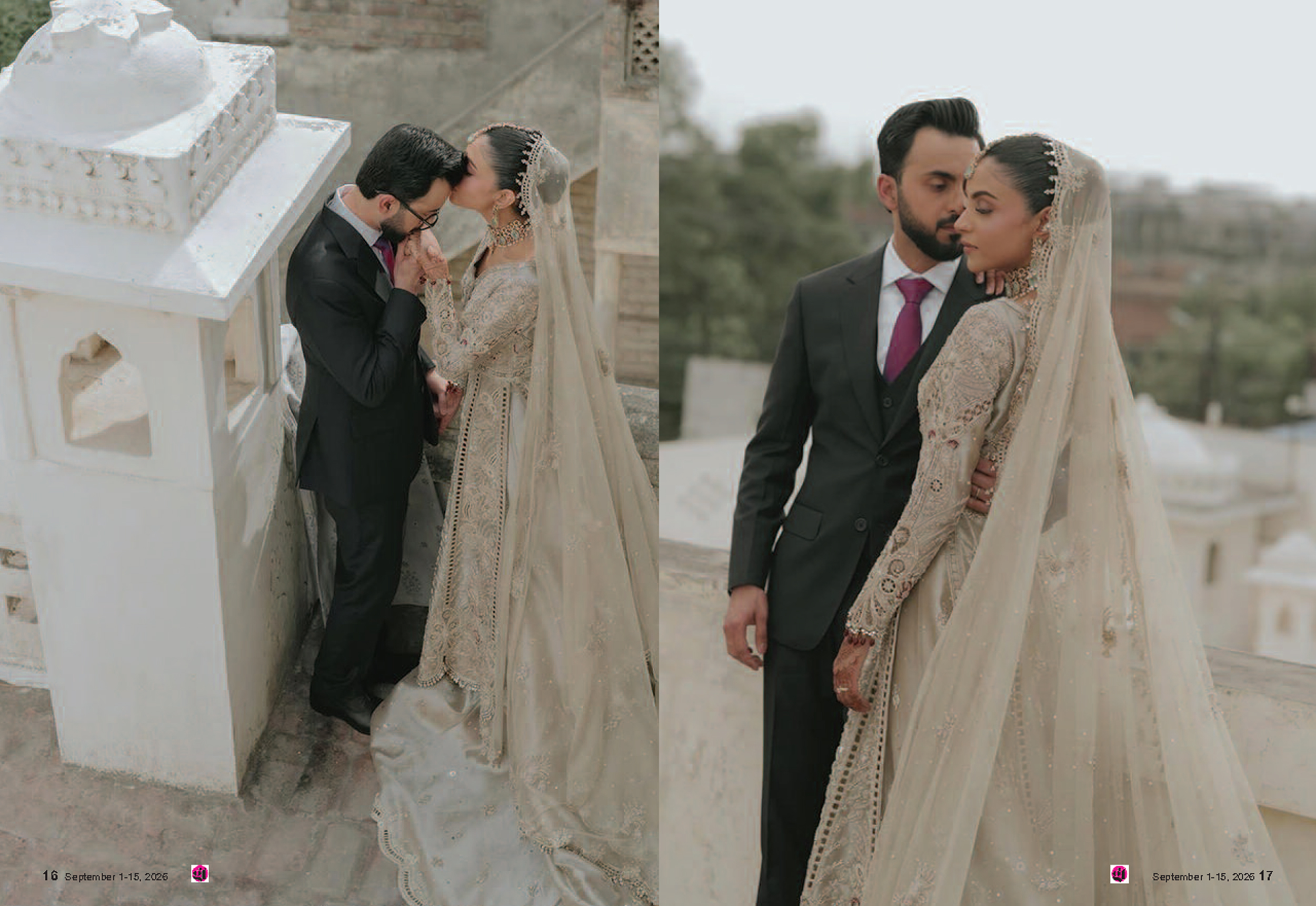
For Hamza Sadiq Cheema, wedding planning is not simply about creating a beautiful celebration, it is about building trust, honouring heritage and delivering an experience that feels deeply personal. What began as a love for weddings gradually evolved into HSC, shaped by his determination to bring greater structure, accountability and professionalism to Pakistan’s wedding industry.
Today, his vision extends far beyond planning individual events. By helping overseas Pakistanis celebrate their weddings at home, encouraging local vendors to meet international standards and showcasing the country’s extraordinary design, craftsmanship and hospitality, Hamza is working to position Pakistan as a wedding destination for the world.
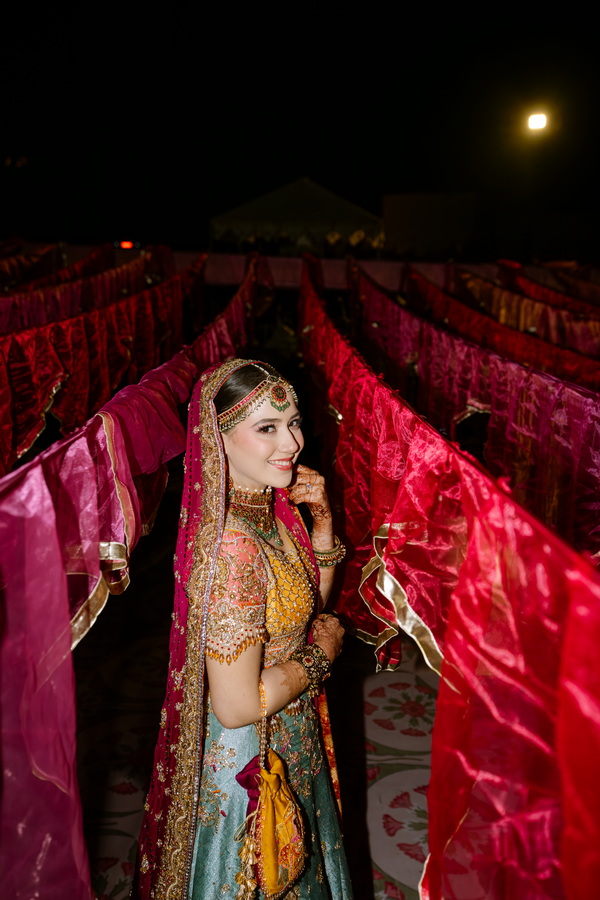
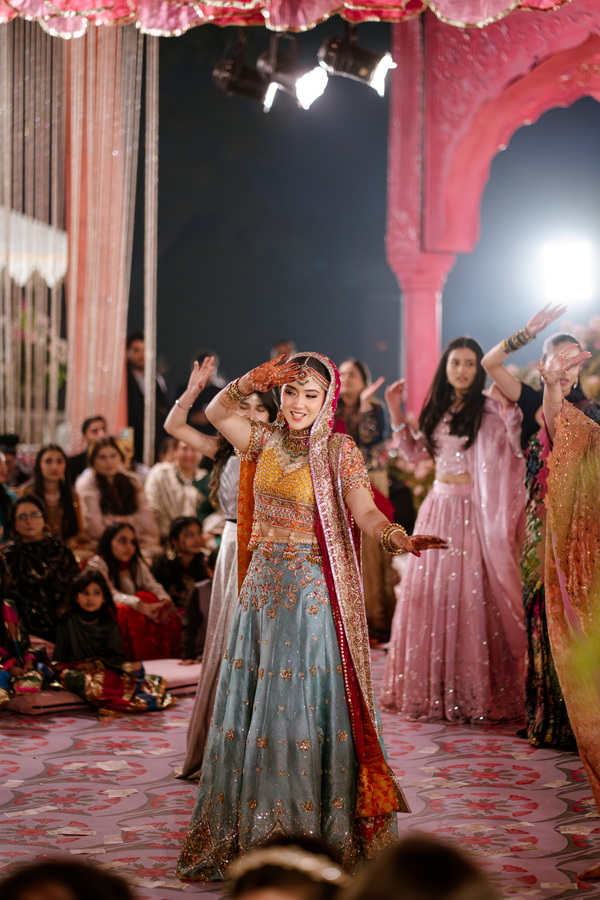
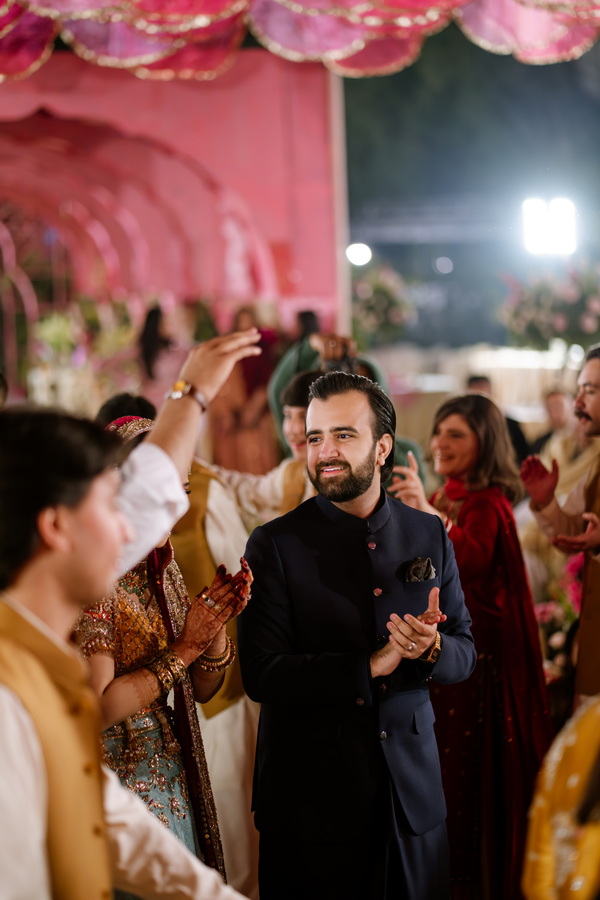
In this exclusive conversation with Good Times, he reflects on his unconventional journey, the responsibility of planning from a distance and his ambition to reshape the future of Pakistani weddings.
Your journey began with a very different entrepreneurial venture before leading you into wedding planning. What inspired that transition, and how has it shaped the vision behind HSC today?
Wedding planning was always the dream – I’ve loved weddings for as long as I can remember. But when I was starting out, the concept simply didn’t exist in Pakistan in any formal sense; it was your chachas and mamus pulling things together informally, not trained professionals. My path there wasn’t direct – I began by selling homemade food, moved into décor and event production, and eventually arrived at wedding planning as the natural next step.
You’re passionate about helping overseas Pakistanis plan their weddings in Pakistan. What made you recognize the need for a more organized, dependable service for couples living abroad?
The industry simply wasn’t built with international Pakistanis in mind, and over the years that gap bred real mistrust – designers missing deadlines on outfits being one of the most common complaints. I wanted to close that gap, but my ambition went further than just serving clients better: I wanted to push vendors themselves to raise their standards.
For an overseas couple, planning a wedding in Pakistan can feel overwhelming. What are the most common challenges they face, and how do you help them navigate that from a distance?
Distance is the core challenge – they need eyes and ears on the ground: someone to visit sites in person, offer honest, informed opinions, and stay on vendors who might otherwise slip through the cracks without local oversight.
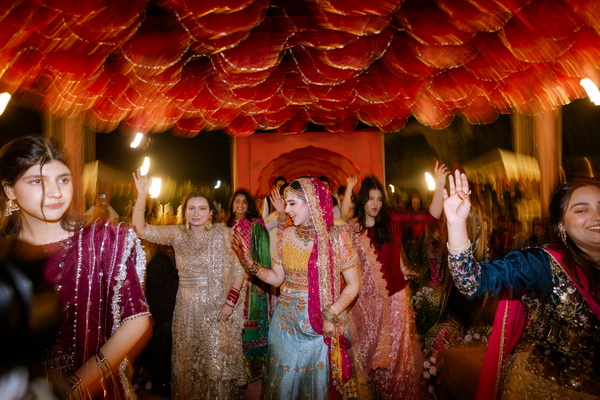
Trust becomes especially important when couples can’t be present for every meeting or decision. How do you build that confidence and keep them feeling involved throughout the process?
It starts in the very first meeting. I tell every couple that I want to know them personally, to become part of their family – because that’s the only way I can truly plan for them, not just around them. Weddings here are never just about the couple; the whole family is part of the celebration. Once clients feel that, trust follows naturally – and I take it as my responsibility to live up to it.
How do you bridge the gap between a couple’s international expectations and the realities of executing a wedding in Pakistan?
Pakistan already exceeds expectations in the ways that matter most – our food, our design language, our craftsmanship stand up against anything international. Where the real work lies is in service delivery, and that’s precisely where I step in – closing that last gap so the experience matches the quality of everything else.
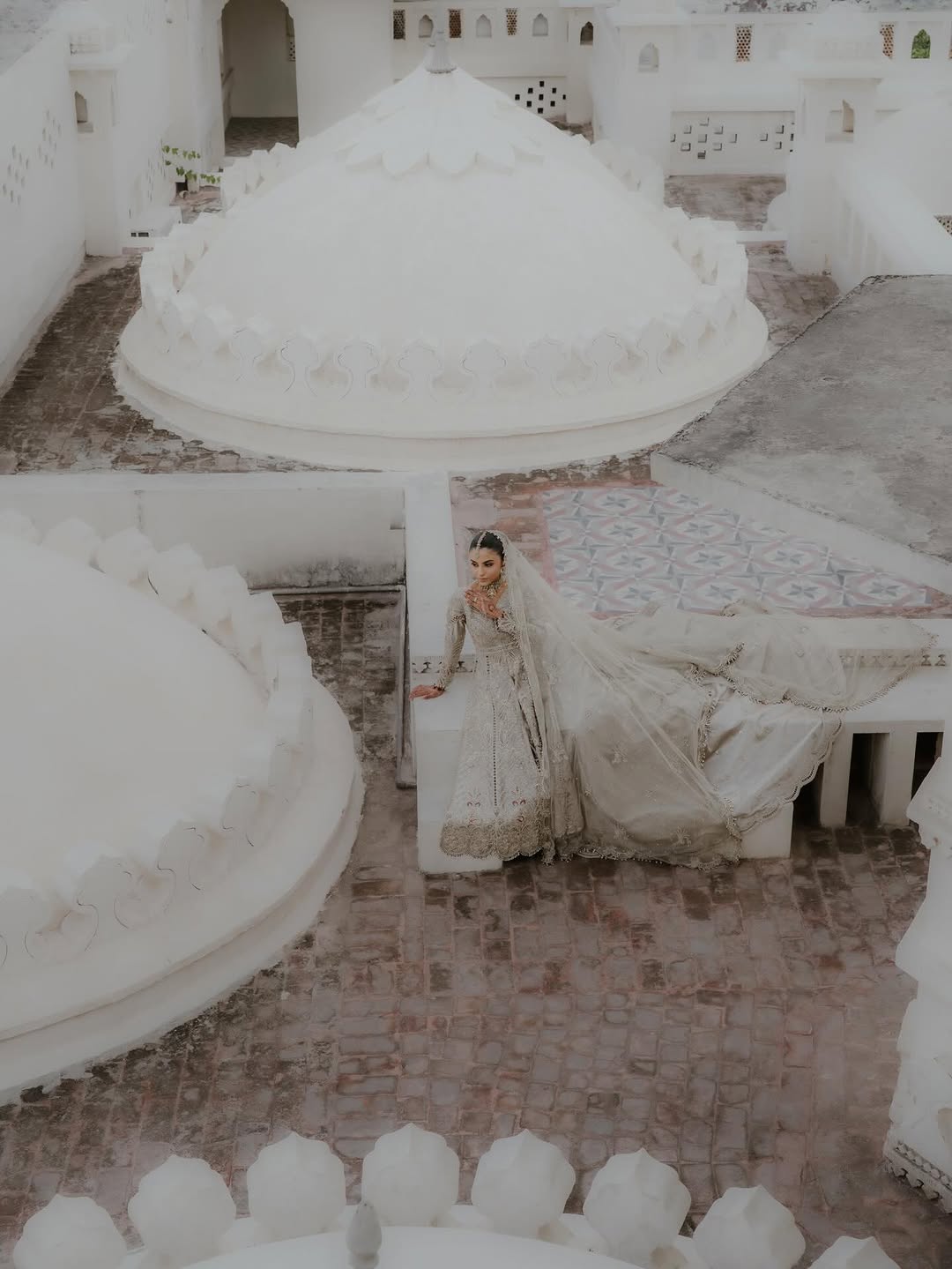
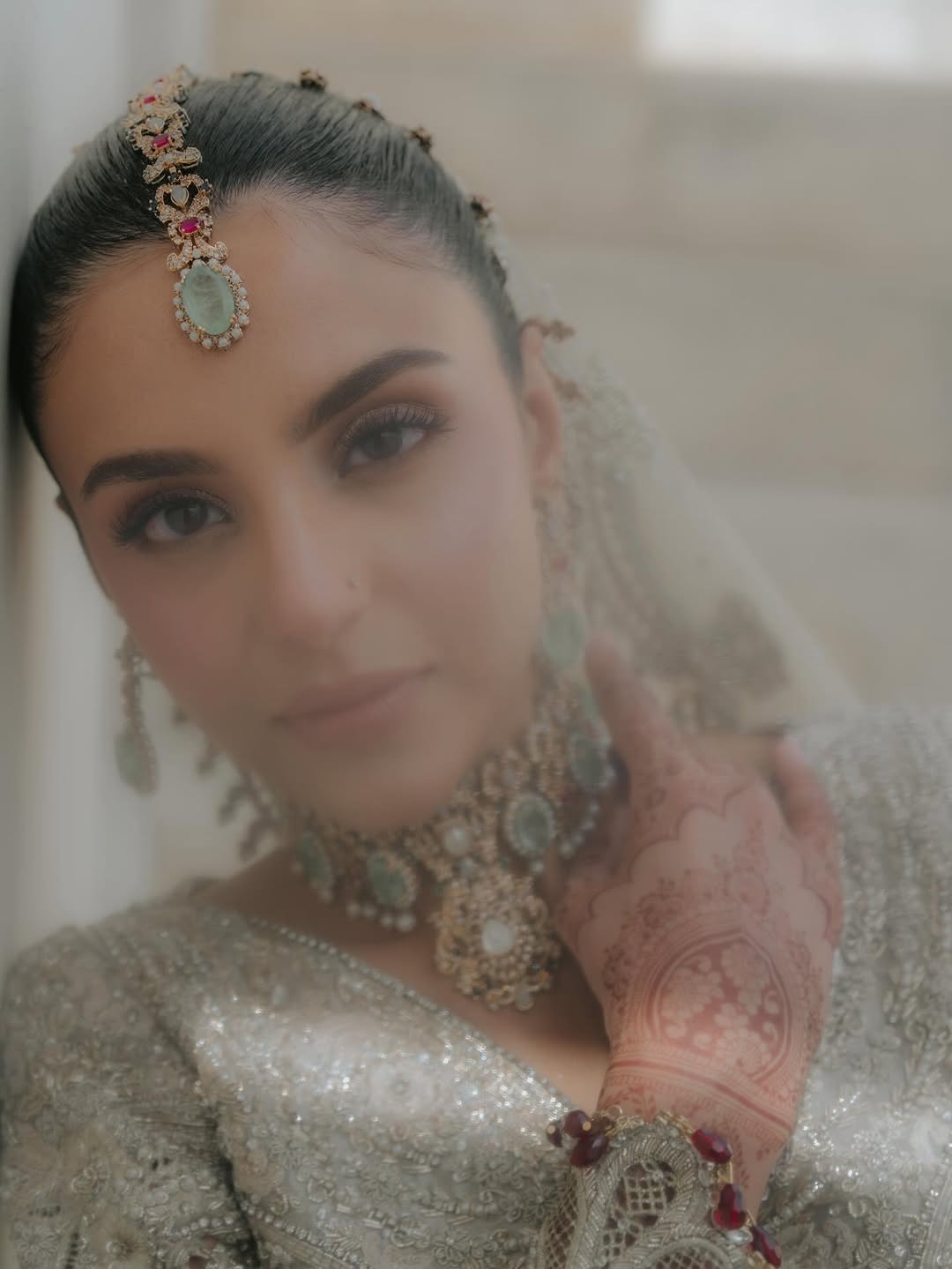
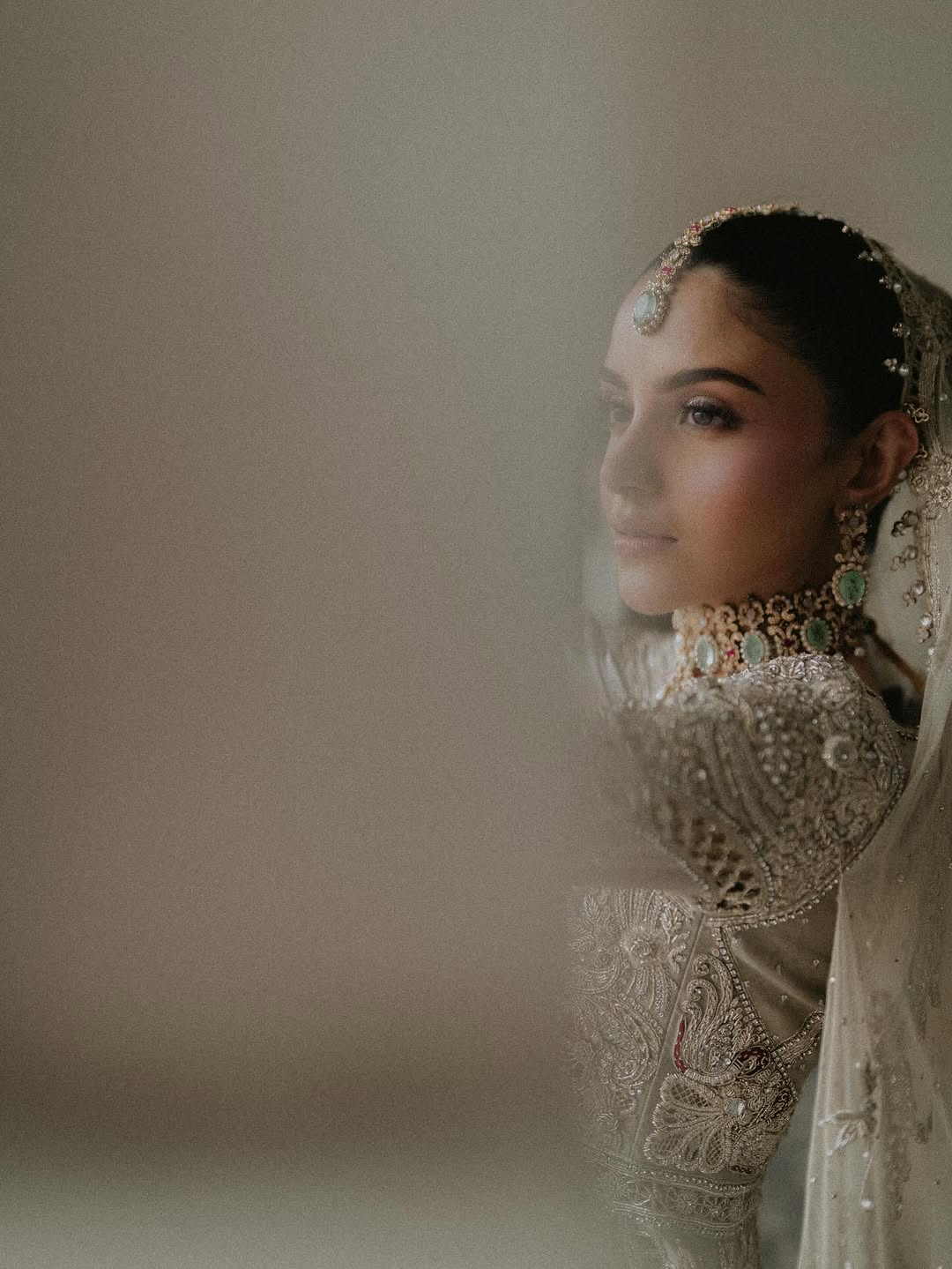
Beyond planning and logistics, how do you help overseas Pakistanis reconnect with their heritage and create something that feels deeply personal?
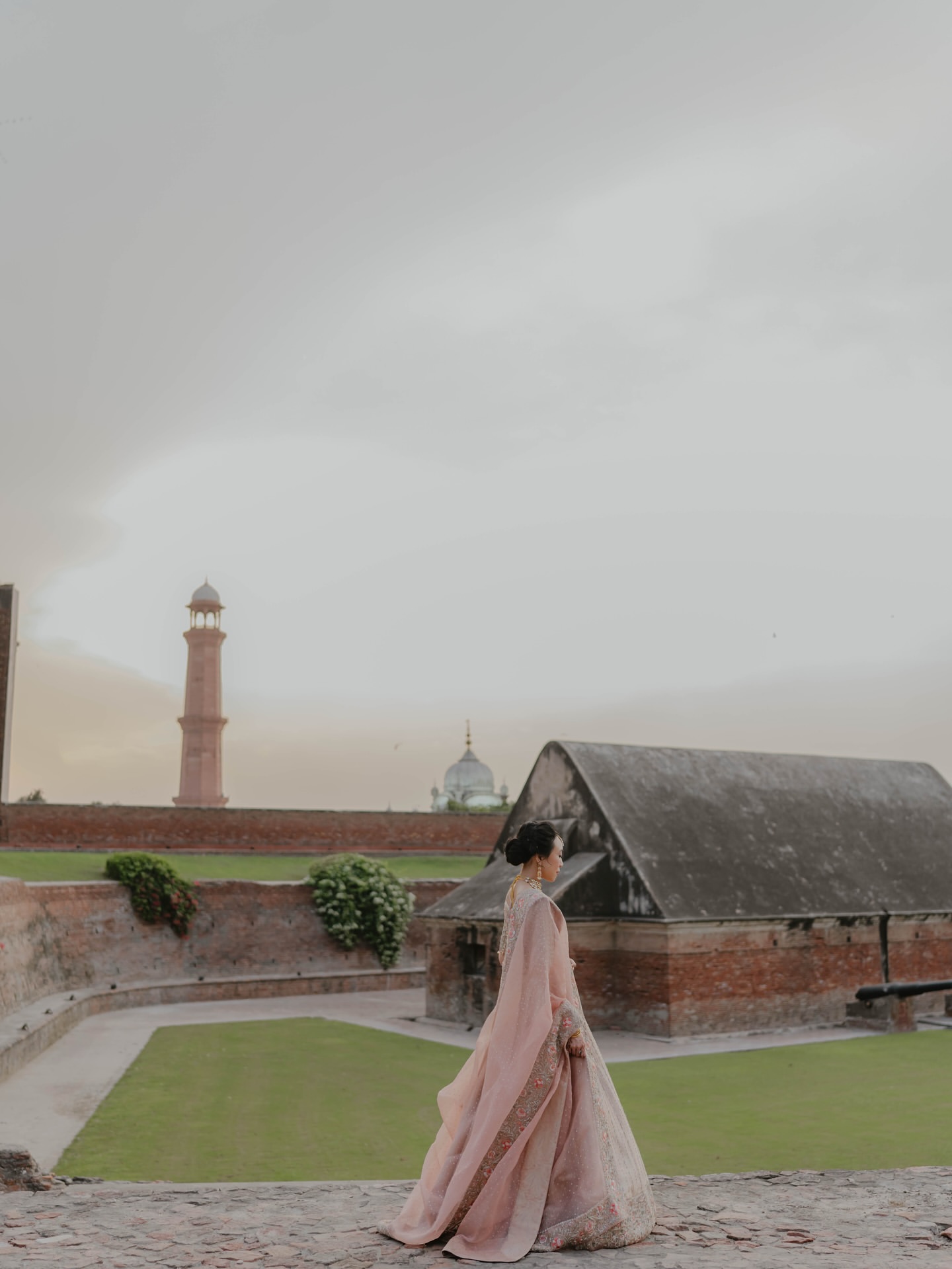
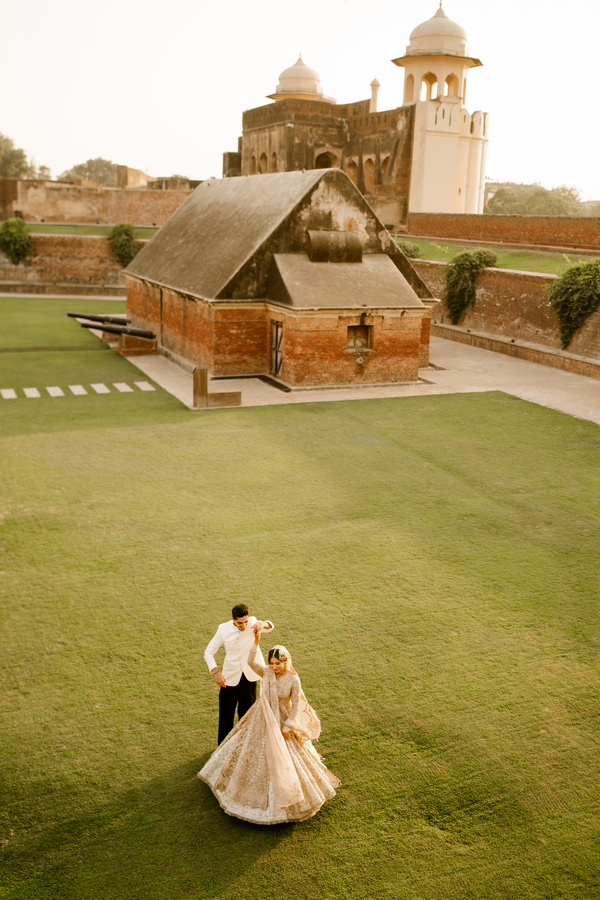
We build heritage site visits directly into the wedding journey. Many couples bring friends from abroad who’ve never experienced Pakistan, so we weave in cultural tours around the celebrations – and without fail, everyone leaves having fallen in love with the country.
You envision Pakistan becoming a preferred destination for weddings – not just for overseas Pakistanis, but international couples too. What makes the country uniquely suited for this?
The climate alone makes the case – beautiful winters in Karachi, Islamabad, and Lahore, and summers up north that rival Switzerland. But beyond the scenery, Pakistan is a genuine all-rounder: world-class vendors, décor, catering, and hospitality all within reach.
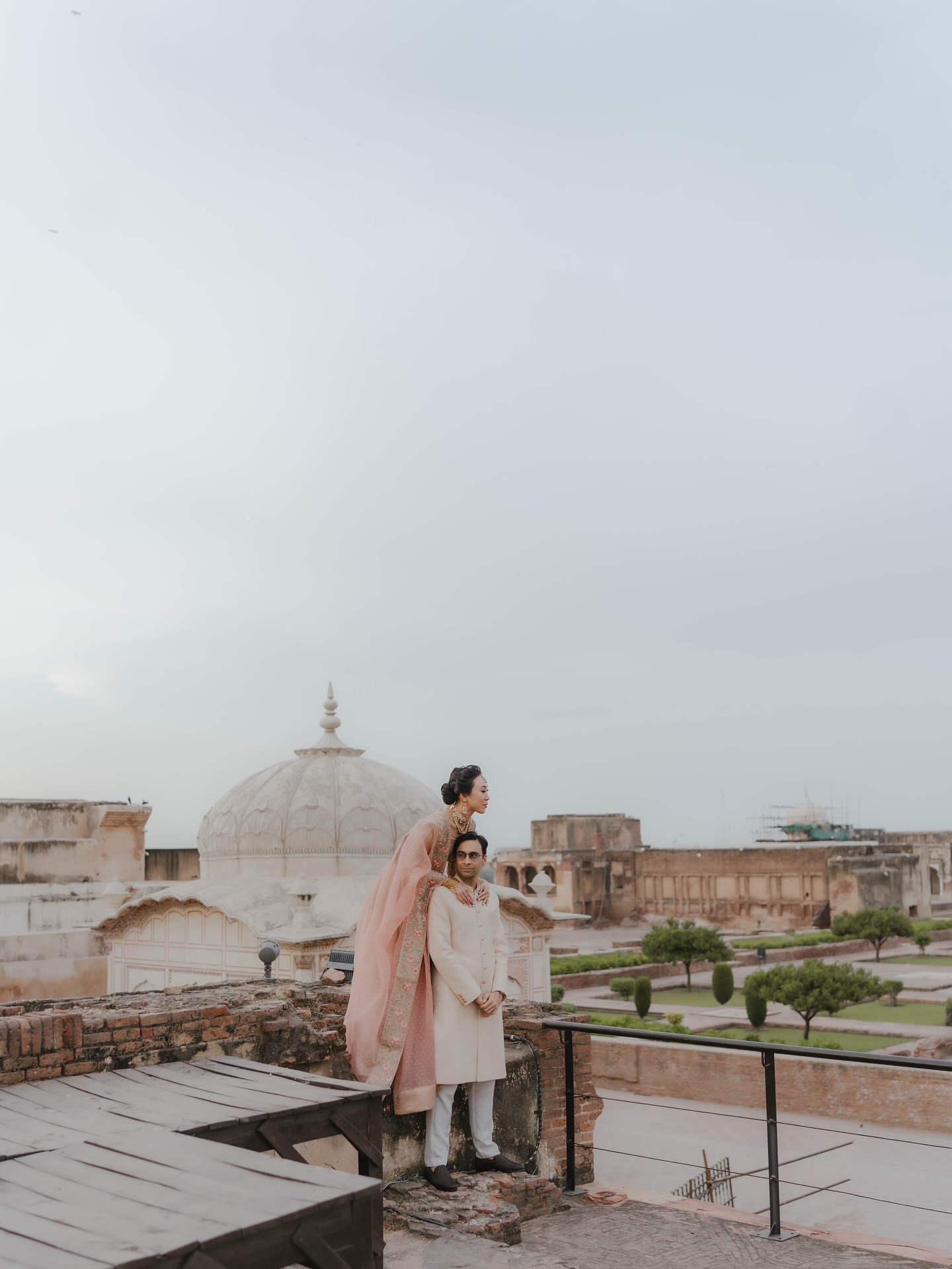
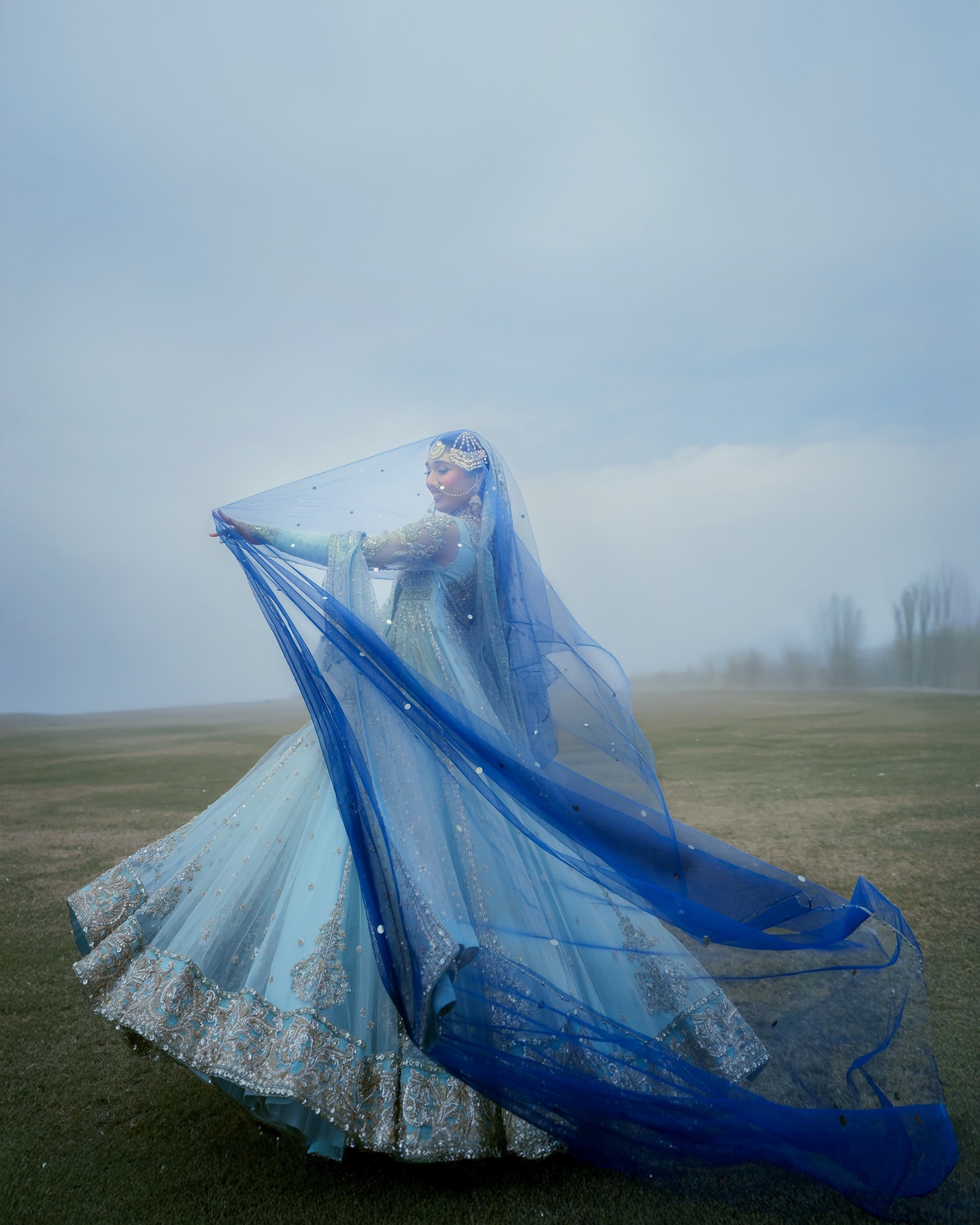
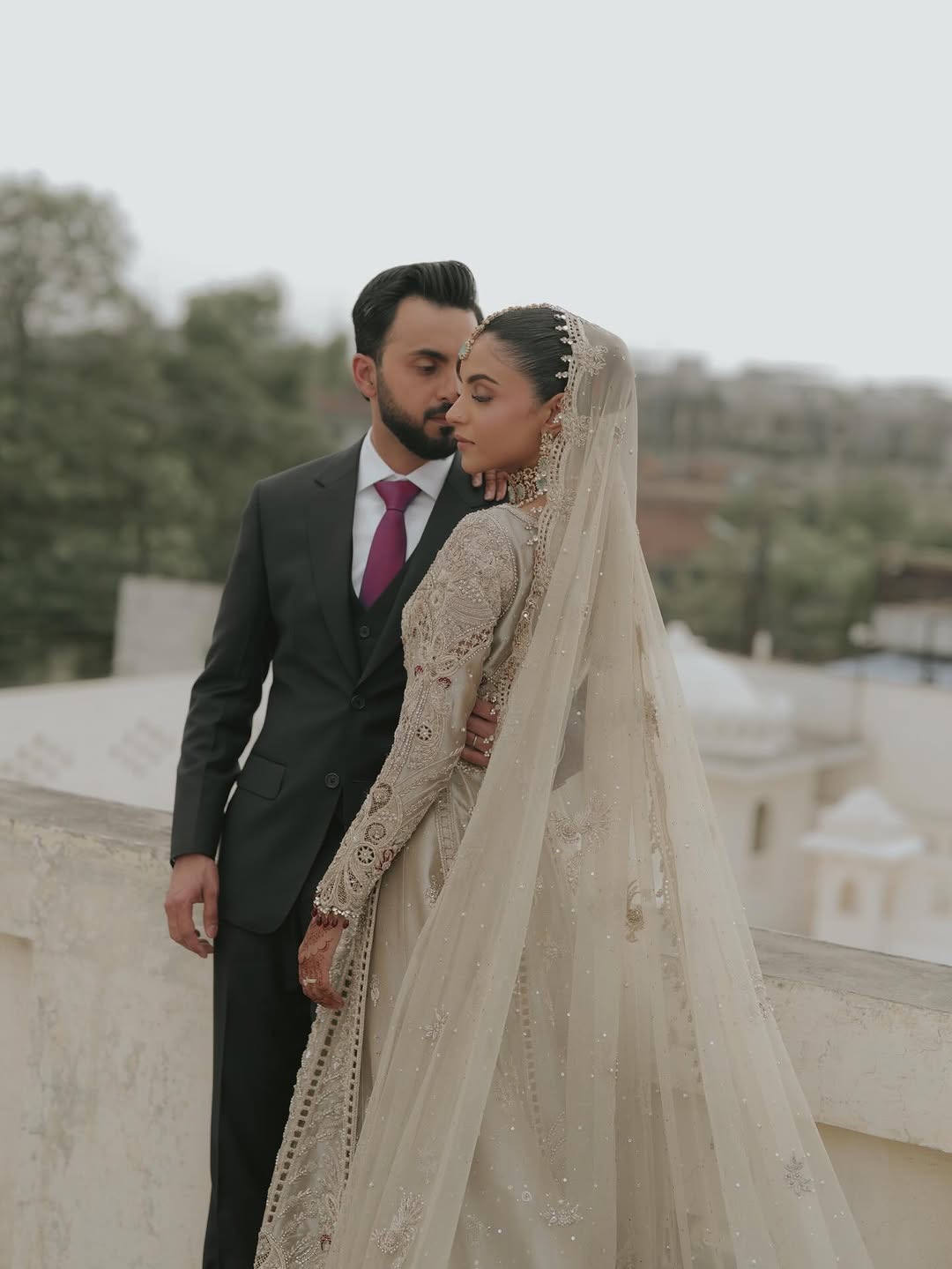
From historic architecture to breathtaking landscapes and craftsmanship, Pakistan has so much to offer. Which aspects do you believe hold the greatest appeal for the international wedding market?
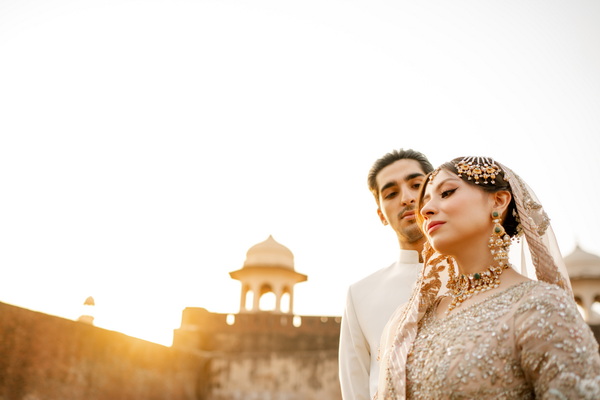
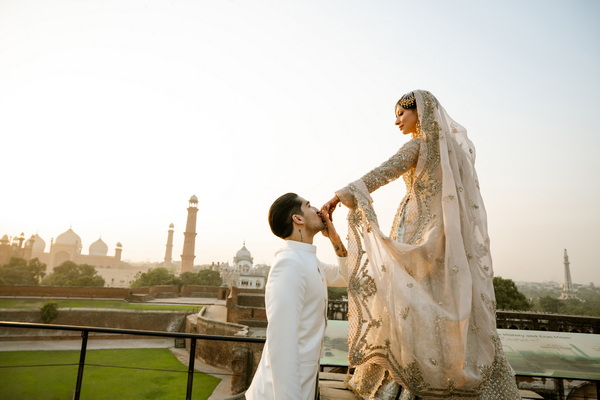
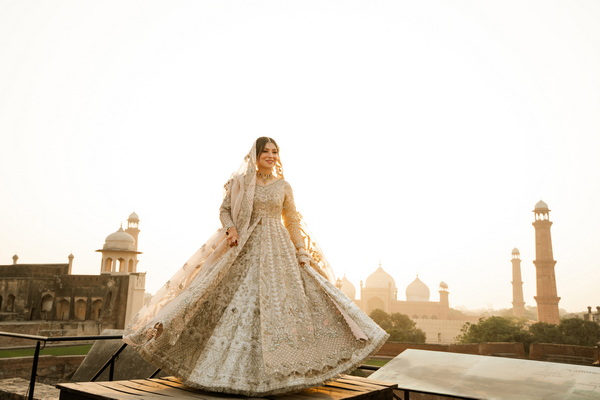
Our heritage, without a doubt. It’s practically universal – nearly every client we work with wants their wedding hosted at a heritage site.
Rapid Fire
Intimate celebration or grand wedding?
Intimate, but grand in feeling.
Heritage venue or contemporary setting?
Heritage, with a contemporary edge.
One Pakistani city for a dream destination wedding?
Hunza.
The wedding detail you notice before anything else?
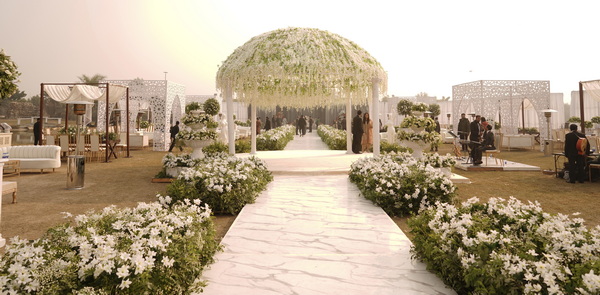
The linen and the quality of the draping.
A trend you’d happily leave behind?
The Nikkah parda.
Complete the sentence: “A truly unforgettable wedding must always have…”
Experiences for the guests.
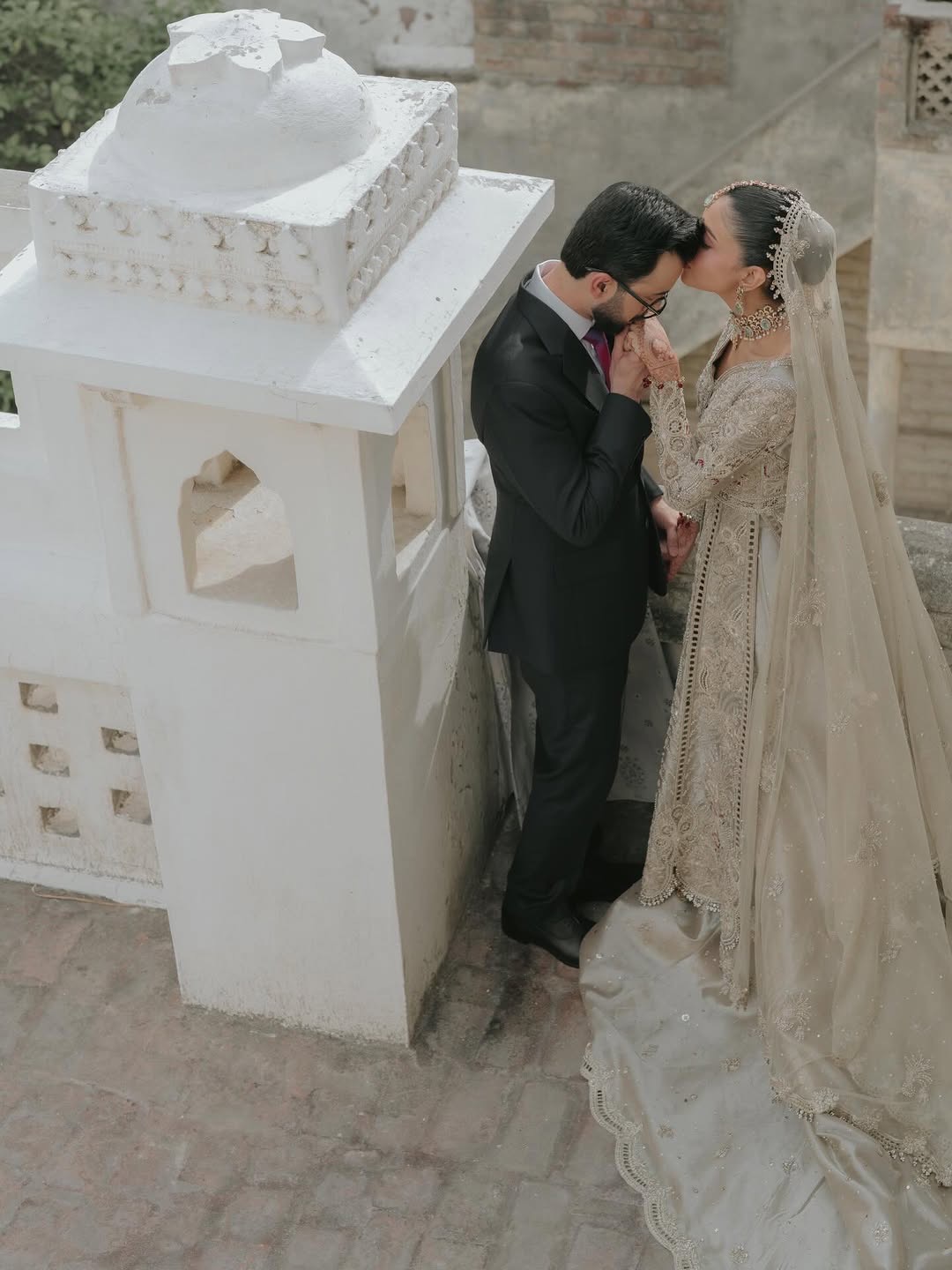
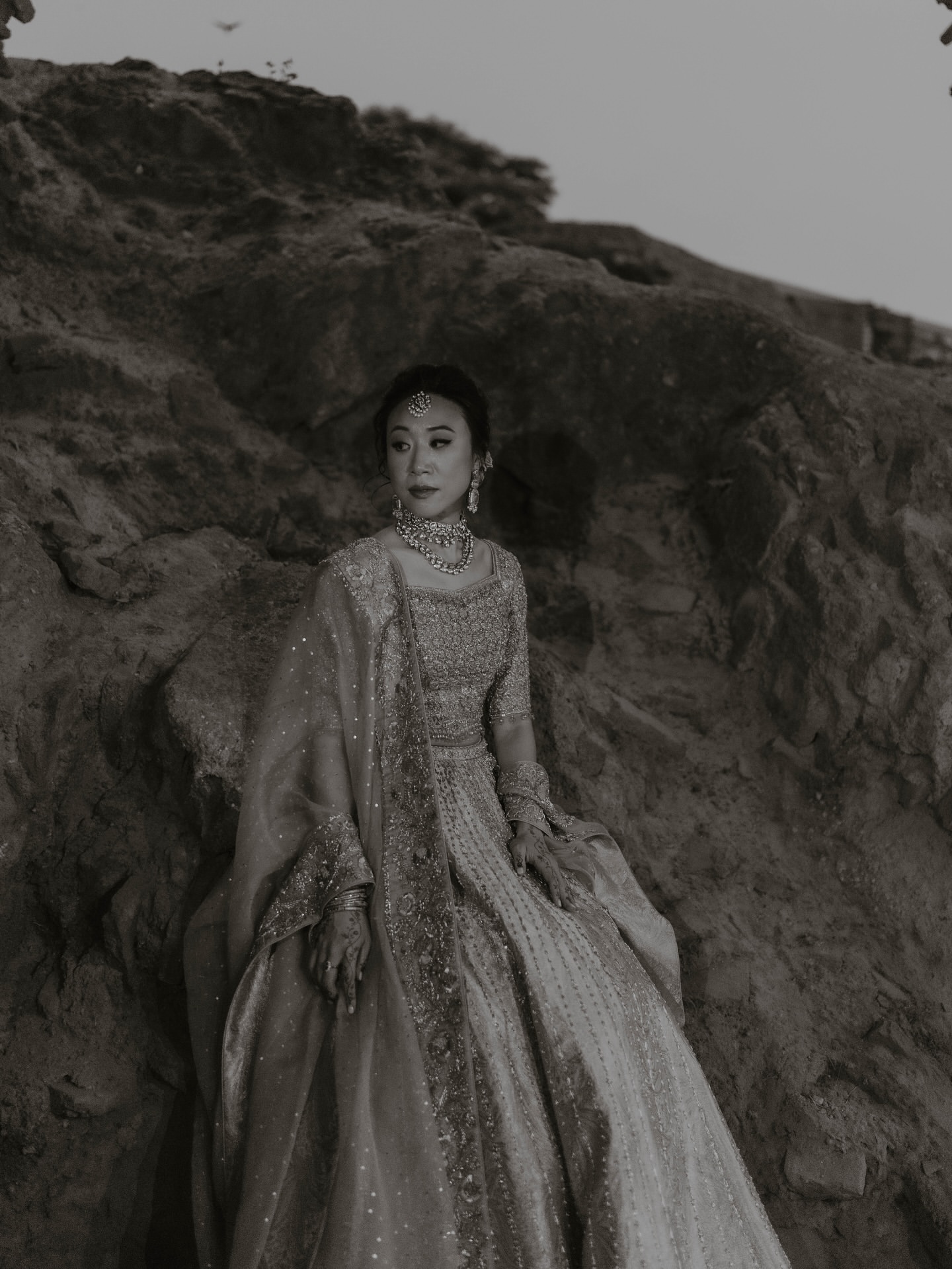
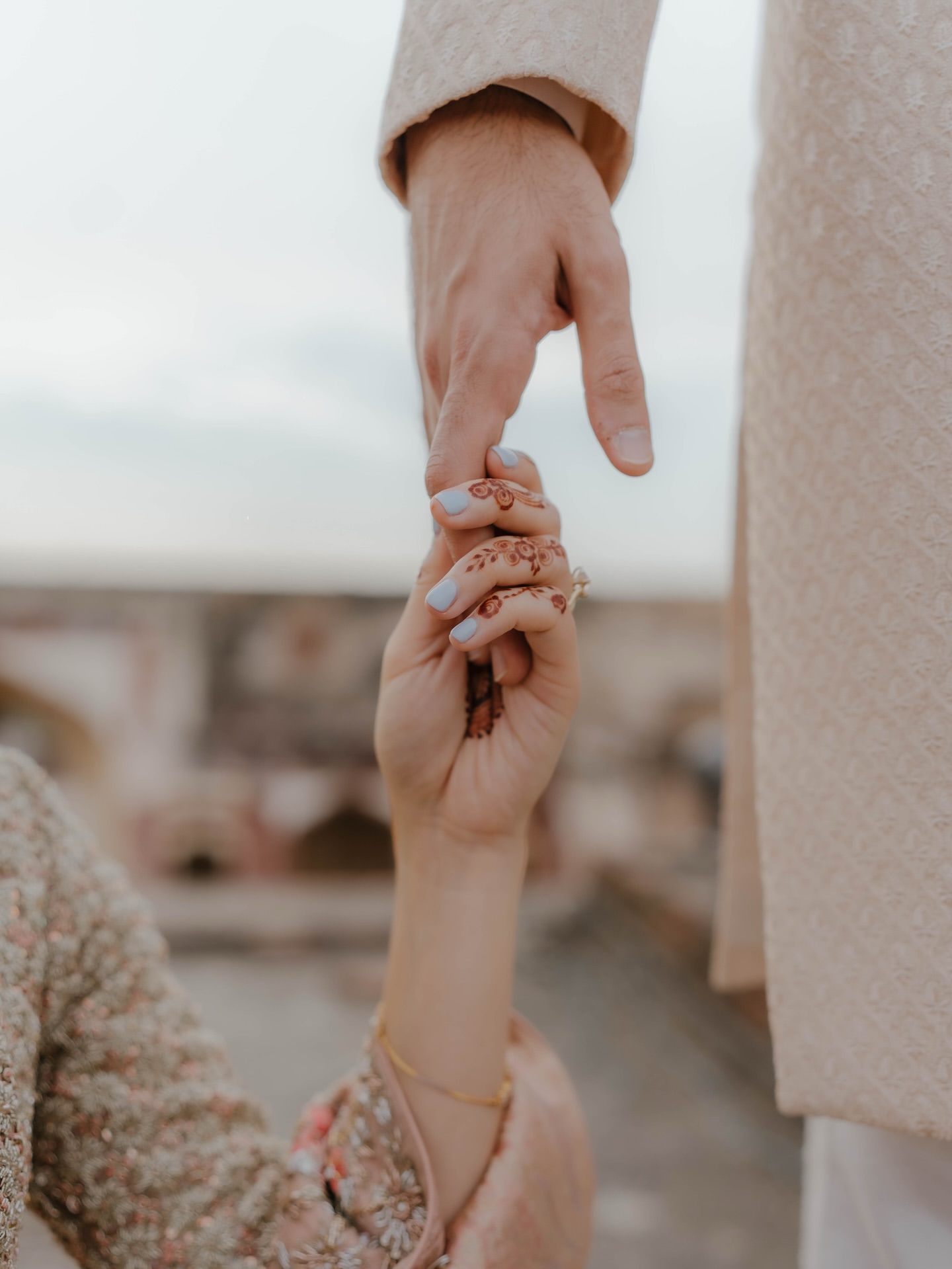
What are some misconceptions international couples might have about hosting a wedding in Pakistan, and how can the industry start changing those perceptions?
Safety is the biggest one – and it’s simply not deserved. Pakistan is safer than people assume, often safer than countries with far better reputations. We do arrange security for families and guests on request, but honestly, it’s more for peace of mind than any real necessity.
What improvements in infrastructure, accessibility, hospitality, and professional standards are needed for Pakistan to compete with established wedding destinations globally?
This is where government support matters most. Weddings are often the first casualty of policy – smog triggers an outright ban, for instance, with little warning. The “one-dish policy” is another relic we need to move past. There are smarter ways to generate revenue from this industry – structured taxation, for one – without restricting it outright.
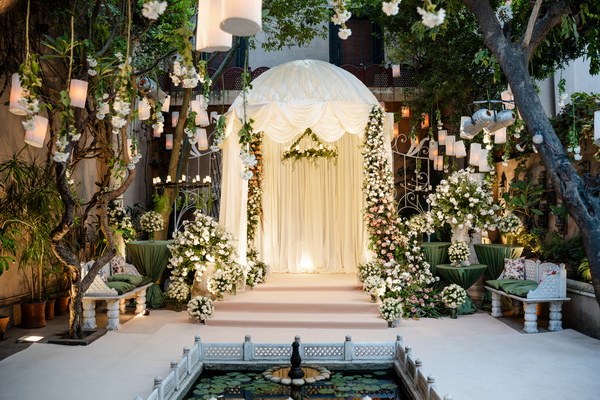
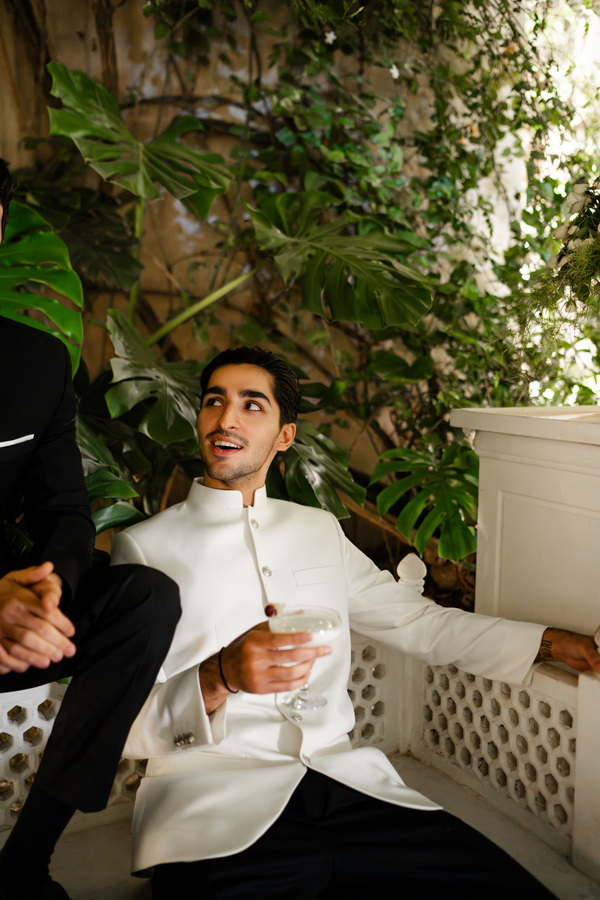
How could promoting destination weddings benefit Pakistan beyond the wedding industry itself – in tourism, craftsmanship, and global image?
The ripple effect is enormous. Guests who attend a wedding here almost always want to return. This is roughly a Rs 300 billion industry, and it employs an extraordinary number of people – women, in particular, are at the very forefront of it.
You’ve spoken about changing the landscape of Pakistani wedding planning. What do you think the industry has traditionally lacked, and what are you consciously doing differently?
Service standards, across the board, need to rise – and part of the reason they haven’t is that there’s never been a formal education pathway into this field. That gap is exactly why we built our event planning program.
If your larger vision becomes reality, how do you hope planning a wedding in Pakistan will look and feel five years from now?
I want Pakistan to be the number one destination wedding choice for international Pakistanis, full stop.