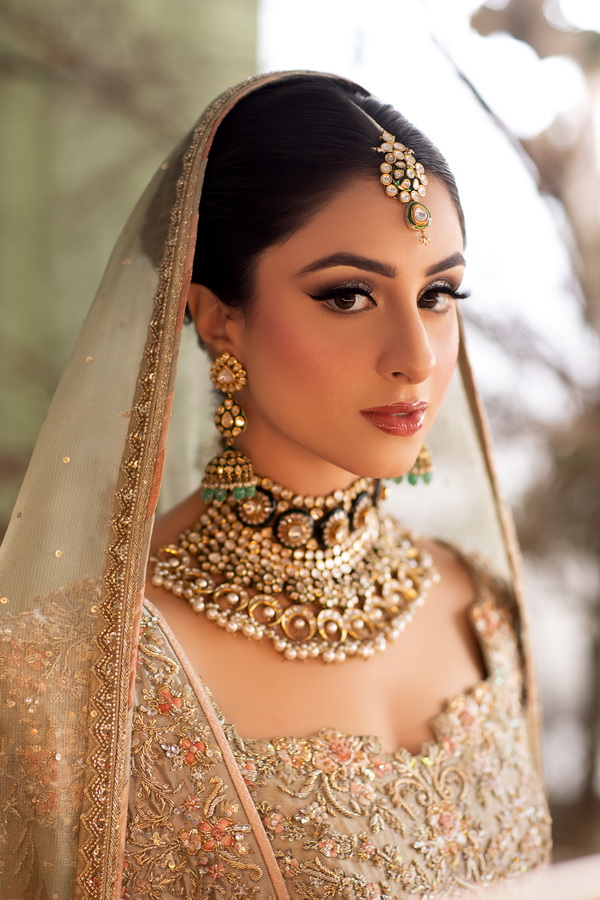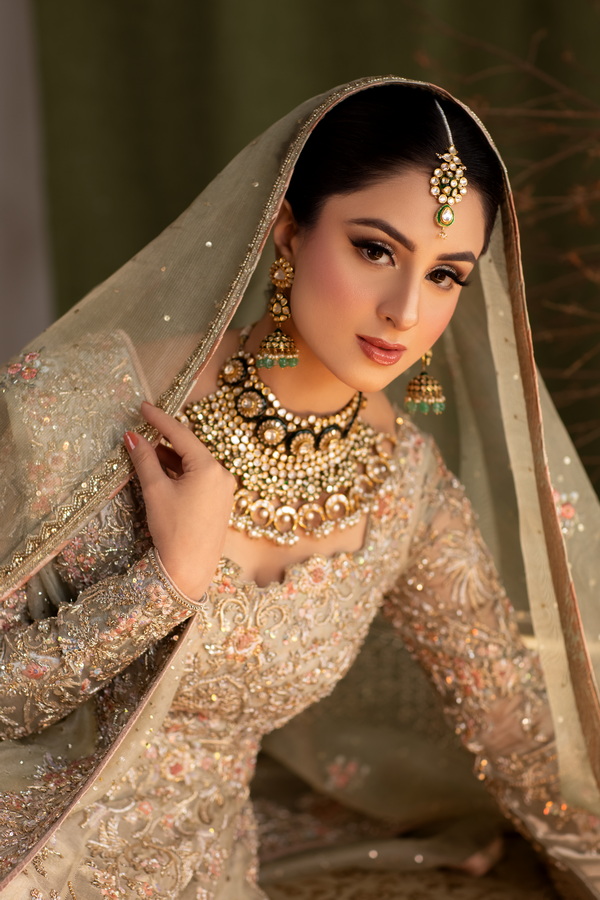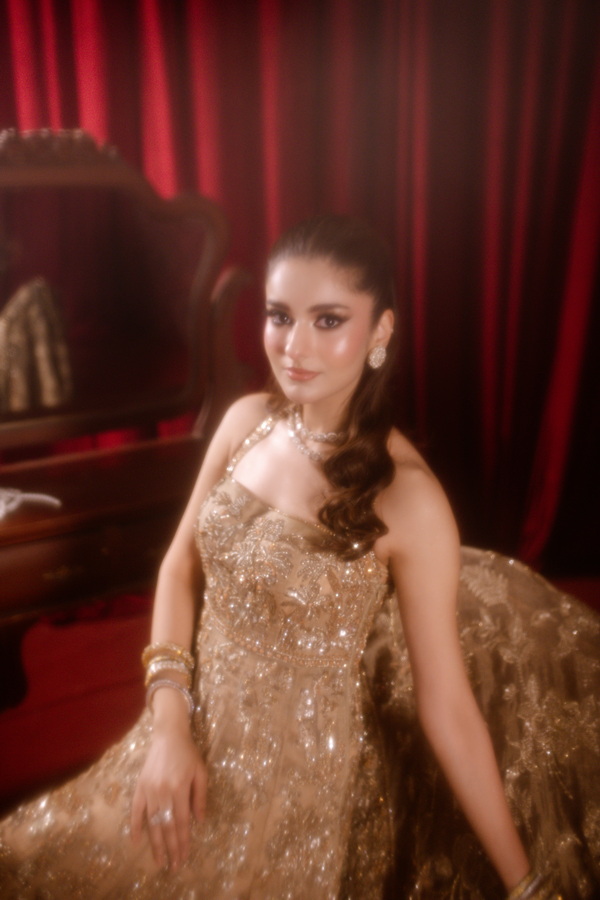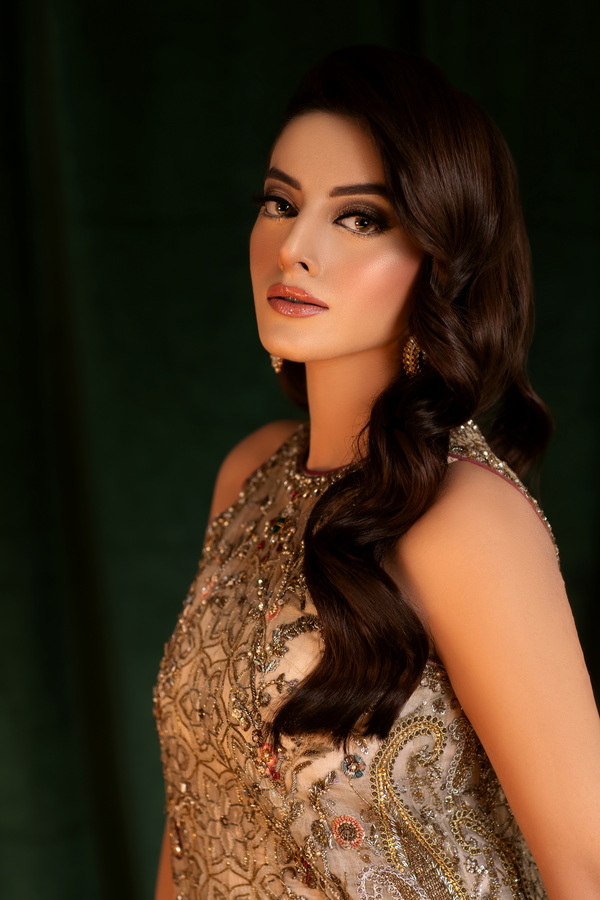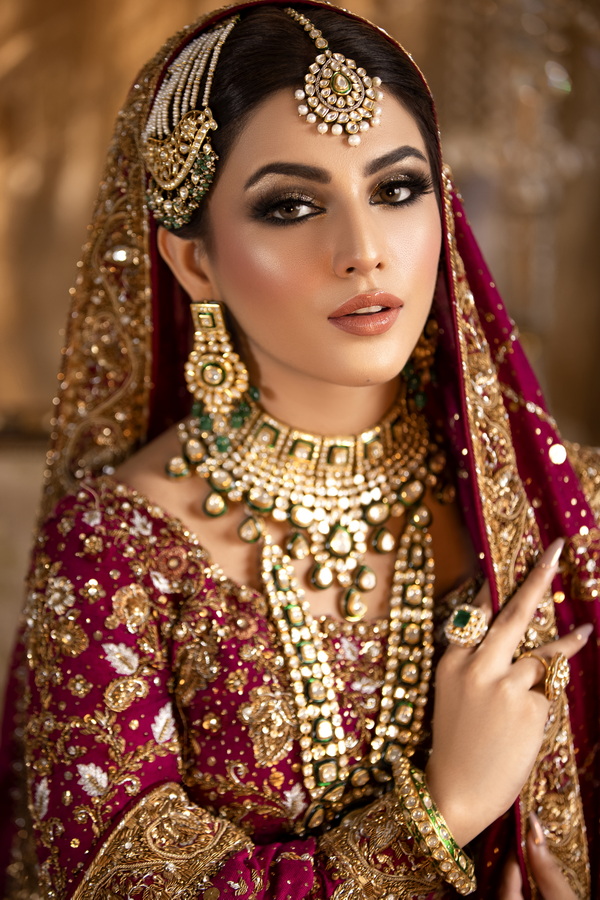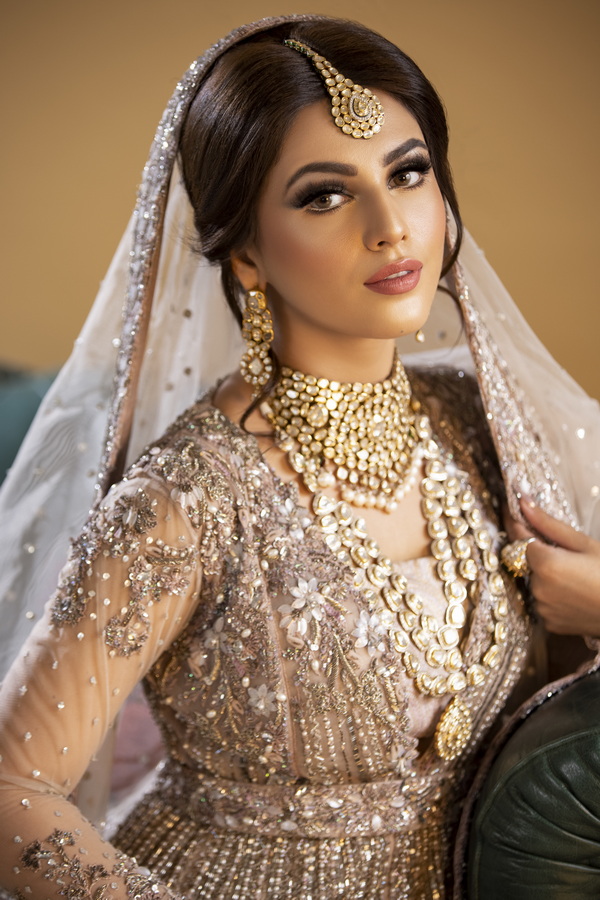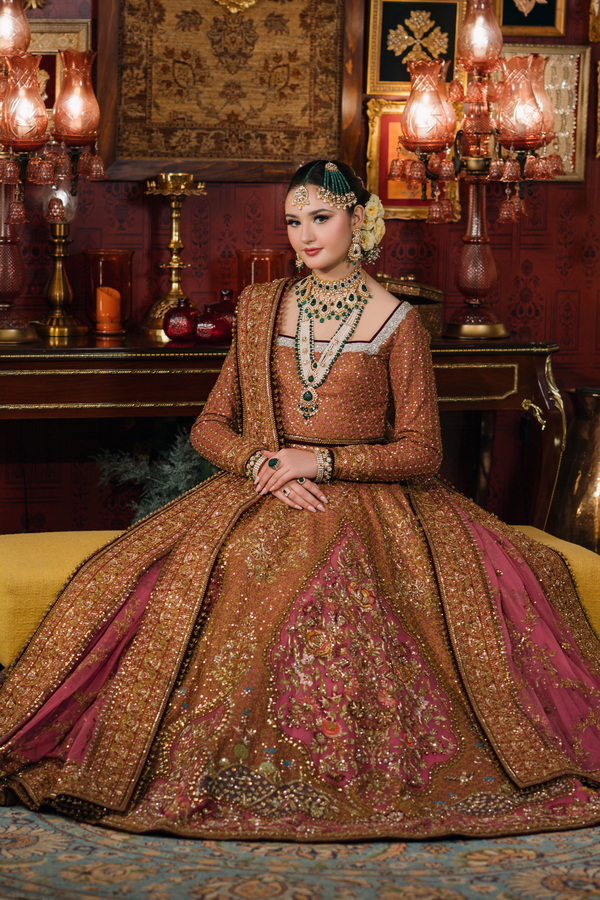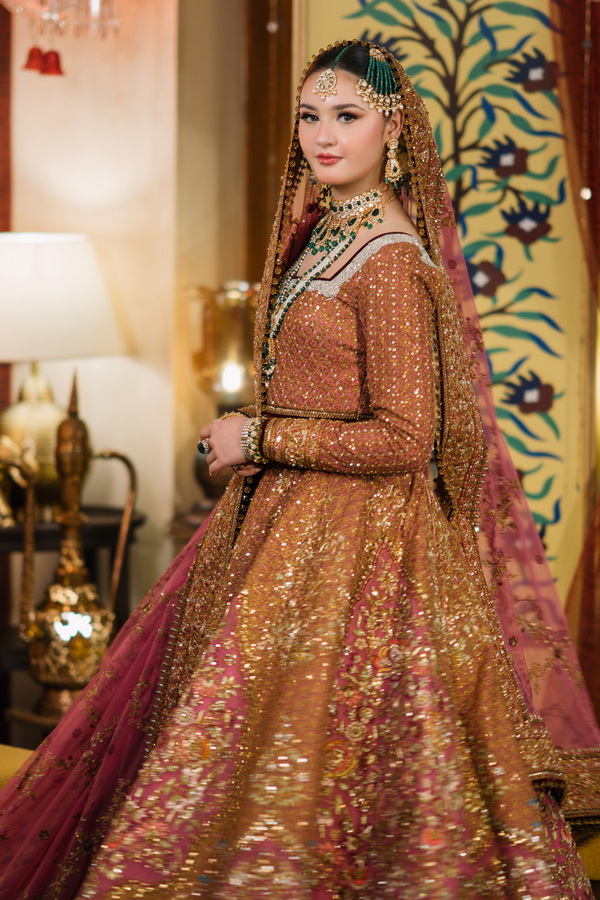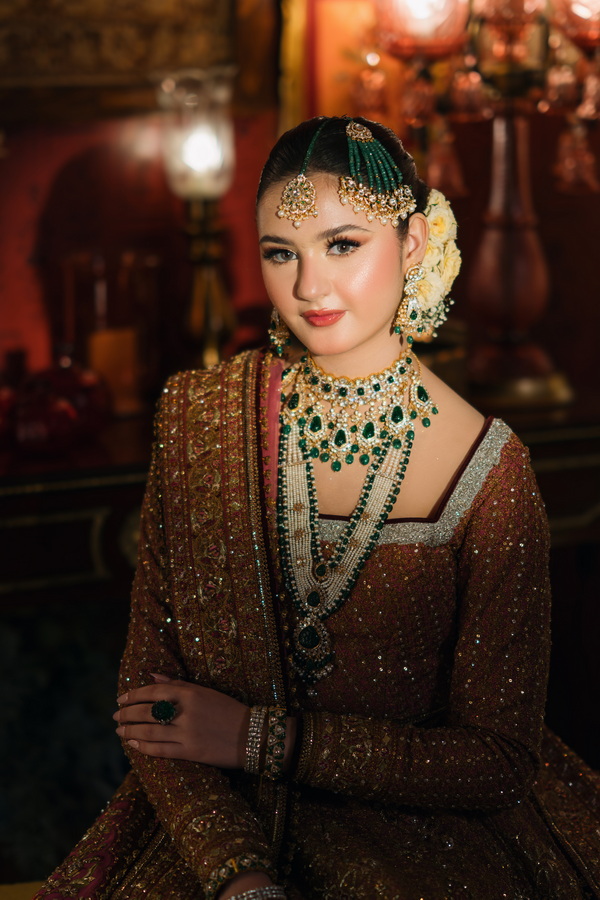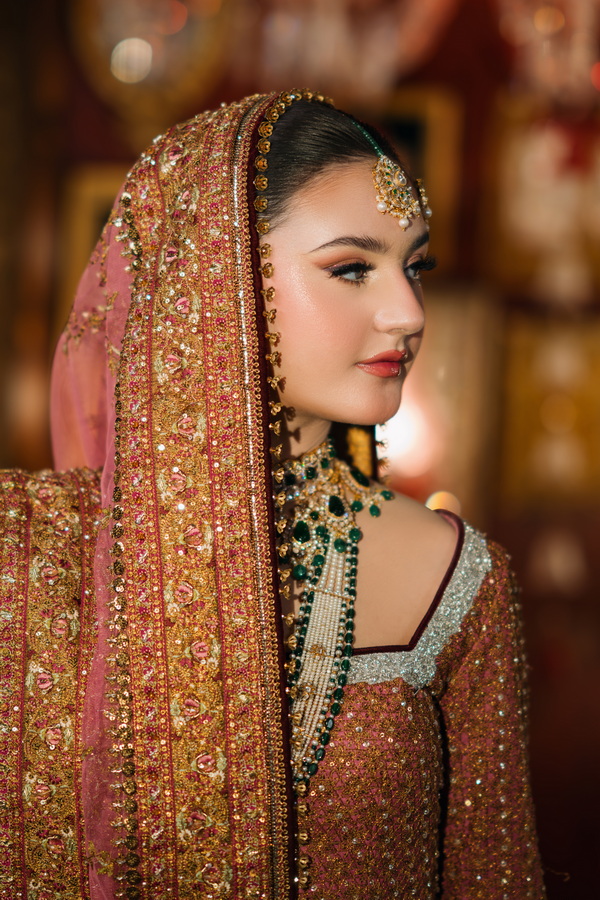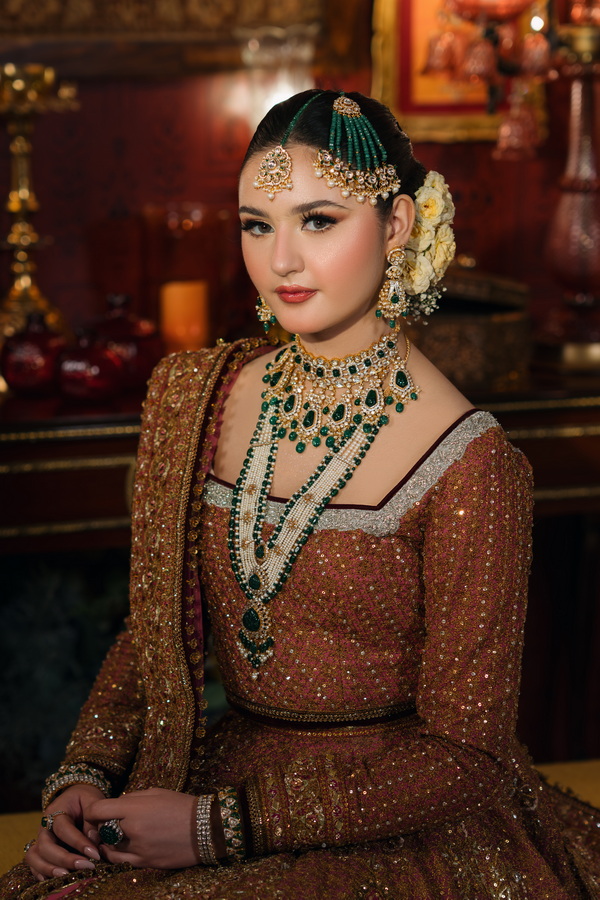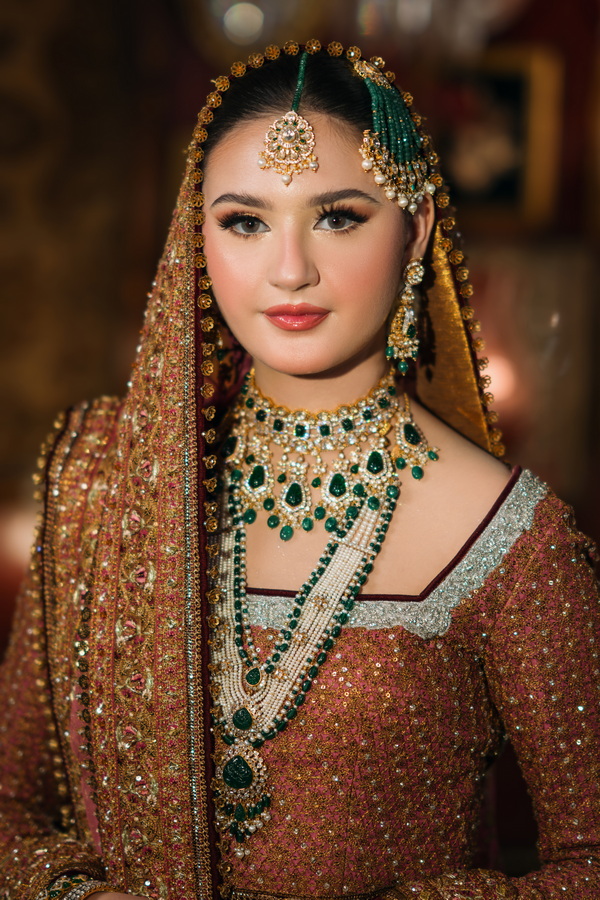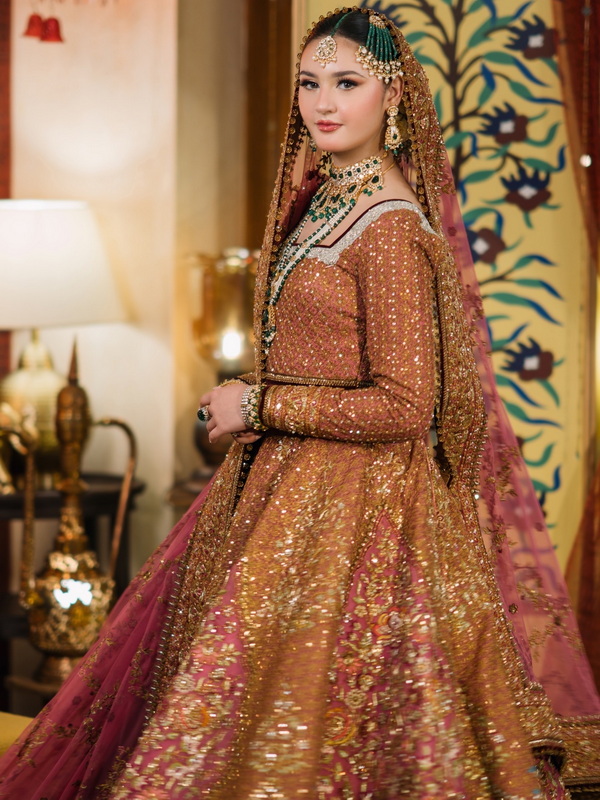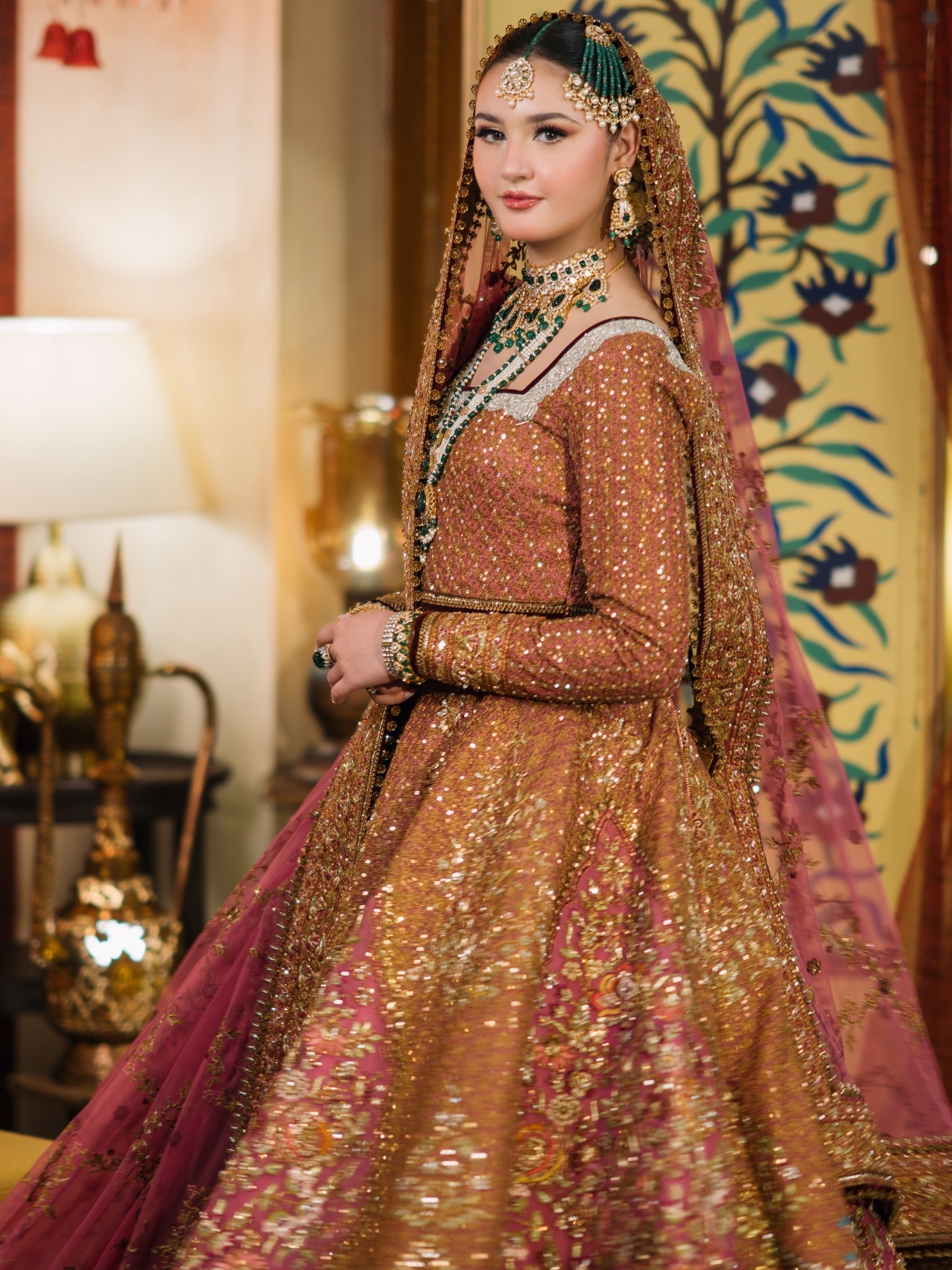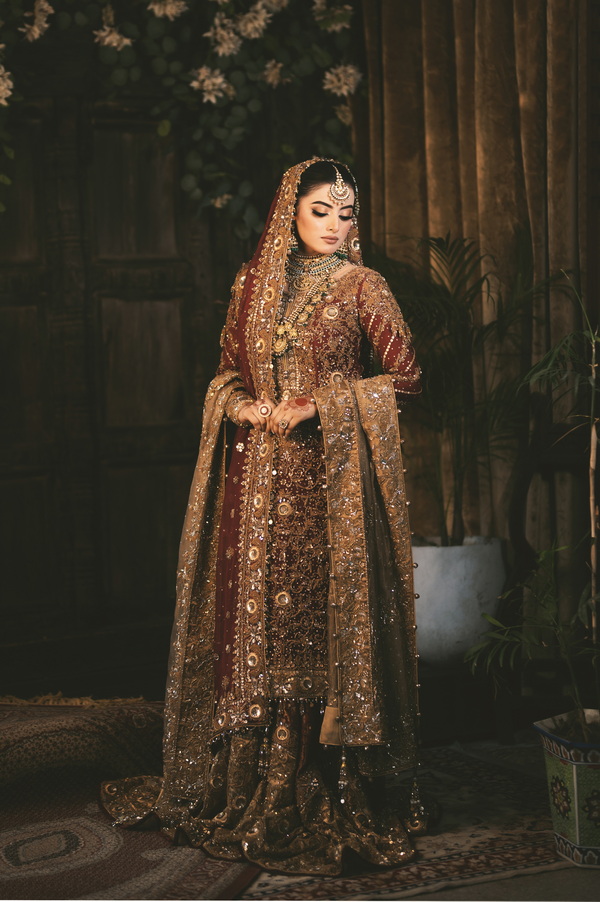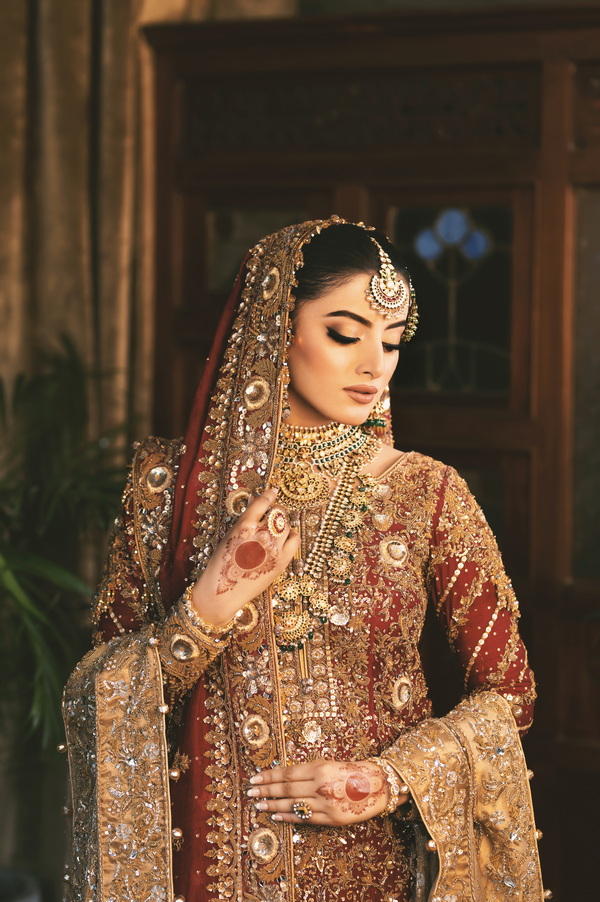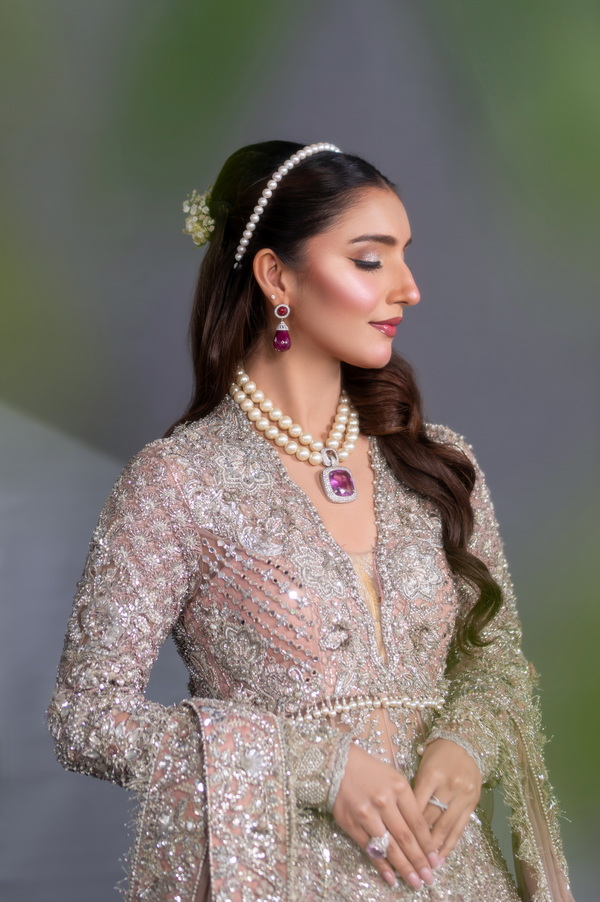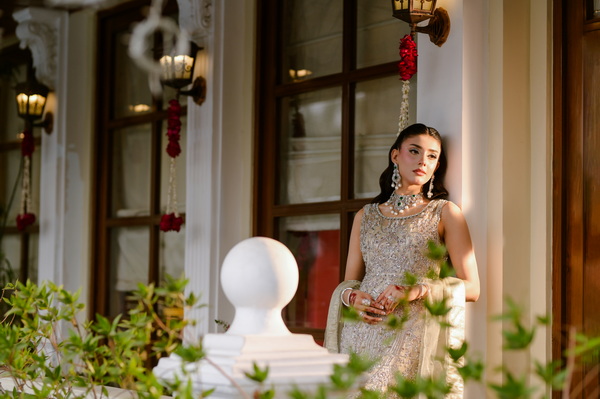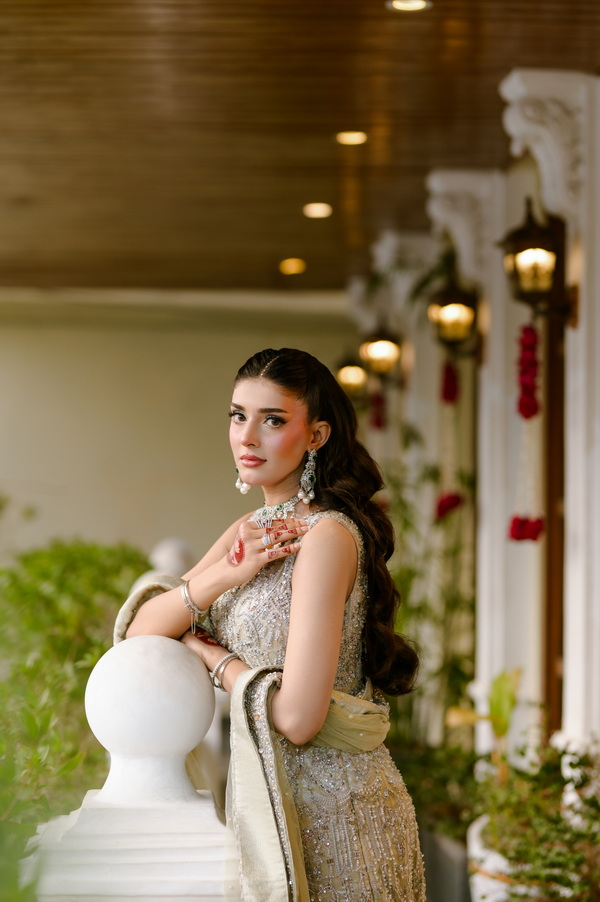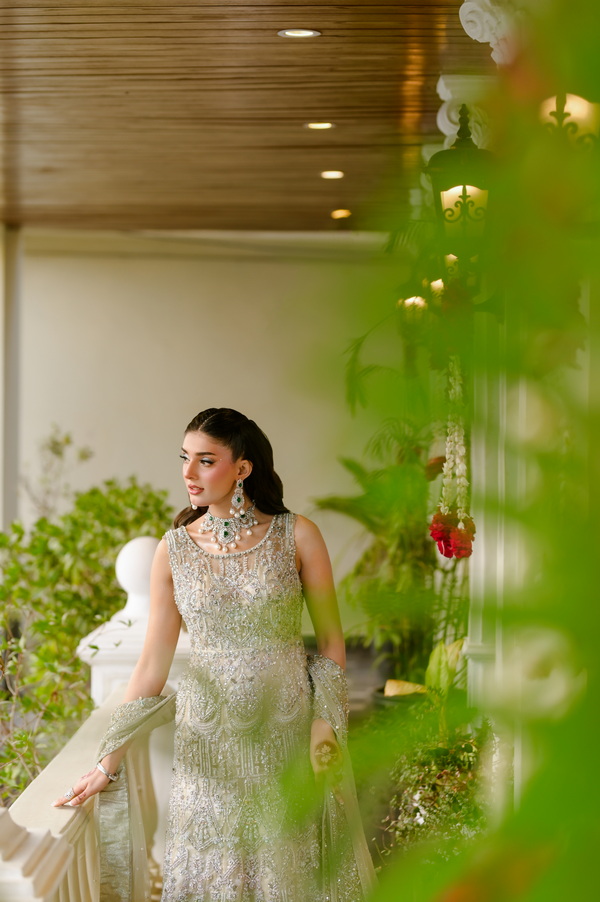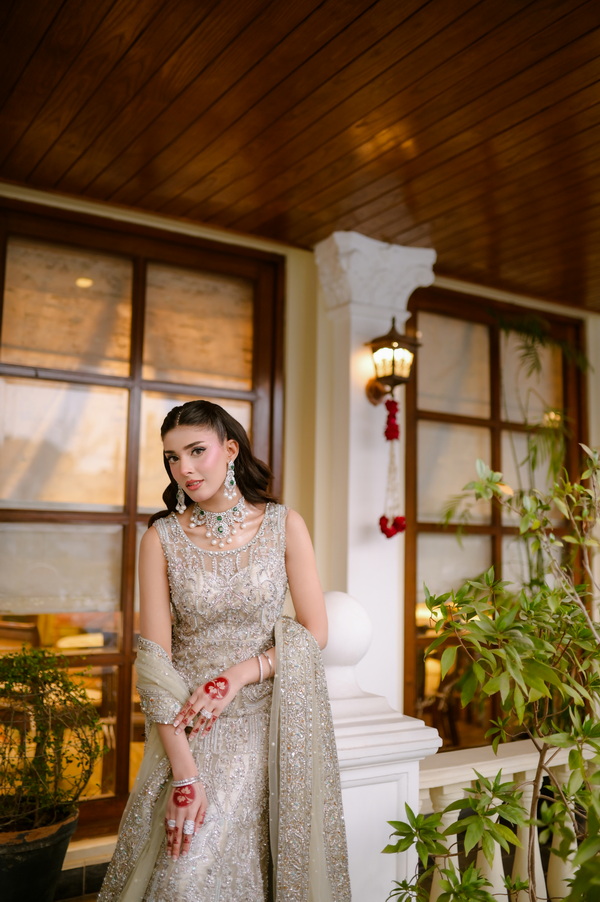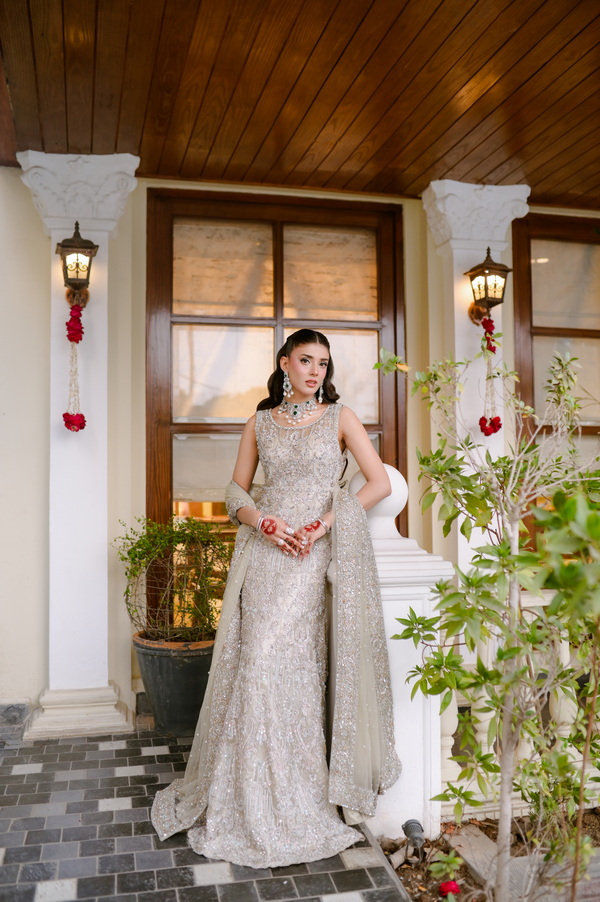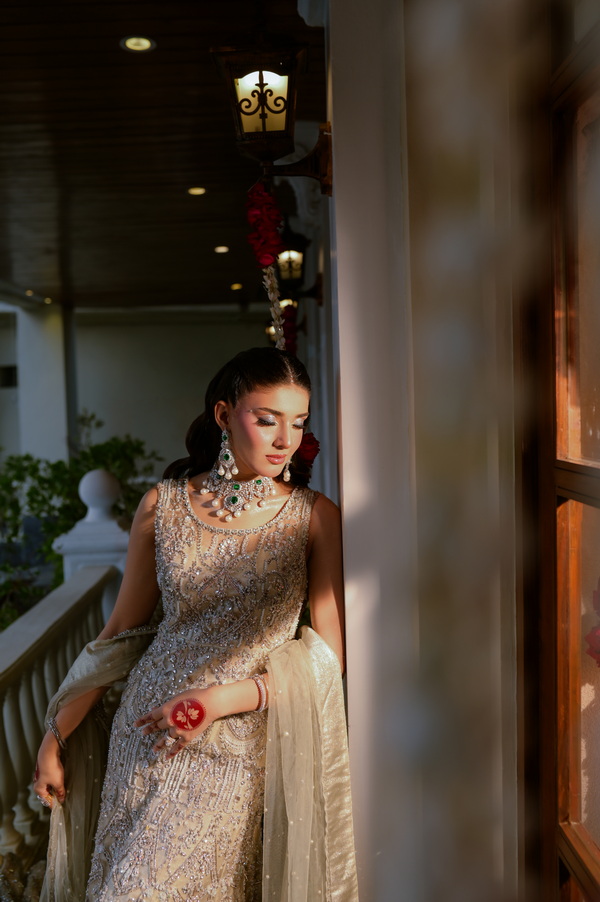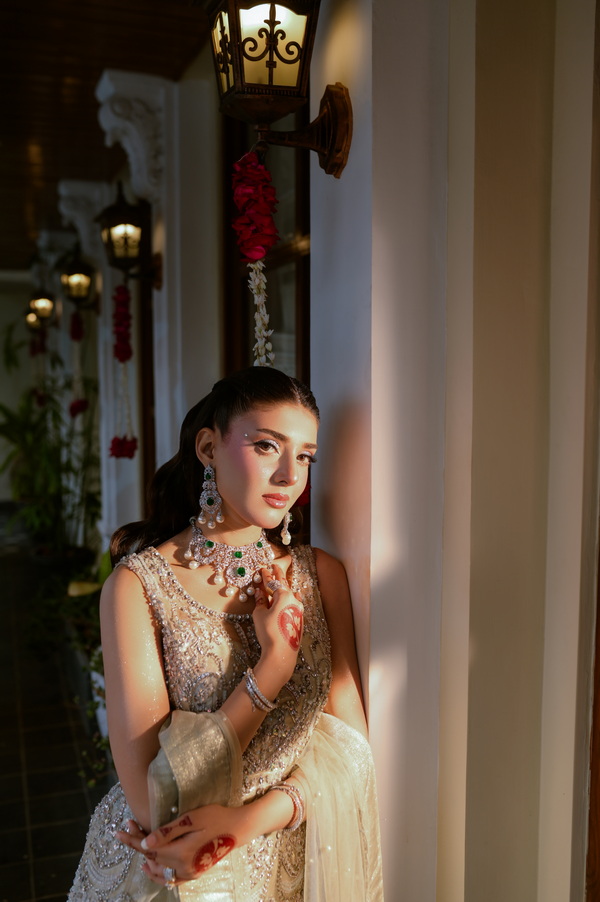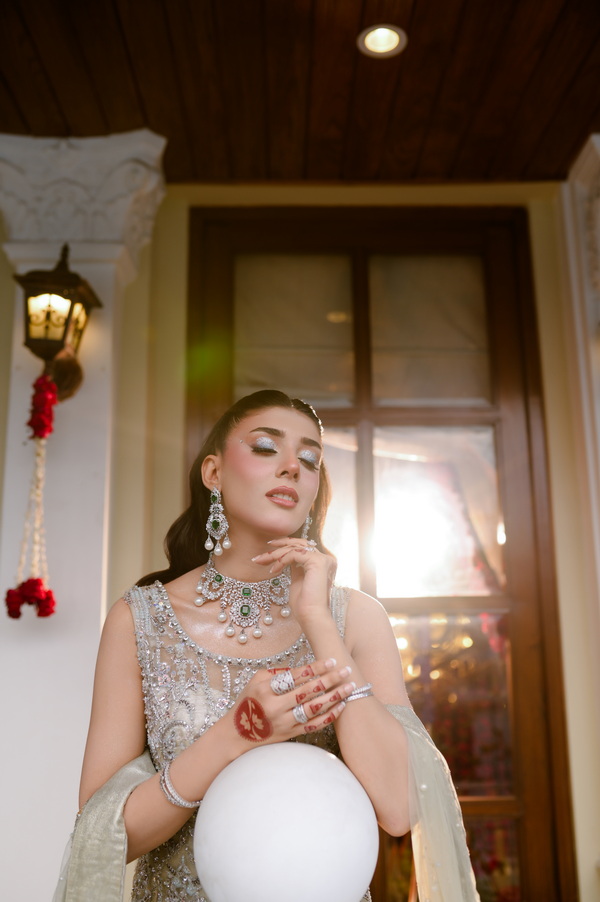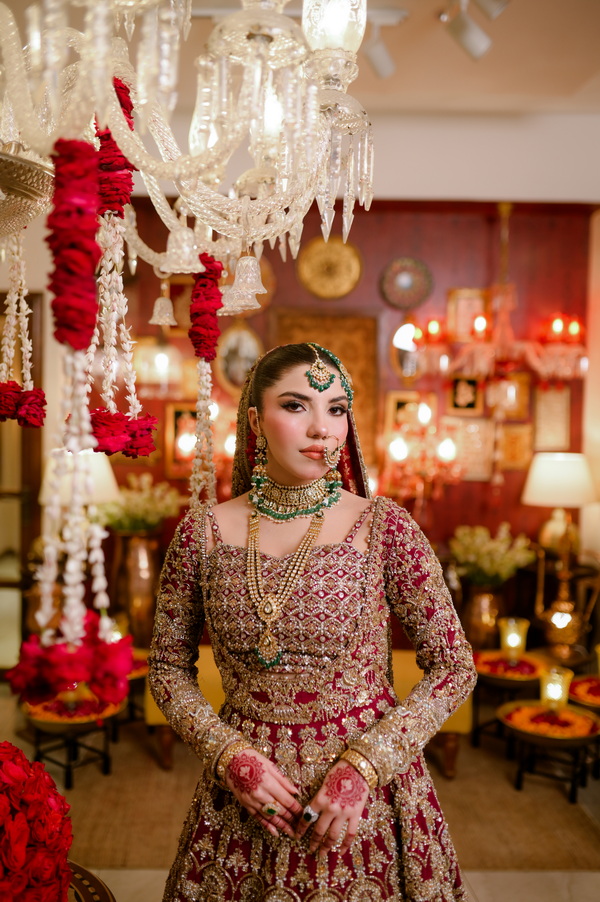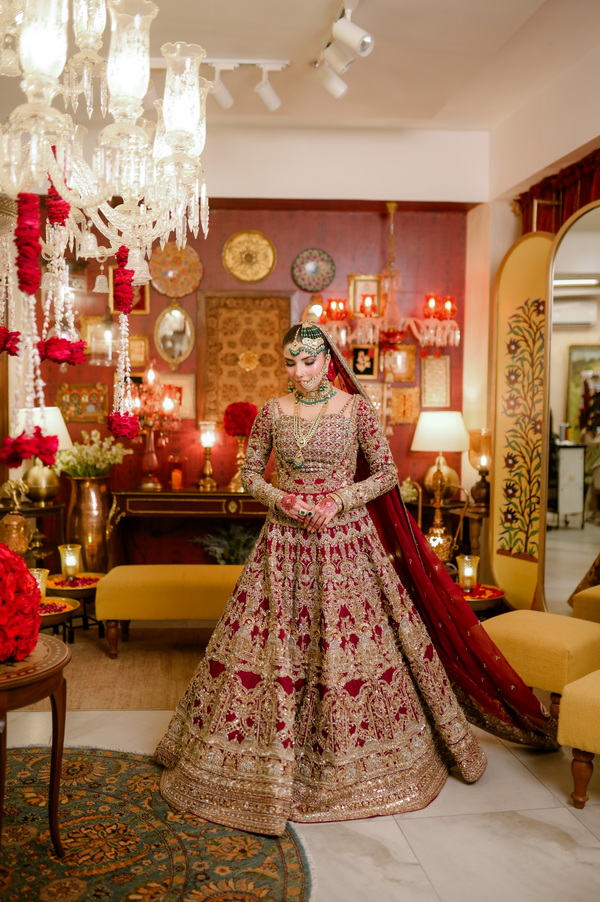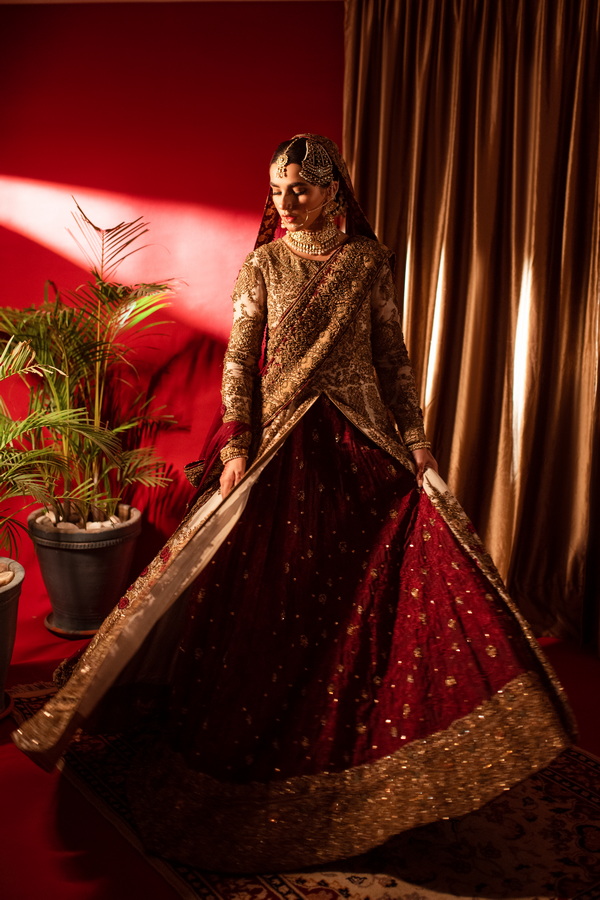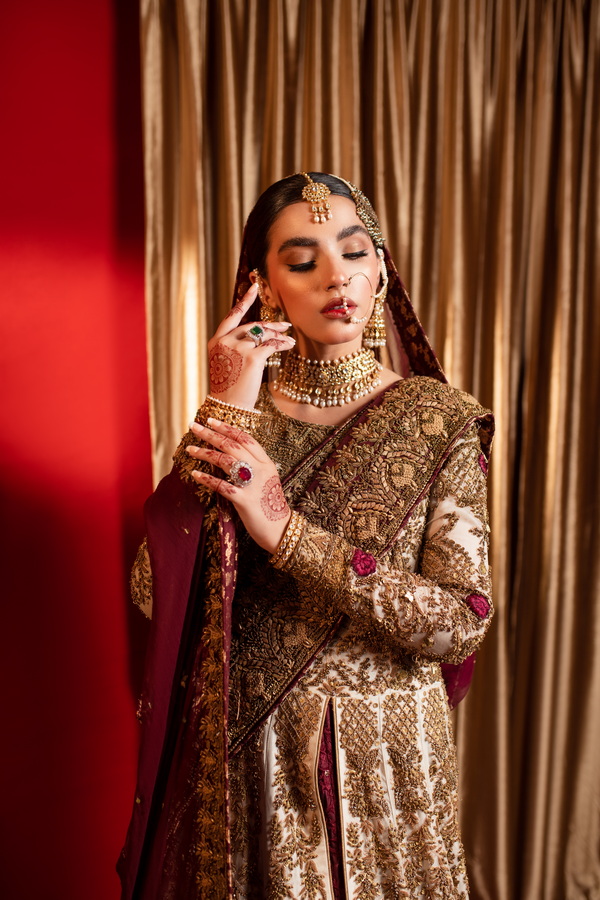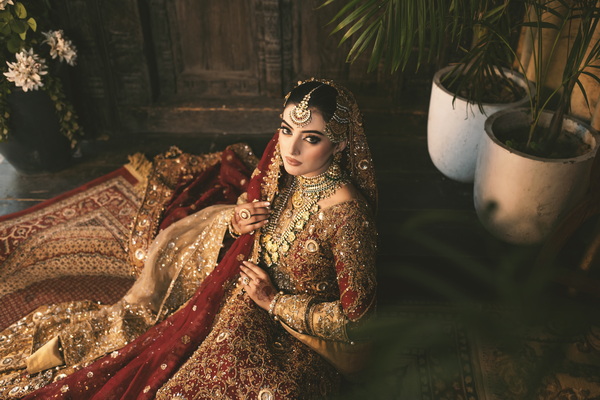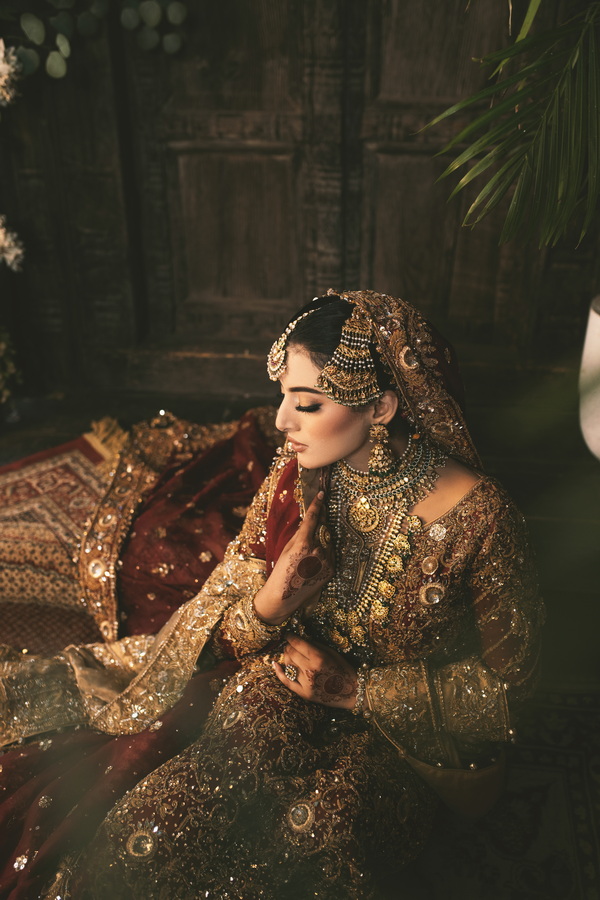

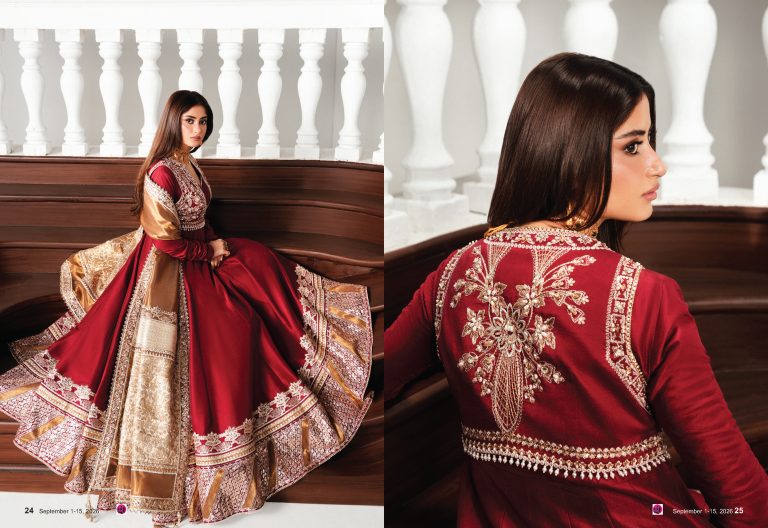
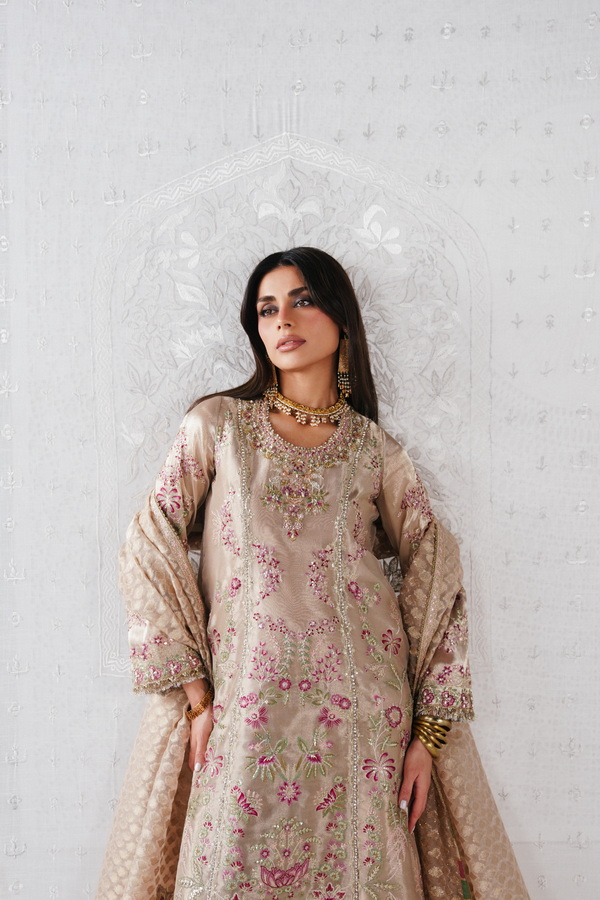
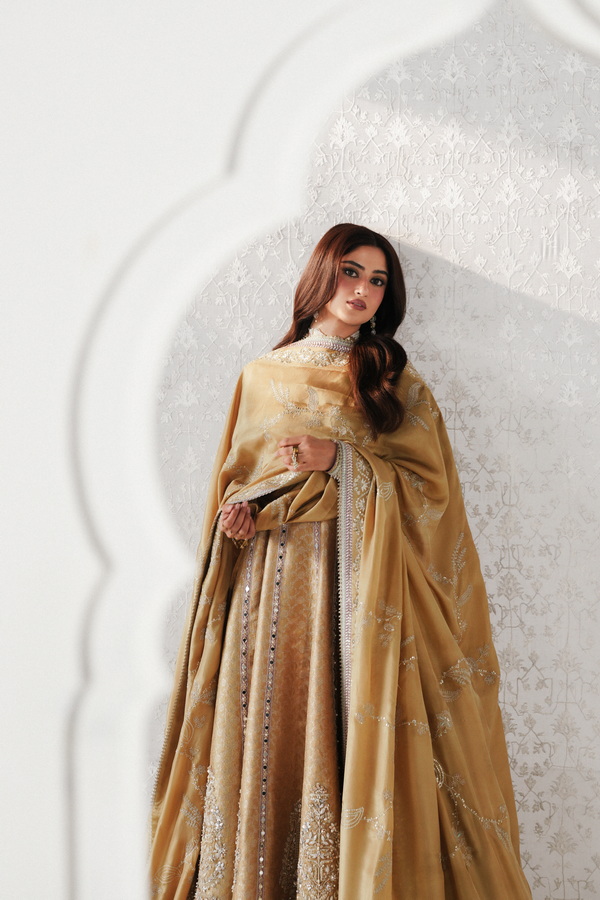
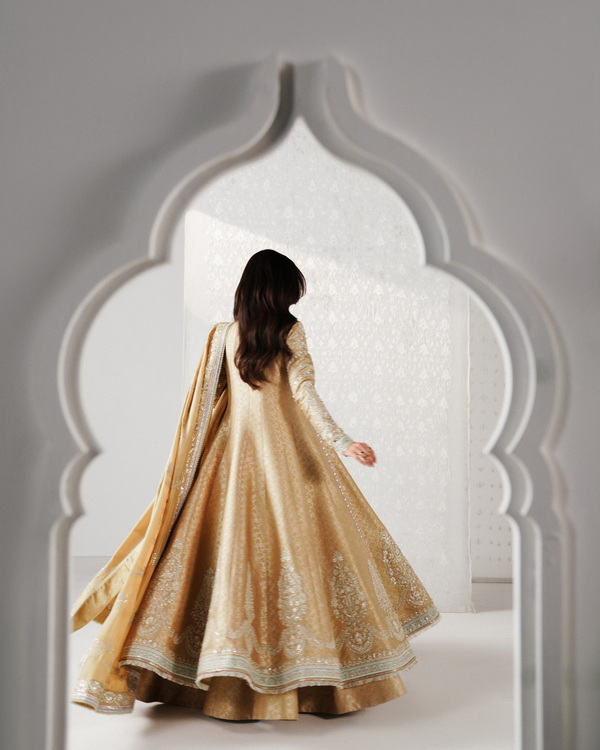
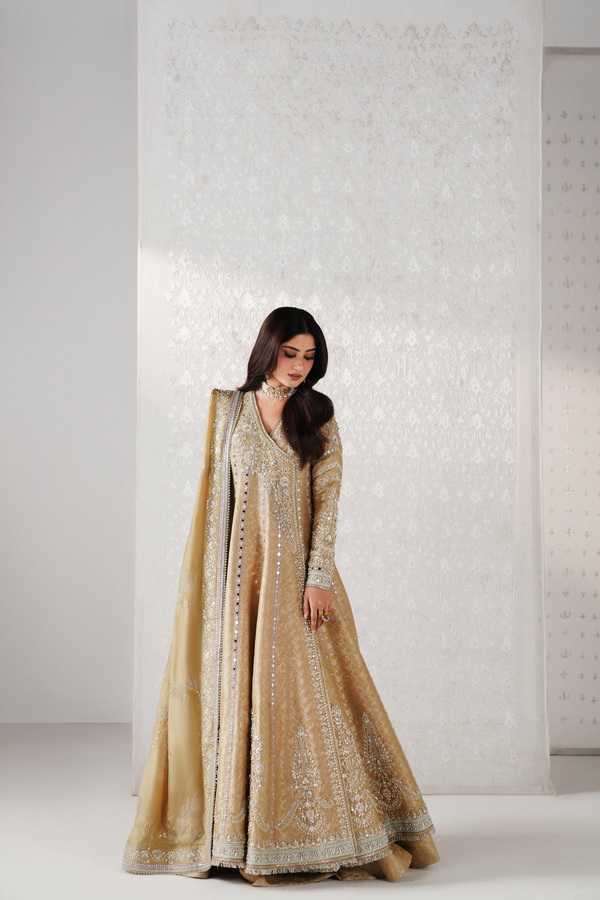
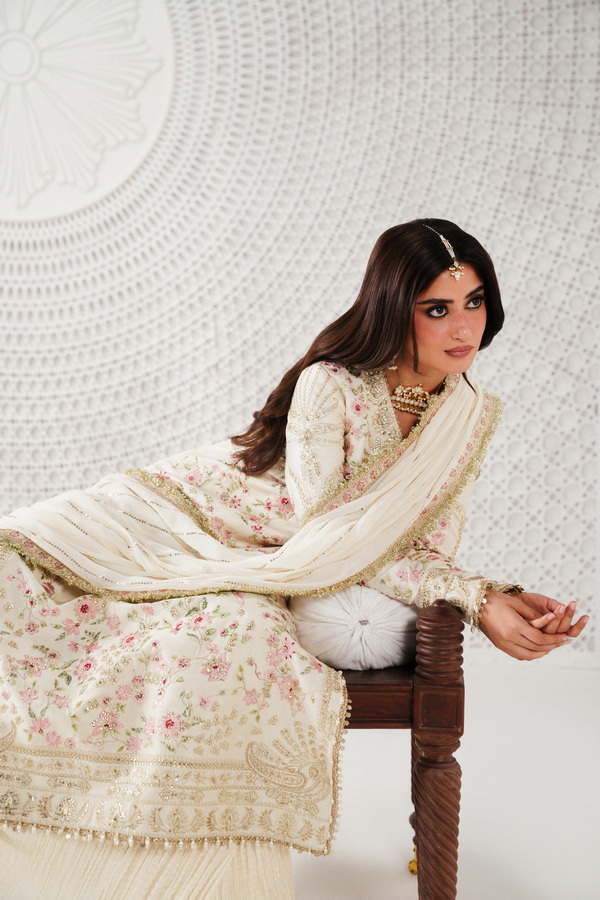
A collection crafted for those who believe in keeping it simple, elegant, yet effortlessly royal.
Thoughtfully designed for your festive moments, with timeless silhouettes, refined details, and an understated sense of luxury.
Your festive wardrobe, elevated.
Launching 4th September.
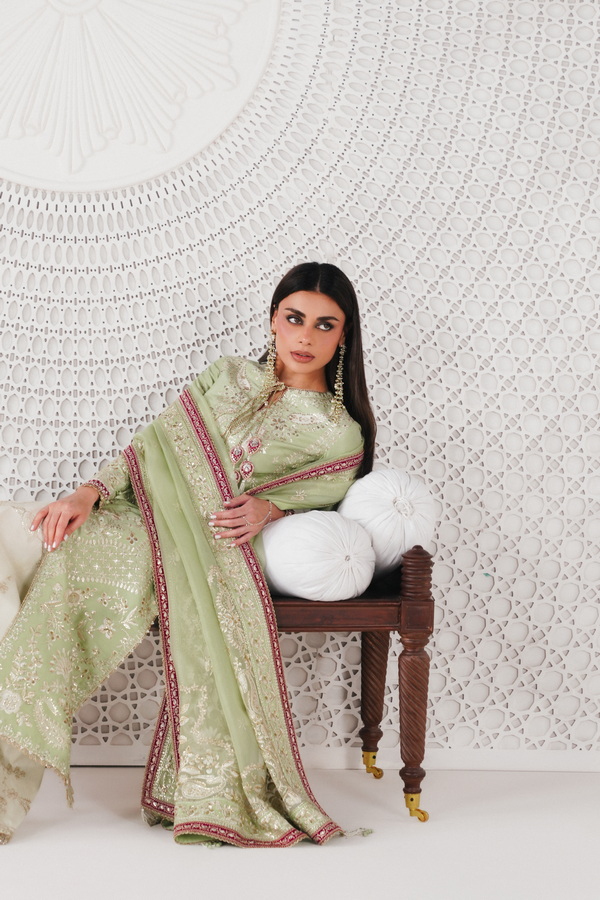
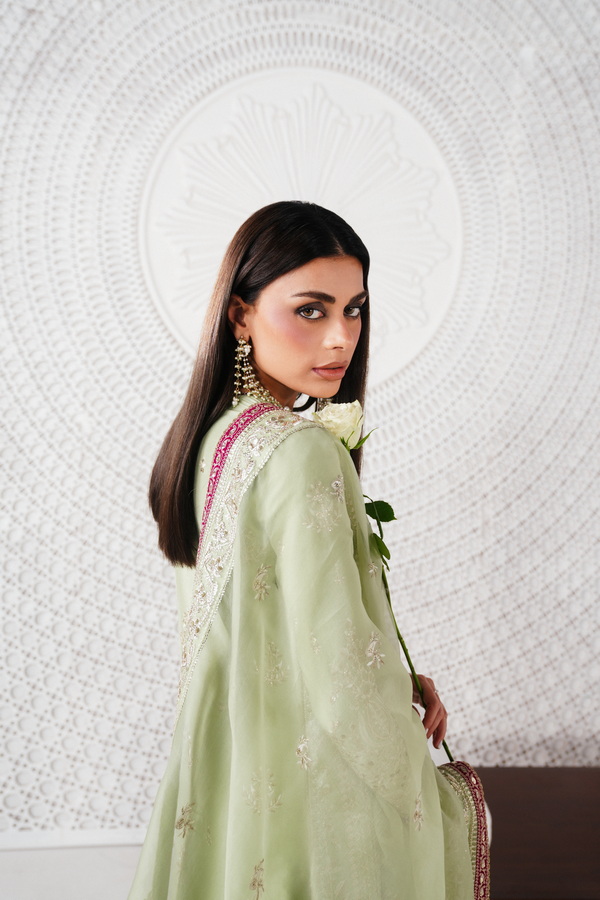
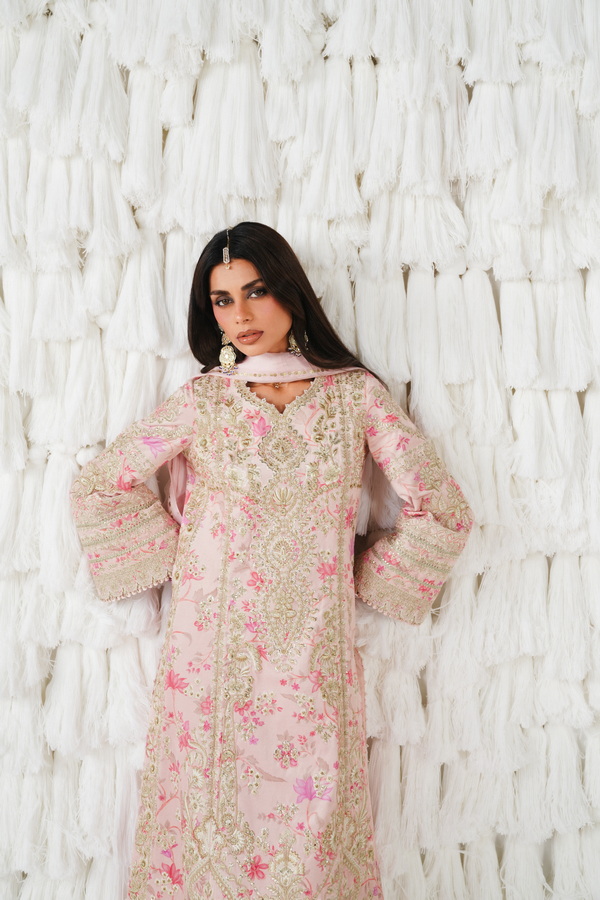
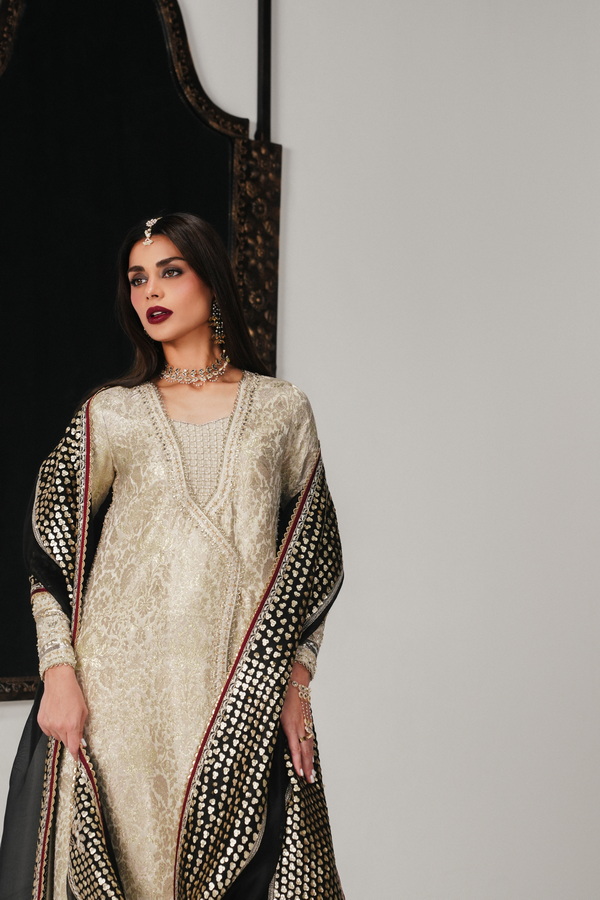
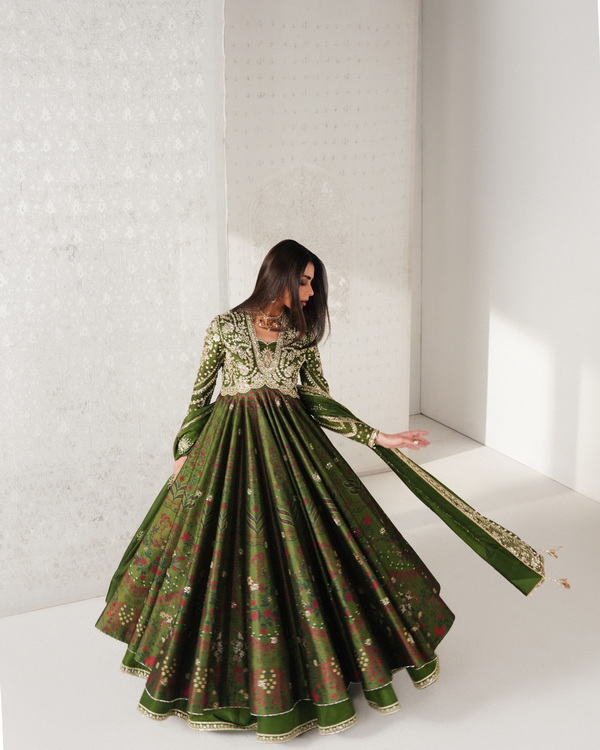
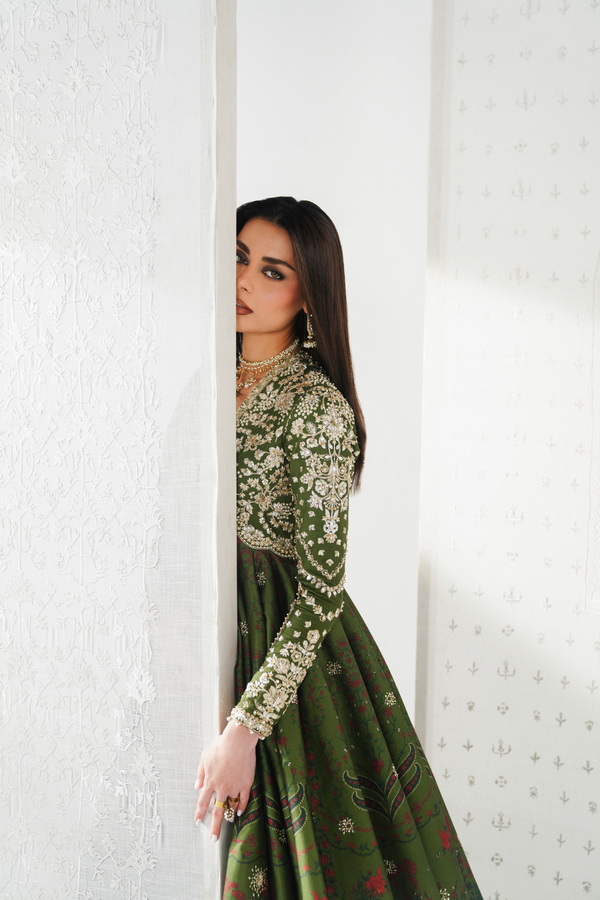
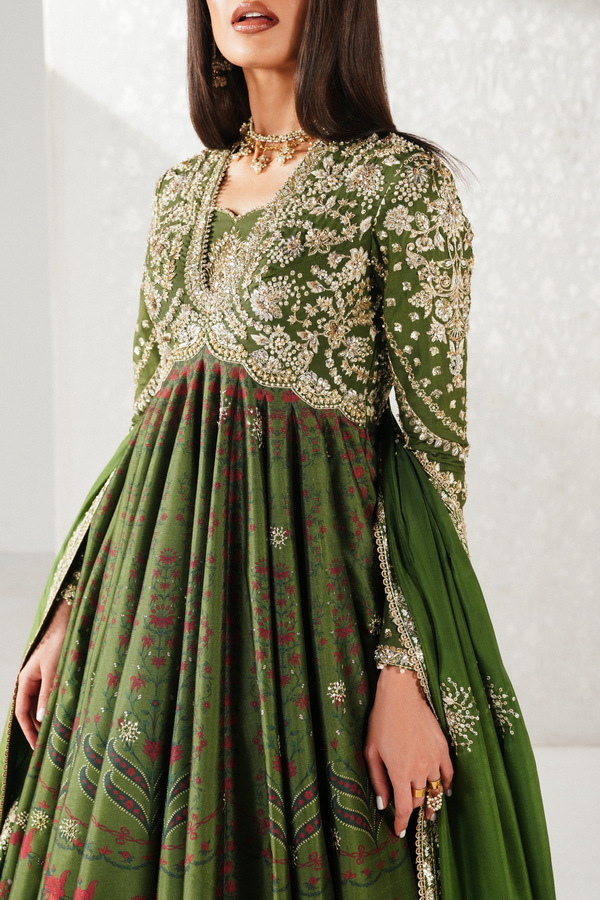
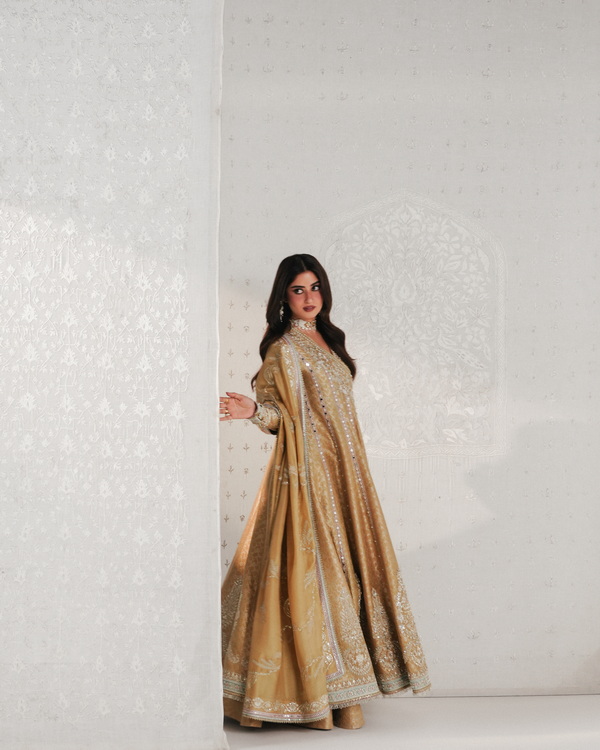
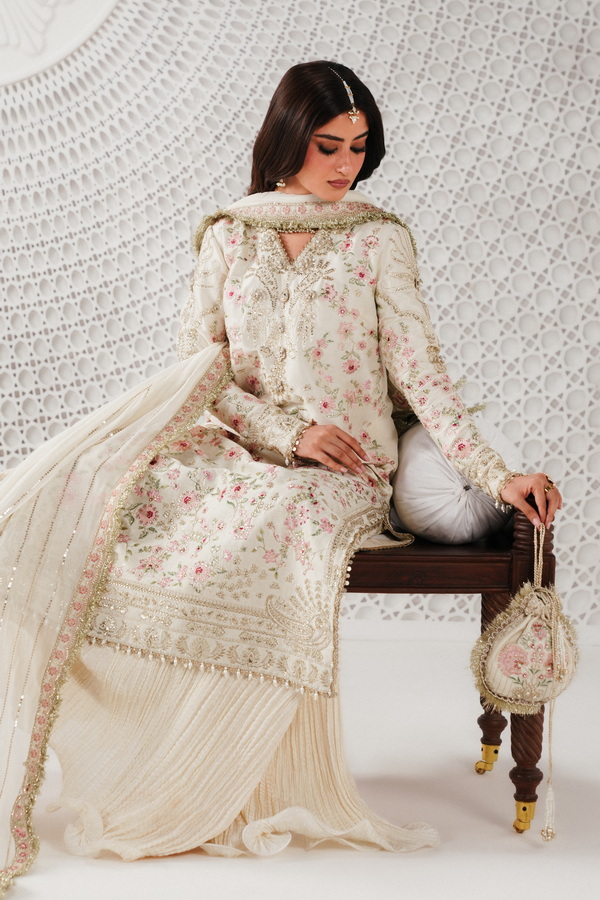
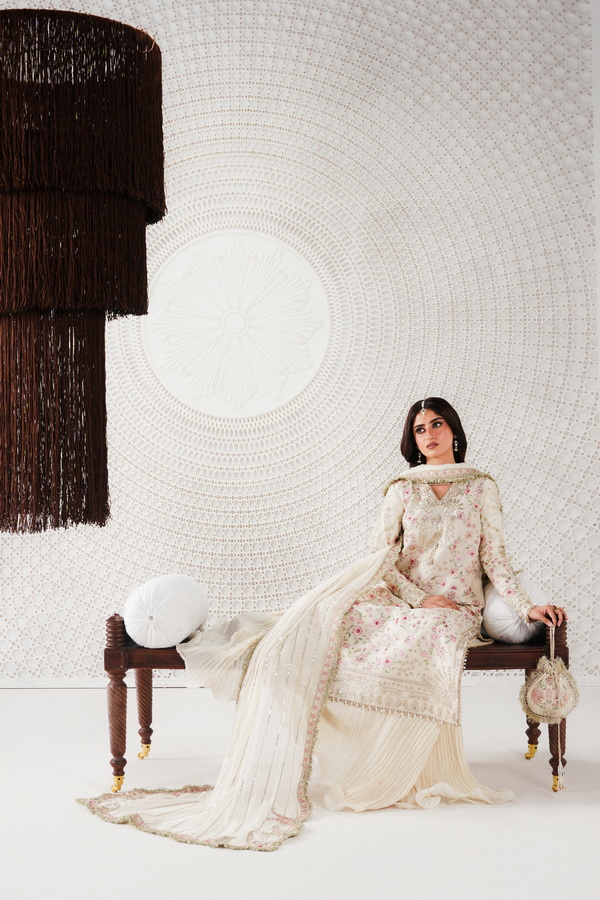
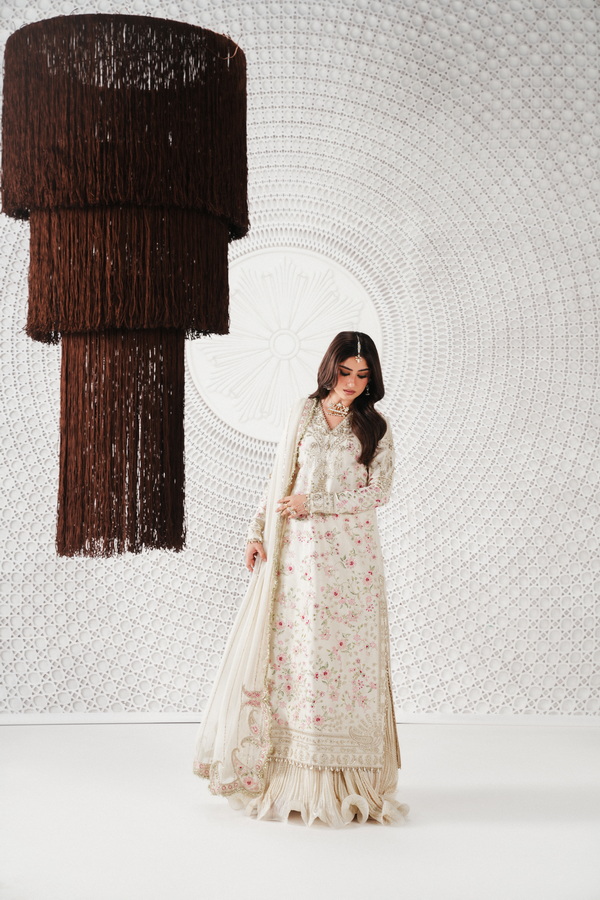
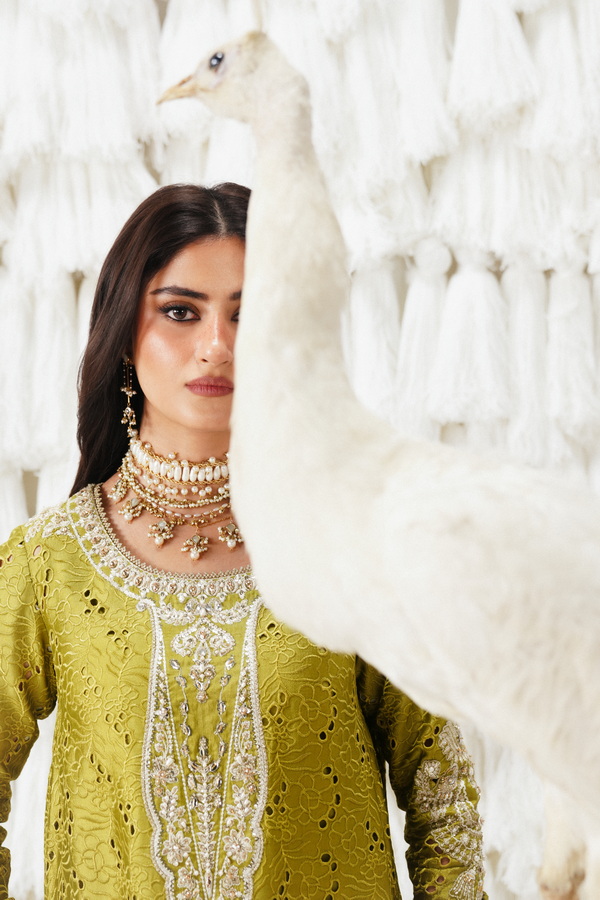
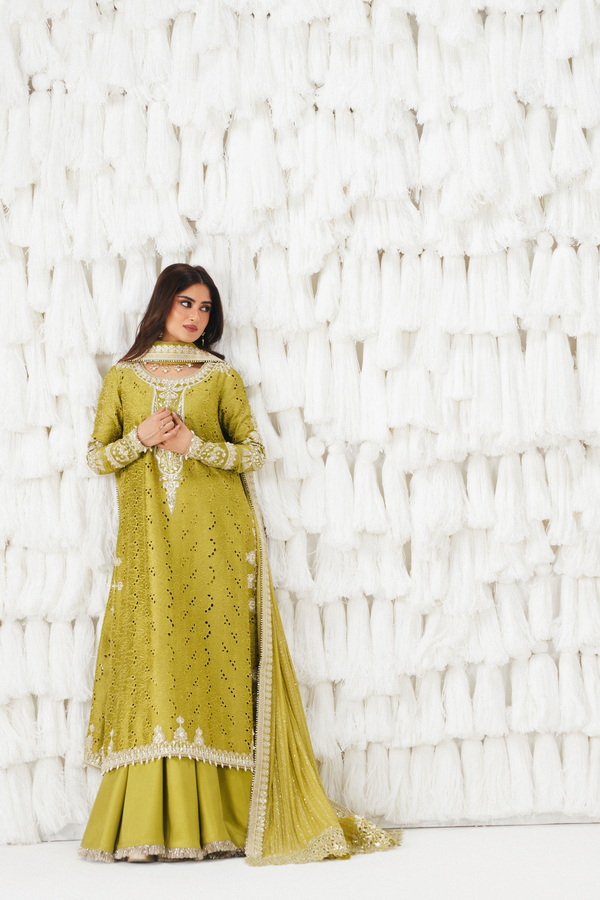
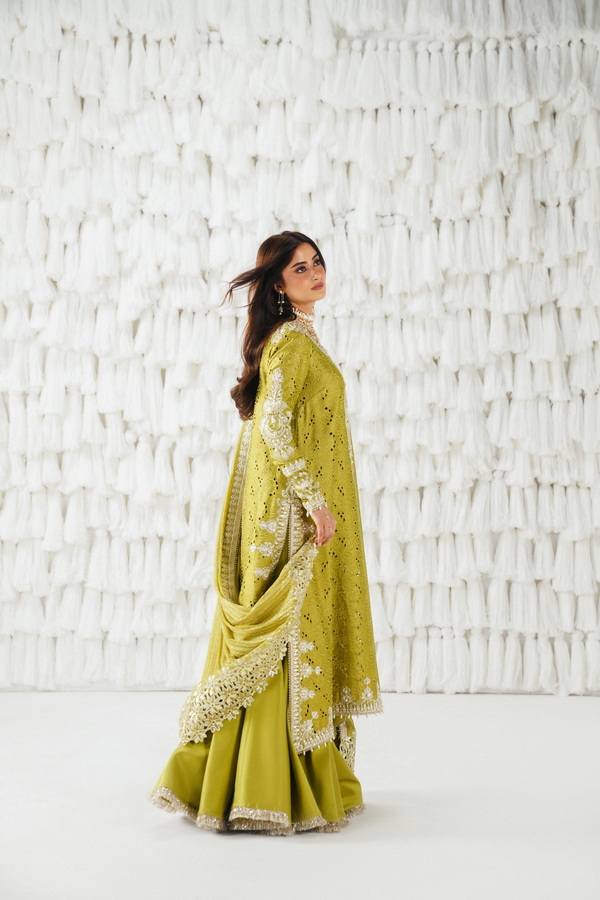
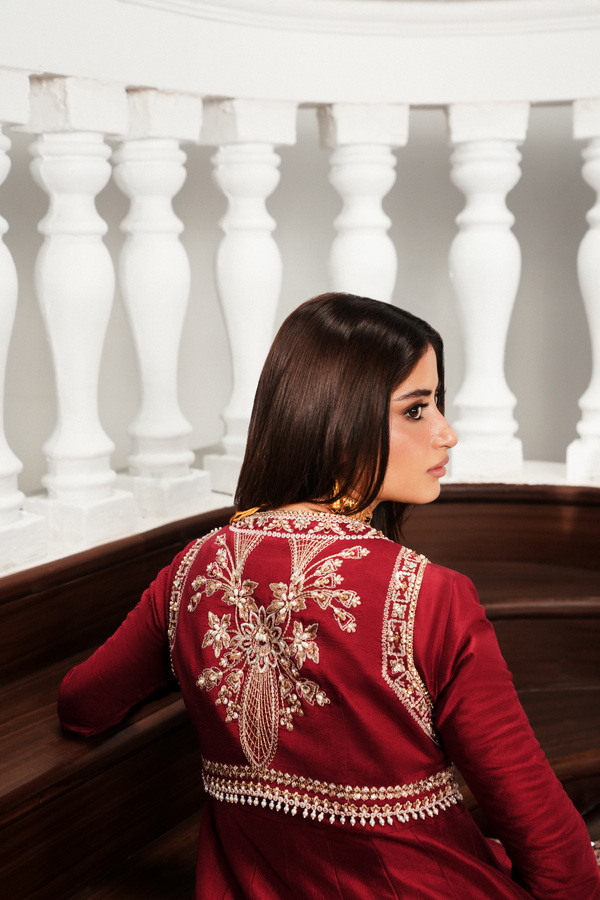
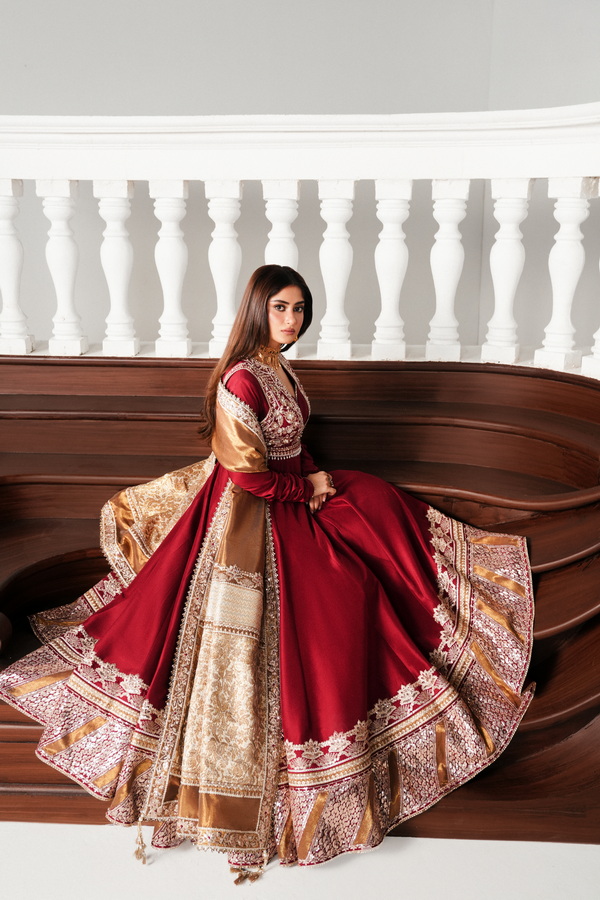
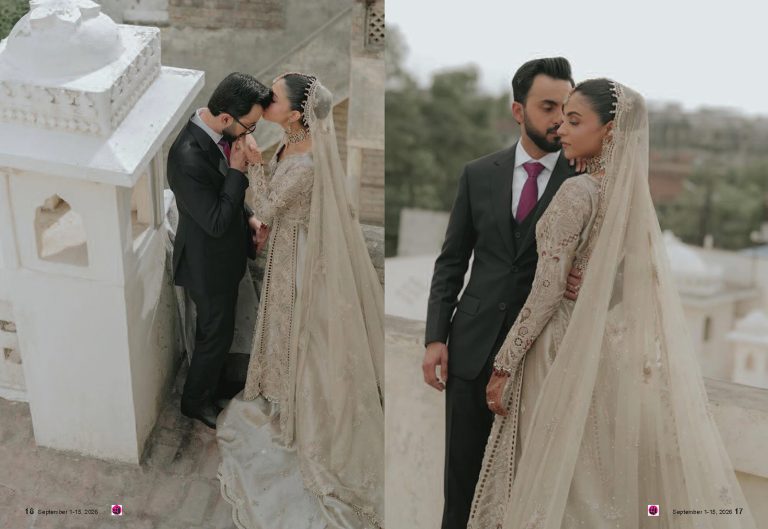
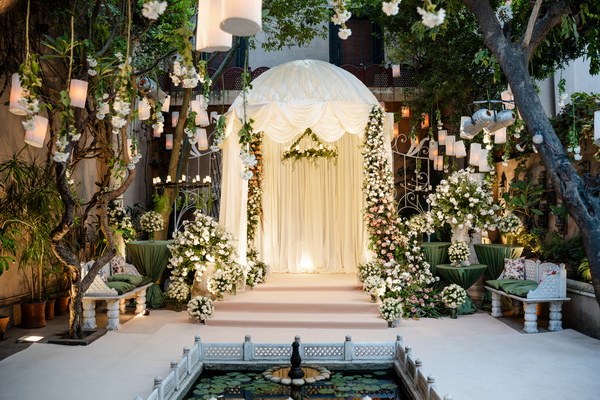
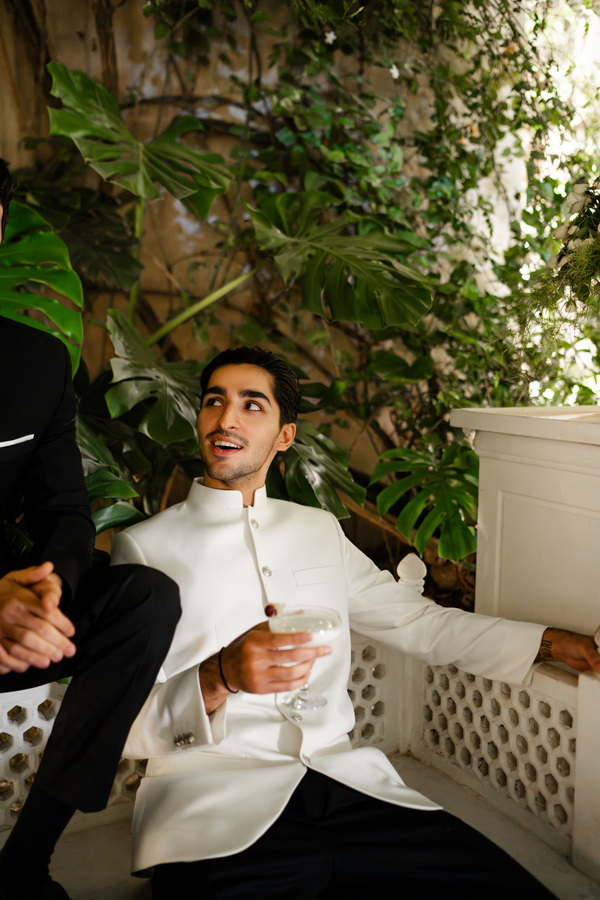
For Hamza Sadiq Cheema, wedding planning is not simply about creating a beautiful celebration, it is about building trust, honouring heritage and delivering an experience that feels deeply personal. What began as a love for weddings gradually evolved into HSC, shaped by his determination to bring greater structure, accountability and professionalism to Pakistan’s wedding industry.
Today, his vision extends far beyond planning individual events. By helping overseas Pakistanis celebrate their weddings at home, encouraging local vendors to meet international standards and showcasing the country’s extraordinary design, craftsmanship and hospitality, Hamza is working to position Pakistan as a wedding destination for the world.
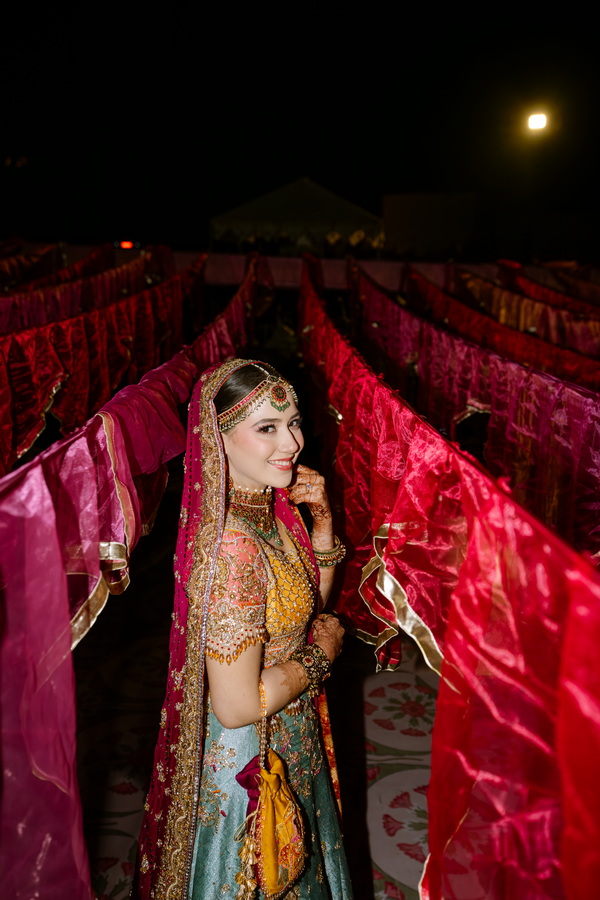
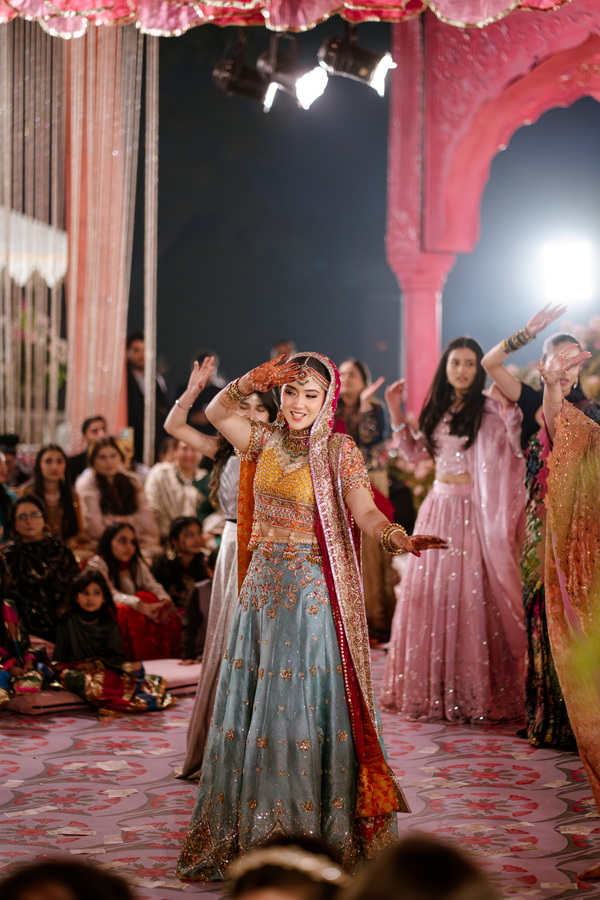
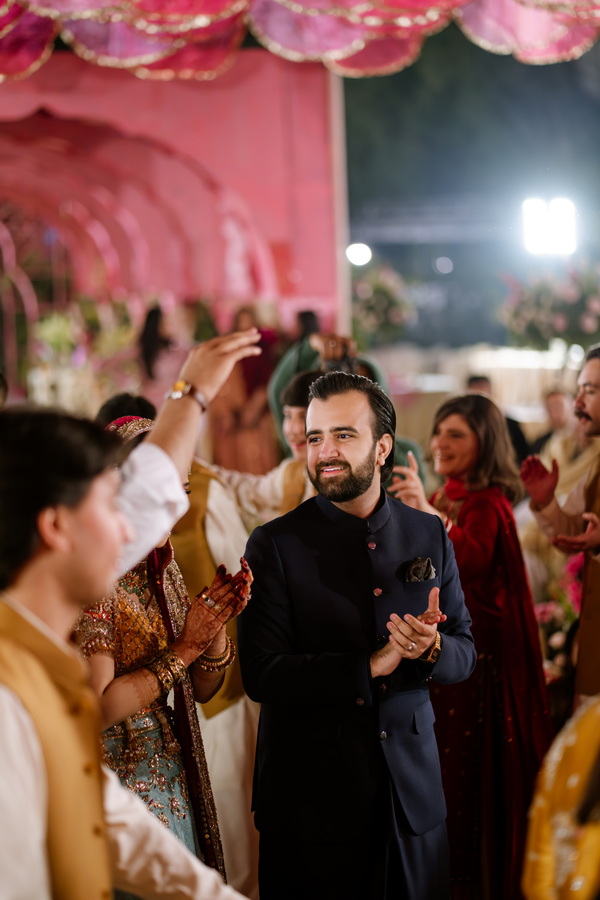
In this exclusive conversation with Good Times, he reflects on his unconventional journey, the responsibility of planning from a distance and his ambition to reshape the future of Pakistani weddings.
Your journey began with a very different entrepreneurial venture before leading you into wedding planning. What inspired that transition, and how has it shaped the vision behind HSC today?
Wedding planning was always the dream – I’ve loved weddings for as long as I can remember. But when I was starting out, the concept simply didn’t exist in Pakistan in any formal sense; it was your chachas and mamus pulling things together informally, not trained professionals. My path there wasn’t direct – I began by selling homemade food, moved into décor and event production, and eventually arrived at wedding planning as the natural next step.
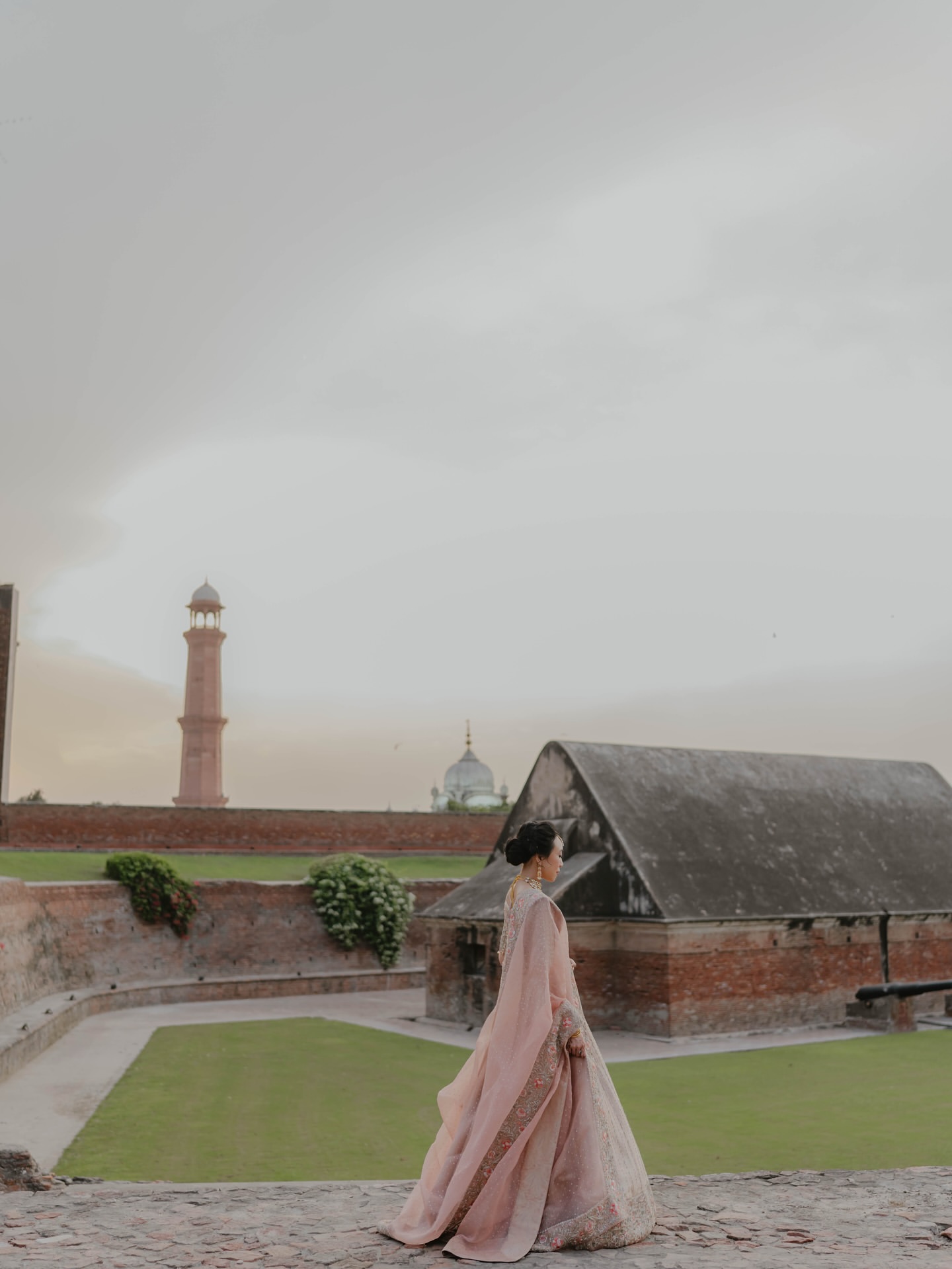
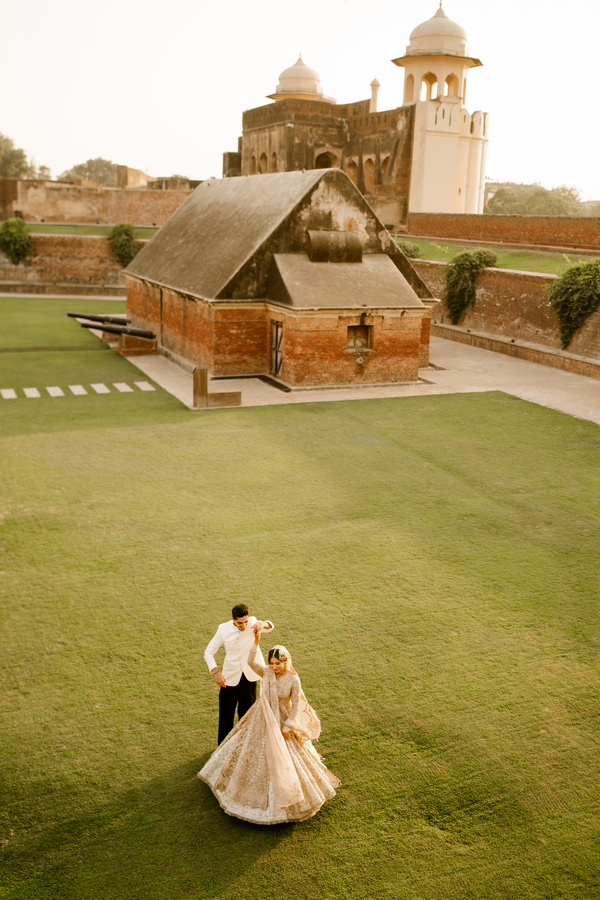
You’re passionate about helping overseas Pakistanis plan their weddings in Pakistan. What made you recognize the need for a more organized, dependable service for couples living abroad?
The industry simply wasn’t built with international Pakistanis in mind, and over the years that gap bred real mistrust – designers missing deadlines on outfits being one of the most common complaints. I wanted to close that gap, but my ambition went further than just serving clients better: I wanted to push vendors themselves to raise their standards.
For an overseas couple, planning a wedding in Pakistan can feel overwhelming. What are the most common challenges they face, and how do you help them navigate that from a distance?
Distance is the core challenge – they need eyes and ears on the ground: someone to visit sites in person, offer honest, informed opinions, and stay on vendors who might otherwise slip through the cracks without local oversight.
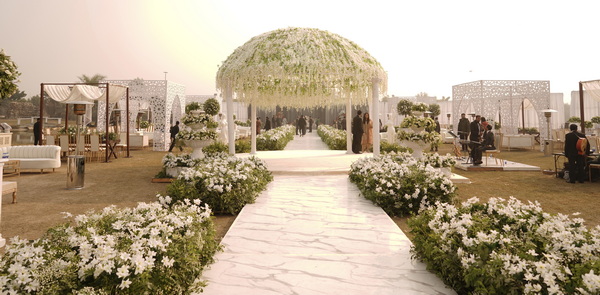
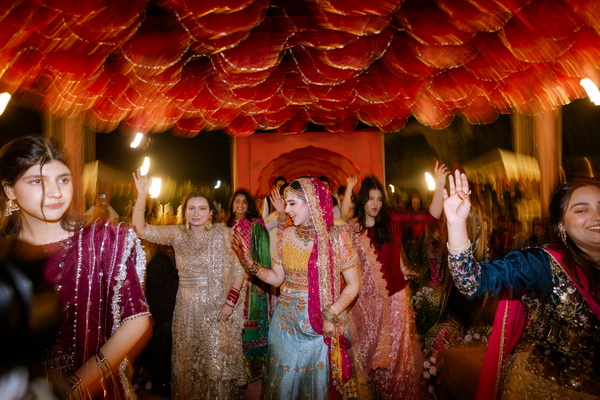
Trust becomes especially important when couples can’t be present for every meeting or decision. How do you build that confidence and keep them feeling involved throughout the process?
It starts in the very first meeting. I tell every couple that I want to know them personally, to become part of their family – because that’s the only way I can truly plan for them, not just around them. Weddings here are never just about the couple; the whole family is part of the celebration. Once clients feel that, trust follows naturally – and I take it as my responsibility to live up to it.
How do you bridge the gap between a couple’s international expectations and the realities of executing a wedding in Pakistan?
Pakistan already exceeds expectations in the ways that matter most – our food, our design language, our craftsmanship stand up against anything international. Where the real work lies is in service delivery, and that’s precisely where I step in – closing that last gap so the experience matches the quality of everything else.
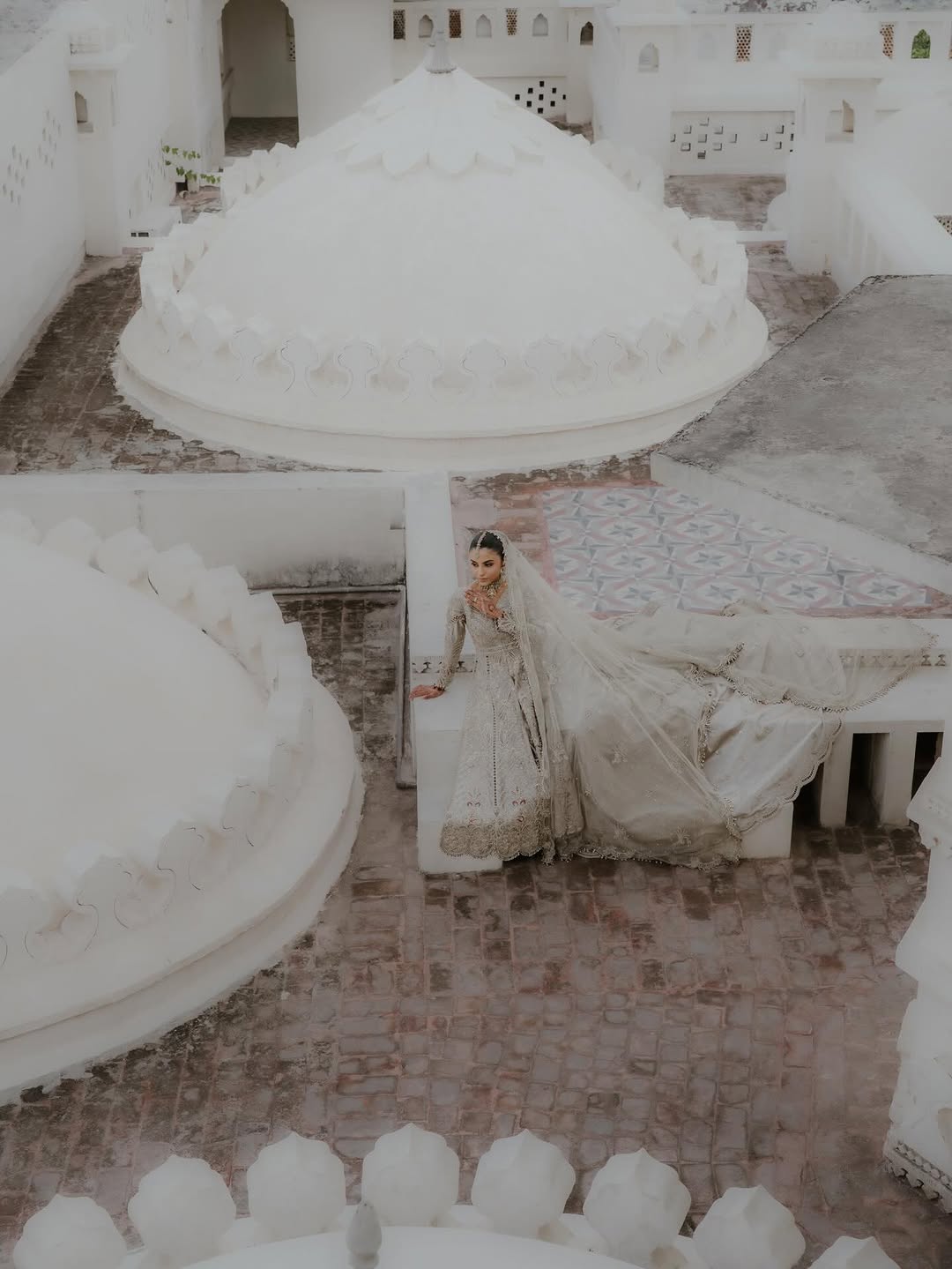
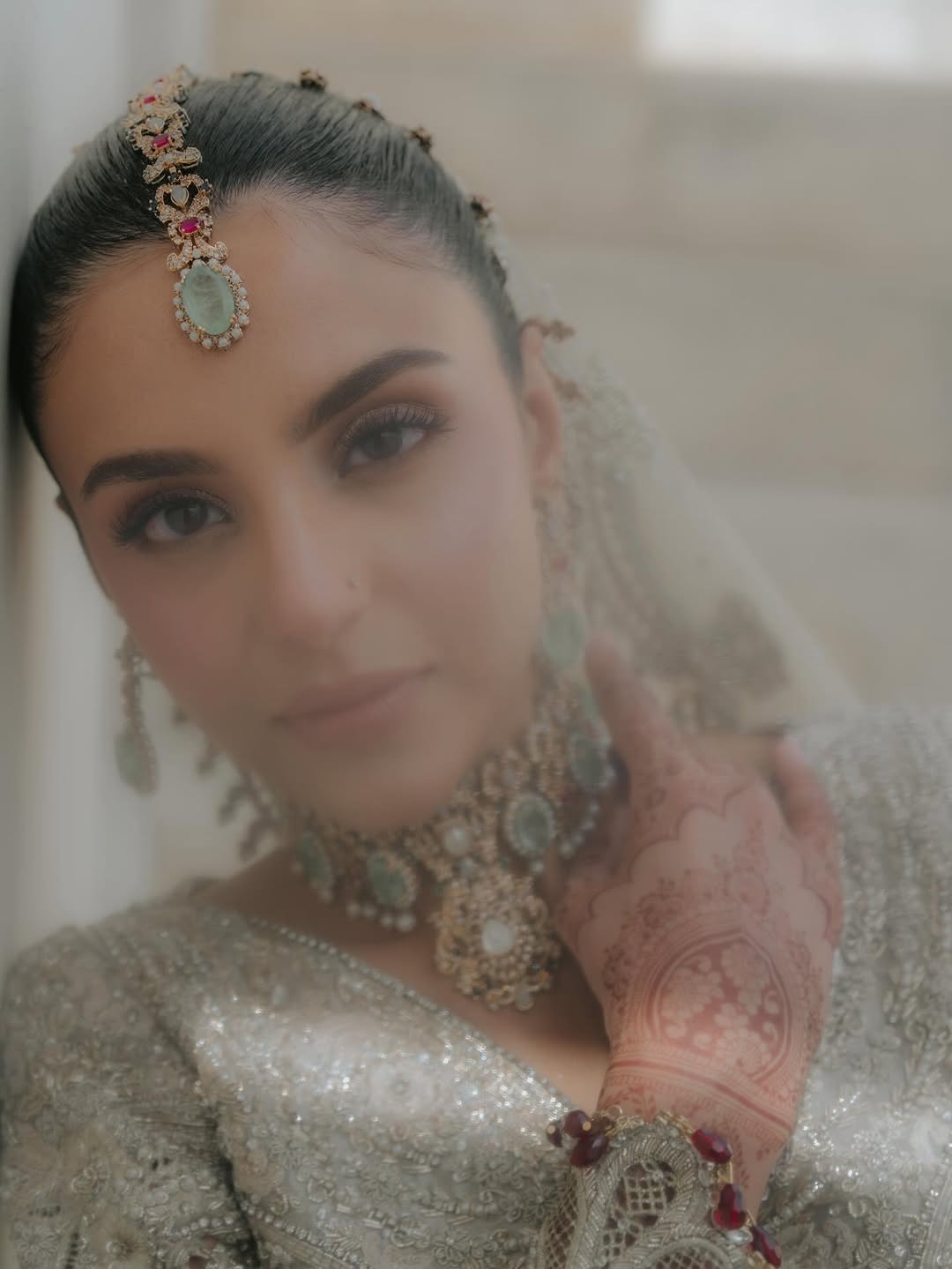
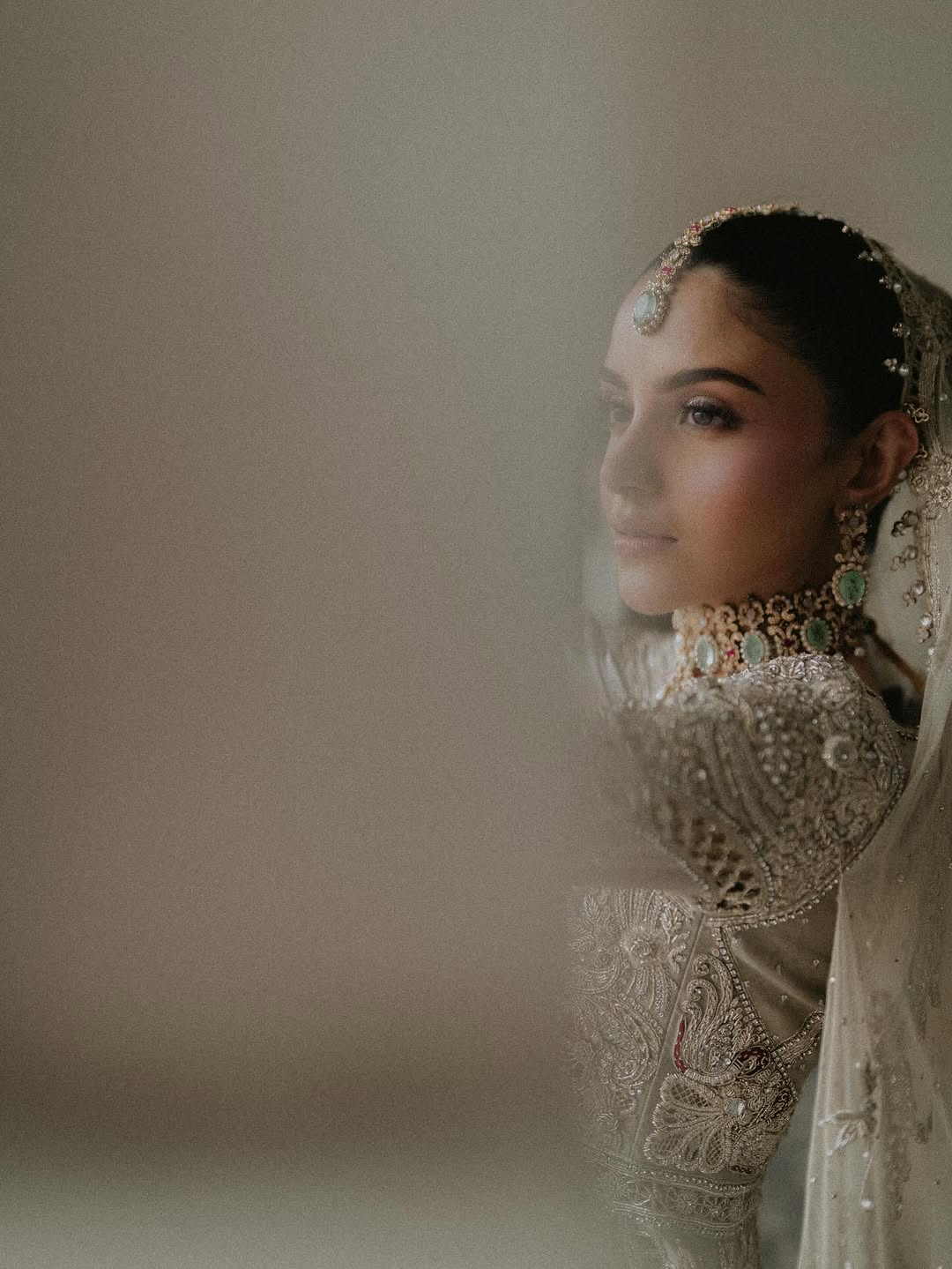
Beyond planning and logistics, how do you help overseas Pakistanis reconnect with their heritage and create something that feels deeply personal?
We build heritage site visits directly into the wedding journey. Many couples bring friends from abroad who’ve never experienced Pakistan, so we weave in cultural tours around the celebrations – and without fail, everyone leaves having fallen in love with the country.
You envision Pakistan becoming a preferred destination for weddings – not just for overseas Pakistanis, but international couples too. What makes the country uniquely suited for this?
The climate alone makes the case – beautiful winters in Karachi, Islamabad, and Lahore, and summers up north that rival Switzerland. But beyond the scenery, Pakistan is a genuine all-rounder: world-class vendors, décor, catering, and hospitality all within reach.
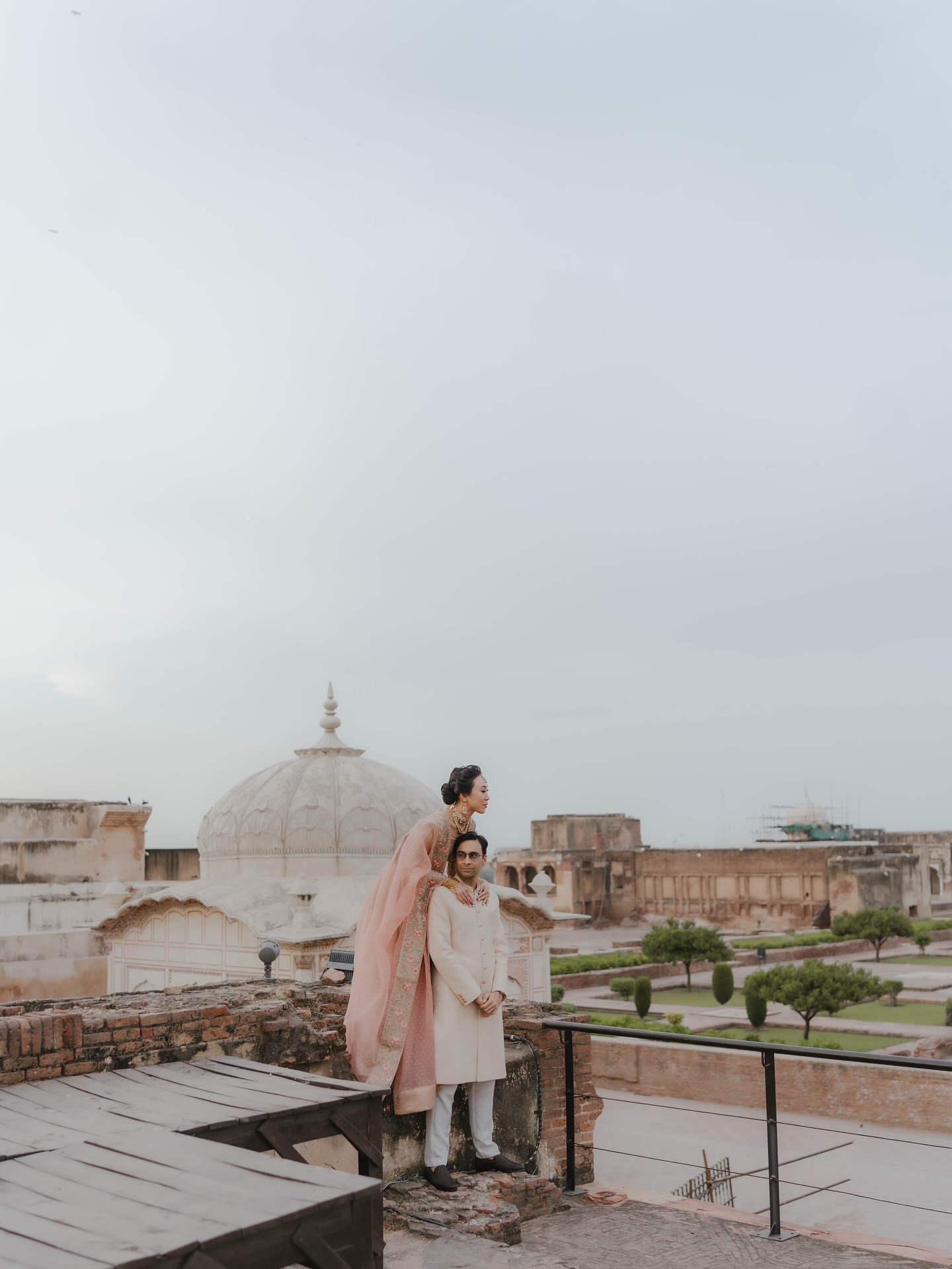
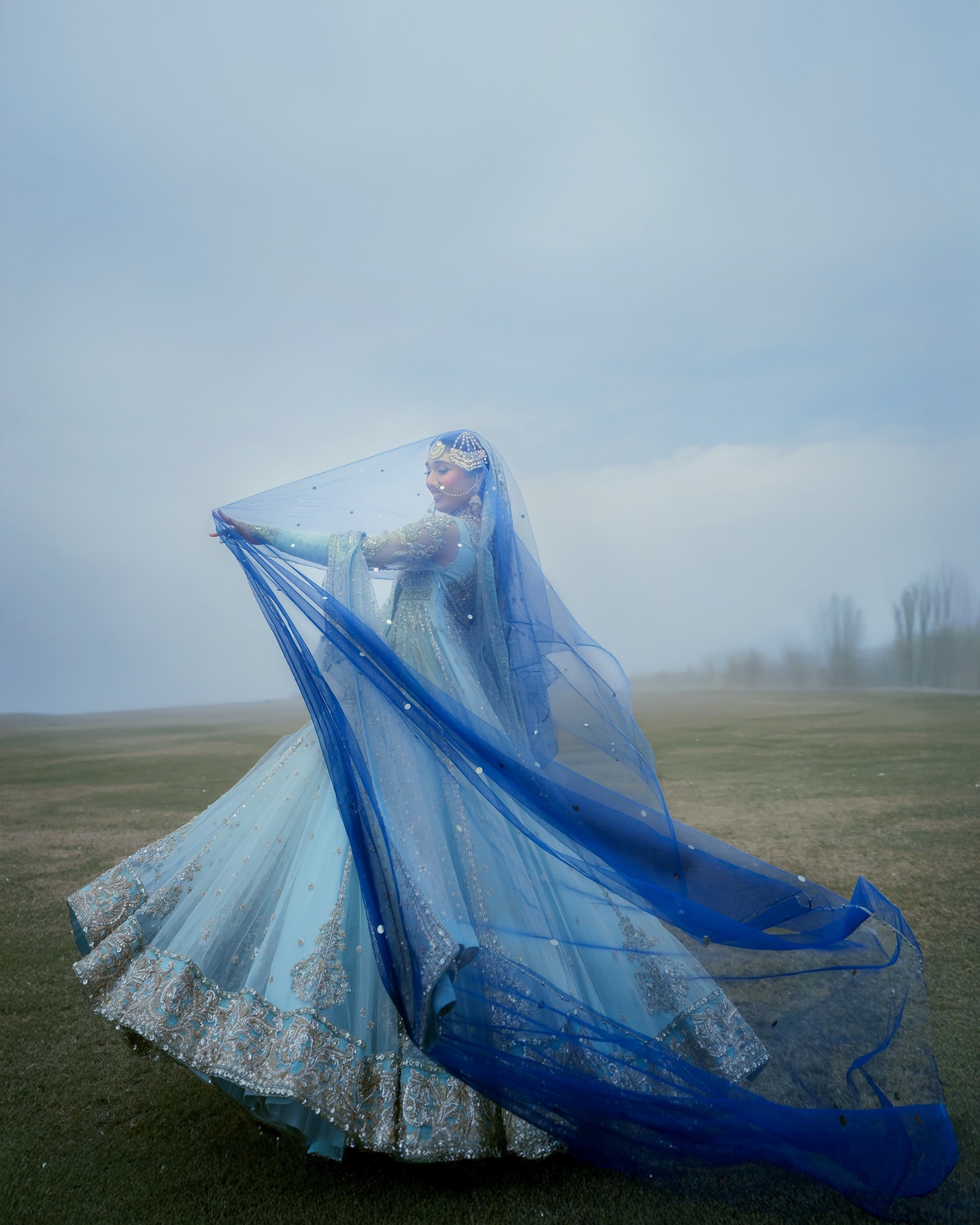
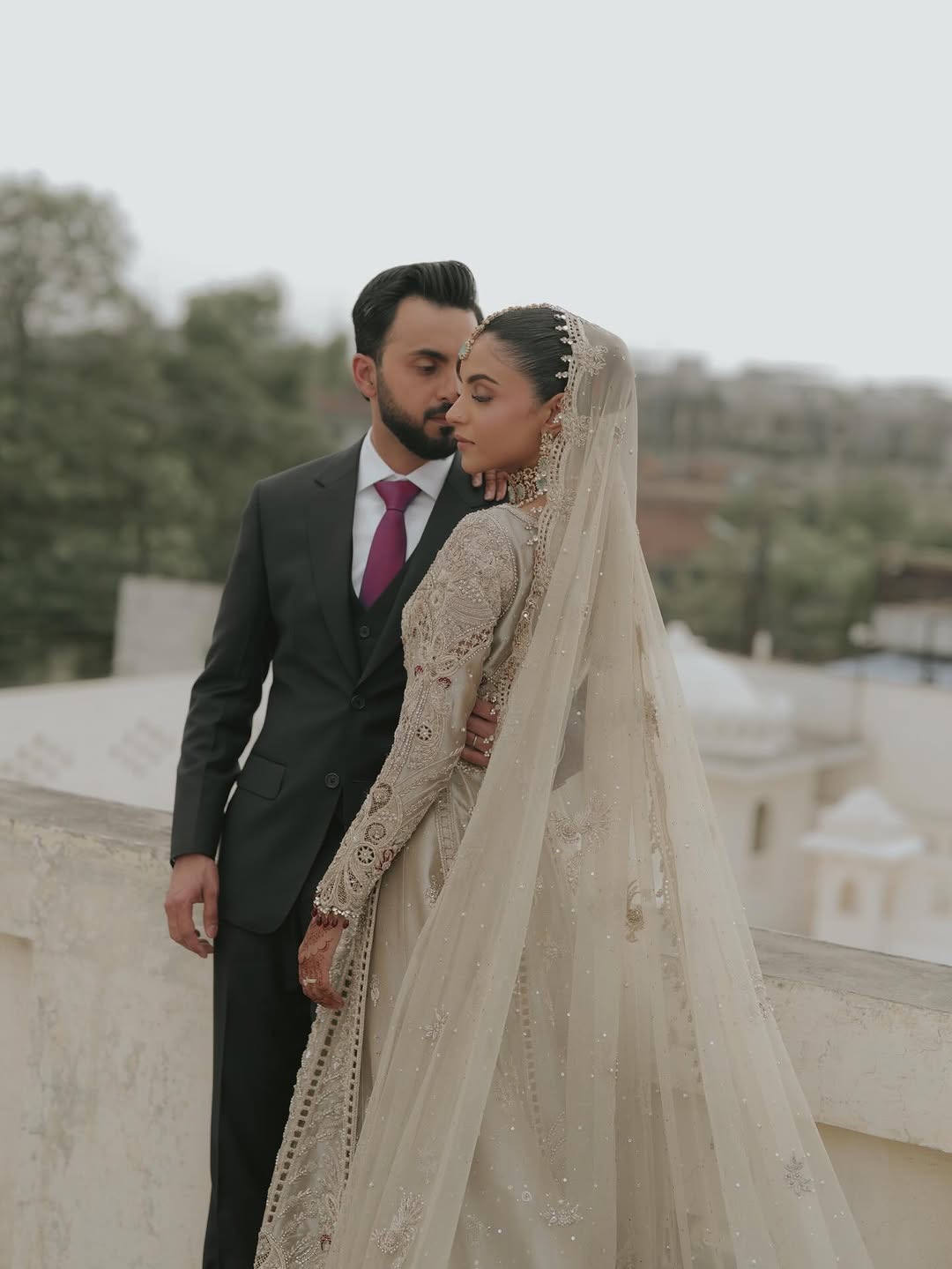
From historic architecture to breathtaking landscapes and craftsmanship, Pakistan has so much to offer. Which aspects do you believe hold the greatest appeal for the international wedding market?
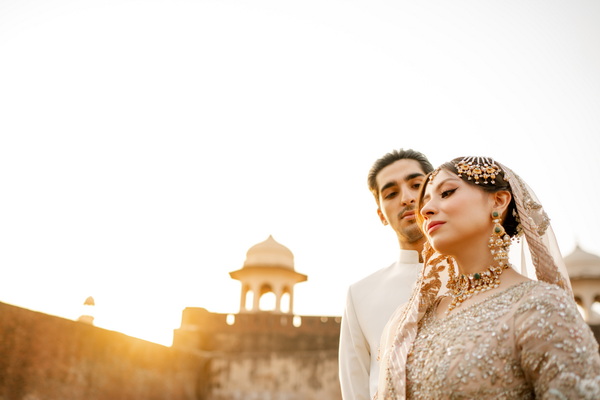
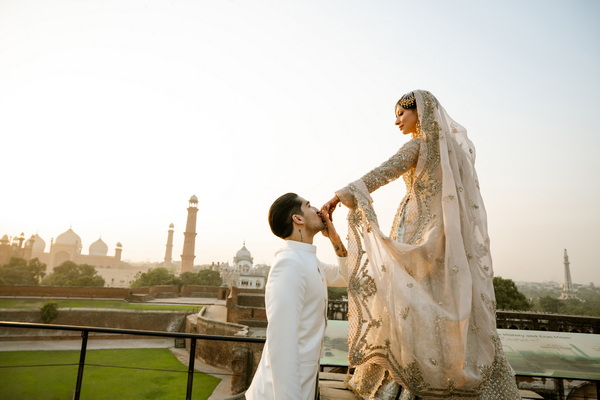
Our heritage, without a doubt. It’s practically universal – nearly every client we work with wants their wedding hosted at a heritage site.
Rapid Fire
Intimate celebration or grand wedding?
Intimate, but grand in feeling.
Heritage venue or contemporary setting?
Heritage, with a contemporary edge.
One Pakistani city for a dream destination wedding?
Hunza.
The wedding detail you notice before anything else?
The linen and the quality of the draping.
A trend you’d happily leave behind?
The Nikkah parda.
Complete the sentence: “A truly unforgettable wedding must always have…”
Experiences for the guests.
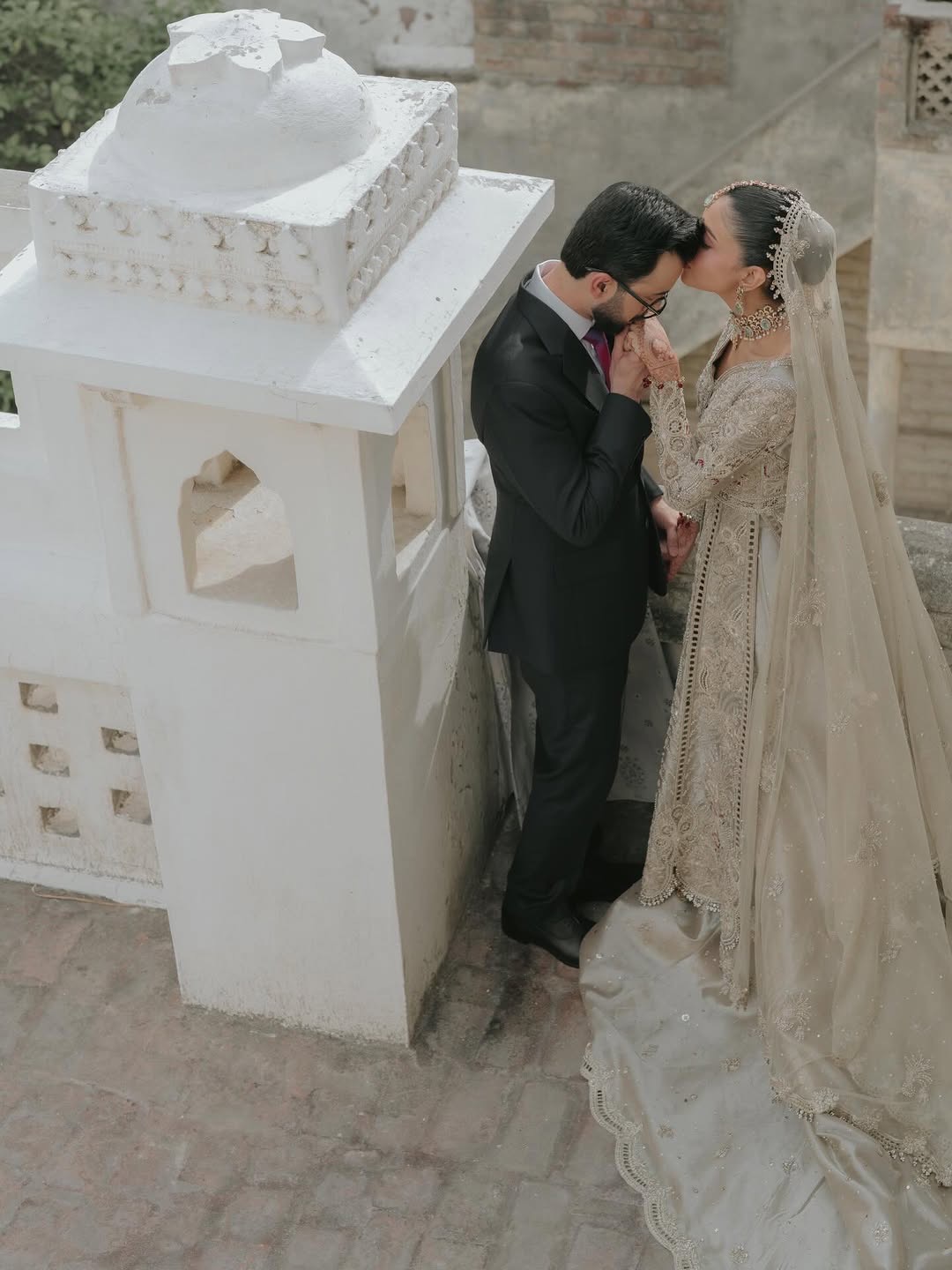
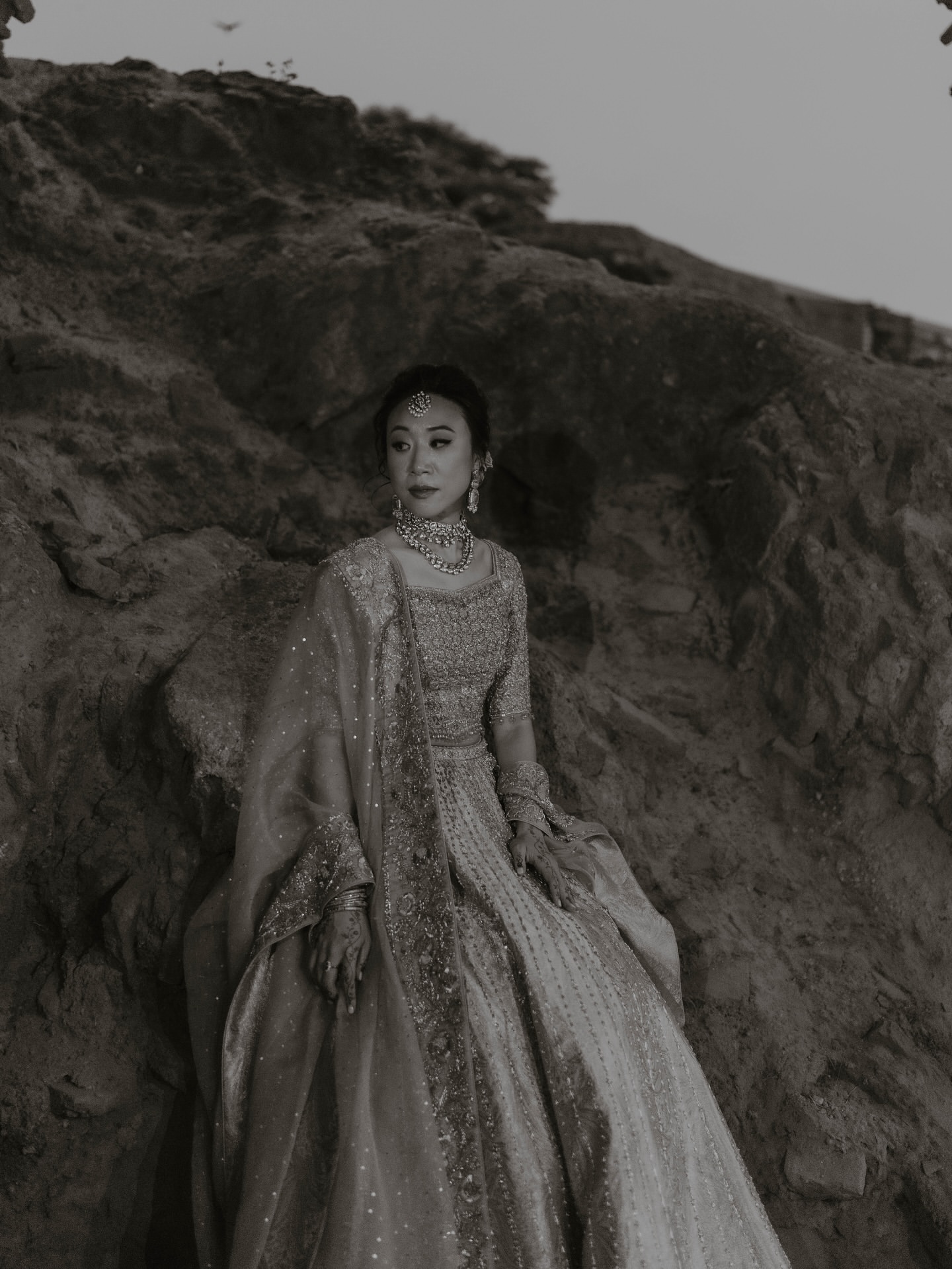
What are some misconceptions international couples might have about hosting a wedding in Pakistan, and how can the industry start changing those perceptions?
Safety is the biggest one – and it’s simply not deserved. Pakistan is safer than people assume, often safer than countries with far better reputations. We do arrange security for families and guests on request, but honestly, it’s more for peace of mind than any real necessity.
What improvements in infrastructure, accessibility, hospitality, and professional standards are needed for Pakistan to compete with established wedding destinations globally?
This is where government support matters most. Weddings are often the first casualty of policy – smog triggers an outright ban, for instance, with little warning. The “one-dish policy” is another relic we need to move past. There are smarter ways to generate revenue from this industry – structured taxation, for one – without restricting it outright.
How could promoting destination weddings benefit Pakistan beyond the wedding industry itself – in tourism, craftsmanship, and global image?
The ripple effect is enormous. Guests who attend a wedding here almost always want to return. This is roughly a Rs 300 billion industry, and it employs an extraordinary number of people – women, in particular, are at the very forefront of it.
You’ve spoken about changing the landscape of Pakistani wedding planning. What do you think the industry has traditionally lacked, and what are you consciously doing differently?
Service standards, across the board, need to rise – and part of the reason they haven’t is that there’s never been a formal education pathway into this field. That gap is exactly why we built our event planning program.
If your larger vision becomes reality, how do you hope planning a wedding in Pakistan will look and feel five years from now?
I want Pakistan to be the number one destination wedding choice for international Pakistanis, full stop.
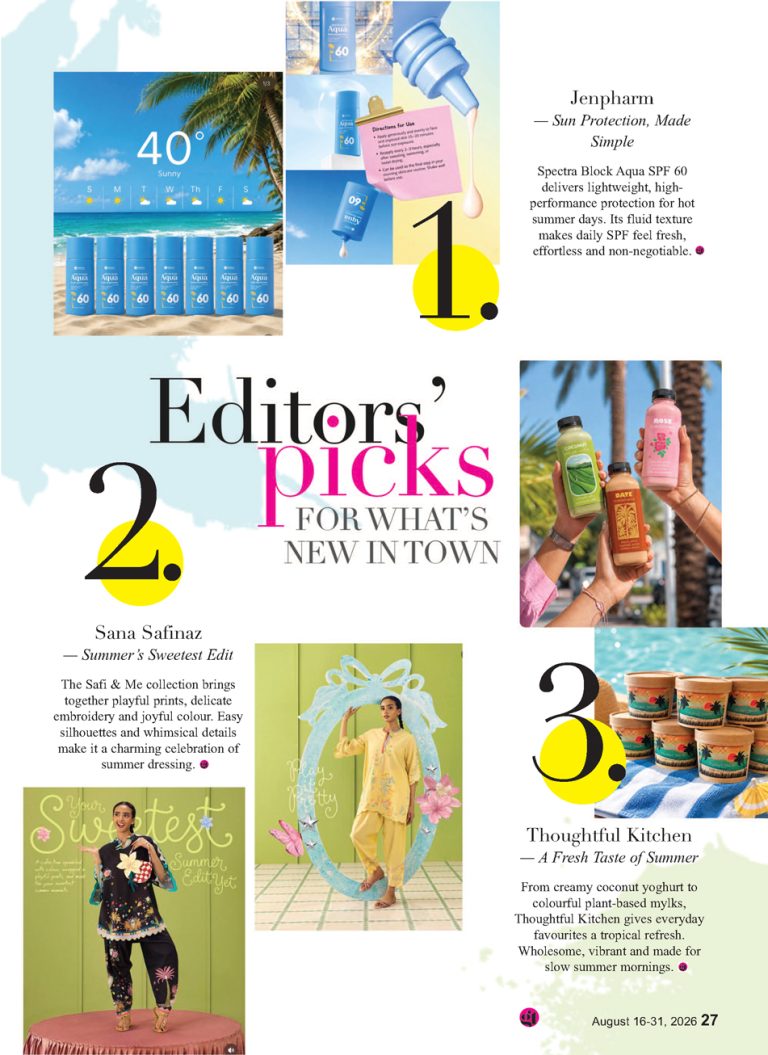
Jenpharm — Sun Protection, Made Simple
Spectra Block Aqua SPF 60 delivers lightweight, high-performance protection for hot summer days. Its fluid texture makes daily SPF feel fresh, effortless and non-negotiable.


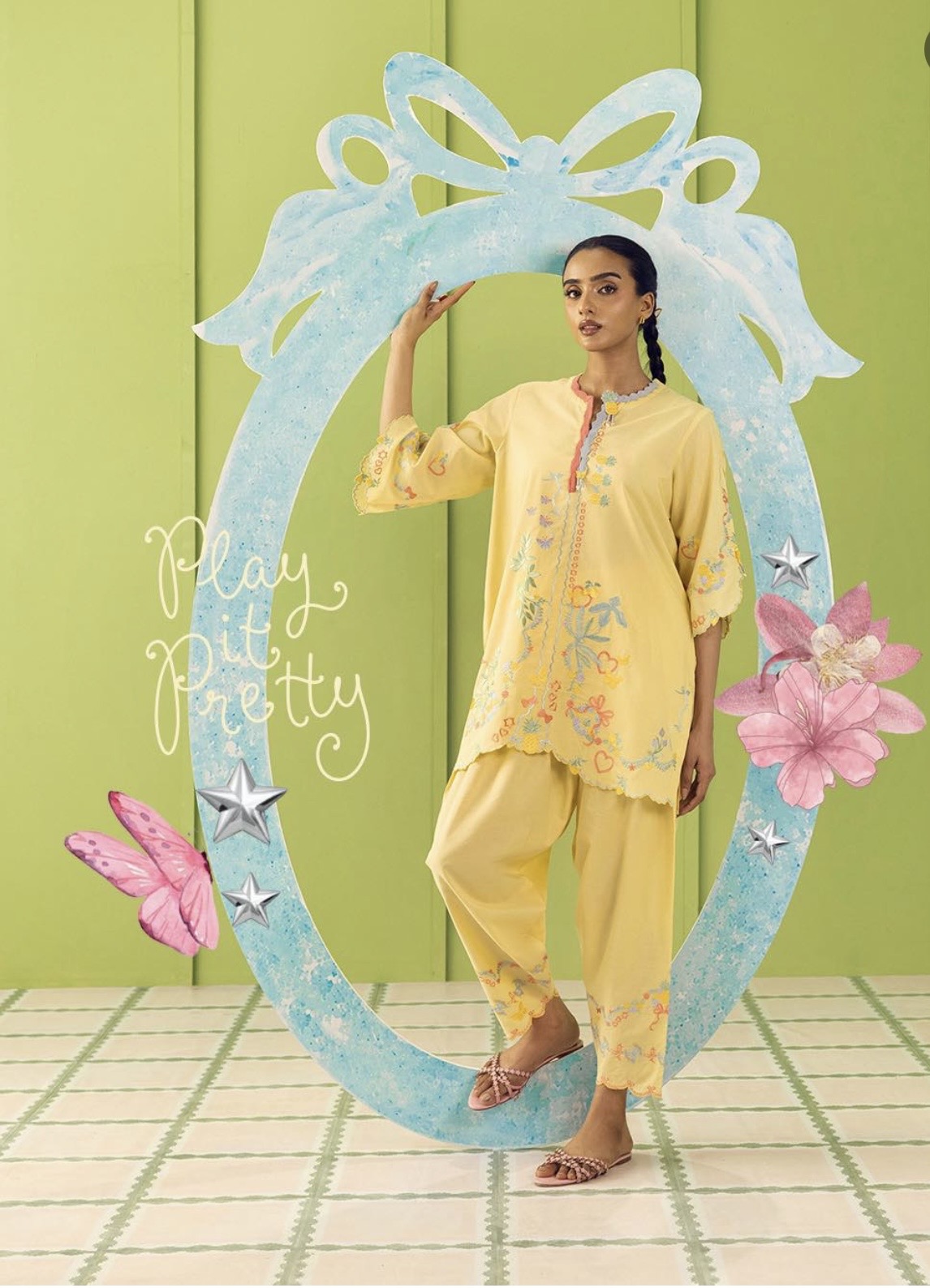
Sana Safinaz — Summer’s Sweetest Edit
The Safi & Me collection brings together playful prints, delicate embroidery and joyful colour. Easy silhouettes and whimsical details make it a charming celebration of summer dressing.

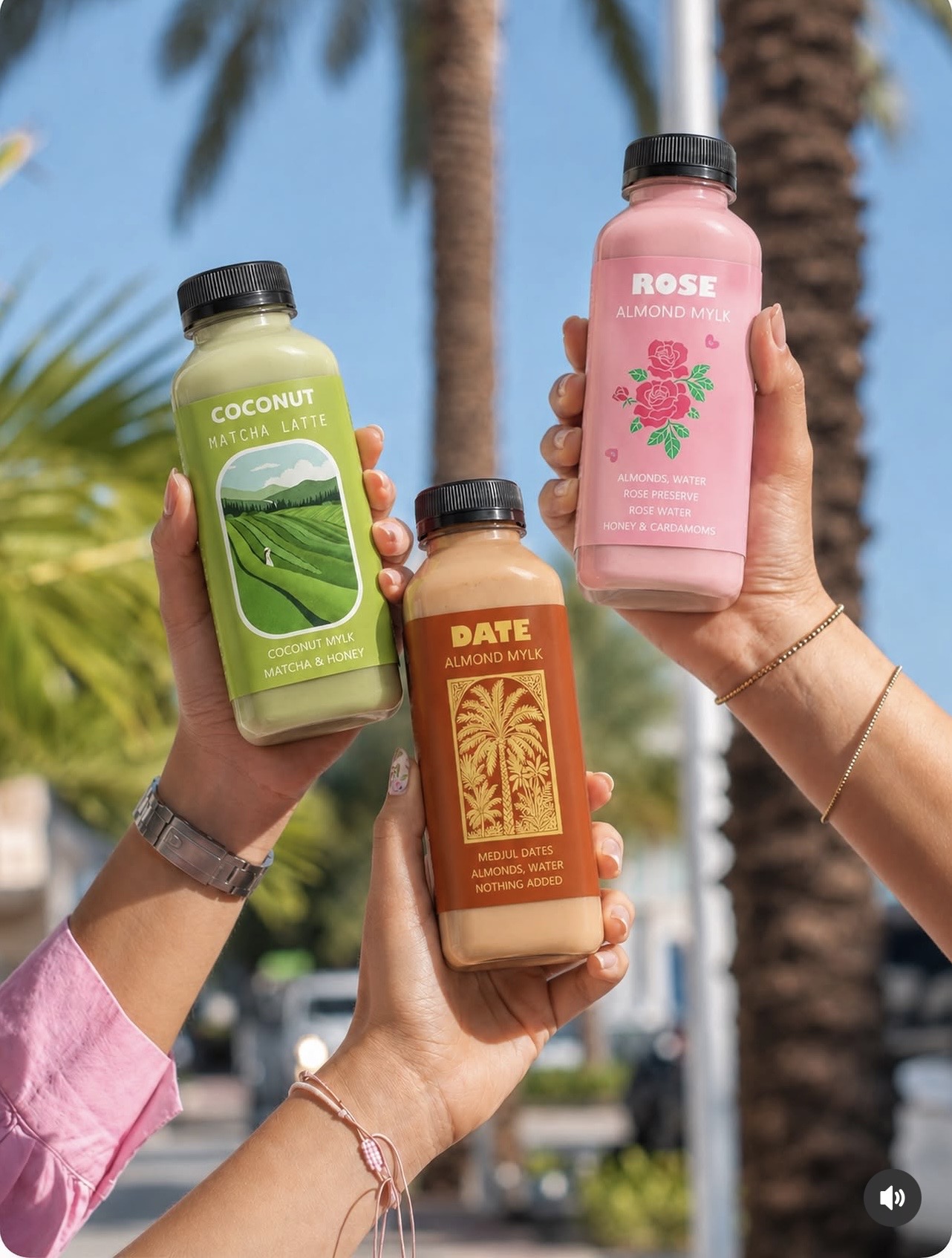
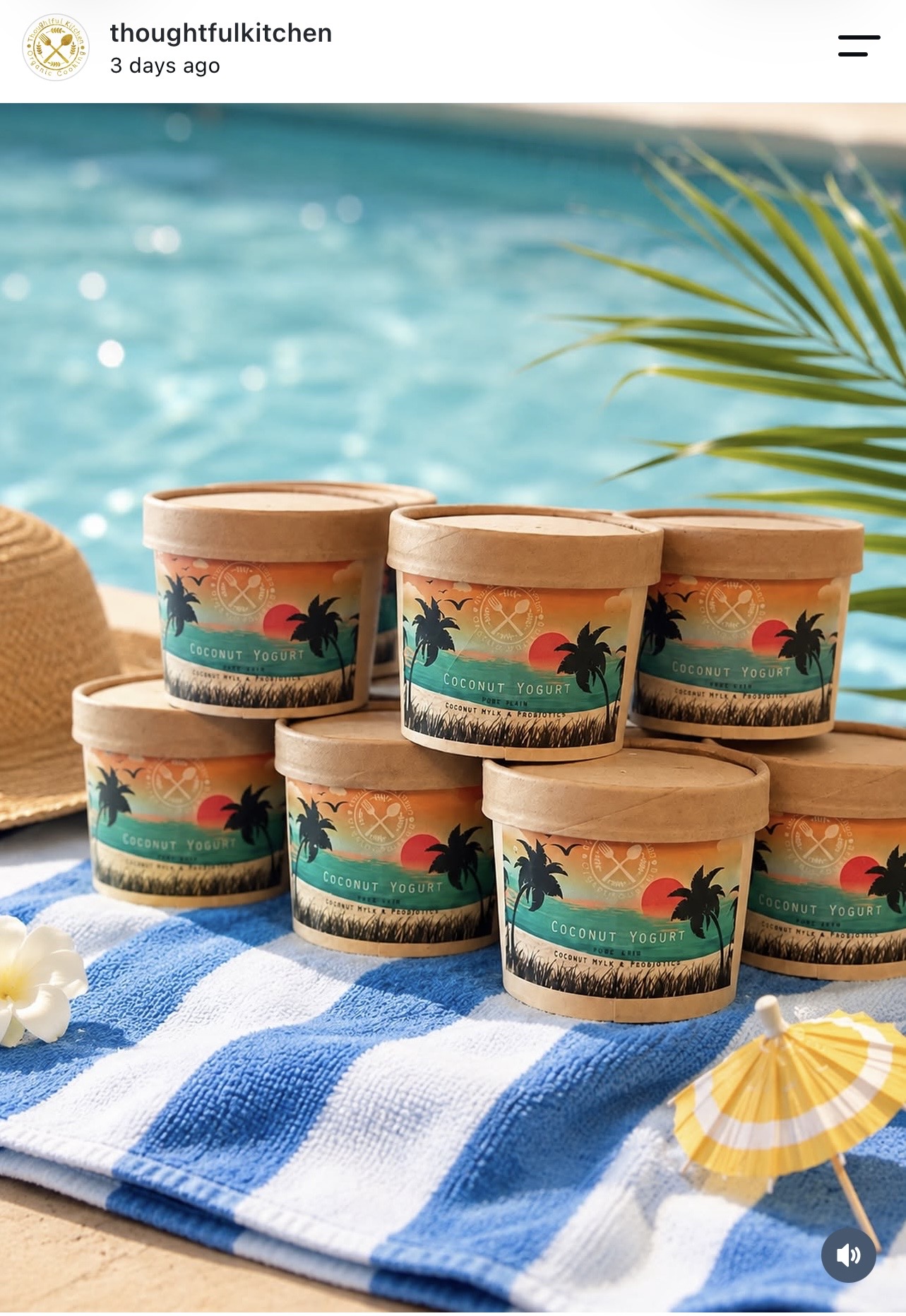
Thoughtful Kitchen — A Fresh Taste of Summer
From creamy coconut yoghurt to colourful plant-based mylks, Thoughtful Kitchen gives everyday favourites a tropical refresh. Wholesome, vibrant and made for slow summer mornings.
Bringing people together, one lovingly crafted dish at a time
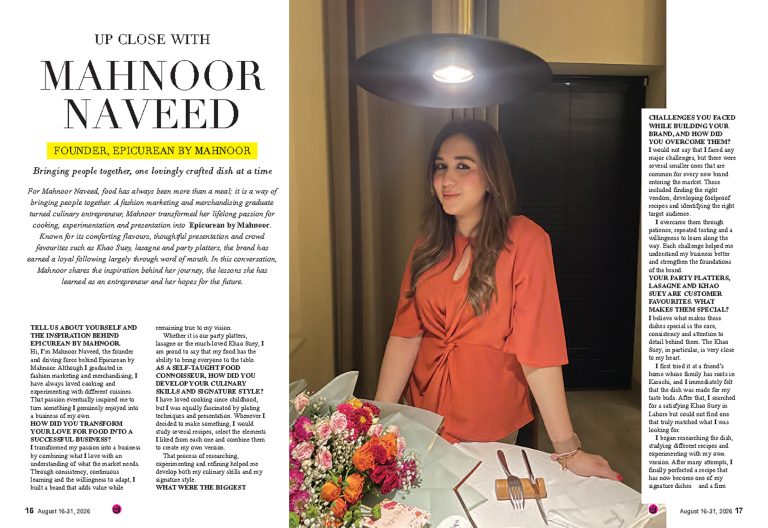
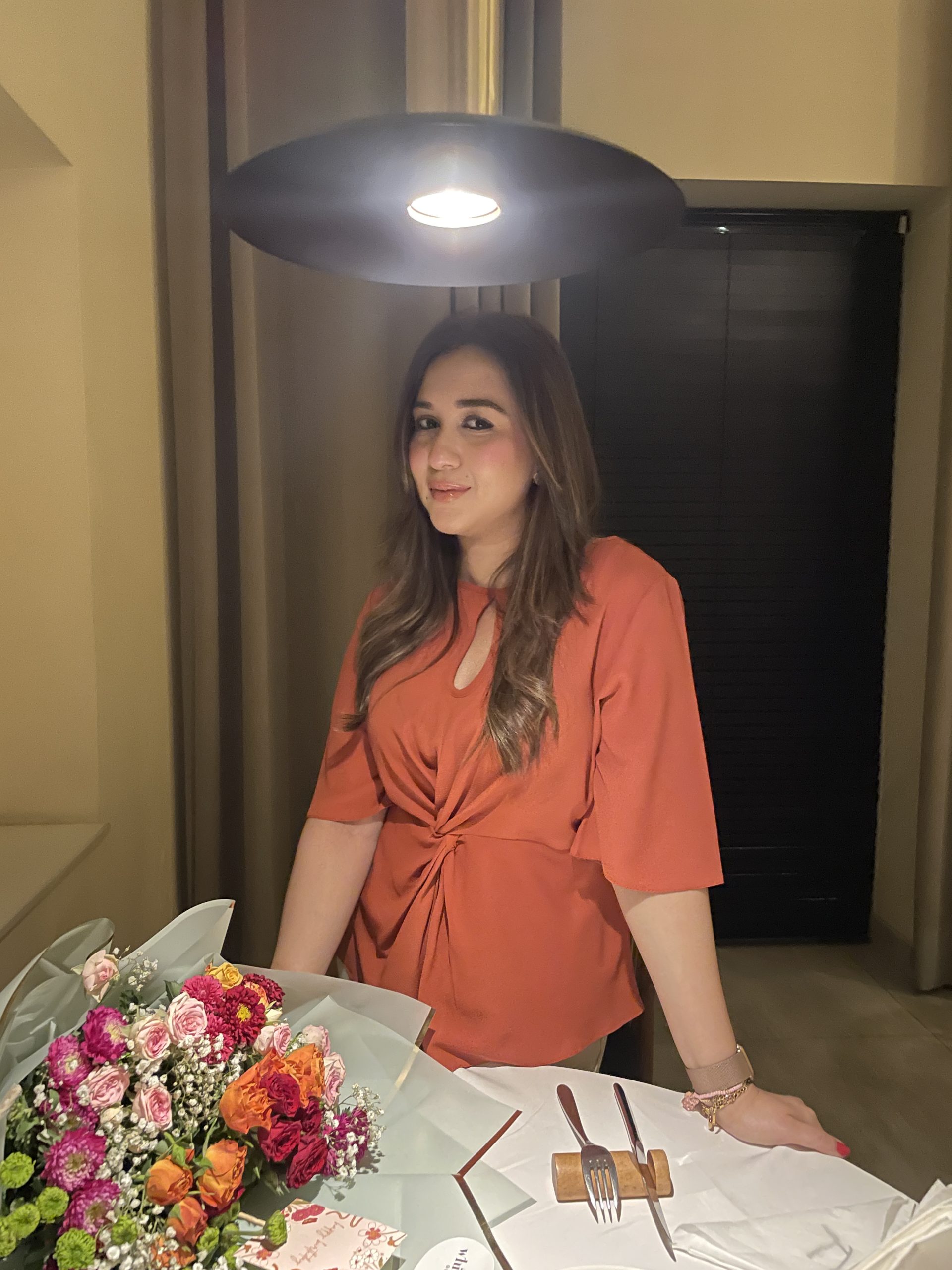
For Mahnoor Naveed, food has always been more than a meal; it is a way of bringing people together. A fashion marketing and merchandising graduate turned culinary entrepreneur, Mahnoor transformed her lifelong passion for cooking, experimentation and presentation into Epicurean by Mahnoor. Known for its comforting flavours, thoughtful presentation and crowd favourites such as Khao Suey, lasagne and party platters, the brand has earned a loyal following largely through word of mouth. In this conversation, Mahnoor shares the inspiration behind her journey, the lessons she has learned as an entrepreneur and her hopes for the future.
Tell us about yourself and the inspiration behind Epicurean by Mahnoor.
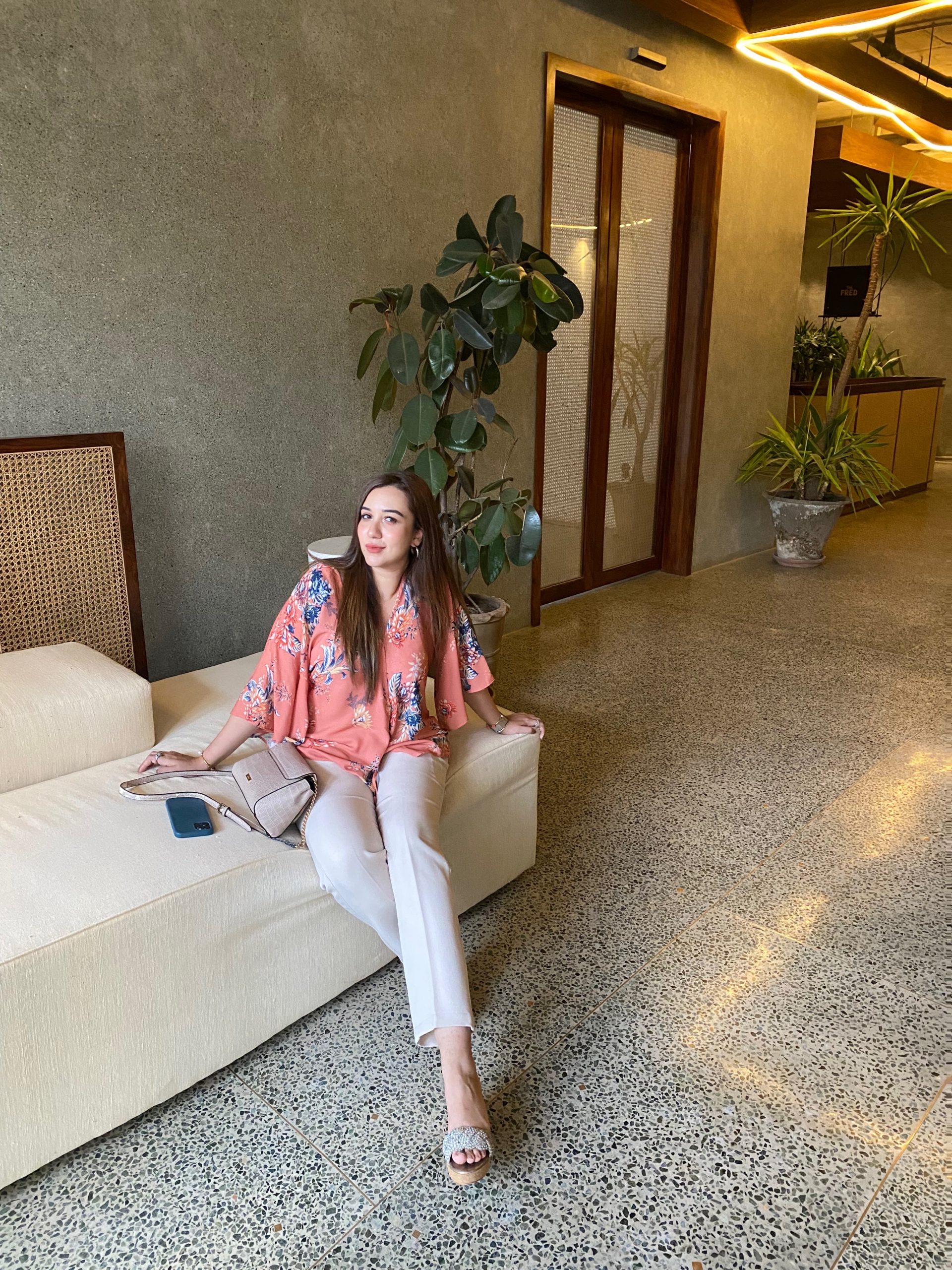
Hi, I’m Mahnoor Naveed, the founder and driving force behind Epicurean by Mahnoor. Although I graduated in fashion marketing and merchandising, I have always loved cooking and experimenting with different cuisines. That passion eventually inspired me to turn something I genuinely enjoyed into a business of my own.

How did you transform your love for food into a successful business?
I transformed my passion into a business by combining what I love with an understanding of what the market needs. Through consistency, continuous learning and the willingness to adapt, I built a brand that adds value while remaining true to my vision.
Whether it is our party platters, lasagne or the much-loved Khao Suey, I am proud to say that my food has the ability to bring everyone to the table.
As a self-taught food connoisseur, how did you develop your culinary skills and signature style?
I have loved cooking since childhood, but I was equally fascinated by plating techniques and presentation. Whenever I decided to make something, I would study several recipes, select the elements I liked from each one and combine them to create my own version.
That process of researching, experimenting and refining helped me develop both my culinary skills and my signature style.

What were the biggest challenges you faced while building your brand, and how did you overcome them?
I would not say that I faced any major challenges, but there were several smaller ones that are common for every new brand entering the market. These included finding the right vendors, developing foolproof recipes and identifying the right target audience.
I overcame them through patience, repeated testing and a willingness to learn along the way. Each challenge helped me understand my business better and strengthen the foundations of the brand.
Your party platters, lasagne and Khao Suey are customer favourites. What makes them special?
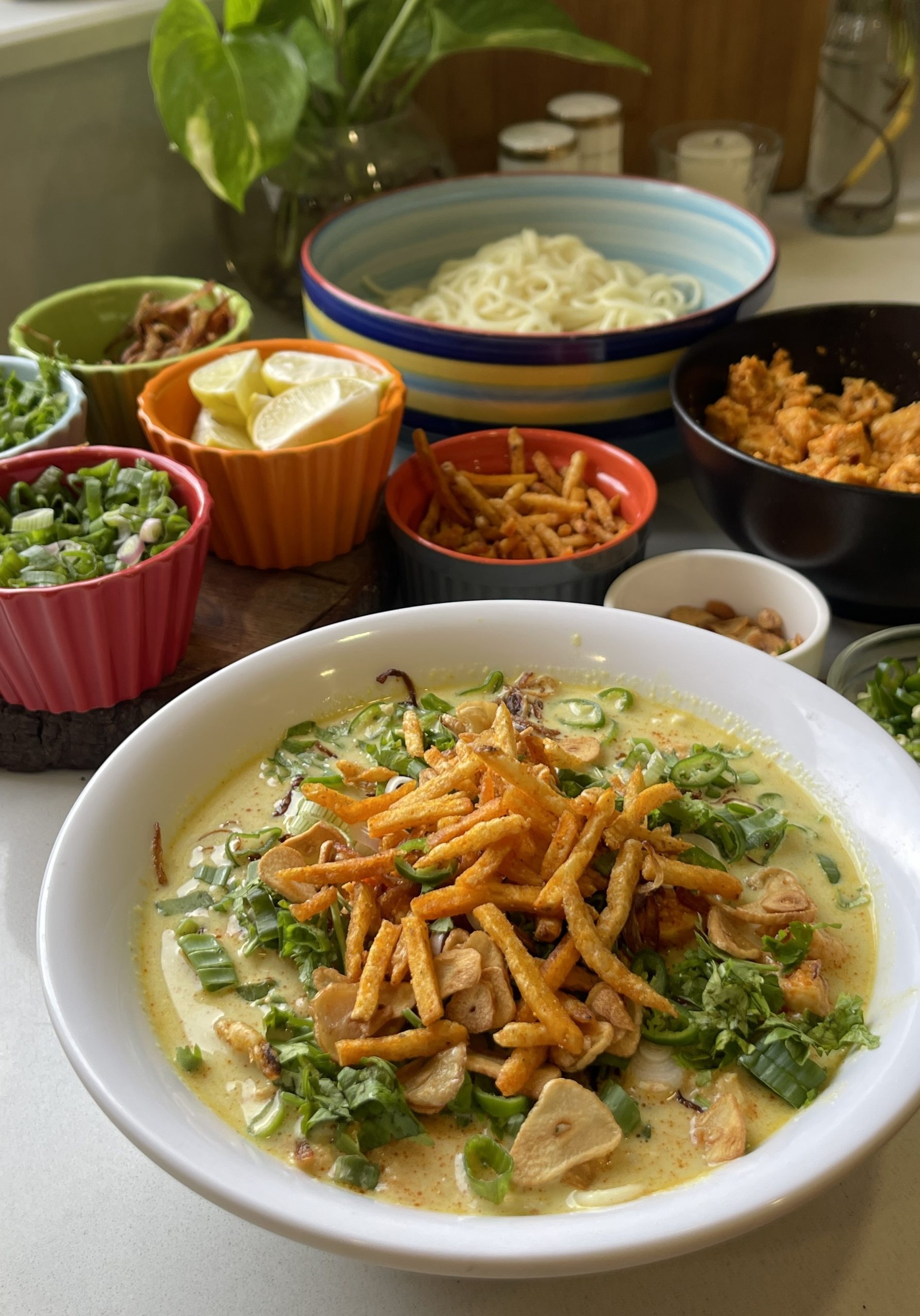
I believe what makes these dishes special is the care, consistency and attention to detail behind them. The Khao Suey, in particular, is very close to my heart.
I first tried it at a friend’s home whose family has roots in Karachi, and I immediately felt that the dish was made for my taste buds. After that, I searched for a satisfying Khao Suey in Lahore but could not find one that truly matched what I was looking for.
I began researching the dish, studying different recipes and experimenting with my own version. After many attempts, I finally perfected a recipe that has now become one of my signature dishes—and a firm customer favourite.


Which dish on your menu best represents you and your journey?
I would say my club sandwiches. I have eaten club sandwiches from many different places over the years, but I always felt that something was missing—particularly in the sauce.
I decided to develop my own version and give it a more distinctive flavour. Today, I am proud that our club sandwiches are recognised not only for their unique taste but also for their quality and presentation. They represent my habit of taking something familiar and adding my own creative touch to it.
How do you balance flavour, presentation and customer preferences while creating your menu?
I design my menus around the preferences of my target customers while also introducing unique items that help us stand out. I try to offer a variety of textures and spice levels so that there is something for everyone.
For me, taste is always essential, but presentation completes the experience. The goal is to create food that looks inviting, tastes memorable and appeals to a wide range of customers.


How important have consistency and adaptability been to the growth of your business?
Consistency is one of the most important elements of a successful business. When you remain consistent and true to your values, you attract customers who trust your brand and continue to return.
I am incredibly proud to have repeat customers who have supported Epicurean by Mahnoor since day one. Much of the brand’s growth has happened through word of mouth, which I believe is one of the strongest reflections of customer satisfaction and trust.
At the same time, adaptability has helped me learn from feedback, respond to changing preferences and continue improving.
What has been your proudest moment as the founder of Epicurean by Mahnoor?
There have been many proud moments, but one that stands out was when my Khao Suey was ranked number one in Lahore after being sampled alongside offerings from different brands and eateries.
Knowing how much research, experimentation and effort went into perfecting that recipe made the recognition especially meaningful to me.
What is the most valuable lesson entrepreneurship has taught you?
Entrepreneurship has taught me to be prepared for challenges and to have the courage to take risks. It has also taught me the importance of showing up—even on days when motivation is low—because, at the end of the day, you are your own boss.
Most importantly, I have learned to establish healthy boundaries as a business owner and to be comfortable saying, “We’re fully booked today.”


What advice would you give to women who want to turn their passion into a business?
I would encourage women to master and continuously polish the skills connected to their passion. Make practice a habit and give yourself the time to improve.
When you genuinely love what you do, pursuing it as a business becomes more natural. Believe in your abilities, remain consistent and do not be afraid to take the first step.
What is next for Epicurean by Mahnoor?
I enjoy going with the flow, but I am hopeful that bigger and better things are ahead. Many people are waiting for me to open my own restaurant. While that idea can feel overwhelming, I am also incredibly grateful that people see so much potential in me and the brand.
For now, I am focused on continuing to grow, improve and see where this journey takes Epicurean by Mahnoor.


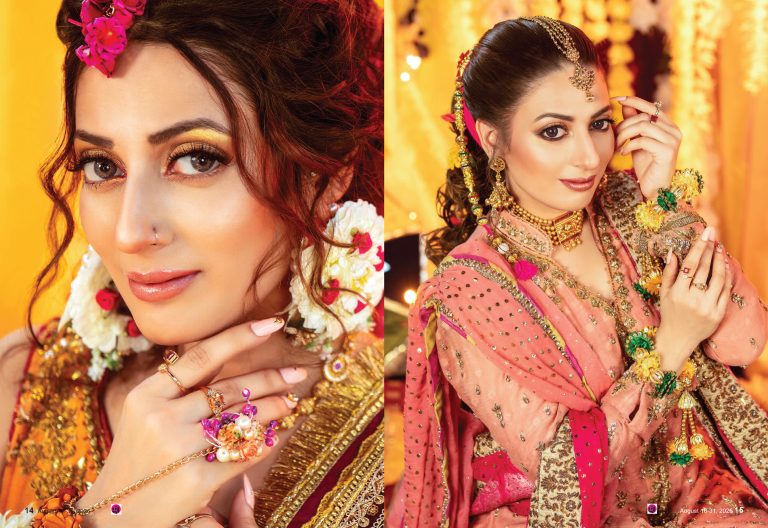
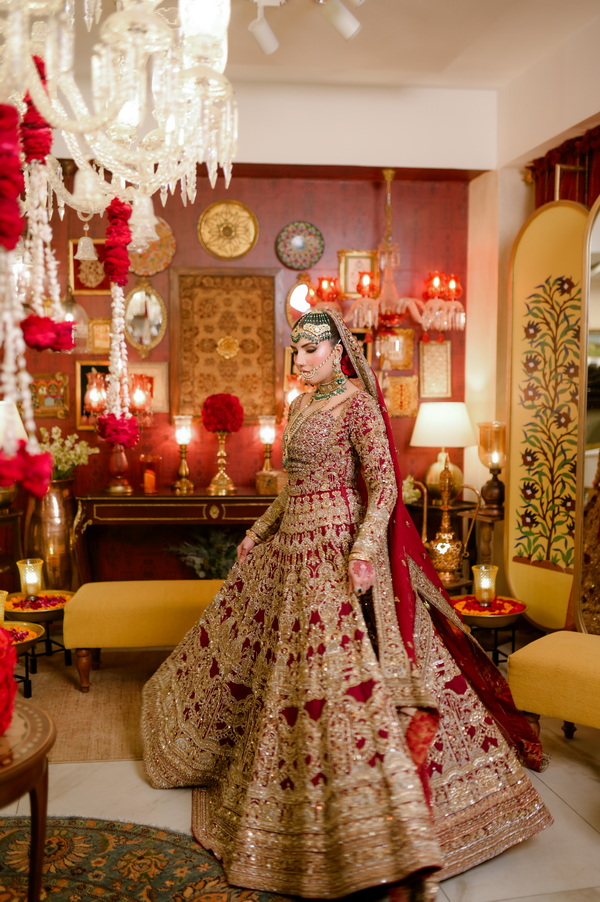
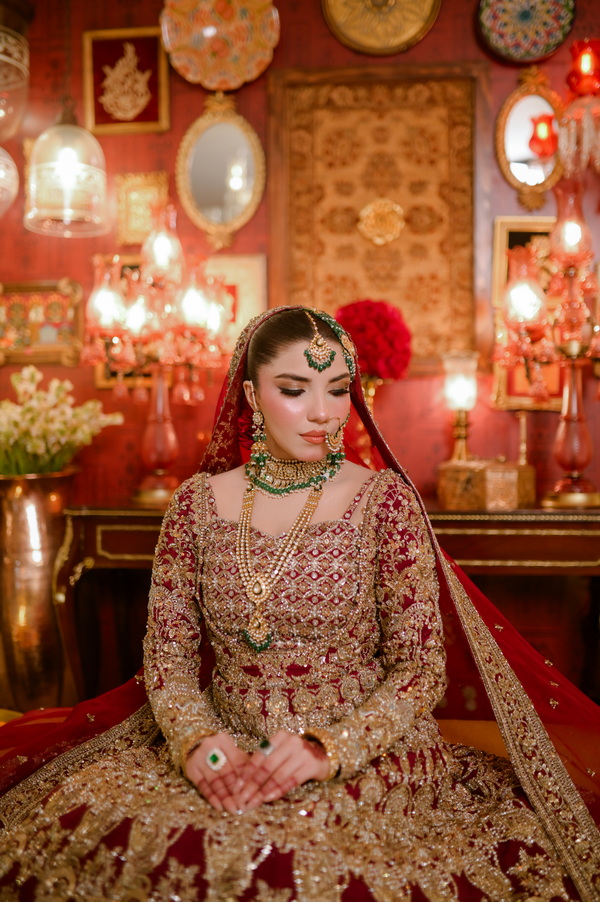
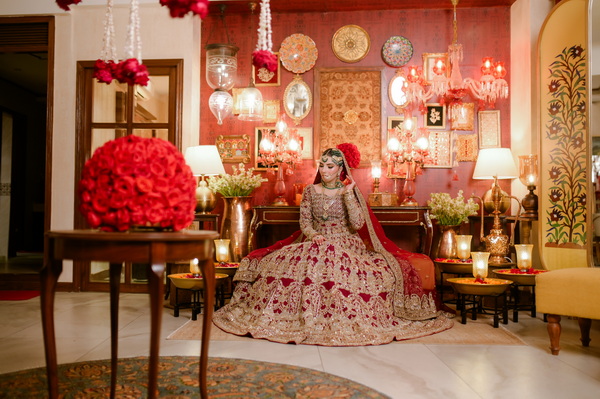
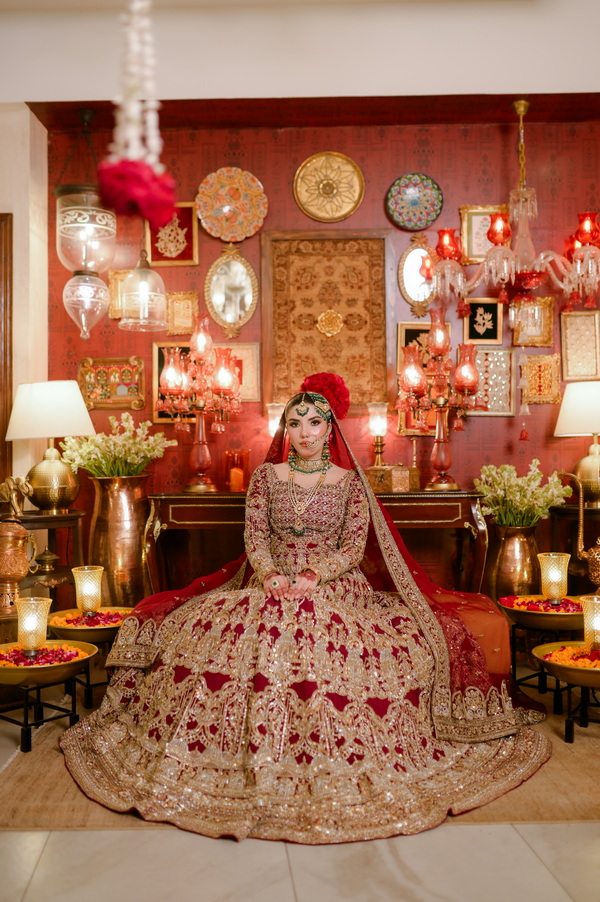
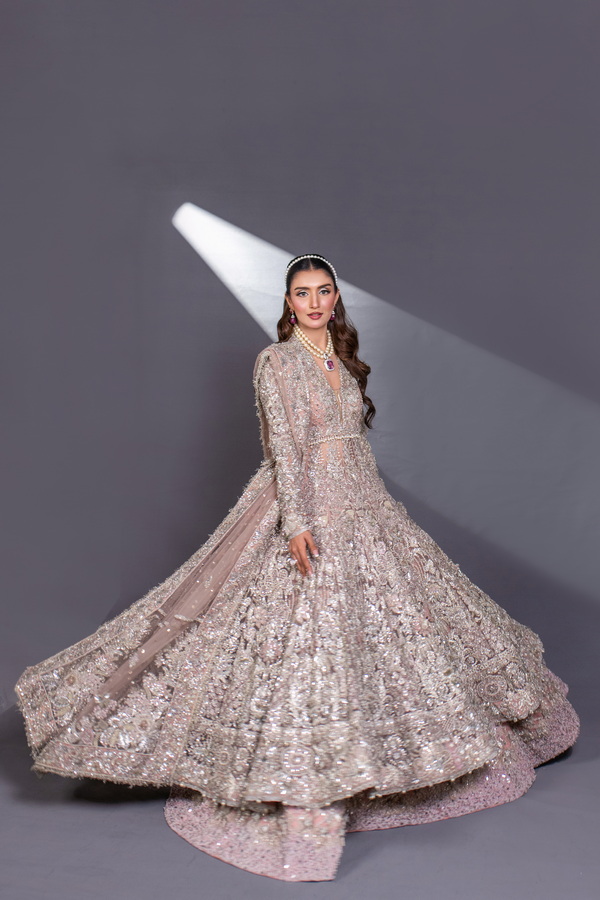
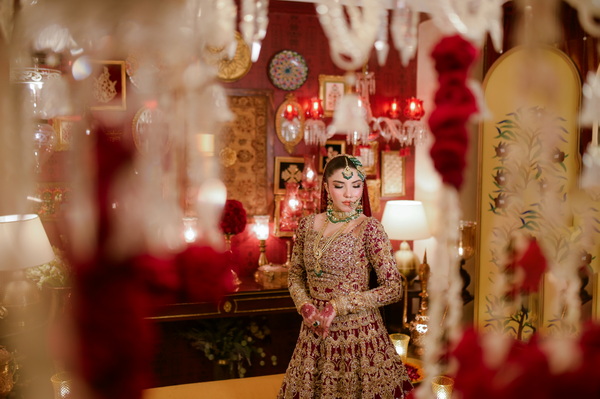
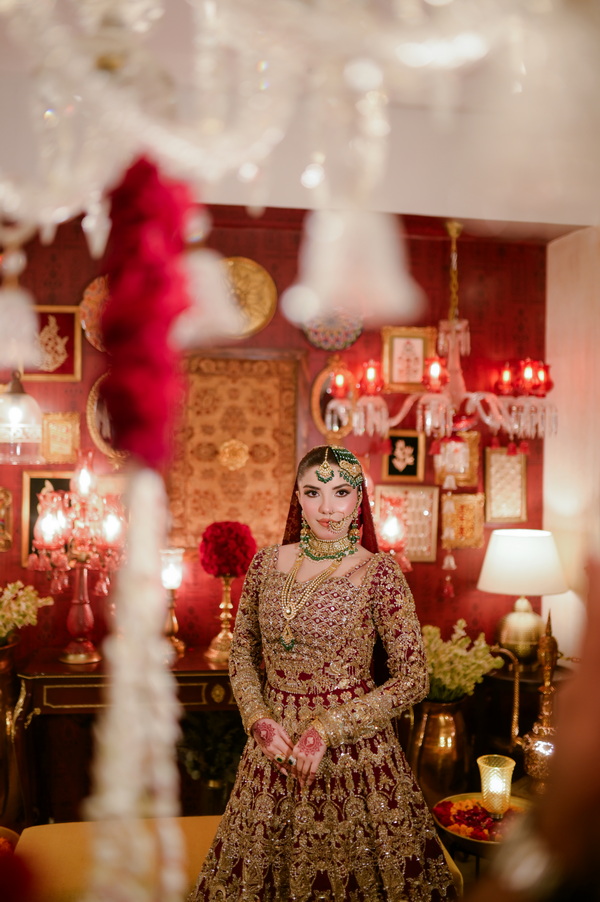
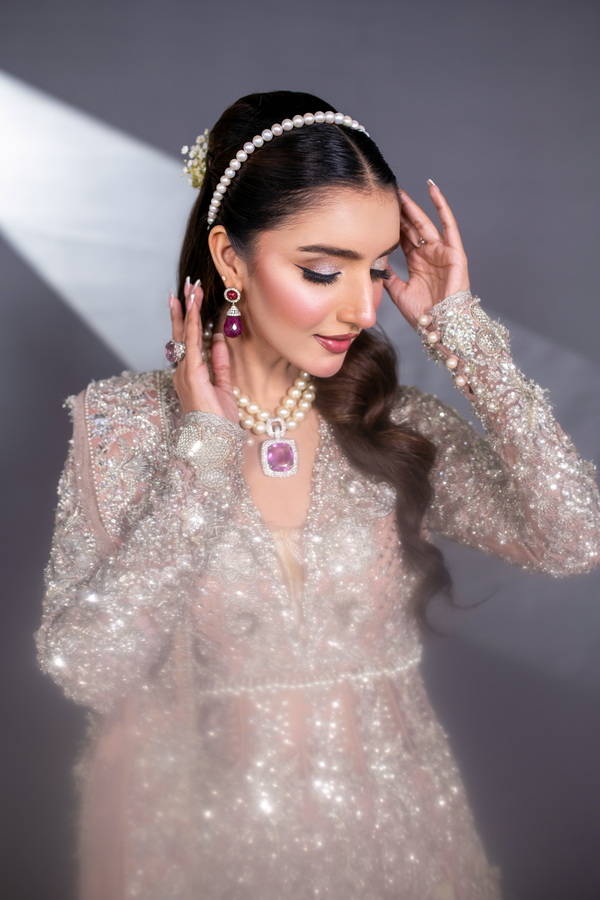
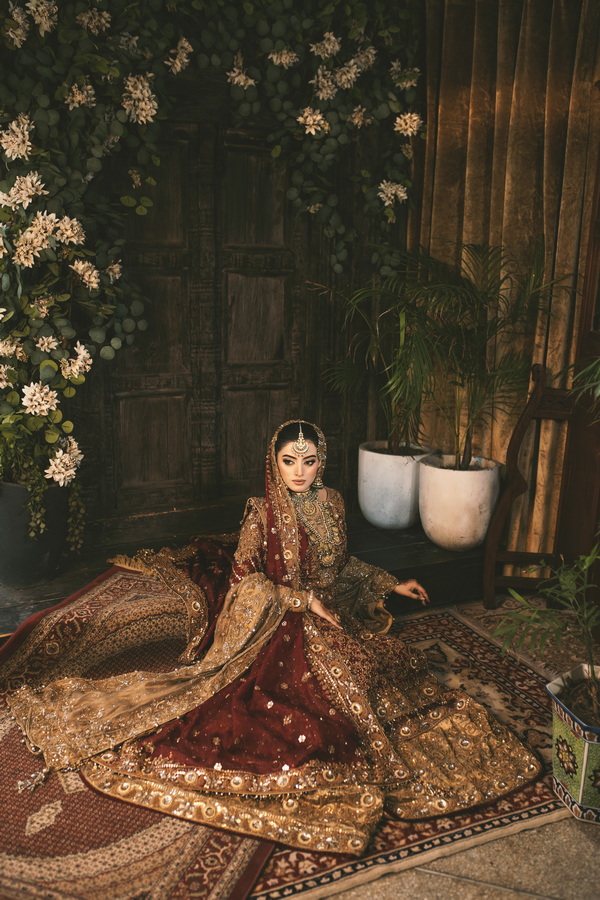
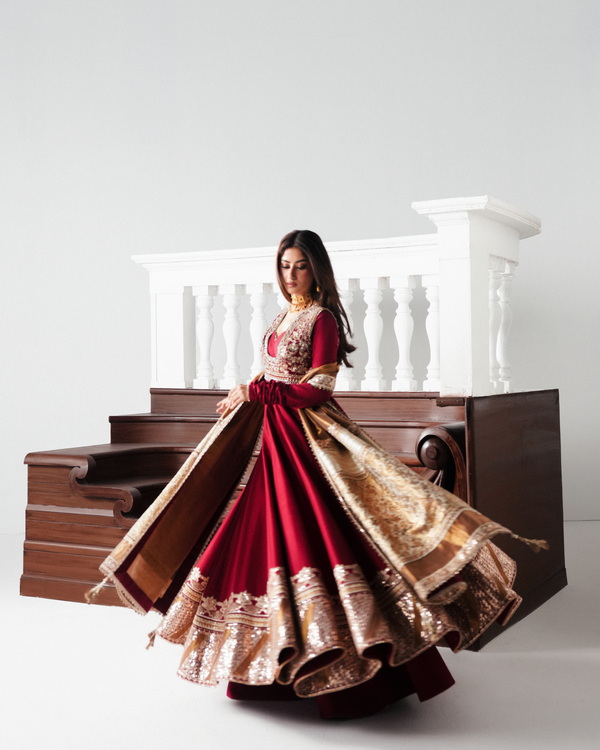
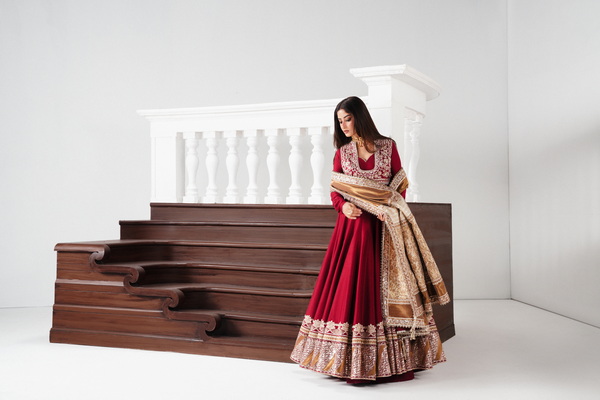
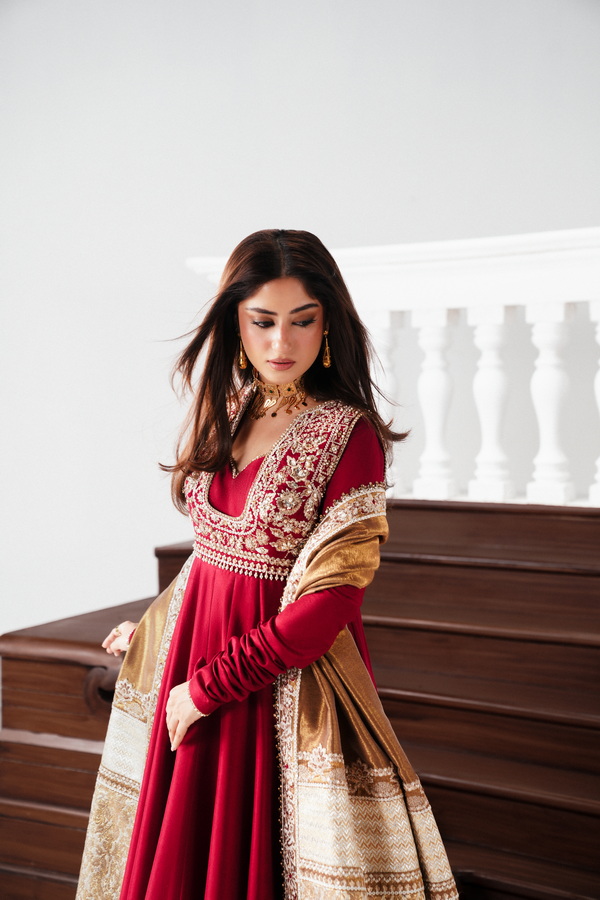
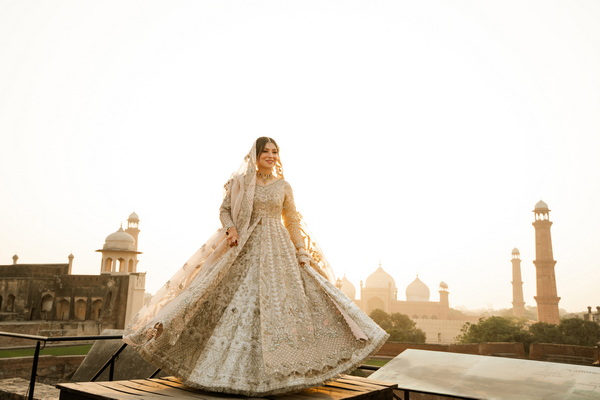
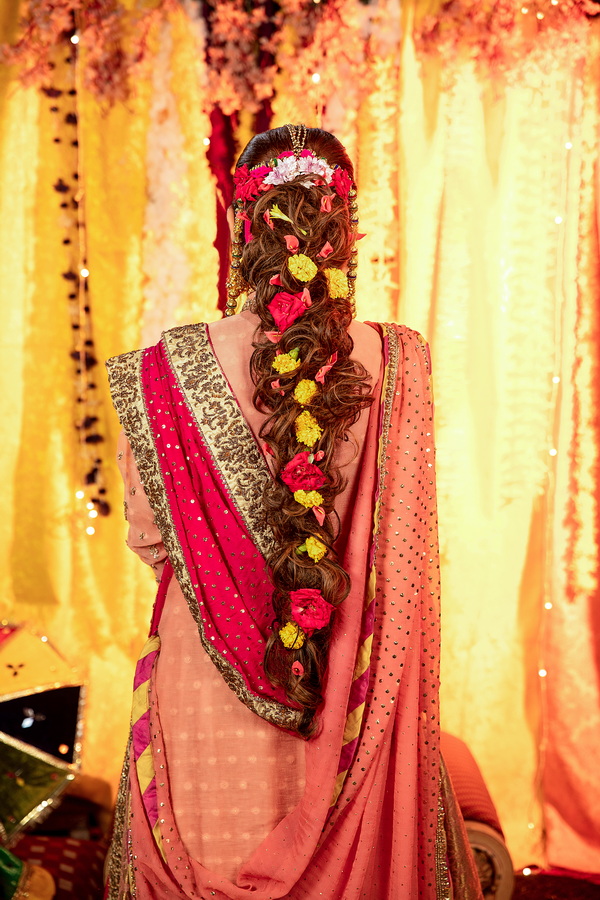
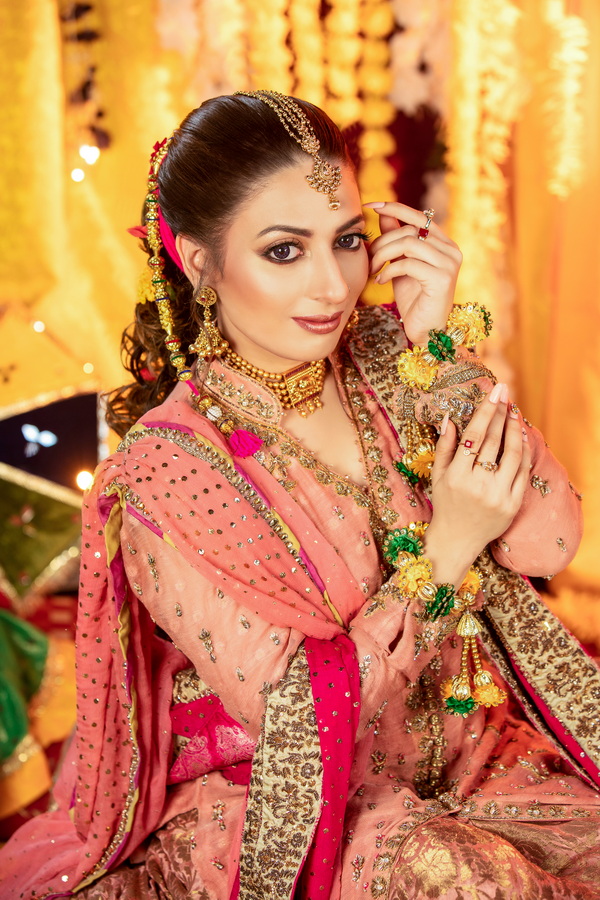
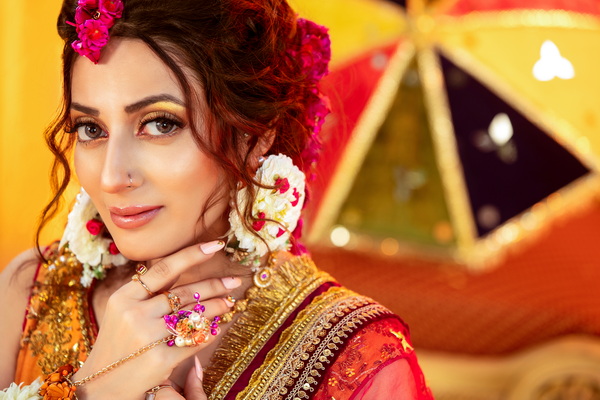
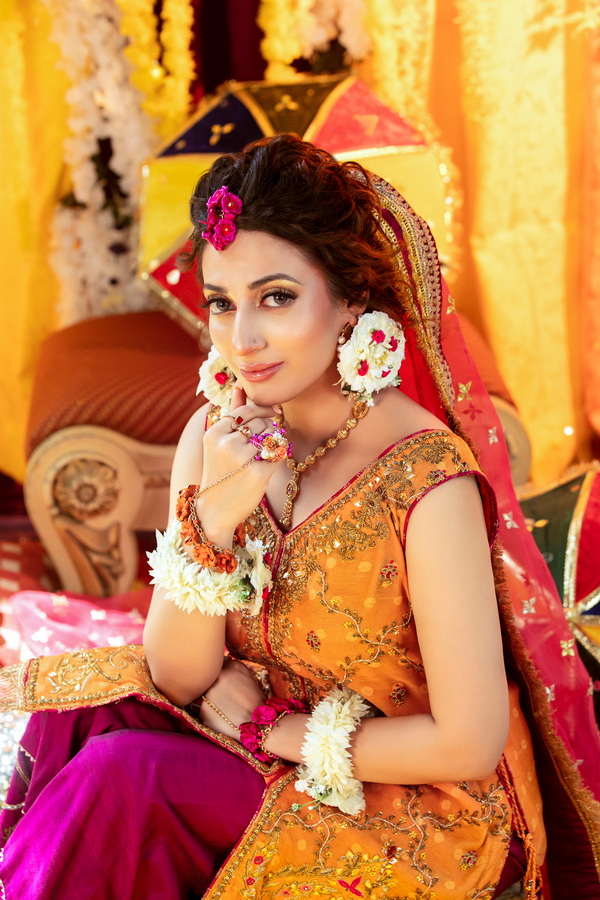
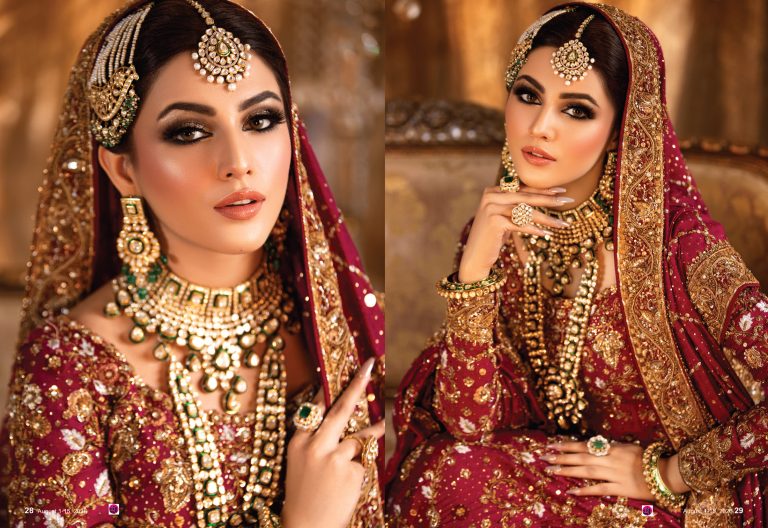
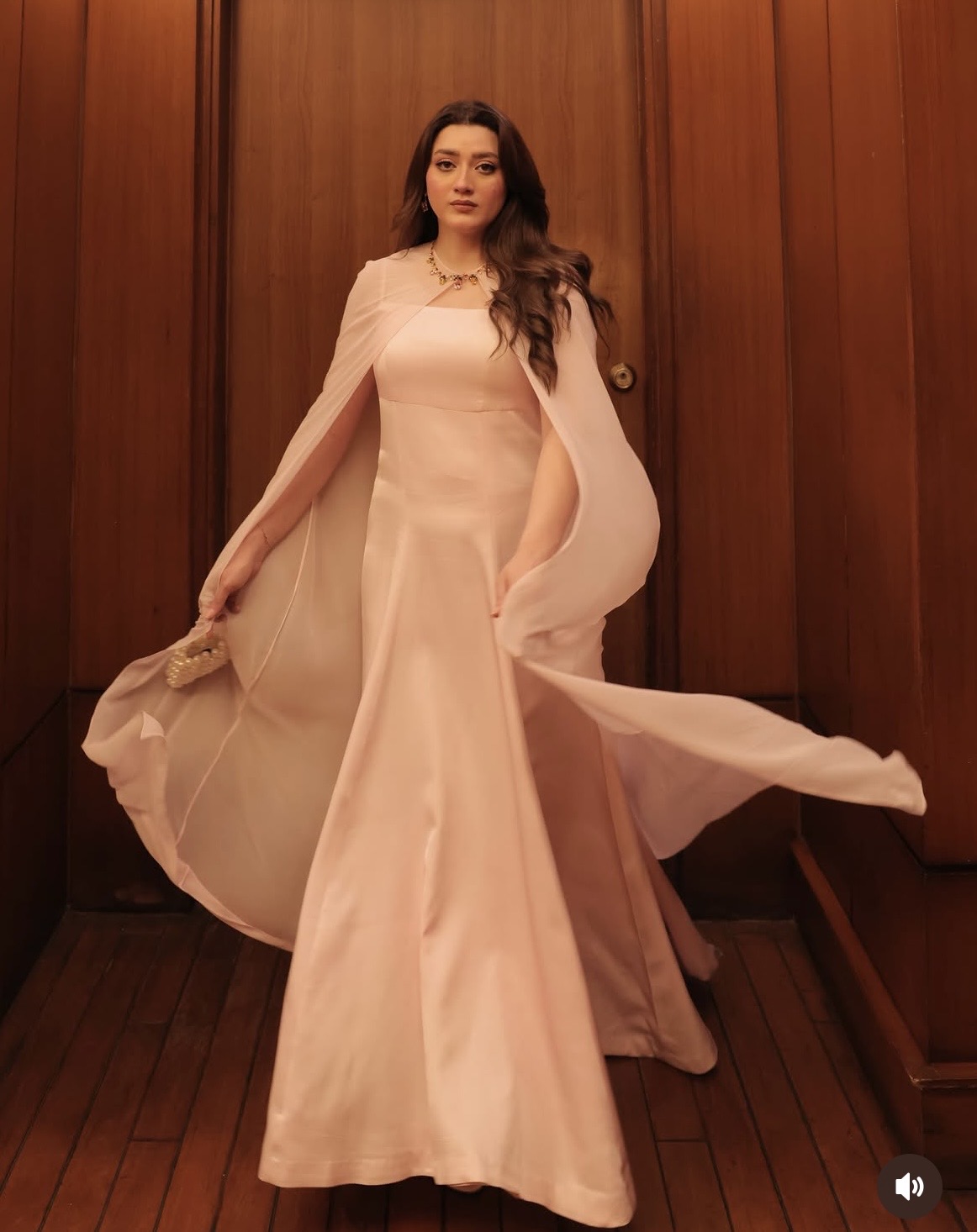
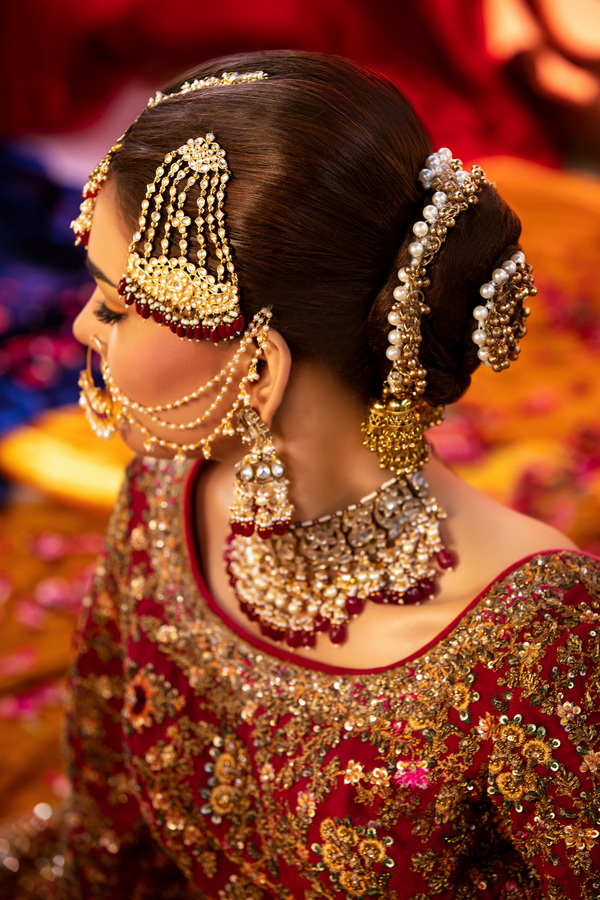
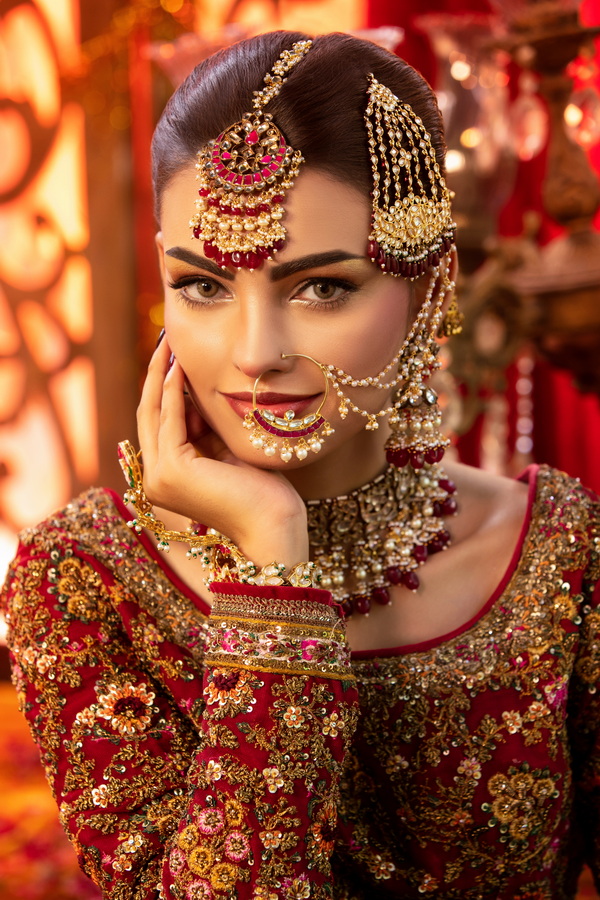
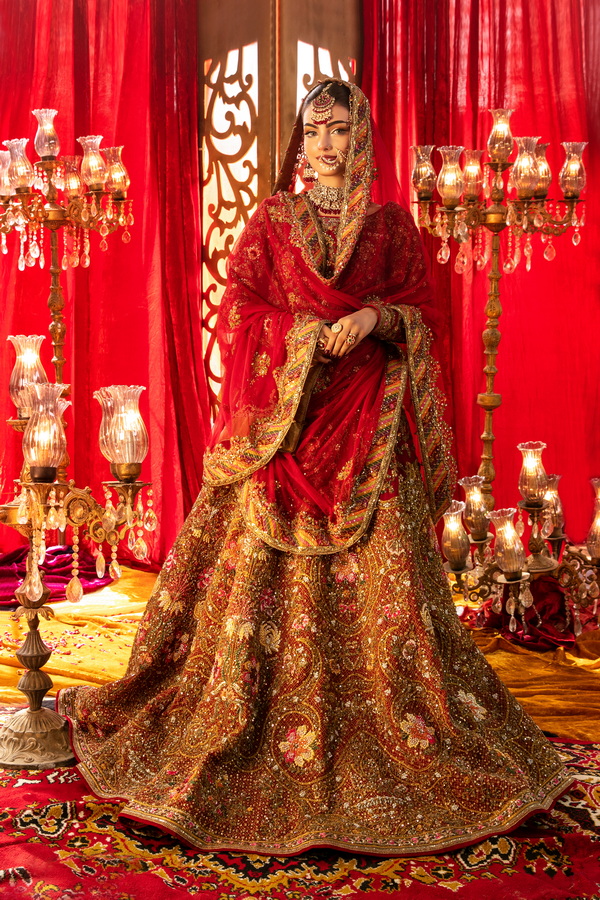
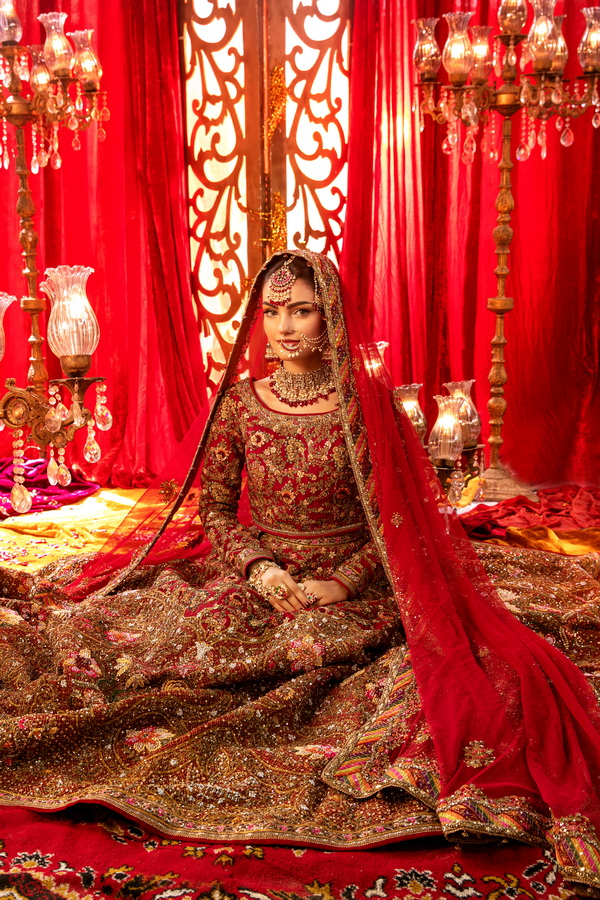
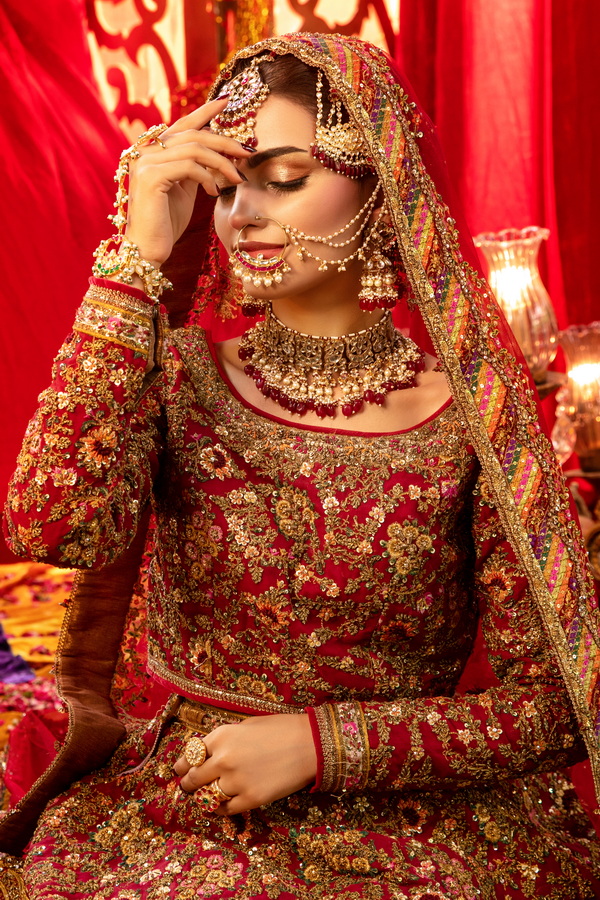
To be a bride is to hold two worlds at once: the weight of generations, and the lightness of a new beginning. This is the Pakistani bride at her most powerful: serene yet regal, it isn’t just a bridal look, it is heritage, the opulence of what it means to be a bride.
It is a display of all the craft that goes into making a bride, the craftsmanship of the clothes, the intricacy of the jewellery and the surroundings.
In this, she isn’t posing. She’s becoming. And that’s what it means.






RASM MAYON
DULHAN BY DEPILEX SALON @nighatmisbah @depilexgroup PHOTOGRAPHY @therohail
DESIGNER @yasminzamanofficial
FEATURING @thefajrseraj
PR @alchemistspk
COORDINATION @umermushtaqofficial





Pink Pop Studio— Celebrate Pakistan; Handmade with Love
Celebrate Independence Day with Pink Pop Studio’s handcrafted green and white accessories, thoughtfully designed to add a festive touch to every look. From statement jewellery to curated gift boxes, each piece is made with love and perfect for gifting or celebrating in style.


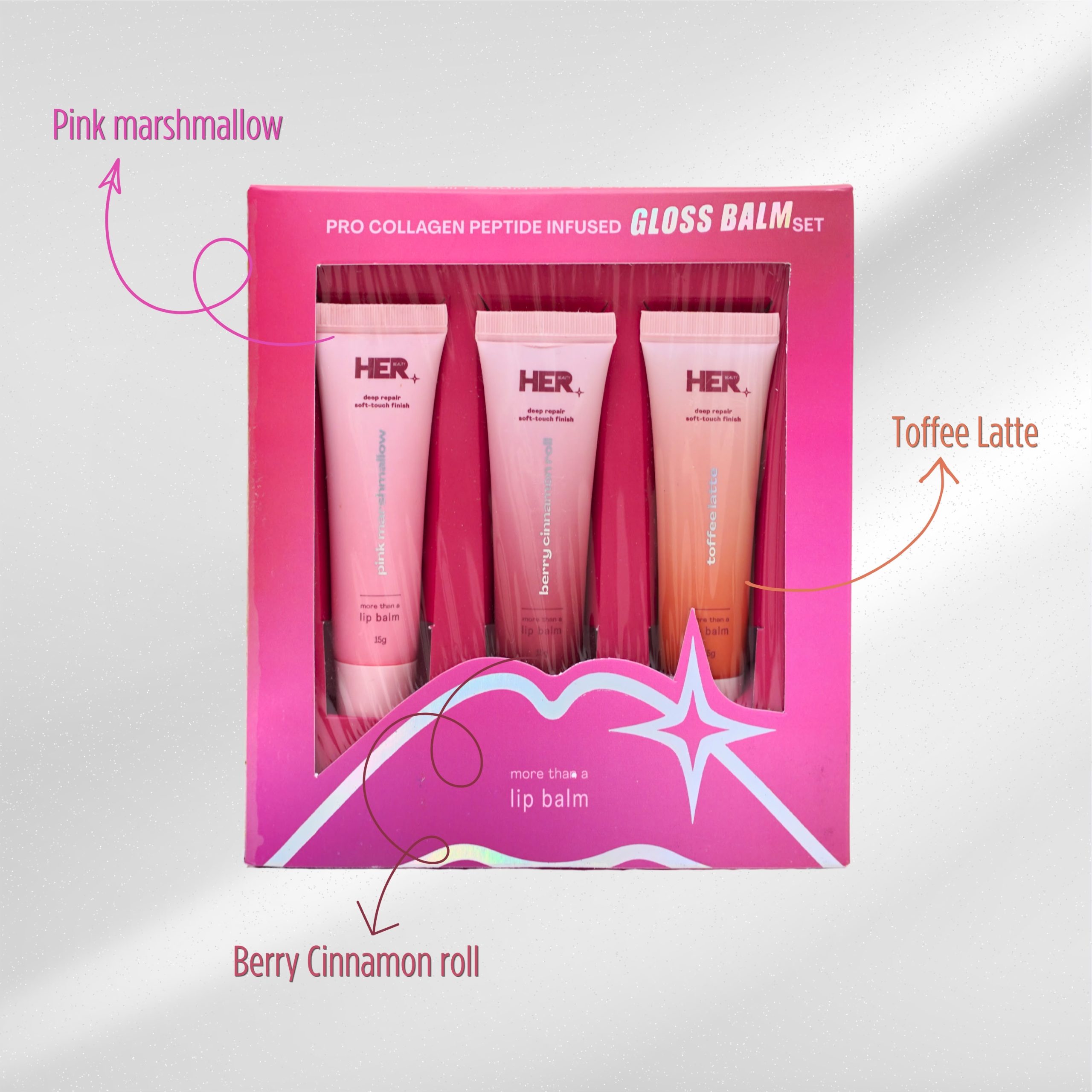
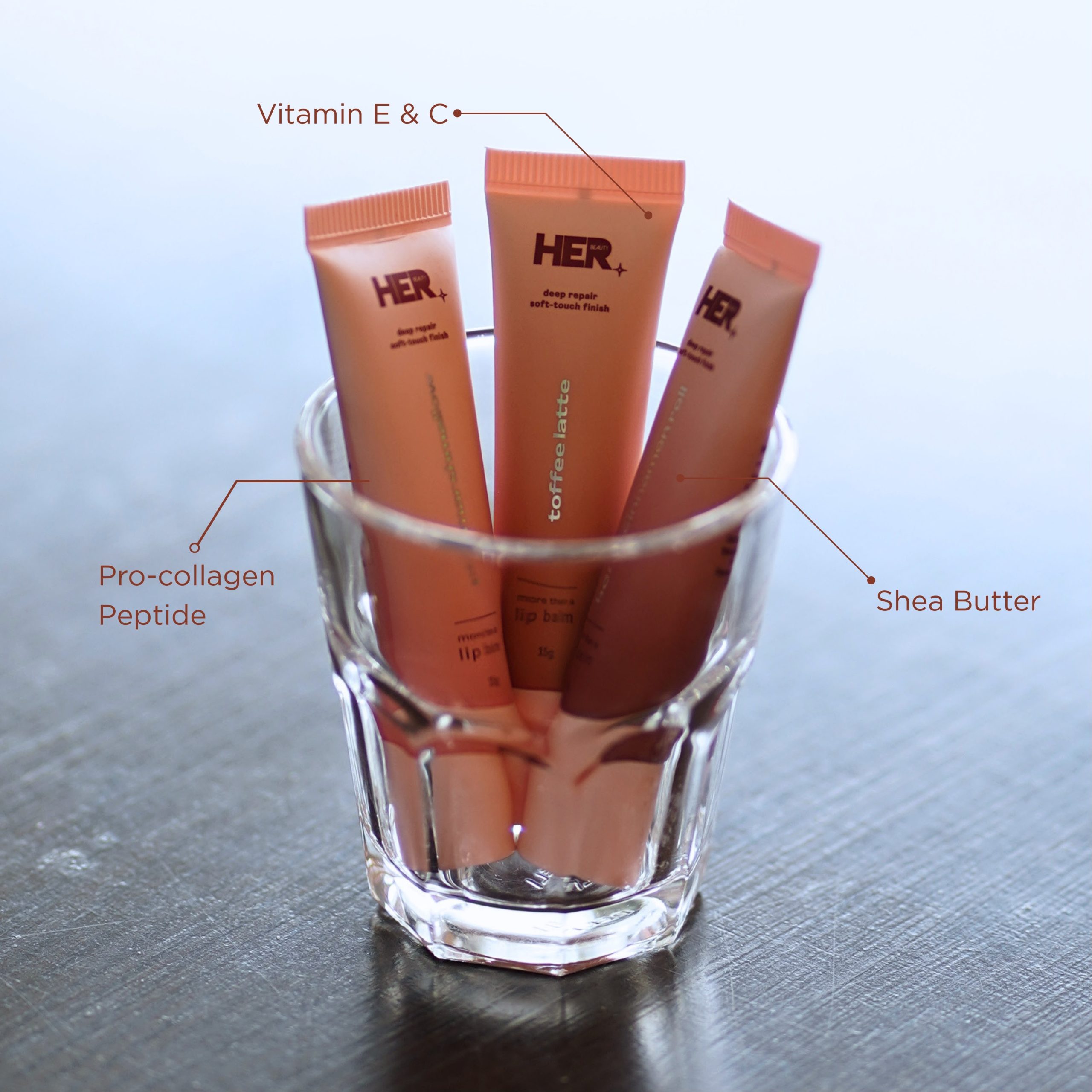
HERbeauty — More Than Just a Lip Balm
Meet HERbeauty’s More Than A Lip Balm collection in Pink Marshmallow, Berry Cinnamon Roll, and Toffee Latte. Infused with pro-collagen peptides, shea butter, and vitamins C & E, these nourishing lip balms leave lips soft, smooth, hydrated, and wrapped in a delicious hint of flavour.
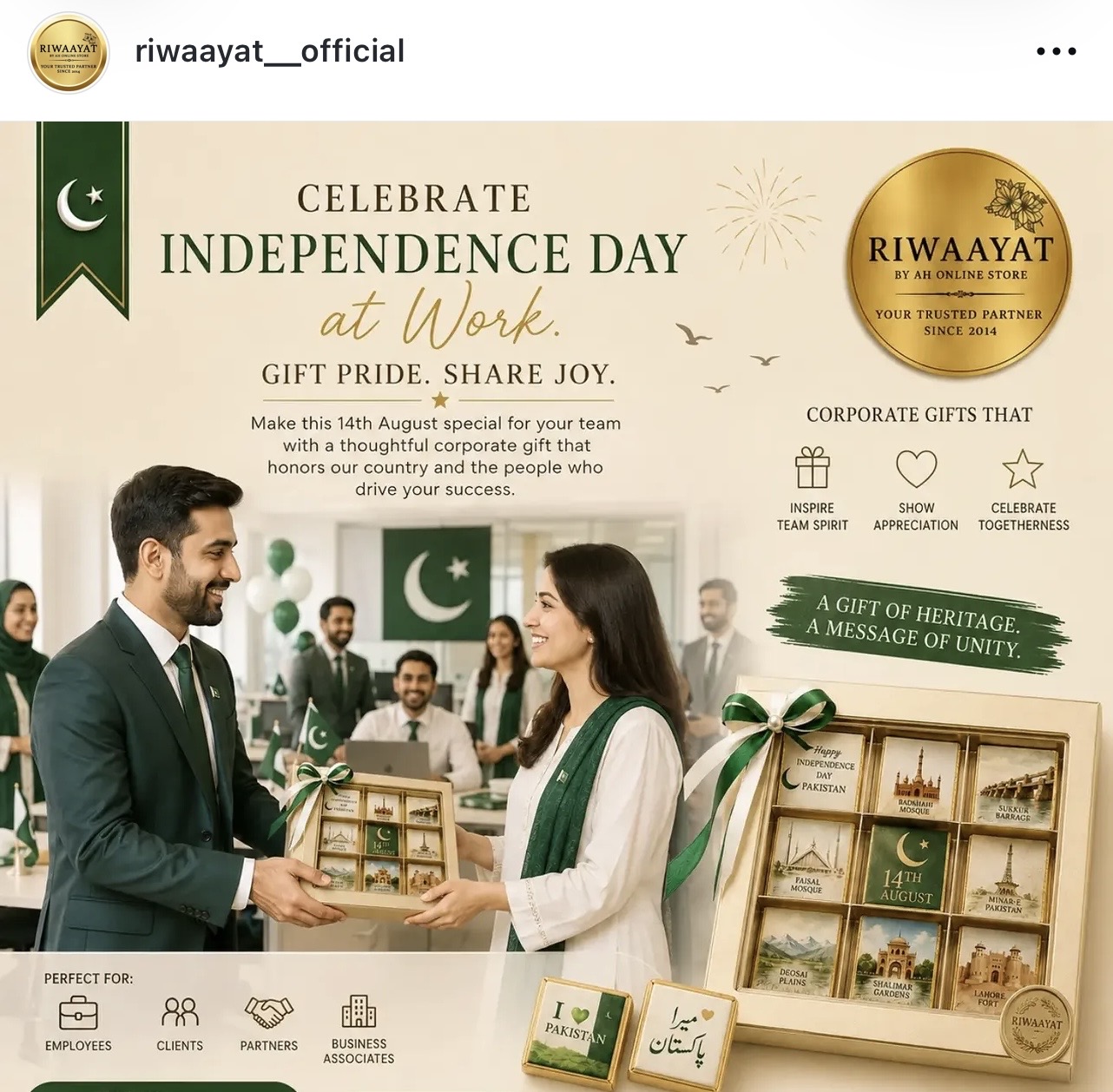
Riwaayat — A Sweet Tribute to Pakistan
Celebrate the spirit of Pakistan with Riwaayat’s Independence Day Chocolate Collection, inspired by the country’s iconic landmarks and heritage. Beautifully crafted and elegantly packaged, these premium chocolate boxes make thoughtful gifts for loved ones, clients, and corporate celebrations alike.

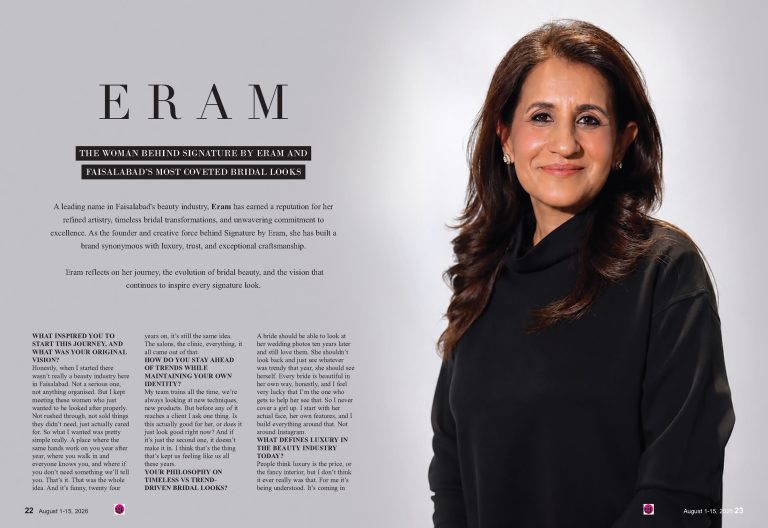
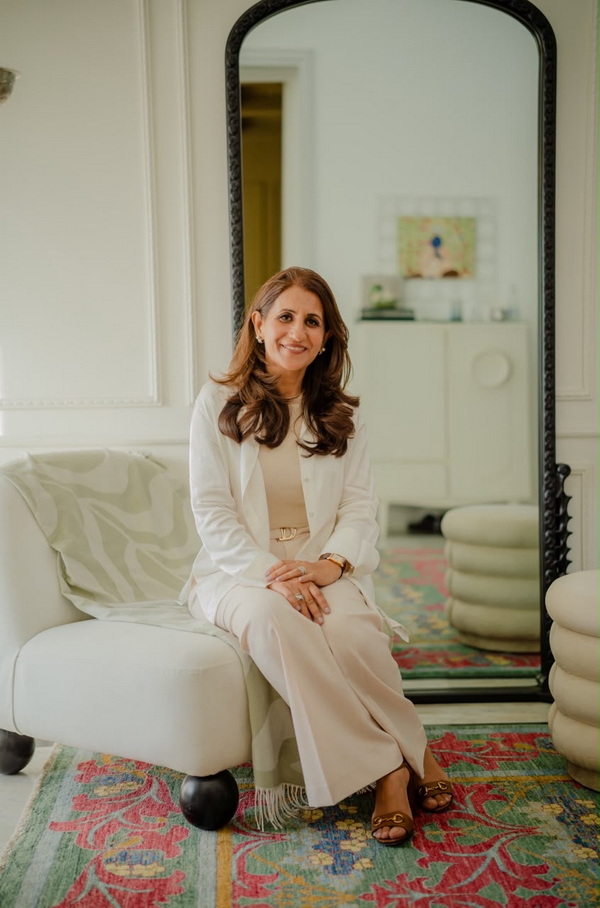
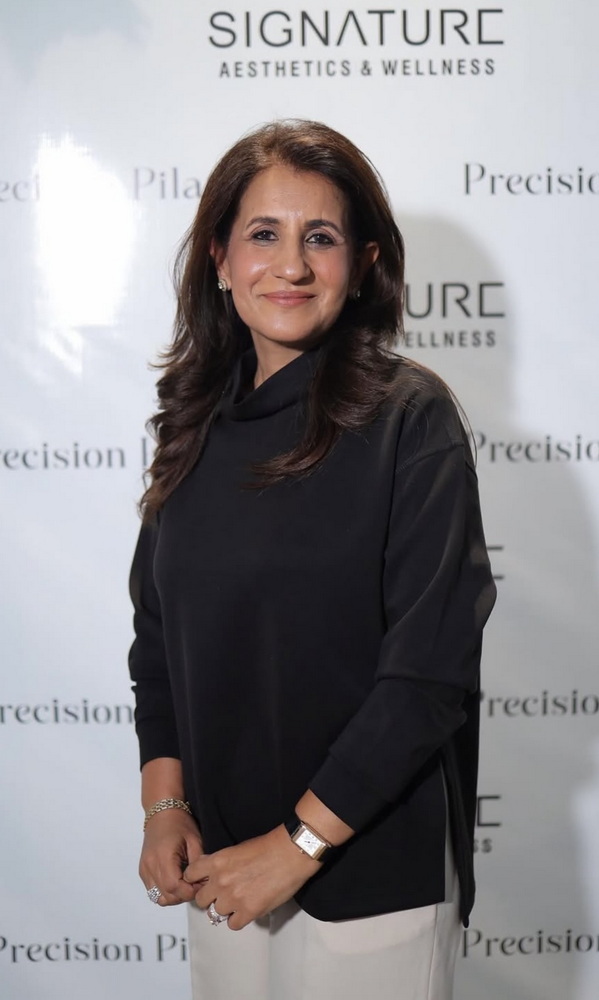
A leading name in Faisalabad’s beauty industry, Eram has earned a reputation for her refined artistry, timeless bridal transformations, and unwavering commitment to excellence. As the founder and creative force behind Signature by Eram, she has built a brand synonymous with luxury, trust, and exceptional craftsmanship.
Eram reflects on her journey, the evolution of bridal beauty, and the vision that continues to inspire every signature look.
What inspired you to start this journey, and what was your original vision?
Honestly, when I started there wasn’t really a beauty industry here in Faisalabad. Not a serious one, not anything organised. But I kept meeting these women who just wanted to be looked after properly. Not rushed through, not sold things they didn’t need, just actually cared for. So what I wanted was pretty simple really. A place where the same hands work on you year after year, where you walk in and everyone knows you, and where if you don’t need something we’ll tell you. That’s it. That was the whole idea. And it’s funny, twenty four years on, it’s still the same idea. The salons, the clinic, everything, it all came out of that.
How do you stay ahead of trends while maintaining your own identity?
My team trains all the time, we’re always looking at new techniques, new products. But before any of it reaches a client I ask one thing. Is this actually good for her, or does it just look good right now? And if it’s just the second one, it doesn’t make it in. I think that’s the thing that’s kept us feeling like us all these years.
Your philosophy on timeless vs trend-driven bridal looks?
A bride should be able to look at her wedding photos ten years later and still love them. She shouldn’t look back and just see whatever was trendy that year, she should see herself. Every bride is beautiful in her own way, honestly, and I feel very lucky that I’m the one who gets to help her see that. So I never cover a girl up. I start with her actual face, her own features, and I build everything around that. Not around Instagram.
What defines luxury in the beauty industry today?
People think luxury is the price, or the fancy interior, but I don’t think it ever really was that. For me it’s being understood. It’s coming in and someone already knowing how you like your hair, the kind of looks you go for, what makes you feel comfortable sitting in that chair. I want a client to feel like the whole thing was done for her, not just booked and done. And sometimes, honestly, the luxury is us telling you the truth. Even when the truth is you don’t need this. You can’t fake that or rush it. It takes years, and that’s exactly what we’ve put in.
How has digital media changed your business?
It’s changed how people find us, definitely. But what keeps them, that hasn’t changed at all, that’s still just trust. The difference now is that people usually see us on their phone first, way before they ever come in. Which is nice in a way, because it finally lets us show off my team’s work. People can actually see what we can do and get a bit inspired by it. We never had that before.
Most challenging phase, and the lesson it taught you?
Covid. Easily. We had to shut all the salons to keep everyone safe, and for a business like ours, where everything depends on people actually coming in, that was frightening. But our team means everything to me, they always have, and there was no way I was cutting anyone’s pay. So we figured something else out. We started making up at home kits and sending them right to the clients’ doors. It kept things ticking over, and more importantly it meant nobody on staff was left struggling during a really hard time. That whole thing taught me something I already sort of knew but really felt then. The business is only ever as strong as the people in it.
How do you build a culture of creativity, consistency, and excellence in your team?
The best thing we have isn’t a service, it’s that our people don’t leave. So many of our senior artists and stylists have been here for years, some more than ten, and let me tell you, that just doesn’t happen in this industry. We got there by treating training like something worth spending on, not a cost to cut, and by actually giving people ownership of their work instead of treating them like they’re easily replaced. And there’s always more to learn anyway, this industry never sits still. We do these panel discussions at all our branches where we just sit and listen, take in new ideas, hear straight from customers what they think. I mean it when I say I learn something new pretty much every day.
Rapid Fire
Bridal glam or soft natural beauty?
Neither honestly, timeless, whatever suits the bride.
One makeup product you can’t live without?
Huda Beauty Easy Bake, and a Dior highlighter.
Biggest beauty trend you wish would disappear?
Overly done faces.
Celebrity whose makeup style you admire most?
Anne Hathaway.
Three words that define Signature by Eram?
Trusted, Timeless, Personal.
How do you encourage clients to embrace individuality while enhancing natural features?
We’ve never had one set look that everyone walks out with. That’s just not us. The first thing we do is listen. We ask what she wants to feel, not only what she wants to look like, and then we work with her features instead of against them. And the compliment I’m really after for her isn’t I love your makeup, or I love your hair. It’s just someone saying, you look beautiful.
What’s on the horizon, new services, collaborations, expansion?
We’re carrying on with the clinic side of things, bringing in more of the newer tech and products so we stay ahead instead of always catching up. And on a personal note, my daughter Minahil has really been stepping up lately. She trained as a makeup artist herself, and now she’s the one shaping where the brand goes next. That’s honestly been one of the nicest parts of this whole chapter for me.
Advice for aspiring makeup artists and salon owners?
Don’t rush to grow before people actually trust you. I get it, it’s tempting, you want to open more places, drop your prices, jump on whatever’s hot. But the salons that stick around aren’t the loud ones. They’re the ones people trust enough to keep coming back to for years. And don’t ever stop learning. You’re going to mess up, that’s just part of it. Just make sure you learn from it and don’t do the same thing twice.
What legacy do you hope Signature by Eram leaves in Pakistan’s beauty industry?
I hope people remember Signature as a place that lifted women up. The women who came to us, and just as much the women on my team who built their whole careers with us. I hope they remember us for always having the newest technology and really good, high end products, and for doing it properly. But more than anything, I just hope we’re remembered as a name Faisalabad could always trust.
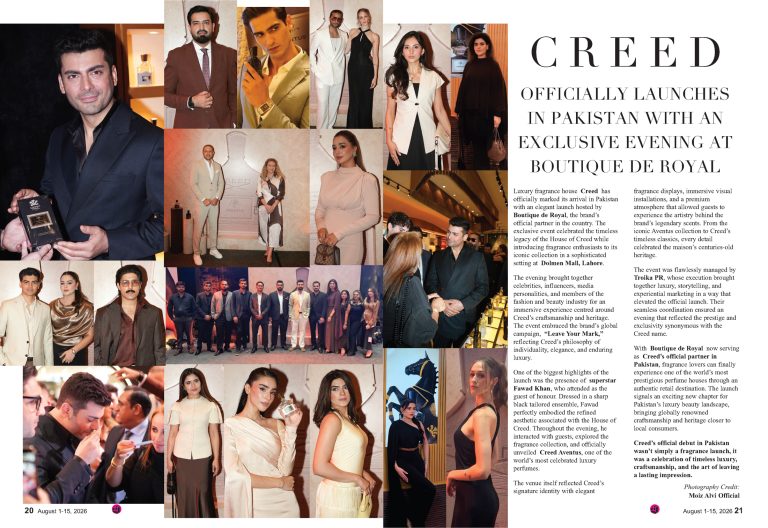
Luxury fragrance house Creed has officially marked its arrival in Pakistan with an elegant launch hosted by Boutique de Royal, the brand’s official partner in the country. The exclusive event celebrated the timeless legacy of the House of Creed while introducing fragrance enthusiasts to its iconic collection in a sophisticated setting at Dolmen Mall, Lahore.
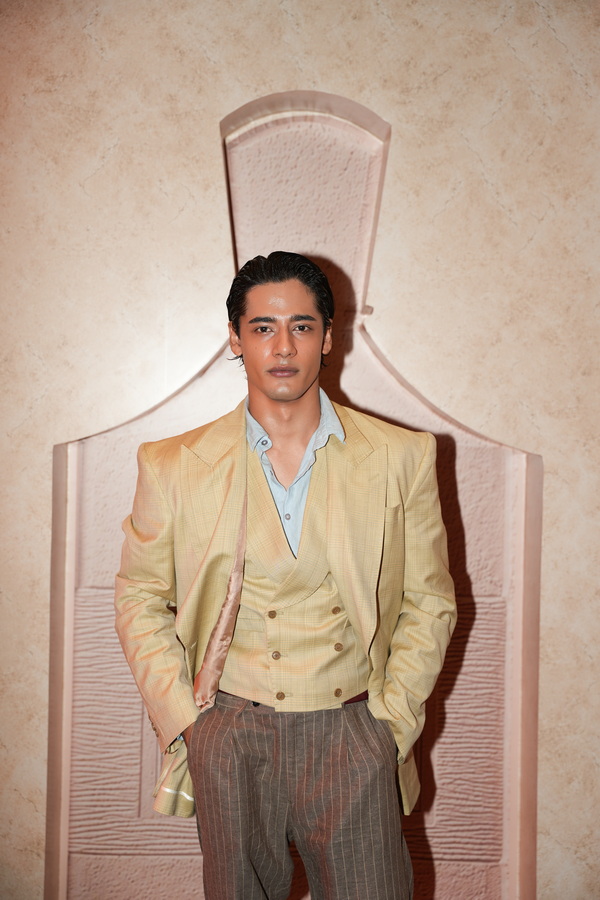


The evening brought together celebrities, influencers, media personalities, and members of the fashion and beauty industry for an immersive experience centred around Creed’s craftsmanship and heritage. The event embraced the brand’s global campaign, “Leave Your Mark,” reflecting Creed’s philosophy of individuality, elegance, and enduring luxury.


One of the biggest highlights of the launch was the presence of superstar Fawad Khan, who attended as the guest of honour. Dressed in a sharp black tailored ensemble, Fawad perfectly embodied the refined aesthetic associated with the House of Creed. Throughout the evening, he interacted with guests, explored the fragrance collection, and officially unveiled Creed Aventus, one of the world’s most celebrated luxury perfumes.
The venue itself reflected Creed’s signature identity with elegant fragrance displays, immersive visual installations, and a premium atmosphere that allowed guests to experience the artistry behind the brand’s legendary scents. From the iconic Aventus collection to Creed’s timeless classics, every detail celebrated the maison’s centuries-old heritage.


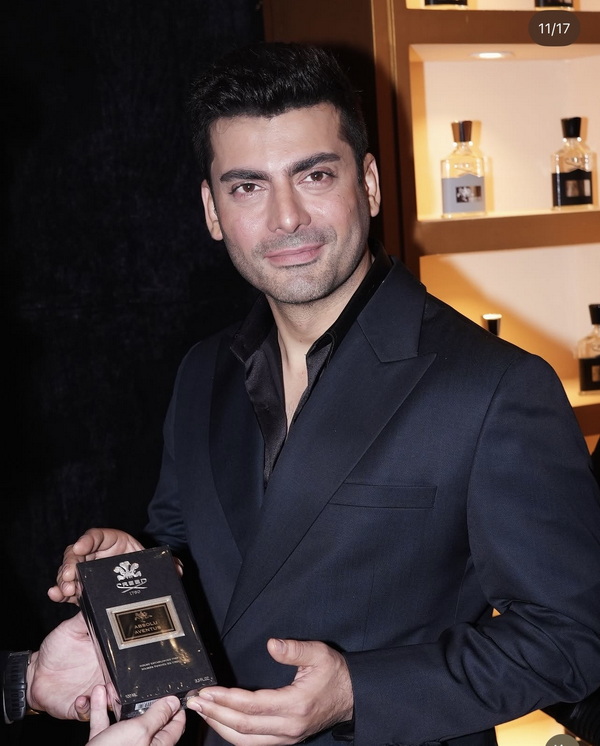

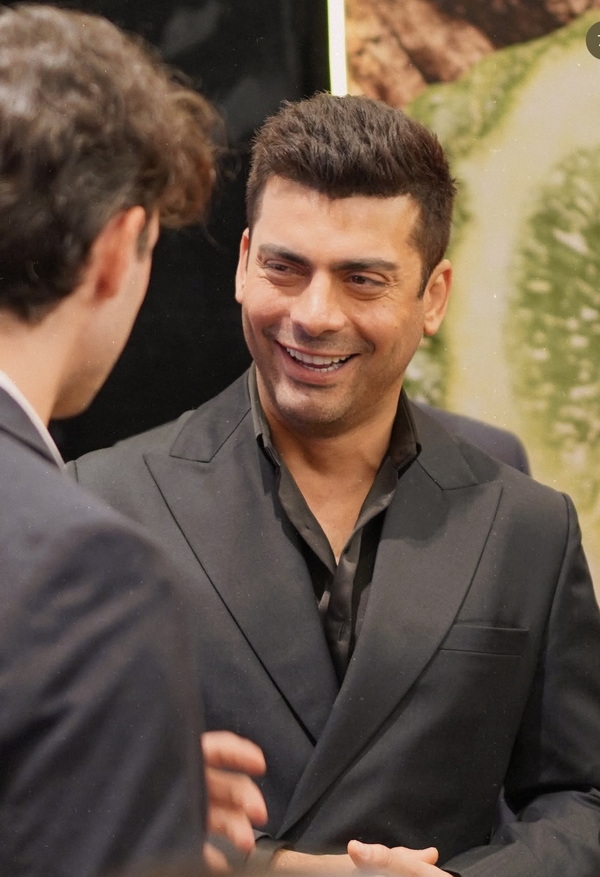
The event was flawlessly managed by Troika PR, whose execution brought together luxury, storytelling, and experiential marketing in a way that elevated the official launch. Their seamless coordination ensured an evening that reflected the prestige and exclusivity synonymous with the Creed name.
With Boutique de Royal now serving as Creed’s official partner in Pakistan, fragrance lovers can finally experience one of the world’s most prestigious perfume houses through an authentic retail destination. The launch signals an exciting new chapter for Pakistan’s luxury beauty landscape, bringing globally renowned craftsmanship and heritage closer to local consumers.


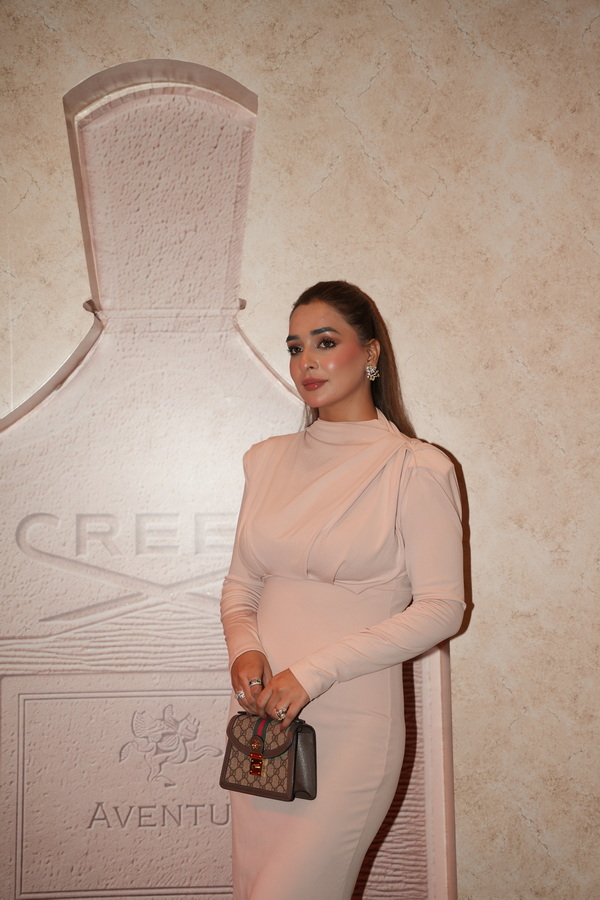
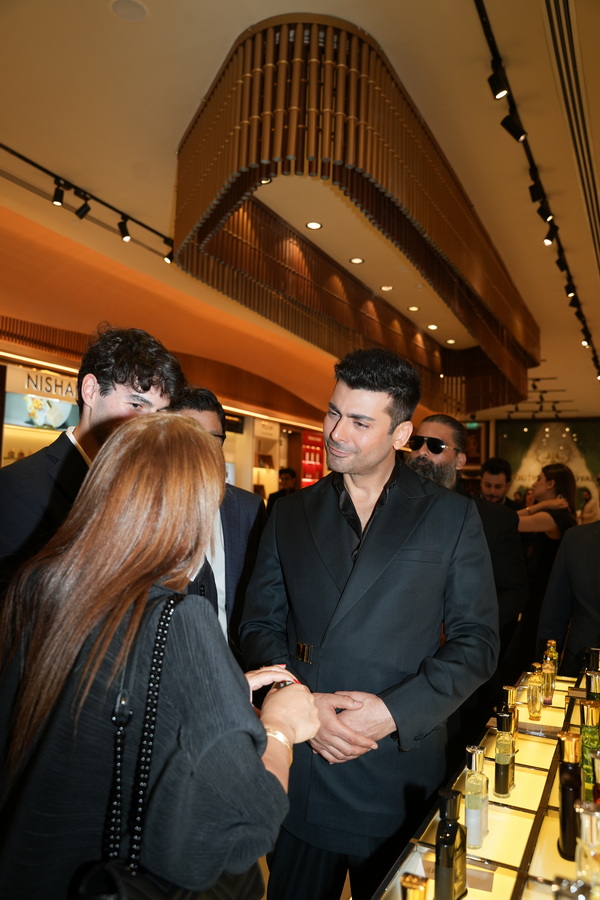
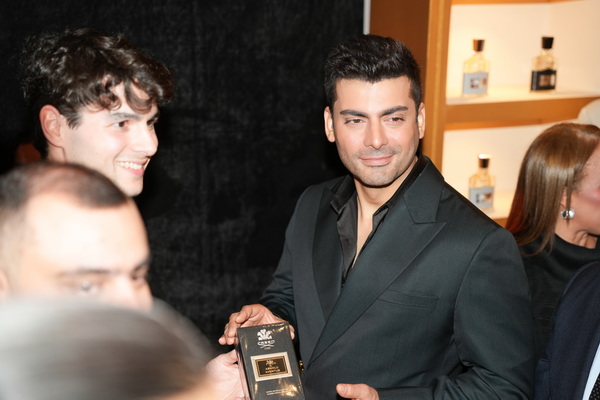
Creed’s official debut in Pakistan wasn’t simply a fragrance launch, it was a celebration of timeless luxury, craftsmanship, and the art of leaving a lasting impression.
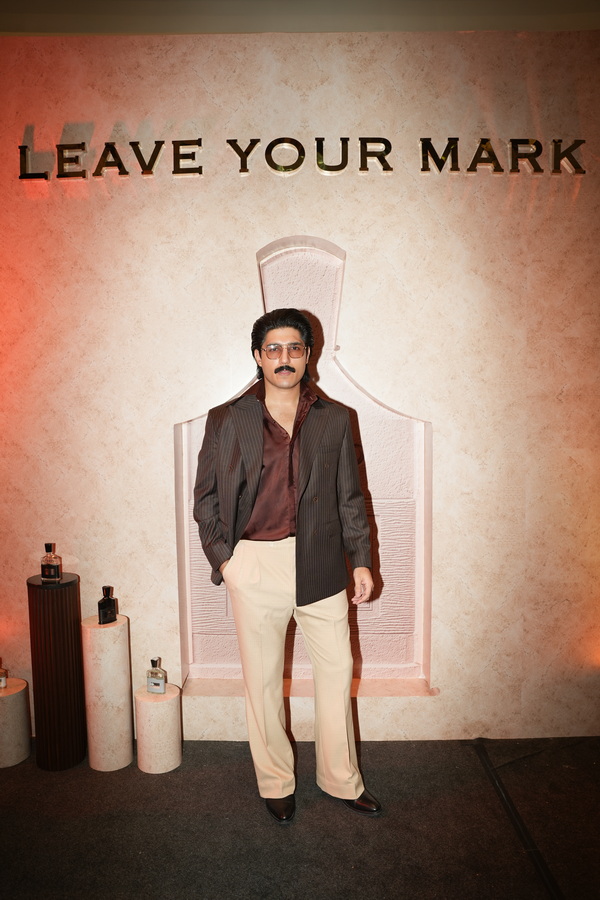
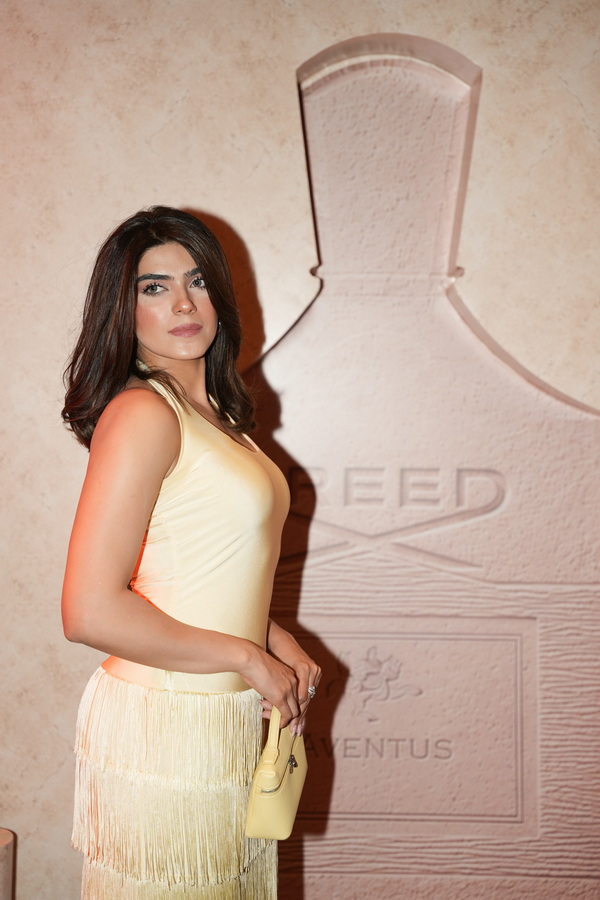
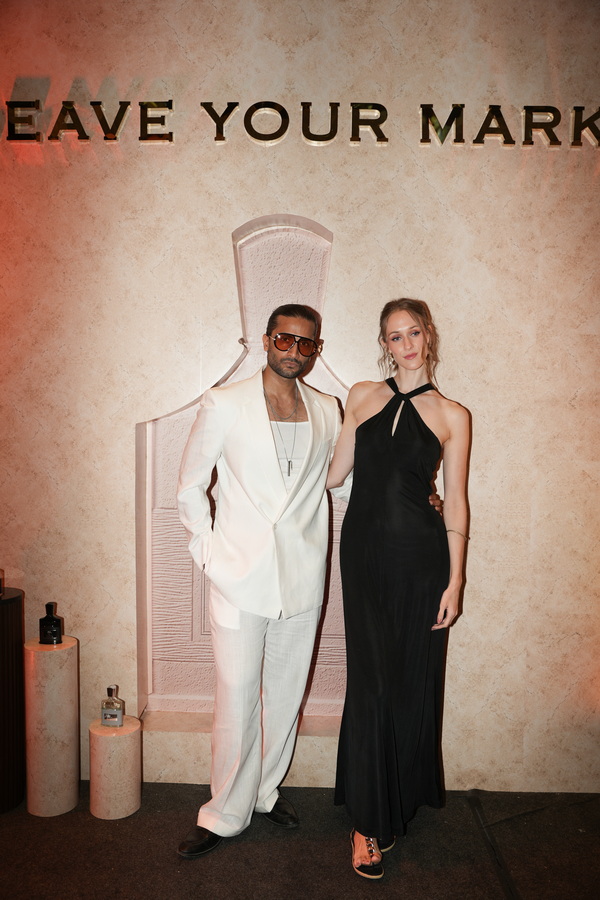

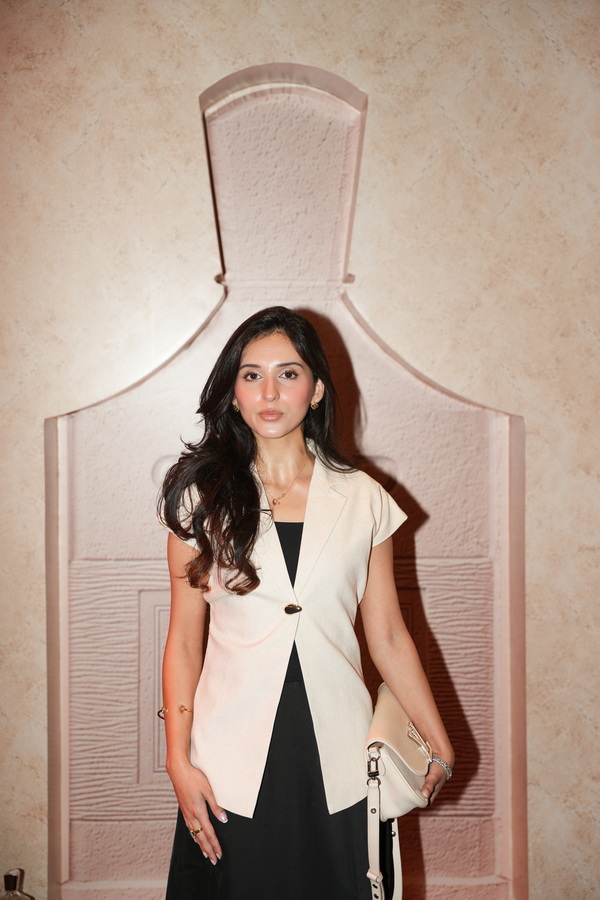
Photography Credit:
Moiz Alvi Official
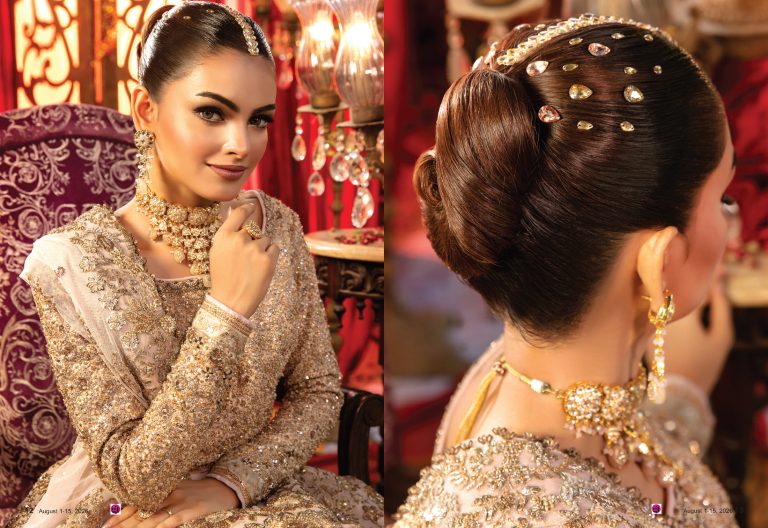
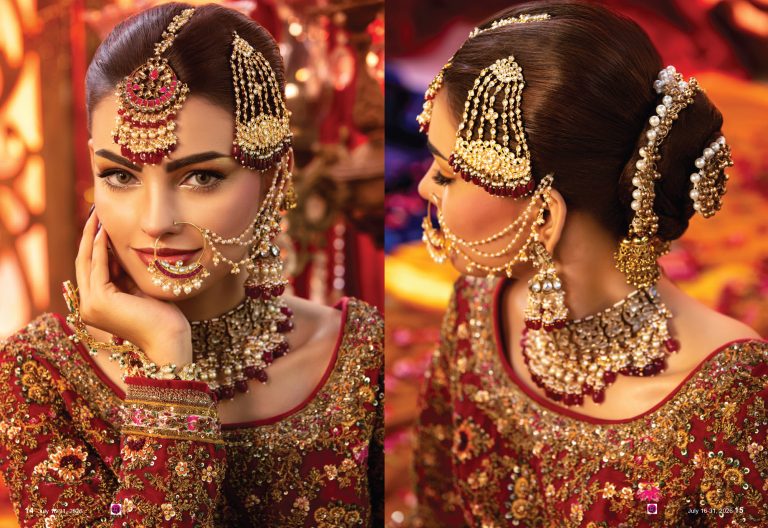
To be a bride is to hold two worlds at once: the weight of generations, and the lightness of a new beginning. This is the Pakistani bride at her most powerful: serene yet regal, it isn’t just a bridal look, it is heritage, the opulence of what it means to be a bride.
It is a display of all the craft that goes into making a bride, the craftsmanship of the clothes, the intricacy of the jewellery and the surroundings.
In this, she isn’t posing. She’s becoming. And that’s what it means.
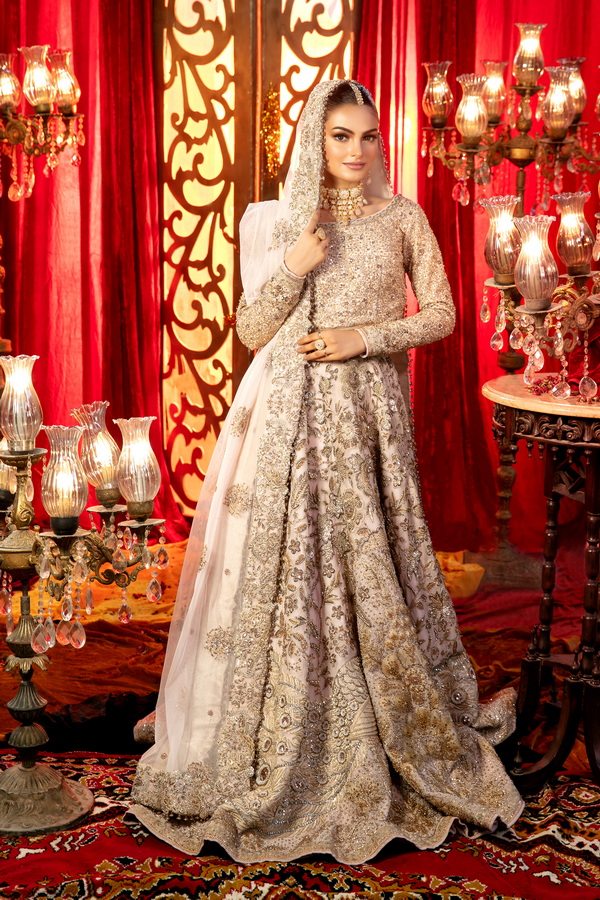

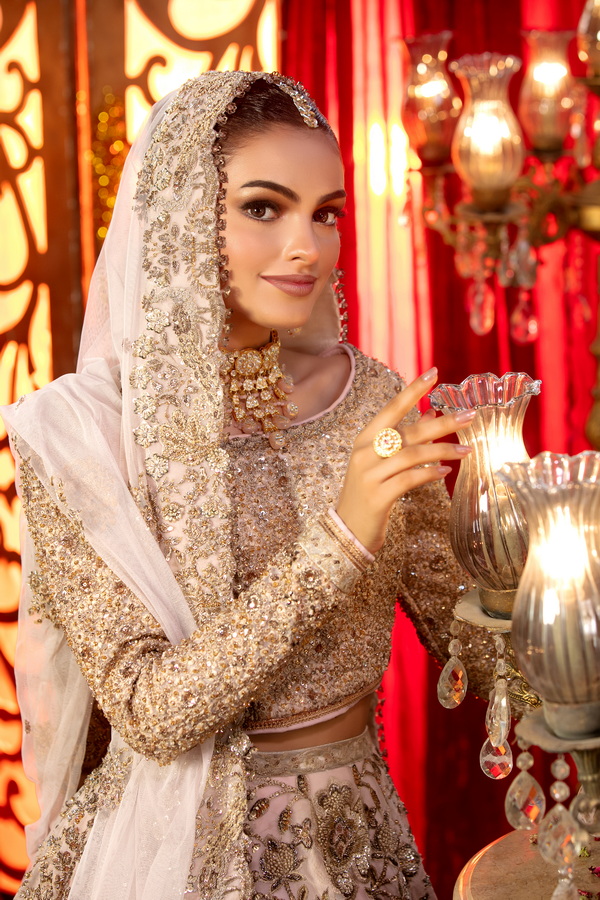

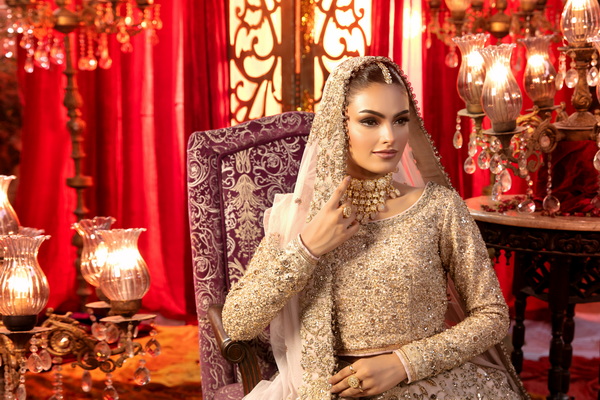
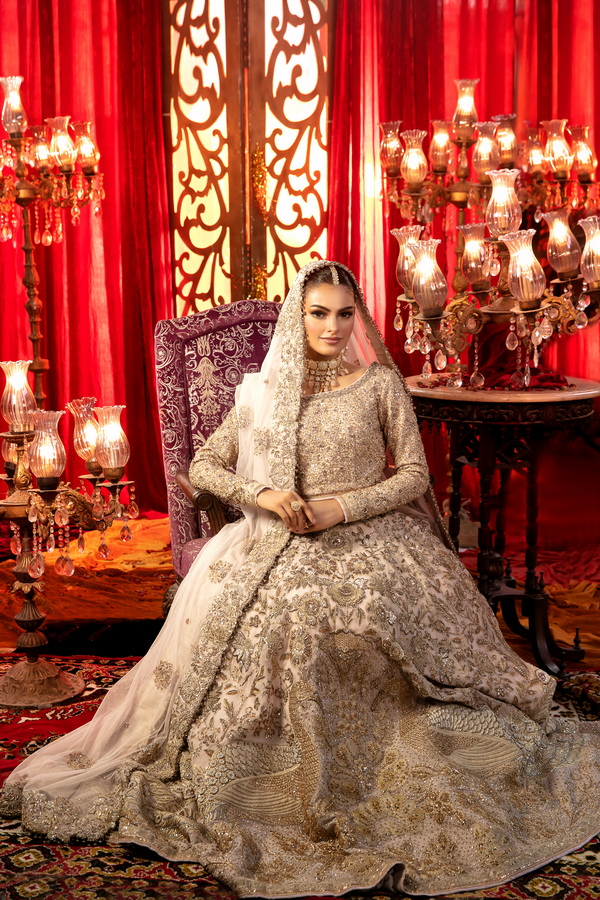
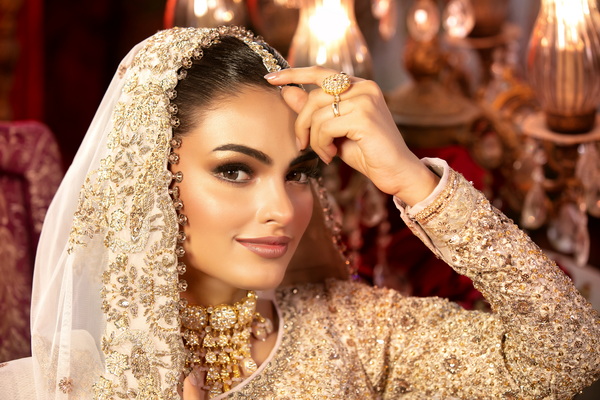

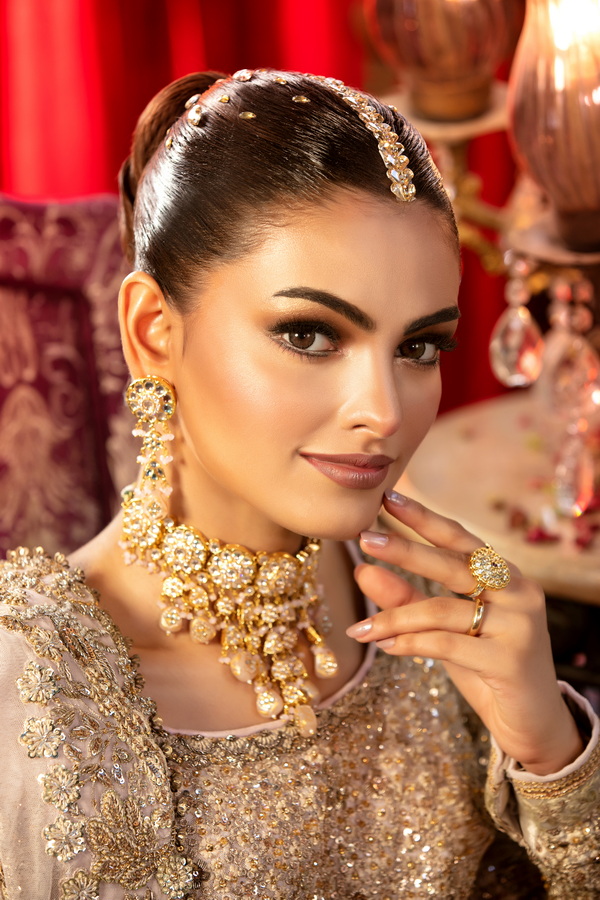
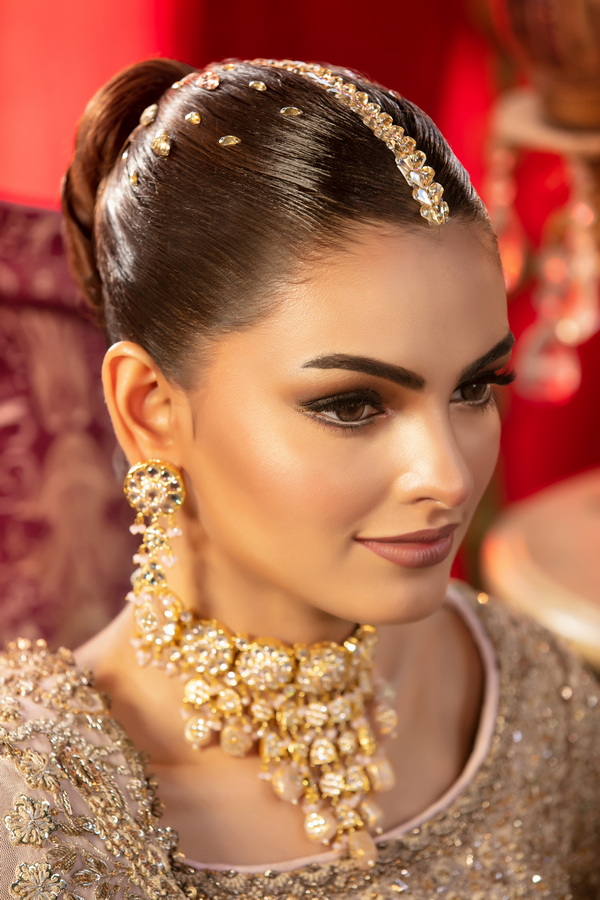
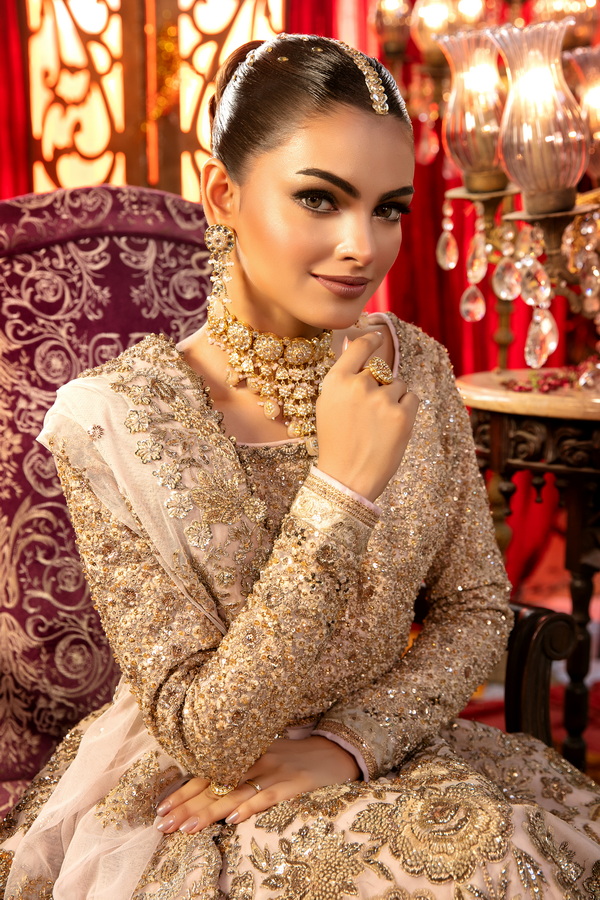

BRIDAL CAMPAIGN DEPILEX SALON @nighatmisbah @depilexgroup
DESIGNER @officialfahadhussayn
PHOTOGRAPHY @therohail
MODEL @byabeeraa
COORDINATION @umermushtaqofficial
JEWELLERY @allurebymht_jewellery

For decades, Nighat Misbah has been at the forefront of Pakistan’s beauty industry, transforming bridal artistry into a celebrated form of storytelling. As the Founder, Director and Creative Head of Depilex, she has shaped generations of brides while setting new benchmarks in beauty, fashion and entrepreneurship. With Dulhan, her latest bridal campaign, she celebrates the timeless essence of the Pakistani bride, where heritage meets modernity, craftsmanship becomes art, and every detail reflects the beauty of a new beginning.
We sat down with Nighat Misbah to talk about her remarkable journey, the evolution of bridal beauty, and the legacy she continues to build.
The “Dulhan” campaign portrays a bride as someone carrying both heritage and a new beginning. What was the first emotion you wanted people to feel when they looked at these images?
The first emotion I wanted people to feel was belonging. A Pakistani bride is not just preparing for a wedding, she is carrying generations of tradition while stepping into a completely new chapter of life. I wanted every image to feel deeply rooted in our culture yet full of strength and grace. Beauty is important but emotion is what makes an image unforgettable.
After decades of shaping bridal beauty in Pakistan, how has your own definition of the “perfect bride” evolved?
When I began my career, perfection was often associated with flawless makeup and immaculate styling. Today, I believe the perfect bride is simply the most authentic version of herself. My role is no longer to transform her into someone else but to enhance her individuality and her confidence on one of the most important days of her life. The most beautiful bride is always the one who still looks like herself.

Depilex brides have become part of Pakistan’s visual culture. How do you continue reinventing bridal aesthetics while staying true to tradition?
Tradition should evolve, not disappear. Every season introduces new colours, finishes and techniques but our cultural identity remains constant. At Depilex, we embrace innovation while respecting craftsmanship. Reinvention comes from refining details rather than abandoning tradition. The goal is always to create a look that feels current today and beautiful decades from now.
This campaign beautifully highlights fashion, jewellery, makeup and storytelling as one seamless vision. How important is collaboration in bringing a bridal narrative to life?
Bridal beauty has never been about makeup alone. It is the result of talented people working together with one shared vision. Designers, jewellers, photographers, hairstylists and makeup artists each contribute to telling the bride’s story. When everyone respects each other’s craft, the final result feels effortless, cohesive and emotionally meaningful. Collaboration is where creativity truly flourishes.
Finish the Sentence
A bride is – the most beautiful version of herself
Beauty means – confidence
Success feels – seeing other shine because of the opportunities you’ve created
My biggest inspiration is – the women in my family
The best is yet to – be written
Today’s bride is more confident, expressive and involved in every creative decision. How has this shift influenced the way you approach bridal styling?
Today’s bride arrives informed and inspired. She has saved references, understands what suits her and wants her personality reflected in every detail. I see this as a very positive change. Bridal consultations have become conversations rather than instructions. My responsibility is to listen carefully, guide her with experience and create a look that balances her vision with timeless elegance.
In your opinion, what are the three elements that instantly make a bridal look timeless rather than trend driven?
First, beautiful skin that looks healthy rather than heavily covered. Second, balance- between makeup, jewellery and the bridal outfit so that no single element overwhelms the others. Third, confidence. The most timeless bridal look is one worn with poise and grace.
As one of Pakistan’s most influential beauty entrepreneurs, what legacy do you hope Depilex leaves for the next generation of artists and brides?
I hope Depilex is remembered not only for creating beautiful looks whether it’s hair or makeup but also for creating opportunities. Over the years, we have trained thousands of beauty professionals, many of whom have gone on to build successful careers and businesses of their own. If our legacy is one of empowerment, professionalism, excellence and raising industry standards while celebrating Pakistani beauty, I will consider that our greatest achievement.
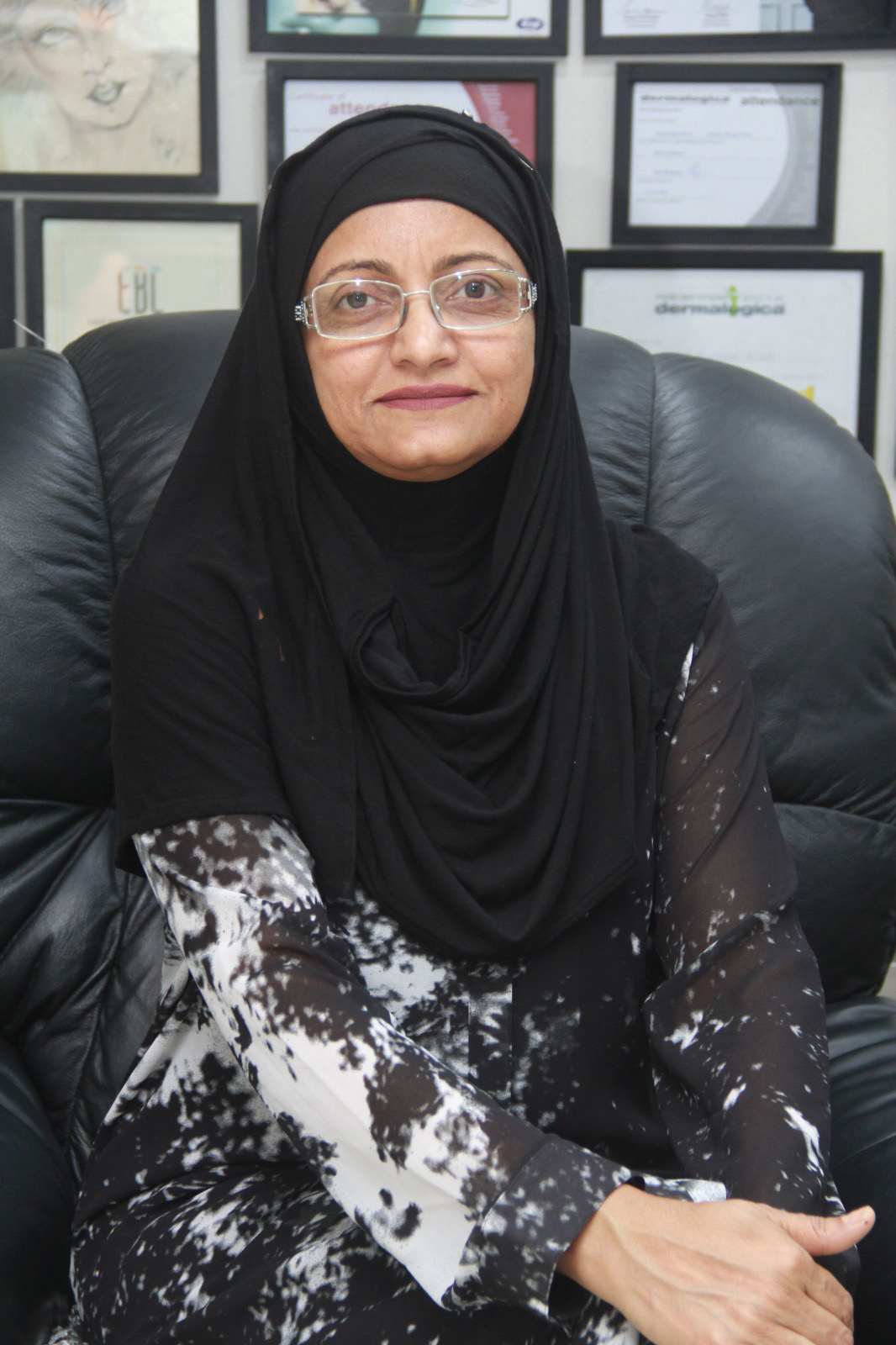
What inspires you creatively today that still excites you after all these years in the industry?
People continue to inspire me. Every bride has a unique personality, family story and dream for her wedding day. That individuality keeps my work fresh. I also find inspiration in Pakistan’s incredible craftsmanship from intricate hand embroidery to traditional jewellery as well as in the evolving confidence of young women who embrace both their heritage and their individuality.
Rapid Fire
* Traditional red or contemporary ivory?
Traditional red these days but last month was Ivory for me
* Classic jewellery or statement heirloom pieces?
Heirloom pieces
* Matte or luminous bridal skin?
Matte in this current weather
* One beauty trend you’d love to retire?
Metallic eyeshadows
* One word that defines a Depilex bride?
Timeless
If you could change one misconception people have about bridal makeup or beauty, what would it be?
The biggest misconception is that bridal makeup should completely transform a woman. I have never believed that. Great bridal makeup should reveal a bride’s beauty, not conceal it. When people look at her wedding photographs years later, they should recognise her instantly not just remember the makeup.
Looking ahead, what excites you most about the future of Pakistani bridal fashion and beauty?
I believe Pakistani bridal beauty is entering a remarkable phase where our traditions are gaining global appreciation while our artists continue to innovate. Brides today are embracing individuality, sustainability, craftsmanship and meaningful storytelling. I am excited to see our industry continue to set international standards while remaining proudly rooted in our culture. That balance between heritage and innovation is what will define the future of Pakistani bridal beauty.
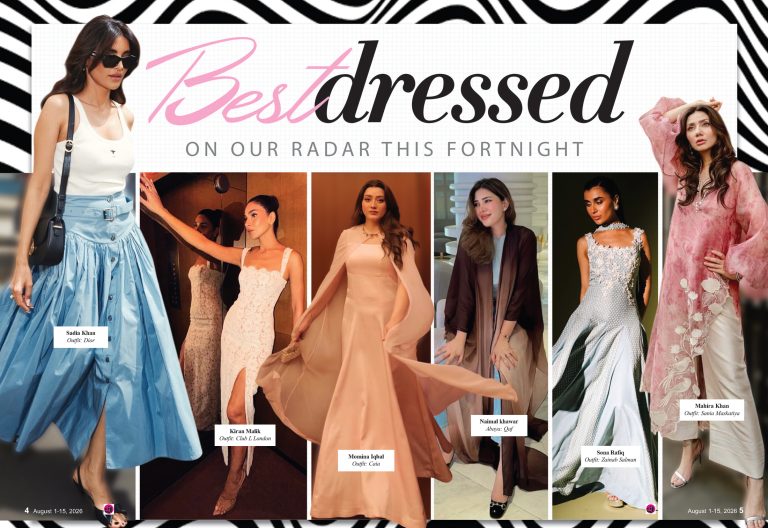




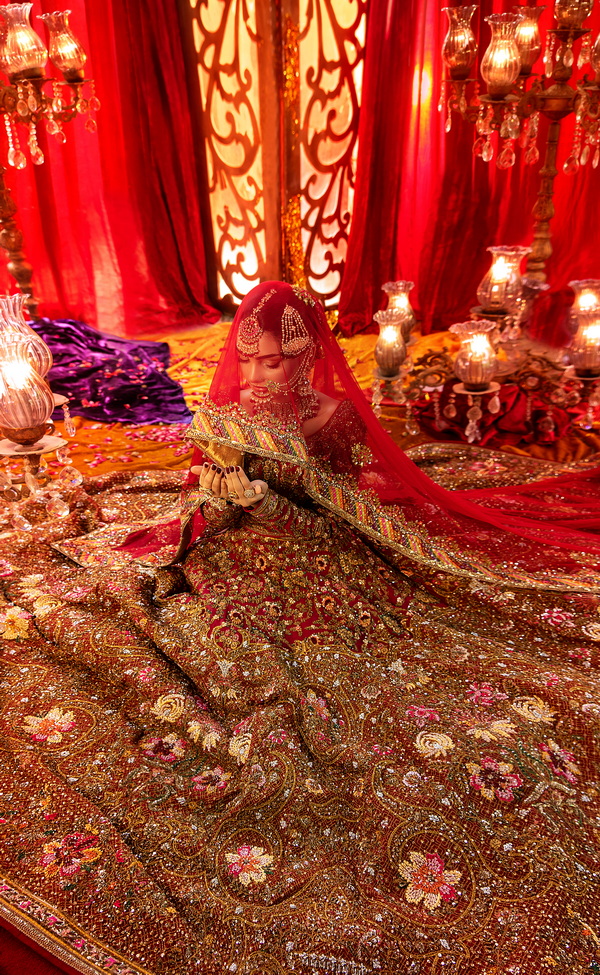
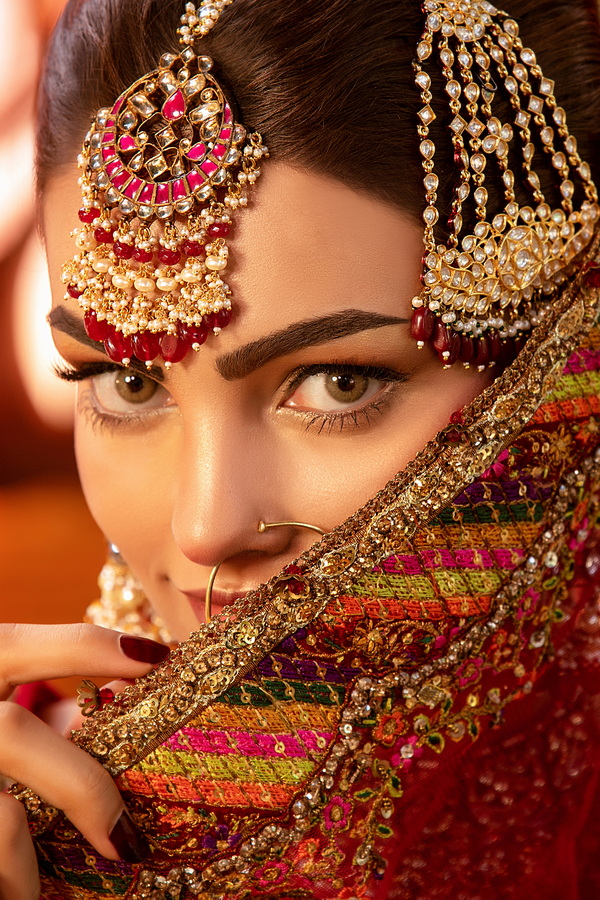
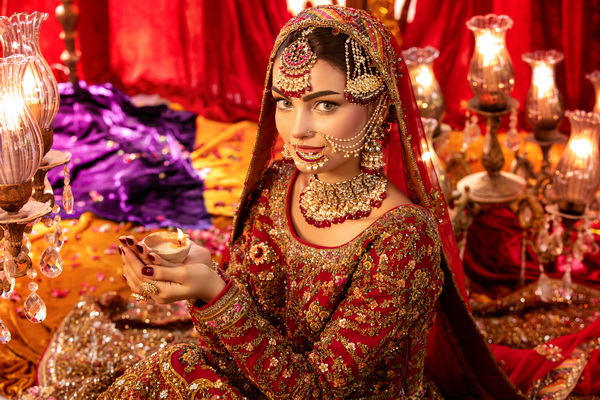
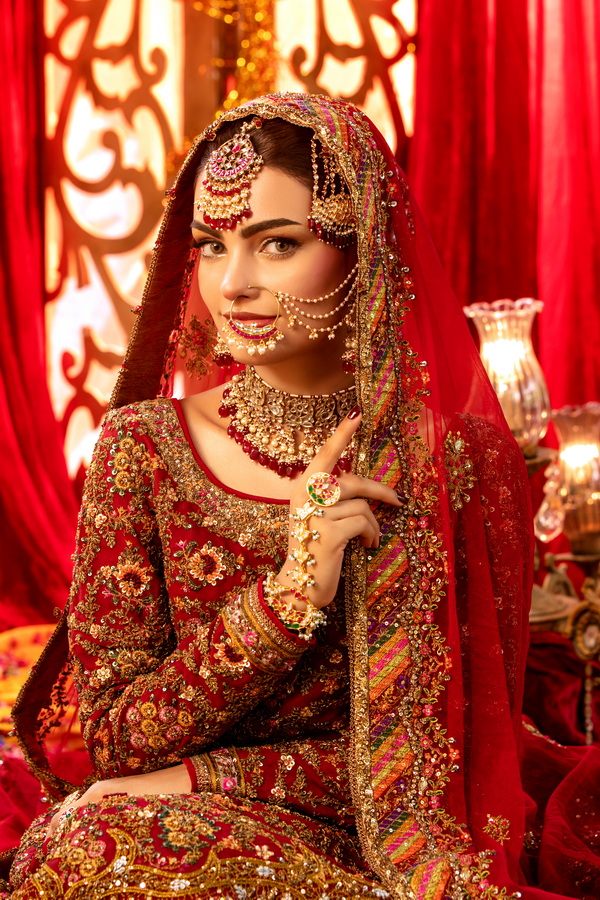
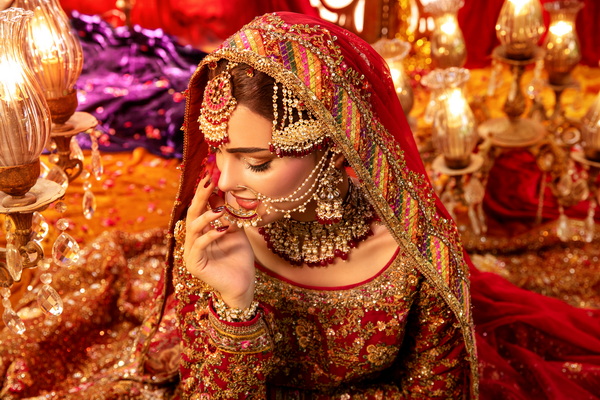
To be a bride is to hold two worlds at once: the weight of generations, and the lightness of a new beginning. This is the Pakistani bride at her most powerful: serene yet regal, it isn’t just a bridal look, it is heritage, the opulence of what it means to be a bride.
It is a display of all the craft that goes into making a bride, the craftsmanship of the clothes, the intricacy of the jewellery and the surroundings.
In this, she isn’t posing. She’s becoming. And that’s what it means.
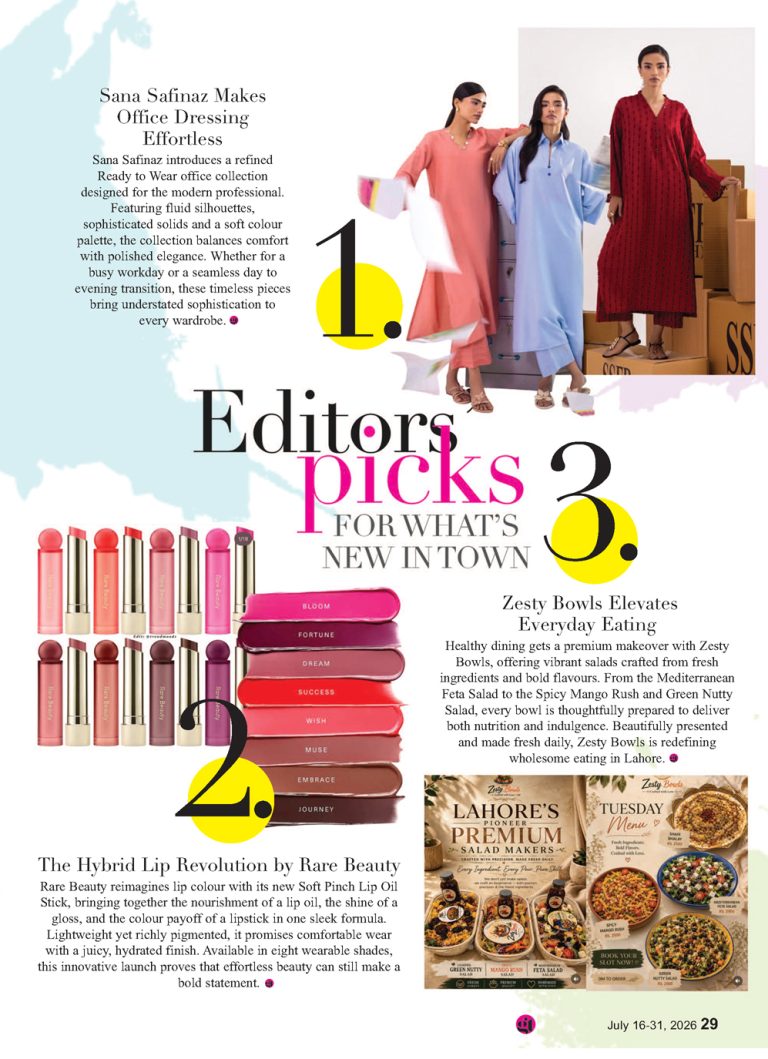
Sana Safinaz Makes Office Dressing Effortless
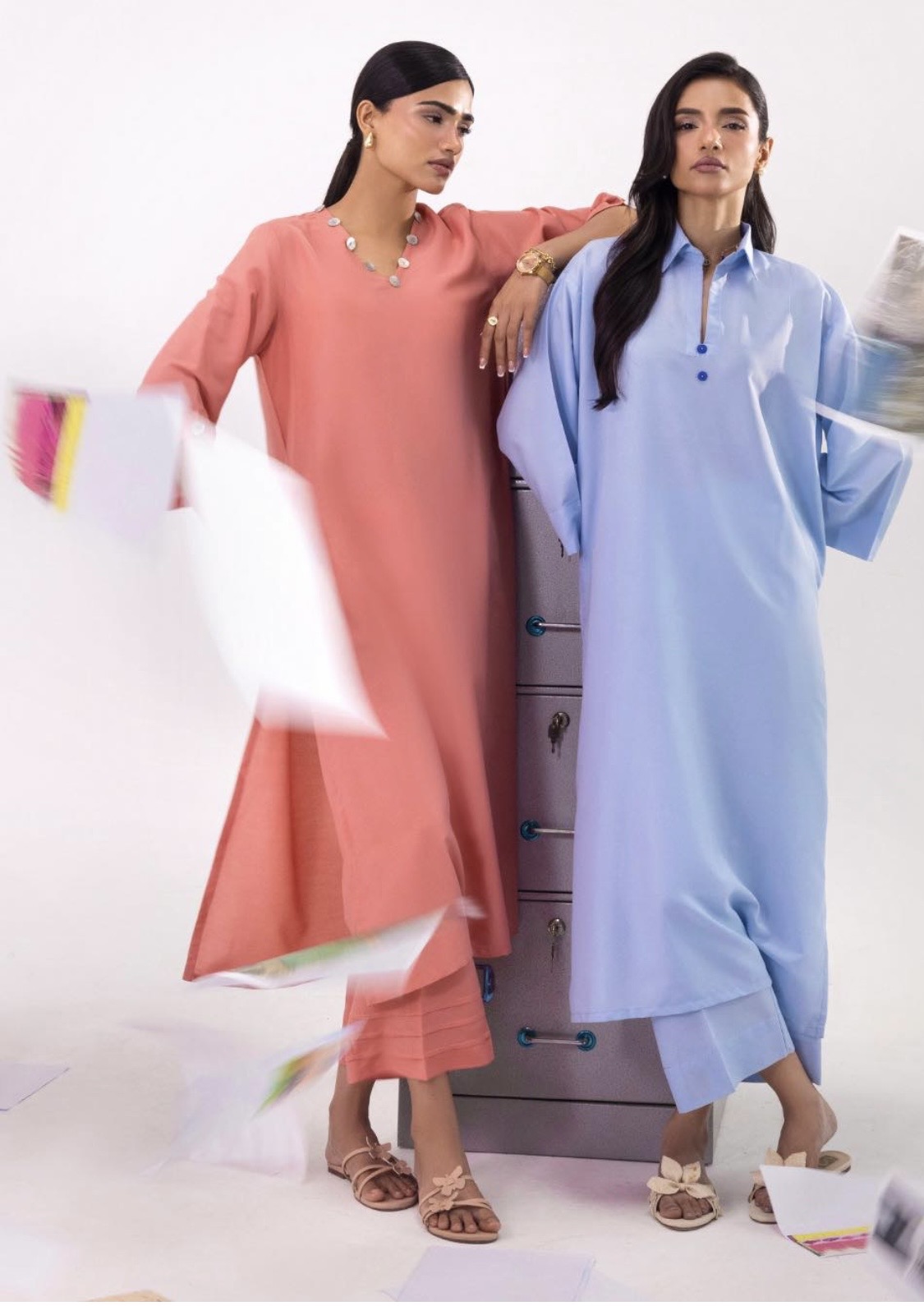
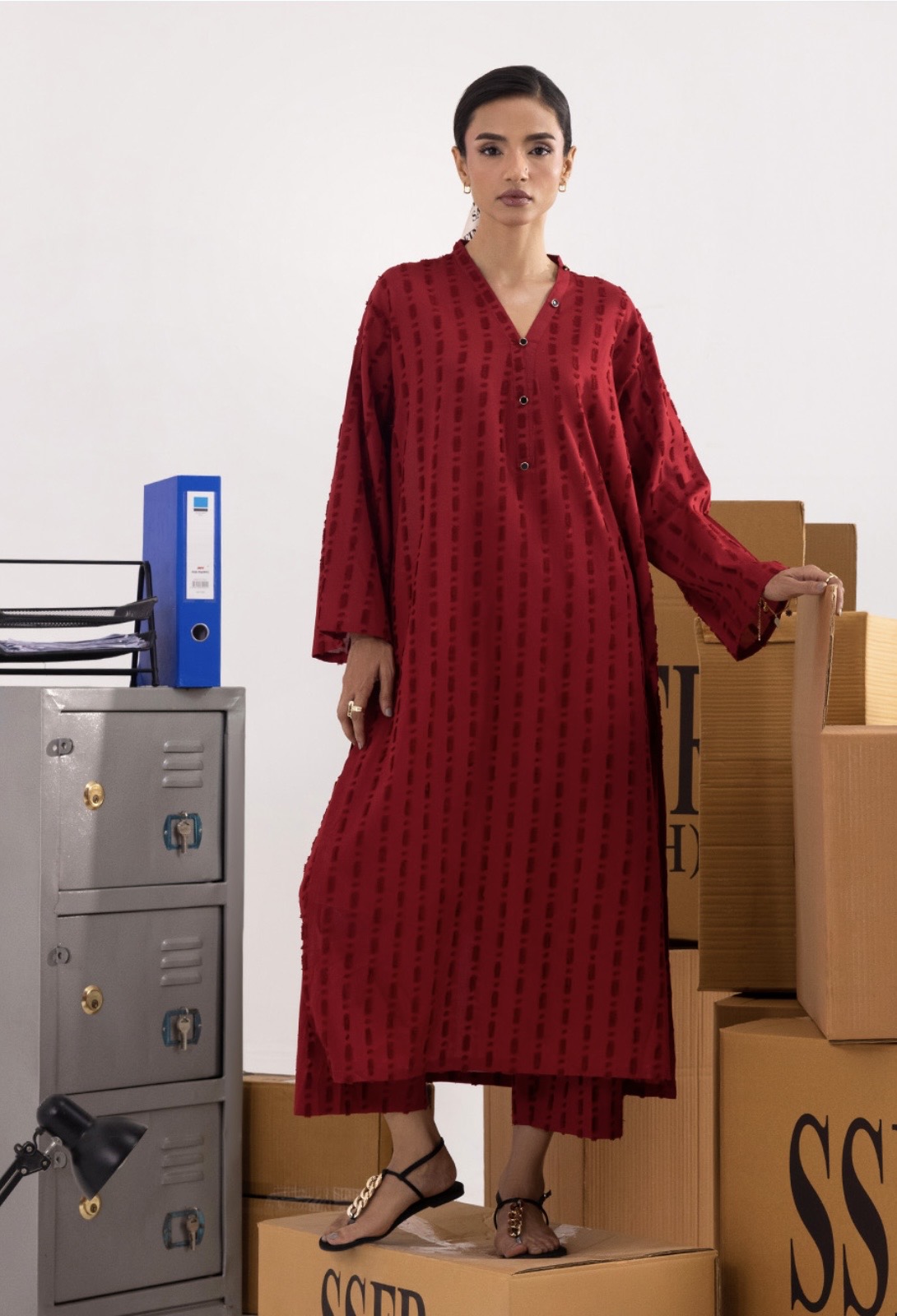
Sana Safinaz introduces a refined Ready to Wear office collection designed for the modern professional. Featuring fluid silhouettes, sophisticated solids and a soft colour palette, the collection balances comfort with polished elegance. Whether for a busy workday or a seamless day to evening transition, these timeless pieces bring understated sophistication to every wardrobe.
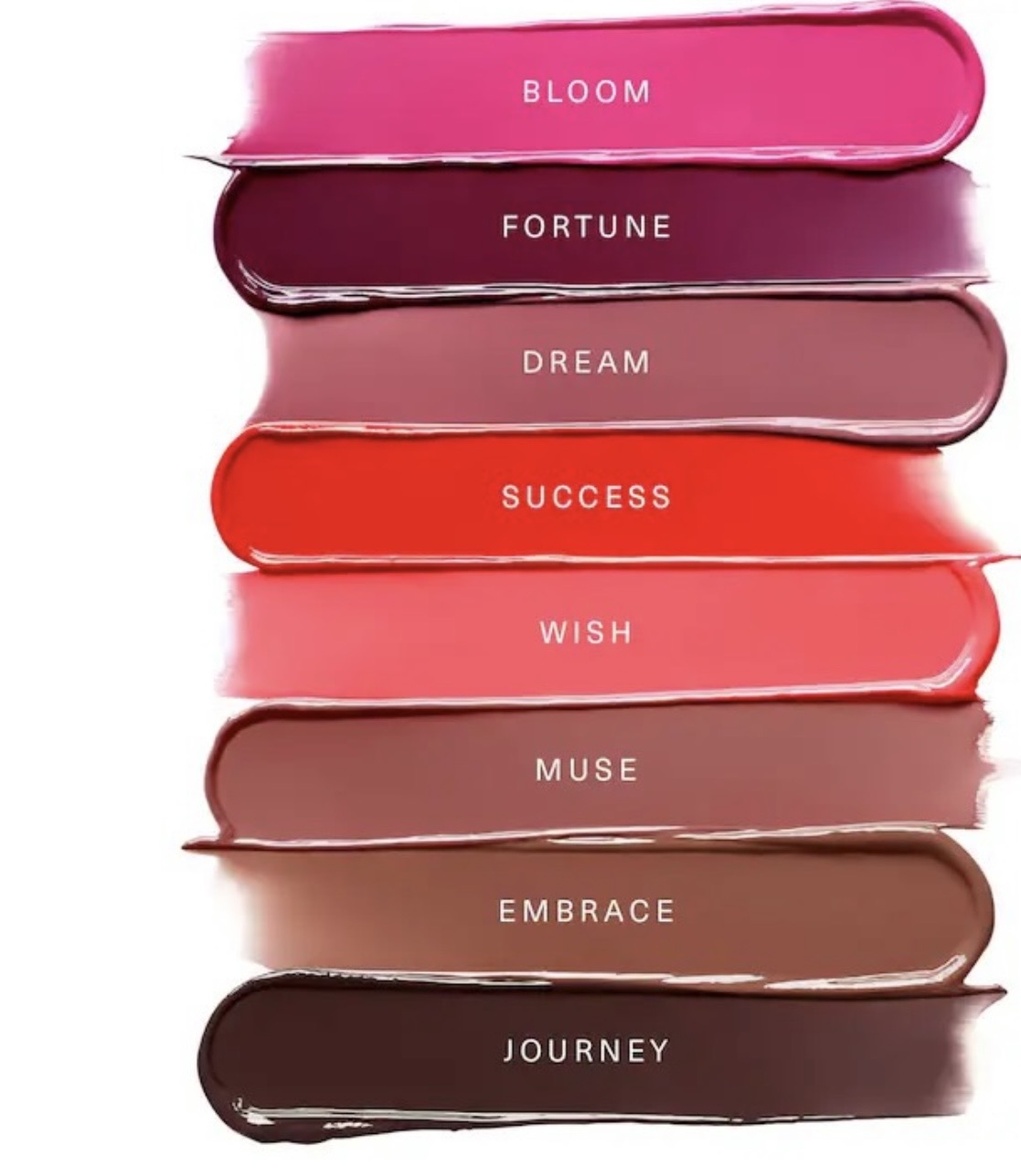
The Hybrid Lip Revolution by Rare Beauty
Rare Beauty reimagines lip colour with its new Soft Pinch Lip Oil Stick, bringing together the nourishment of a lip oil, the shine of a gloss, and the colour payoff of a lipstick in one sleek formula. Lightweight yet richly pigmented, it promises comfortable wear with a juicy, hydrated finish. Available in eight wearable shades, this innovative launch proves that effortless beauty can still make a bold statement.

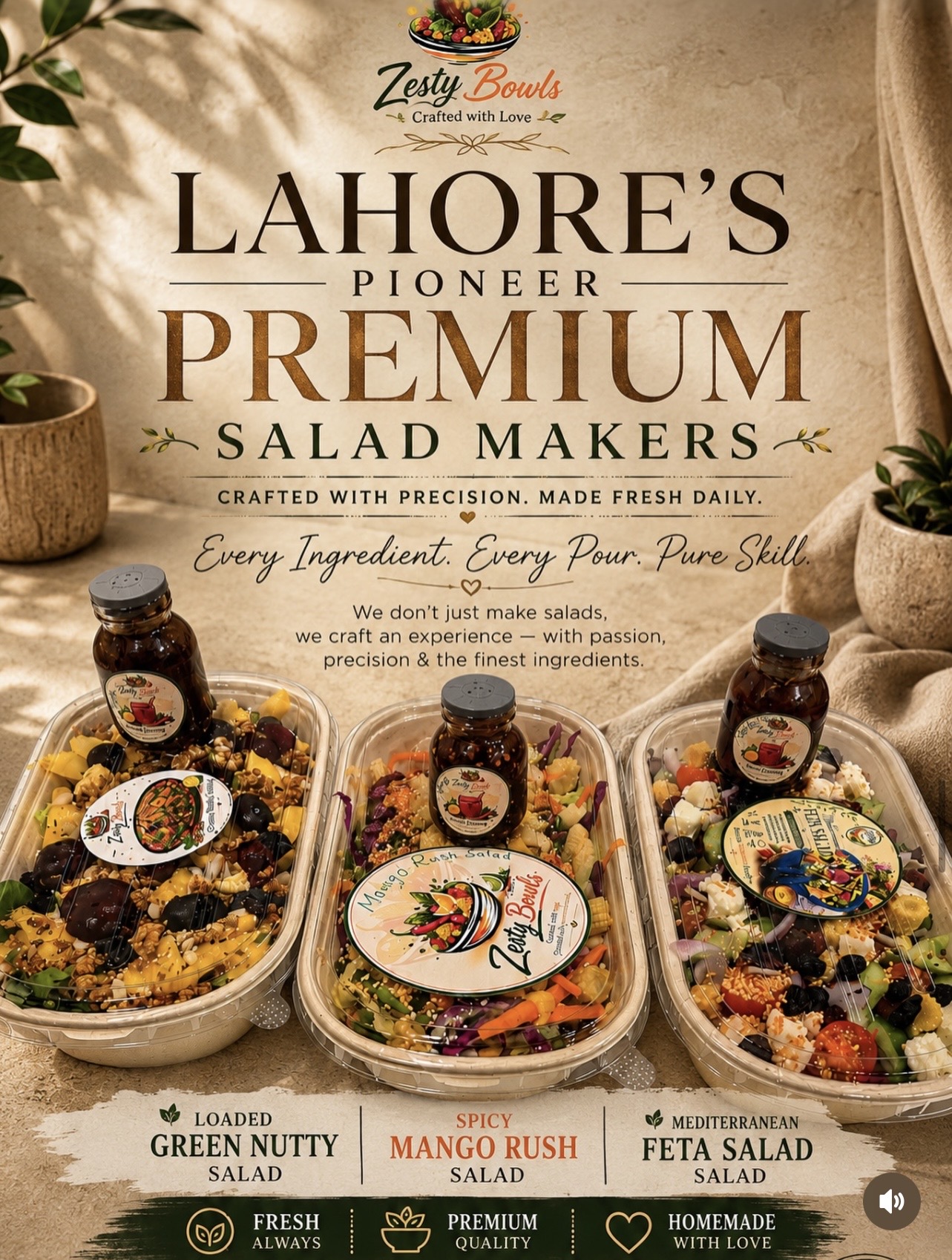
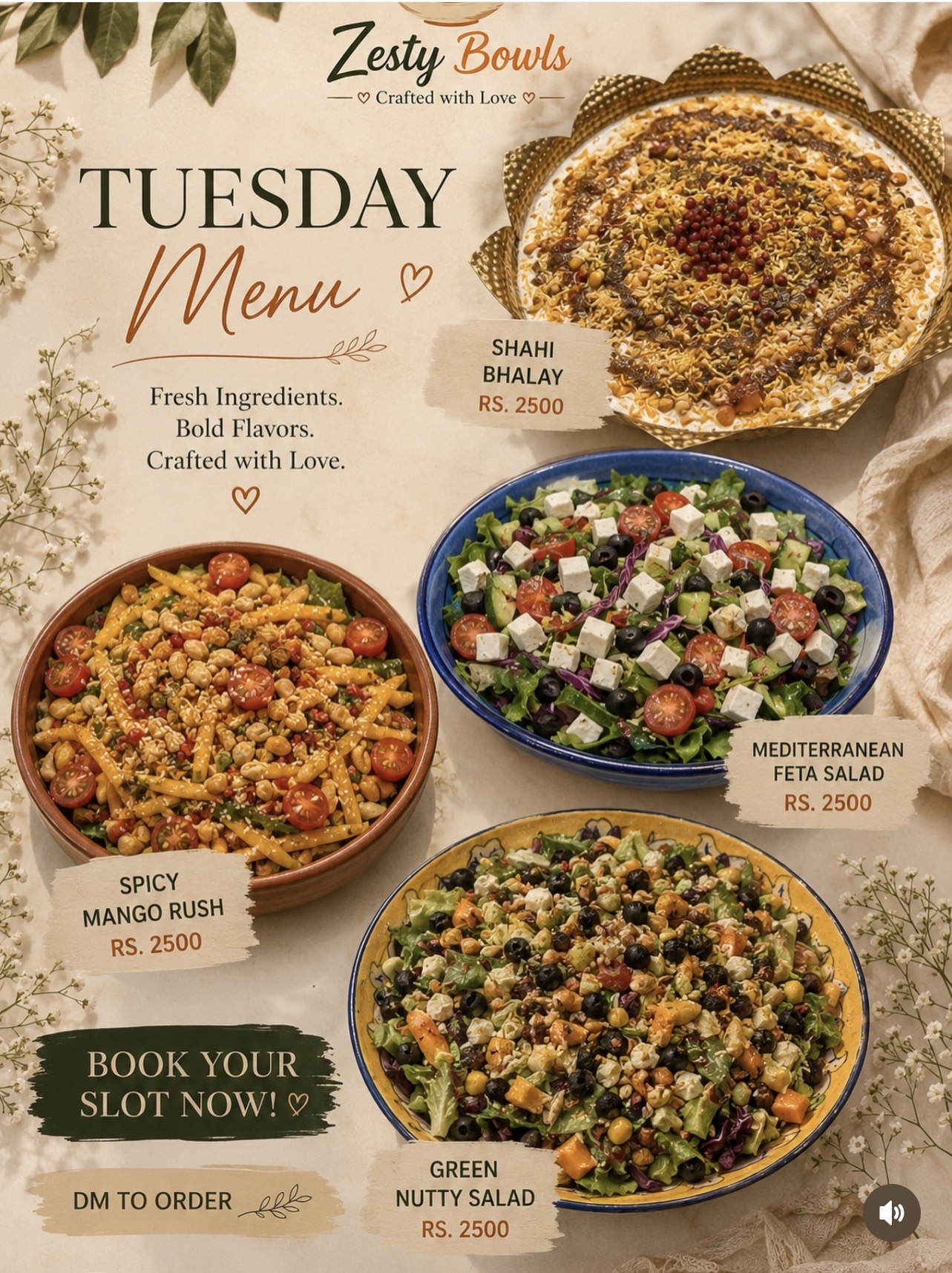
Zesty Bowls Elevates Everyday Eating
Healthy dining gets a premium makeover with Zesty Bowls, offering vibrant salads crafted from fresh ingredients and bold flavours. From the Mediterranean Feta Salad to the Spicy Mango Rush and Green Nutty Salad, every bowl is thoughtfully prepared to deliver both nutrition and indulgence. Beautifully presented and made fresh daily, Zesty Bowls is redefining wholesome eating in Lahore.
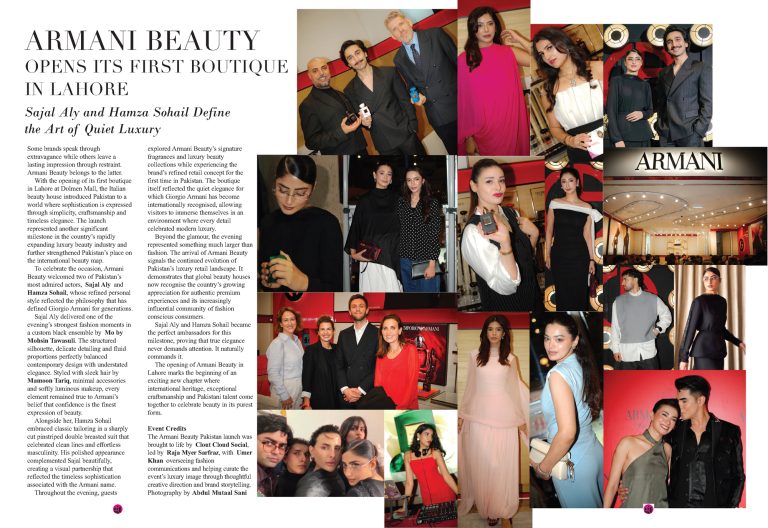
Some brands speak through extravagance while others leave a lasting impression through restraint. Armani Beauty belongs to the latter.
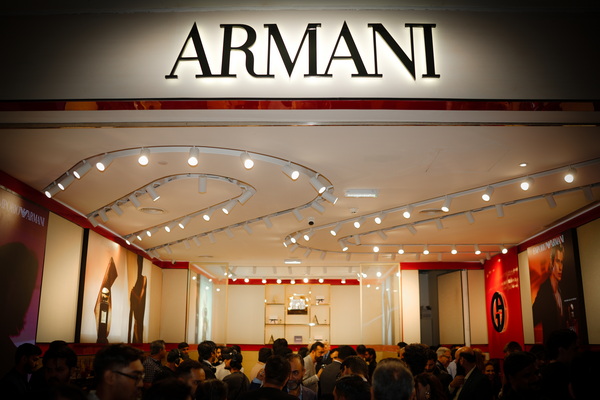
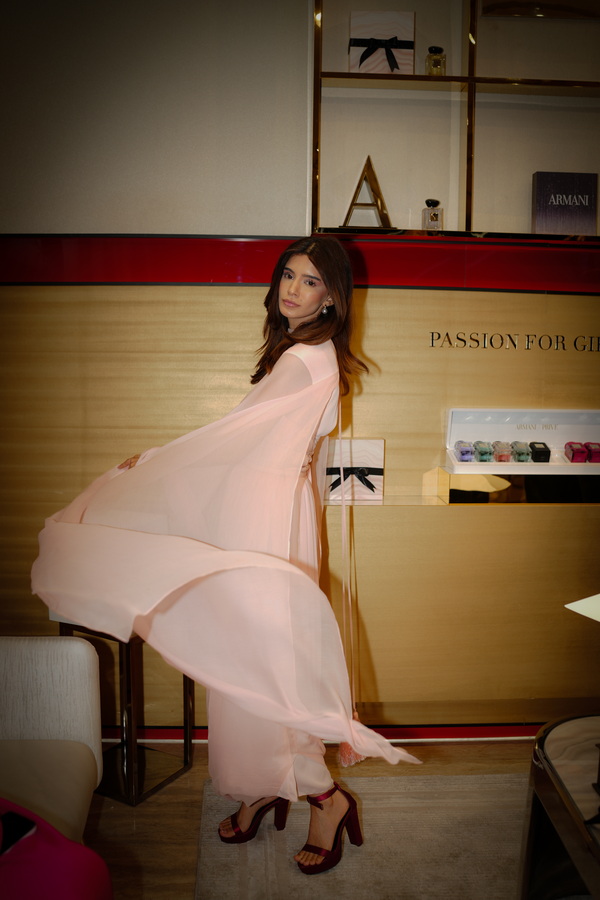
With the opening of its first boutique in Lahore at Dolmen Mall, the Italian beauty house introduced Pakistan to a world where sophistication is expressed through simplicity, craftsmanship and timeless elegance. The launch represented another significant milestone in the country’s rapidly expanding luxury beauty industry and further strengthened Pakistan’s place on the international beauty map.
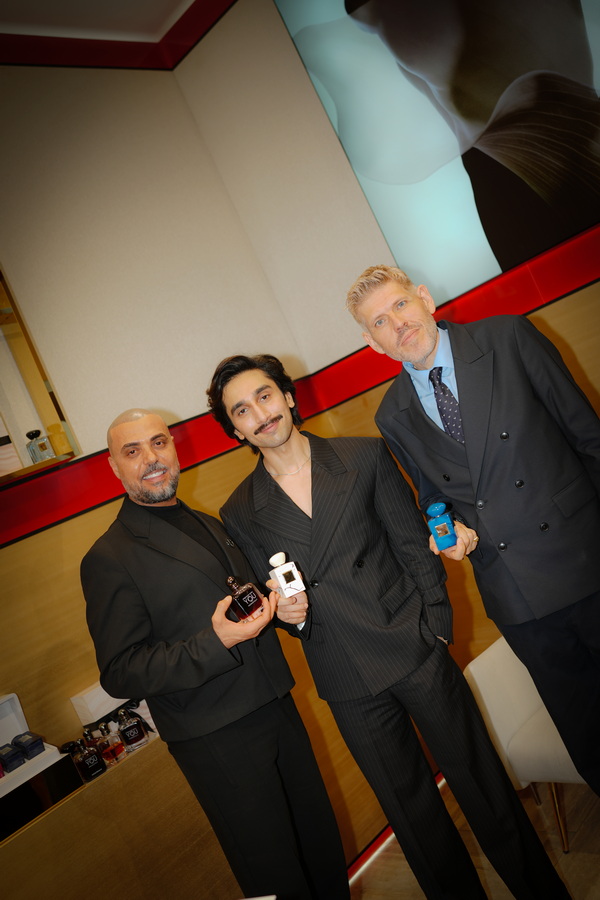
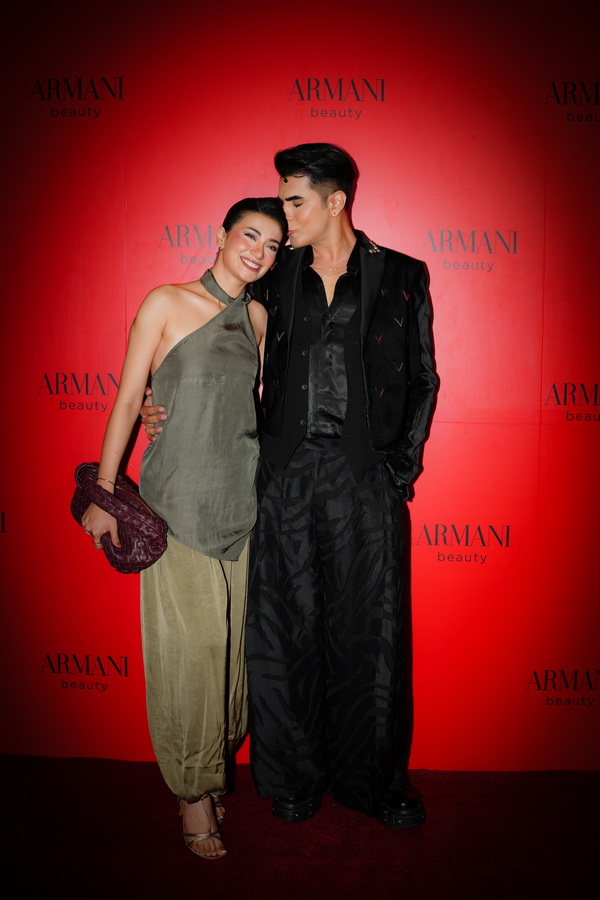
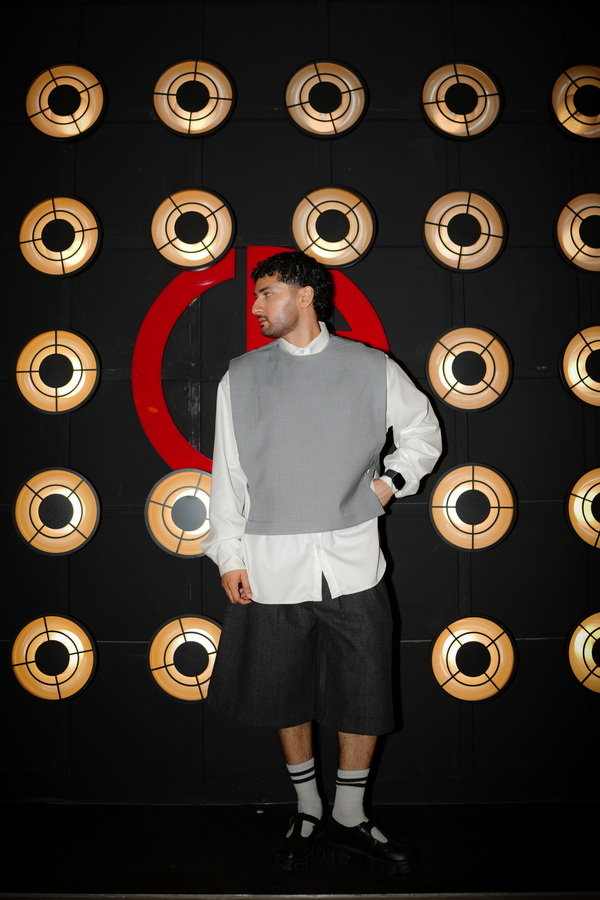
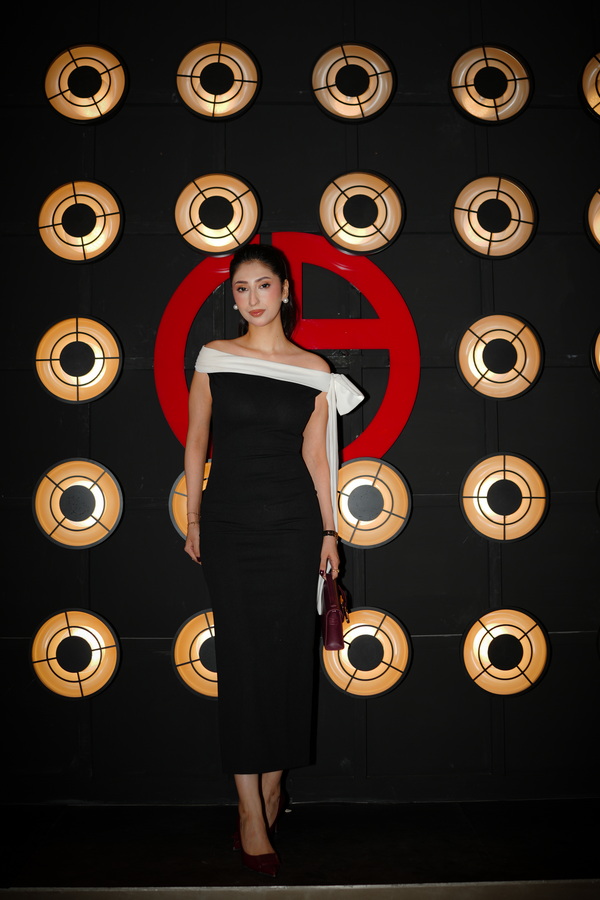
To celebrate the occasion, Armani Beauty welcomed two of Pakistan’s most admired actors, Sajal Aly and Hamza Sohail, whose refined personal style reflected the philosophy that has defined Giorgio Armani for generations.
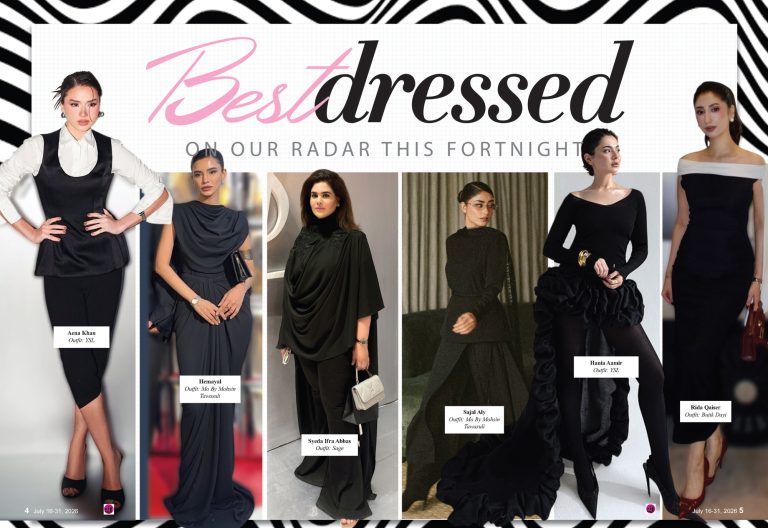
Sajal Aly delivered one of the evening’s strongest fashion moments in a custom black ensemble by Mo by Mohsin Tawasuli. The structured silhouette, delicate detailing and fluid proportions perfectly balanced contemporary design with understated elegance. Styled with sleek hair by Mamoon Tariq, minimal accessories and softly luminous makeup, every element remained true to Armani’s belief that confidence is the finest expression of beauty.
Alongside her, Hamza Sohail embraced classic tailoring in a sharply cut pinstriped double breasted suit that celebrated clean lines and effortless masculinity. His polished appearance complemented Sajal beautifully, creating a visual partnership that reflected the timeless sophistication associated with the Armani name.
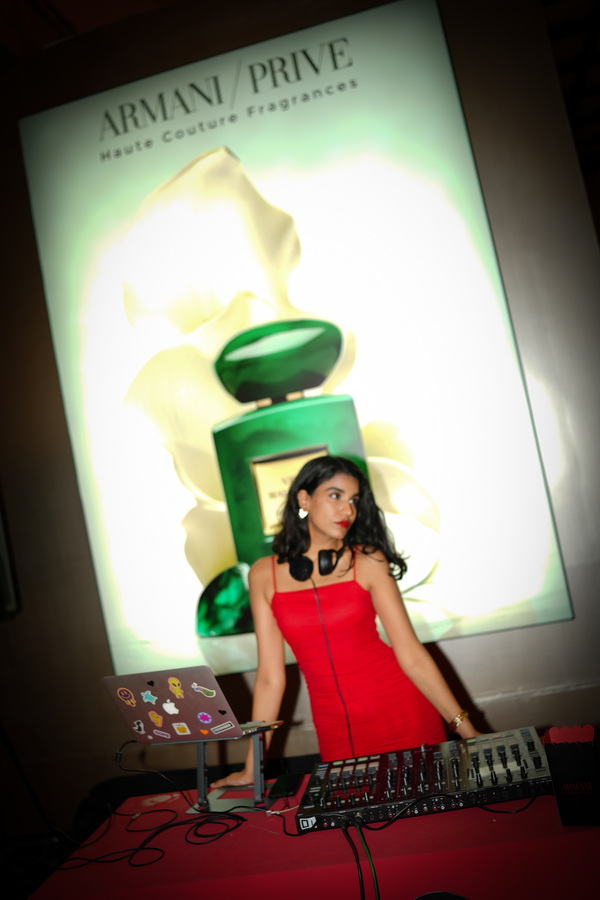
Throughout the evening, guests explored Armani Beauty’s signature fragrances and luxury beauty collections while experiencing the brand’s refined retail concept for the first time in Pakistan. The boutique itself reflected the quiet elegance for which Giorgio Armani has become internationally recognised, allowing visitors to immerse themselves in an environment where every detail celebrated modern luxury.
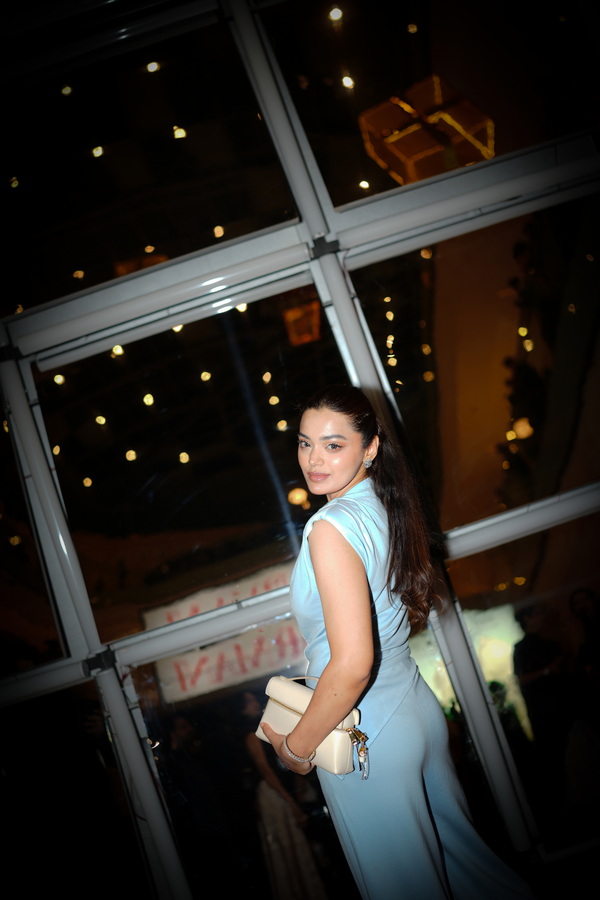
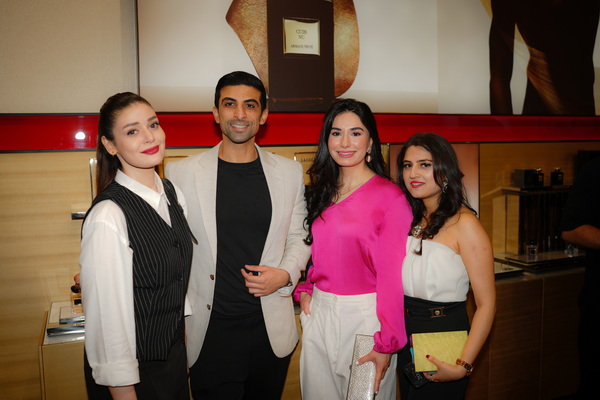
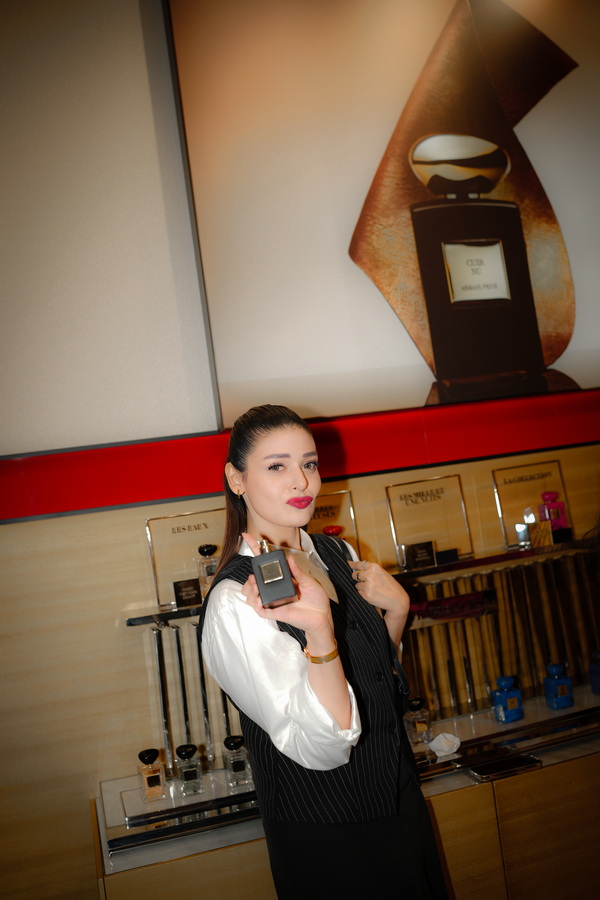
Beyond the glamour, the evening represented something much larger than fashion. The arrival of Armani Beauty signals the continued evolution of Pakistan’s luxury retail landscape. It demonstrates that global beauty houses now recognise the country’s growing appreciation for authentic premium experiences and its increasingly influential community of fashion conscious consumers.
Sajal Aly and Hamza Sohail became the perfect ambassadors for this milestone, proving that true elegance never demands attention. It naturally commands it.
The opening of Armani Beauty in Lahore marks the beginning of an exciting new chapter where international heritage, exceptional craftsmanship and Pakistani talent come together to celebrate beauty in its purest form.
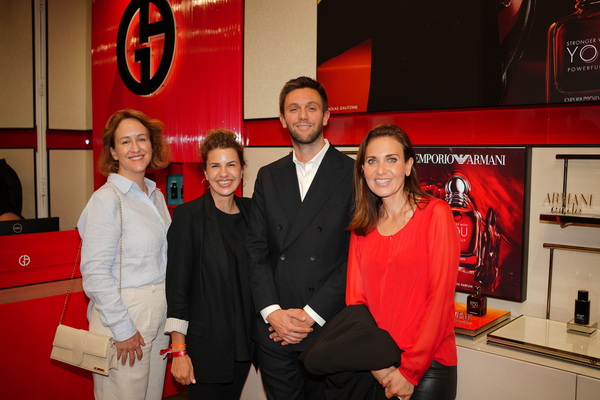
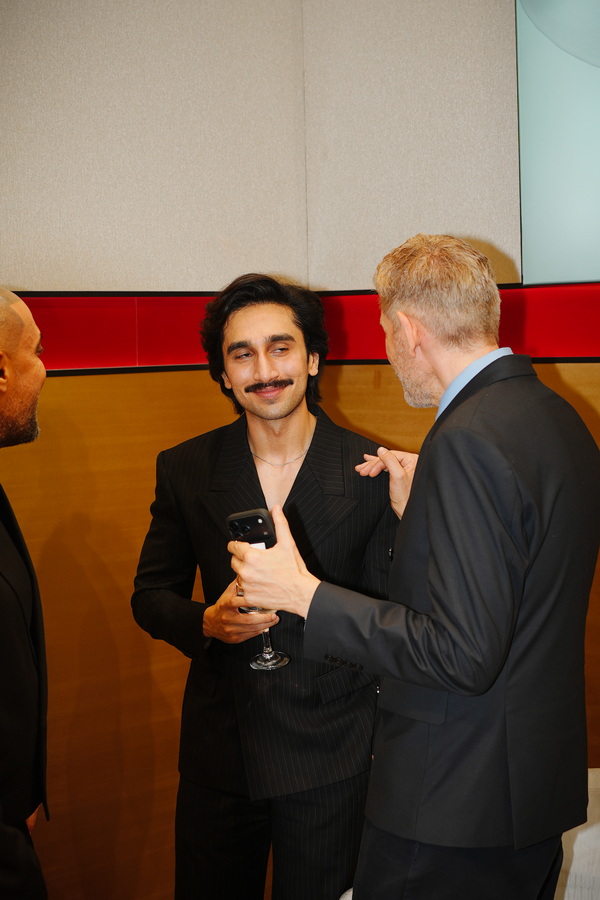
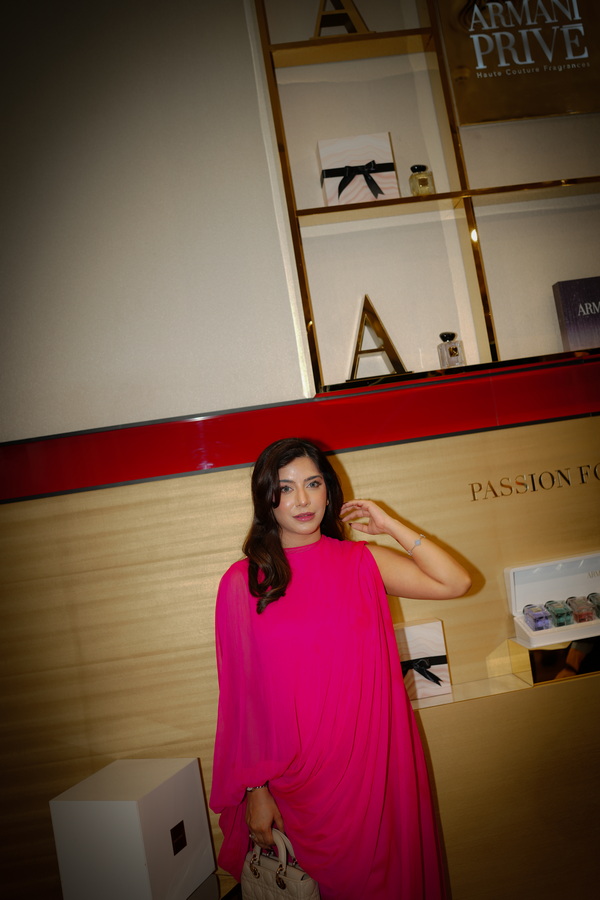
Event Credits
The Armani Beauty Pakistan launch was brought to life by Clout Cloud Social, led by Raja Myer Sarfraz, with Umer Khan overseeing fashion communications and helping curate the event’s luxury image through thoughtful creative direction and brand storytelling. Photography by Abdul Mutaal Sani
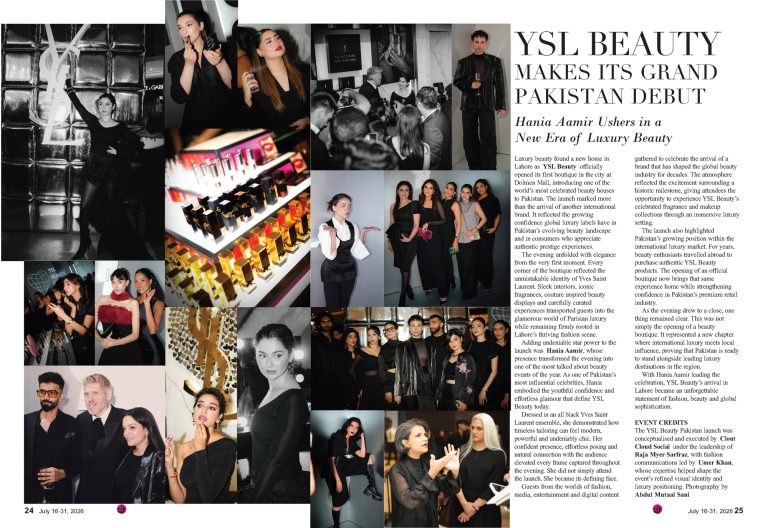
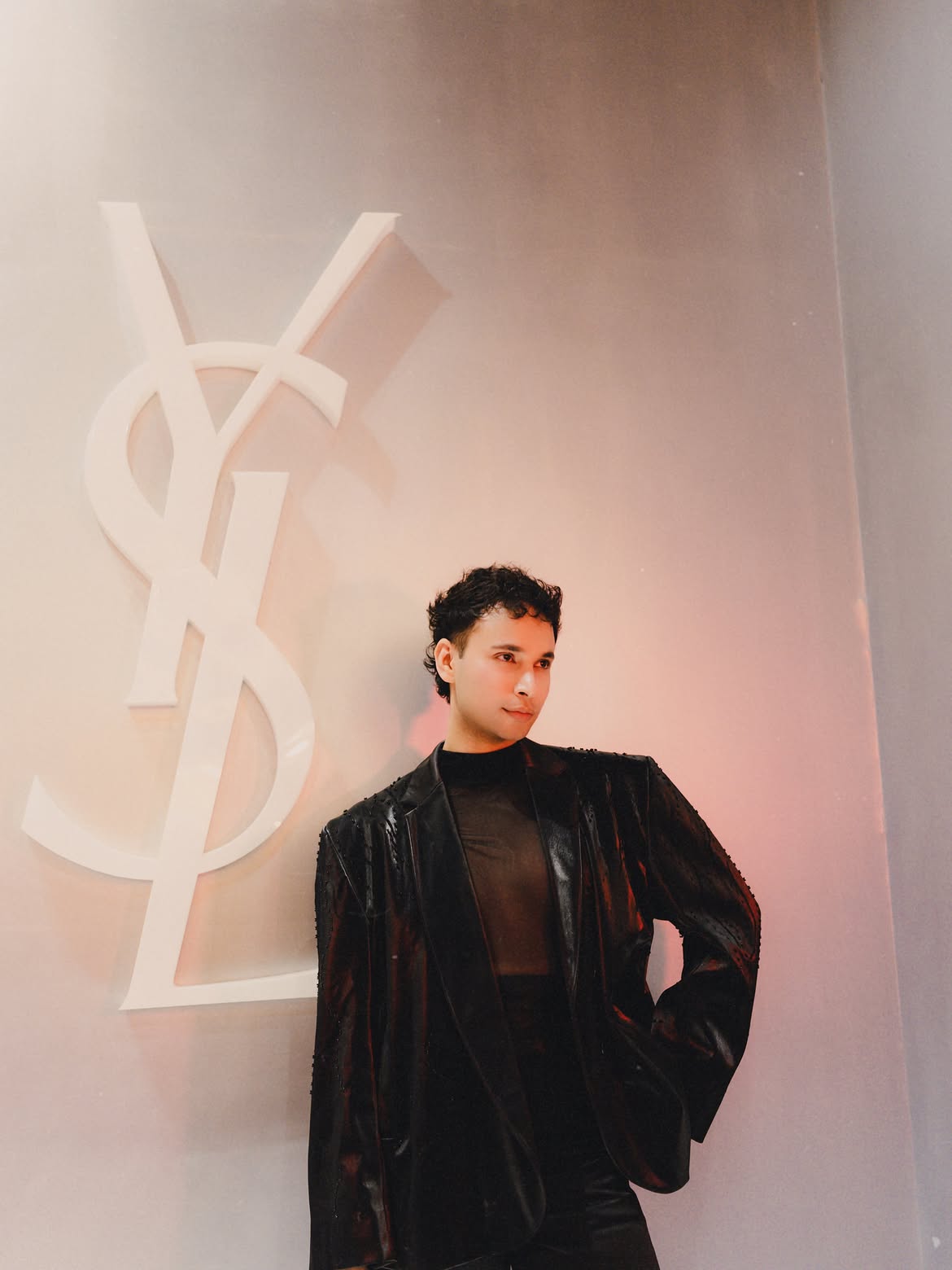
Luxury beauty found a new home in Lahore as YSL Beauty officially opened its first boutique in the city at Dolmen Mall, introducing one of the world’s most celebrated beauty houses to Pakistan. The launch marked more than the arrival of another international brand. It reflected the growing confidence global luxury labels have in Pakistan’s evolving beauty landscape and in consumers who appreciate authentic prestige experiences.
The evening unfolded with elegance from the very first moment. Every corner of the boutique reflected the unmistakable identity of Yves Saint Laurent. Sleek interiors, iconic fragrances, couture inspired beauty displays and carefully curated experiences transported guests into the glamorous world of Parisian luxury while remaining firmly rooted in Lahore’s thriving fashion scene.
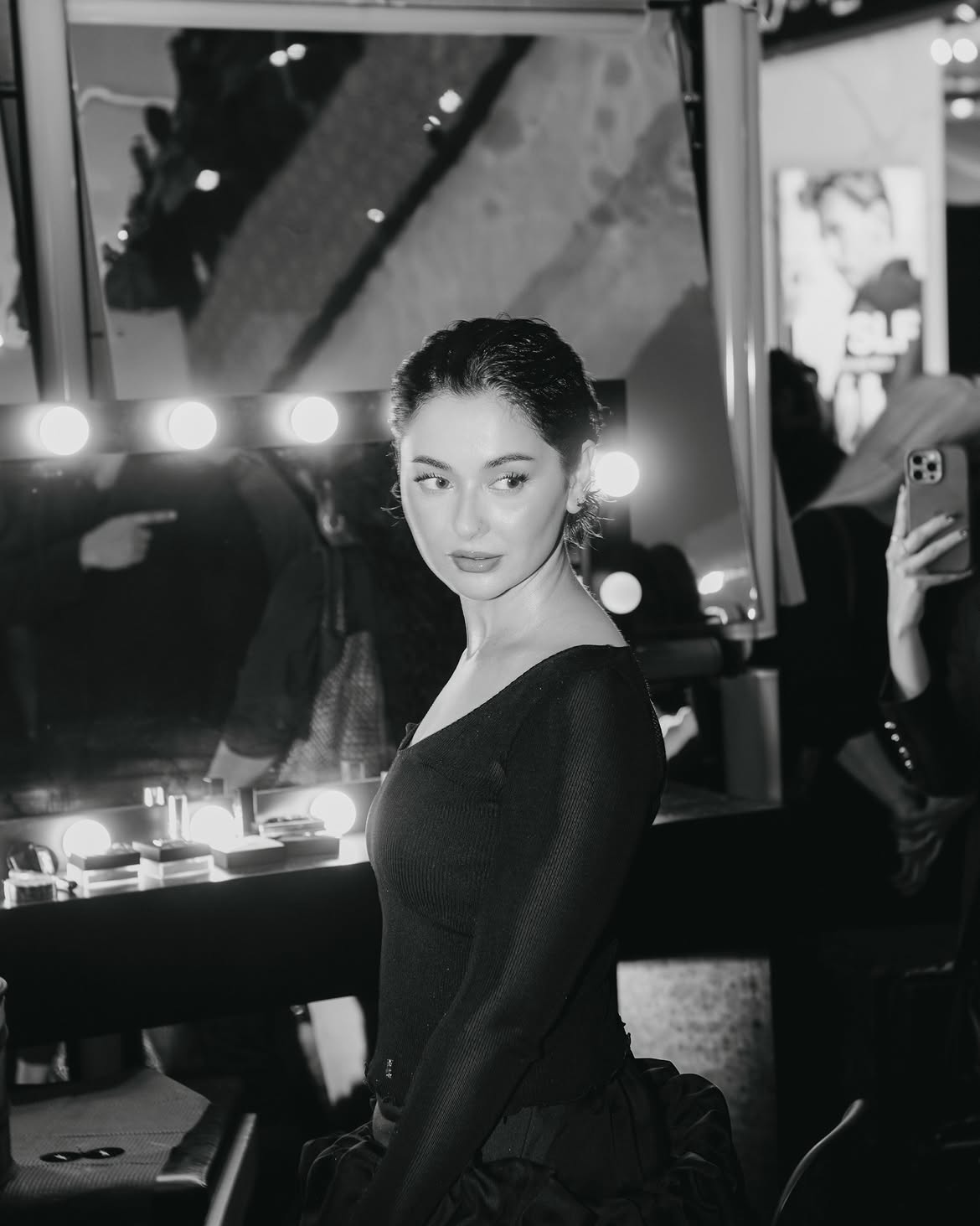
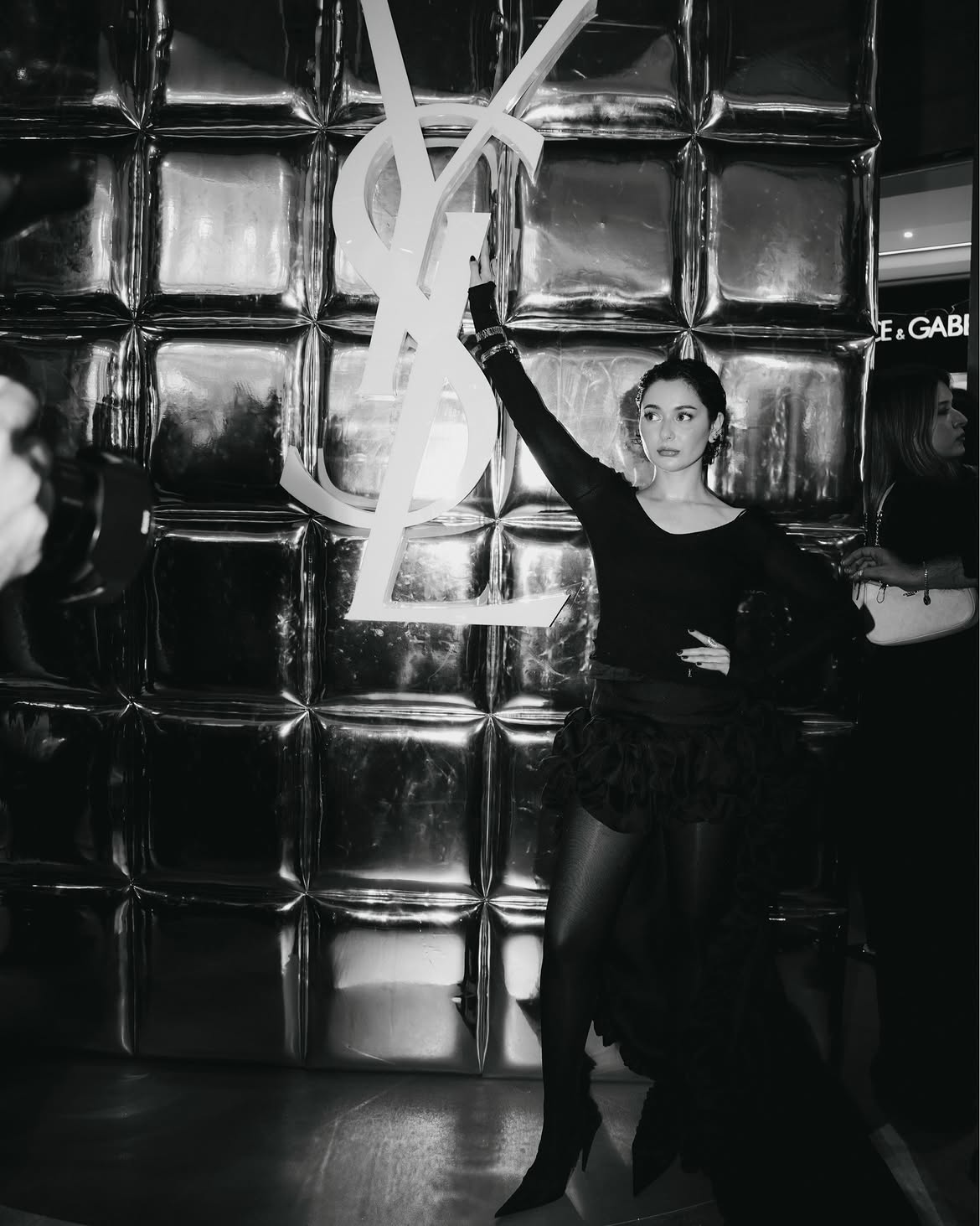
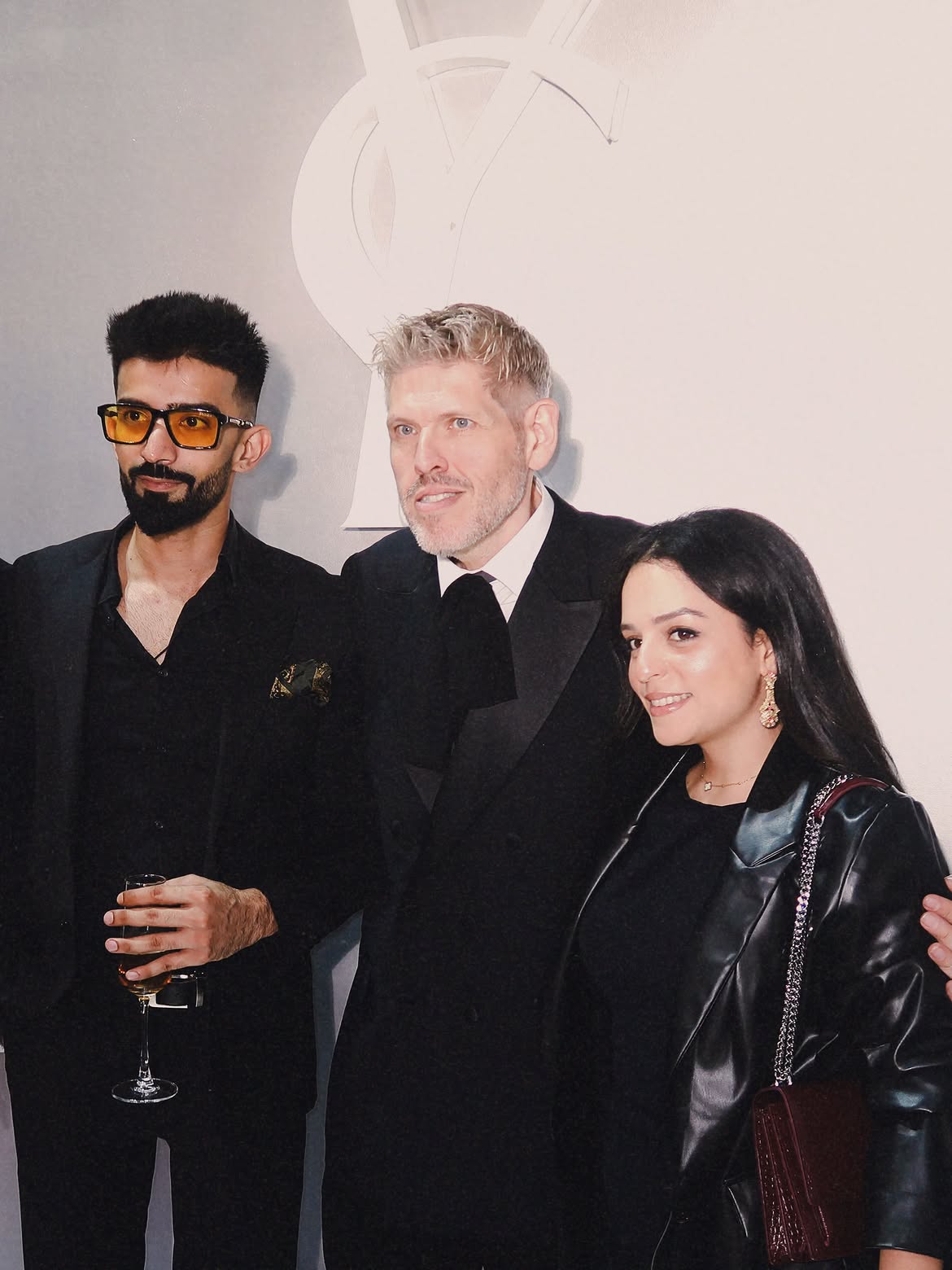
Adding undeniable star power to the launch was Hania Aamir, whose presence transformed the evening into one of the most talked about beauty events of the year. As one of Pakistan’s most influential celebrities, Hania embodied the youthful confidence and effortless glamour that define YSL Beauty today.
Dressed in an all black Yves Saint Laurent ensemble, she demonstrated how timeless tailoring can feel modern, powerful and undeniably chic. Her confident presence, effortless posing and natural connection with the audience elevated every frame captured throughout the evening. She did not simply attend the launch. She became its defining face.
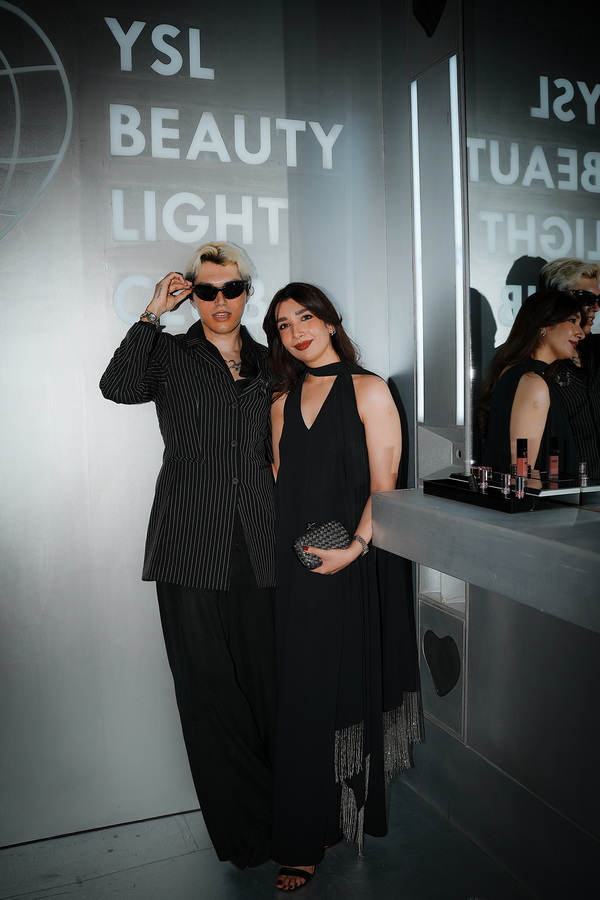

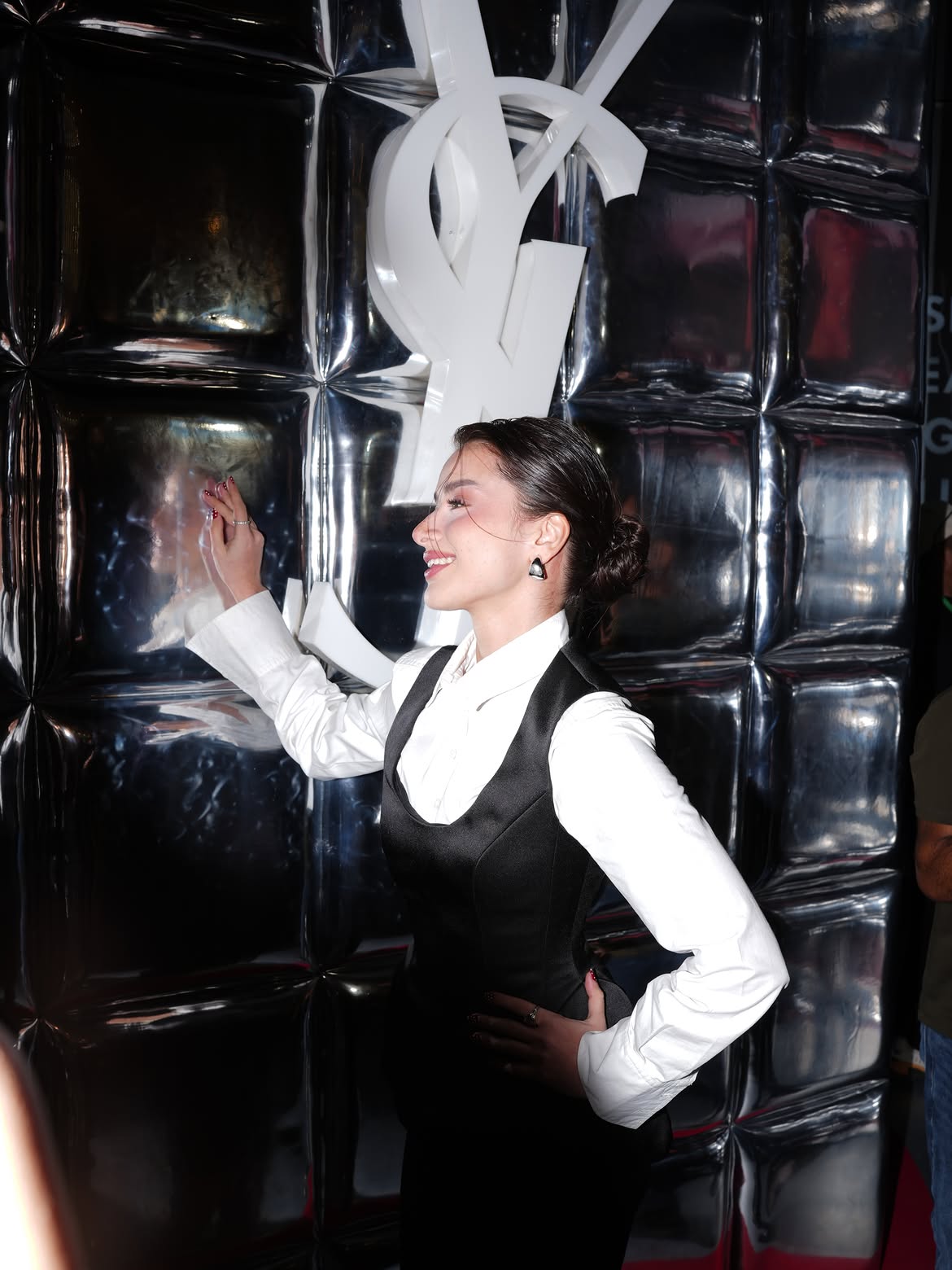
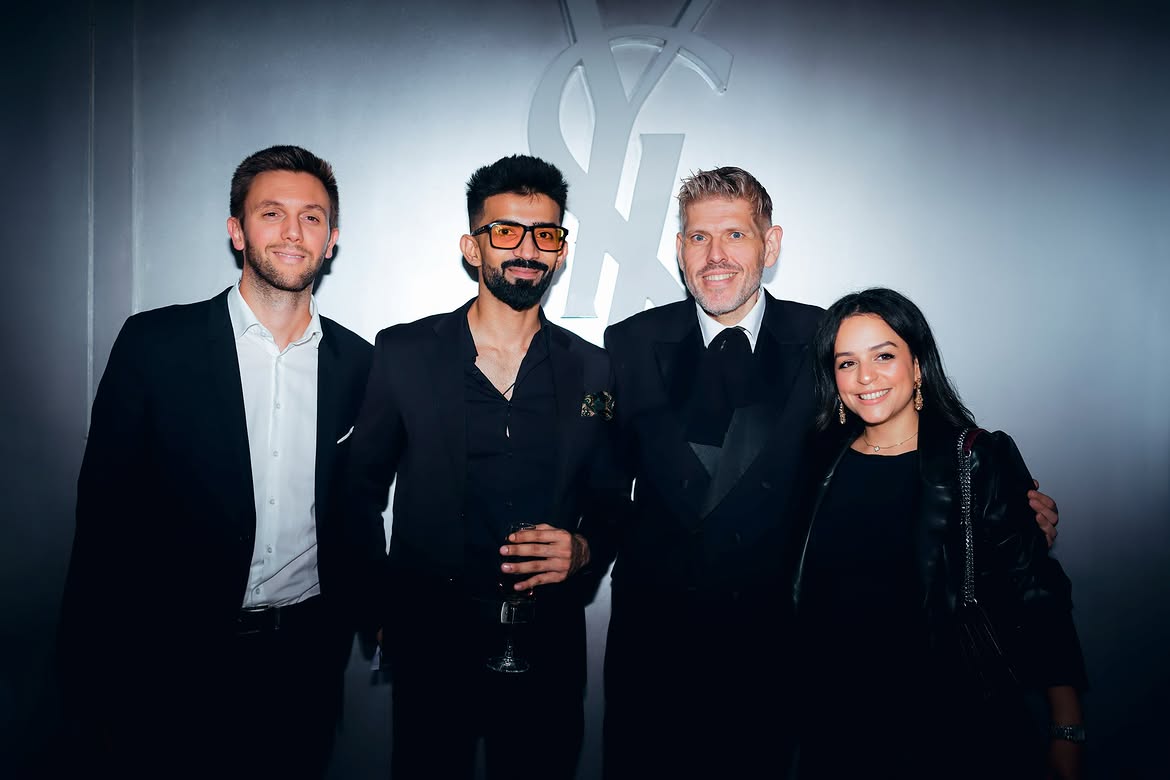
Guests from the worlds of fashion, media, entertainment and digital content gathered to celebrate the arrival of a brand that has shaped the global beauty industry for decades. The atmosphere reflected the excitement surrounding a historic milestone, giving attendees the opportunity to experience YSL Beauty’s celebrated fragrance and makeup collections through an immersive luxury setting.
The launch also highlighted Pakistan’s growing position within the international luxury market. For years, beauty enthusiasts travelled abroad to purchase authentic YSL Beauty products. The opening of an official boutique now brings that same experience home while strengthening confidence in Pakistan’s premium retail industry.
As the evening drew to a close, one thing remained clear. This was not simply the opening of a beauty boutique. It represented a new chapter where international luxury meets local influence, proving that Pakistan is ready to stand alongside leading luxury destinations in the region.
With Hania Aamir leading the celebration, YSL Beauty’s arrival in Lahore became an unforgettable statement of fashion, beauty and global sophistication.

Event Credits
The YSL Beauty Pakistan launch was conceptualised and executed by Clout Cloud Social under the leadership of Raja Myer Sarfraz, with fashion communications led by Umer Khan, whose expertise helped shape the event’s refined visual identity and luxury positioning. Photography by Abdul Mutaal Sani
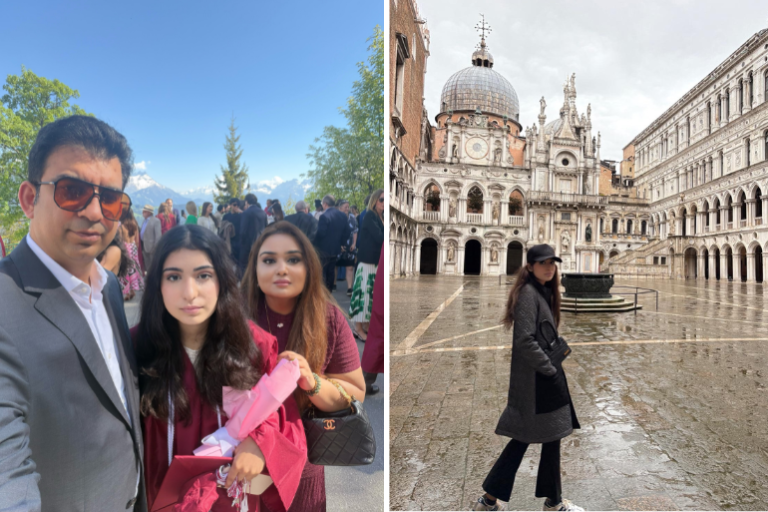
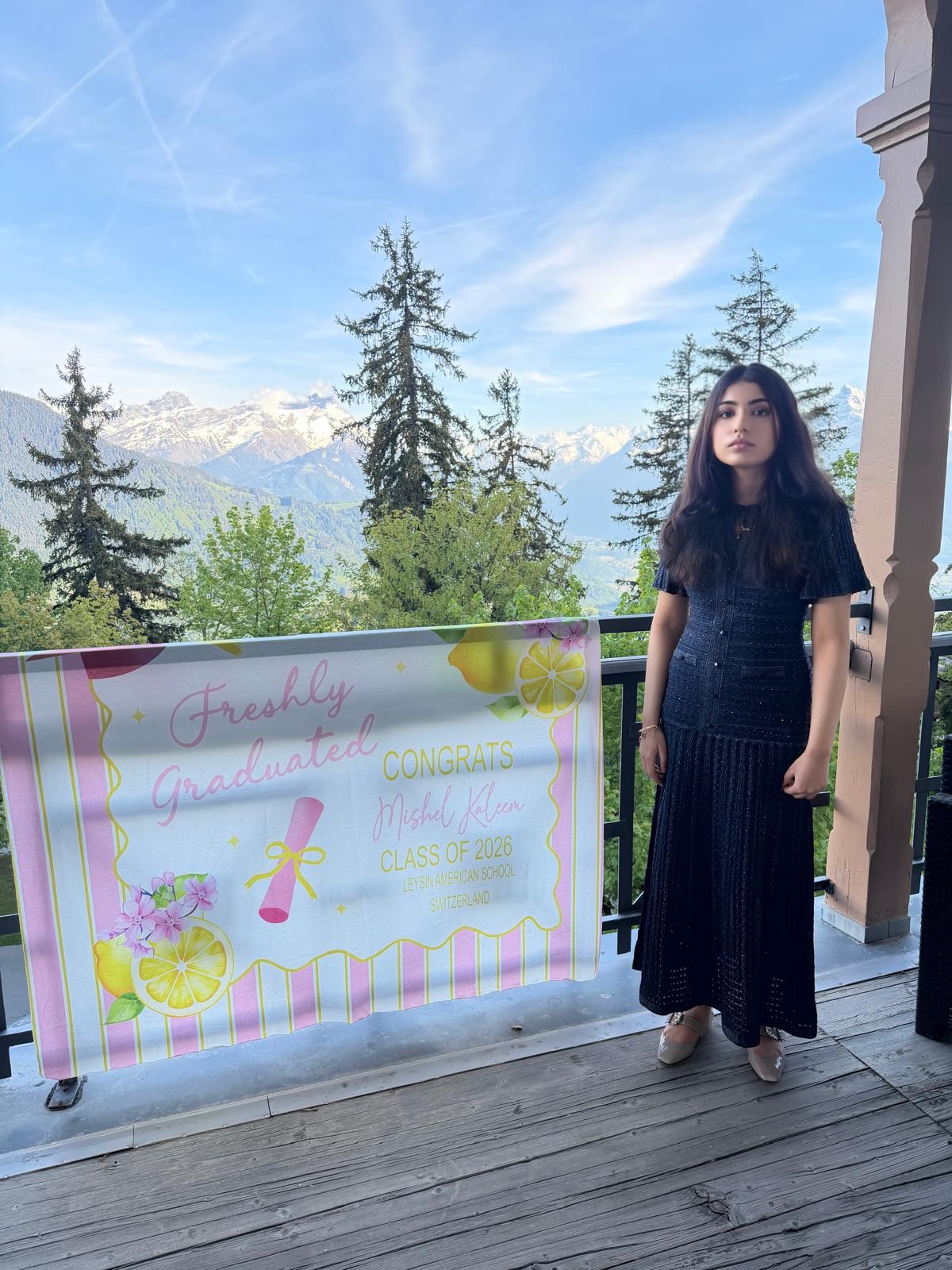
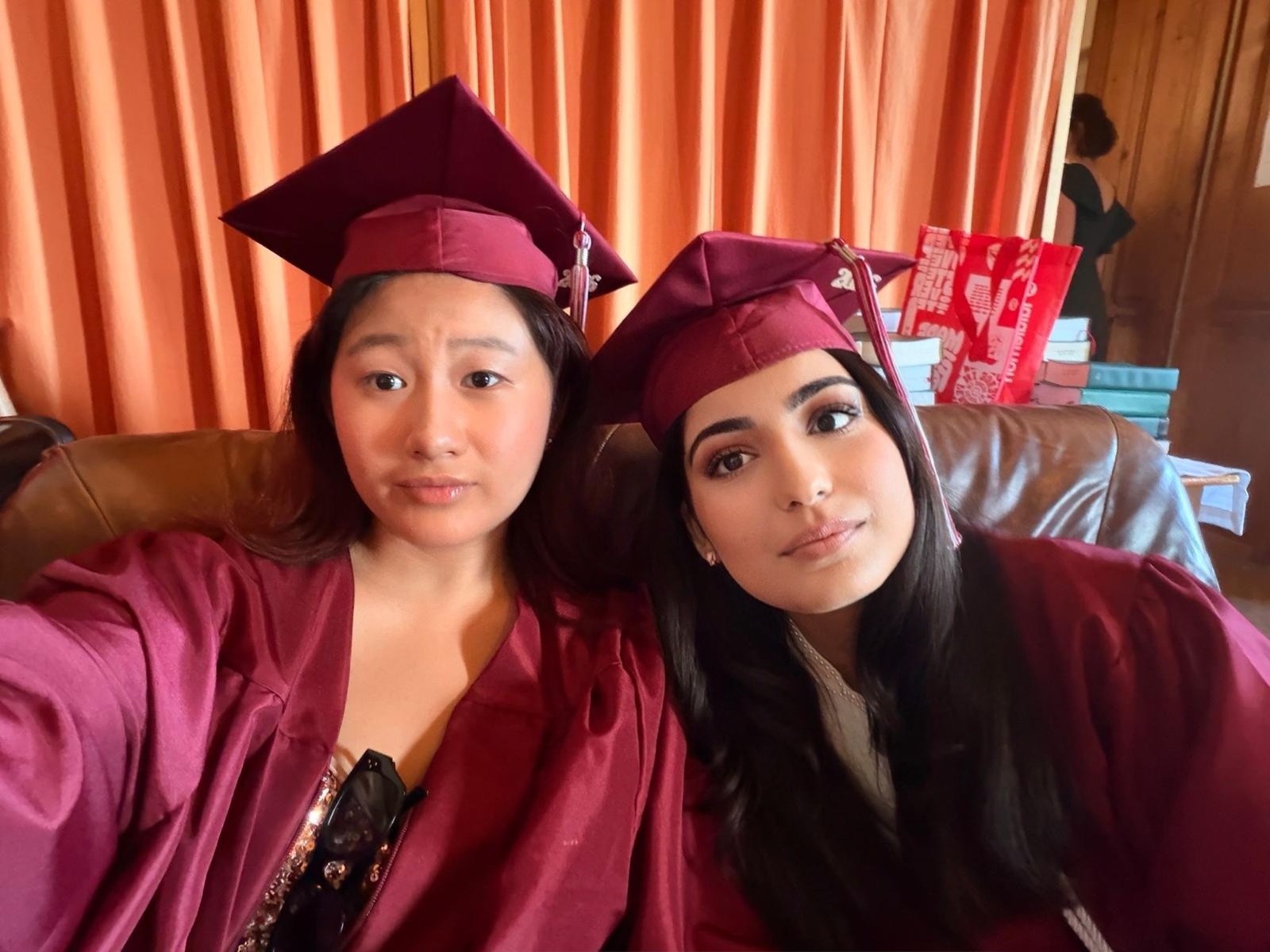
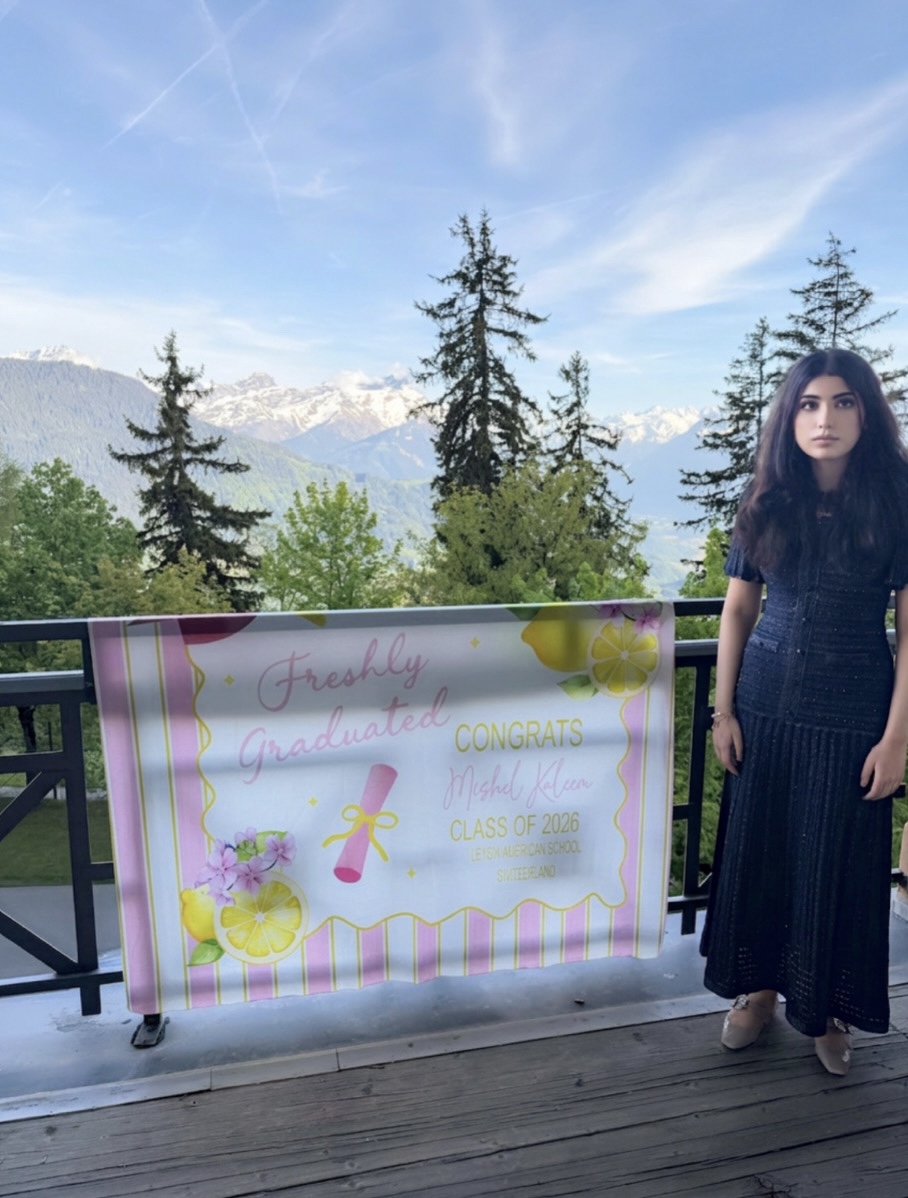
With a global education, a passion for medicine, and a heart rooted in creativity and compassion, Mishel Kaleem is embracing the future with confidence and purpose. A graduate of Leysin American School in Switzerland, her journey has been shaped by academic excellence, international experiences, and a deep desire to make a difference in the lives of others. As she prepares to take the next step toward a career in healthcare, Good Times Magazine invites you to discover the story behind a young woman whose aspirations are as inspiring as the path she has already travelled.
Congratulations on graduating from Leysin American School! Looking back, what has this journey taught you about yourself beyond academics?
Thank you so much. My years at Leysin American School taught me far more than what could ever be measured by grades or an IB diploma. Living away from home at a boarding school in Switzerland meant learning independence at a relatively young age. I had to learn how to manage my time, make decisions, adapt to challenges and, most importantly, understand myself.
The International Baccalaureate was certainly demanding, but I think some of my most valuable lessons came from the people around me. I studied alongside students from many different countries, cultures and backgrounds. It taught me to listen before forming an opinion and to appreciate that everyone carries a story you may know nothing about.
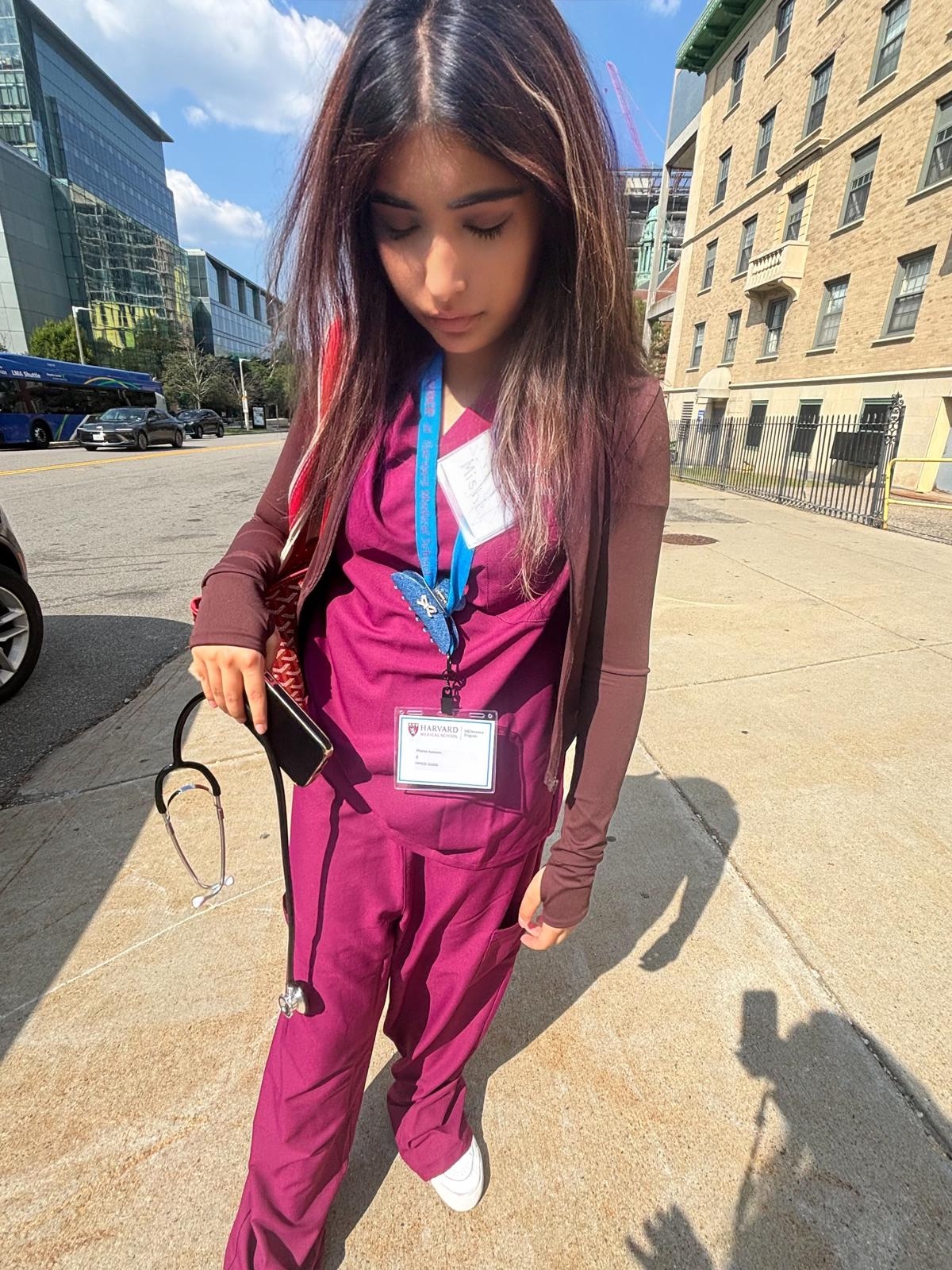
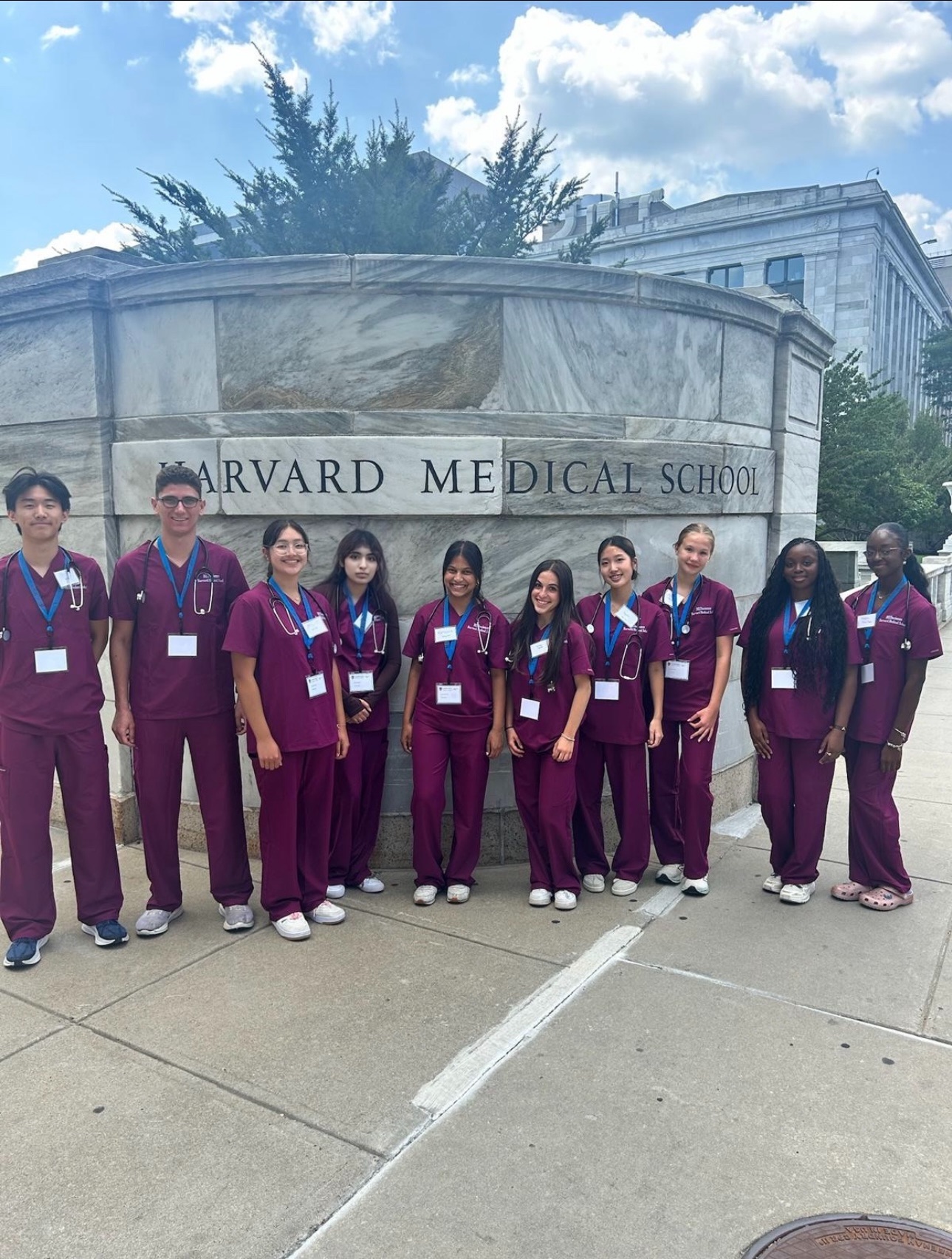
I also learned that I am more resilient than I once thought. There were difficult days and moments when things did not go exactly as planned, but those experiences helped me grow. I left Leysin with greater humility, independence and gratitude, and I think those qualities are just as important as academic achievement.
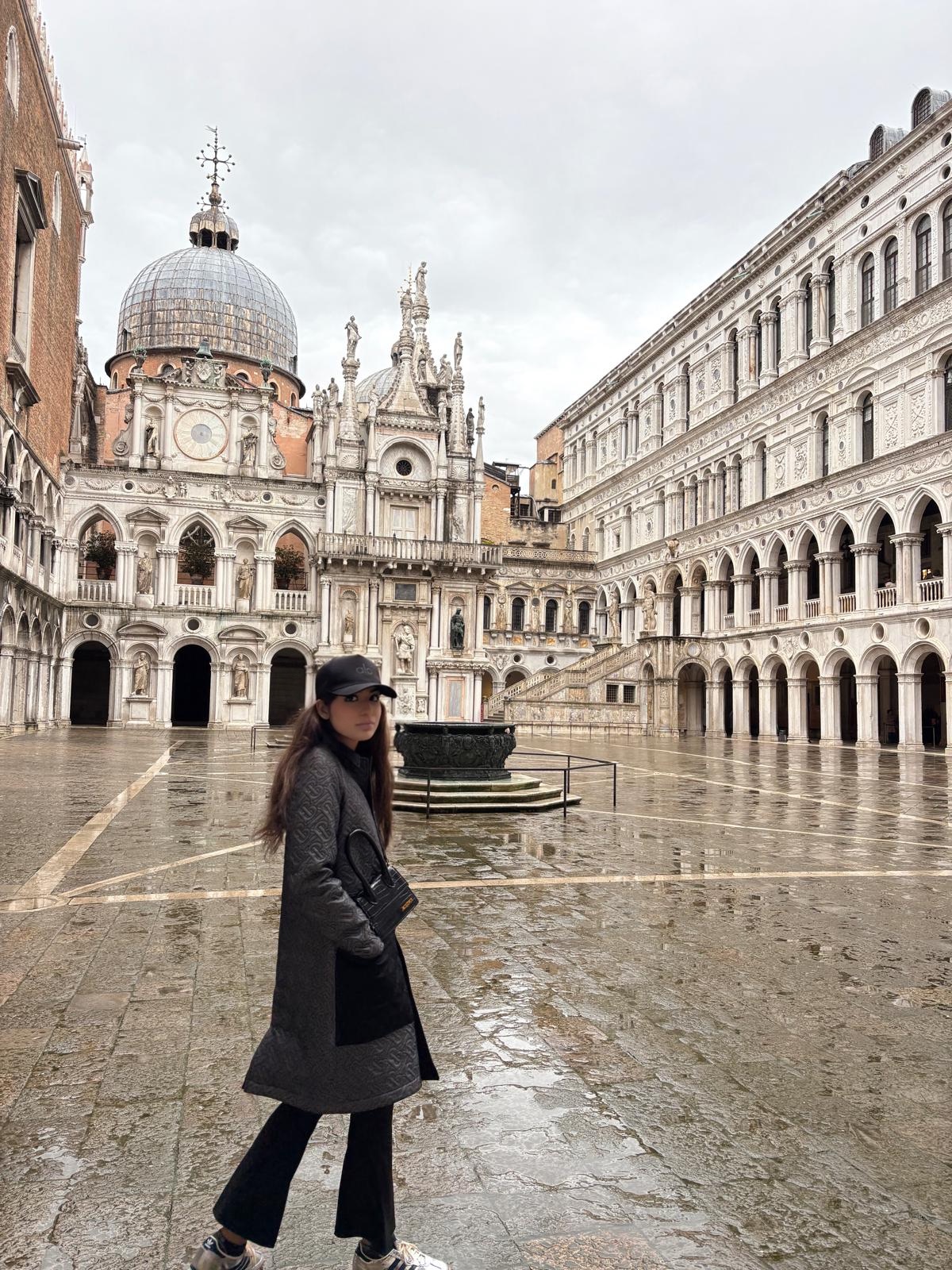
You’ve studied in Switzerland, attended Harvard Medical School’s summer program, and now have offers from prestigious universities. Which experience has transformed your perspective on your future the most, and why?
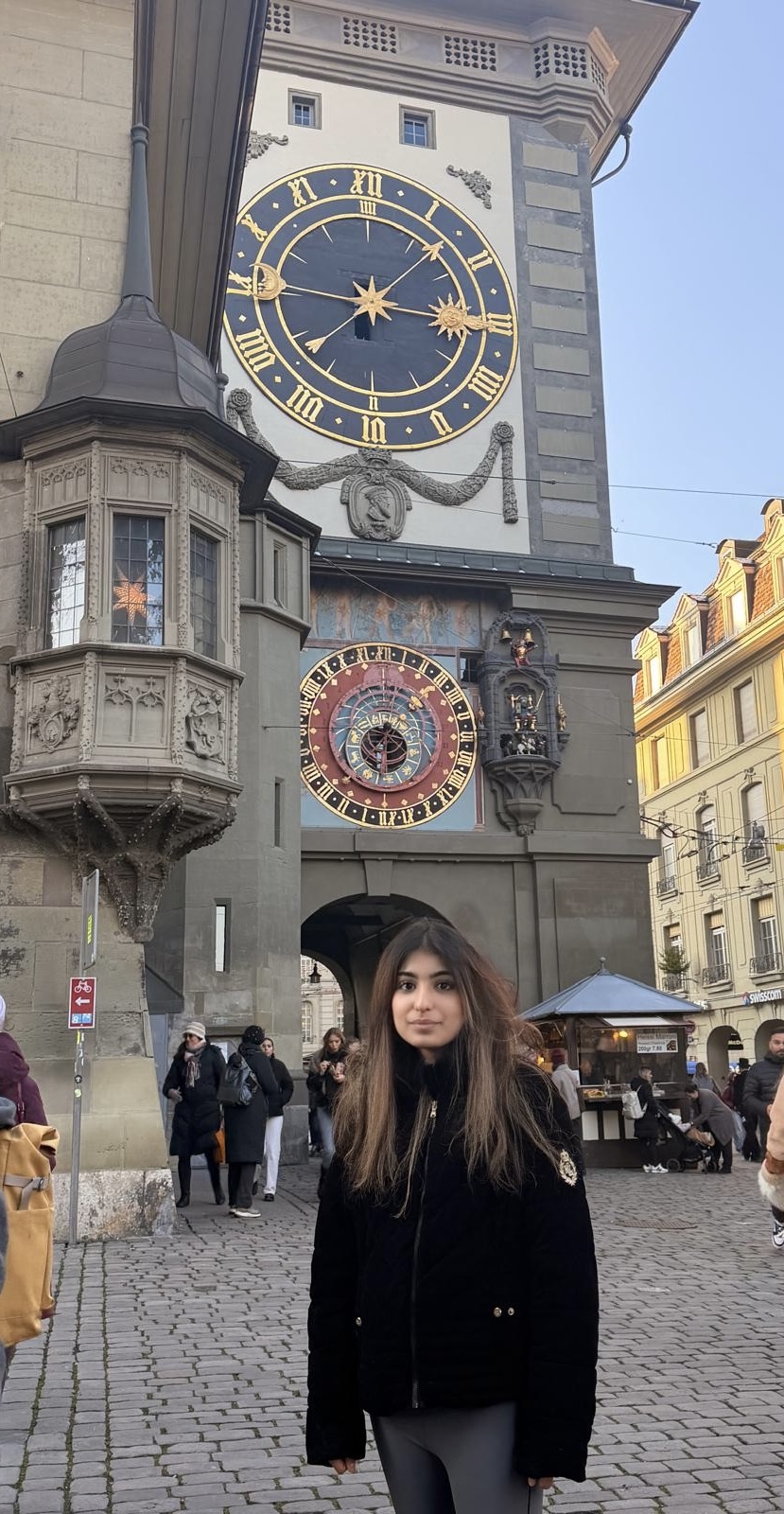
I feel extremely fortunate Alhumdulliah to have had these opportunities, and I try not to take any of them for granted. Studying in Switzerland gave me a global perspective, but attending a summer programme at Harvard Medical School was particularly meaningful because it brought me closer to the world of medicine.
Being in an environment centred around medicine and learning made the dream feel more real. It helped me understand that medicine is not simply about being academically strong. It requires curiosity, discipline, empathy and a willingness to continue learning throughout your entire life.
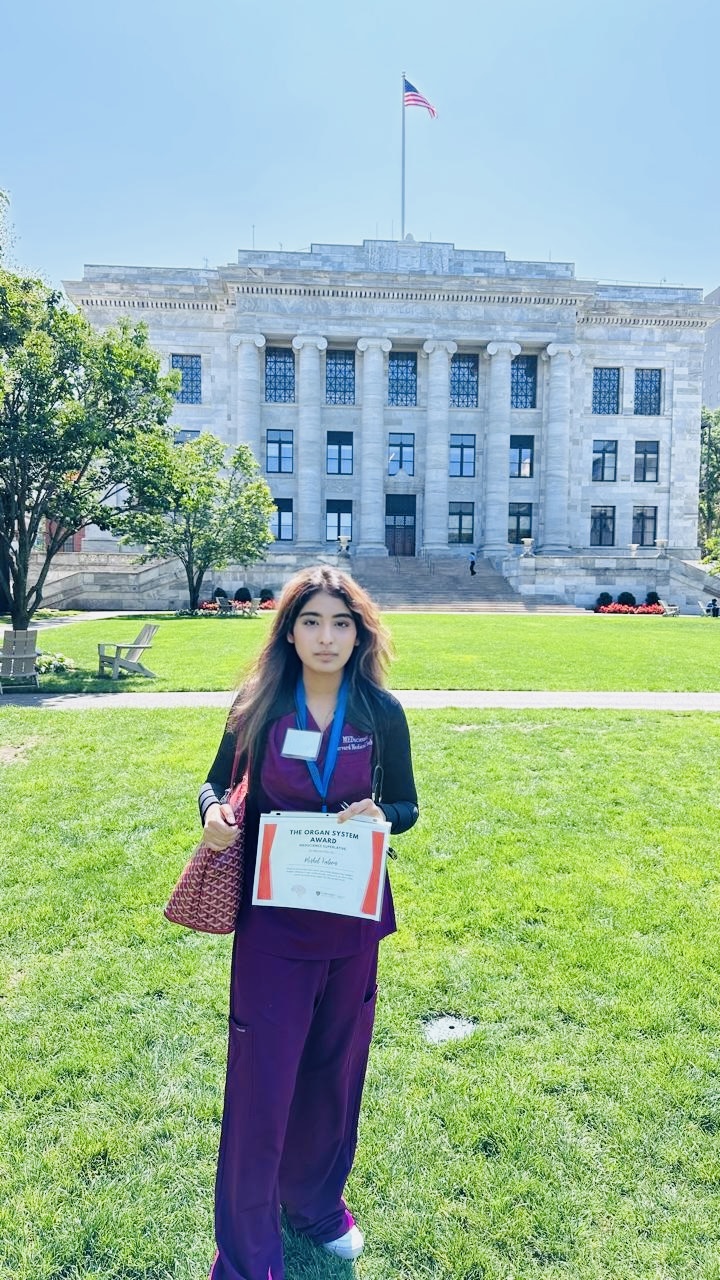
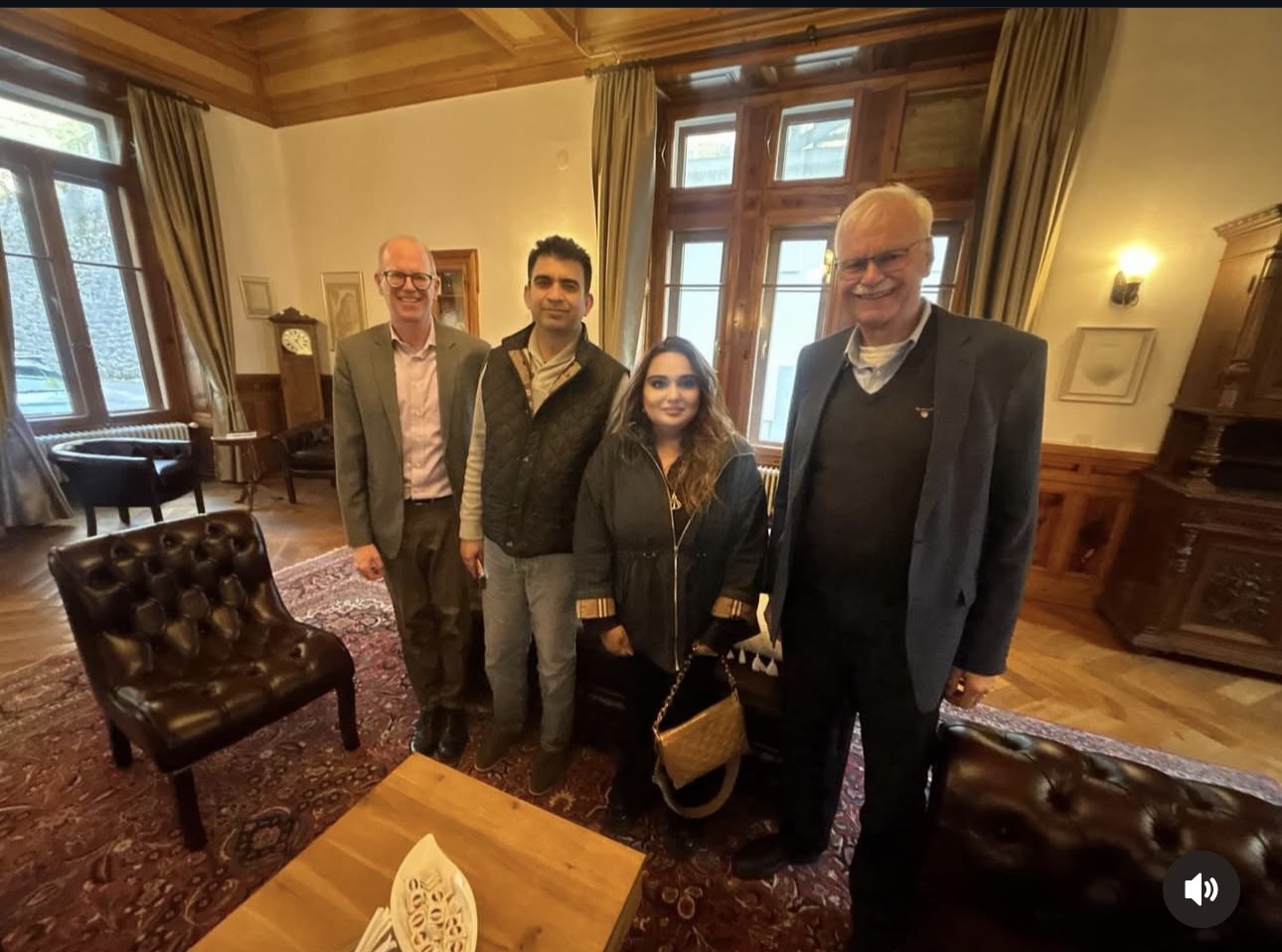
Receiving offers from the University of Toronto, Queen’s University and the Royal College of Surgeons has been incredibly humbling. Each opportunity represents years of support from my teachers, family and the people who believed in me. Harvard helped confirm my interest in medicine, but my international education has taught me the kind of person I hope to become while pursuing it.
Medicine is one of the most demanding career paths. What first inspired you to dream of becoming a doctor, and what kind of impact do you hope to make through your work?
My interest in medicine developed from a genuine curiosity about the human body and a desire to understand how science can directly improve someone’s life. Over time, however, I began to realise that medicine is as much about people as it is about science.
A patient may not remember every medical term used during an appointment, but they will often remember whether they felt heard, respected and cared for. That human side of medicine is very important to me.
I am still at the beginning of my journey, so I say this with a great deal of humility: I have so much to learn. My hope is to become a doctor who combines scientific knowledge with compassion. If, one day, I can make a frightened patient feel safer, help a family understand a difficult situation, or contribute to improving healthcare in underserved communities, I would consider that incredibly meaningful.
Growing up in a globally connected family has exposed you to different cultures and ways of thinking. How has this international upbringing shaped your personality and worldview?
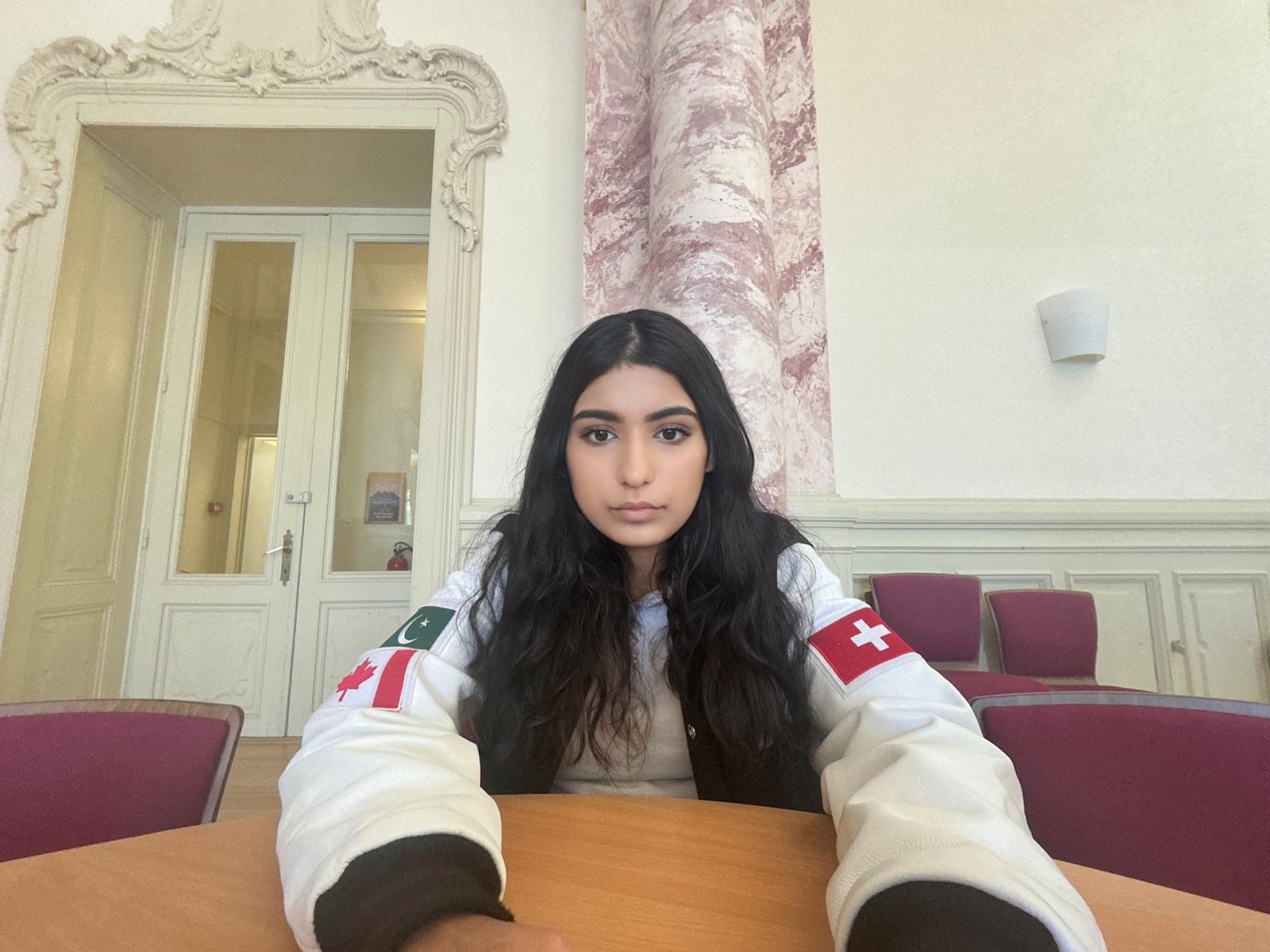
I was born and raised in a Canadian family based in Vaughan, Toronto, but our lives and experiences have always been internationally connected as my grandparents live in Pakistan where I feel deeply connected . I have also had the privilege of studying in Switzerland and travelling and meeting people from many parts of the world.
My father works internationally as a Vice President at Aramco Digital in Saudia Arabia and my mother manages businesses across Canada and Dubai. Watching both of my parents work across different cultures and environments taught me adaptability and the importance of respecting people from all walks of life.
At Leysin, I lived and studied with students whose languages, traditions and perspectives were sometimes completely different from mine. It made me realise how small our individual world can become if we only surround ourselves with people who think exactly like us.
I think my upbringing has made me curious about people. I try to ask questions, listen and remain open-minded. The world is incredibly diverse, and I see that diversity as something to learn from rather than something that divides us.
Your family has a remarkable legacy in entrepreneurship, leadership, and education. What values have you inherited from your parents and grandparents that you carry with you every day?
I am very grateful for my family, but what inspires me most is not simply what they have achieved; it is the work and perseverance behind those achievements.
My grandfather, Chaudhry Saleem Ullah, was a pioneer in contributing to the building and development of Islamabad. My grandmother, Naz Malik, has successfully run a housing project. From them, I have learned courage, vision and the importance of creating something that can serve future generations.
My father studied at the University of Toronto and has built his career in technology and leadership, while my mother studied at York University and has developed businesses across Canada and Dubai. My parents have always taught me that opportunities come with responsibility. They remind me to remain grounded, work hard and never believe that any achievement makes you more important than another person.
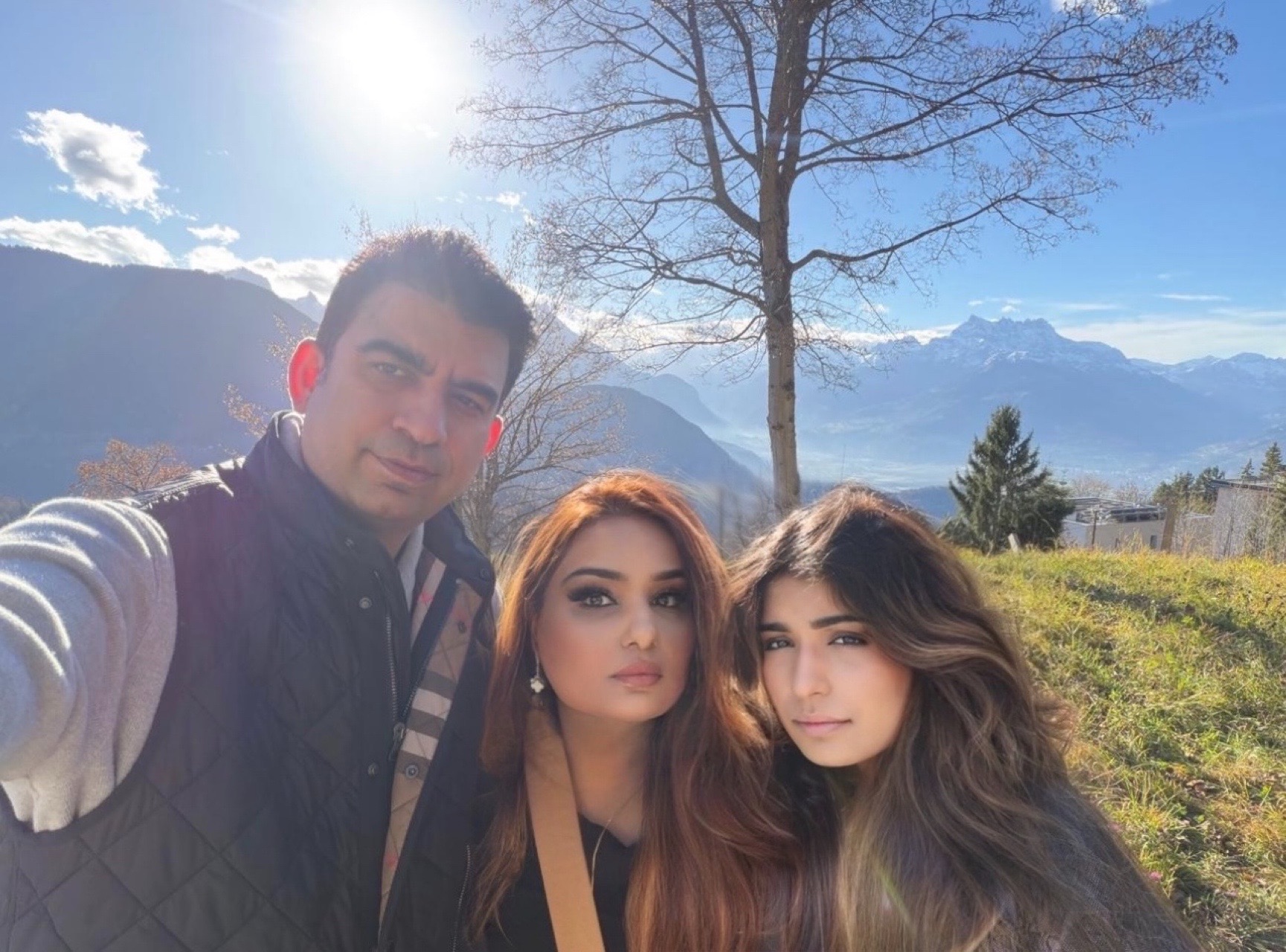
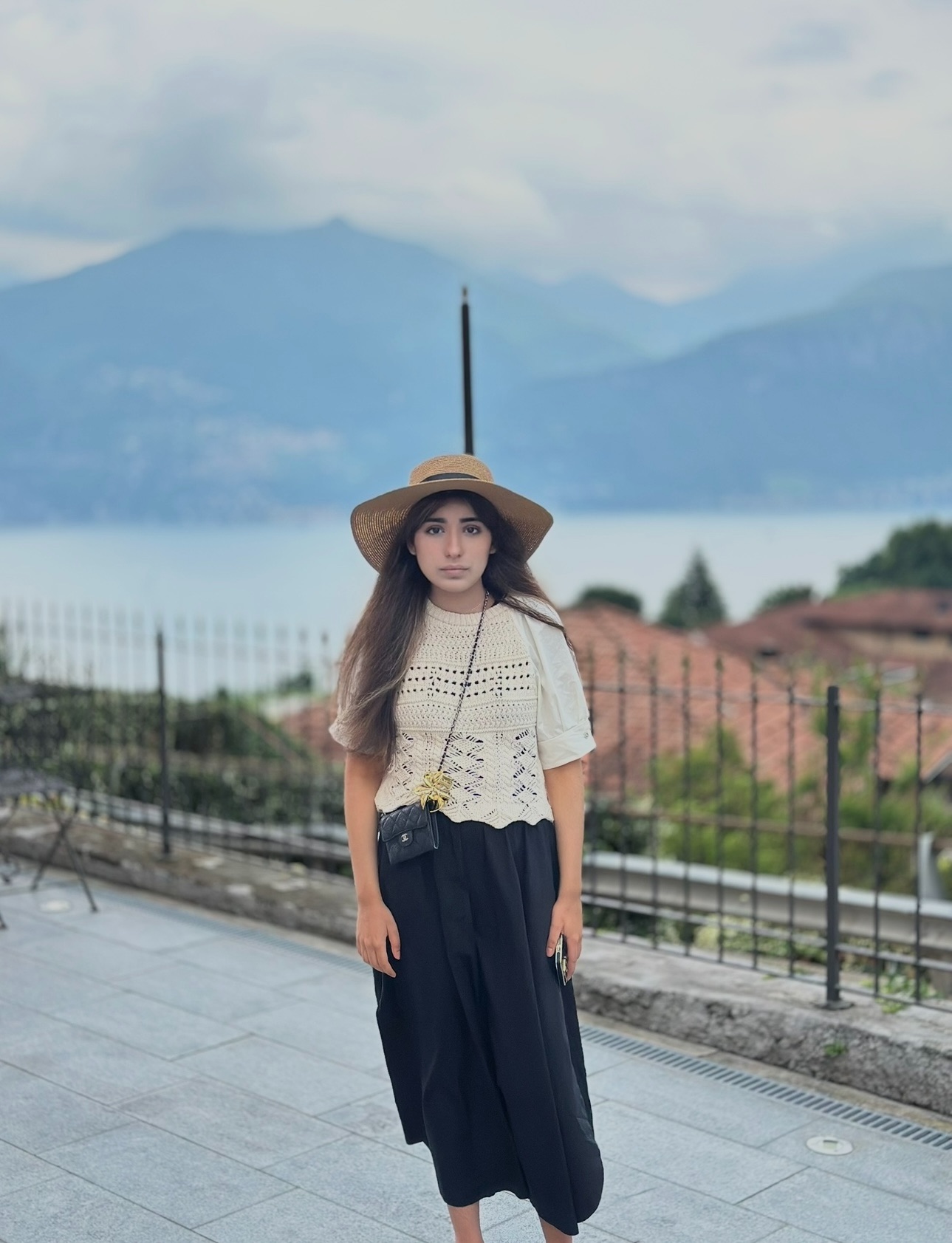
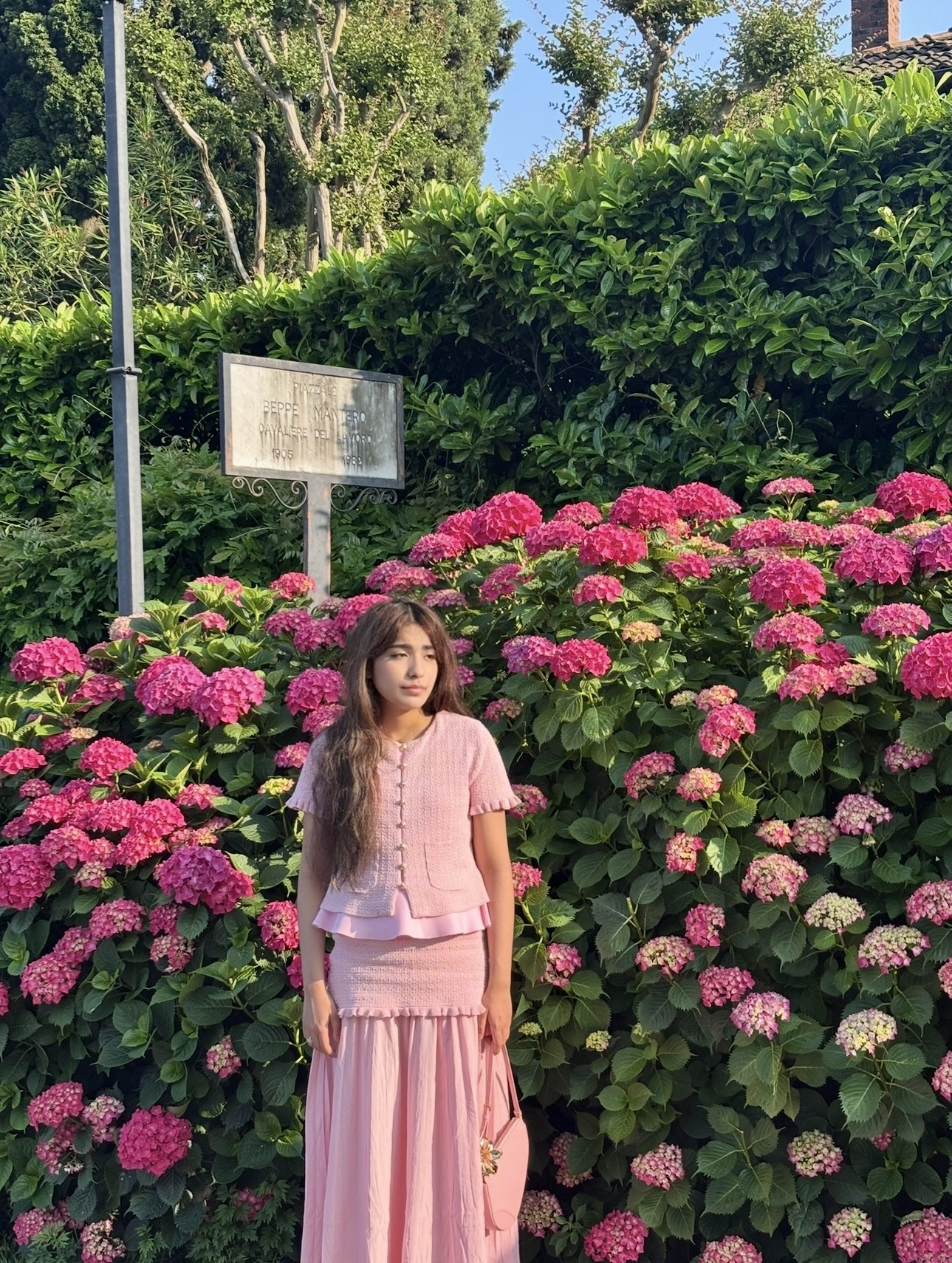
At home, I am also simply an older sister to Musa and Essa, and a very devoted member of our family Pablo, our dog, certainly keeps all of us humble! [laughs]
The values I hope to carry with me are resilience, kindness, discipline and humility. I have learned from my family that leadership should never only be about personal success; it should also be about what you contribute to others.
Alongside science, you’ve nurtured a creative side through art and writing, with your artwork even being exhibited at the Royal Ontario Museum. How do creativity and medicine complement each other in your life?
Art and writing have always given me a different way to understand emotions and people. I was incredibly grateful to have my artwork exhibited at the Royal Ontario Museum Toronto .For me, it was a very special experience, not simply because my work was displayed, but because art is such a personal form of communication.
I have also enjoyed writing stories and contributing to local libraries. Writing encourages you to imagine life from another person’s perspective. You have to think about how someone feels, what motivates them and what they may be experiencing internally.
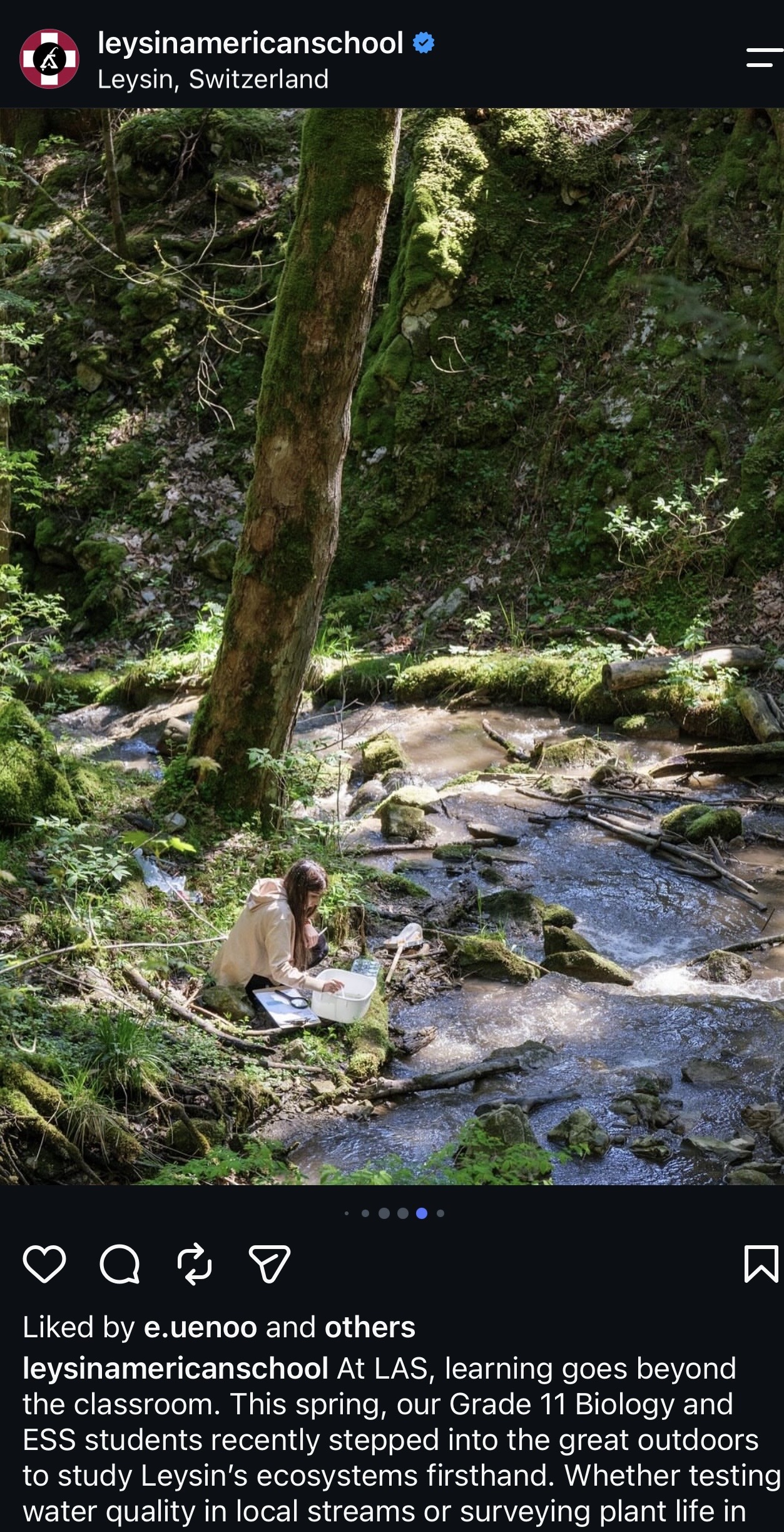
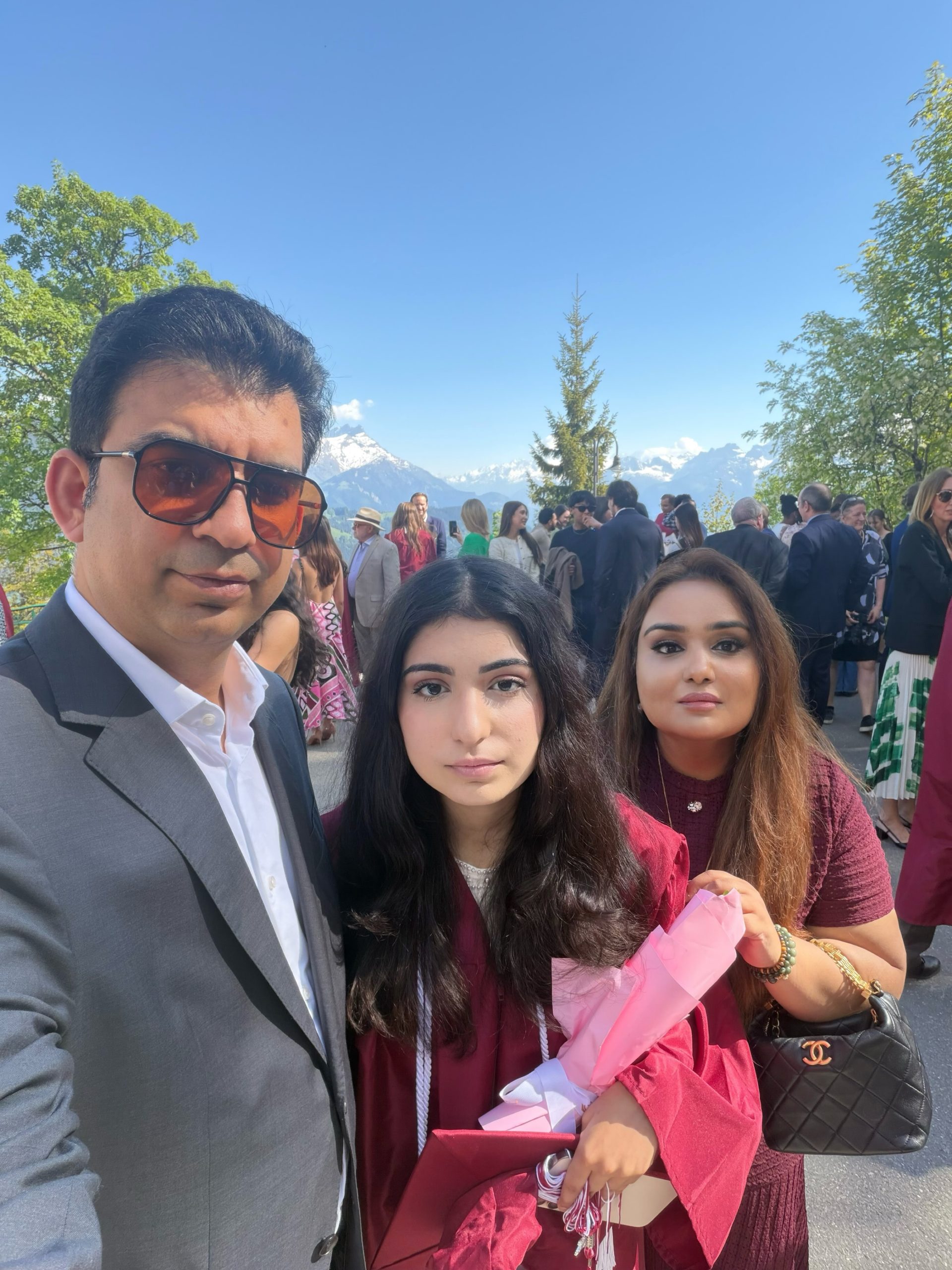
I believe there is a connection between that and medicine. Medicine requires scientific precision, but a doctor is caring for a human being with fears, relationships and a life beyond their symptoms. Creativity encourages observation and empathy.
Science teaches me to ask, “What is happening?”Art and writing often encourage me to ask, “What might this person be feeling?” I hope I never lose either side of myself.
You’ve balanced a rigorous International Baccalaureate programme while pursuing extracurricular passions. What advice would you give students who struggle to balance academics with their personal interests?
I would first say that I am definitely not someone who managed everything perfectly! There were days when I felt organised and productive, and there were also days when my plans completely fell apart.
The IB taught me that balance does not always mean giving equal time to everything every single day. Sometimes academics require more attention, and at other times you need space for yourself, your creativity or the people you love.
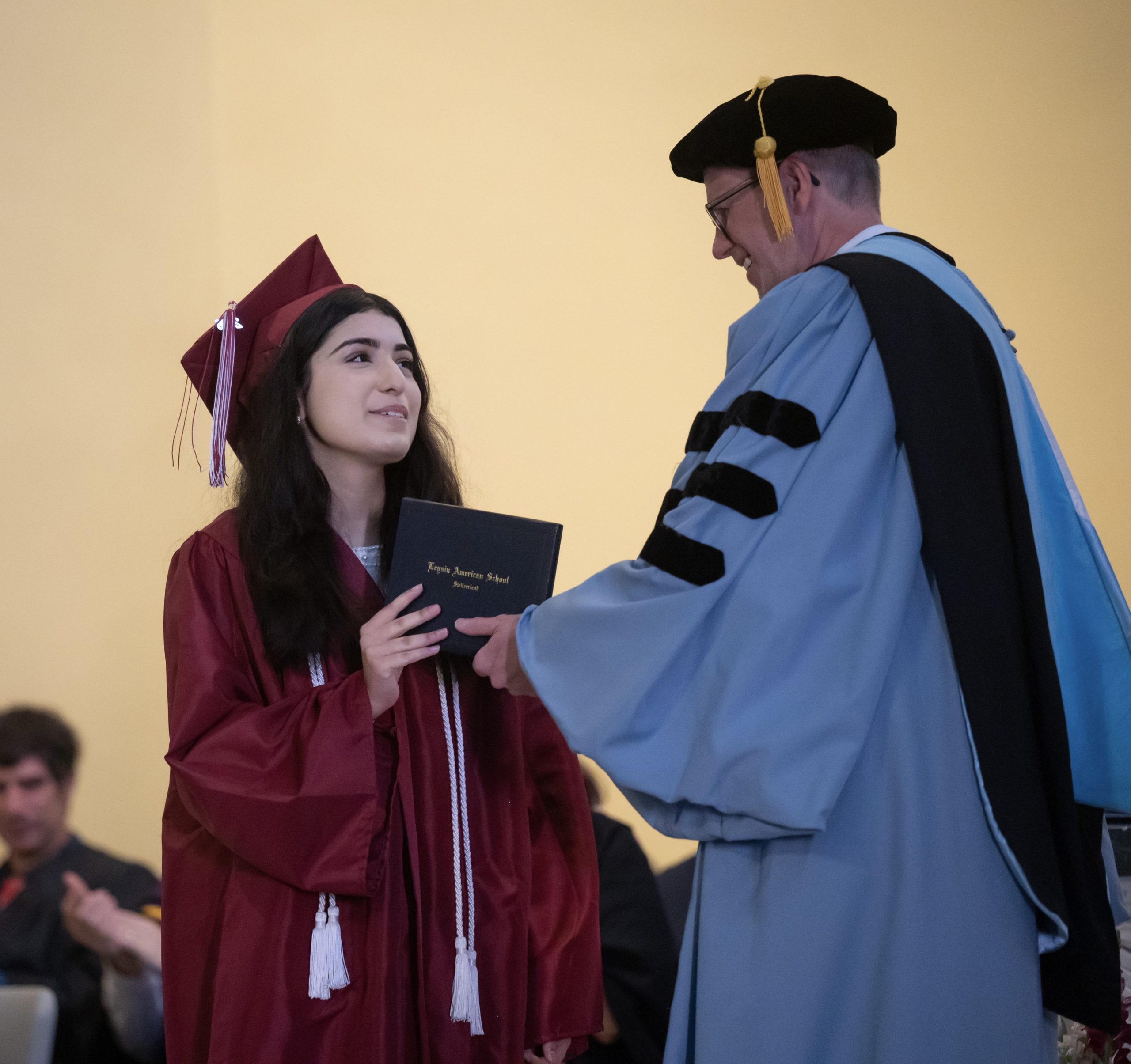
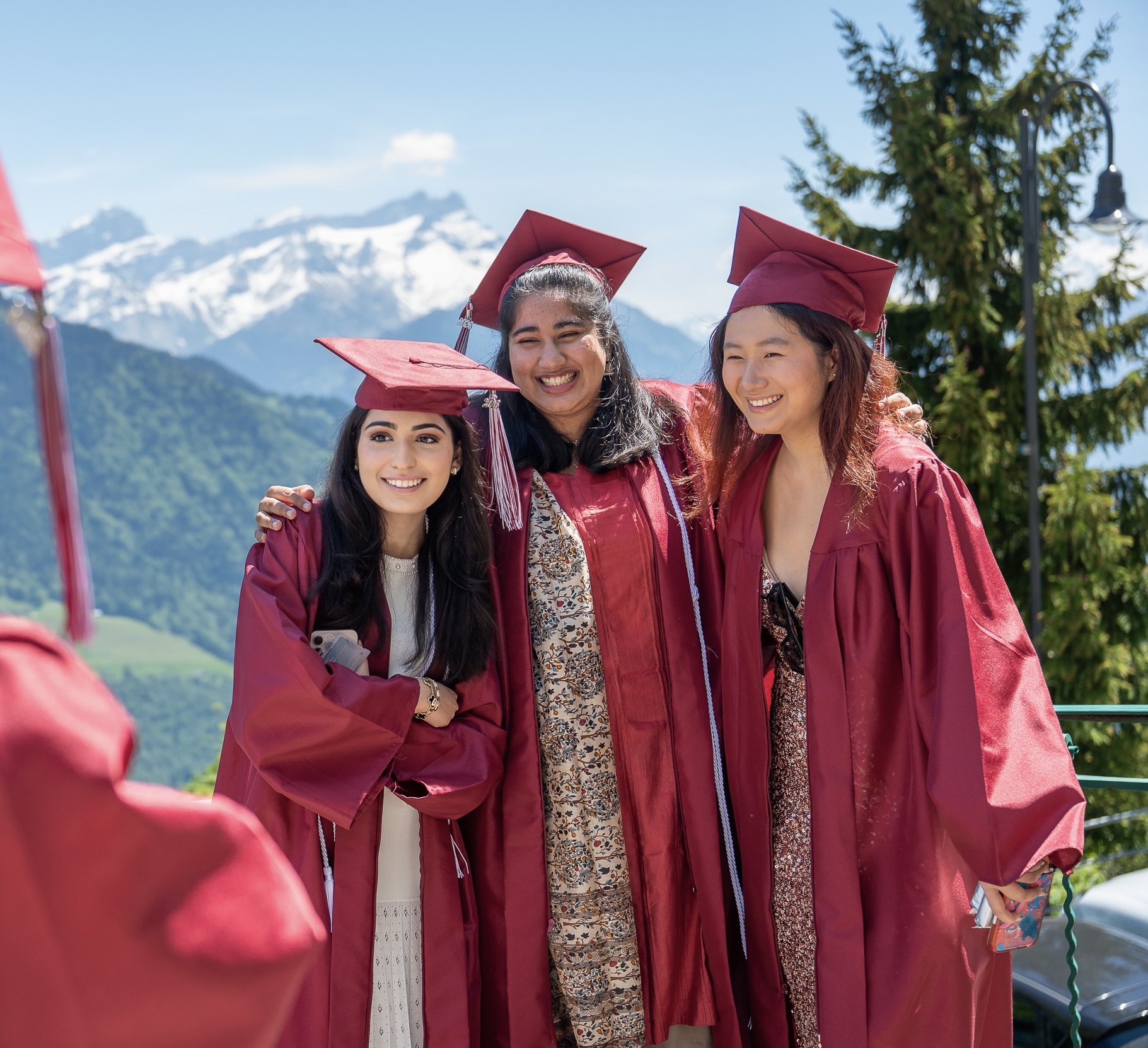
My advice would be to avoid comparing your routine with someone else’s. What works for one student may not work for another. Break large tasks into smaller ones, ask for help before you become completely overwhelmed and protect at least a little time for something that genuinely makes you happy.
I also believe rest should not be treated as a reward you only deserve after exhaustion. We are human beings before we are students. Looking after yourself allows you to return to your goals with greater clarity.
Success often comes with moments of self-doubt. Was there ever a time when you questioned yourself, and how did you overcome it?
Absolutely. I think it would be unrealistic for me to pretend that I have never doubted myself.
There were moments during the IB when I questioned whether I was capable of reaching the goals I had set for myself. Studying away from home can also feel lonely at times, even when you are surrounded by wonderful people. I have had moments when I felt tired, overwhelmed or afraid that one difficult period might define my entire future.
I learned not to make permanent conclusions about myself based on a difficult day or a difficult season. I also learned to accept support. My family has been an enormous source of encouragement, and I have been fortunate to have teachers and people around me who reminded me to look at the bigger picture.
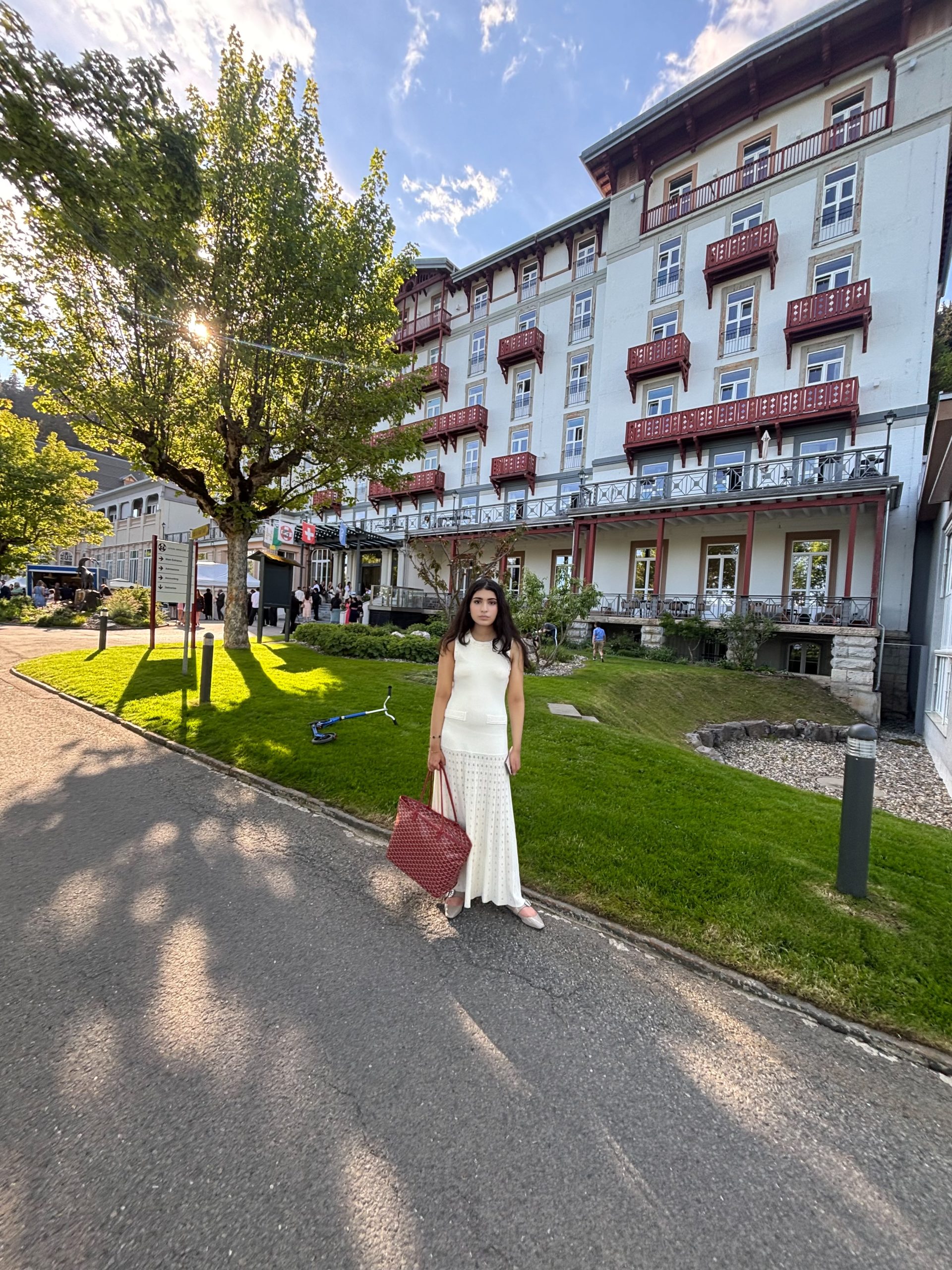
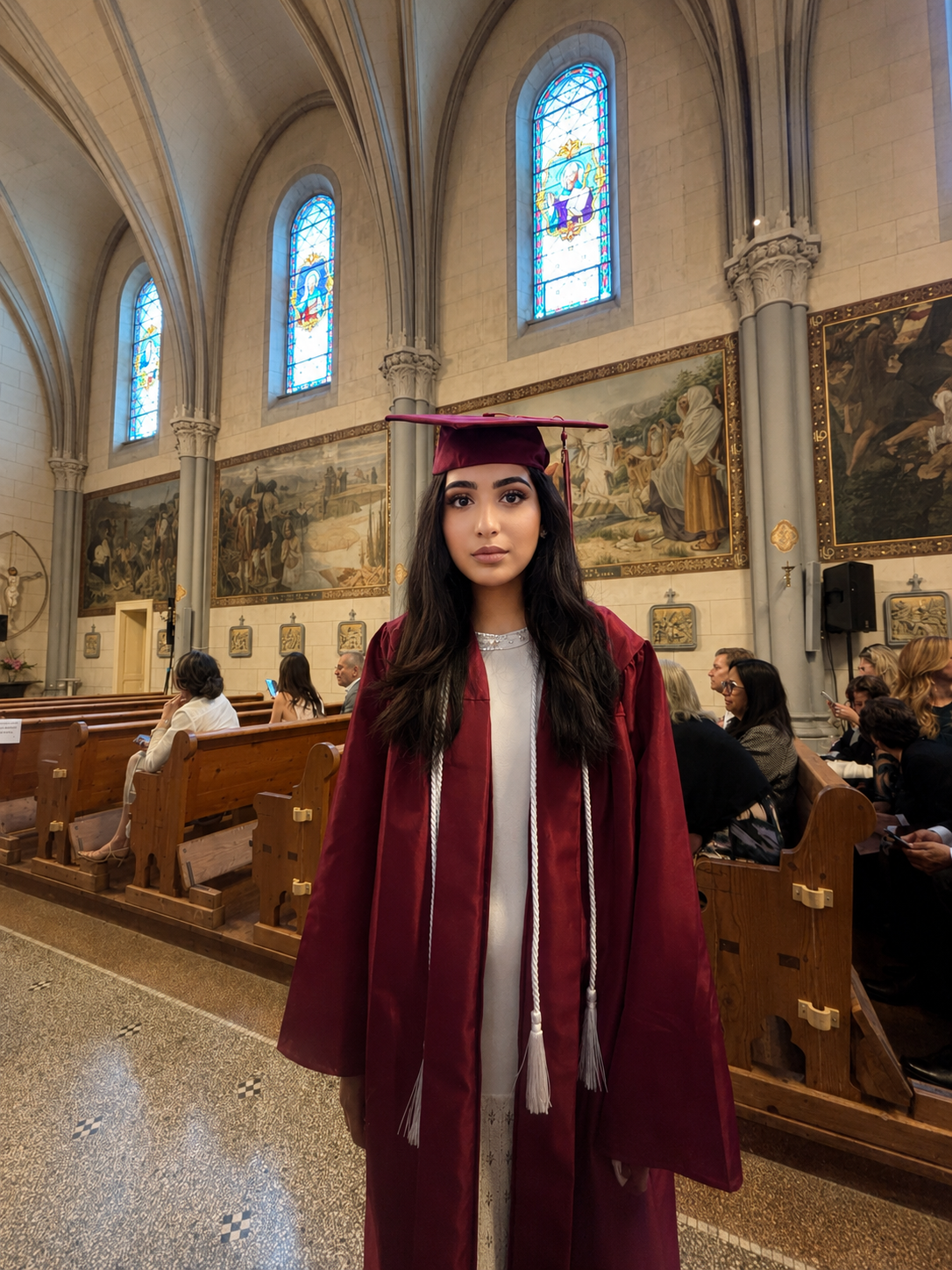
I still experience self-doubt. I simply understand it differently now. Doubt does not always mean you should stop; sometimes it means you care deeply about what you are trying to achieve. I try to acknowledge the feeling, learn from it and continue moving forward one step at a time.
You describe yourself as someone who enjoys giving back through libraries, storytelling, and community involvement. Why do you believe community service is important for young people today?
I believe community service reminds us that our lives are connected to the lives of others. It is very easy, especially as students, to become completely focused on grades, university applications and our own future. Giving back encourages us to look beyond ourselves.
My involvement with libraries and storytelling has been particularly meaningful because books can give a young person confidence, imagination and sometimes even a sense of belonging. Something that feels like a small contribution to you may have a much greater meaning to someone else.
I also think young people should understand that community service is not about building an impressive résumé. If that is the only motivation, we miss the point. Service should begin with listening to what a community actually needs.
You do not need to create a huge organisation to make a difference. You can give your time, share a skill, help one child enjoy reading or consistently support an existing community initiative. Small acts, when they are sincere and sustained, matter.
If you could speak to your 13-year-old self today, what would you tell her about chasing big dreams without being overwhelmed?
I would tell her, “You don’t have to have your entire life figured out yet.”
At thirteen, big dreams can sometimes become frightening because you begin looking at the distance between where you are and where you hope to be. I would tell my younger self to stop trying to climb the entire staircase in one day.
Study for the next test. Read the next book. Ask the next question. Be kind to the person in front of you. Take the next opportunity that genuinely interests you.
I would also tell her that plans can change, and that does not always mean you have failed. Growth sometimes changes the way you see your future.
Most importantly, I would tell her to enjoy being young. Dreams are important, but so are family dinners, laughing with your brothers, creating art, writing stories and spending time with the people you love. Life should not begin only after you achieve something.
What does success truly mean to you at this stage of your life? Is it achievements, purpose, happiness—or something entirely different?
My definition of success is still evolving.
Of course, I am grateful for academic opportunities and university offers. They are meaningful to me because I know how much work and support went into reaching this stage.
At this stage of my life, I think success means becoming a person who uses her opportunities with purpose. I want to continue learning, remain close to my family and build a life in which I can be useful to others.
Perhaps success is a combination of purpose, happiness and inner peace. It is being ambitious without losing your kindness. It is achieving something and still remembering the people who helped you get there.
I am only at the beginning of my journey, so I certainly do not have a perfect definition yet. I hope that, years from now, I will measure my success not only by what I accomplished, but also by how I treated people along the way.
Finally, what message would you like to leave for young people around the world who dream of making a difference but don’t know where to begin?
Begin where you are, with what you have.
I think we sometimes see extraordinary people and extraordinary achievements and assume that making a difference must begin with a huge idea. But almost every meaningful journey begins quietly with curiosity, one decision or a willingness to help.
Read about the subject that interests you. Volunteer in your local community. Ask someone experienced for guidance. Write your idea down. Apply for the opportunity even if you are nervous. Allow yourself to be a beginner.
You also do not need to know exactly who you will become. I am still learning that myself.
Dream big, but remain humble enough to learn. Be ambitious, but be kind. And remember that making a difference does not always mean changing the entire world. Sometimes, positively changing one person’s world is a beautiful place to begin.
Rapid Fire
Fun Round
Three words your friends would use to describe you?
Curious, compassionate and determined.Although my close friends might add slightly perfectionistic! [laughs]
Coffee, tea, or hot chocolate while studying?
Hot chocolate especially after living in Switzerland!
A book, movie, or person that has inspired you the most?
My family collectively inspires me the most. I have been fortunate to grow up around people who have built
their lives through education, resilience and hard work. I take different lessons from my parents and grandparents, and I hope to carry the best of those lessons into my own journey.
If you weren’t pursuing medicine, what career would you choose?
Probably something involving writing, art or scientific research. I have always loved storytelling and creativity, so perhaps I would find a way to combine science with communication.
One destination in the world that’s still on your travel bucket list?
Japan. I would love to experience the culture, art and history and, of course, the food!
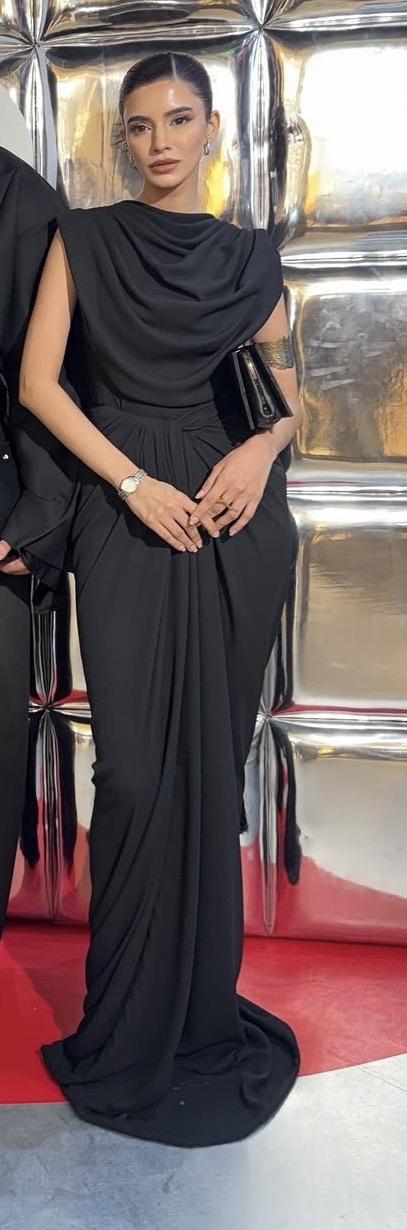
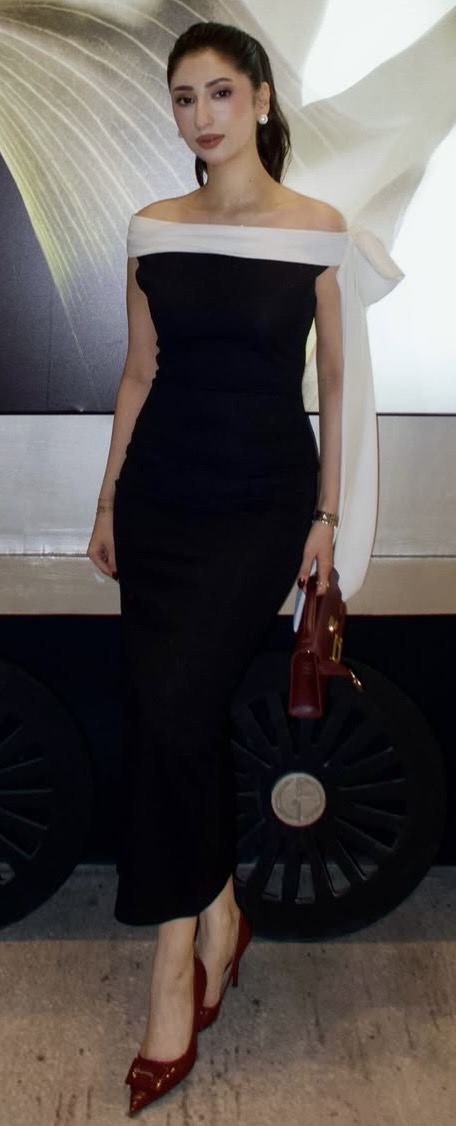

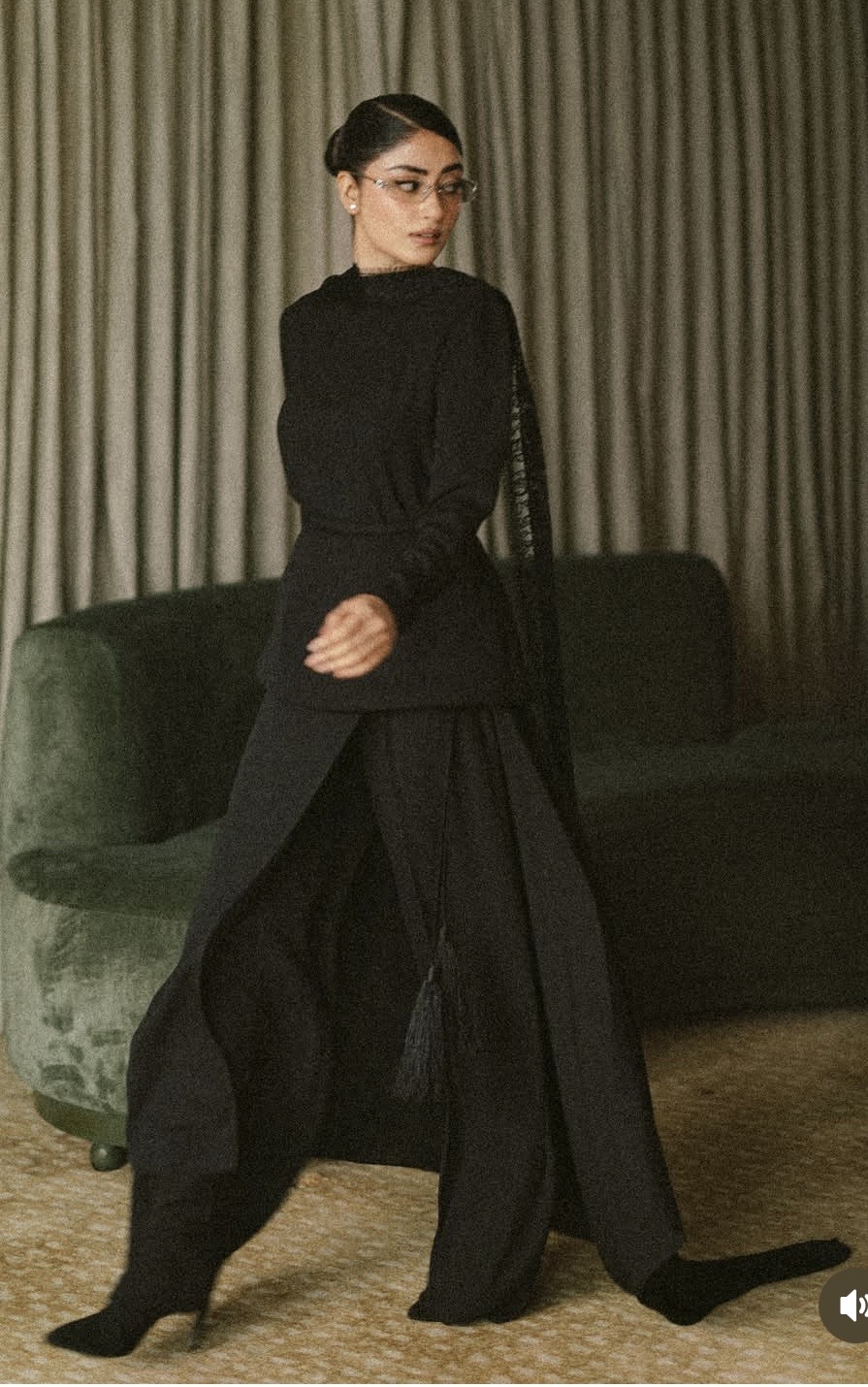
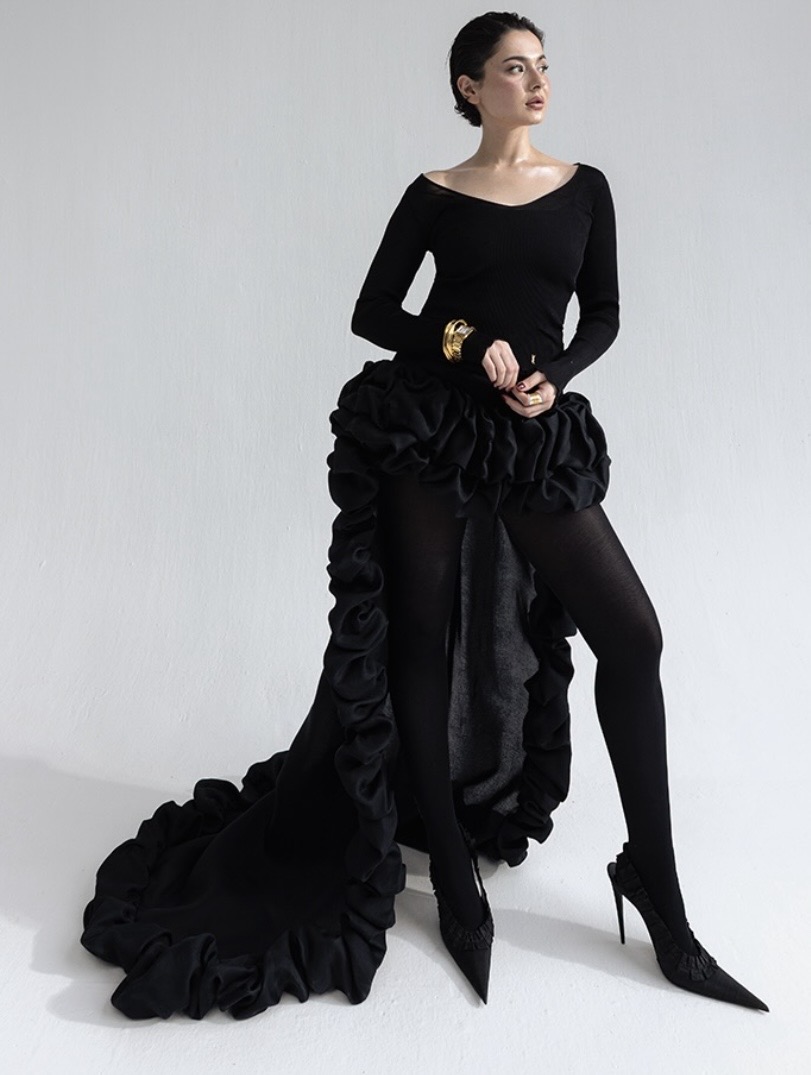
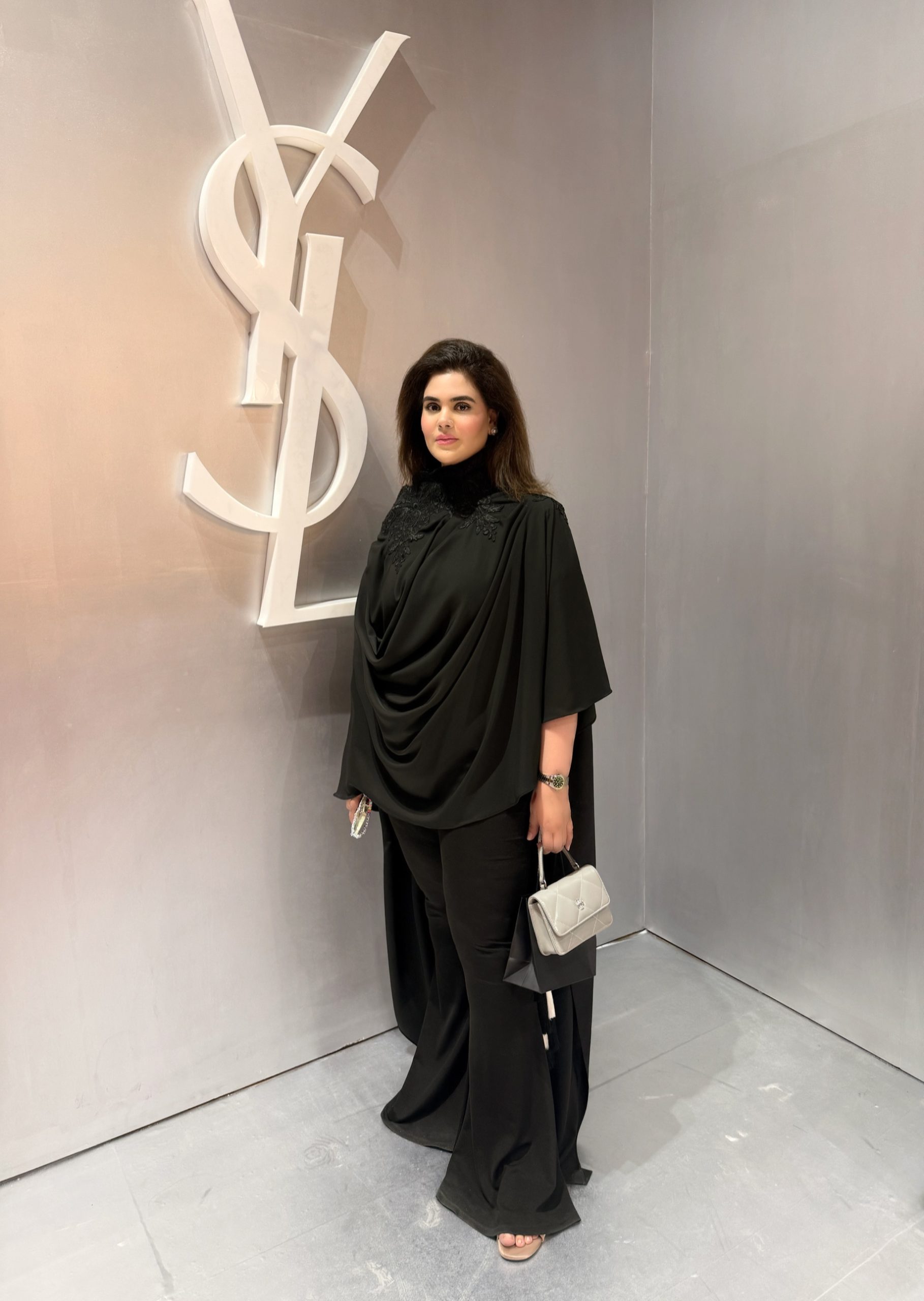
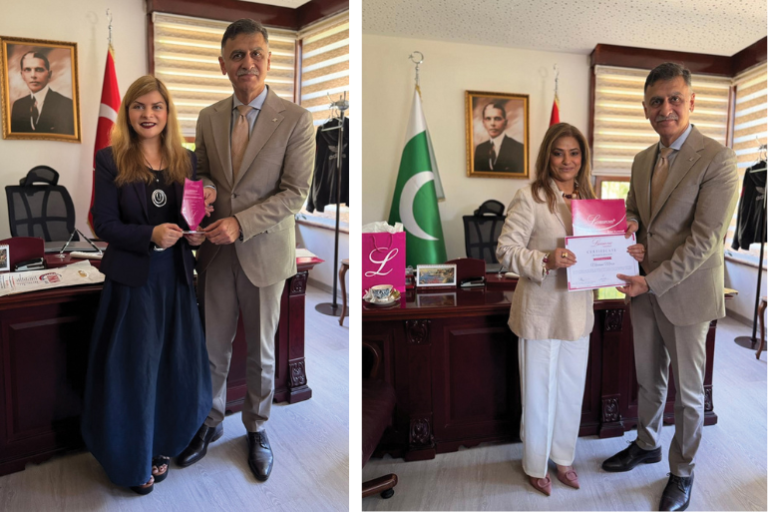
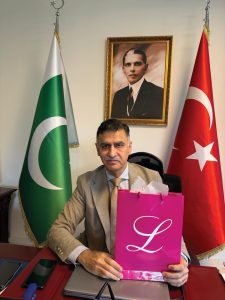
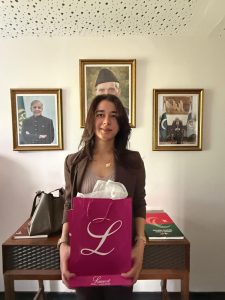
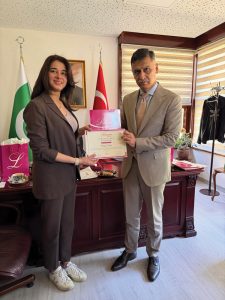
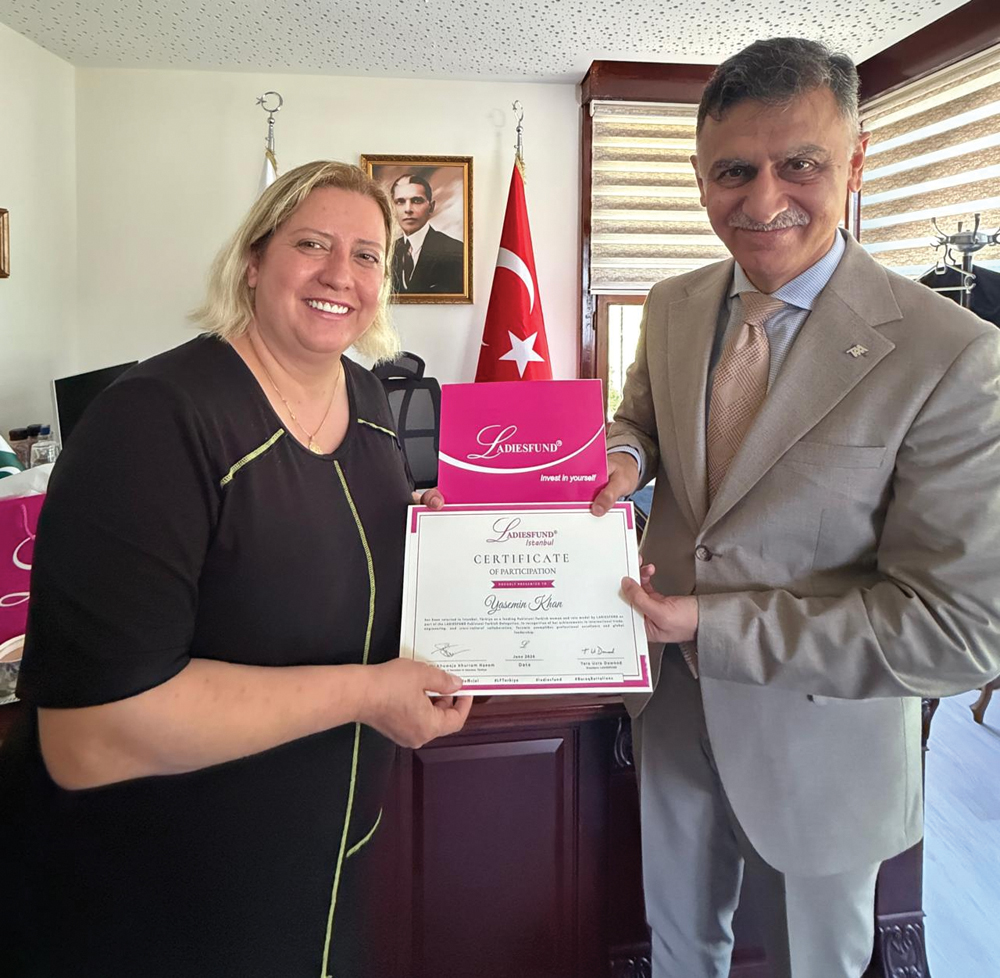
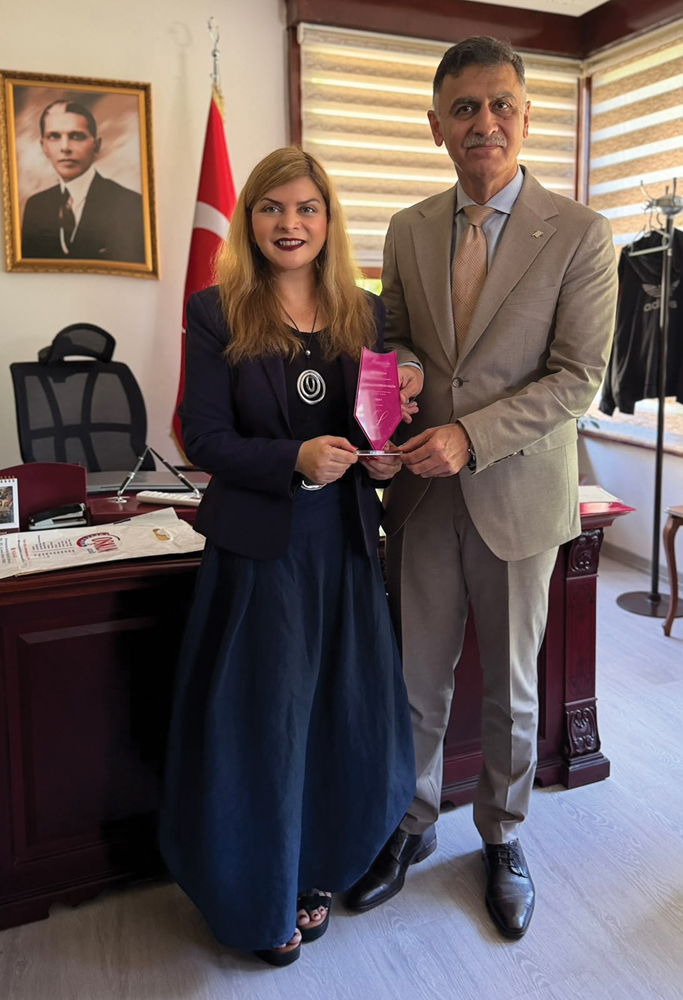
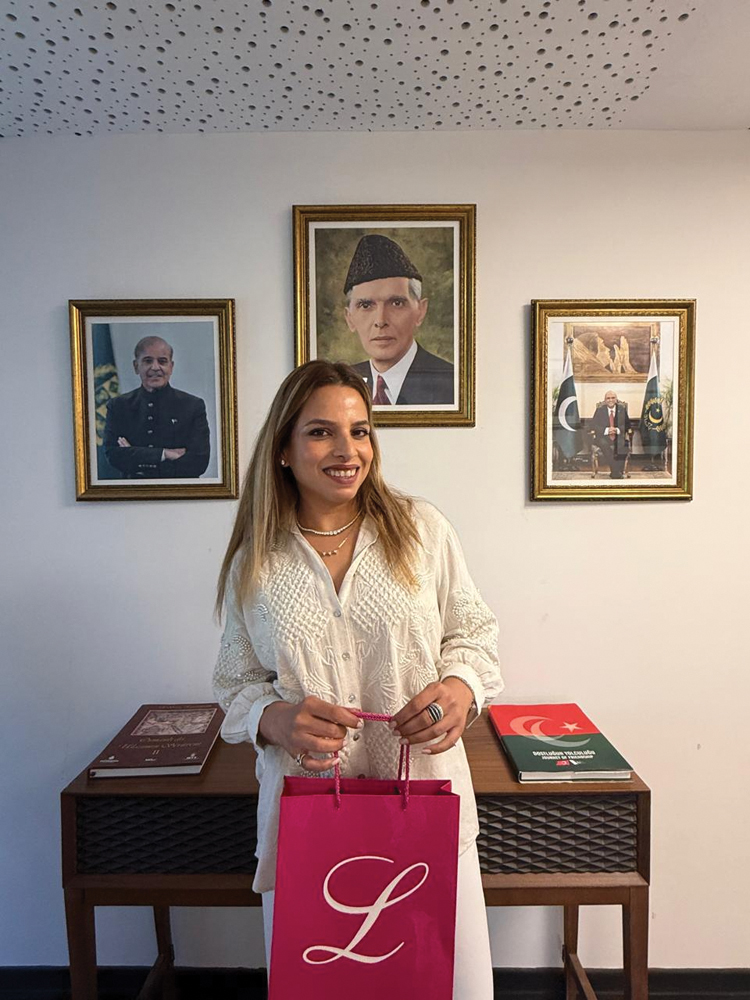
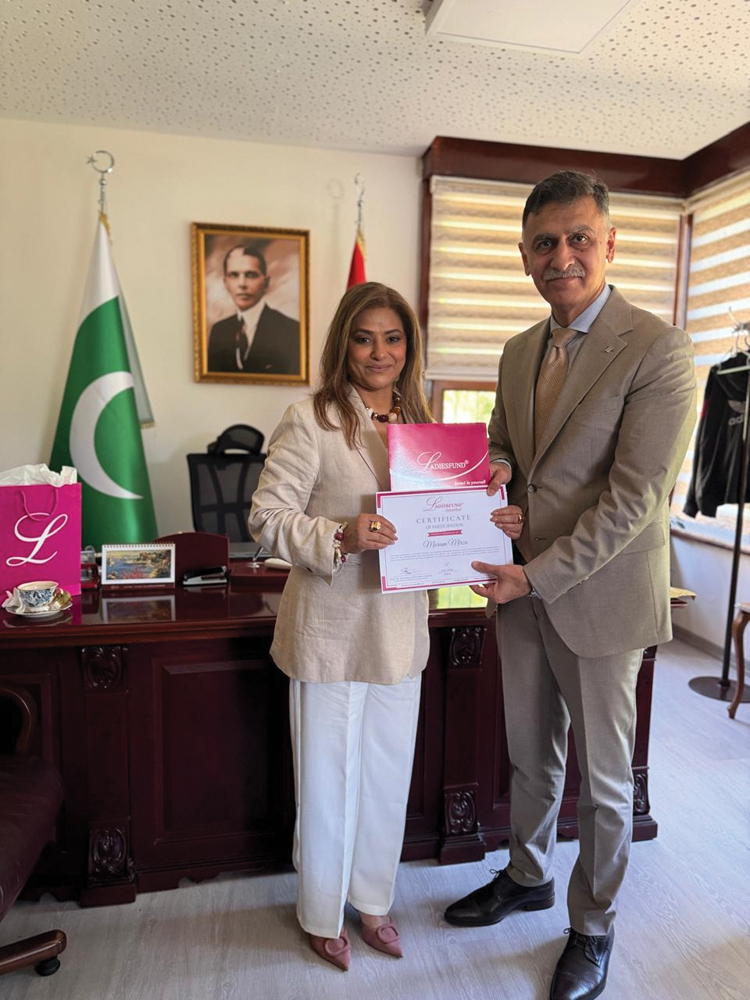
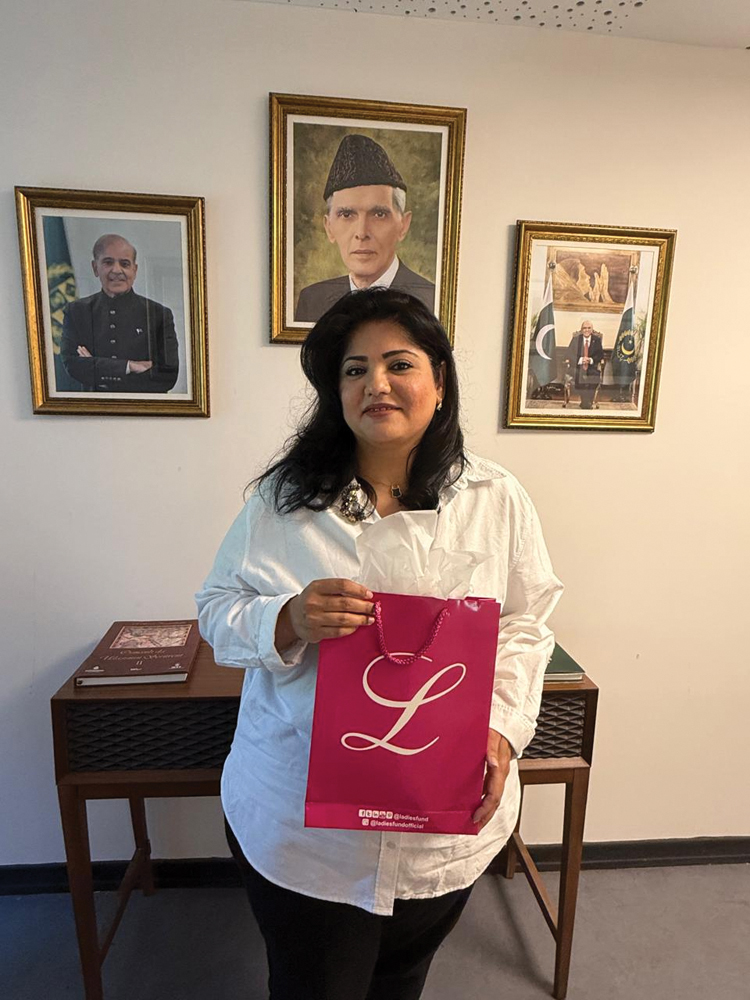
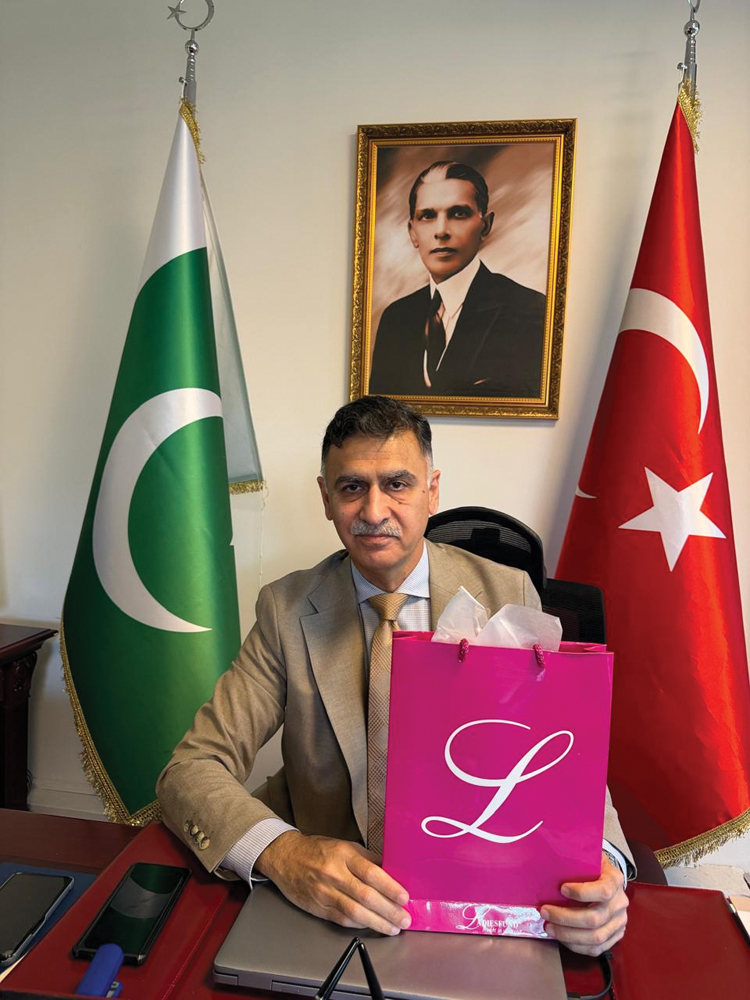
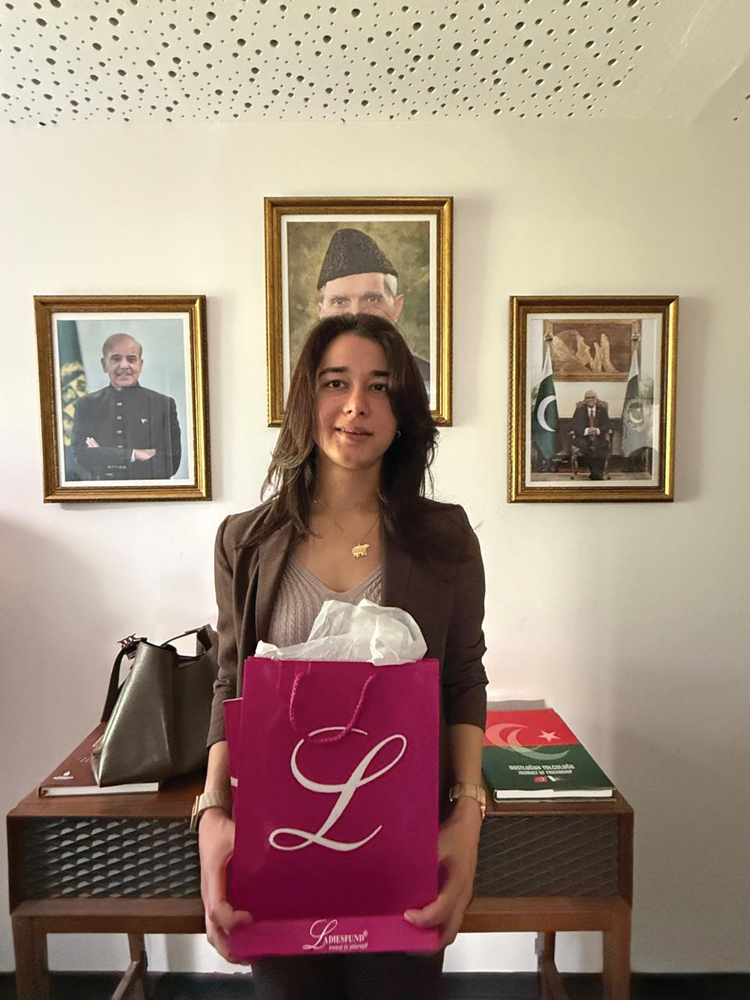
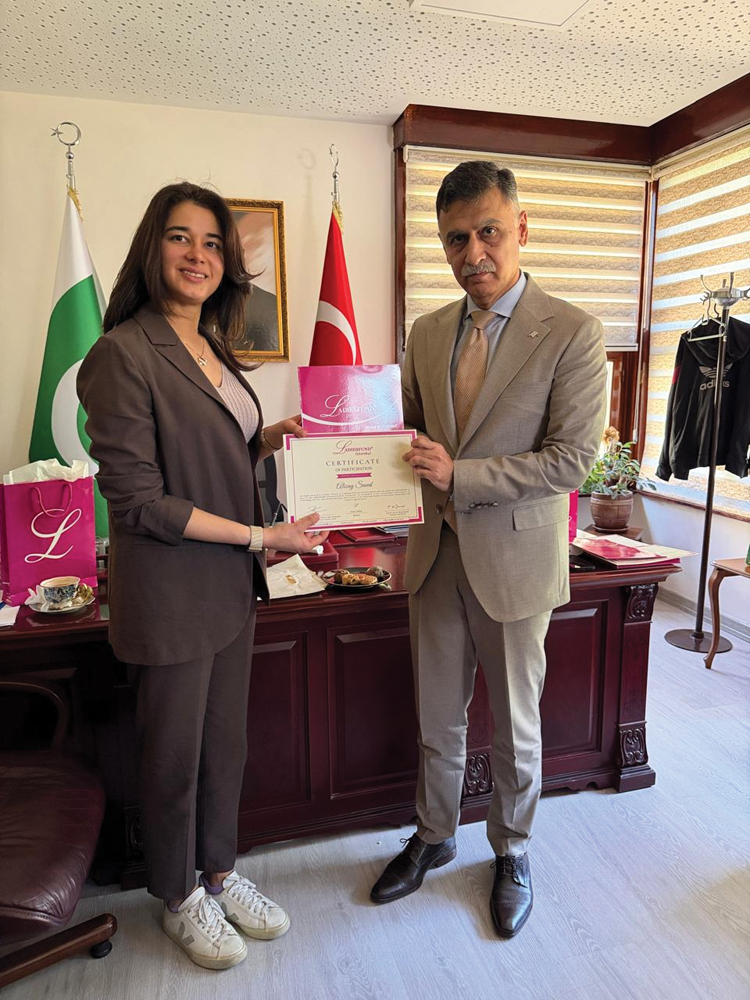
The Dawood Global Foundation officially launched LADIESFUND Istanbul, at the Consulate General of Pakistan, uniting inspiring Pakistani women leaders, entrepreneurs, and professionals in Türkiye. The milestone gathering celebrated leadership, collaboration, and a shared vision of empowering women through global connections and meaningful opportunities.
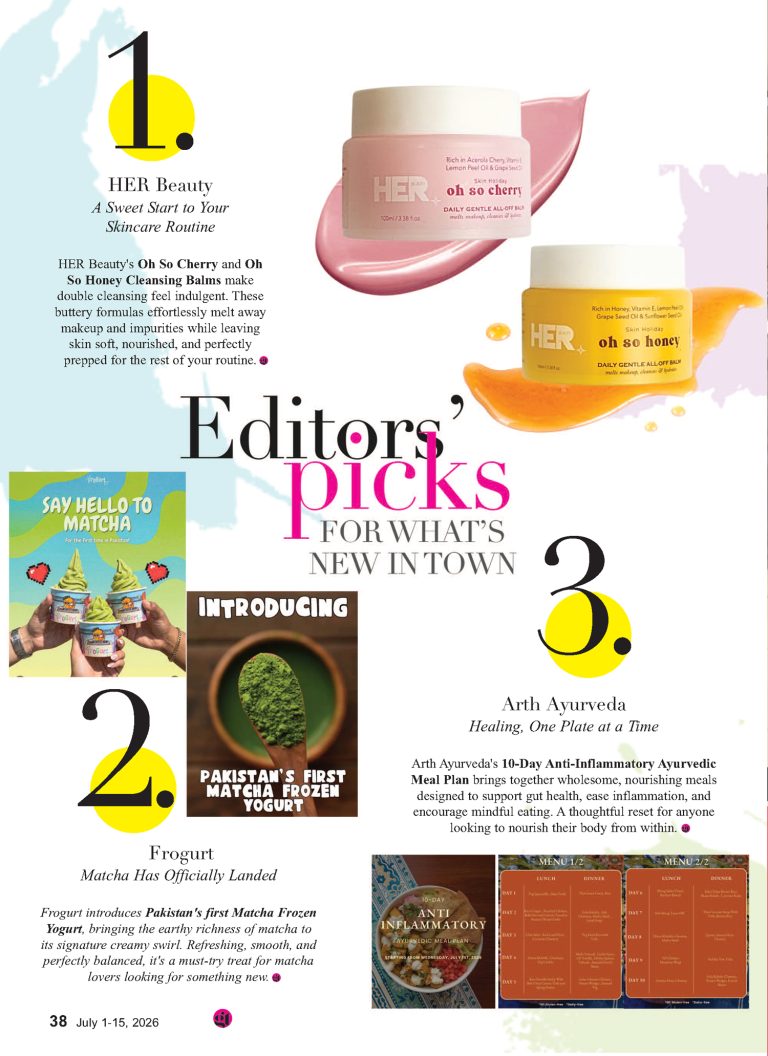
HER Beauty A Sweet Start to Your Skincare Routine
HER Beauty’s Oh So Cherry and Oh So Honey Cleansing Balms make double cleansing feel indulgent. These buttery formulas effortlessly melt away makeup and impurities while leaving skin soft, nourished, and perfectly prepped for the rest of your routine.
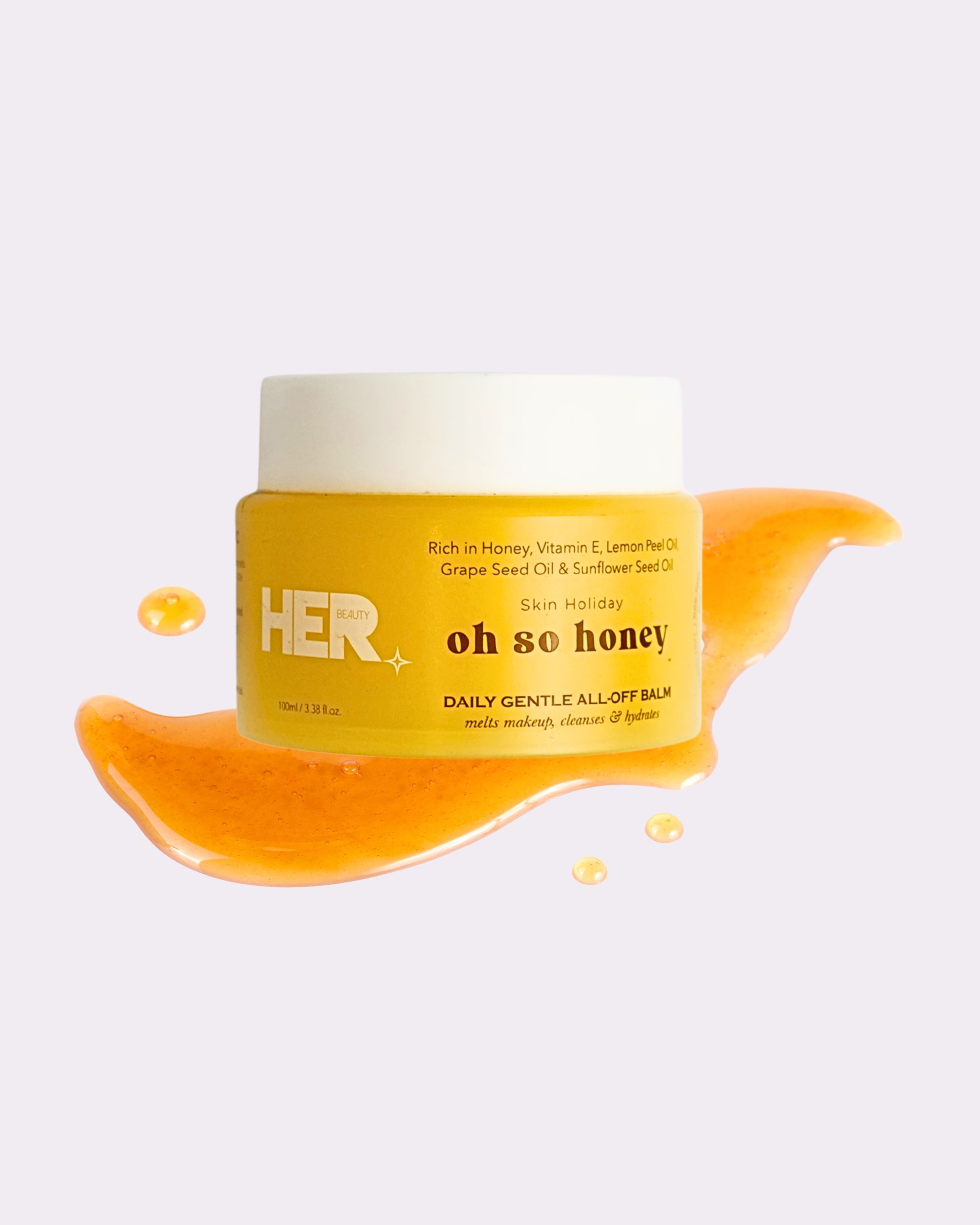
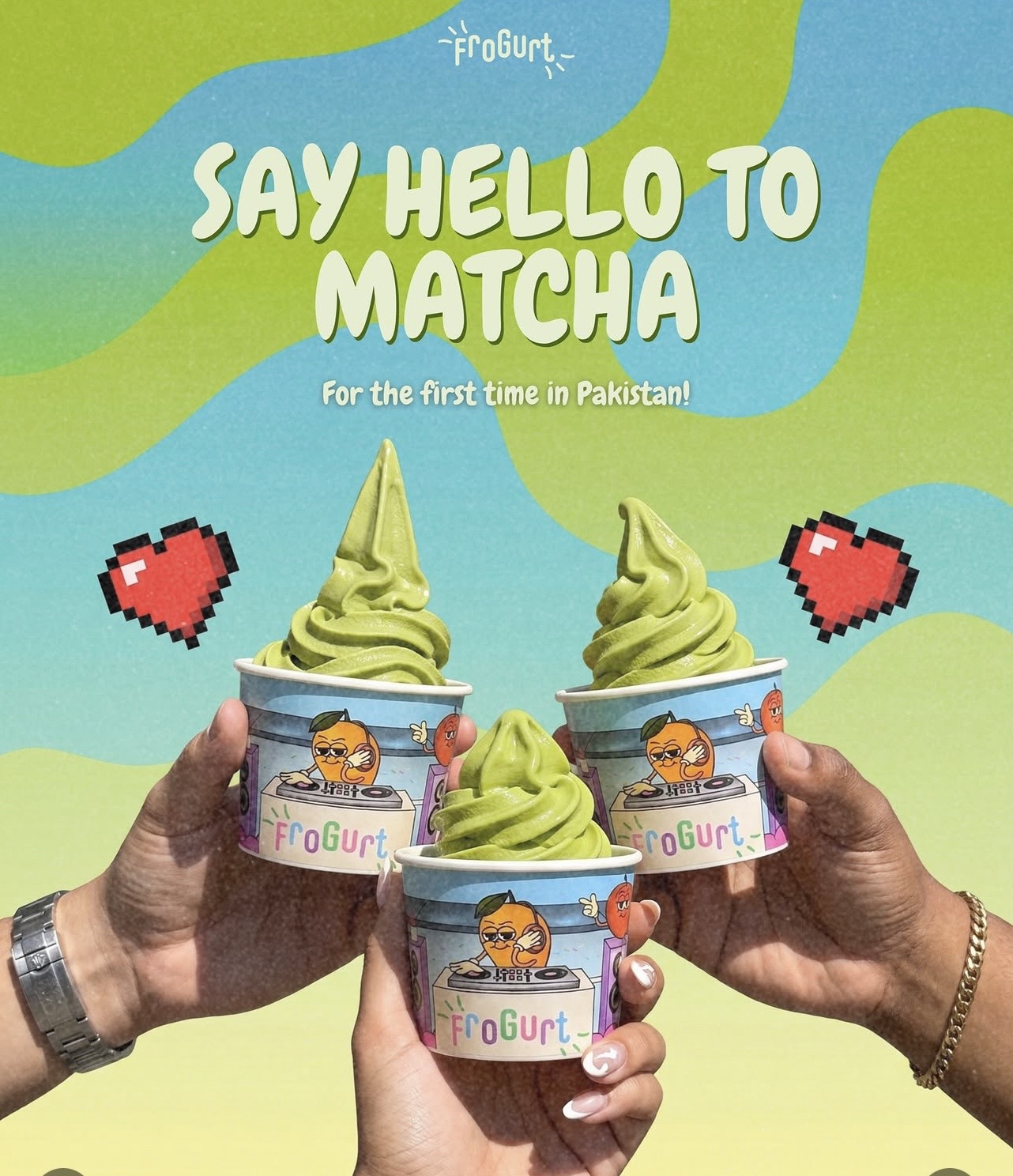
Frogurt Matcha Has Officially Landed
Frogurt introduces Pakistan’s first Matcha Frozen Yogurt, bringing the earthy richness of matcha to its signature creamy swirl. Refreshing, smooth, and perfectly balanced, it’s a must-try treat for matcha lovers looking for something new.
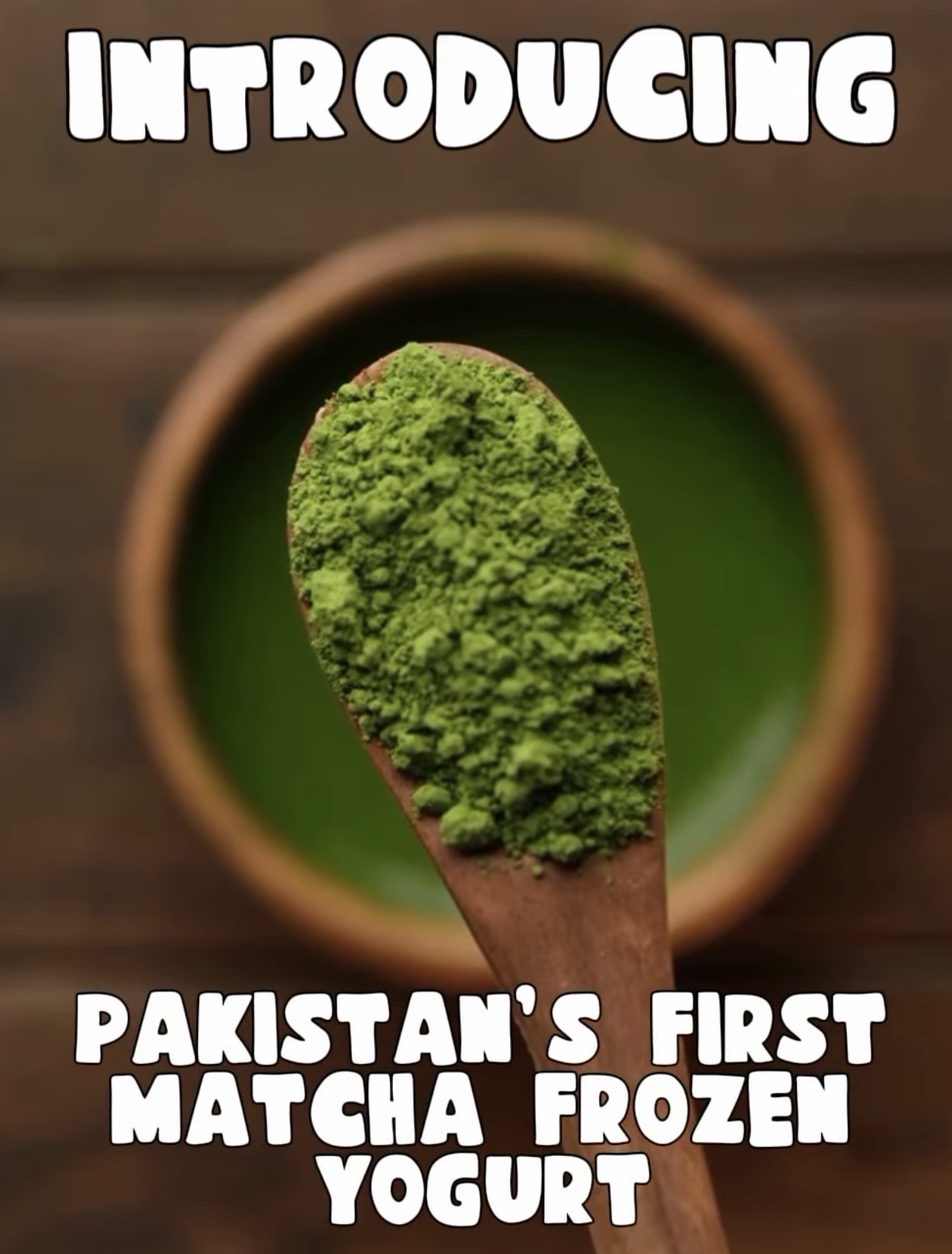
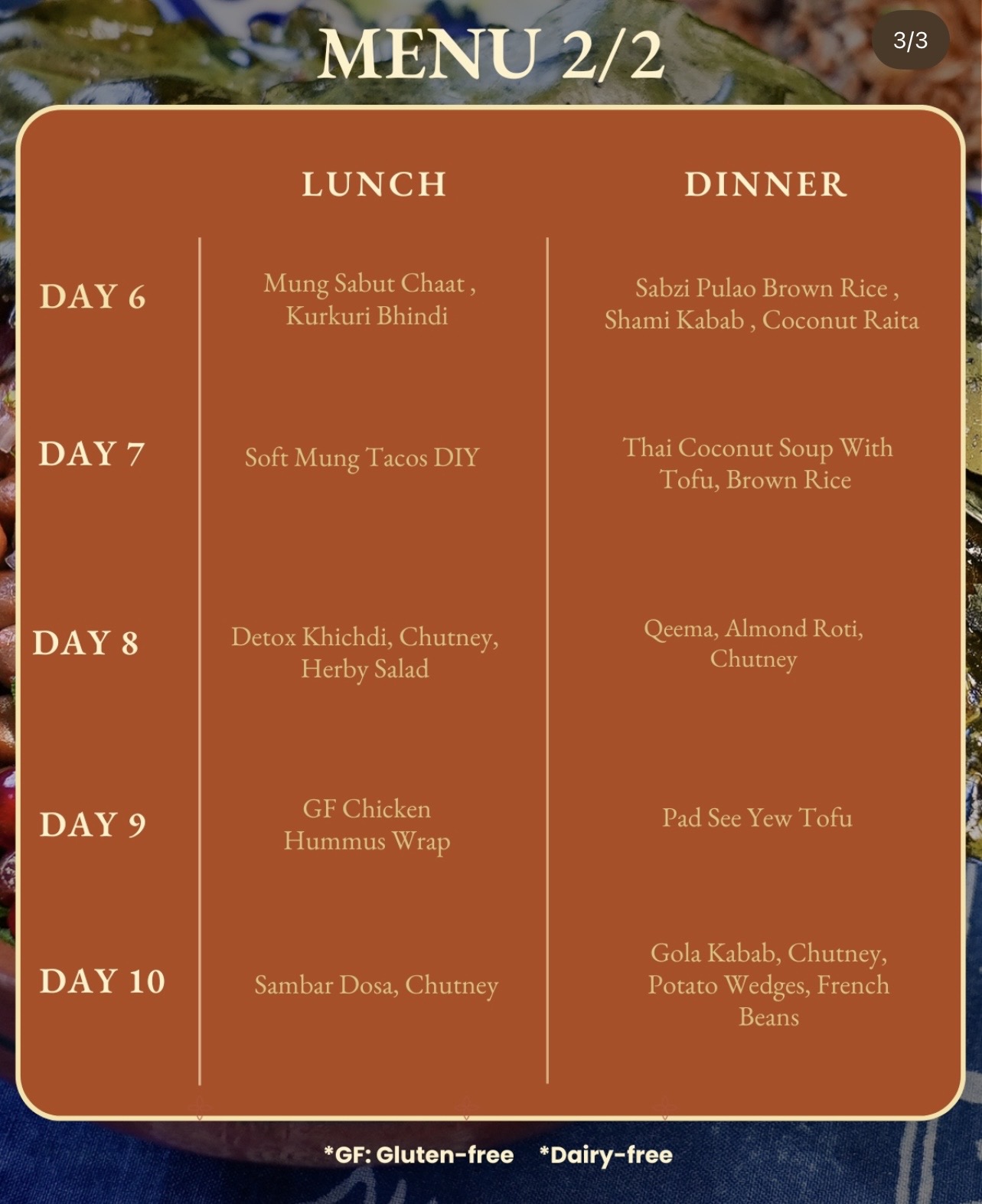
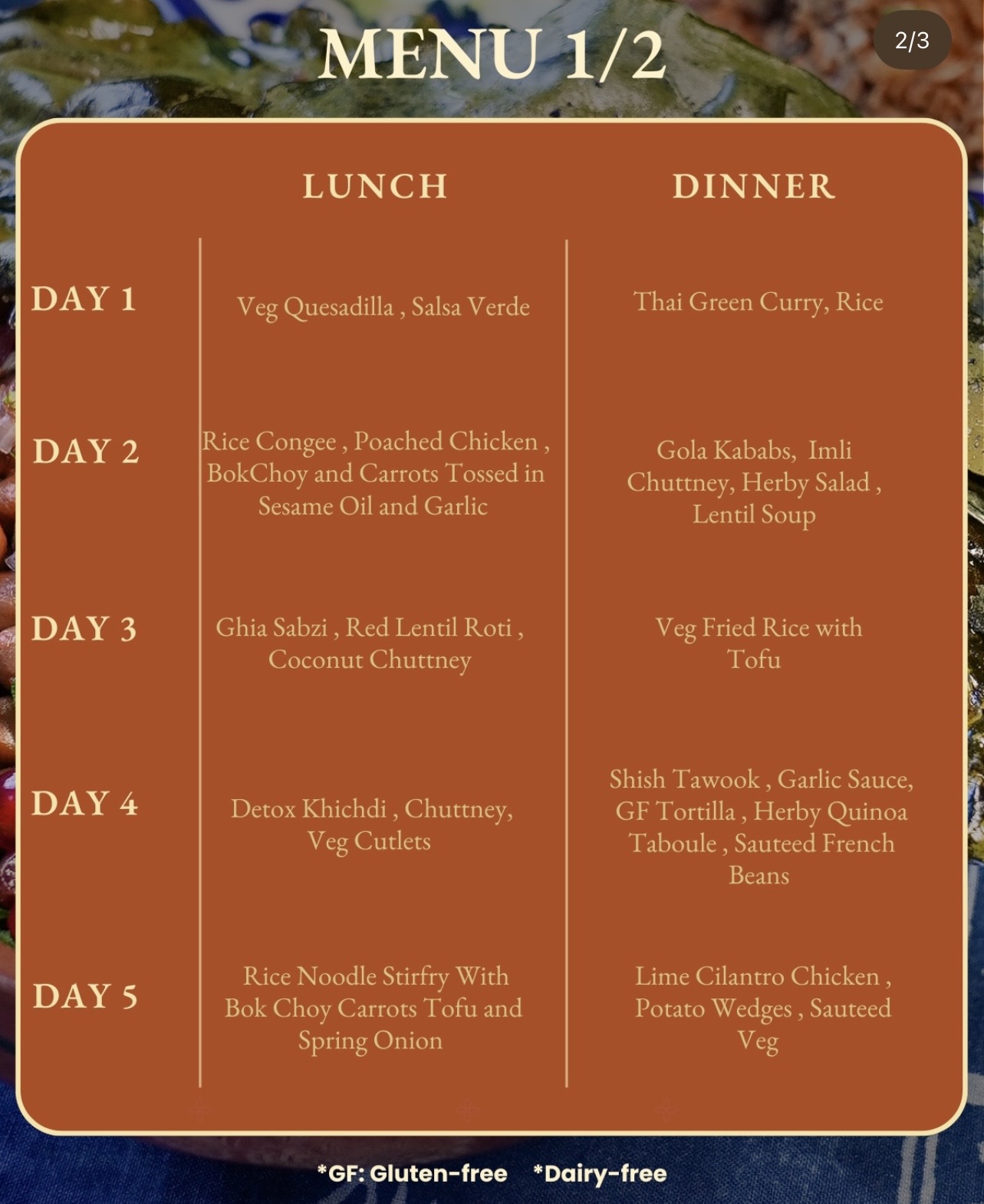
Arth Ayurveda Healing, One Plate at a Time
Arth Ayurveda’s 10-Day Anti-Inflammatory Ayurvedic Meal Plan brings together wholesome, nourishing meals designed to support gut health, ease inflammation, and encourage mindful eating. A thoughtful reset for anyone looking to nourish their body from within.

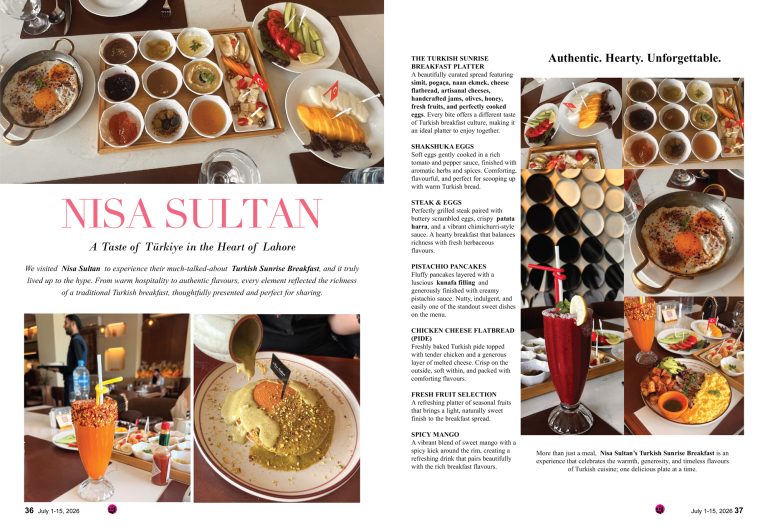
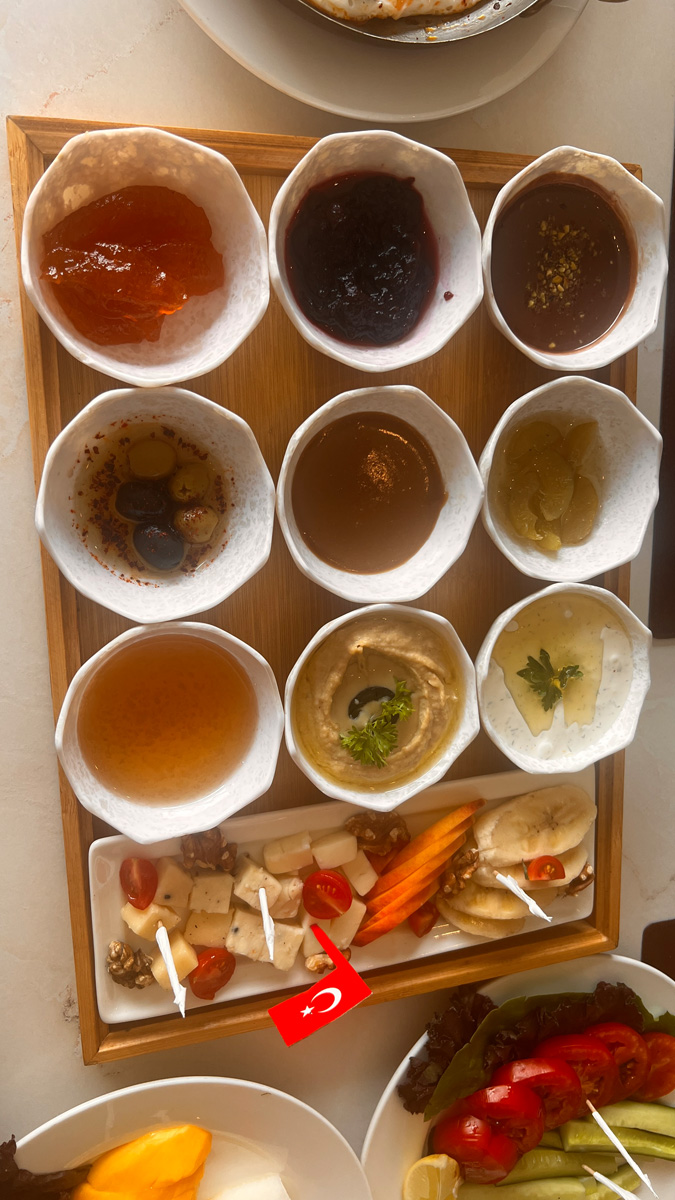
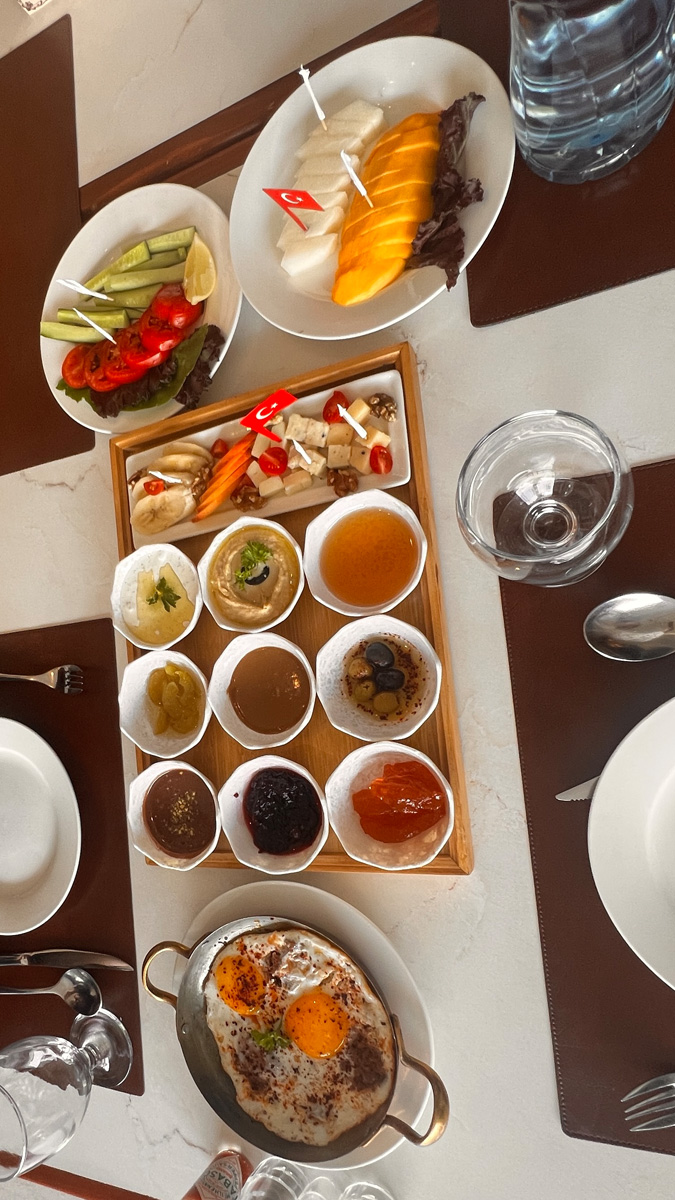
We visited Nisa Sultan to experience their much-talked-about Turkish Sunrise Breakfast, and it truly lived up to the hype. From warm hospitality to authentic flavours, every element reflected the richness of a traditional Turkish breakfast, thoughtfully presented and perfect for sharing.
The Turkish Sunrise Breakfast Platter
A beautifully curated spread featuring simit, pogaça, naan ekmek, cheese flatbread, artisanal cheeses, handcrafted jams, olives, honey, fresh fruits, and perfectly cooked eggs. Every bite offers a different taste of Turkish breakfast culture, making it an ideal platter to enjoy together.
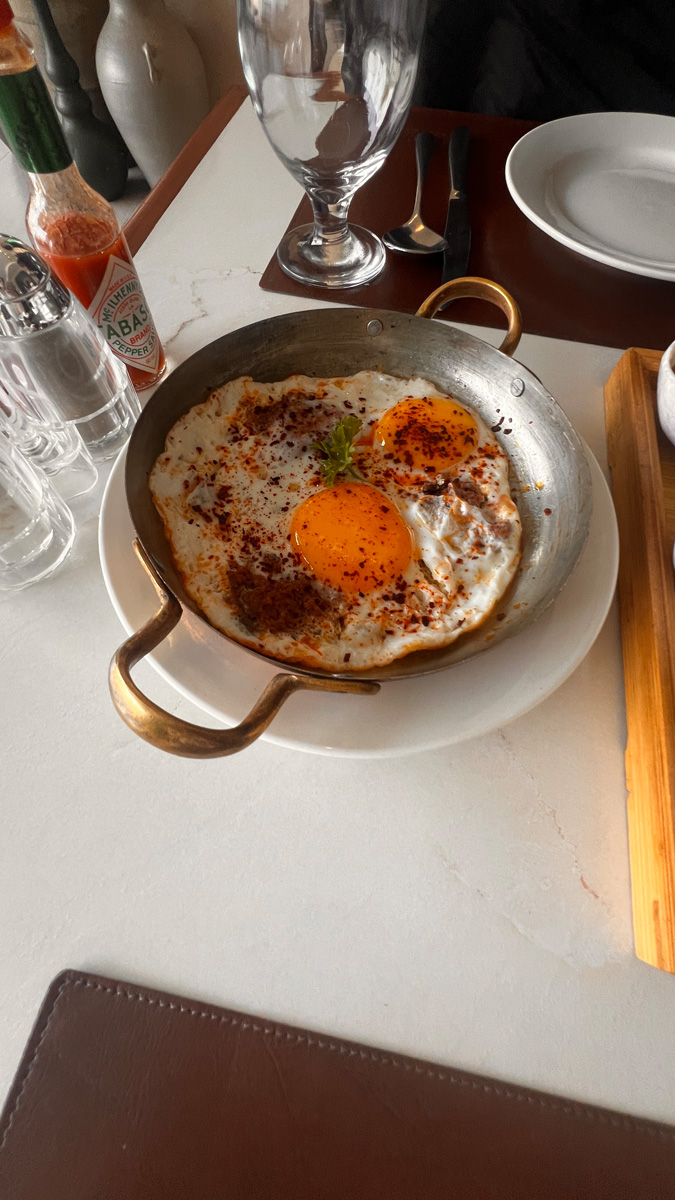
Shakshuka Eggs
Soft eggs gently cooked in a rich tomato and pepper sauce, finished with aromatic herbs and spices. Comforting, flavourful, and perfect for scooping up with warm Turkish bread.
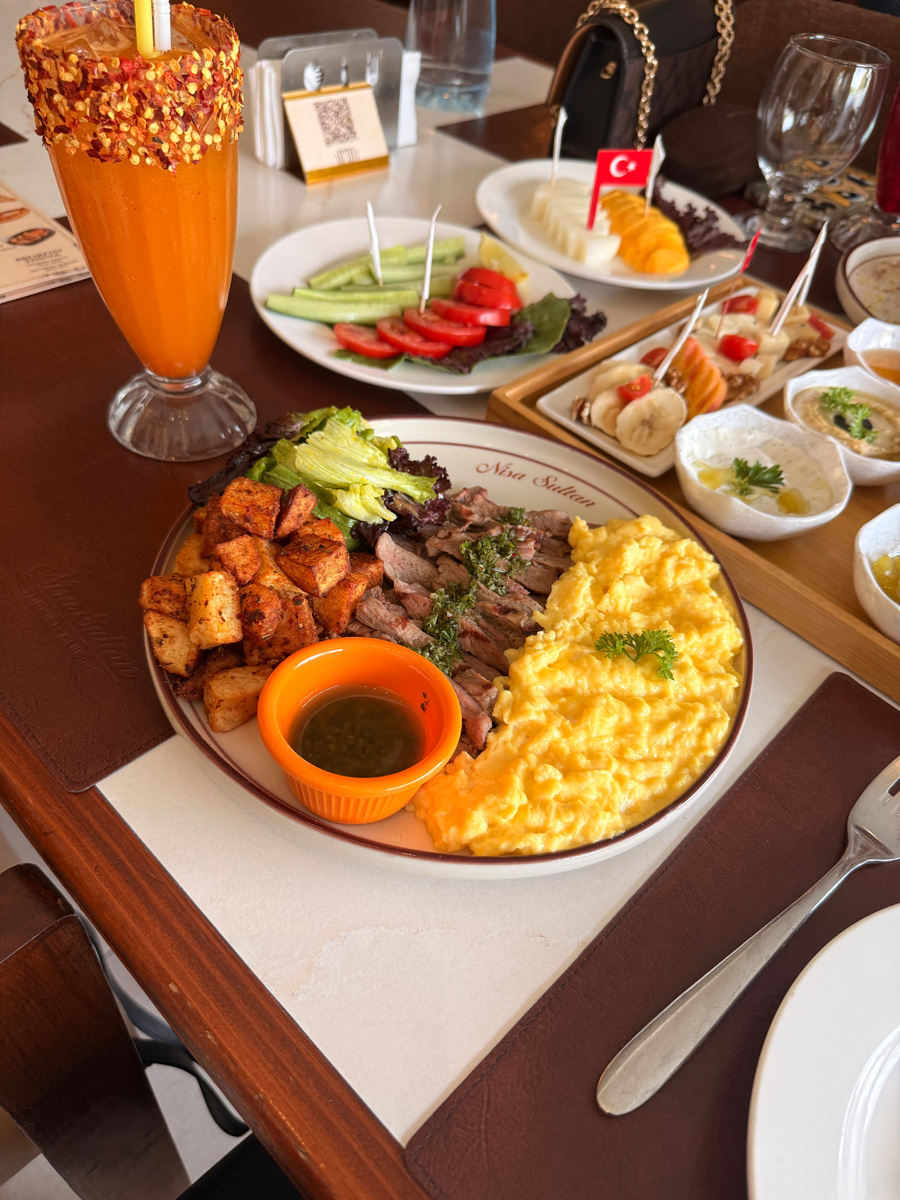
Steak & Eggs
Perfectly grilled steak paired with buttery scrambled eggs, crispy patata harra, and a vibrant chimichurri-style sauce. A hearty breakfast that balances richness with fresh herbaceous flavours.
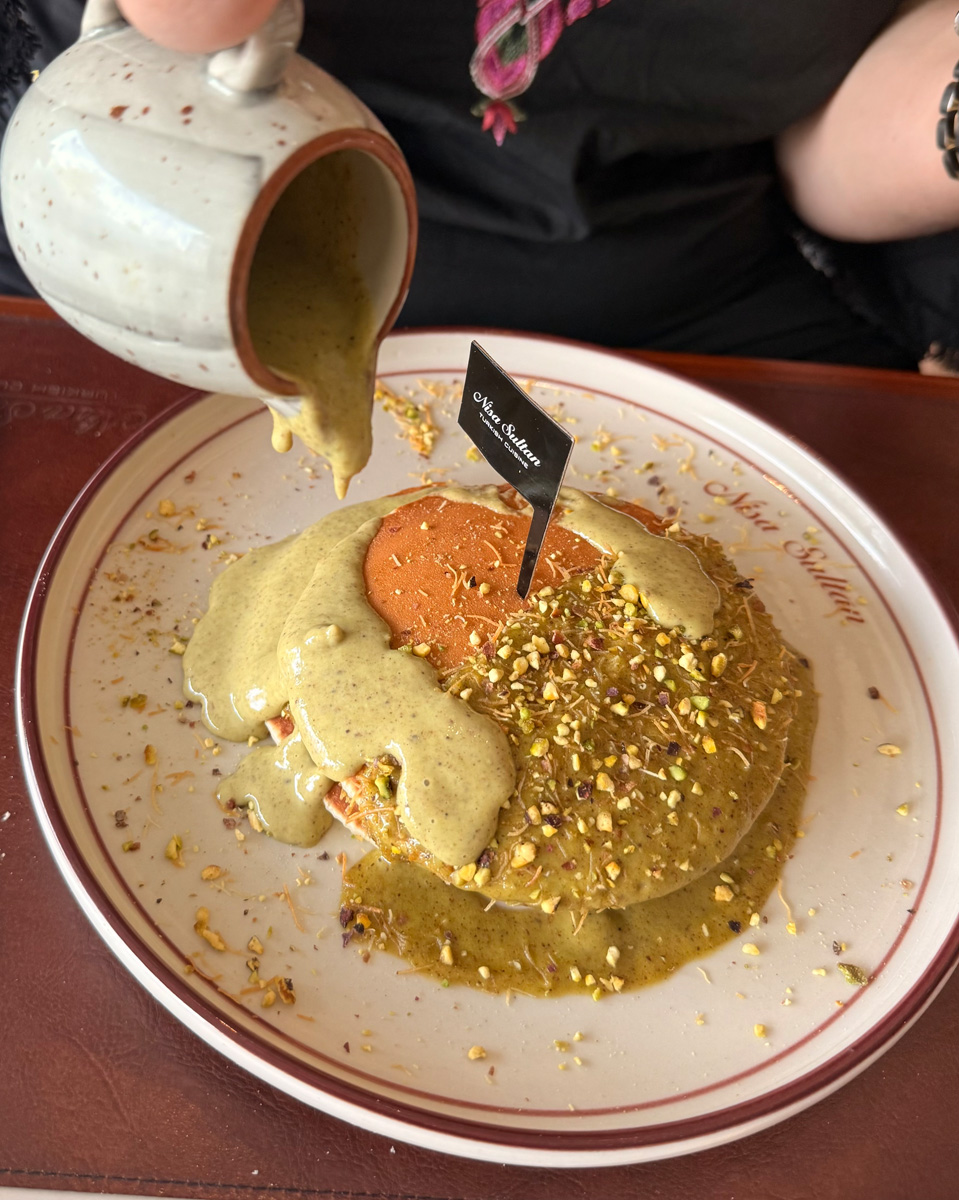
Pistachio Pancakes
Fluffy pancakes layered with a luscious kunafa filling and generously finished with creamy pistachio sauce. Nutty, indulgent, and easily one of the standout sweet dishes on the menu.
Chicken Cheese Flatbread (Pide)
Freshly baked Turkish pide topped with tender chicken and a generous layer of melted cheese. Crisp on the outside, soft within, and packed with comforting flavours.
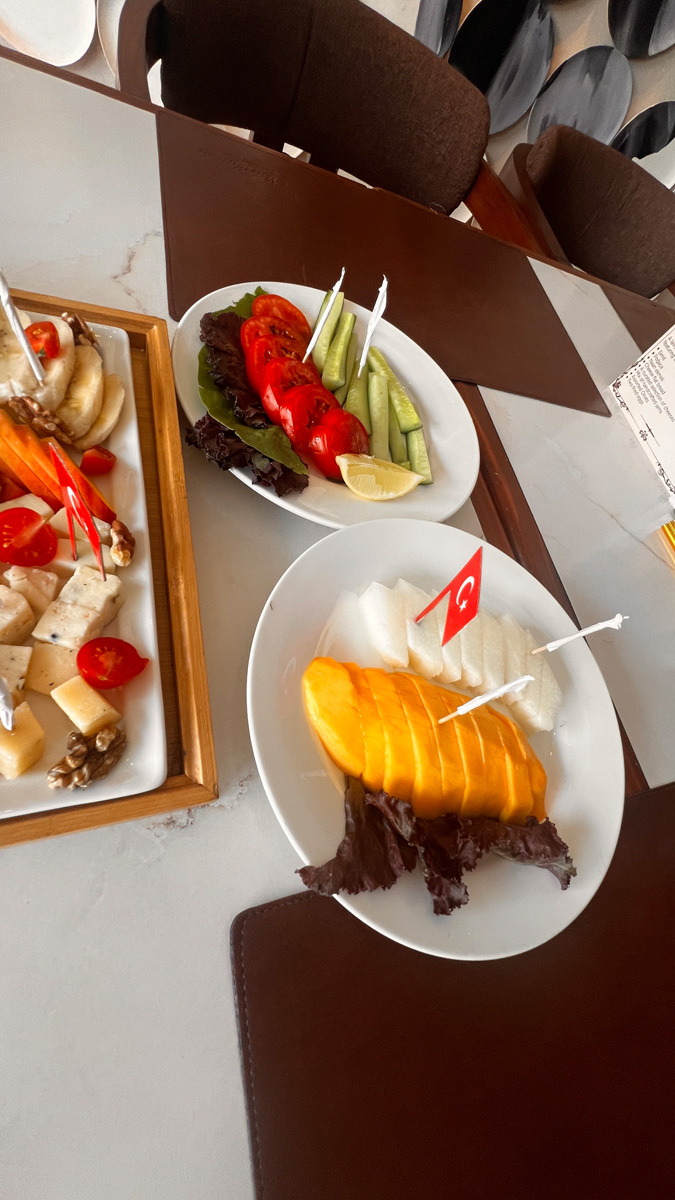
Fresh Fruit Selection
A refreshing platter of seasonal fruits that brings a light, naturally sweet finish to the breakfast spread.
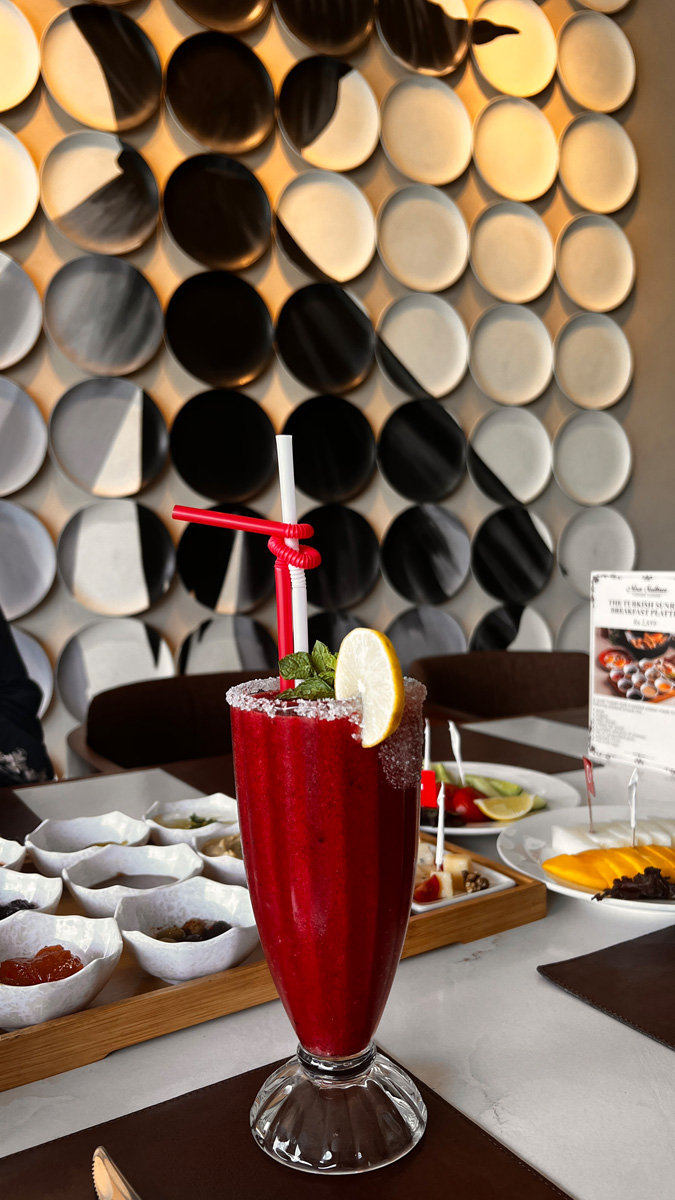
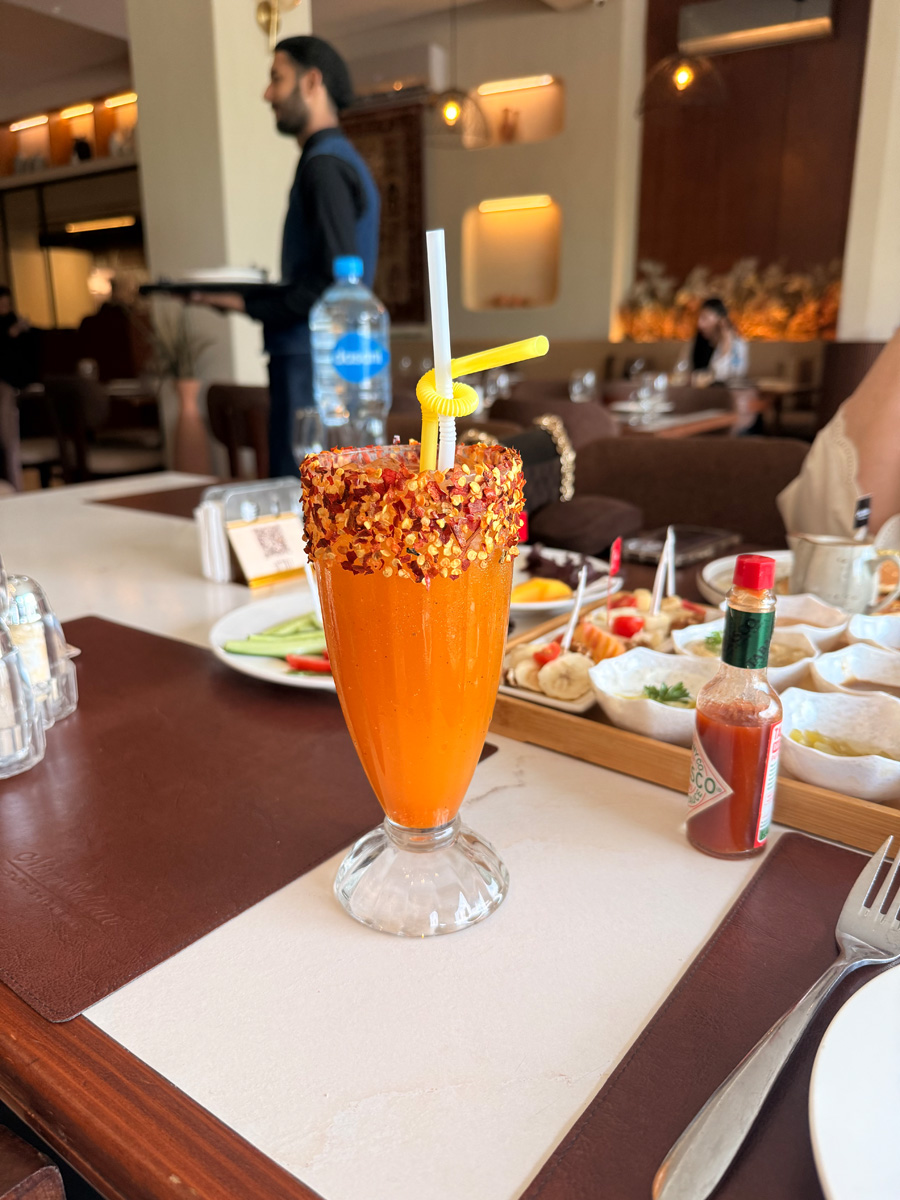
Spicy Mango
A vibrant blend of sweet mango with a spicy kick around the rim, creating a refreshing drink that pairs beautifully with the rich breakfast flavours.
 More than just a meal, Nisa Sultan’s Turkish Sunrise Breakfast is an experience that celebrates the warmth, generosity, and timeless flavours of Turkish cuisine; one delicious plate at a time.
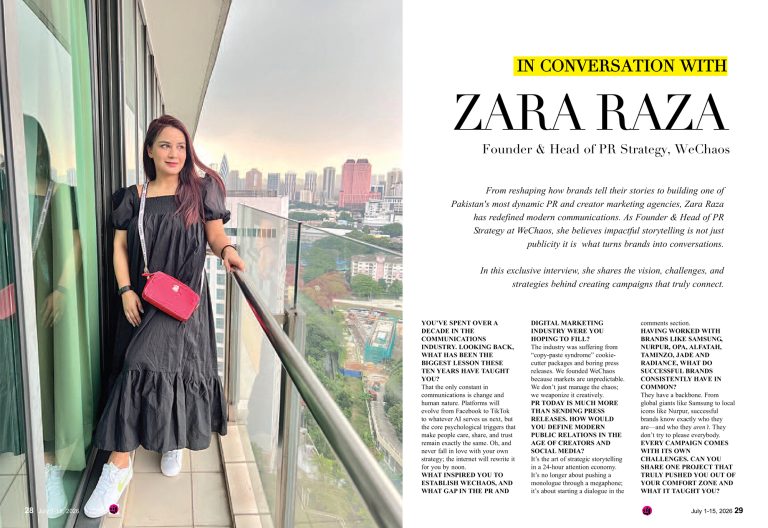
From reshaping how brands tell their stories to building one of Pakistan’s most dynamic PR and creator marketing agencies, Zara Raza has redefined modern communications. As Founder & Head of PR Strategy at WeChaos, she believes impactful storytelling is not just publicity it is what turns brands into conversations.
In this exclusive interview, she shares the vision, challenges, and strategies behind creating campaigns that truly connect.
You’ve spent over a decade in the communications industry. Looking back, what has been the biggest lesson these ten years have taught you?
That the only constant in communications is change and human nature. Platforms will evolve from Facebook to TikTok to whatever AI serves us next, but the core psychological triggers that make people care, share, and trust remain exactly the same. Oh, and never fall in love with your own strategy; the internet will rewrite it for you by noon.
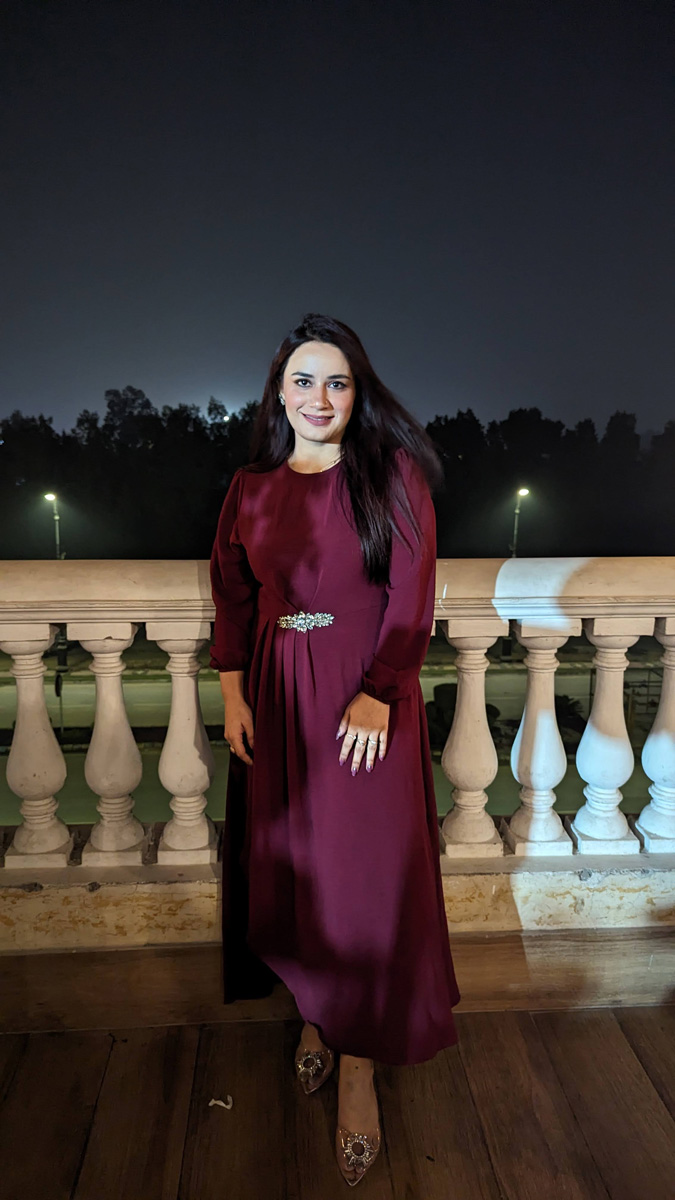
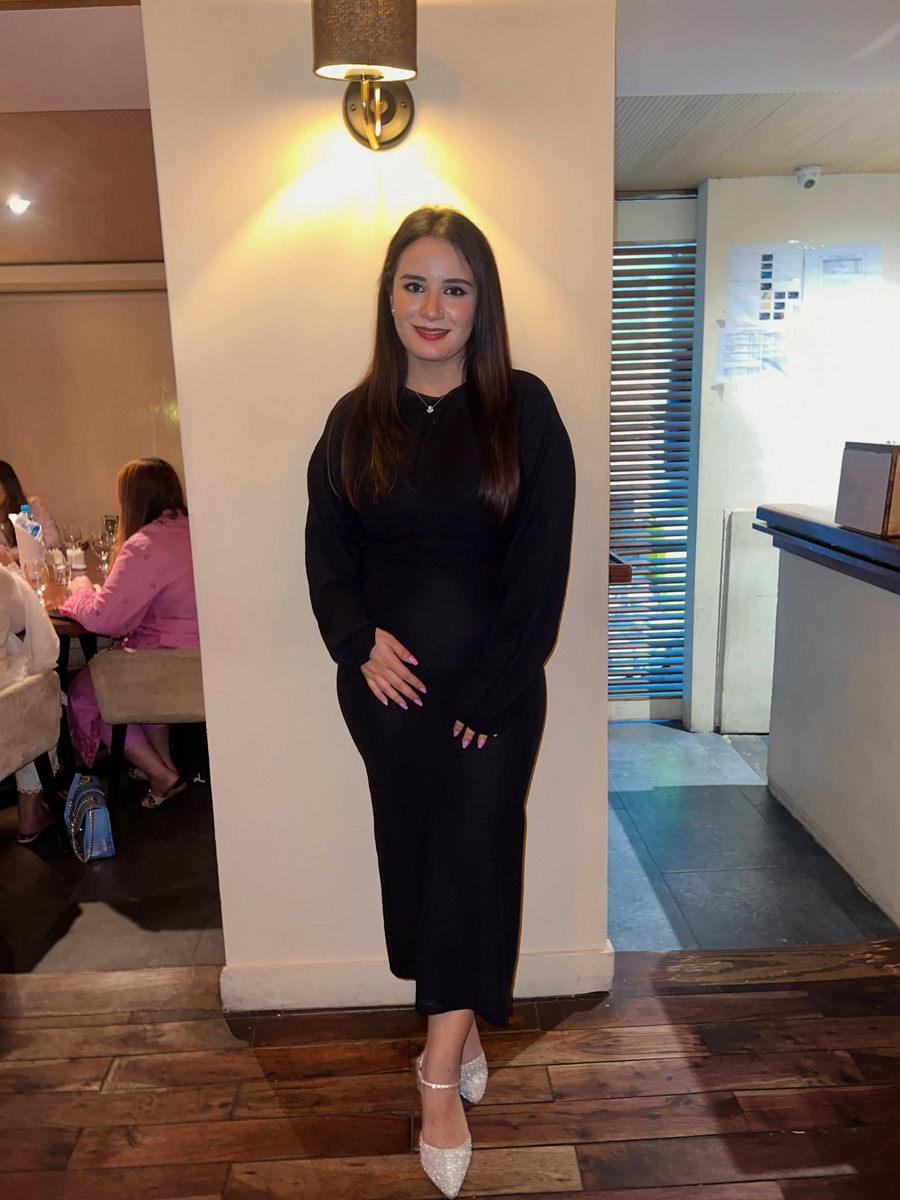
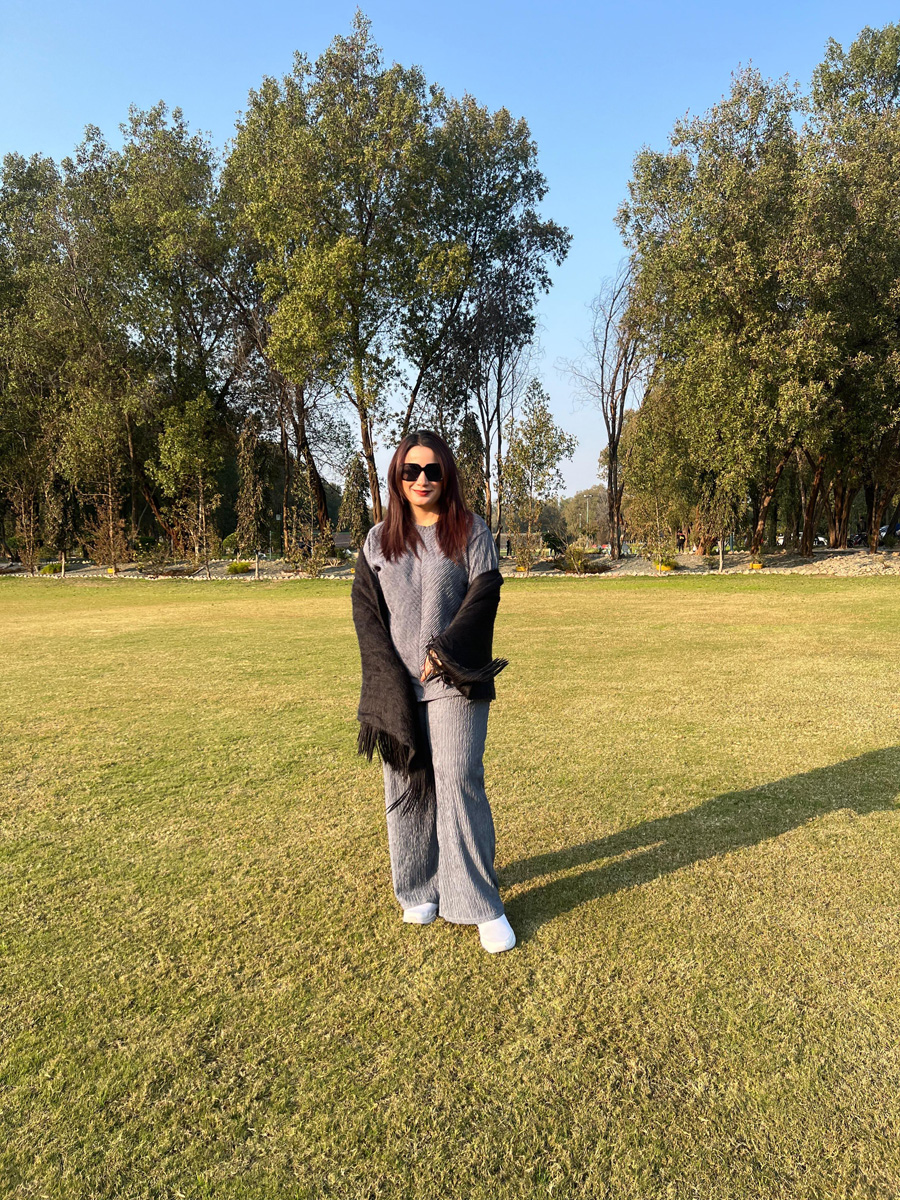
What inspired you to establish WeChaos, and what gap in the PR and digital marketing industry were you hoping to fill?
The industry was suffering from “copy-paste syndrome” cookie-cutter packages and boring press releases. We founded WeChaos because markets are unpredictable. We don’t just manage the chaos; we weaponize it creatively.
PR today is much more than sending press releases. How would you define modern public relations in the age of creators and social media?
It’s the art of strategic storytelling in a 24-hour attention economy. It’s no longer about pushing a monologue through a megaphone; it’s about starting a dialogue in the comments section.
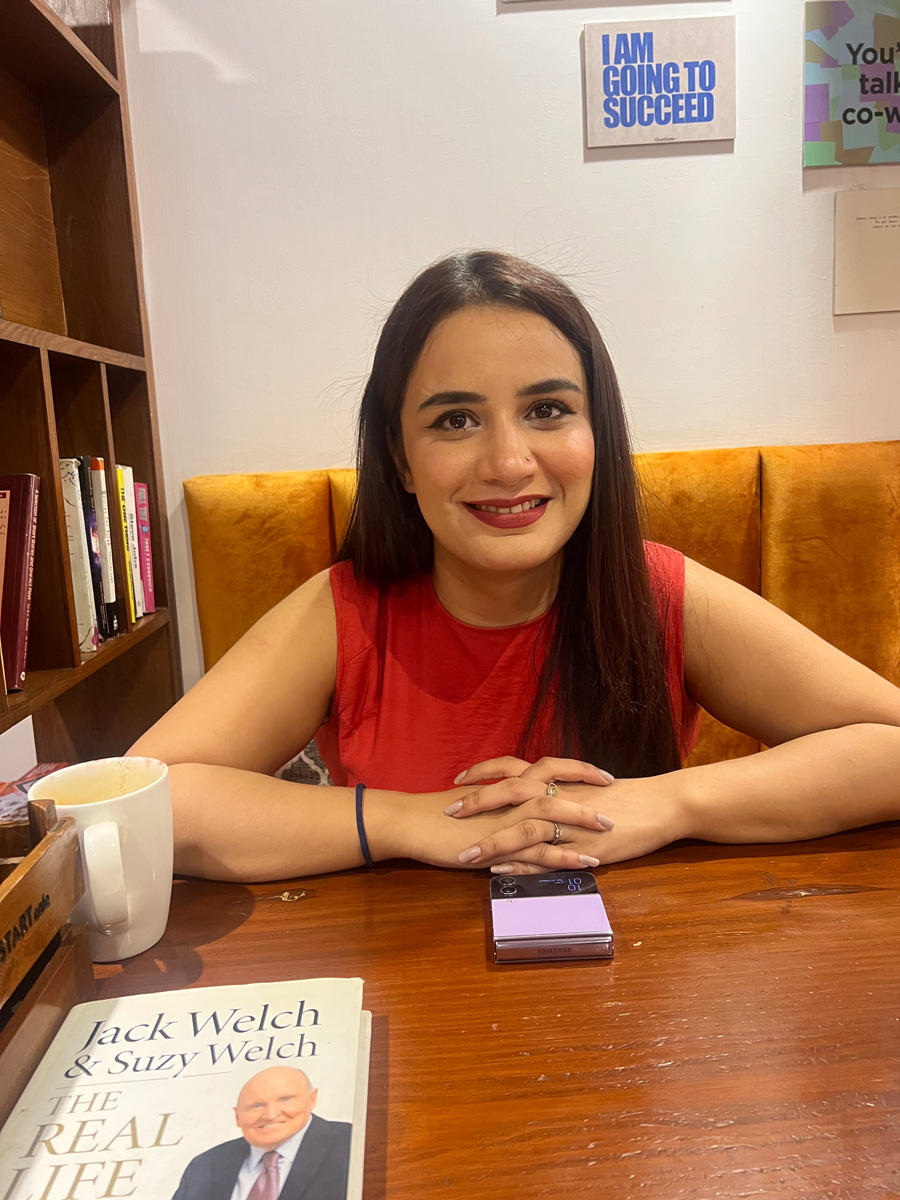
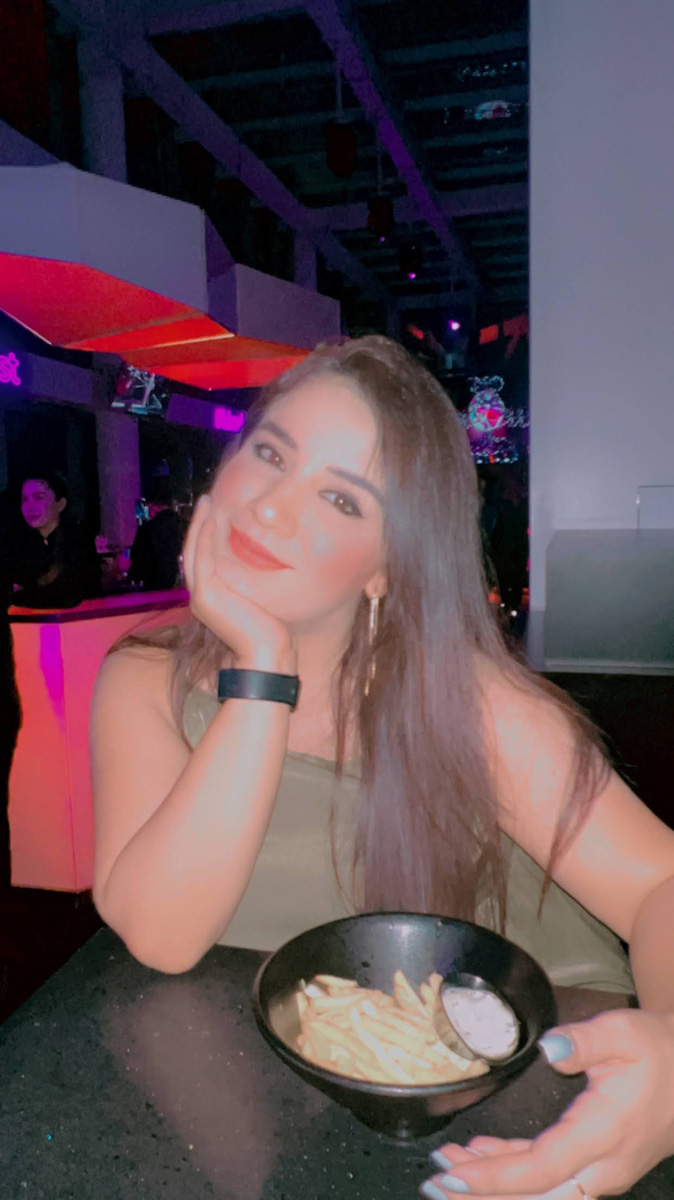
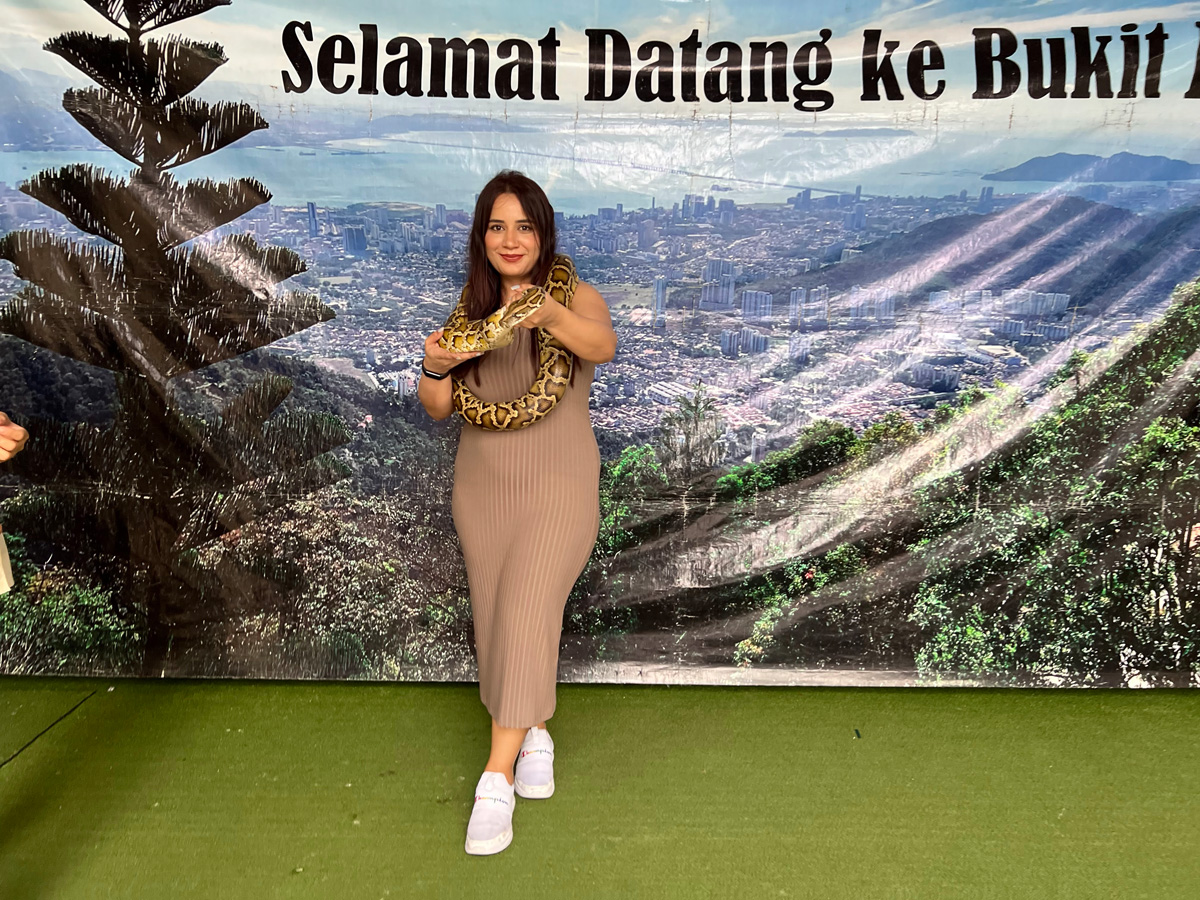
Having worked with brands like Samsung, Nurpur, OPA, Alfatah, Taminzo, Jade and Radiance, what do successful brands consistently have in common?
They have a backbone. From global giants like Samsung to local icons like Nurpur, successful brands know exactly who they are—and who they aren’t. They don’t try to please everybody.
Every campaign comes with its own challenges. Can you share one project that truly pushed you out of your comfort zone and what it taught you?
Managing a massive, unexpected digital backlash for a major client over a holiday weekend. We had to pivot our entire strategy in under two hours. It taught me that true PR leadership is about being the calmest person in the storm.
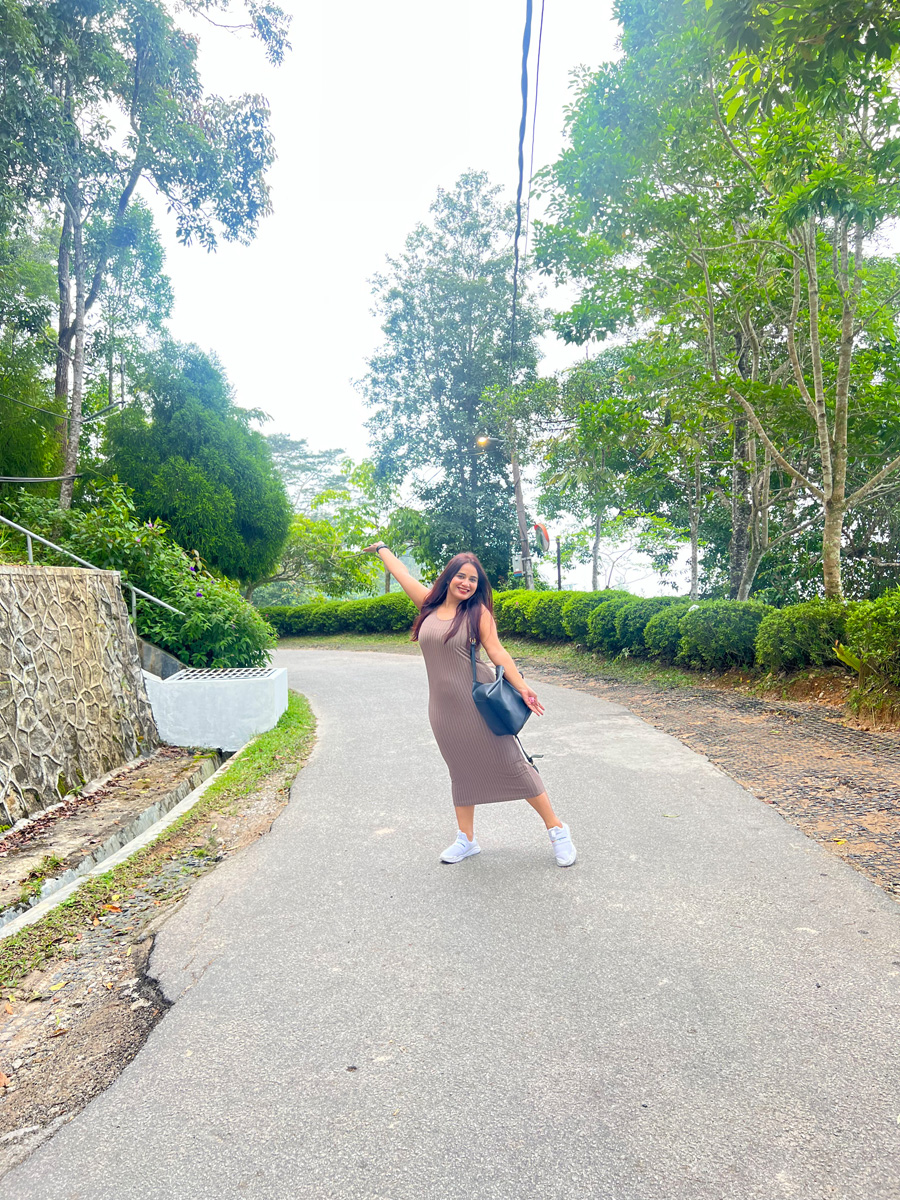
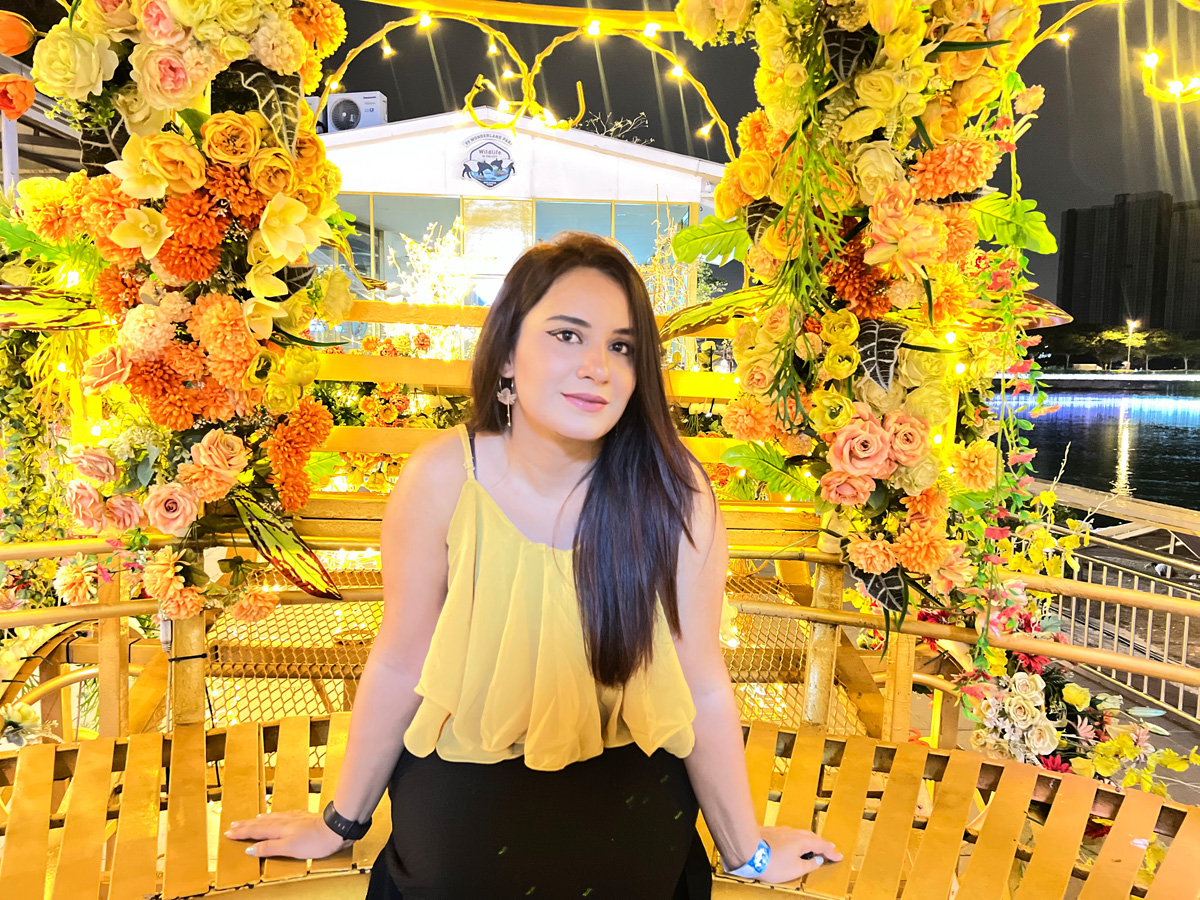
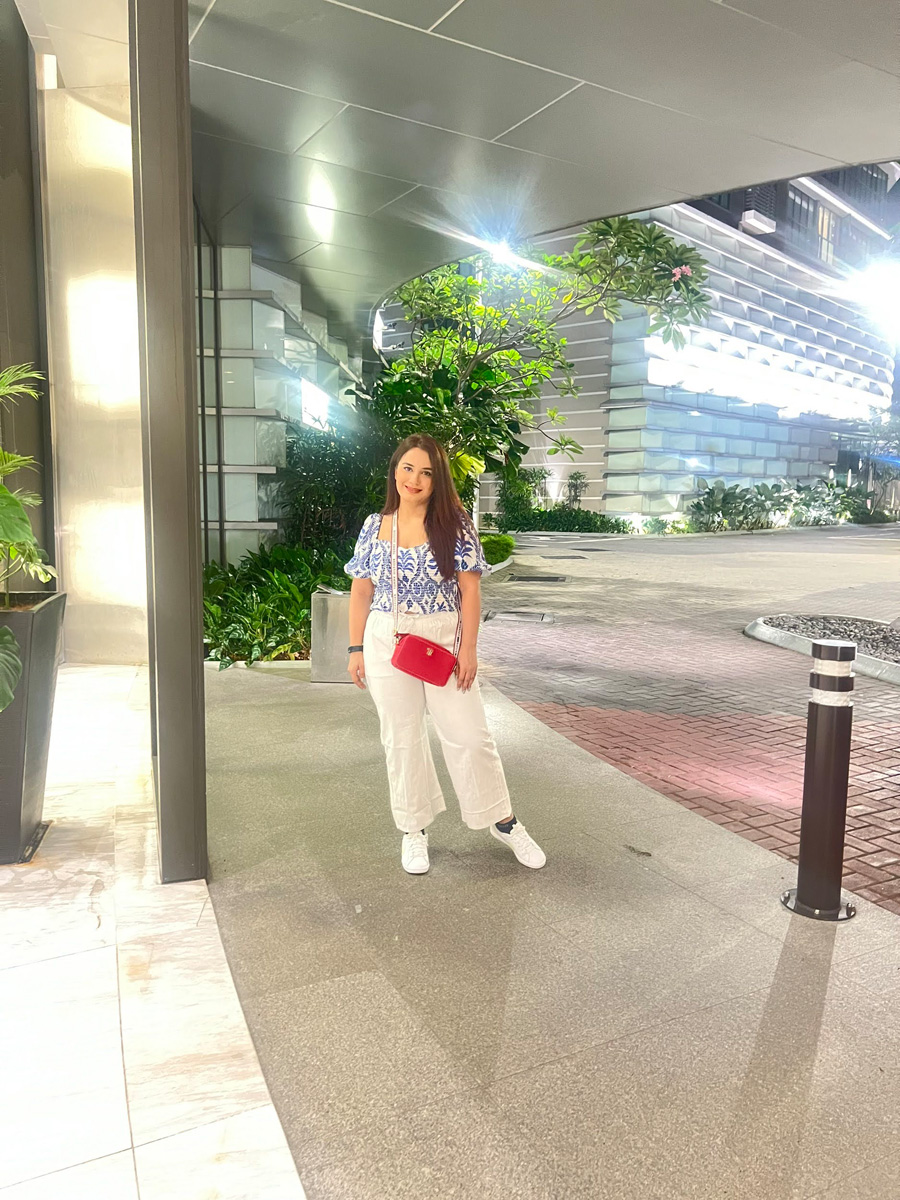
Many businesses confuse marketing with PR. How do you explain the difference, and why should brands invest in both?
Marketing is you telling someone at a party, “I’m rich and good-looking—buy me a drink.” PR is when three other people whisper to them, “Hey, that person over there is brilliant.” Marketing drives the transaction; PR builds the relationship.
How do you decide whether a creator or influencer is the right fit for a campaign beyond just follower count?
Follower count is just vanity math. I look for cultural alignment and engagement quality. Give me a micro-influencer with 20k fiercely loyal fans over a mega-celebrity whose followers just drop generic emojis.
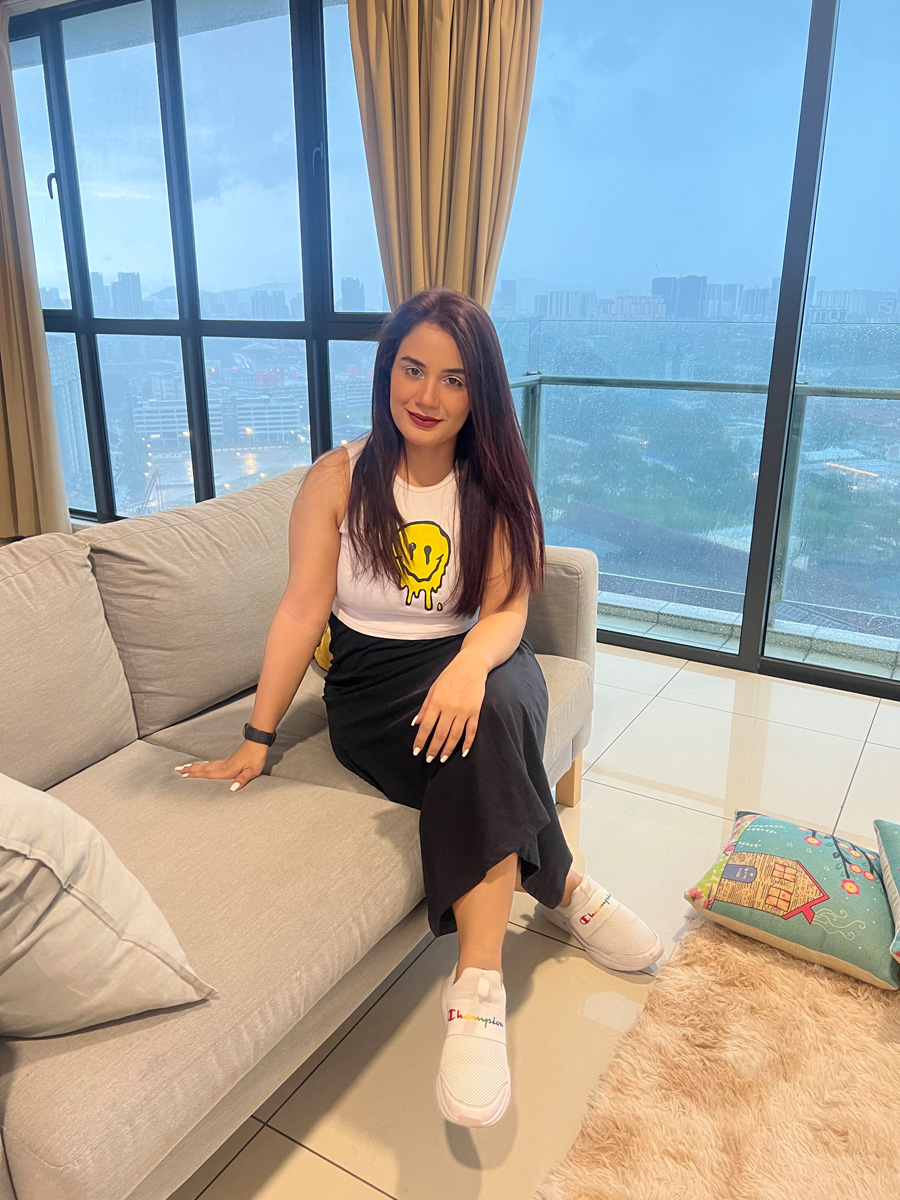
In today’s digital-first world, what are the biggest mistakes brands make on social media?
Blindly hopping on every viral TikTok trend when it doesn’t fit their identity (pure cringe), and treating social media like a one-way billboard instead of a two-way conversation.
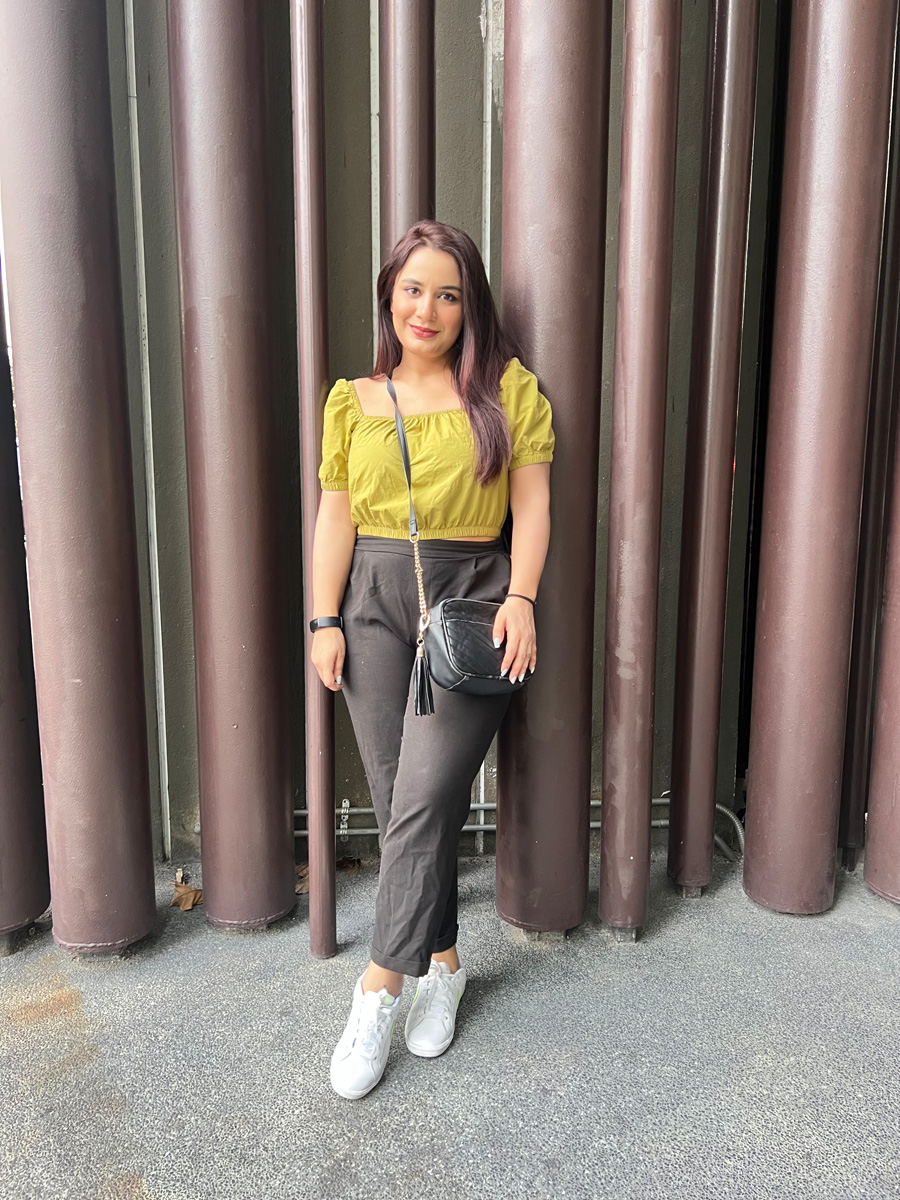
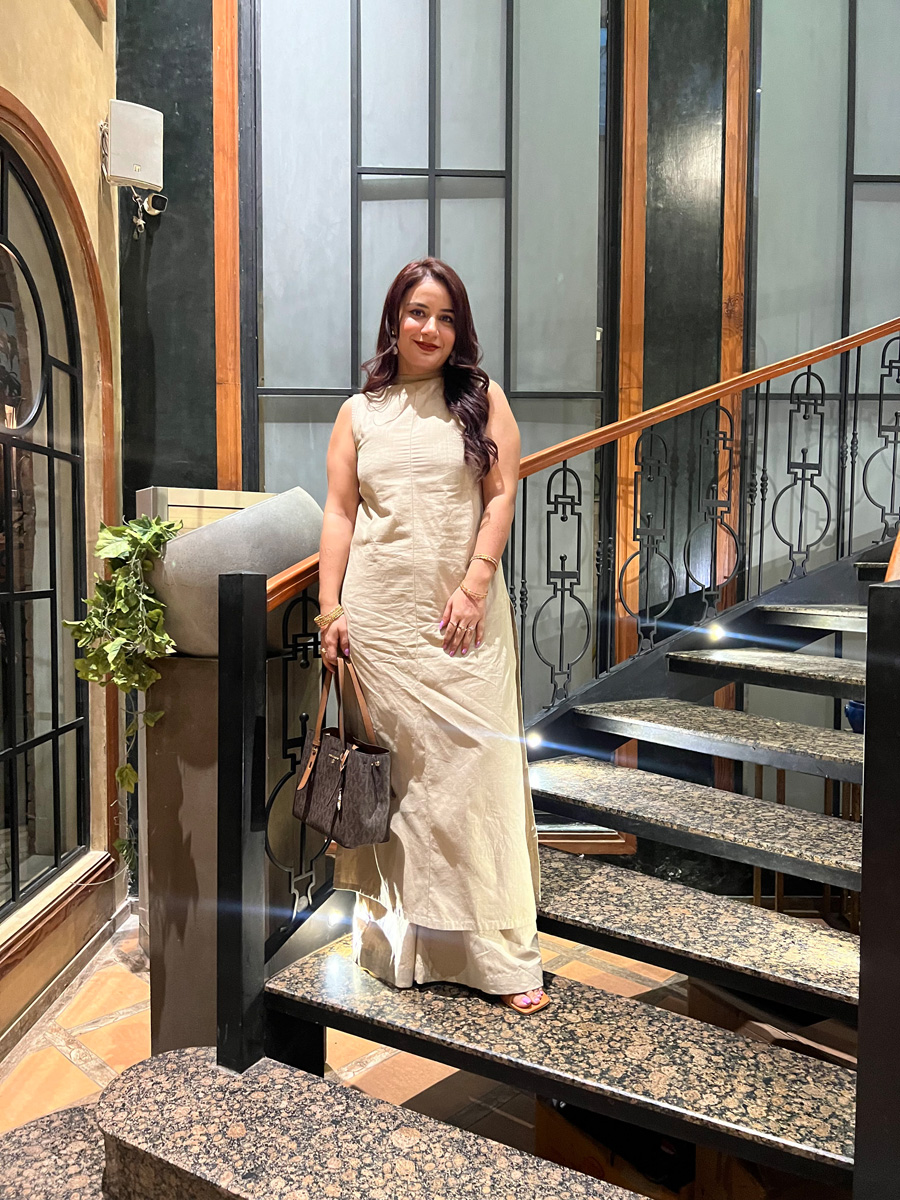
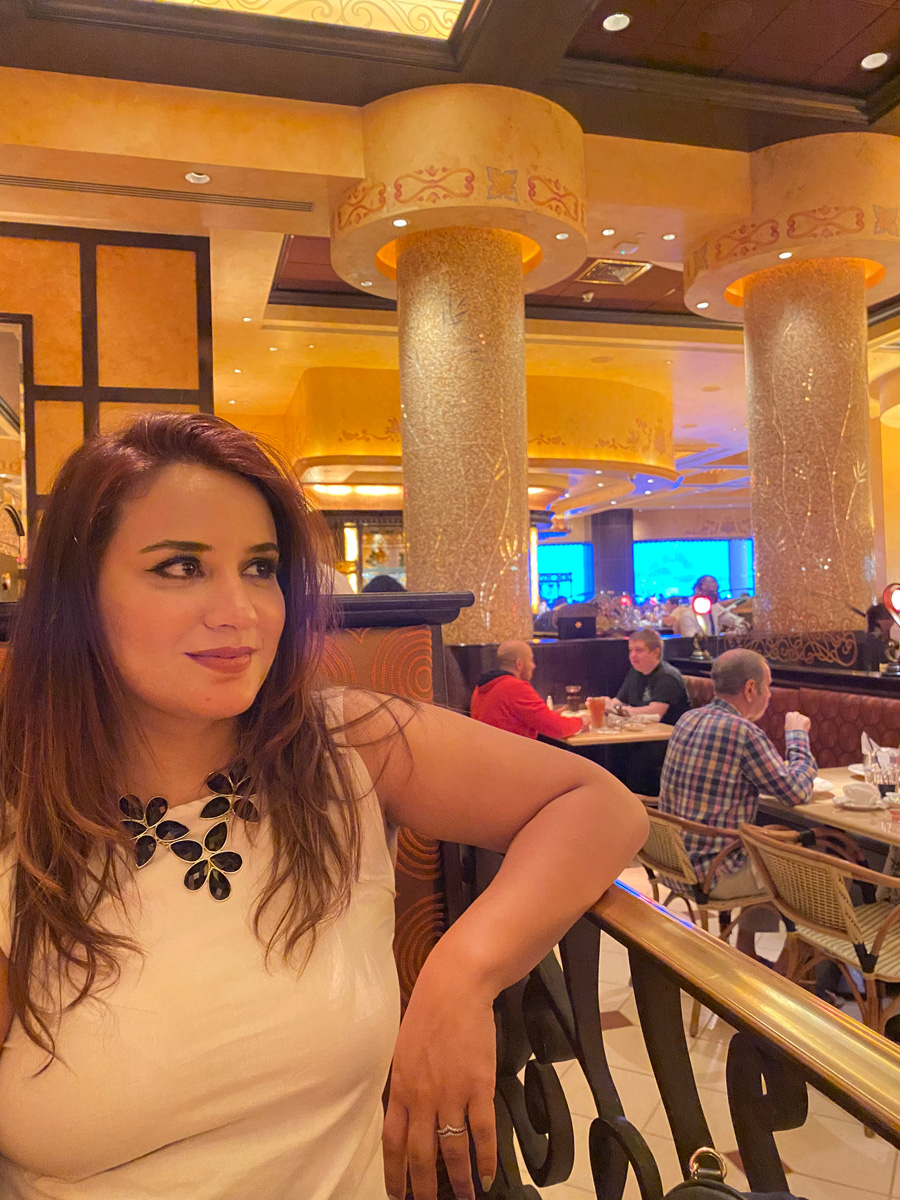
As a woman leading a communications agency, what challenges have you faced, and how have they shaped your leadership style?
Early on, it was earning a seat at tables dominated by old-school mindsets. It shaped my leadership style into one that values empathy and radical candor. I don’t hire “yes-men”—I hire disruptors.
AI, content creators and changing algorithms are transforming the industry. Where do you see PR heading over the next five years?
AI will automate the mundane data work, freeing us up to do what AI can’t: human-centric emotional strategy. The lines between PR, entertainment, and tech will completely blur.
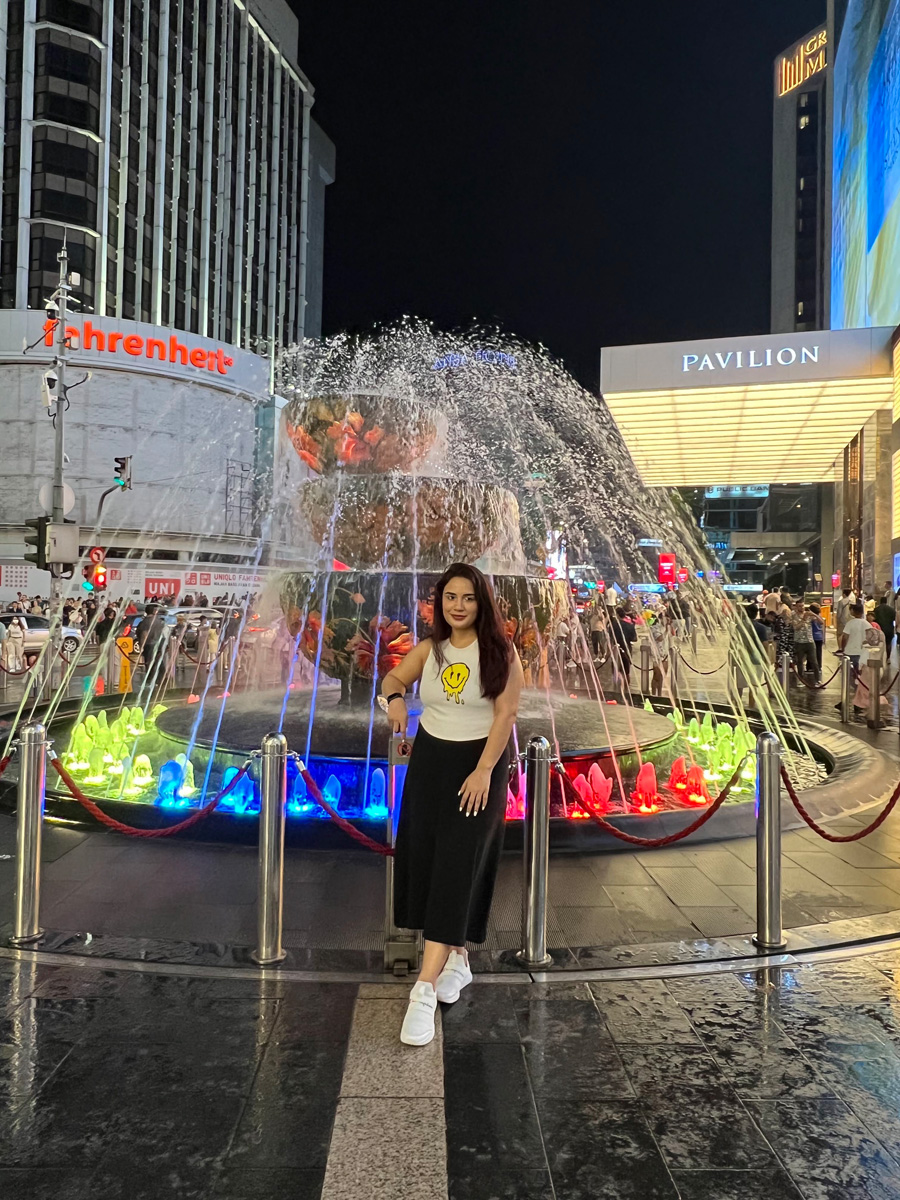
What advice would you give to young professionals hoping to build a successful career in PR and brand communications?
Develop thick skin and a relentless curiosity. Read everything from global politics to local memes. You cannot cultivate public relations if you don’t actually understand the public.
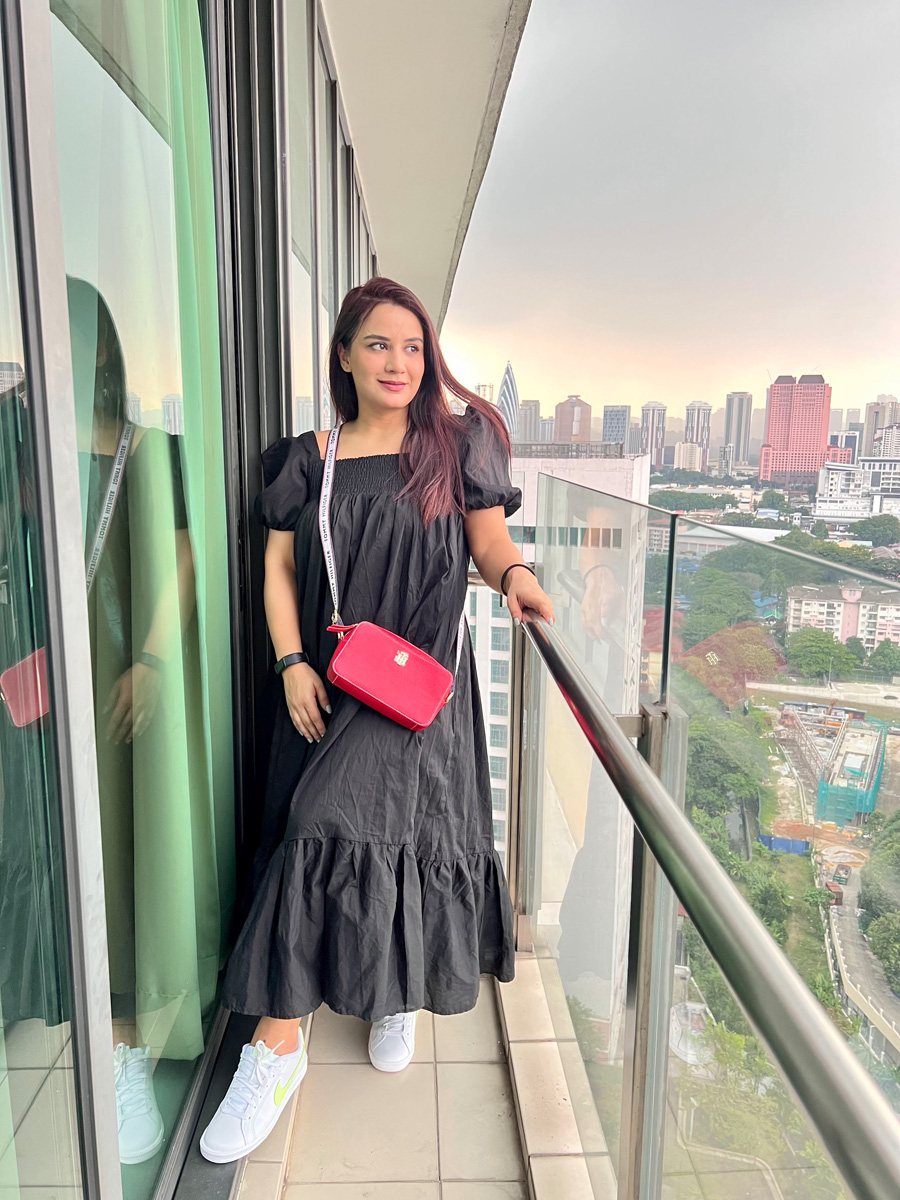
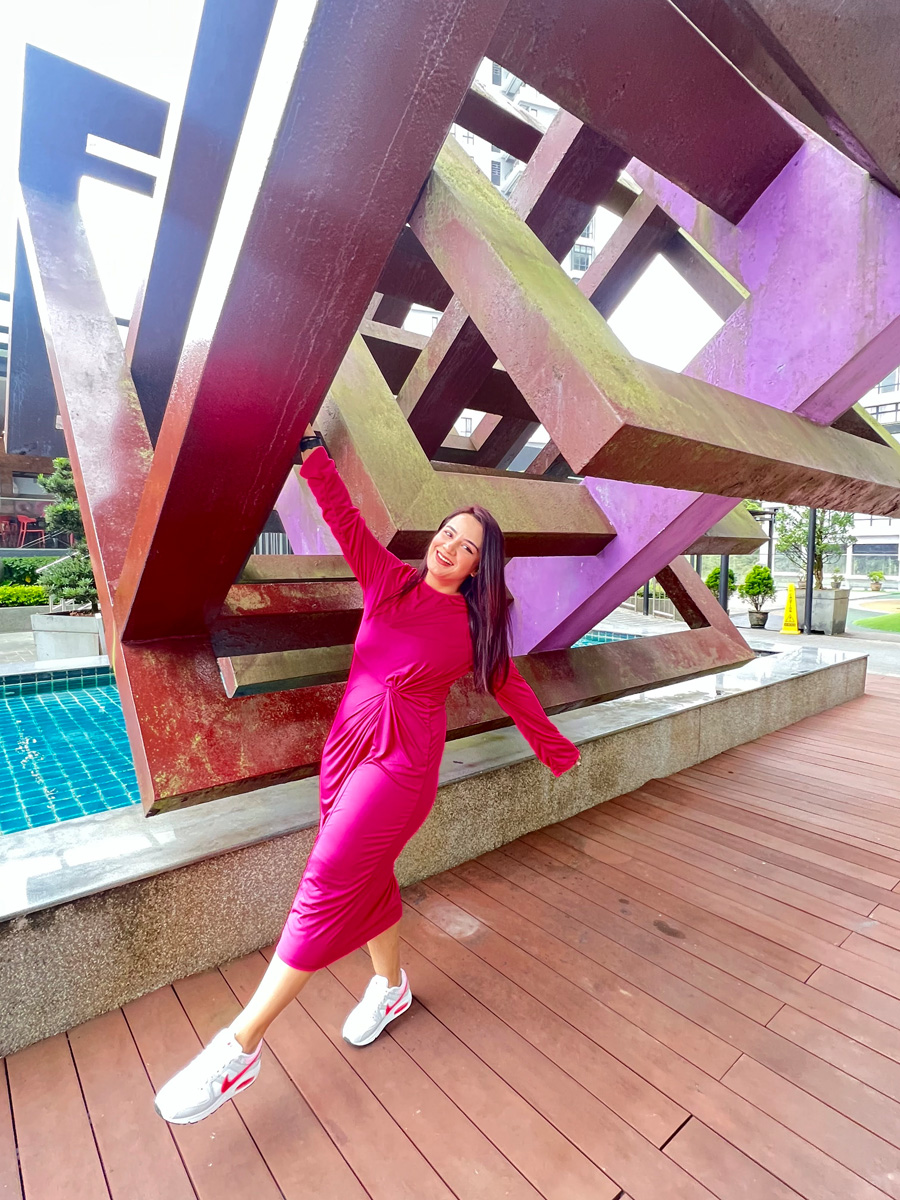
What’s next for WeChaos, and what exciting projects or goals can we expect in the near future?
We are expanding our experiential PR wings to create immersive, cross-border campaigns. We have a few disruptive launches lined up that will challenge how brands interact with consumers. We’re about to cause a lot more beautiful chaos.