


 In yet another Washington-based political thriller (it’s a shame no other countries can offer interesting politics), a ‘fixer’/PR specialist, Olivia Pope (Kerry Washington), gets drawn into the nefarious affairs of corrupt and often stupid politicians. She happens to run one of the best crisis management firms in DC — which can rather conveniently achieve anything (in the space of an episode, might I add), from circumventing CIA security to waltzing into the Oval office on whim. The twist: she’s sleeping with the President. Sometimes. The palpable chemistry between Pope and the President percolates through the screen and might be one of the show’s better merits. Line deliveries are not the show’s strong suit, predictably overacted and, well, predictably predictable. Washington says most of her lines with a disdainful upper lip curl, followed by an incredulous chuckle and a poker face. Her trusty, emotionally damaged former-CIA sidekick at the firm conveys everything from a look to a line with a shaky face and intense, unblinking eyes peeking out from a head lowered out of suspicion and a smattering of PTSD. The plots are often wildly unbelievable, a sensationalized version of Capitol Hill’s goings-on, but — similar to our friend’s at Homeland — the show can’t help but suck you in and make you crave more. Much like a cheap drug, it’s great at the time but you only realize how bad it is once it’s out of your system.
Rating: 6/10
******

 Oh, Girls. What can I say? This show brands itself as the portrayal of what it’s like to be a young, struggling artist in the grimy world of hipster Brooklyn. One problem: everybody’s white. Okay, there are lots of problems; but that’s the main one. It’s painfully homogenous, full of middle/upper-middle class caucasians, excluding the experience of anyone who’s a) a different skin color and/or b) from a different socioeconomic stratum. Lena Dunham, creator/writer/ star/producer/on-set chaiwallah and anything else you can think of, never loses an opportunity to strip down and use unsavory ‘intimate’ scenes to help the show’s shock-factor (one of its selling-points). I’ve heard viewers and fans remark on how this aspect is a sign of liberation, a modern-day female emancipation born from the literal and figurative stripping down. However, I see it more as a symptom of self-loathing: Dunham draws flagrant attention to her more unattractive features, such that you’re too distracted by your own judgment (whether it be good or bad), to focus on her own. Some moments are good at capturing the fitful loneliness and desperation of the human experience. But it seems to me the griminess of the show is an attempt to make it a ‘realistic’ and ‘honest’ representation of being in your twenties in New York — unlike it’s predecessor, ‘Sex and the City,’ which is built off of an excessively glamorized version of living in NY. The grime, however, appears more as facade than substance. Watch it for laughs, though, and to get an idea of what it’s like to be creative, white, and middle-class in Brooklyn. Like any good fried food, take it with lots of grains of salt, privately enjoy it and then feel mildly guilty afterward.
Rating: 5/10
*****

 This show follows the evolution of a middle-aged woman, Alicia Florrick (Julianna Marguiles), after her politician husband falls from grace in a sex scandal and she is forced to return to the workforce after a roughly fifteen-year hiatus. Having trained as a lawyer, she manages to get herself a job at a top Chicago law firm, thanks to an ex-boyfriend from law school. The writers use the circumstances as tinder for tentatively rekindling a love affair between the two. Alicia is conflicted between attempting to salvage a marriage rife with betrayal and hurt, for the sake of keeping her family together, and a former lover with whom there seems to be unfinished business.
If these reviews didn’t reek of subjectivity already, you’re about to get a heavy dose of it now. I find it hard to be scathing of this show, given how wonderfully understated and superbly acted it is. Yes, it has many of the same problems the political thrillers do — things happen at warp speed. Lawsuits will start and end in a day. Court dates are set within hours, rather than weeks. And, naturally, they win the vast majority of their cases. Having said all that, it achieves the same thing Homeland does, occasionally leaving the viewers with a feeling of confusion and unease. The characters’ internal conflict is reflected in how the audience approaches each new scene, feeling equally uncertain — whether it be over the righteousness of a lawyer’s defense or the pursuit of a love interest. The writers adeptly blur lines of morality, sexuality, loyalty, the nature of relationships, among other things, throughout the series. You see Alicia transform from a dewy-eyed, shell-shocked mother and wife into a hardened, independent, ambitious lawyer. And the transformation is played beautifully.
One of the strongest characters is indubitably Kalinda Sharma (Archie Panjabi — you can’t make these names up), offering not only mystique and intrigue, but a bit of diversity, too, as an Indian; she is perhaps the most intractable character I’ve seen on television. All around, a superbly written show and a fascinating exploration of loyalty: both to oneself and to others.
Rating: 10/10
**********Â

 In this Washington-based political thriller (where else do politics happen?), a returned marine may have been broken by his Islamic terrorist captors during his eight-year internment. One CIA operative, Carrie (Claire Danes), develops an obsession with exposing the lauded war hero. To make things more interesting, she suffers from bipolar disorder – which always manifests itself in her quivering chin and furtive, widened eyes (complete with a maniacal glint) in practically every scene. These are coupled with her taking out a pill bottle every five minutes to consume what I can only hope are breath mints. I will credit the show with the compelling, addictive storyline and leaving the audience just as confused and conflicted as the protagonists. The absence of any clear answers leaves the audience perennially questioning the characters’ motives.
Rating: 8/10
********
Â
One of the strongest characters is Kalinda Sharma (Archie Panjabi — you can’t make these names up)

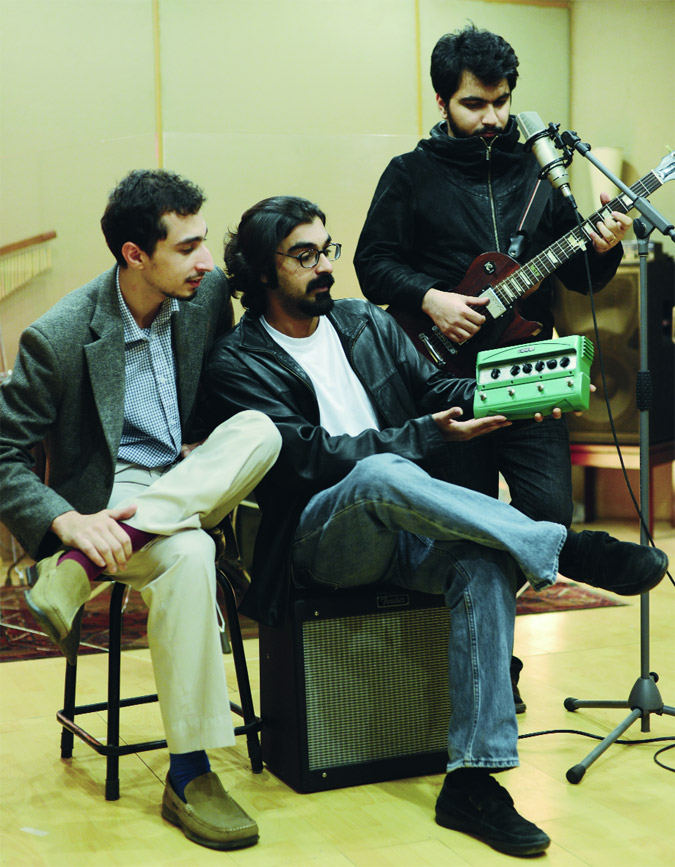
The soft and sad melodies of Poor Rich Boy make a gorgeous addition to the spectrum of contemporary music in Pakistan. Shy, nerdy, and bracingly honest, GT talked to the “poor rich boys” about their fears and inspirations
Saba Ahmed: How did you start out as a band?
Shehzad Noor: Zain and I used to be in a two-member acoustic band. Then we got two more members, made it a fully-fledged band, and began performing at The Guitar School. Hamza Jafri owns that school; he used to have Koven gigs there and we used to open for them. Then I became friends with Umer Khan, (whom we all call Duck), who had been doing songs online for a very long time. So we started writing together. Zain really liked one of those songs and that song became Alice. Then Umer Khan and I wrote a song together, Fair Weather Friend and both these two songs are featured in the new album.
‘My sister once responded to my whining by calling me a poor rich boy. It stuck with me. Our music is sad-sounding but, Mashallah, we eat three square meals a day. We like the irony of it’
Zain Ahsan: Yeah, we met and bounced around some ideas, played at cafes and recorded some demos until eventually we realized the need to grow into a band. We needed to add a bass player and a drummer. So we got Zain Maulvi and Ravail on board.


SA: How would you describe your music?
We composed the songs on this album many years ago with an electric guitar and the bass inside a gym room and the sound produced was like hard rock. Or so people have said. Our last album has been described by listeners as indie.
SA: Who are your influences?
Zain Ahsan: Everyone has his own influences: Zain Maulvi listens to a lot of Jazz stuff. Shahzad listens to a lot of singer-songwriters; he’s heavily influenced by Tom Waits. Duck, I don’t even know whether he listens to music, but he makes a lot of it on his laptop. Danny again, he sort of listens to everything, but mostly guitarists, I mean, he is a guitar player. I’m heavily influenced by the blues. For the past two years I’ve been listening to a lot of indie bands. I really like the tones those guys used, there’s the early 90s grunge like Rage Against the Machine, Sound Garden, Nirvana and Stone Temple Pilots. I’ll need to listen to them, because I’m the one producing our albums.
SA: Who do you play for?
Zain Ahsan: Whoever wants to come and listen. We don’t want to say ‘hey you, you can’t come listen to our music and you, you can.’
SA: How do you guys reach a consensus about what you present to your audiences?
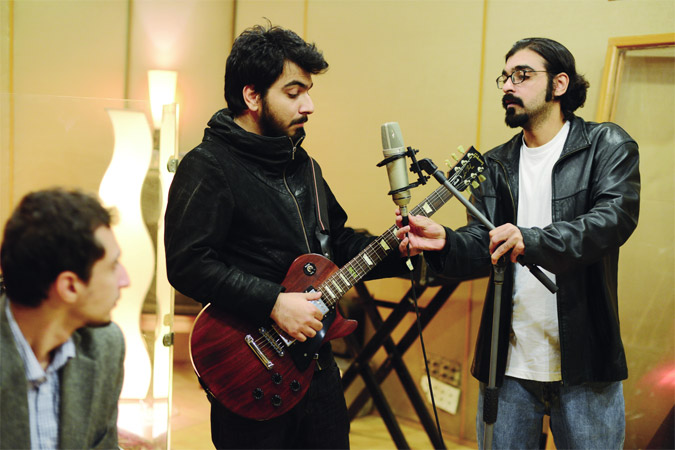
Shehzad Noor: Short answer, we don’t.
Duck: We just stop playing whenever someone gets tired.
Shehzad Noor: Whoever has the most energy at that point in time, he takes it forward and it’s usually this guy (points to Zain Ahsan). When we’re conceiving the music too, whoever has the most energy will take his idea forward. Nobody hates anything and everyone in the band is respectful of one another.
‘We are less badtameez and we swear less when we play for more conservative audiences’
Zain Ahsan: At the end of it, we give each other a green light; the song doesn’t go out until every one of us likes it.
SA: How far would you say the type of audience you’re playing for affects your live performances?
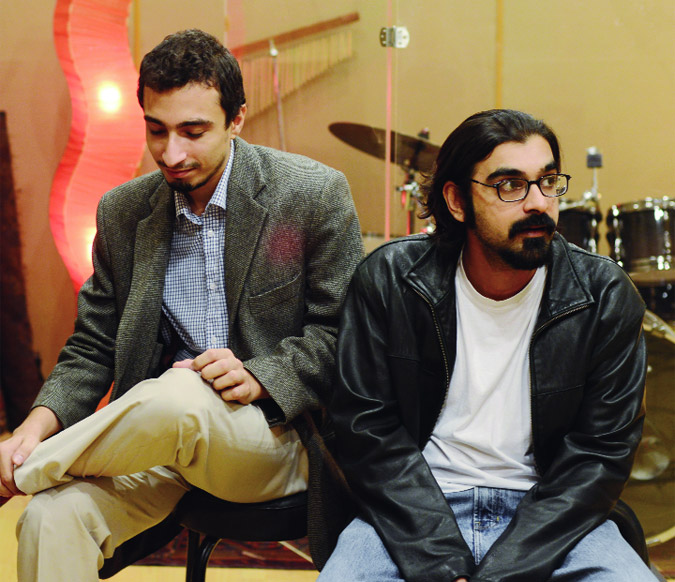
Duck: I have serious stage anxiety and I’m just scared regardless of where we’re playing. If the audience number exceeds, say, seven people, I start freaking out.
Zain Ahsan: I don’t really look at the crowd much. I just turn away and look at the band so I don’t really know what’s going on behind me.
Duck: We are less badtameez and we swear less when we play for more conservative audiences.
SA: Most of you work day jobs. How do you balance that with a musicians’ lifestyle, gigs, late nights, practice sessions, etc.?
Shehzad Noor: It’s still something that I’m learning to get the hang of. It’s difficult. I teach drama and music at an IB school in Lahore, it’s pretty demanding and there’s a lot of work. The weekend is when I can take some time out to meet with the band and work on some material. In order to make this album happen, we spent a couple of months together working and practicing. As far as gigs go, the Khayaal festival gig we recently played at, we met up a couple of days before and frantically rehearsed. Basically, I’m just trying to survive.
Duck: This would be a problem if we were really in the mainstream. Right now, with the music scene the way it is, it’s a big deal to get a gig even once a month. It’s pretty manageable. We’re not that famous yet!
SA: How did you come to name the band Poor Rich Boy?
Shehzad Noor: My sister once responded to my whining by calling me a poor rich boy. It stuck with me. Our music is sad-sounding but Mashallah we eat three square meals a day. We like the irony of it.

SA: What’s the best thing about being in a band together?
Shehzad Noor: When everybody’s on the same page it’s really beautiful.
Duck: I never thought that I could sing in front of people or that I would be able to share my creative abilities with a bunch of people who would not only understand what I’m trying to do but also support it for strange reasons that are beyond me. Of course I dreamt of it, and one day it became possible. And I’ve really enjoyed myself. When you go to university, there are idiotic people who say, ‘this guy’s crazy and weird.’ I meet these guys in the band and they are fine with who I am. They get how I am irreverent about some things, yet hold other things very dear.
SA: How do you distinguish yourselves from other bands out there?
Zain Ahsan: We’re broke, they’re not.

Jalal Salahuddin on a whirlwind tour of several foreign chefs in Pakistan
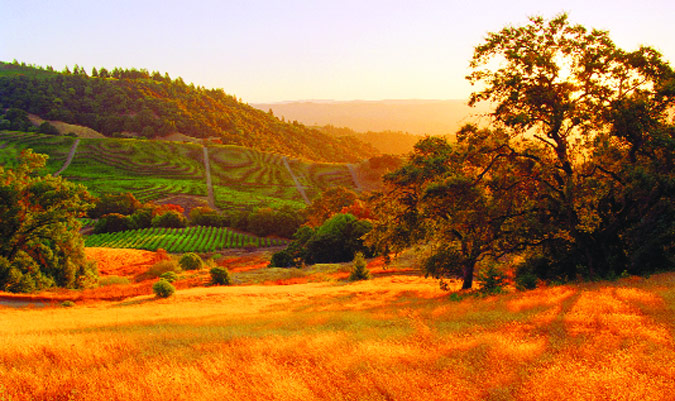
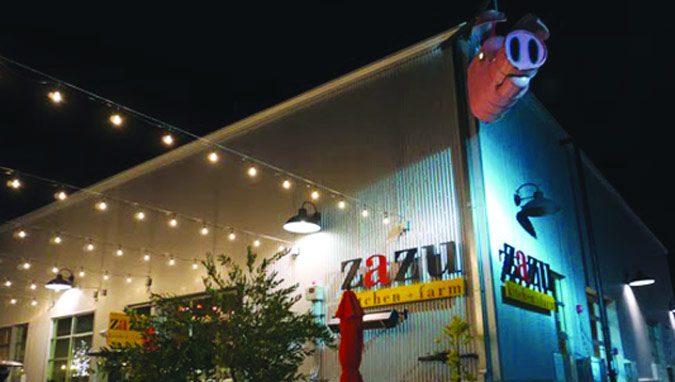
Sitting on a beautiful terrace on a cool and crisp evening in Santa Rosa, California last September, I tasted a handmade tagliatelle dish with braised lamb ragout and had an epiphany. The food presented to us at Zazu, a well-known Sonoma Valley restaurant run by an incredible husband-and-wife team, represented the best of the area’s storied food tradition. The style of eating and drinking in Northern California is classic yet progressive, inventive and contemporary at the same time. Spending a month there was an education. The superb organic produce, the gorgeous vineyards and the talented chefs from around the world who have settled there have created a mecca for foodies and epicurians which matches Tuscany and Burgundy. I began to think to myself: why can’t we have a more exciting culinary scene here in Pakistan? Although many new restaurants have opened up and people in the major cities have become more interested in food, we are still developing our restaurant culture and have not yet embraced a farm-to-table ethos (though perhaps in a strange way, Pakistan’s rural poor have). But organic brands are coming up and we still do eat fairly seasonally in Pakistan. This is a good sign and will be one of the building blocks of our evolving culinary culture.

Upon my return from California I got a call from a brand that was interested in bringing chefs from around the world to cook in Pakistani restaurants for a night each. We had done an event like this before with the master brand but this time the 7-Up Chefs Bonanza was to have three chefs cook in a series of restaurants in Karachi, Lahore and Islamabad. This was meant to give diners a novel experience in a restaurant they visit often. The culinary marathon was an exhilarating series of events: twelve restaurants, three cities, three international chefs, one foreign illusionist, and a highly skilled Cuban Cigar Roller, all in the span of three weeks!
I met and interacted with all sorts of people from around the globe, witnessed back-of-the-house of restaurants, talked to the restaurateurs and saw them mingle with international culinary gurus, ate exciting food, and last but not the least experienced the most exciting foreign entertainment in Pakistan.

Laughter and applause emanated throughout the evening as guests were left baffled and delighted at the magician’s mind-bending tricks
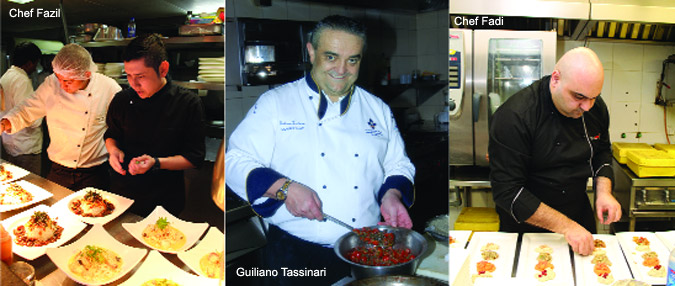
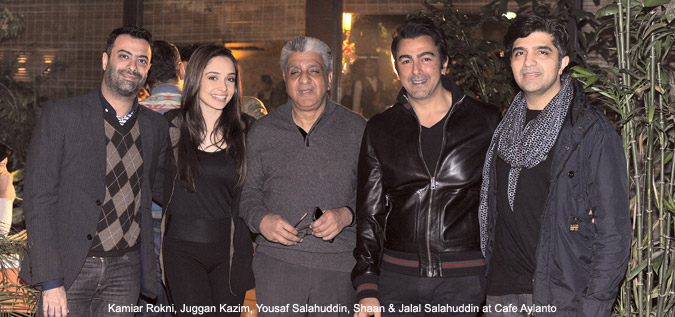
It started off with a Michelin Star chef Guiliano Tassinari from Bologna, Italy, who presented out some fabulous Italian dishes such as risotto with green apples and balsamic reduction and handmade tagliatelle in a fresh tomato sauce. For the first few events it was difficult for him to work in the local kitchens due to a lack of equipment and unavailability of ingredients. But as the events proceeded, his menu showcased what true Italian recipes are all about. He got a chance to cook at the Chameleon at Royal Palm, Café Zouk Lahore, Tiramisu in Islamabad, and Café Koel and Montecristo in Karachi. Chef Fazil, an expert in East Asian and Oriental Cuisine, also showcased fabulous food options ranging from Pan Asian to Fusion cuisine at Café Zouk in Lahore, China Town Islamabad and Fuchsia in Karachi. Choices in soups to desserts were vast and tough to choose from as each dish sounded more delicious than the previous one. Everyone loves spicy Asian food here so dishes such as Fazil’s are always well-received. The Lebanese part of the event kicked off at Café Aylanto in Karachi. Amidst a cool breeze and candlelight, guests enjoyed a delectable four-course Lebanese menu prepared by international Chef Fadi el-Reweissati who has been the executive chef for many five-star hotels worldwide. He displayed his culinary expertise at the Café Aylanto Lahore & Karachi, Al-Majlis Islamabad and Polo Lounge Lahore and Islamabad. Anyone familiar with Lebanese cuisine or simply good food would’ve enjoyed the authentic selection of cold and hot Lebanese mezze which included a fresh vegetable platter, fatuoush, tabouleh, hummus, baba ganoush, moussaka, carrot mutable and homemade pita bread.

All this while the Malaysian magician Rosen Roy kept guests entertained during their meals. Laughter and applause emanated throughout the evening as guests were left baffled and delighted at the magician’s mind-bending tricks. The restaurants were filled with warmth and chatter as people mingled with local celebrities and socialites.
Lastly, some evenings featured a fantastic female Cuban cigar roller. Having flown in from the Habanos factory in Cuba, Mercedes skillfully rolled fresh authentic Cuban Habanos cigars for the guests, right in front of their eyes. She is a skilled roller working at Habanos since 1982; she has obtained the 9th Category of Certification (the highest level among Cuban cigar rolling). There are a few things in the world that are known to be the best of their kind. A Havana cigar is one of them.


Everyone seems to be busy with shaadis and the fun and ensuing chaos that come with them. For last-minute crises (like dress malfunctions to the baraat arriving early) we bring you the fixes and tricks to keep your shaadi season stress-free and more fun than ever!


[fdropcap]1[/fdropcap]Multiple days of shaadi functions also means a slew of outfits to manage. Meaning, in other words, wardrobe malfunctions waiting to happen on your big day: clothes getting switched at the tailors, sleeves that won’t go up your arms, kaamwaalas and their broken promises, and so on.
Tip: Keep a detailed log of all kaarigars, designers, kaamwaalas and launderers working on your outfits. Write everything out: receipts, delivery times, and stay on top of it. Make little reminders on your phone if need be. Keep last minute alterations for much before the last minute and make sure all hooks and supports and naalas are in order. Just in case, always keep a safety pin or two at hand for a quick fix.
 Jalal Salahuddin (event manager) says…
Many women spend their entire lifetimes dreaming about their wedding day. We’ve witnessed brides who have been left high and dry by their fancy designers and had to end up wearing samples.
 Mehreen Raheal (actor/model) says…
On the day of my mehndi, we were all colour coordinated. But my father’s kurta got lost and he was the odd one out. That was quite a disaster. Keep a close eye on your clothes!

[fdropcap]2[/fdropcap]Shaadi goers must all subscribe to the curfew. Venues shut down officially by 10pm and sometimes wedding guests are left in darkness as early as 9:45! After all, it is the law.
Tip: The best thing for anyone getting married is to plan ahead. Have someone always be in contact with the baraat and ensure that it is arriving on time at the venue. No one likes being a party pooper, but rasms like mehndi, joota chuppai and doodh pillai must all run on a fixed schedule with an allotted time slot for each rasm. Taking a leaf from weddings in the West, it’s not a bad idea to keep a rehearsal dinner a day or two ahead with a few key people present. It will help you get an idea of how time will pass during the function.
Jalal Salahuddin says…
Oh gosh, we’ve had too many but the worst by far was recently when the weather-proof marquee almost sank into the ground due to unexpected rainfall, we had to dig dikes, install suction pumps and build a proper drainage system to keep the water out of the canopy. And that too within 24 hours!
 Aamir Mazhar says…
We managed a wedding in the summer where the client wanted extra air conditioning. We had ordered backup generators and extra AC units but as luck would have it, in the first hour all of them conked off. So extra AC’s had to be arranged last minute. One should always have a contingency plan when managing events and be prepared for the worst.
 Asimyar Tiwana says…
On my mehndi, it started raining cats and dogs so we had to move the event inside our haveli in the village. My tip: Always check the weather forecast and have an alternate venue as plan B if your event is outdoors.

[fdropcap]3[/fdropcap]One has heard many a tale of brides being traumatized on the day of their wedding. Even the ‘pros’ can miscalculate and think it’s a really good idea to make you look like a tart. Be excruciatingly specific about the kind of makeup you want; make sure to take into account your skin tone, outfit, and the weather. Make-up trials are now pretty routine; a good artist should definitely provide a trial run.
 Mariam Omar (makeup artist) says…
The biggest disaster is when brides are not confident. Looking and feeling good on the inside means looking and feeling good on the outside too. Another disaster that commonly occurs is when brides come in requesting looks that they have seen on movie stars, irrespective of whether ‘the look’ is right for them.
Jalal Salahuddin says…
Smokey eyes and red lipstick together is a big NO! Too many Pakistani bridal make-up artists make the mistake of layering on thick make-up in the mistaken belief that pictures will come out good. This is not true at all. Using too much make-up on your wedding day is a sure way to have all of your wedding day pictures look washed-out!

[fdropcap]4[/fdropcap]Mehndis are becoming more and more synonymous with choreographed dances straight out of Bollywood. With more themed mehndis, organized dance routines and other theatrics like impromptu skits, the DJ’s role becomes crucial. We have seen raunchy and unsuitable songs come on just as your parents are due to be walking you in to the tune of Mehndi Hain Rachnay Vaali.
Tip: Hire a solid DJ and request references from past clients. Meet with the DJ and determine a list of songs to which they must stick, even if it means playing the same song twice in a night. DJ’s hate repeating tracks, so have a good long chat about the songs you want repeated.
Jalal Salahuddin says…
We rarely have music malfunctions at our events as we have a set playlist for each genre complimenting the nature of the event. But there have been incidences when DJ’s have let loose to play Nargis songs during rukhsatis!

Smokey eyes and red lipstick together is a big NO! Too many Pakistani bridal make-up artists make the mistake of layering on thick make-up in the mistaken belief that pictures will come out good
[fdropcap]5[/fdropcap]A friend of a friend of a friend arriving at your wedding uninvited is at the end of the day a gate-crasher. Extra people will mean running tight on the catering. Be on the safe side and arrange for an extra 30 odd guests. It’s also a good idea to have some extra wedding cards printed for those overlooked guests with whom protocol is important.
Jalal Salahuddin says…
We’ve experienced wedding crashers especially at events where a foreign artist is performing.
What more could one want on a Saturday or Sunday than to spend it with loved ones, surrounded by good food and lovely weather? We bring you the ten best places to brunch in Lahore, Karachi, and Islamabad.
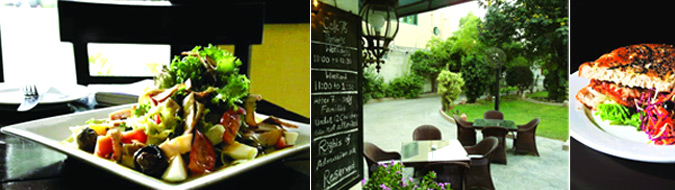
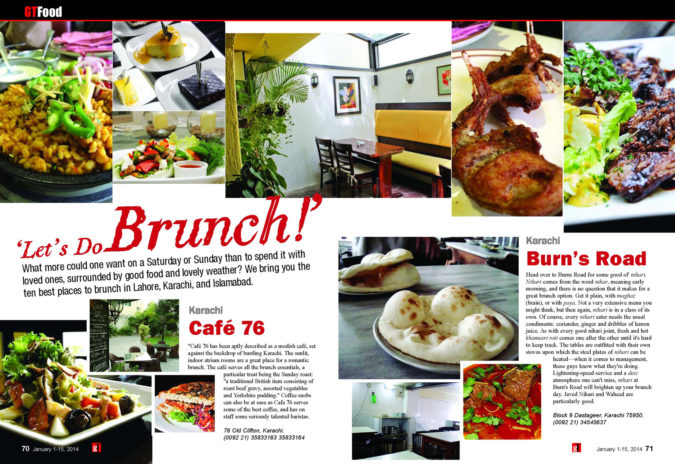
“Café 76 has been aptly described as a modish café, set against the backdrop of bustling Karachi. The sunlit, indoor atrium rooms are a great place for a romantic brunch. The café serves all the brunch essentials, a particular treat being the Sunday roast: “a traditional British item consisting of roast beef gravy, assorted vegetables and Yorkshire pudding.” Coffee snobs can also be at ease as Cafe 76 serves some of the best coffee, and has on staff some seriously talented baristas.
76 Old Clifton, Karachi.
(0092 21) 35833163 35833164

Head over to Burns Road for some good ol’ nihari. Nihari comes from the word nihar, meaning early morning, and there is no question that it makes for a great brunch option. Get it plain, with maghaz (brain), or with paya. Not a very extensive menu you might think, but then again, nihari is in a class of its own. Of course, every nihari eater needs the usual condiments: coriander, ginger and dribbles of lemon juice. As with every good nihari joint, fresh and hot khameeri roti comes one after the other until it’s hard to keep track. The tables are outfitted with their own stoves upon which the steel plates of nihari can be heated—when it comes to management, these guys know what they’re doing. Lightening-speed service and a desi atmosphere one can’t miss, nihari at Burn’s Road will brighten up your brunch day. Javed Nihari and Waheed are particularly good.
Block 9 Dastageer, Karachi 75950.
(0092 21) 34545637

An oldie on the social scene, Café Flo was chic long before “chic” was trending. Florence made it all the way from France to Pakistan and showed us what it really means to have a love for food. The folks at Flo serve up a spectrum of French cuisine—from goose livers to Lox bagels served with capers and salmon to eggs Benedict. The potato gratin accompanying the salmon is the best you’ll eat in Pakistan. Definitely a solid brunch favourite.
26th St., Karachi-75500.
(0092 21) 35830018

Xander’s covers it all, including an all-day breakfast. The lime-green décor and no-reservation policy exude the height of cool. From masterfully-cooked dishes like the chicken with cranberry sauce to the grubby old-fashioned burger that is arguably one of Karachi’s best, the menu is diverse, and includes a number of Jamie Oliver re-creations. Combining cool with great quality food, Xander’s serves up brunch fare loaded with gourmet omelets, superb eggs Benedict, and blueberry pancakes. There’s awesome coffee to boot.
E-Street Block 4, Clifton, Karachi-75600.
(0092 21) 35293653 03229037777

With Italy running through its veins, Cosa Nostra takes its job of creating authentic Italian cuisine seriously. The result of a family’s love for food, the crew at Cosa is now feeding thousands of Lahoris. Cosa provides a whole panorama of dining experiences, from the basement to the top floor; it gets more intimate and classy as you ascend. The oven-baked pizzas are a treat—the only genuinely light and crunchy pizzas in town. So are the eggs Benedict and the croissants. Make sure to cap off your brunch with their gorgeous gelatos. We’re banking on spending many sun-filled brunches at Cosa this season, set against equally fun weekends.
23-A, H Block, Gulberg II, Lahore.
(0092 42) 35792161
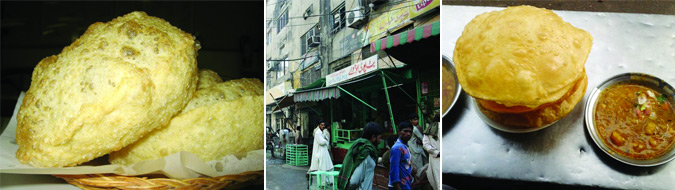
Halwa Poori has become so synonymous with brunch that a Lahori might take offence if we failed to include it in this list. Butt Sweets and Dairy come from a long tradition of dairy shops and dairy concoctions. The best kulfi falooda, lassi and karaahi are also found under the Butt banner. Having started around 1955, the shops of the Butt empire have lived up to their motto, “We Sell Nothing Butt The Taste!” The shop in Royal Park near the intersection of Montgomery Road and McLeod Road in Lahore is one of the best. The channas are hot and can be enjoyed with pooras, pooris, meetha pooras or even mixed in with halwa and eaten with any of the breads. And the achaar is indispensable. Though the atmosphere may prove a bit rustic, the hot food and the gumption and energy with which the whole operation is run will definitely make it worth your while.
Cooper Road, Royal Park, Lahore.
(0092 300) 9413256

Far from the sanitized dullness of Lahore’s upscale restaurants lies your ultimate go-to destination for desi khaana, Tabaq. Located on McLeod road, Tabaq is a clean, spacious establishment that caters to the mercantile class—Lahoris who take their food very seriously. The mutton chaamp arrived hot and juicy on a sizzling bed of caramelized onions and lemon; with a small bite, the meal fell off the bone. The chicken karaahi has a signature lemony masala garnished with fresh green-chillies. Divine. Even more delicious were the broasted batairs—delicate and subtle. The best thing about Tabaq is that the food is neither over-spiced nor swimming in oil. Tabaq has GT’s vote for the best desi brunch in Lahore.
McLeod Road, Lakshmi Chowk, Lahore.
(0092 42) 36312482

Polo lounge is a reliable place for a good old-fashioned brunch. Whether you sit inside or out, you are surrounded by lush green on all sides. The chef preparing brunch, Shahnawaz Khan, knows a thing or two about food, having spent years training in Paris and then working in New York City. The eggs Benedict are great, but the best thing on the menu is the French toast—as succulent as it is sweet. Sensitivity to seasonal ingredients gives Polo Lounge’s dishes a twist, from mangoes in the summer salad to oranges in the winter salad. Hit up this brunch spot for a fun, outdoorsy day with friends or just let your kids frolic in the grass while you sunbathe in the charming outdoor seating area.
Race Course Park, GOR, Lahore.
(0092 42) 36305268
Table Talk -Â Isloo
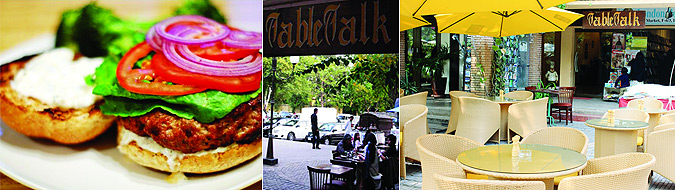
The ambience at Table Talk is reminiscent of eating in a quaint town with cobbled streets. It has become a ritualistic spot for Islooites—from socialities to diplomats. The folks at Table Talk don’t skimp on desi masala, and their thaalis are famously authentic. From chaats to tikkas and chai to delicately seasoned fish and salads, Table Talk is a crowd pleaser. With big mist fans and outdoor heaters that keep you toasty in the winter, the brunch experience never fails.
Kohsar Market, Islamabad 44000.
(0092 51) 2271927

One cannot ignore being so far removed from the busy streets of F-7, but that is what the mile-high walls can do for you at Tuscany Courtyard. Outfitted with more than just one fountain, this place exudes a rural sense of calm and relaxation. In other words, a perfect place for brunch. Some say their wood-fire oven pizzas are the best, some say their bread and butter pudding was made to soothe the soul. If you think these are exaggerations, check it out for yourself and brunch at this little slice of heaven!
H. No. 15, St. 18, F-7/2 Islamabad 44000.
(0092 51) 8445544