

Rooted in memory, texture, and quiet intention, Sajni is a brand born from emotion as much as design. Founded by Asma Mansoor , an environmental science scholar with an instinctive love for fabric.
Sajni reflects a thoughtful approach to fashion where simplicity, sustainability, and soul come together.
From her grandmother’s carefully preserved textiles to dressing some of Pakistan’s most influential women, Asma’s journey is a testament to mindful creativity and purpose-driven design.
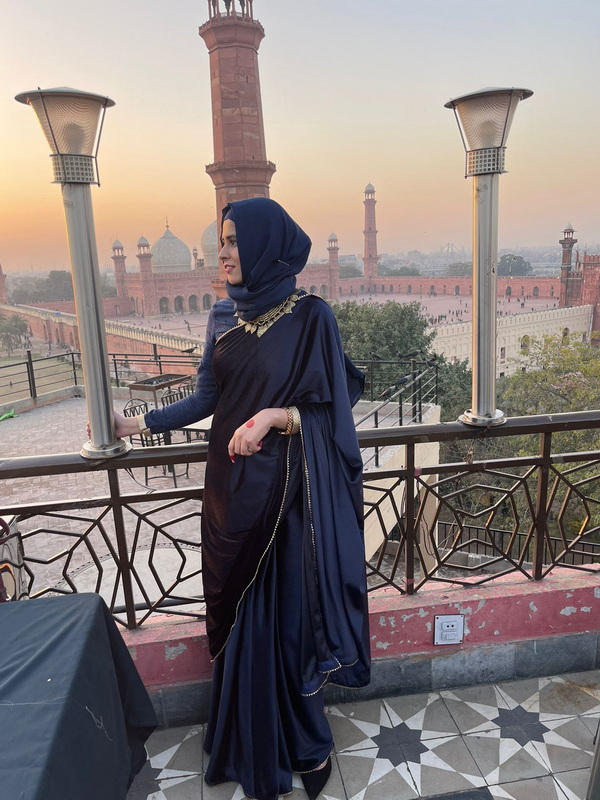

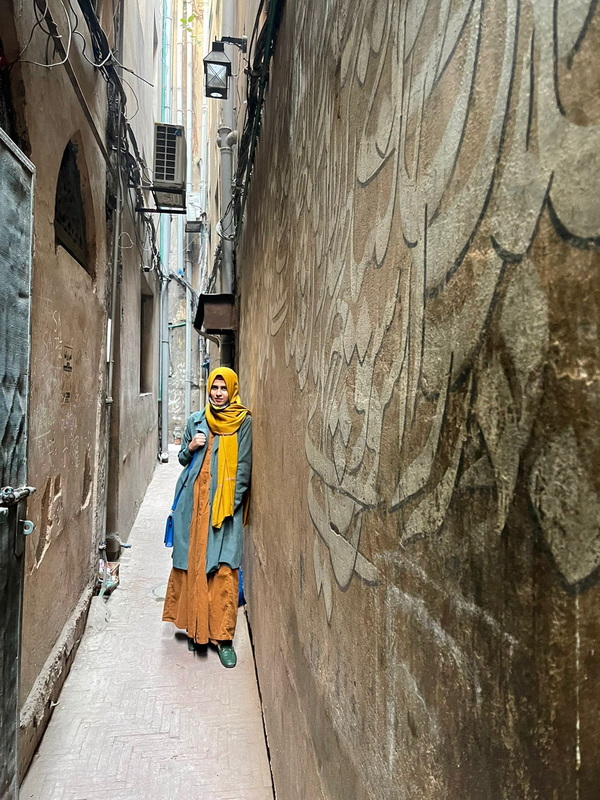
You hold an MPhil in Environmental Science—how did that academic journey shape the way you see creativity, sustainability, or even fashion today?
My academic journey taught me to look at everything through the lens of responsibility and balance. I naturally think about long-term impact, resource use, and simplicity, which also reflects in my approach to fashion. For me, creativity feels more meaningful when it is conscious and thoughtful.
Your earliest memories of fashion are tied to your grandmother and her carefully stored fabrics. Can you share a moment or lesson from her that still guides your design philosophy?
My grandmother treated fabric with great respect and never wasted a single piece. She taught me that clothes hold memories and emotions, not just beauty.


Solid colours and textures clearly define Sajni’s aesthetic. What is it about minimal palettes and fabric feel that speaks so deeply to you?
Solid colours feel calm, honest, and powerful to me rather than printed designs. They allow the fabric, cut, and craftsmanship to speak without distraction. Texture matters because I want the wearer to feel comfort and confidence the moment they touch the cloth.
Sajni is only a year old, yet you’ve already launched five collections. What inner drive or discipline keeps you creating at such a rapid pace?
Sajni is deeply personal, so working on it feels natural rather than forced. I create when inspiration feels strong, and I try not to delay that energy. Discipline comes from my academic and professional background, where consistency was essential.


Was there a particular moment when you realised Sajni was no longer just a passion project, but a serious fashion brand?
Yes, when women I didn’t personally know started reaching out and connecting emotionally with the designs. Their trust made me realise Sajni had a real voice. That moment shifted my mindset from hobby to responsibility.
Your designs have been worn by Hania Aamir, Mira Sethi, Zeb Bangash, and other influential women. How did that visibility impact Sajni’s growth and your confidence as a designer?
Seeing such confident and strong women wear Sajni was very encouraging. It gave the brand visibility and helped people take it more seriously.


How do you want women to feel when they wear Sajni—powerful, comfortable, expressive, or something else entirely?
I want women to feel comfortable and grounded in themselves—powerful, but in a calm and effortless way.
As someone deeply connected to fabric, how do you choose your materials? Is it an emotional process, a technical one, or a mix of both?
It is always a mix of both. I pay attention to quality, durability, and how the fabric behaves, but emotion plays a big role too. If a fabric feels right in my hands, I know it belongs to my creativity.


In an industry that often celebrates excess, Sajni feels quietly intentional. How do you stay true to your vision without chasing trends?
I remind myself why I started Sajni in the first place. Trends come and go, but personal values stay. I focus on designing pieces I truly believe in, even if they are not loud or seasonal.
What challenges did you face in your first year as a brand owner, and what did they teach you about yourself?
Managing time, finances, and expectations was challenging in the beginning. It taught me the process of patience and self-trust. I believe that growth takes time, and consistency matters more than perfection.


Do you see your background in environmental science influencing future directions—perhaps in sustainability or conscious fashion?
Yes, definitely. Sustainability revolves around three pillars: society, environment, and economy. It is something I naturally think about and want to explore more deeply in Sajni’s future. My goal is to move towards more conscious choices by selecting fabrics with longevity and producing less waste.
How do you balance creative intuition with the commercial realities of running a fashion business?
I listen to my intuition first, then adjust with practical thinking. Not every creative idea becomes a product, and that’s okay.


Looking ahead, what is your dream for Sajni five years from now and what legacy do you hope it leaves behind?
I dream of Sajni becoming a timeless and trusted brand known for sustainability, simplicity, and honesty. I hope it leaves a legacy of mindful fashion and respect for craftsmanship. My long-term goal is to incorporate eco-friendly techniques and better substitutes.


