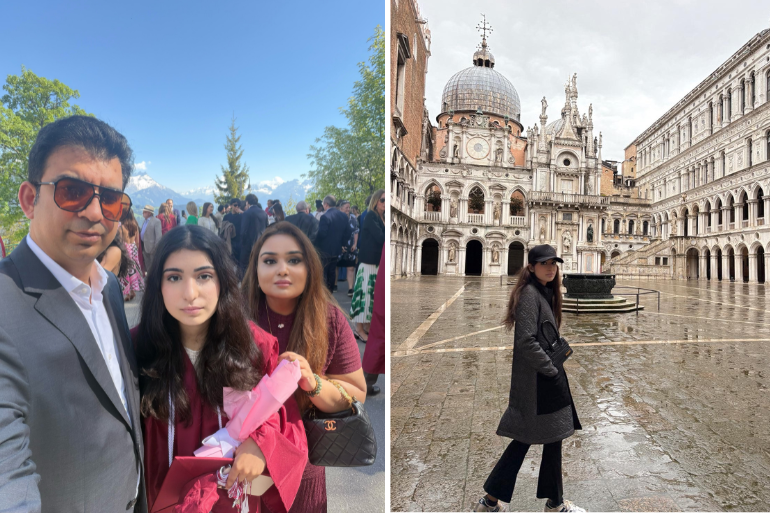
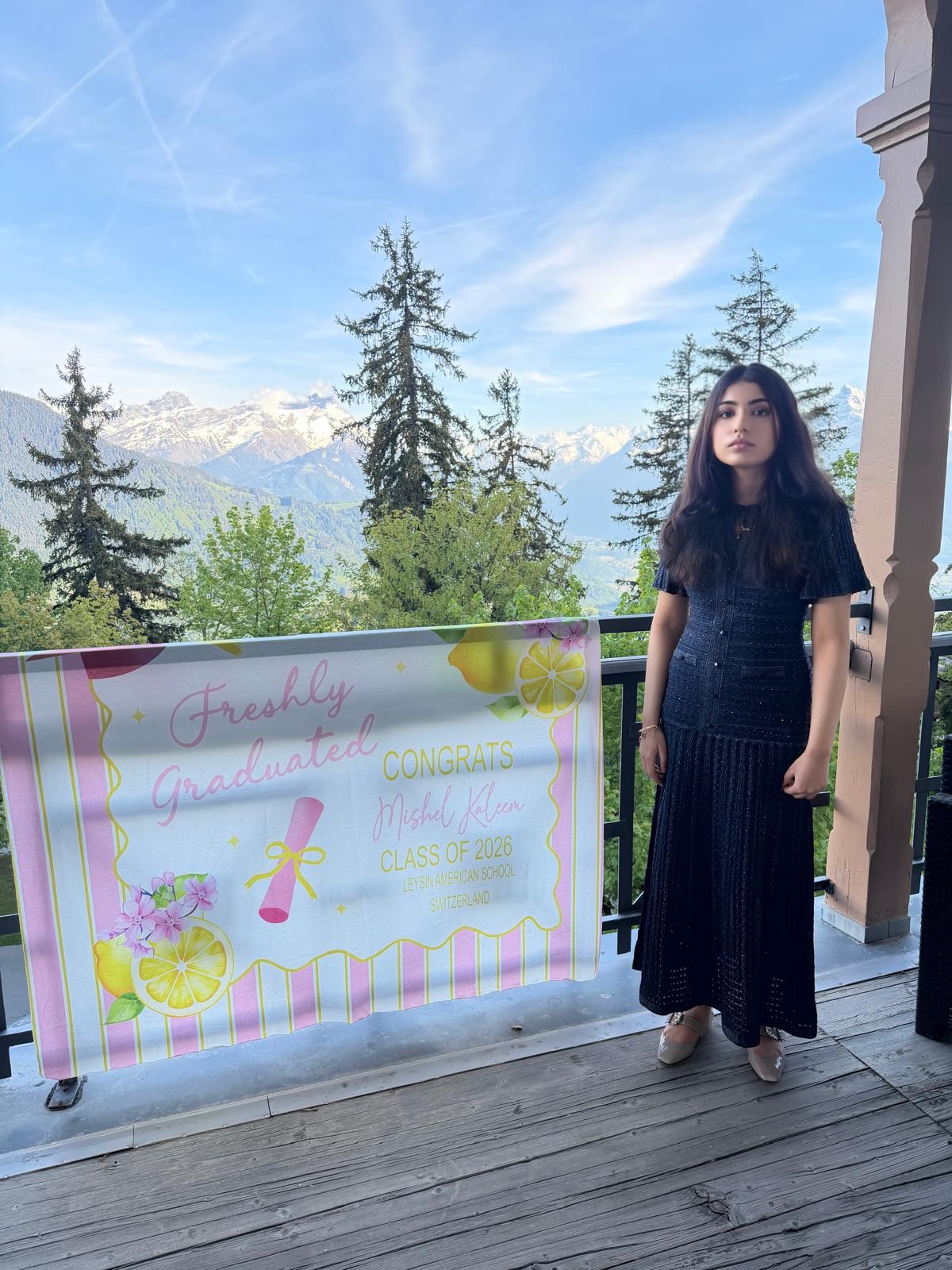
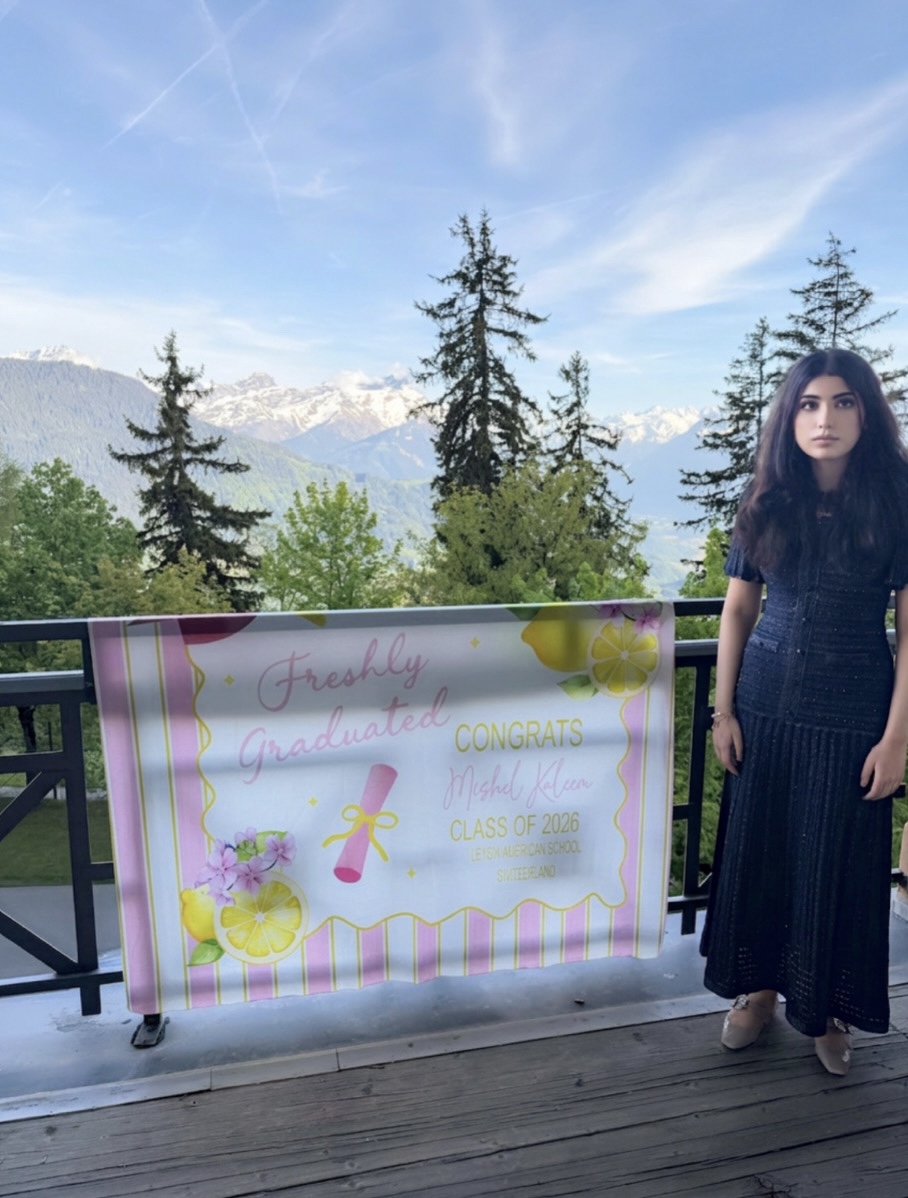
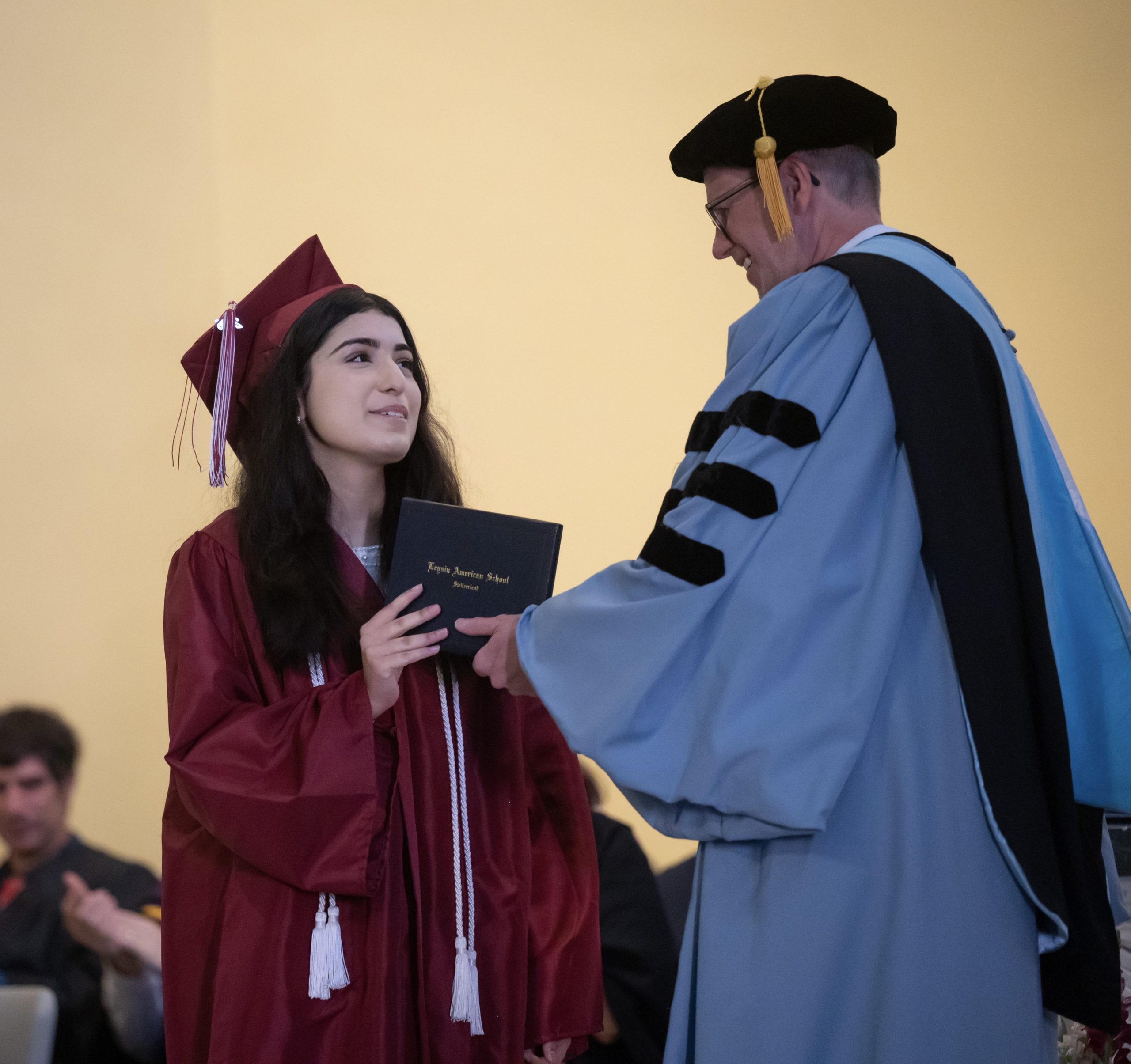
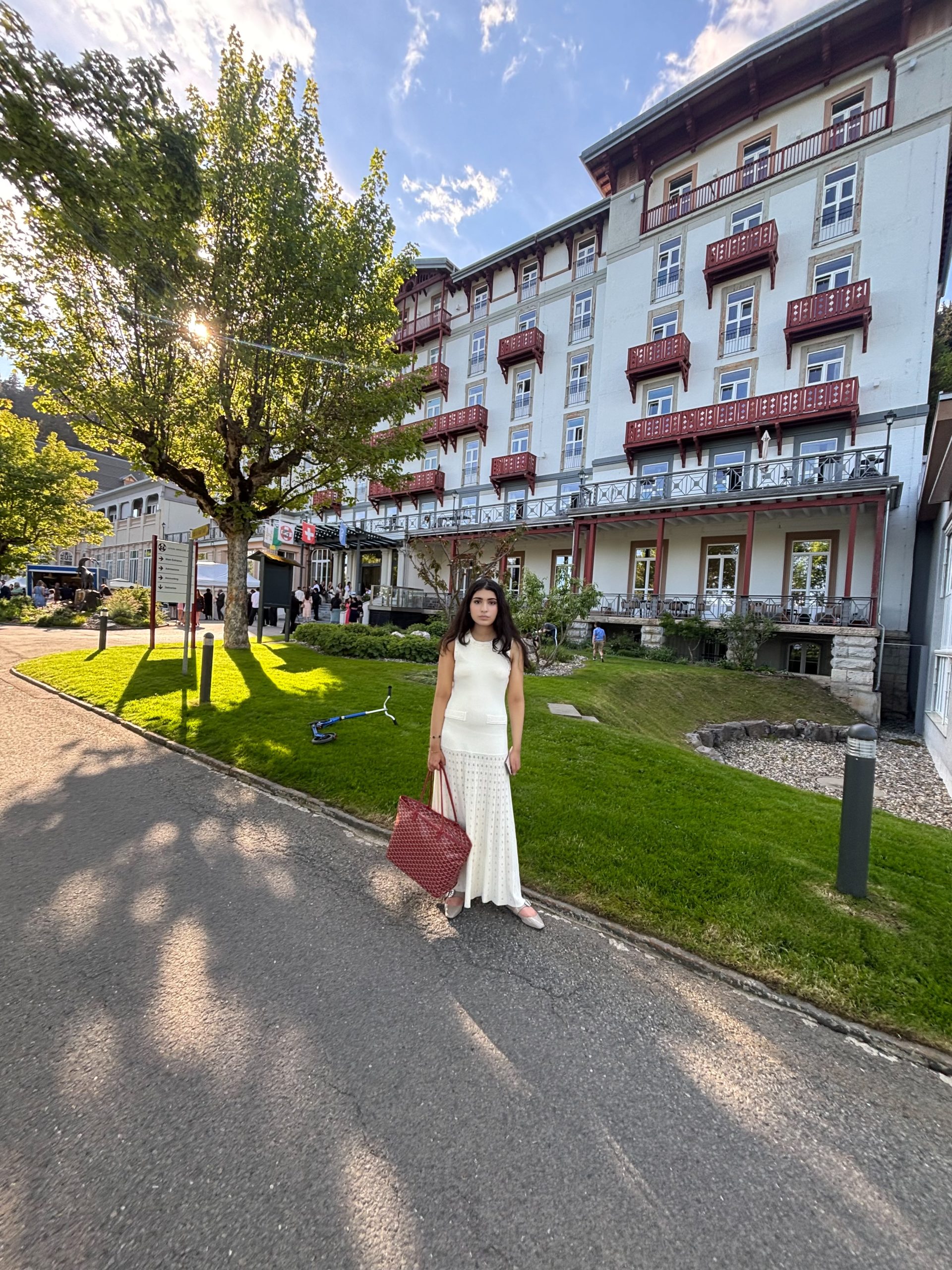
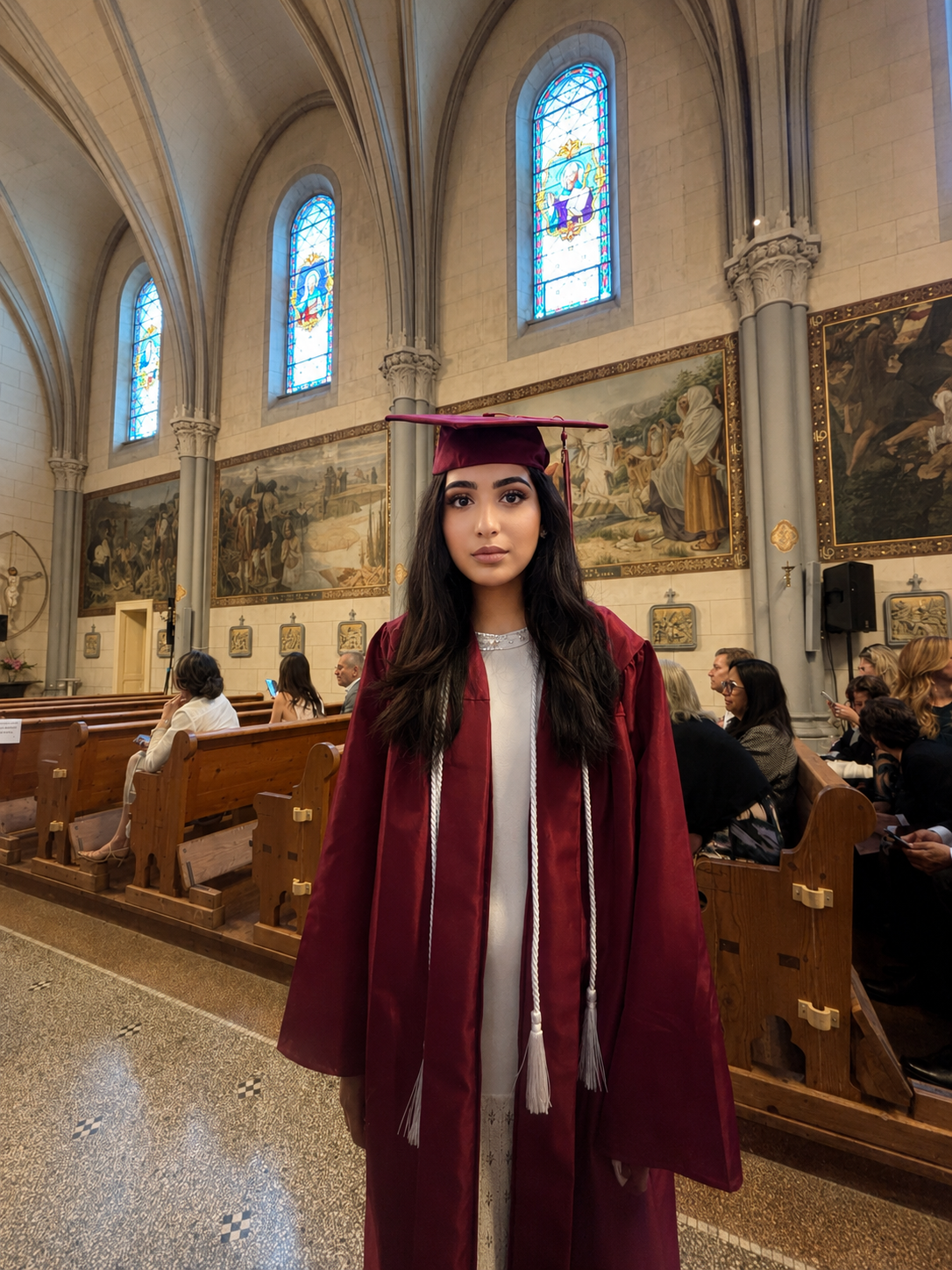
With a global education, a passion for medicine, and a heart rooted in creativity and compassion, Mishel Kaleem is embracing the future with confidence and purpose. A graduate of Leysin American School in Switzerland, her journey has been shaped by academic excellence, international experiences, and a deep desire to make a difference in the lives of others. As she prepares to take the next step toward a career in healthcare, Good Times Magazine invites you to discover the story behind a young woman whose aspirations are as inspiring as the path she has already travelled.
Congratulations on graduating from Leysin American School! Looking back, what has this journey taught you about yourself beyond academics?
Thank you so much. My years at Leysin American School taught me far more than what could ever be measured by grades or an IB diploma. Living away from home at a boarding school in Switzerland meant learning independence at a relatively young age. I had to learn how to manage my time, make decisions, adapt to challenges and, most importantly, understand myself.
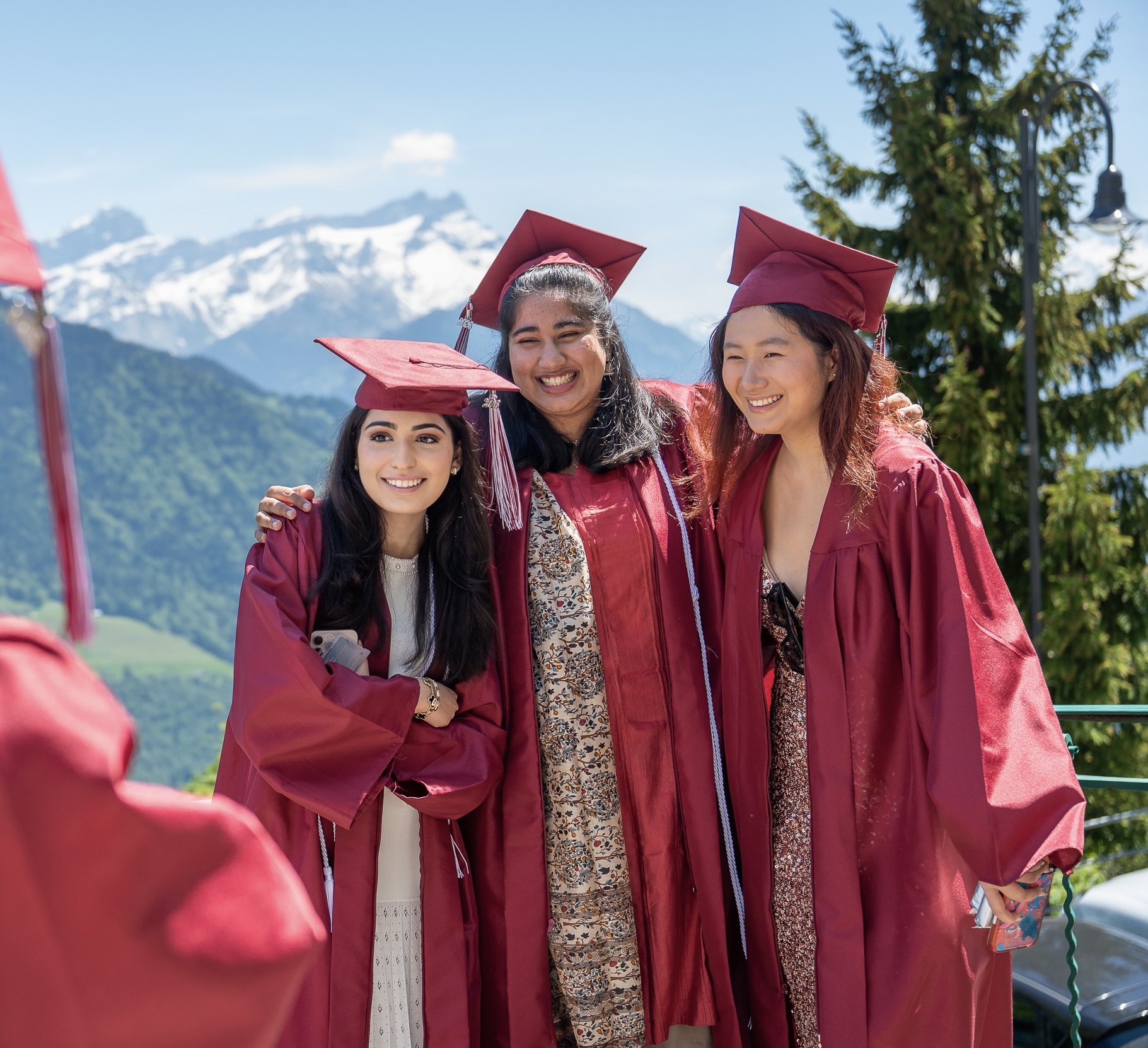
The International Baccalaureate was certainly demanding, but I think some of my most valuable lessons came from the people around me. I studied alongside students from many different countries, cultures and backgrounds. It taught me to listen before forming an opinion and to appreciate that everyone carries a story you may know nothing about.
I also learned that I am more resilient than I once thought. There were difficult days and moments when things did not go exactly as planned, but those experiences helped me grow. I left Leysin with greater humility, independence and gratitude, and I think those qualities are just as important as academic achievement.
You’ve studied in Switzerland, attended Harvard Medical School’s summer program, and now have offers from prestigious universities. Which experience has transformed your perspective on your future the most, and why?
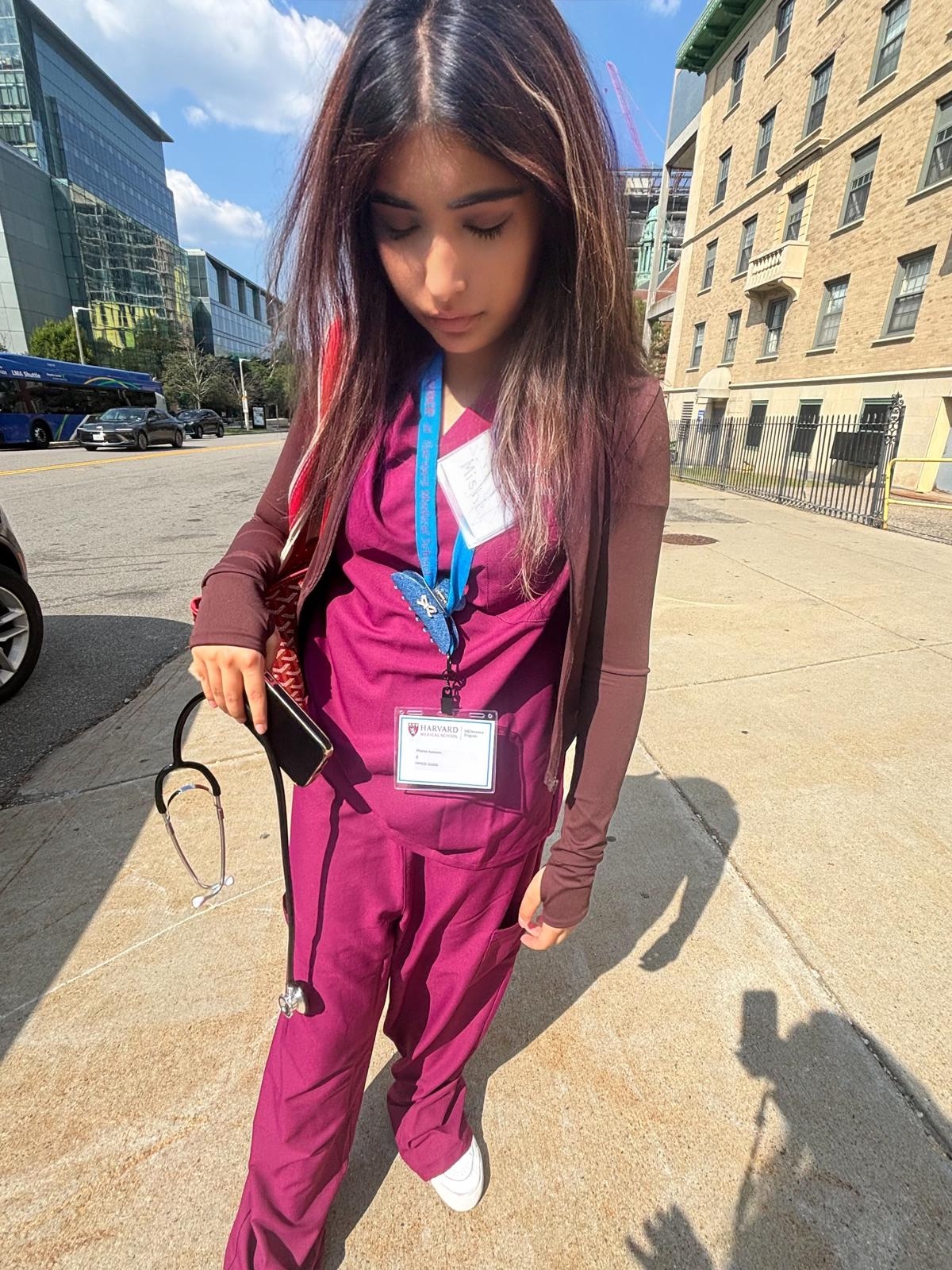
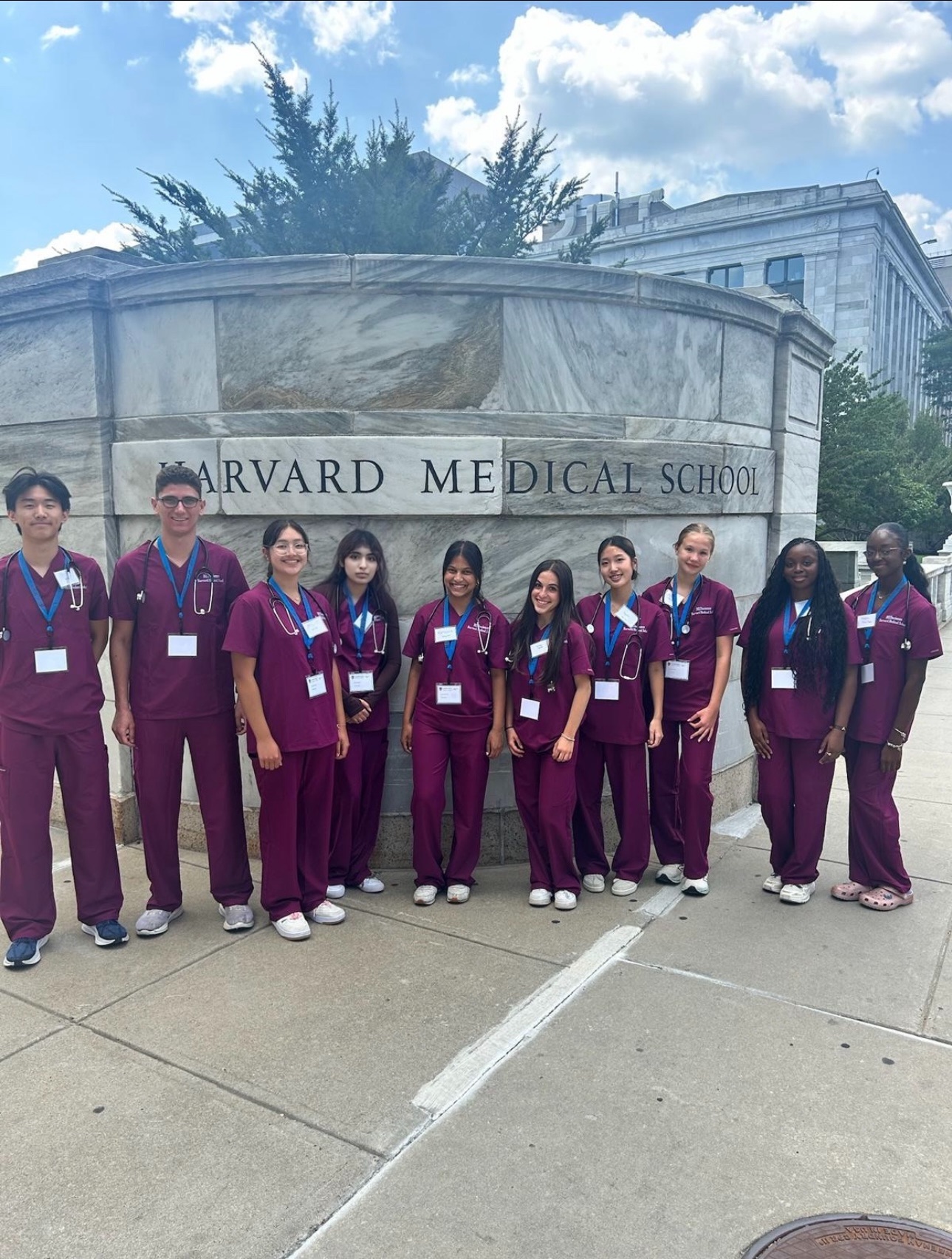
I feel extremely fortunate Alhumdulliah to have had these opportunities, and I try not to take any of them for granted. Studying in Switzerland gave me a global perspective, but attending a summer programme at Harvard Medical School was particularly meaningful because it brought me closer to the world of medicine.
Being in an environment centred around medicine and learning made the dream feel more real. It helped me understand that medicine is not simply about being academically strong. It requires curiosity, discipline, empathy and a willingness to continue learning throughout your entire life.
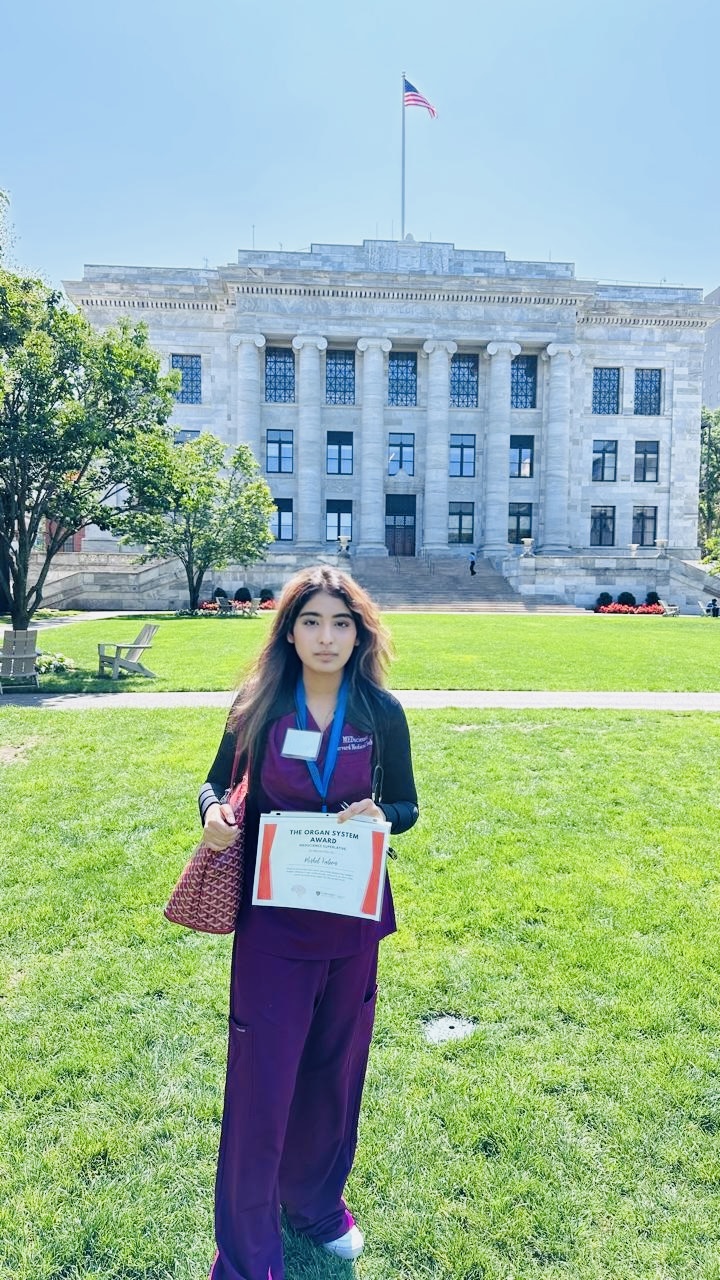
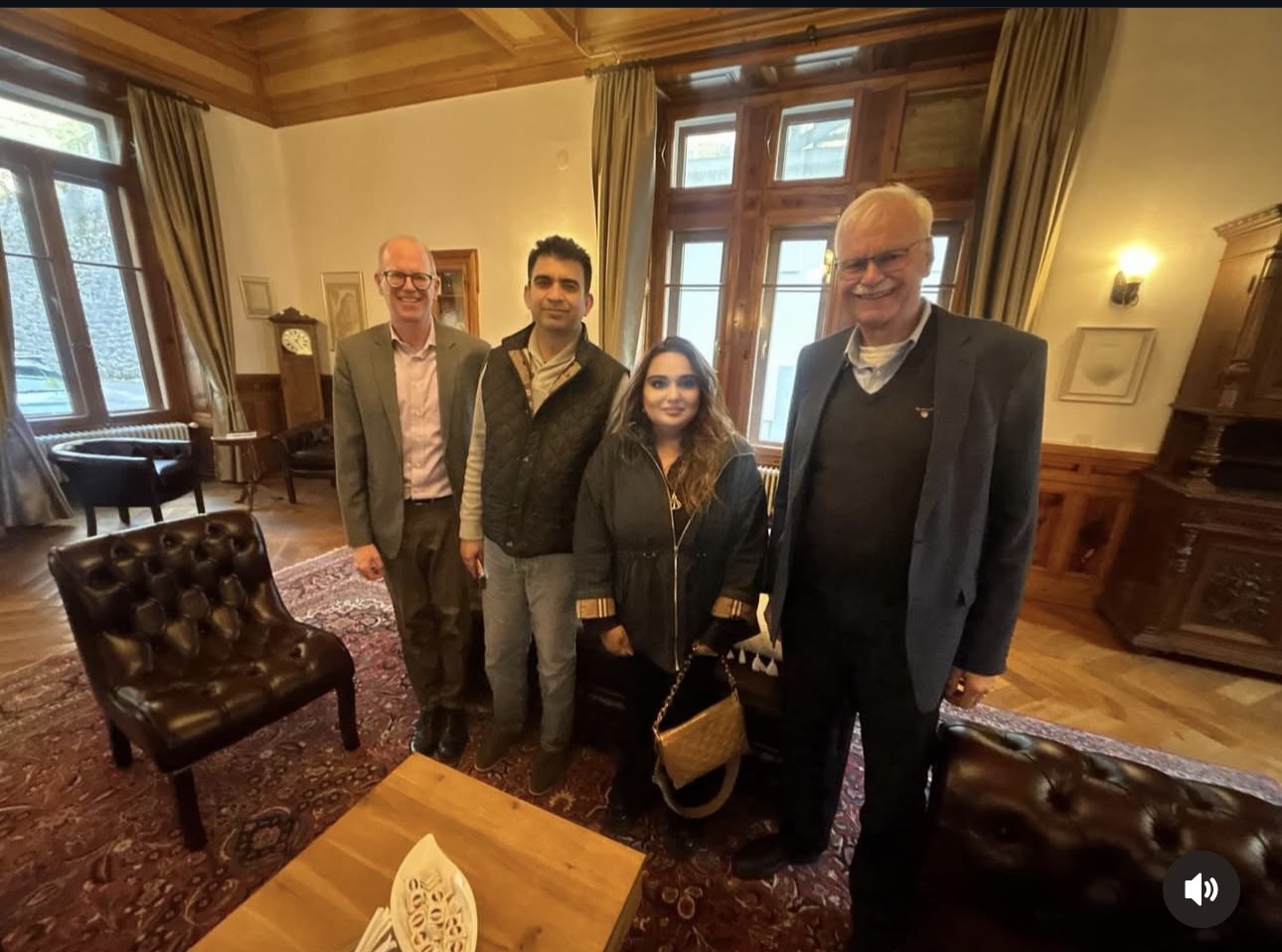
Receiving offers from the University of Toronto, Queen’s University and the Royal College of Surgeons has been incredibly humbling. Each opportunity represents years of support from my teachers, family and the people who believed in me. Harvard helped confirm my interest in medicine, but my international education has taught me the kind of person I hope to become while pursuing it.
Medicine is one of the most demanding career paths. What first inspired you to dream of becoming a doctor, and what kind of impact do you hope to make through your work?
My interest in medicine developed from a genuine curiosity about the human body and a desire to understand how science can directly improve someone’s life. Over time, however, I began to realise that medicine is as much about people as it is about science.
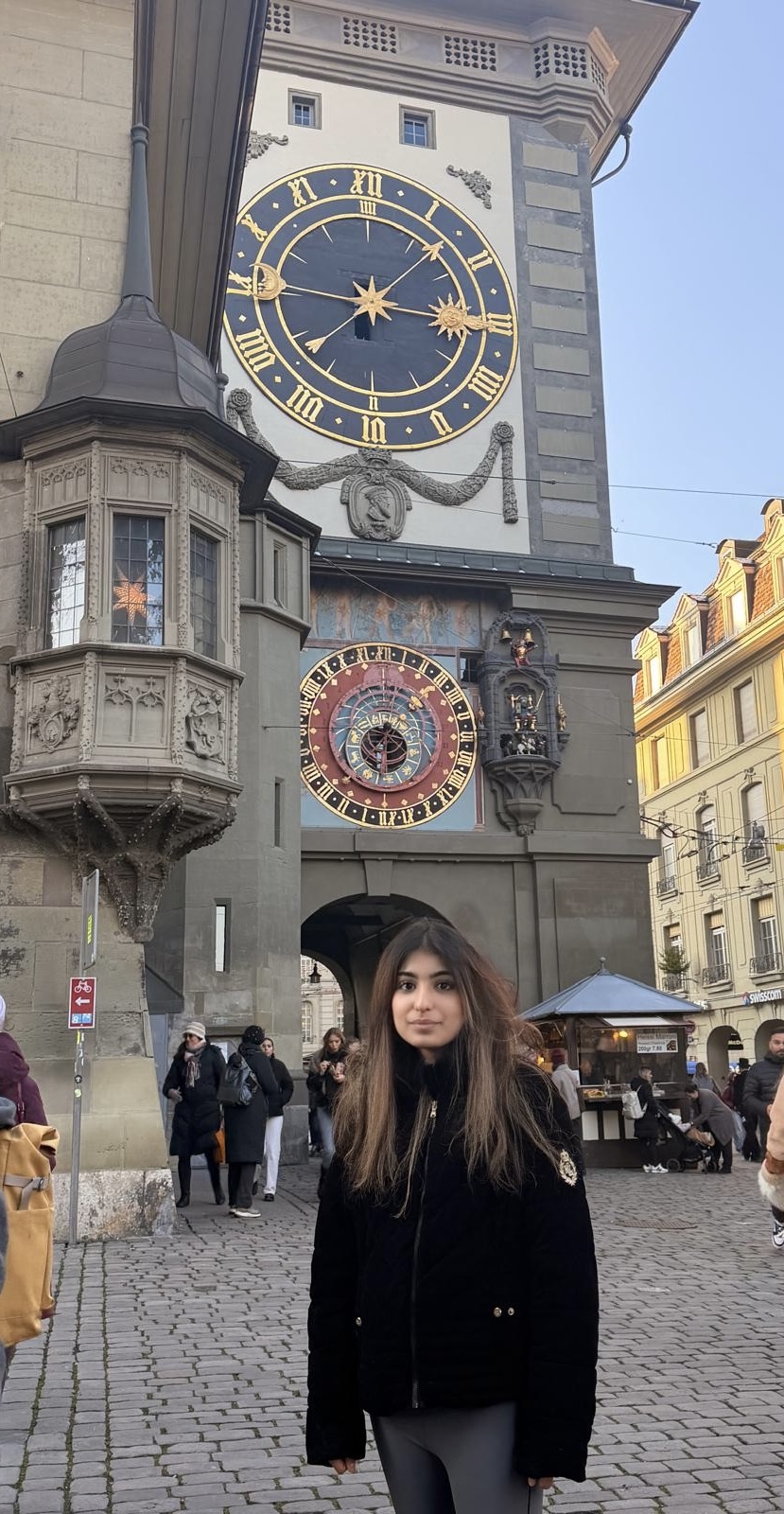
A patient may not remember every medical term used during an appointment, but they will often remember whether they felt heard, respected and cared for. That human side of medicine is very important to me.
I am still at the beginning of my journey, so I say this with a great deal of humility: I have so much to learn. My hope is to become a doctor who combines scientific knowledge with compassion. If, one day, I can make a frightened patient feel safer, help a family understand a difficult situation, or contribute to improving healthcare in underserved communities, I would consider that incredibly meaningful.
Growing up in a globally connected family has exposed you to different cultures and ways of thinking. How has this international upbringing shaped your personality and worldview?
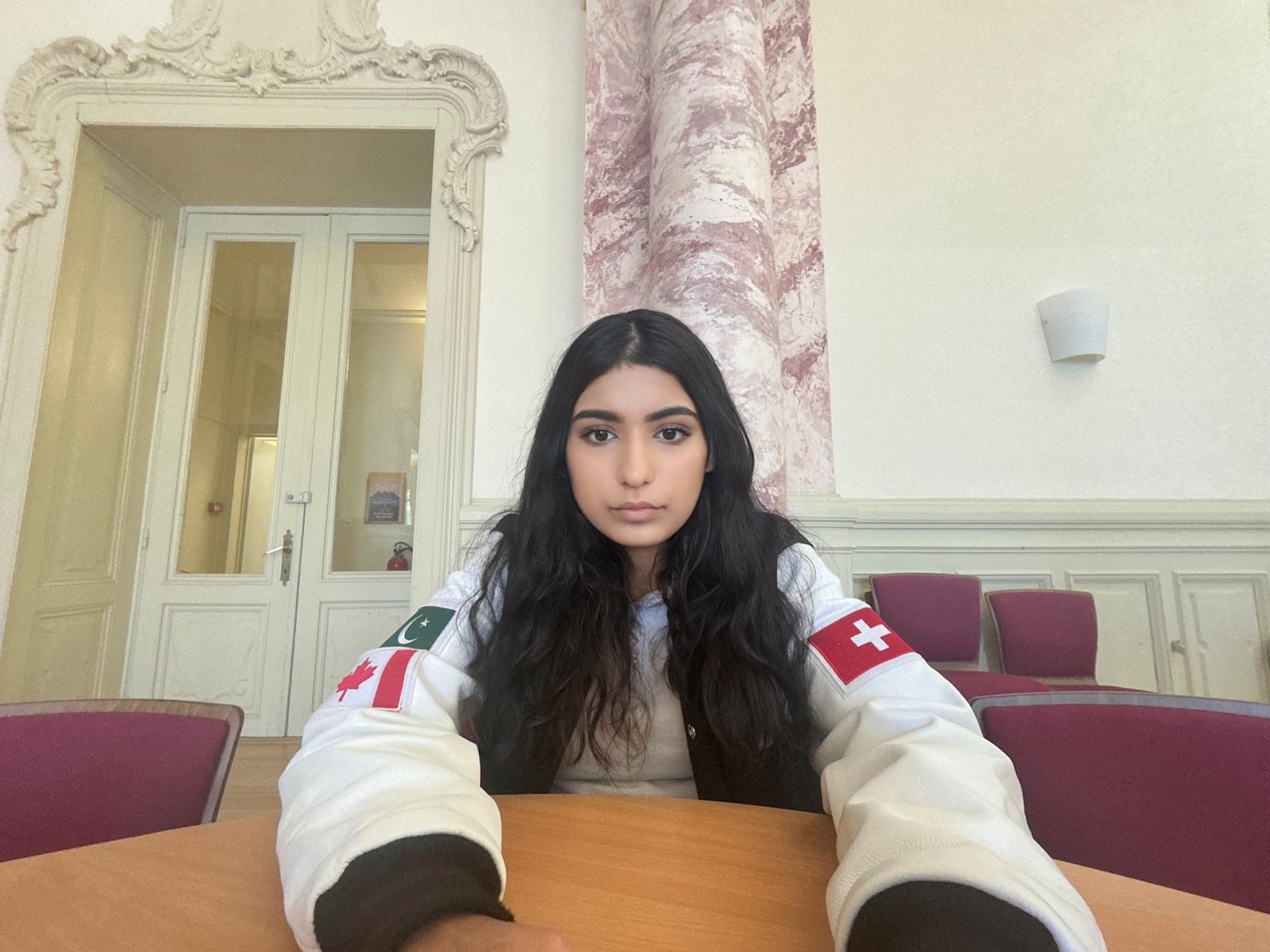
I was born and raised in a Canadian family based in Vaughan, Toronto, but our lives and experiences have always been internationally connected as my grandparents live in Pakistan where I feel deeply connected . I have also had the privilege of studying in Switzerland and travelling and meeting people from many parts of the world.
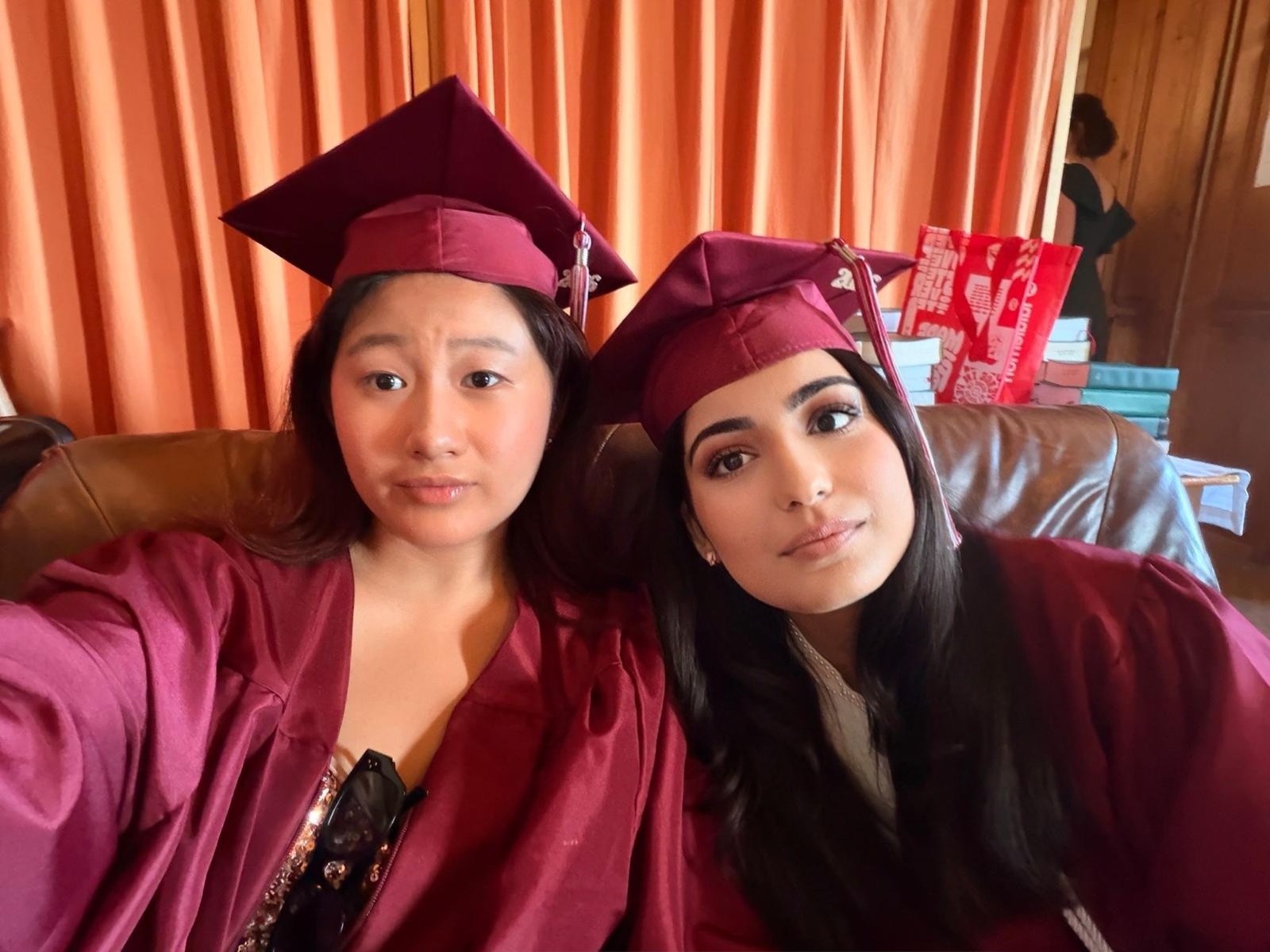
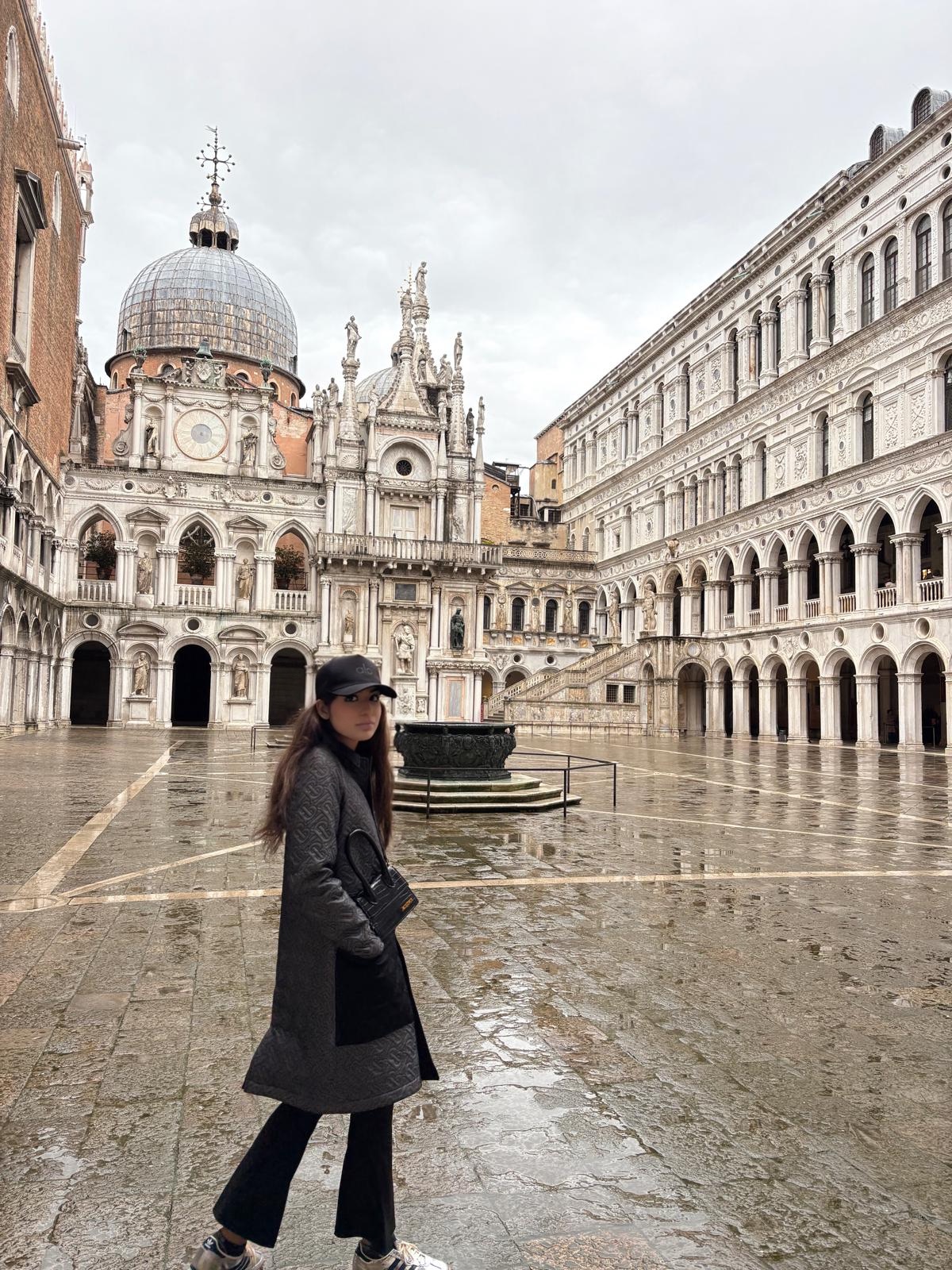
My father works internationally as a Vice President at Aramco Digital in Saudia Arabia and my mother manages businesses across Canada and Dubai. Watching both of my parents work across different cultures and environments taught me adaptability and the importance of respecting people from all walks of life.
At Leysin, I lived and studied with students whose languages, traditions and perspectives were sometimes completely different from mine. It made me realise how small our individual world can become if we only surround ourselves with people who think exactly like us.
I think my upbringing has made me curious about people. I try to ask questions, listen and remain open-minded. The world is incredibly diverse, and I see that diversity as something to learn from rather than something that divides us.
Your family has a remarkable legacy in entrepreneurship, leadership, and education. What values have you inherited from your parents and grandparents that you carry with you every day?
I am very grateful for my family, but what inspires me most is not simply what they have achieved; it is the work and perseverance behind those achievements.
My grandfather, Chaudhry Saleem Ullah, was a pioneer in contributing to the building and development of Islamabad. My grandmother, Naz Malik, has successfully run a housing project. From them, I have learned courage, vision and the importance of creating something that can serve future generations.
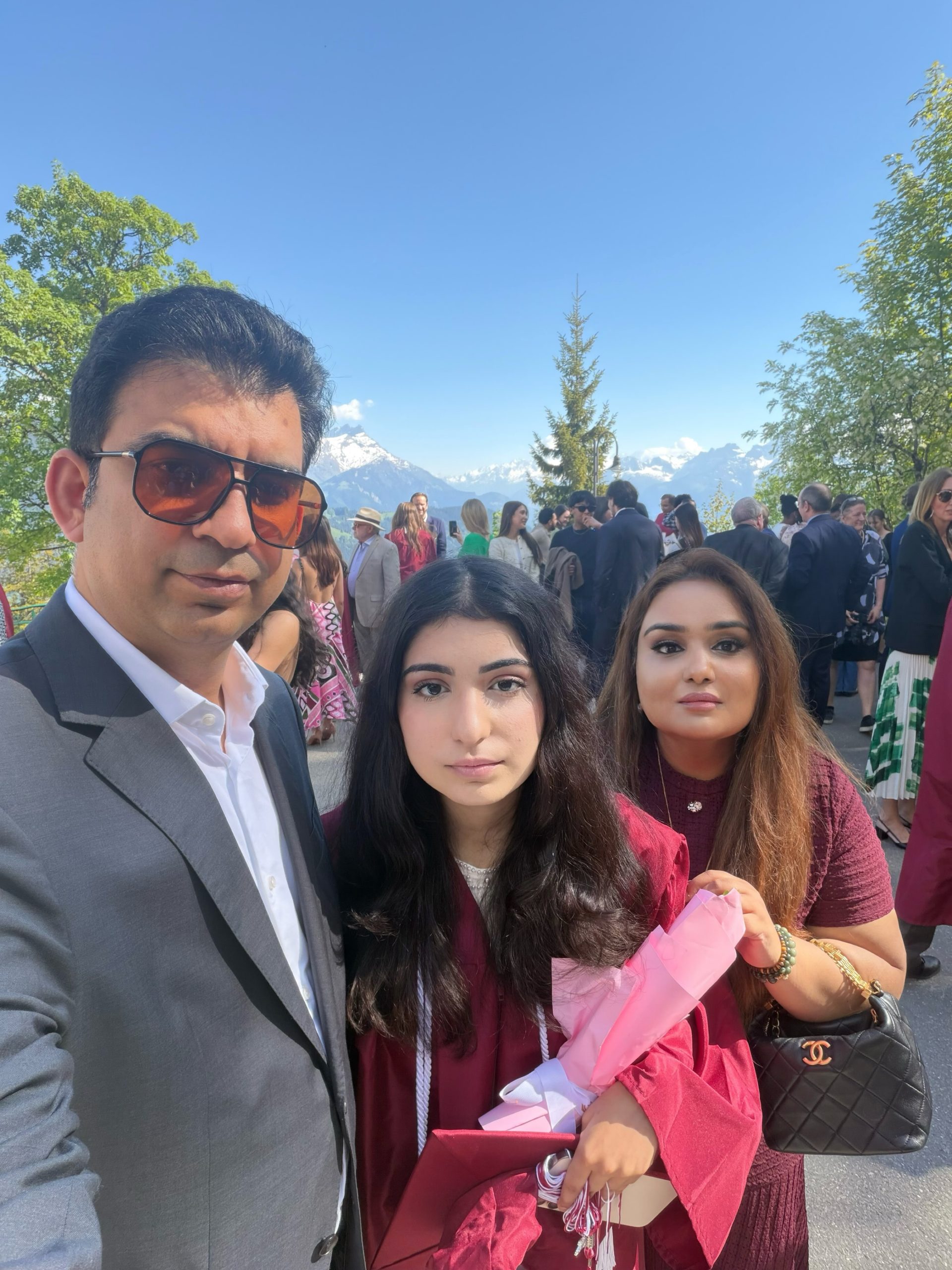
My father studied at the University of Toronto and has built his career in technology and leadership, while my mother studied at York University and has developed businesses across Canada and Dubai. My parents have always taught me that opportunities come with responsibility. They remind me to remain grounded, work hard and never believe that any achievement makes you more important than another person.
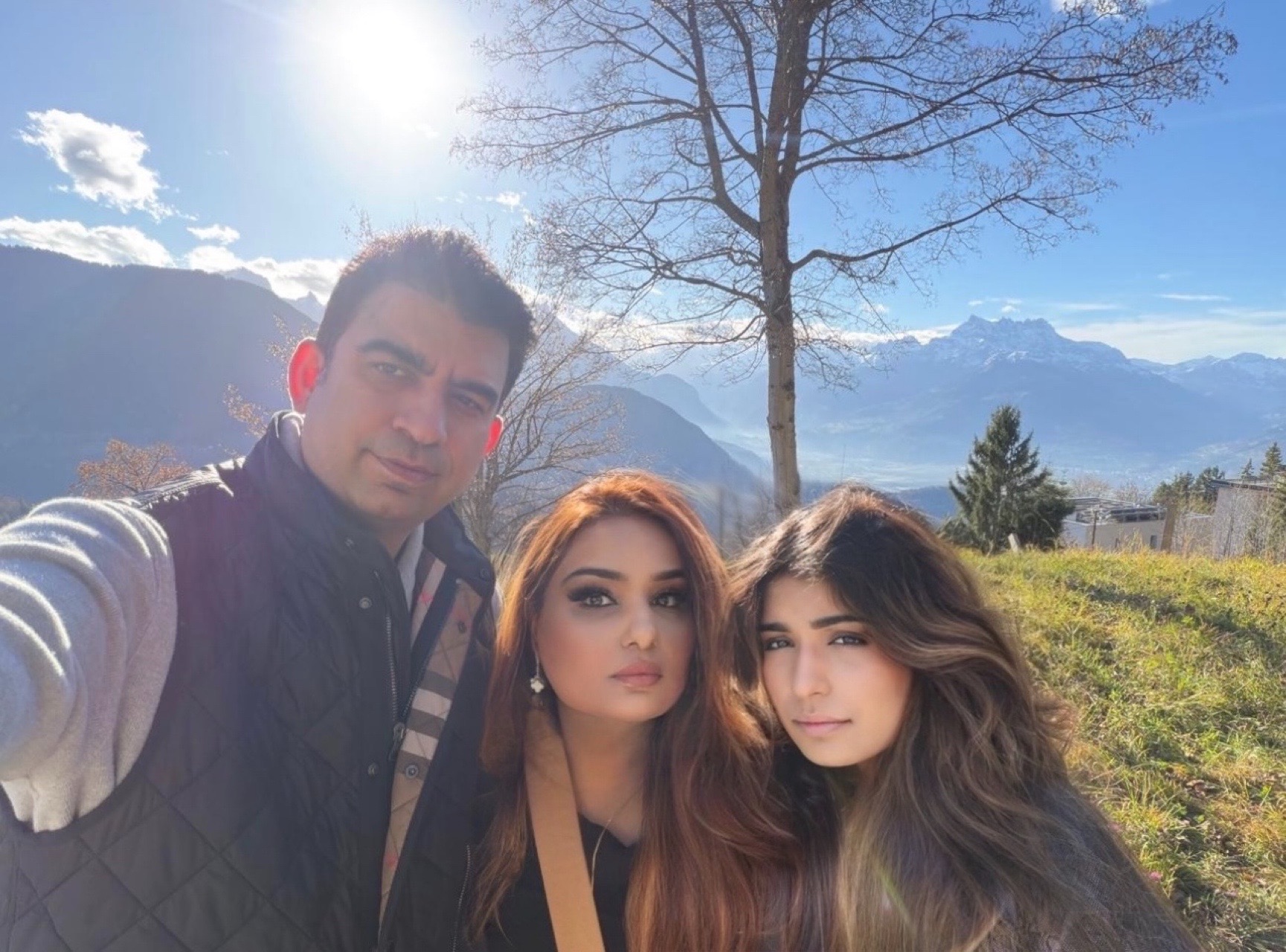
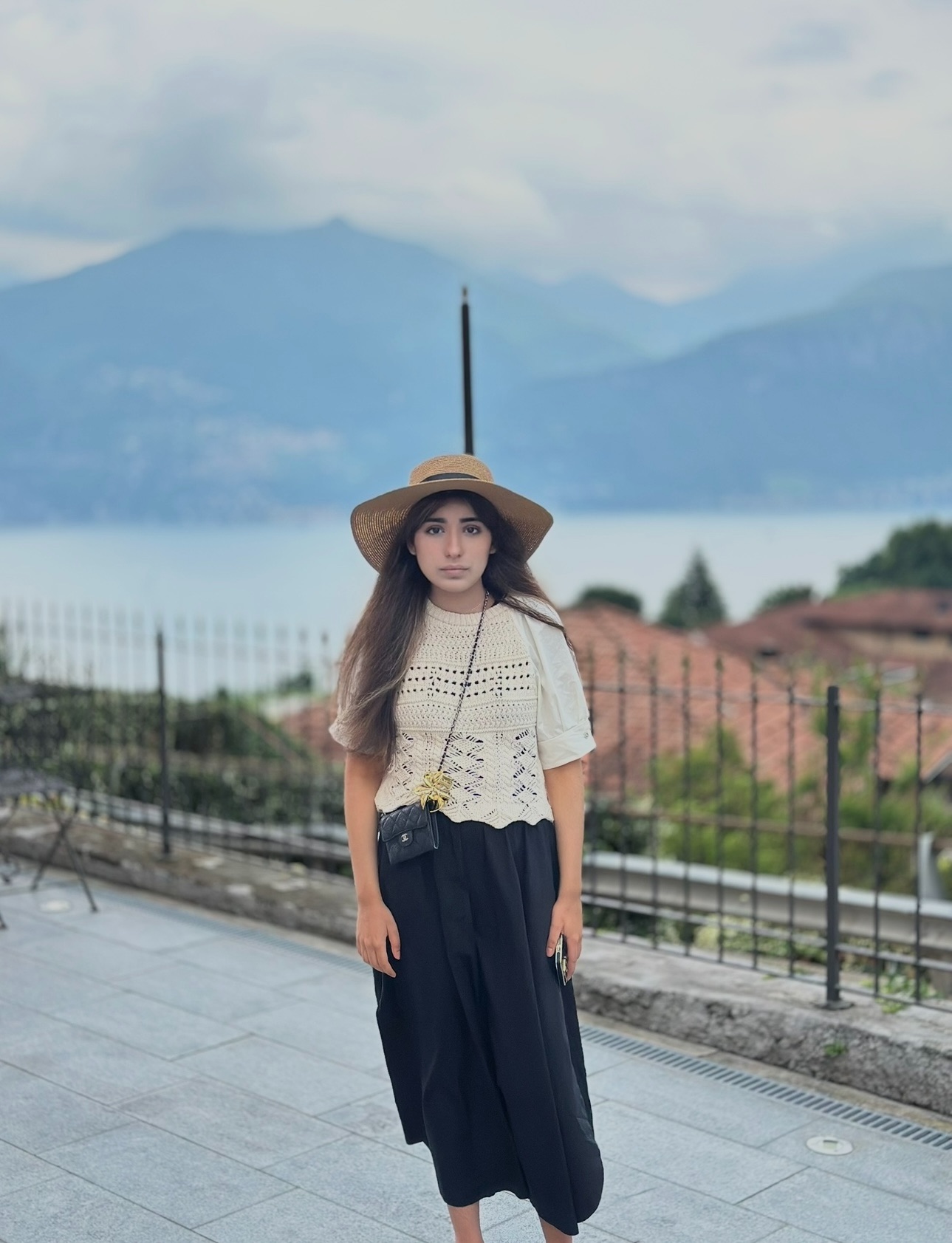
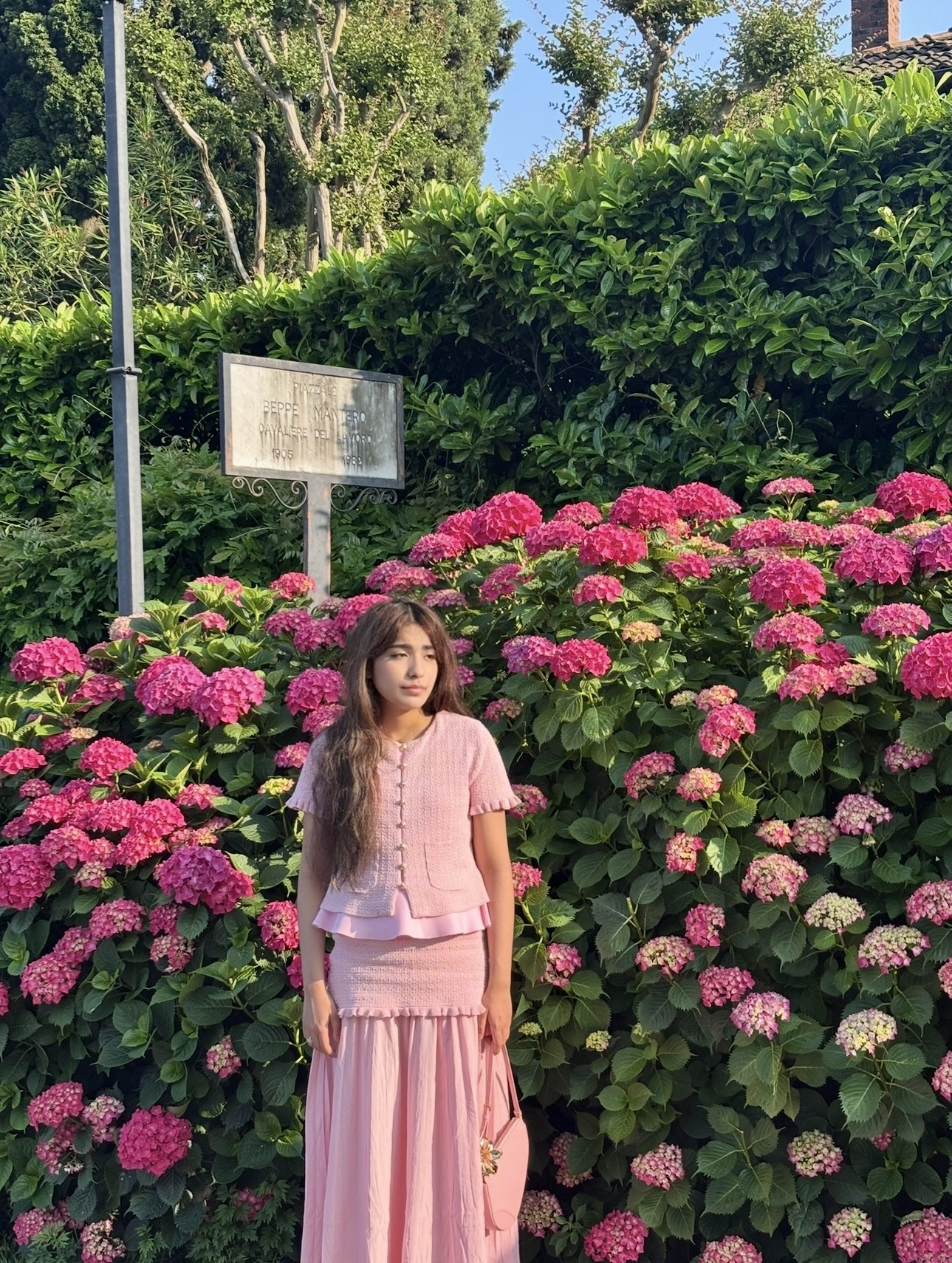
At home, I am also simply an older sister to Musa and Essa, and a very devoted member of our family Pablo, our dog, certainly keeps all of us humble! [laughs]
The values I hope to carry with me are resilience, kindness, discipline and humility. I have learned from my family that leadership should never only be about personal success; it should also be about what you contribute to others.
Alongside science, you’ve nurtured a creative side through art and writing, with your artwork even being exhibited at the Royal Ontario Museum. How do creativity and medicine complement each other in your life?
Art and writing have always given me a different way to understand emotions and people. I was incredibly grateful to have my artwork exhibited at the Royal Ontario Museum Toronto .For me, it was a very special experience, not simply because my work was displayed, but because art is such a personal form of communication.
I have also enjoyed writing stories and contributing to local libraries. Writing encourages you to imagine life from another person’s perspective. You have to think about how someone feels, what motivates them and what they may be experiencing internally.
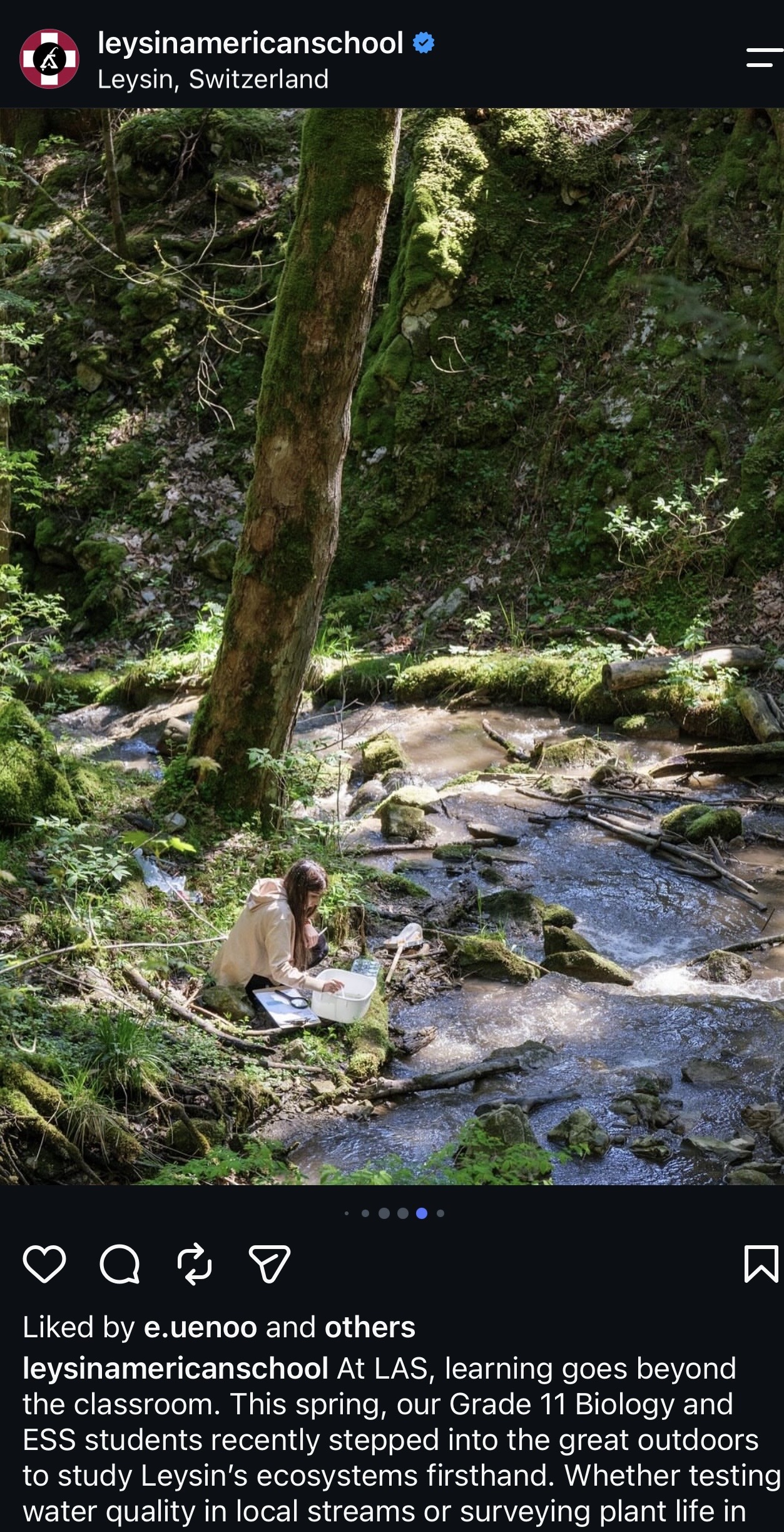
I believe there is a connection between that and medicine. Medicine requires scientific precision, but a doctor is caring for a human being with fears, relationships and a life beyond their symptoms. Creativity encourages observation and empathy.
Science teaches me to ask, “What is happening?”Art and writing often encourage me to ask, “What might this person be feeling?” I hope I never lose either side of myself.
You’ve balanced a rigorous International Baccalaureate programme while pursuing extracurricular passions. What advice would you give students who struggle to balance academics with their personal interests?
I would first say that I am definitely not someone who managed everything perfectly! There were days when I felt organised and productive, and there were also days when my plans completely fell apart.
The IB taught me that balance does not always mean giving equal time to everything every single day. Sometimes academics require more attention, and at other times you need space for yourself, your creativity or the people you love.
My advice would be to avoid comparing your routine with someone else’s. What works for one student may not work for another. Break large tasks into smaller ones, ask for help before you become completely overwhelmed and protect at least a little time for something that genuinely makes you happy.
I also believe rest should not be treated as a reward you only deserve after exhaustion. We are human beings before we are students. Looking after yourself allows you to return to your goals with greater clarity.
Success often comes with moments of self-doubt. Was there ever a time when you questioned yourself, and how did you overcome it?
Absolutely. I think it would be unrealistic for me to pretend that I have never doubted myself.
There were moments during the IB when I questioned whether I was capable of reaching the goals I had set for myself. Studying away from home can also feel lonely at times, even when you are surrounded by wonderful people. I have had moments when I felt tired, overwhelmed or afraid that one difficult period might define my entire future.
I learned not to make permanent conclusions about myself based on a difficult day or a difficult season. I also learned to accept support. My family has been an enormous source of encouragement, and I have been fortunate to have teachers and people around me who reminded me to look at the bigger picture.
I still experience self-doubt. I simply understand it differently now. Doubt does not always mean you should stop; sometimes it means you care deeply about what you are trying to achieve. I try to acknowledge the feeling, learn from it and continue moving forward one step at a time.
You describe yourself as someone who enjoys giving back through libraries, storytelling, and community involvement. Why do you believe community service is important for young people today?
I believe community service reminds us that our lives are connected to the lives of others. It is very easy, especially as students, to become completely focused on grades, university applications and our own future. Giving back encourages us to look beyond ourselves.
My involvement with libraries and storytelling has been particularly meaningful because books can give a young person confidence, imagination and sometimes even a sense of belonging. Something that feels like a small contribution to you may have a much greater meaning to someone else.
I also think young people should understand that community service is not about building an impressive résumé. If that is the only motivation, we miss the point. Service should begin with listening to what a community actually needs.
You do not need to create a huge organisation to make a difference. You can give your time, share a skill, help one child enjoy reading or consistently support an existing community initiative. Small acts, when they are sincere and sustained, matter.
If you could speak to your 13-year-old self today, what would you tell her about chasing big dreams without being overwhelmed?
I would tell her, “You don’t have to have your entire life figured out yet.”
At thirteen, big dreams can sometimes become frightening because you begin looking at the distance between where you are and where you hope to be. I would tell my younger self to stop trying to climb the entire staircase in one day.
Study for the next test. Read the next book. Ask the next question. Be kind to the person in front of you. Take the next opportunity that genuinely interests you.
I would also tell her that plans can change, and that does not always mean you have failed. Growth sometimes changes the way you see your future.
Most importantly, I would tell her to enjoy being young. Dreams are important, but so are family dinners, laughing with your brothers, creating art, writing stories and spending time with the people you love. Life should not begin only after you achieve something.
What does success truly mean to you at this stage of your life? Is it achievements, purpose, happiness—or something entirely different?
My definition of success is still evolving.
Of course, I am grateful for academic opportunities and university offers. They are meaningful to me because I know how much work and support went into reaching this stage.
At this stage of my life, I think success means becoming a person who uses her opportunities with purpose. I want to continue learning, remain close to my family and build a life in which I can be useful to others.
Perhaps success is a combination of purpose, happiness and inner peace. It is being ambitious without losing your kindness. It is achieving something and still remembering the people who helped you get there.
I am only at the beginning of my journey, so I certainly do not have a perfect definition yet. I hope that, years from now, I will measure my success not only by what I accomplished, but also by how I treated people along the way.
Finally, what message would you like to leave for young people around the world who dream of making a difference but don’t know where to begin?
Begin where you are, with what you have.
I think we sometimes see extraordinary people and extraordinary achievements and assume that making a difference must begin with a huge idea. But almost every meaningful journey begins quietly with curiosity, one decision or a willingness to help.
Read about the subject that interests you. Volunteer in your local community. Ask someone experienced for guidance. Write your idea down. Apply for the opportunity even if you are nervous. Allow yourself to be a beginner.
You also do not need to know exactly who you will become. I am still learning that myself.
Dream big, but remain humble enough to learn. Be ambitious, but be kind. And remember that making a difference does not always mean changing the entire world. Sometimes, positively changing one person’s world is a beautiful place to begin.
Rapid Fire
Fun Round
Three words your friends would use to describe you?
Curious, compassionate and determined.Although my close friends might add slightly perfectionistic! [laughs]
Coffee, tea, or hot chocolate while studying?
Hot chocolate especially after living in Switzerland!
A book, movie, or person that has inspired you the most?
My family collectively inspires me the most. I have been fortunate to grow up around people who have built
their lives through education, resilience and hard work. I take different lessons from my parents and grandparents, and I hope to carry the best of those lessons into my own journey.
If you weren’t pursuing medicine, what career would you choose?
Probably something involving writing, art or scientific research. I have always loved storytelling and creativity, so perhaps I would find a way to combine science with communication.
One destination in the world that’s still on your travel bucket list?
Japan. I would love to experience the culture, art and history and, of course, the food!