On Fashion, Influence & the Art of Building a Lasting Reputation
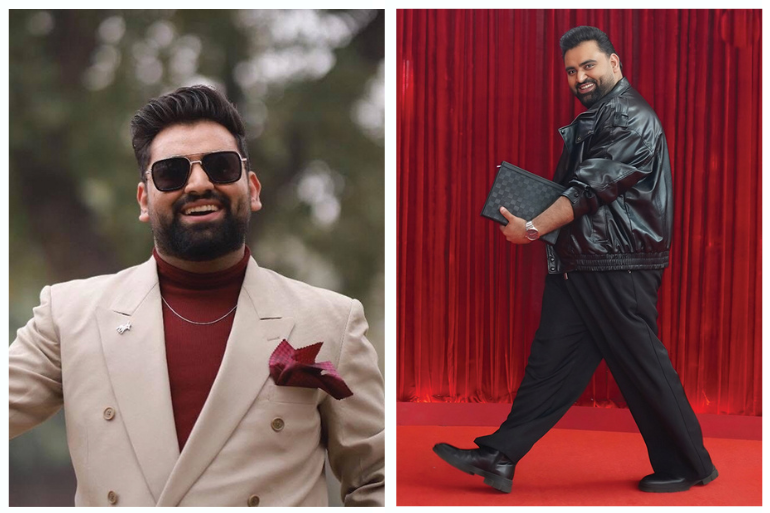
In an industry where visibility is often mistaken for influence, Murrad Rahim Khan has built his career on something far more enduring: credibility.
From studying textile design to establishing Murrad Rahim PR & Coordinators, his journey spans public relations, fashion, styling, photography and creative direction. With over a decade of experience and associations with more than 100 brands, he has carved out a distinctive identity in Pakistan’s creative landscape.
Behind the glamorous events and carefully curated campaigns is a man who values meaningful relationships, creative integrity and the power of reputation.
In an exclusive conversation with Good Times Magazine, Murrad opens up about the realities behind the glamour, the changing face of Pakistan’s fashion and PR industries, the values that keep him grounded and the legacy he hopes to create.
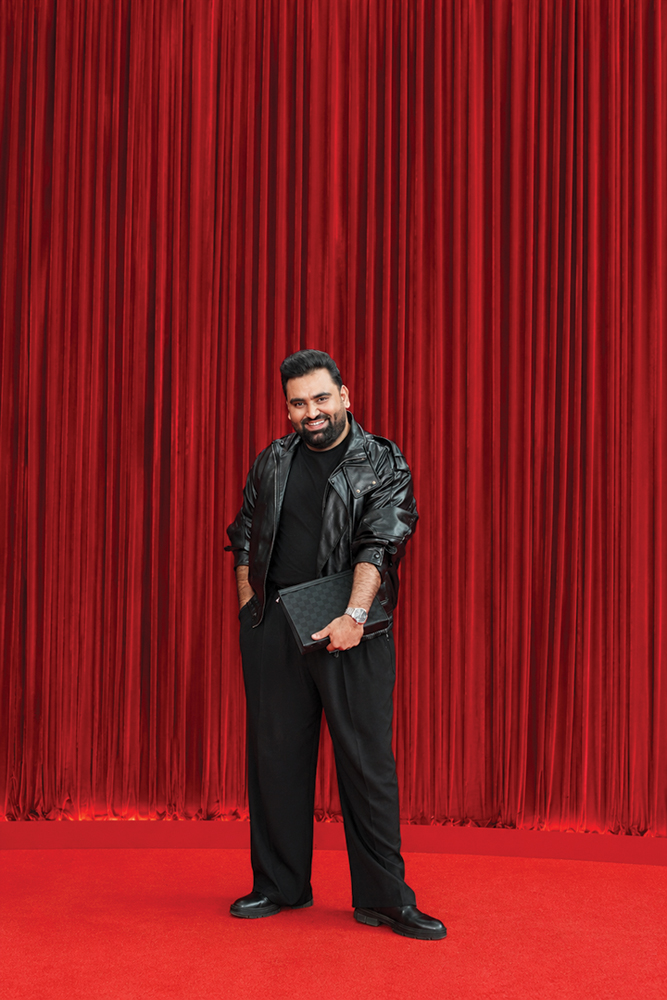
You have established yourself across public relations, fashion, styling, photography and creative direction. Take us back to the beginning. How did your journey into the industry start, and what made PR your calling?
My journey began in 2015, while I was pursuing my bachelor’s degree in Textile Design. I had always been fascinated by fashion, creativity and the process of bringing ideas to life. At the time, digital influencing was still relatively new in Pakistan, particularly for men, and I was eager to explore that space.
What began as a passion gradually evolved into a profession. In 2016, I ventured into public relations and creative marketing, and there was no looking back.
PR became my calling because I realised I wasn’t simply interested in being in the spotlight; I enjoyed creating opportunities, connecting people and making things happen behind the scenes. There was something incredibly fulfilling about helping others build their identities and achieve their goals.
Over the years, my work expanded into styling, photography, creative direction and event management. Today, I see these disciplines as interconnected forms of storytelling.
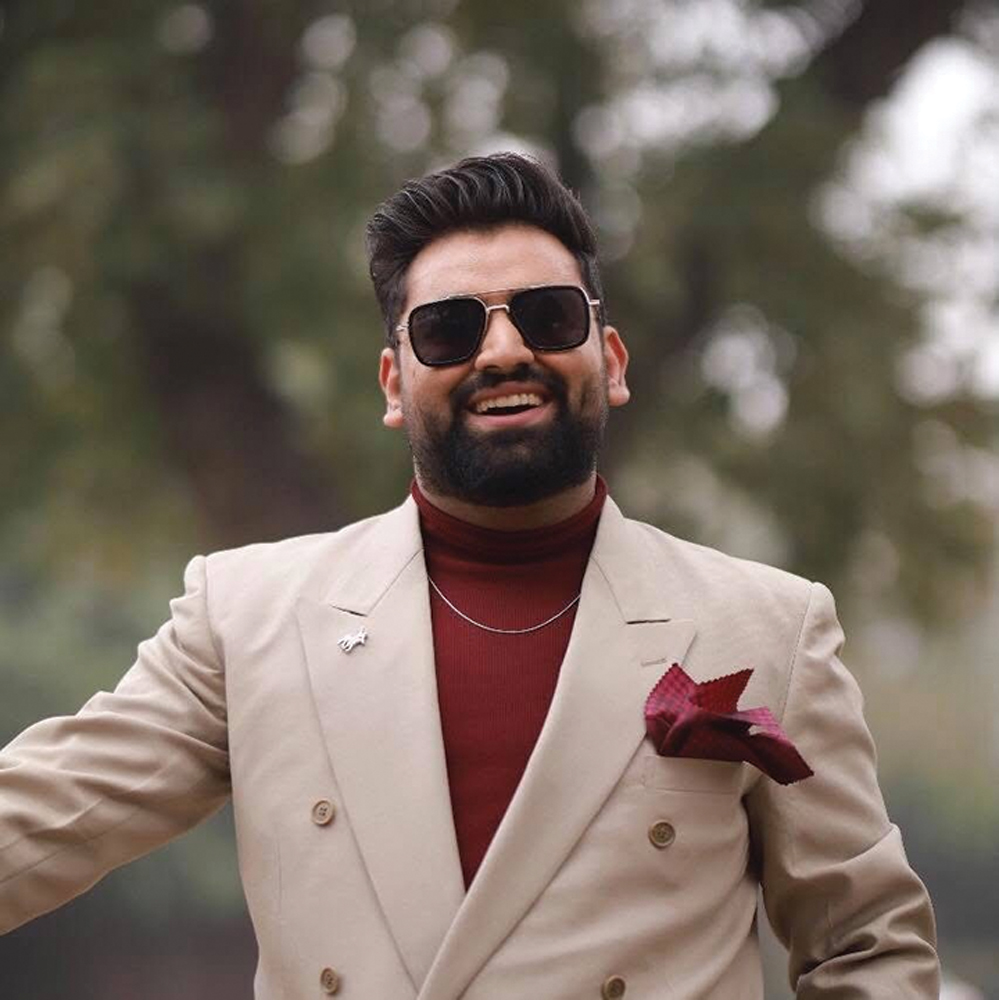
Public relations is often about building other people’s images while remaining behind the scenes. How have you managed to establish your own identity in an industry where your work largely revolves around promoting others?
I’ve always believed that your work should speak for you before you speak for yourself.
Building my identity was never about competing with the people or brands I represented. It was about establishing credibility through consistency, creativity and professionalism.
Having started as a content creator, I understood personal branding early on. However, as I grew professionally, I wanted to be recognised for more than my social media presence. I wanted my name to represent trust, quality and the ability to deliver.
Whether I’m working backstage at a fashion show, directing a campaign, styling someone or managing a brand’s PR, I want people to associate my name with a certain standard of work.
For me, the greatest recognition is when someone trusts my judgement even before seeing the final result.
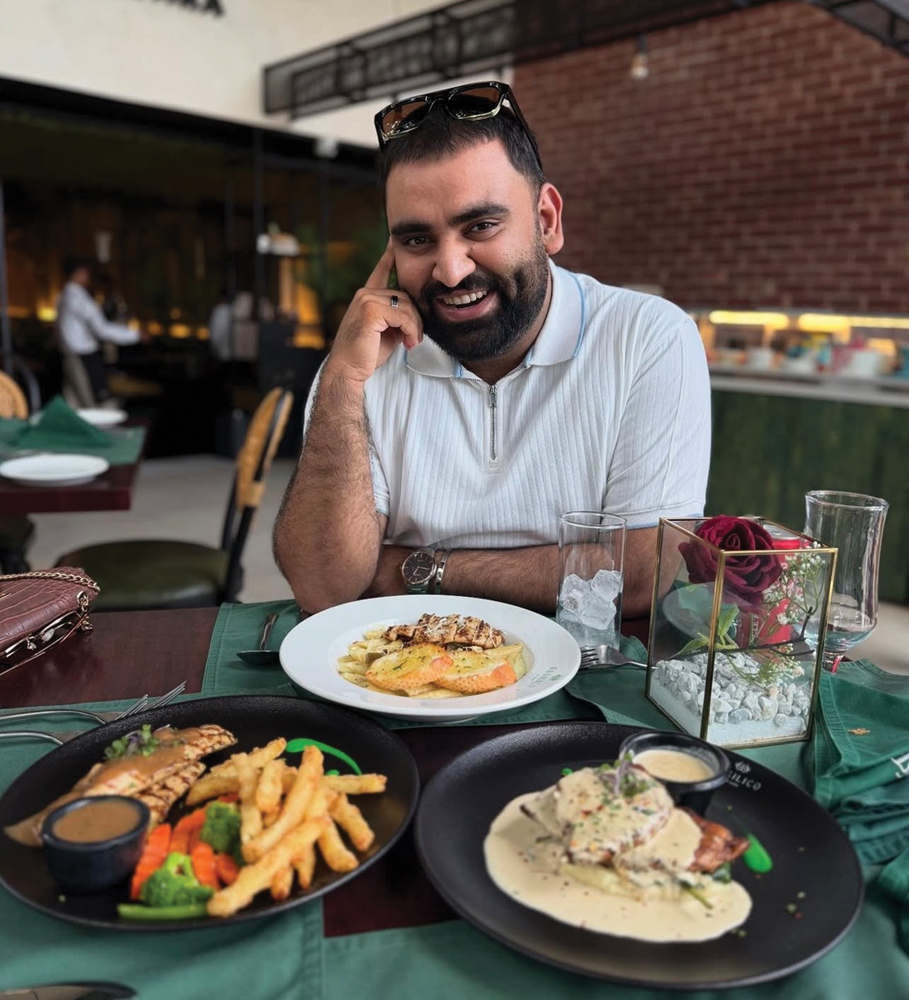
In Pakistan’s fashion and entertainment circles, relationships are everything. What does it really take to build a strong network, earn people’s trust and sustain those connections over the years?
Relationships are undoubtedly important, but there’s a huge difference between knowing people and earning their trust.
Anyone can exchange numbers, attend events or become acquainted with influential personalities. What truly matters is how you maintain those relationships when there’s nothing to gain.
I’ve always valued respect, loyalty, honesty and professionalism. I believe in honouring commitments, showing up for people and maintaining relationships beyond professional transactions.
I’ve also learned that you don’t have to agree with everyone to maintain a healthy relationship. Respecting differences is equally important.
The industry is smaller than people realise, and sometimes your reputation travels faster than your work. Contacts might open doors, but your character determines how long those doors remain open.
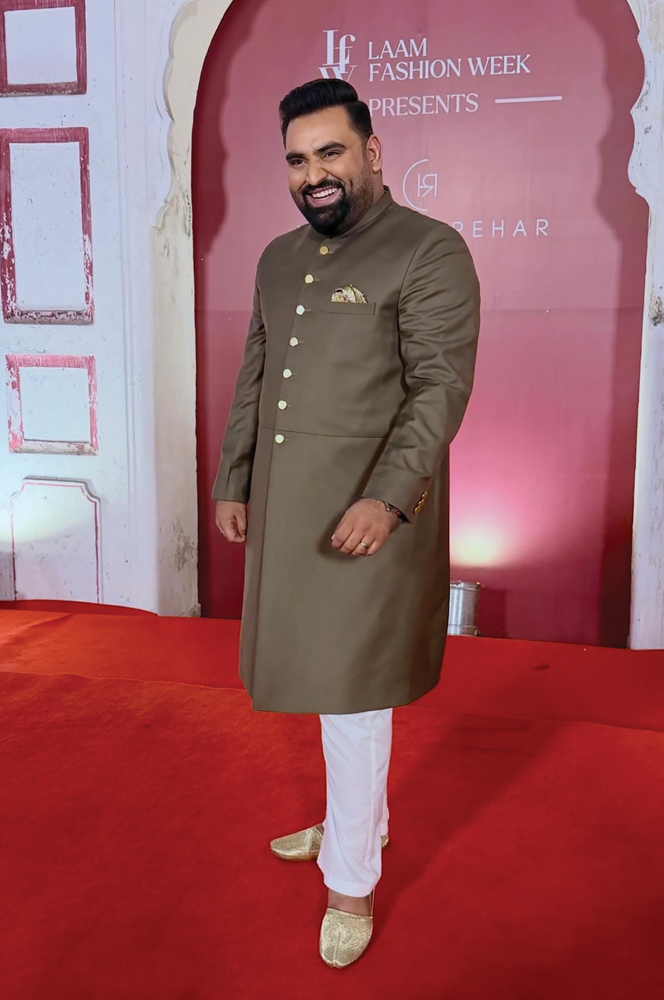
You work at the intersection of PR, styling and creative direction. When a brand or personality approaches you, how do you create an image that is both commercially appealing and authentic?
My first step is always to understand the person or brand before attempting to transform anything. I don’t believe in imposing an identity simply because it’s trending or commercially successful.
Every brand has its own personality, audience and story, just as every individual has a unique sense of style and expression. I take time to understand their vision, strengths and long-term goals before translating them into something visually compelling and commercially relevant.
My background in textile design allows me to look beyond fashion’s surface. I consider silhouettes, colours, textures, styling and the overall visual language. My PR experience, meanwhile, helps me understand how that image will be perceived.
Ultimately, a successful image should attract attention without compromising the identity behind it.
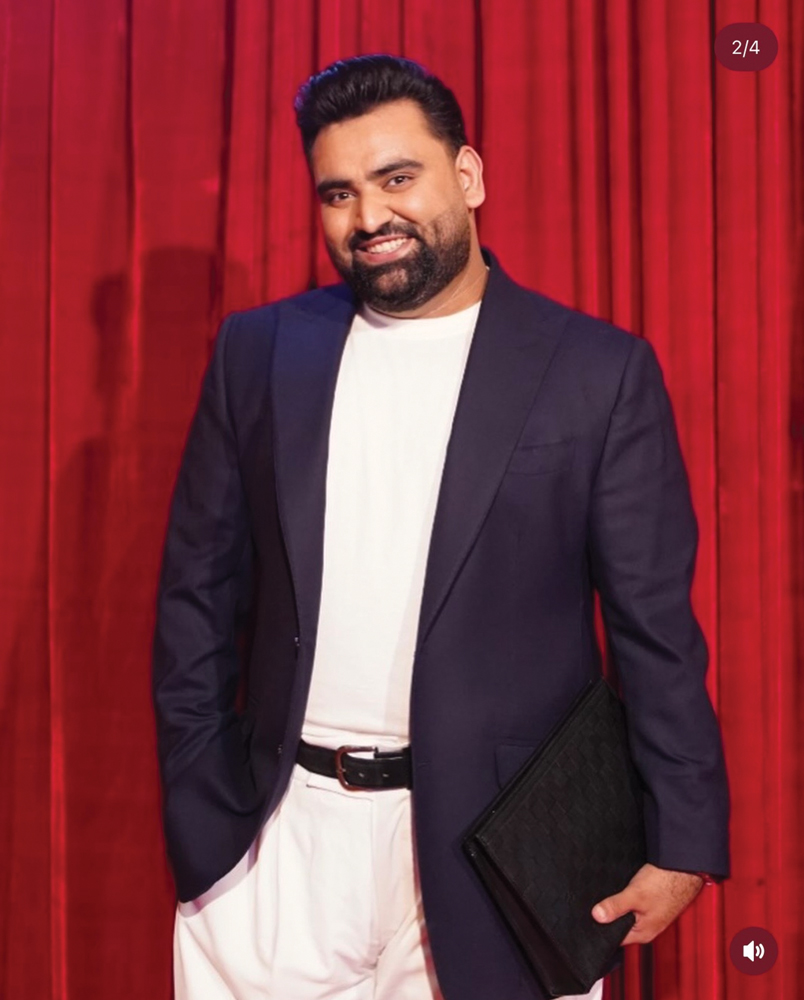
PR has evolved dramatically with the rise of influencers, digital media and social platforms. Does traditional public relations still hold the same power, or has the industry become increasingly driven by numbers, visibility and viral moments?
PR has evolved tremendously, and I believe that’s a good thing. Digital platforms have created opportunities that simply didn’t exist when I started. However, somewhere along the way, people began confusing visibility with credibility.
Having a million followers doesn’t necessarily mean you have influence, and going viral doesn’t automatically translate into long-term brand value.
Traditional PR remains incredibly important because relationships, media credibility, reputation management and strategic communication cannot be replaced by algorithms.
Digital PR is powerful, but it needs direction. I believe the future belongs to professionals who can combine traditional relationships with modern digital strategies.
Numbers can create noise, but credibility creates impact.
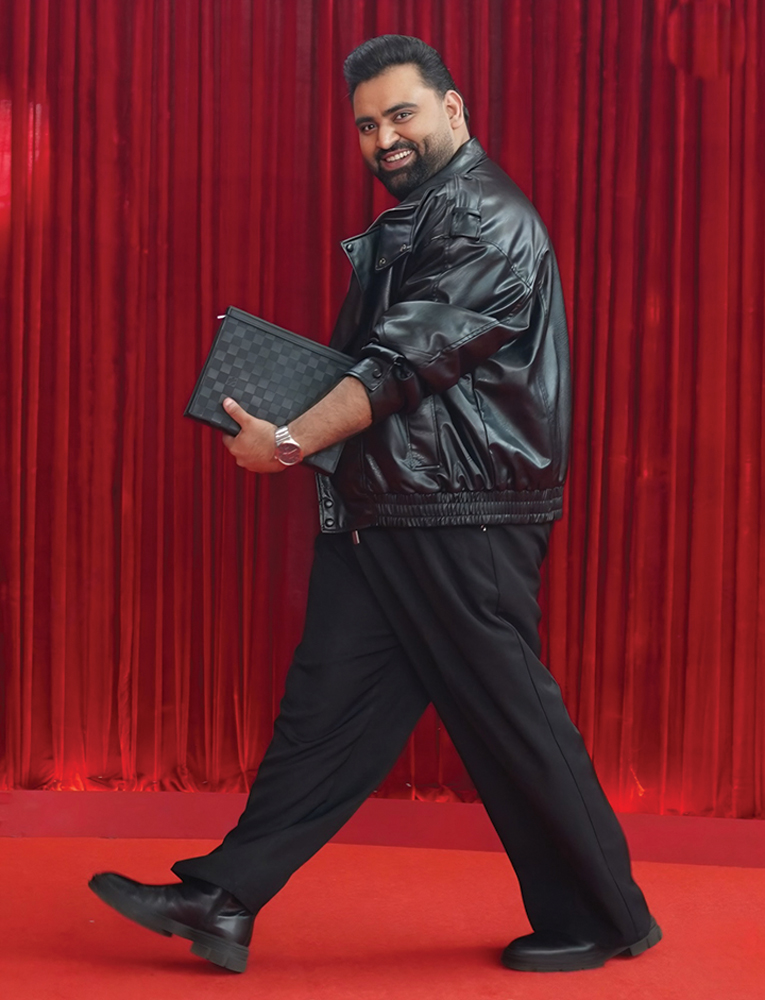
Having worked extensively within Pakistan’s fashion and beauty landscape, what goes into creating a successful campaign that audiences rarely get to see?
People see the final photographs, beautiful models, stunning outfits and perfectly executed campaigns. What they don’t see is the enormous amount of planning, coordination and problem-solving behind them.
A successful campaign begins long before the camera starts clicking. From conceptualisation and mood boards to selecting models, coordinating designers, managing hair and makeup teams, arranging locations and finalising styling, every detail must align with the creative vision.
Having worked in fashion productions, beauty campaigns and backstage management, I’ve learned that even the smallest detail can affect the outcome.
Sometimes you’re managing ten things simultaneously while ensuring the creative process feels effortless for everyone involved.
And honestly, that’s the beauty of production. When everything looks effortless on screen, it’s usually because an incredible amount of effort went into making it happen.
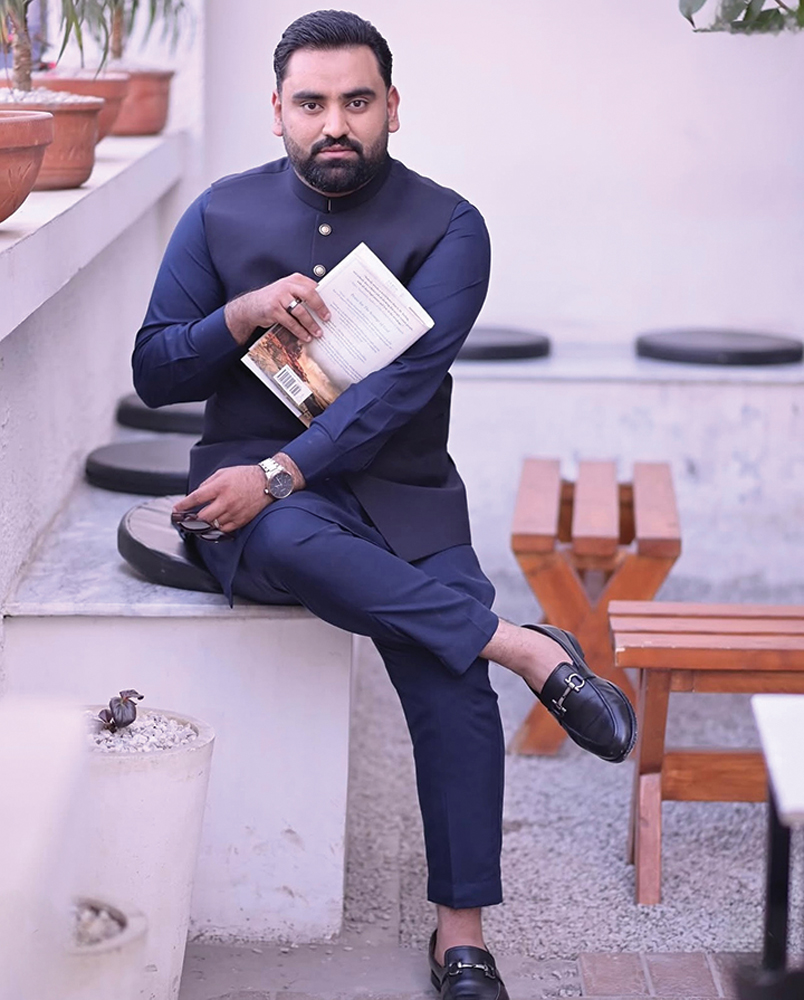
The PR industry is often associated with glamour, exclusive events and influential social circles. What are the biggest misconceptions about your profession, and what does the reality look like behind closed doors?
The biggest misconception is that PR is all about glamorous events, meeting celebrities, dressing up and socialising. I wish it were that simple!
What people don’t see are the endless calls, negotiations, last-minute cancellations, demanding deadlines, budget constraints and unexpected crises.
There are days when you’re working from early morning until the following morning, managing different personalities and solving problems nobody even knows existed.
People often assume that knowing influential individuals makes everything easier. In reality, maintaining those relationships and consistently delivering results requires tremendous effort.
I absolutely enjoy the glamour, fashion and creativity associated with my work, but that’s only a small part of the profession.
Behind every glamorous event is a team of exhausted professionals making sure everyone else has a wonderful time.
Managing personalities, brands and creative teams must come with difficult situations. How do you navigate competing egos, demanding clients and unexpected controversies while maintaining professional relationships?
Patience, communication and emotional intelligence are probably the three most important qualities in this profession.
When you’re working with creative individuals, strong personalities and established brands, differences of opinion are inevitable. I’ve learned not to take every disagreement personally.
My approach is to listen, understand the situation and find a solution that protects both the project and the professional relationship.
However, I also believe professionalism should never come at the cost of self-respect. There’s a difference between accommodating someone and allowing yourself or your team to be disrespected.
I value relationships immensely, but boundaries, mutual respect and accountability are equally important.
Over the years, I’ve realised that not every situation requires a reaction. Sometimes maintaining your dignity and allowing your work to speak for itself is the strongest response.
In an era where almost anyone can call themselves a PR professional or influencer, what separates genuine industry expertise from simply having the right contacts and a strong social media presence?
Experience, knowledge, execution and accountability.
Social media has made professional titles extremely accessible, and that isn’t necessarily a bad thing. Everyone deserves an opportunity to explore their potential. However, there’s a difference between having access to people and knowing how to strategically build a brand.
A genuine PR professional understands positioning, communication, crisis management, media relationships, campaign planning, budgets and negotiations. Most importantly, they know how to execute ideas and deliver results, even when things don’t go according to plan.
Similarly, being an influencer isn’t simply about having followers. It’s about having a voice, understanding your audience and being responsible for the influence you carry.
I’ve spent over a decade learning through experience, making mistakes, navigating challenges and constantly evolving.
A title can be added to your Instagram bio overnight. Expertise takes years to build.
Looking back at your professional journey, which collaborations, campaigns or personalities have played a defining role in shaping your career? Is there a particular achievement you consider a turning point?
Every chapter of my journey has shaped who I am today, but certain experiences will always hold a special place in my heart.
My time working with Guddu Shani was particularly significant. It exposed me to the creative side of the fashion industry and strengthened my understanding of visual storytelling, aesthetics and professional discipline.
Another defining chapter was working with Production 021 under the supervision of Aamir Lakhani and Muneera Lakhani. That experience introduced me to the intricacies of fashion show production, backstage management and large-scale event execution. The lessons I learned there have stayed with me throughout my career.
My association with Hifsa Khan Salon & Studio was equally instrumental. Working closely with the brand for several years allowed me to explore PR, creative marketing, brand positioning and campaign development on a much deeper level. It was a period of tremendous professional growth and creative freedom.
And, of course, establishing my own agency, Murrad Rahim PR & Coordinators, remains one of my proudest achievements. Building something independently, developing relationships with over 100 brands and earning the trust of industry professionals has been incredibly fulfilling.
If I had to identify one turning point, it would be the transition from working under established industry names to creating an independent identity that people genuinely trust.
For me, success has never been about how many influential people I know, but how many people respect my work, believe in my vision and trust me with theirs.
Pakistani fashion and entertainment have become increasingly interconnected with digital creators and celebrity culture. Has this shift created more opportunities for emerging talent, or made the industry overly dependent on influence and popularity?
I think it’s a combination of both.
On one hand, digital media has democratised the industry. Talented individuals no longer necessarily need traditional connections or established platforms to showcase their work. A young designer, photographer, stylist or content creator can build an audience and create opportunities independently, which is wonderful.
However, I also feel we’ve become slightly too obsessed with popularity.
Sometimes the conversation revolves more around who attended a show or who wore an outfit than the craftsmanship and creativity behind the collection.
Having studied textile design, I genuinely appreciate the technical and artistic aspects of fashion — the fabrication, silhouettes, construction, detailing and craftsmanship.
I’d love to see more recognition for the people creating the art, not just those wearing it.
Influence should amplify creativity, not overshadow it.
Beyond your professional life, how would you describe Murrad Rahim Khan as a person? What experiences, relationships and personal values have shaped the man behind the public image?
Beyond the professional world, I’m actually a very emotional, family-oriented and relatively simple person.
People often see my confident, social and outspoken side, but there’s a much softer side that only those close to me truly know.
My family is my biggest strength. My parents have played an enormous role in shaping my values, and my wife has been an important part of my personal journey. I value relationships deeply, remember small gestures, appreciate kindness and believe in being there for people.
My faith also plays a significant role in my life. It keeps me grounded and reminds me that success, recognition and opportunities are blessings from Allah.
I’ve experienced beautiful moments, disappointments, professional challenges and personal setbacks, and each has taught me something valuable.
One thing I’ve learned is that you cannot control how everyone perceives you, but you can control your intentions, actions and character.
I may work in an industry built around image and perception, but in my personal life, I value sincerity above everything.
At the end of the day, I want to be remembered as a good human being before anything else.
You have built a career around creating visibility and shaping perceptions. As you look towards the next chapter, what ambitions remain unfulfilled, and what kind of legacy would you like to leave in Pakistan’s PR and creative industry?
I genuinely believe I’m still learning, and there’s so much more I want to achieve.
One of my biggest ambitions is to take my work beyond Pakistan and collaborate with international fashion houses, publications and creative professionals.
I want to expand Murrad Rahim PR & Coordinators into a creative platform that brings together public relations, fashion, production, styling, photography and strategic brand development.
I’m equally passionate about creating opportunities for young talent, particularly those who have the ability and ambition but lack access to the right platforms. Having started my own journey at a young age, I understand how important encouragement and opportunity can be.
Beyond business growth, I want to contribute towards building a more ethical, organised and professional creative industry in Pakistan — one where talent is respected, commitments are honoured, payments are fair and creativity is genuinely valued.
I don’t want to be remembered as someone who attended the most events or knew the most celebrities.
I want to be remembered as someone who created opportunities, built meaningful relationships, respected his profession and left the industry a little better than he found it.