How did you start your modeling career?
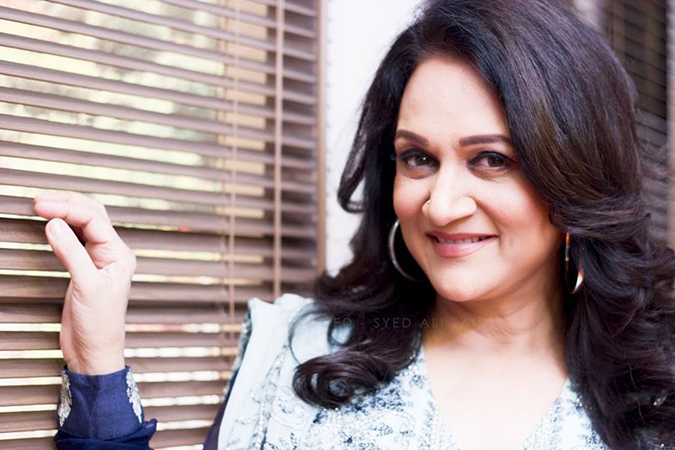
I started my career as a model for Ather Shahzad’s makeup show in 2002. I can still remember my first time like it happened yesterday; I had butterflies in my stomach before going on the runway. Little did I know then that this was the field that I will excel in and eventually make a career out of
What skills did you learn as a model that you incorporate in acting?
I believe that despite a lot of similarities between the two professions, the training of a model is totally different from the training of an actor. Each genre requires a different set of skills. Having said that, my experience as a model and having faced the camera many times shooting in TV commercials has given me an extra edge. Modelling has also projected my image and helped me establish myself as a brand.
EMMAD IRFANI TELLS MAHLIA lONE ABOUT HIS effortless TRANSITION FROM MODEL TO ACTOR
How does one pose for the perfect shot? Any pointers?
That depends on the particular situation, mood and character that is being portrayed.
You won Best Male Model at the Lux Style Awards 05. How did that help your career and which doors, if any, did that open for you?
It was great to see my work being rewarded in that manner and reach a status that is coveted. Even then I went and pursued a career in the corporate world working as senior marketing manager for a firm.
How did you transition into acting? Tell us about your experience acting in your first drama serial Asmanoo Pe Likha. How far has your acting prowess developed since then?
I was hoping you would ask me this. The story goes like this, having spent a decade working as a model and for three years at a desk job, I was at a crossroads in my life searching and asking myself what I wanted to do with my life. Where did I see myself in the next five years? What inspires me? While all this was going on, I reached a turning point in my life. In 2012, Asim Raza cast me as a lead for one of his commercials with a storyline about relationships and emotions. I needed a touch of inspiration and a tap of encouragement and it came in that way. From there on out, I started my quest to hone this beautiful craft. Deciding that I’m ready to face all the challenges to excel at this, by the grace of God, I’m glad I took this leap of faith as you only live once.
Currently I’m doing a project for Momina Duraid Productions, which is one of their premium projects. I play a powerful politician. I believe it will be the definitive project for me as an actor
Have you studied acting? How do you prepare for a role?
A lot of introspection and observation goes into preparing for a role. I believe it’s not about what you know, it’s about what you do with what you know. Knowledge is definitely powerful if acted upon. The preparation I do certainly has evolved with time. I research to develop my characters, each of whom have different motives and objectives from mine.
Do you get roles through your agent or are you approached directly? Do you read for them or are they written with you in mind?
Initially, I was just flattered to be offered a role. Over time one learns the factors to consider before taking up a role.
What are some factors you consider when accepting a role?
I look at the traits and attributes of a character, which should be believable and when portrayed by me, should be convincing. What makes me fall in love with a character is how much I can relate to it, whether it’s watching a character on screen or reading it and using my own imagination.
Tell us about your current and future projects?
Currently, I’m doing a project for Momina Duraid Productions, which is one of their premium projects. I play a powerful politician in it. I believe it will be the definitive project for me as an actor. Shahzad Kashmiri is the director and I have formed great camaraderie with him. InshAllah, I’m very confident and optimistic about this particular project.
Any funny on set incidents?
They happen from time to time. Yes work is fun but it’s also something very serious, so I try to bring as much positivity and fun to the table for the team.
Crazy fan/groupie stories?
Thankfully no. I just call it an occupational hazard.
Tell us about your family life.
I’m a very family oriented person. My wife and my son are the reason where I am today and the source of my strength and resolve, as are my parents. They were supportive of me when I started as a model.
How do you relax in your downtime?
I’m quite a music junkie. I like to listen to and sing along with classics by Queen, Guns n Roses and Bon Jovi. Haha!
What is your workout and diet regime?
I am quite disciplined. Just like eating and sleeping, exercise is of equal importance, combined with a clean diet. That is the only way of achieving optimal fitness and a strong mindset.
Message to your fans?
Go out there and make some mistakes. Mistakes come from doing, but so does success. Don’t be discouraged by failures. Write your own script, be the hero of your own story, take responsibility and define yourself. Make your life count.
Direction & Photography:Â Mohsin Khawar
Hair & Grooming by:Â Zahid Mehmood @ Toni GuyÂ
By Laaleen Khan
Nine reasons to admire Elizabeth Alexandra Mary WindsorÂ
9. She carries off bling with aplomb
She has golden carriages that would make Cinderella stare and the ancestral finery of centuries of rich history and, ahem, colonial rule. But if the Queen can’t simultaneously sport a dazzling tiara, necklaces, earrings and brooches with elegance, then honestly—who can? (The answer: possibly just Liz Taylor).
Her Majesty rocks jewels the size of pigeon’s eggs befitting her status and yet it is always she who wears them, never the other way around.
8. She’s a creature of habit
The Queen has a lifetime of routine and discipline behind her nine decades on earth. Every week, she meets with the Prime Minister—her reign has already seen 12. Each summer is spent at her beloved Balmoral Castle in Scotland and each Christmas at Sandringham House in Norfolk.
The BBC’s recently aired The Queen at 90: A Family Tribute, reveals the monarch retains her physical and mental health with daily walks, balanced meals and an innate curiosity.
Annie Leibovitz photograph of the Queen with all her grandchildren
The Queen’s birthday is traditionally celebrated on her official birthday in June. Pakistan is one of the few places in the world where the British High Commission celebrates it on her actual birthday, the 21st of April (Ramadan/Ramzan is in June this year). The High Commissioner and Chief Guest traditionally raise a toast with glasses of orange juice.
7. She has a droll sense of humour
Her Majesty filmed a comedic scene at Buckingham Palace in a remarkable acting debut with Daniel Craig, who was dapper in character as James Bond. Her male stunt double hilariously parachuted for the opening ceremony at the 2012 London Olympics.
It was recently revealed that, during a stroll near her Balmoral estate, the Queen once trolled a group of American tourists who didn’t recognize her in her country garb (tweed, wellies and a headscarf). When quizzed by the tourists if she’d ever met the Queen, she’d replied, “No, but he has,†referring to her accompanying protection officer. Nicely done, ma’am.
Portraits for QBP commemorative stamps
Fashion triumph or daring disastor, 1999
Flower power in Canada, 2010
6. She prefers Hollywood-style portrait photos
The Queen has notably sat for at least 129 portraits. In an unconventional move, Annie Leibovitz (the celebrity portrait photographer renowned for snapping Brangelina et al) was commissioned for the Queen’s ceremonial portrait photography, striking in elaborate robes.
Leibovitz’s latest, relatively informal, photo series shows the Queen relaxing with her great-grandchildren and her beloved little corgis with neutral, earthy palettes that reflect her love of her family and affinity with the outdoors.
5. She lends grace to embarrassing situations
The Queen’s ability to tolerate her husband Prince Philip’s outrageously racy and even racist gaffes without batting a royal eyelid, at least in public, is seriously impressive. In 1993, the Duke of Edinburgh asked a fashion journalist if she was wearing “mink knickers†and once infamously asked Cayman Islanders “aren’t most of you descended from pirates?â€
In 1997, on the subject of marriage, the Duke said, “You can take it from me, the Queen has the quality of tolerance in abundance.†It seems one must, in such circumstances.
Kristin Scott Thomas as “The Queenâ€
Stunt doubles for the Queen & Daniel Craig’s parachute jump for the London Olympics
Helen Mirren in her Oscar-winning role in the film, The Queen
Queen Elizabeth II in Lahore, 1961. Photo courtesy Popperfoto, Getty Images
The Queen in Lahore during the royal tour of Pakistan, 1961. Photo courtesy Popperfoto, Getty Images
The new British High Commissioner, Thomas Drew: “We have our second biggest diplomatic mission in the world here; that is why we have our biggest bilateral development programme here. And why we continue to build. We have just opened a British Business Centre to help British companies; we are about to open new British Council Libraries in Lahore in Karachi. In short, the British Government is behind Pakistan and wants to make a difference – for Pakistan and for the UK.â€
4. She has a keen equestrian spirit
Young Princess Lilibet was raised with a love for the outdoors, long before she knew she would be queen one day. She has had a lifetime of athleticism.
At age 4, she was given her first Shetland pony. At 90, she continues to ride regularly and with prowess. She’s competitive too—her thoroughbreds compete in races and she takes a keen interest in their breeding.  Â
3. She has fashionista moments
The Queen’s collection of custom-made coats and dresses in every shade of the rainbow with matching hats and retro-style handbags worn with pearls, diamond brooches and sensible court shoes may seem conventional in her nonagenarian year.
She has, however, had serious style icon moments peppering her reign, from her sumptuous Coronation robes to her dazzlingly feminine, waist-cinching Norman Hartnell evening gowns that were a glamorous nod to Christian Dior’s New Look silhouette.
2. She sports her eccentricities with finesse
Whether it’s her devotion to her corgis, her preferred casual apparel in the country, or her determination to drive her Range Rover without a seatbelt (or without a license—she hardly needs to fear the traffic police), her Majesty knows what she likes and sticks to it. Like any other lady of the manor, the sovereign continues to examine the table settings before State Dinners.
“Like all the best families,†she once said, “we have our share of eccentricities, of impetuous and wayward youngsters and of family disagreements.†‘Nuff said!
1. She’s way too cool to care about breaking records
As a young princess, Elizabeth was an honourary colonel in the Royal Army regiment during World War II. As Queen, she is Head of State for 138 million people worldwide and has conducted 265 official overseas visits in no less than 116 countries. She has given Royal Assent to over 3,500 Acts of Parliament, conferred more than 400,000 honours and awards and, in the opinion of her grandson, Prince William, has tremendous energy.
So when Elizabeth II broke her great great grandmother Victoria’s record for the longest reign last year on the 9th of September, she didn’t share the general excitement for the reason that her father, George VI (whom she was very close to) had died at just 56. She herself was only 25 when she became queen.
And for the fact that she’s just too remarkable to worry about breaking records.
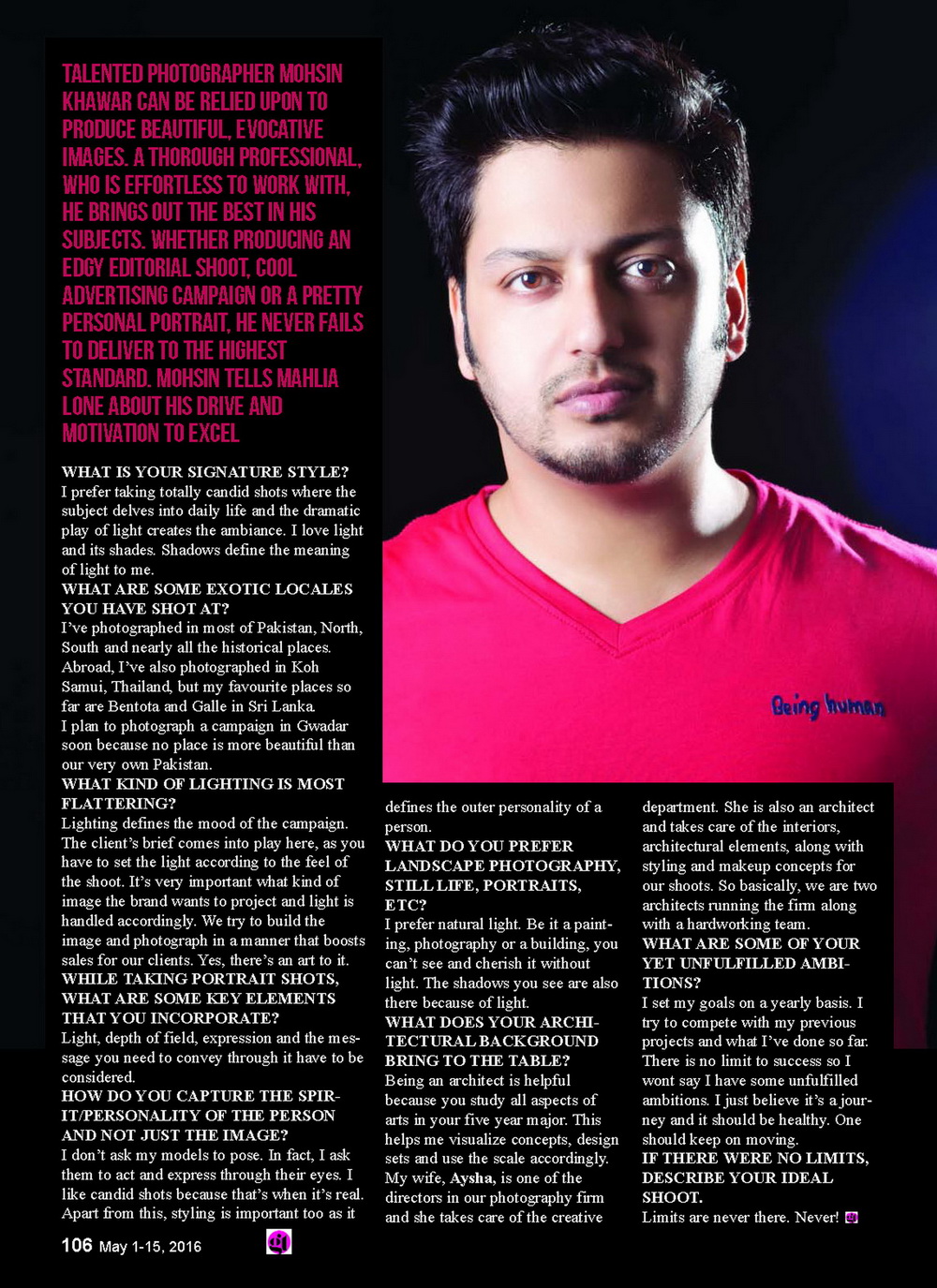
A writer of dazzling range and energy, Peter Frankopan’s latest non fiction book The Silk Roads has engendered a ream of superlatives from the international literati. The U.S. magazine Vanity Fair has called it ‘’Monumental… prodigious… astonishing’, U.K. newspaper The Sunday Times reviewed it as “a magnificent study…. swashbuckling history…written with verve and precision.†The Silk Roads was also a New York Times bestseller and Daily Telegraph named it as the History Book of the Year. Frankopan, a director of the Oxford Centre for Byzantine Research and Senior Research Fellow at Worcester College, specializes in medieval Greek literature and rhetoric, the history of the Byzantine Empire in the 11th Century, and on the cultural exchange between Constantinople and the Islamic world. Along with being ferociously brilliant, Frankopan is also a real life dishy Prince of Croatian descent and a hotelier (he recently acquired L’Hotel, Oscar Wilde’s former home in Paris as part of his hotel empire), a cricketer and a philanthropist. He has charmed audiences at the recently held Jaipur Literary festival where William Dalrymple pointed him out as one of “the literary crushes of the year,†as one of “the studs of the festival†and as “the best looking historian around†(Vogue India online). He was recently in Pakistan to attend the academic conference, Afkaar e Tazaa , and also spoke at Lahore’s terrific bookstore The Last Word. the gifted scholar/powerhouse told Afshan Shafi about the larger concerns of The Silk Roads, his favorite historical figures, and time travel
Peter with Aysha Raja
What would you say were your influences as a historian and thinker? What texts informed your point of view the most and continue to do so?
Peter Frankopan: I’ve had a great many influences, and I genuinely find it difficult to work out who has been the most important. In some ways, my teachers when I was a little boy had the greatest effect on me, because they encouraged me to think for myself and comforted me when I did not get things right. I was lucky to be taught by my parents too that asking questions was more important than getting the answers right.
 Why is “a new history of the world†important? What would you say is lacking in the old history of the world, the grand and familiar narrative that most are familiar with?
Something deserves to be called “new†if it is really doing something different. And I think that is what my Silk Roads book actually does. By viewing the world from the same vantage point, not from the East or from the West, but from the lands in the middle, we get a radically different picture of the past, not only of the lands of the Silk Roads, but of the world as a whole.
In some ways, historians are like chefs, they cook their ingredients as they best can, and present the finest dish as a result. In my case, I’ve been lucky enough to be able to draw on a whole new set of materials that most historians have never used before, partly because I’ve been lucky enough to be able to learn lots of languages. So we find texts written in a huge range of languages, as well as the latest archeological reports from all over Asia.
I would never criticize individual historians for what they write. But it seems to me many have looked at the same problems in very similar ways; maybe there are more original and interesting ways of assessing the past.
Peter with Farah Rehman, Afshan Shafi & Madeeha Maqbool
One of the interesting things about immersing yourself in history is that one finds surprising patterns of connectivity everywhere. What do you think is the societal importance of focusing on this cohesion? Â
Perhaps the most obvious pattern is how similar we really are as human beings. It is easy to focus on variations in ethnicity, beliefs, language, custom and culture. But, at the end of the day, we are not so different from each other. We are all interested in the meaning of life; we are all interested in making the world a better place for our children; we are all interested in doing the best we can during our lifetimes, no matter what our position in society. And to me, that tells me that our natural instincts are to cooperate and to learn from each other; I am much more interested in how people exchange ideas and goods with each other than in glorifying warfare and confrontation, and seeing what happens when men (it always is the men, by the way) fight each other for power and status.
You have written of “the world’s center of gravity shifting — back to where it lay for millennia.†Can you explain this notion in lieu of the China-Pakistan economic corridor, in what ways do you think this initiative will have a favorable impact on Pakistan and Asia at large?Â
Looking at the CPEC at the moment involves some crystal ball-gazing, as one never knows if the corridor will look like it is supposed to when it is finished. What is clear is that there are big visions and grand ambitions at stake. China is armed with deep pockets and a clear vision of what its future requirements are. Much depends now on how it builds long term, sustainable relations with its neighbours. Pakistan is a major part of the One Belt, One Road initiative. The big question is whether Pakistan is able to take a long term view of what the major investment in the country’s energy and infrastructure will do for the country. Everything depends on getting this detail right at the outset; the concern is that China will solve today’s problems, rather than help deal with those of tomorrow.
The foremost educational institutions of learning in the world are geographically centered in the U.S. and in Europe today. In your book you have set out to reclaim an alternative past where the major centers of knowledge were “Baghdad and Balkh, Bukhara and Samarkand.†What do you think is lost when the locus of academic innovation is concentrated within a certain region only?
The most important fact about world-class educational establishments is that they are supported by wealthy patrons. Harvard, Yale and Princeton are held up by huge endowments, with multi-billion dollar values. Oxford and Cambridge are not quite in the same league, but still have proved skillful at raising large sums of money.
Supporting scholars is expensive. Laboratories and equipment cost a lot, as does attracting the finest minds in the academic world to work together and produce high class research. Inevitably, the best institutions are able to attract the best scholars from across the world, which means ideas get challenged, tested and refined. For me, the wonder of Oxford is that some of the cleverest people in the world come to my lectures and ask questions that stop me and make me think, likewise, listening to one genius after another is brilliant too.
I sometimes think of it like Premier League football: being alongside the best in the business makes me better, sharper and pushes me further. But, as I write in my book that process once did not take place in Oxford and Cambridge, but in cities across Asia. Perhaps it will happen again.
Your book also discusses some phases of the origins of Islam and in a recent interview you have noted that “the oldest books on Islam talk of it as a faith of great tolerance, patrons of art and music and high culture, a perception very different from what fundamentalists reading these texts have made it out to be.†Please elaborate on this statement.
When young Muslims are taught about their faith, they usually learn about the life of the Prophet Muhammad (PBUH) and of course are taught to memorise the Qu’rãn. But there are other things that they could also learn about, which can supplement their faith, explain it and make it stronger. The early history of Islam, in the time of the Prophet and in the decades that followed were tolerant, sympathetic and inclusive. Often, Muslims seem to think that military conquest was the key to the expansion and spread of Islam. But the first Caliphs were careful to honour Christianity and Judaism, as set out in the holy Qu’rãn; they were humble enough to visit the Holy Sepulchre where Jesus Christ had been buried and to do so in the robes of a pilgrim. Some even wept when they heard of mass conversion to Islam, as they felt this was the result of opportunism, rather than real faith.
In a world where we are learning to our cost what fundamentalism and intolerance mean, I think it is a shame that some (albeit a small number of) Muslims seek confrontation with other religions, rather than honouring what the holy Qu’rãn actually teaches about compassion, tolerance and respect.
What are the perils to the West in continuing to subscribe to a Eurocentric version of history? Do you think that an imbalance of power continues to define the way individuals from less enabled regions think about themselves? Do you think that in the next thirty years or so this insularity of thought will be remedied?
Ignorance is dangerous because it breeds misunderstanding, fear and hatred. The problem of Eurocentric history is that is starts with the assumption that the West/Europe was always destined to lead the world. What history actually teaches is that the period from c.1600-2000 was a good time for Europe, an age of empire, of wealth and enlightenment. But that does not mean that the sun will always shine on the West. Indeed, my own view is that the sun is setting and that a new world is emerging, based on the ancient Silk Roads.
The lands lying across the spine of Asia are important for their mineral wealth (oil and gas, uranium and rare earths, copper, aluminium, gold and so on), but also are vital because they are weaving together in a way that looks very familiar to me. Our lack of knowledge about their importance in the past can prove problematic – many of these countries have proud histories and we should learn about them and respect the fact that these are highly sophisticated societies, and not, as we often think in Europe, states that need reform, help and civilization.
With insularity, who knows? We seem to be much better in the modern age at breaking and destroying than we are at building. Recent decades show a pretty disastrous record in repairing, consolidating and getting failed/failing states back up on their knees. To use a cricketing metaphor, sometimes you need a slow, boring partnership to stop the clattering fall of wickets.
The route of the ancient silk roads saw the birth of new religions being born and the spread of empires and of ideas. You’ve compared this flux to the phenomenon of globalization. Please explain this comparison in terms of the ways in which ideas are disseminated in the modern world.
As a species, we are extremely interested in ideas and learning. We love to try new things, new tastes and new experiences, and we like to find out what is important in life. In that sense, sharing ideas about the divine and about the purpose of our existence (and what happens to us after we die) is part of the process of acquiring knowledge and wisdom. So, naturally, one learns from the most educated, the most pious, the best examples of living a good life. That is why we revere scholars, holy people and artisans because they are showing something of the human condition at its most pure.
On a more practical, day to day level, the process is not too dissimilar. We all want to know where the tastiest food comes from, the finest clothes, the most beautiful books. And our ancestors were the same even thousands of years ago. That is why one finds guidebooks written by some of the great scholars of the past in the Islamic world not only about philosophy, science and mathematics, but also how to value the finest shields, where to buy the best ceramics and how to enjoy the most glorious banquets. Chinese writers wrote about that too, so did Indian writers; and Persian authors; and those in Europe. We are a curious and wondrous species!
What is your favorite period in history? Would you choose to travel back in time or continue in the present?
As a historian, I would love to travel back in time. If you can make that happen, I’d be very excited!
I would ideally choose several different periods and regions: I would want to go Baghdad and Constantinople around the year 850 to see great courts at their peak. I would want to visit the Khmer Empire and Angor Wat around 1100. I’d like to see the Mongols at their finest, ideally not during their periods of conquest, but after things had calmed down. I would particularly like to have visited Lahore at the time of Ranjit Singh and to see the “little grey mouse†for myself. And I have always had a soft spot for Russia in the late 1800s too.
The main thing I would insist on, however, is that if I did go back in time, I would want to be a figure of high status. I don’t think any period in the past would be fun if you were poor, oppressed, ill or hungry. We sometimes forget that glorious ages in the past were glorious if you happened to be at the top of the pyramid. Could you ensure that for me too, please?!
Which historical personages do you admire the most and why? Are there any ancient figures from the Indo-Pak region that you feel are particularly exciting?
I admire people from the past who left a legacy. I particularly revere authors and writers whose work survives because that tells me they were saying something interesting and important that was worth preserving. In the same way, I admire those who designed and created buildings that are works of great beauty. So Wazir Khan is on my list for the spectacular mosque in Lahore; or Hakim Ilmuddin Ansari for the Shahi Hammam too. Of course, that would lead me too to the great Mughal emperors and their patronage not only in Lahore and the Punjab, but across a much wider region. Perhaps it is no surprise that my favourites are Akbar the Great and Jahangir. They made our world a richer and more beautiful place.
What was your experience in Pakistan like? Were there any major surprises during the course of your trip?Â
I came to Pakistan at a very difficult time, just a few days after the terrible bomb in Lahore. I was struck by the courage of the city and by the anger that people felt with the intolerance that lay behind this awful act. Lahore has a proud tradition of respecting its inhabitants and visitors, and is famous for its hospitality. I was able to see and experience this myself when I was in the city. Despite the horrors, I was impressed by the optimism of all I spoke to and the determination that we should learn to cooperate and respect each other, rather than allow hatred and fear to take over.
There’s a Confucian saying on the study of history “Study the past if you would define the future.†What advice would you give to young, emerging historians?
We can all find it hard to change our minds about how we look at the world around us, past, present and future, so it is important keep an open mind. The key for any historian, young or old, is to keep reading, looking and asking questions. The world is changing and if you study history, you quickly learn that it always has been. Change is nothing new, and it is not something to be scared of.
By Mahlia Lone
Two sporting mega stars on either side of the border defied all odds and got hitched. However, with super hectic careers touring the globe for their match commitments plus spending time with their respective families in their hometowns, making a long distance relationship (LDR) work is not all smooth sailing
Born in Sialkot on 1st February 1982, Shoaib Malik grew up like so many Pakistani boys playing cricket in the streets with a taped up ball. In 1993, he was selected due to his superior batting skill to attend Imran Khan’s coaching clinic in his hometown. There his bowling technique improved as well. His family was not impressed as they wanted him to focus on his education, but he persevered and was selected for the Under 15 World Cup team. Then, in 1999 at only 17 years of age, Shoaib made his One-Day International (ODI) debut playing for the national team against the West Indies, and his Test debut in 2001 playing against Bangladesh. Since then he has taken over 100 ODI wickets, and has a batting average in the mid 30s in both Test and ODI cricket.
Going from strength to strength in his career, following Inzamam-ul-Haq’s resignation as Pakistan captain after the 2007 World Cup, Malik became captain of the team at only 25, Pakistan cricket team’s fourth youngest captain. Pakistan’s coach, Bob Woolmer said Malik was “the sharpest tactical tack among his group … a real presence on the field.†But the captaincy lasted only two years. In a report the new coach Intikhab Alam wrote in a report that Malik was “a loner, aloof and involved in his own little world, which is OK but not when the team required a fully committed captain We do not see any meaningful communication between players and captain other than his five-minute talk during the team meeting.â€Â Malik was replaced by Younis Khan as captain on 27th January 2009. On top of that, in March 2010, Malik was banned from playing International cricket for the national team by the Pakistan Cricket Board (PCB) as a disciplinary action for infighting. He was one of seven cricketers taken off the team after a dismal tour of Australia. By end May, however, his ban was overturned, his fine was reduced by half to Rs. 1 million and he was again chosen to represent the country at the Asia Cup that year.
In Doubles Tennis, sania is currently ranked world’s No. 1 and earns more than $5 million annually
Sania Mirza was born in Mumbai on 15th November 1986. Her father Imran Mirza worked as a builder, and her mother Naseema worked in a printing business. The Mirzas relocated to Hyderabad shortly after Sania’s birth. She also has a younger sister, Anam and both sisters attended Nasr School in Hyerabad. Sania went on to graduate from St. Mary’s College also in Hyderabad and additionally received an honorary degree of Doctor of Letters from the MGR Educational and Research Institute University in Chennai in 2008.
At the age of six, Sania started playing tennis with her father coaching her. She won 10 Singles and 13 Doubles titles as a junior player. Debuting at the senior circuit at only 15, in April 2001, she turned professional in 2003 and won the 2003 Wimbledon Championships Girls Doubles title, partnering with Alisa Kleybanova. Sania is the highest ranked Indian female tennis player ever, peaking at world No. 27 in Singles, 2007. Due to a wrist injury, she was injury forced her to give up playing Singles tennis. In Doubles, she is currently ranked world’s No. 1 and earns more than $5 million annually. From 2003 until her retirement from Singles in 2013, she was ranked by the Women’s Tennis Association as India’s No. 1 player, both in Singles and Doubles. Sania has won six major titles (three each in Women’s Doubles and in Mixed Doubles), as well winning as the World Tennis Association (WTA) Finals in 2014 partnering with Cara Black, and defending the title with Martina Hingis the following year. Moreover, Sania has also won a total of 14 medals, including 6 Gold, at the Asian Games, the Commonwealth Games and the Afro-Asian Games. Of her game, Sania said, “There’s no doubt that my forehand and backhand can match anyone, it’s about the place that they’re put in. I can hit the ball as hard as anyone can, but I’m not that fast on my feet.†Sania, a keen swimmer, improves her stamina and fitness with swimming as well.
With ex fiance and childhood sweetheart Sohrab Mirza at their engagement
Wimbledon Doubles champions 2015, Martina Hingis & Sania Mirza
It was during Pakistan’s disastrous tour of Australia from December 2009 to February 2010 that Malik hit it off with Sania Mirza, the Indian tennis sensation…. Sania said she found “the all rounder, Shoaib Malik very simple and attractiveâ€
In 2009, Sania Mirza became engaged to childhood sweetheart Sohrab Mirza, a millionaire businessman, in a lavish ceremony in Hyderabad. Sania and Shoaib had briefly met in Australia in 2004 when they were both playing there, but they had both played badly and were too busy licking their wounds to pay too much thought to each other. She recalls that they met just for two minutes at a restaurant in Hobart.
Then in January 2010, while Shoaib was in Australia touring with his team, he went the day after the Pakistan match with teammate Waqar Younis to watch Sania play at the Australian Open. Though she crashed out of the competition, she hit it off immediately with Shoaib.
Not only is Sania fond of watching cricket like most South Asians but interestingly she is distantly related to former cricket captains Ghulam Ahmed of India, and Asif Iqbal of Pakistan. She said she found “the all rounder, Shoaib Malik very simple and attractive.†Suffice it to say, Malik must have made quite an impression on her. Finding herself drawn to another man so soon after her engagement, Sania went back to India and promptly broke off her engagement citing incompatibility. According to Sania, Shoaib didn’t propose to her. Instead “it was decided from both sides,†she said.
Cricketing hero Shoaib Malik
Hyederabad nikah ceremony
Lahore valima
The big sensational story that broke when Shoaib arrived in Hyderabad to stay at Sania’s family home for their upcoming nuptials was that Ayesha Siddiqui, also a Hyderabad resident, accused Malik of already being married to her since 2002.Â
Ironically, this was when India-Pakistan diplomatic ties were at their coldest due to the 2008 Mumbai terror attacks. While Pakistanis rejoiced at the wedding and called Sania the nation’s bhabi (sister in law), many Indians were less than amused.
Kamila Shamsie at that time wrote in a hilarious article for the UK newspaper The Guardian: “Bring on the puns about love games, fine legs and bowling a maiden over. Pakistan’s former cricket captain, Shoaib Malik, is to marry India’s top-ranked female tennis player, Sania Mirza. In India, the rightwing Hindu nationalist political party, the BJP, has asked Mirza to ‘reconsider’ her decision to marry a Pakistani, while more centrist parties have remained silent. In Pakistan, the Islamic rightwing political parties – who would usually have a lot to say about women who wear tennis skirts – have remained silent, while more centrist parties have voiced their congratulations. The contrasting attitudes each side of the border actually reveal the same assumption: a wife belongs to her husband’s ‘household,’ so an Indian woman marrying a Pakistani man is unpatriotic, whereas a Pakistani man marrying an Indian woman is carrying home the spoils of victory. Or, as the painfully sexist/ jingoistic joke doing the rounds in Pakistan goes: ‘Finally, we get to see Pakistan screwing India.’â€
On 12th April 2010, the couple got married. They had a mehndi, followed by a sangeet for which the couple even rehearsed a dance performance, and the nikah was performed at 1p.m. at the Taj Krishna Hotel in Hyderabad. The hakh mahr (marriage settlement) was kept at Indian Rs. 6.1 million (US$137,500). “Sania wore a red sari that her mother had worn 25 years ago for her own nikah. Shoaib wore a black sherwani made by Shantanu and Nikhil,†announced Sania’s spokesperson, Rucha Nayak. Their valima ceremony was held in Lahore, Pakistan.
Dancing on an Indian TV show
Shoaib has eyes only for Sania 
The couple owns a home on the Palm Island in Jumeirah, Dubai
The big sensational story that broke when Shoaib arrived in Hyderabad to stay at Sania’s family home to make preparations for the wedding was that Ayesha Siddiqui, also a Hyderabad resident, accused Malik of already being married to her since 2002 when a nikah was performed over the phone. His side was that they were never married; she was overweight and deceived him by sending him her more attractive relative Maha’s picture, since there’s was mostly a cyber relationship (after meeting once together in Jeddah). Her rebuttal was that why would he consent to marry her without meeting her and that he visited her in a hotel room after the nikah. Sania and Malik held a joint press conference and denied his alleged first wedding, Long story short, Malik got a quickie divorce from Ayesha with community leaders mediating and the latter sank back into obscurity. Malik then issued a press release to do damage control asking everyone to think of him as a younger brother and forgive him.
The cross border wedding between the two huge sporting stars generated a lot of press. Sania Mirza became the most searched woman tennis player and Indian sportsperson in 2010, according to Google Trends.
Nick Hoult interviewed the couple in Dubai for British paper, The Telegraph:
“‘When I was out of the team I used to travel with her (Sania) to tennis events because I had lot of free time and she used to say the same thing, keep working hard and when you get the opportunity take it. She encouraged me to keep playing and to believe that I had plenty of cricket left in me. That is what I did. When you look at her and how well she is doing you get inspired and you want to do, well, as well as her,’ said Shoaib Malik
The couple owns a home on the Palm Island in Jumeirah, Dubai, home to the many celebrities who have apartments here. When their marriage was announced five years ago right wing parties in India urged Mirza to reconsider and Dubai makes a convenient refuge for an Indo-Pak couple and also a useful base for two athletes with schedules that take them around the world.
“I’m not very good at playing tennis depite trying,†said Malik 
‘We have three places we call home,’ said Malik, ‘Pakistan, India and Dubai. Obviously Dubai is the main base for us. She plays almost throughout the year so it is tough to get an opportunity to stay together in one place but whenever one of us is free we travel wherever the other is playing. Sadly I did not see her win Wimbledon because I was in the Caribbean playing in their Twenty20 premier league.’
 ‘Before we started dating she used to love cricket. Even today she loves cricket. That is the game she watches. Obviously being Indian cricket is your first passion whether you are male or female. She watches cricket all the time.’
Responding to a question, she made it clear she would continue supporting her homeland in future Indo-Pak encounters on the cricket field, but was quick to add that she would want her hubby to hit a century.
Sania at younger sister Anam’s wedding last year to which Shoaib was reportedly not invited
While Sania did much of the talking, Shoaib reluctantly responded to some questions.
Replying to a question, Shoaib clarified that Sania would play only for India and she would have the good wishes of Pakistan.â€
 “One of the heavy prices that the celebrities have to pay is that their personal lives are constantly subjected to public scrutiny,†Sania Mirza said on one occasion calling her husband, Shoaib Malik, her “James Bond.â€
Shoaib has said on record that he is not very good at tennis despite trying. (Perhaps his ego can’t take a beating by his wife.)
Malik retired from test cricket in November last year but will continue with limited overs cricket. He is also captain of the Sialkot Stallions and has led his team to a record eight domestic T20 titles, most recently on 18th May 2015. He is also a part of the Karachi Kings team in the Pakistan Super League (PSL), but stepped down as captain as it was affecting his performance.
“We are just good friends,†said Shoaib about Humaima 
Or are they?
Mirza has been recognized for her achievements. She was named one of the 50 Heroes of Asia by Time magazine in October 2005. In March 2010, The Economic Times (of India) named her in the list of 33 Women who made India proud. She was appointed the UN Women’s Goodwill Ambassador for South Asia to mark the International Day to End Violence against Women in 2013, becoming the first South Asian woman appointed as Goodwill Ambassador in the organization’s history. Additionally, she has been awarded the Arjuna Award (2004), WTA (World Tennis Association) Newcomer of the Year (2005), Padma Shri (2006), and Padma Bhushan (2016). In 2014, the Chief Minister of Telangana K. Chandrashekar Rao appointed Sania Mirza as the brand ambassador of her home state. Sania has established a tennis academy in Hyderabad, which has been visited by former world No. 1s Cara Black and Martina Navratilova.
However, the Shoaib-Sania marriage is not doing so well reportedly due to conflicting schedules. Even when they are not travelling for work, they prefer to spend time with their own families in their own hometowns and are spending less and less time with each other.
Reports in the Pakistani media have stated that Malik has been seen spending time with actress Humaima Malik. He has responded by saying she is just a good friend. Humaima herself posted their photos on social media, which could have been a publicity ploy on her part considering her recently launched Bollywood career.
Upon her triumph at Wimbledon last year, Sania was tweeted congratulations by PM Narendra Modi and husband Malik, who wrote “So pleased with win. The high amount of drive, discipline, focus, & large visions that sportsmen r made of.†She thanked the PM and retweeted his message, but ignored her husband. Then, at her sister Anam’s wedding, Malik was conspicuously absent.
During Eid last year, Shoaib and Sania celebrated separately with their own respective families. Upon this occasion she tweeted, “This journey wld not hav bn possible without my family, my team, my partner and u guys. I thank Allah for blessing me with so much in my life.†Again ignoring Malik.
Denying reports that his marriage is on the rocks, Malik said in an interview, “I and Sania have a strong relationship and we knew before we got married that it wouldn’t be easy, but sometimes it gets frustrating reading baseless storieses about our marriage.â€
Let’s see what life has in store for this couple. We wish them luck whatever they decide!
Tell us about the growing trend of Athleisurewear?
We at TFC felt that there was a plain lack of Athleisure clothes available in Pakistan. Whatever is offered, at least 90 percent of the population cannot afford and whatever is in the market, whether retail or online is either export leftovers or fakes.
A BRIEF INTRODUCTION ABOUT TFC
We do not design or create any of our products, at the moment. As true believers of a fit lifestyle, we formed a multi-brand online one stop shop The Fitness Company for men, women and kids. Activewear is fashionable and multi-purpose. The latest technologies of Quick dry, a fabric woven with strategically placed holes, absorbing the sweat and then evaporateing it, are a real necessity in Pakistan. We all agreed that quality is a top priority, then affordability and finally trendiness.
Demand in the Summer has risen for for BFA free water bottles, Quick Dry products, and fun bathing suits
HOW DID YOU BEGIN THIS PROJECT AND HOW HAS IT EVOLVED?Â
We are three partners, who happened to be at the same point in our lives at the same time. We are all very health conscious and lead active lifestyles, for two partners that include kids too. Maryam Salman with her background in public relations and marketing is the one to come up with the online store idea. Enter Malika Khan, a mother of two, lawyer by education, teacher by profession and now a stay-at-home mom, is an efficient organizer and got in touch with Mariam Kamran. The latter is a yoga freak who leads a healthy adventurous lifestyle with her three kids and is a die hard Pakistani living in China and is also the sourcing head. Malika and Maryam live in Lahore selling nationwide, while Mariam does the search and sourcing.
WHAT ARE YOUR NEW PRODUCTS FOR THIS SEASON?
In Menswear Quick Dry is highly sought after. Demand in the Summer has risen for BFA free water bottles, Quick Dry socks and fun bathing suits. Excellent quality weights gloves, even boxing gloves for men are frequently requested as well. Sublimation or mix of colour and design in stretch fabric has been the primary focus for Womenswear. Our aides, such as knee grips and shoulder braces had to be restocked as well.
WHAT ARE THE COLOURS IN FASHION?Â
Colours in fashion are neon with green and yellow topping the list, at least for us.
WHEREÂ DO YOU SOURCE THE PRODUCTS AND WHERE ARE THEY MADE?Â
They are primarily made in China, but we are constantly looking for quality and hip stuff. We go to the source of manufacturing of products and then order our stuff. We have explored manufacturing in Pakistan, however at the moment we didn’t find anything suitable to our requirements.
WHAT BRANDS DO YOU CARRY?
Lucky Sailing and Deutscher.
HOW ARE YOUR PRODUCTS DIFFERENT FROM THE OTHERS IN THE MARKET E.G. NIKE ETC.?
We offer better prices, colours and sizes than what is available in the local market. We have new stock available every eight weeks. As Pakistanis we understand what our people want.

We offer better prices, colours and sizes than what is available in the local market. We have new stock available every eight weeks. As Pakistanis we understand what our people want
WHAT IS THE PRICE POINT?
While pricing, our biggest concern was that our products should be easily affordable for the middle class as well and the feedback has confirmed our concern.
WHERE ARE THEY AVAILABLE?
Online, Facebook, Instagram and Turbooz.
What is your marketing strategy?Â
Our marketing strategy is based on the philosophy behind The Fitness Company: ‘Fitness is a Lifestyle’ .We try and market our products not just to sell but also create awareness in the general public. There is a need to educate people, for want of a better word, that affordable good quality sportswear is as necessary as a good workout. As fitness enthusiasts we realized that there is no platform for educating people about eating healthy and regularly exercising. After all we are perishable items too 😉
DESCRIBE YOUR PERSONAL STYLE?Â
The three of us have very diverse personalities and lives. The common factor is that we all like to wear comfortable and stylish clothes, hence, Athleisure suits all three of ours lifestyle.
WHO IS YOUR GO-TO STYLE INSPIRATION?
Individuality is part of our philosophy of life. Each human being, as they evolve, develops a sense of style. We feel that there is no one go-to Guru. It’s all about being you and maintaining a keen eye on the trends too.
HOW HAS THE RESPONSE BEEN REGARDING YOUR LINE?
E-commerce is on the rise in Pakistan. To date we are the only online store to be providing fitness gear and wear. Whether you need a waist brace or a knee grip to gym bags, water bottles, we have it all. So far the response that we have been getting is not over whelming but surprisingly well. We receive orders from, Karachi, Islamabad, Multan, Hyderabad and Gujrat, which has shown us that people do respond to quality and affordability.
WHERE DO YOU SEE IT IN 5 YEARS?Â
We hope to be able to understand the market better focusing on the quick dry technology, cuts, styles and fabric. Pakistan’s textile industry is in the top manufacturing countries of sports goods and apparel and to have our own line manufactured here is definitely on the cards. With all high brands being manufactured in Pakistan, The Fitness Company feels it’s all positive.
DID YOU RECEIVE INSTANT SUCCESS IN PAKISTAN OR DO YOU THINK IT NEEDS MORE TIME AND AWARENESS TO BREAK THE EMBROIDERY CRAZE?
There is no such thing as instant success. You start small and let it grow. Sales have dipped during the embroidered lawn galore season, but they haven’t stopped, so we are optimistic. Also, we are only four months old in this massive market.
IDEALLY WHO WOULD YOU WANT AS A SPOKESMAN FOR YOUR LINE FROM ALL OVER THE WORLD?
Definitely a Pakistani! Let’s see who, soon.
DESCRIBE YOUR LINE IN 3 WORDS?
Comfortable, affordable, and trendy.
FAVOURITE QUOTE ABOUT FITNESS
“FIT IS NOT A DESTINATION. IT’ S A WAY OF LIFEâ€