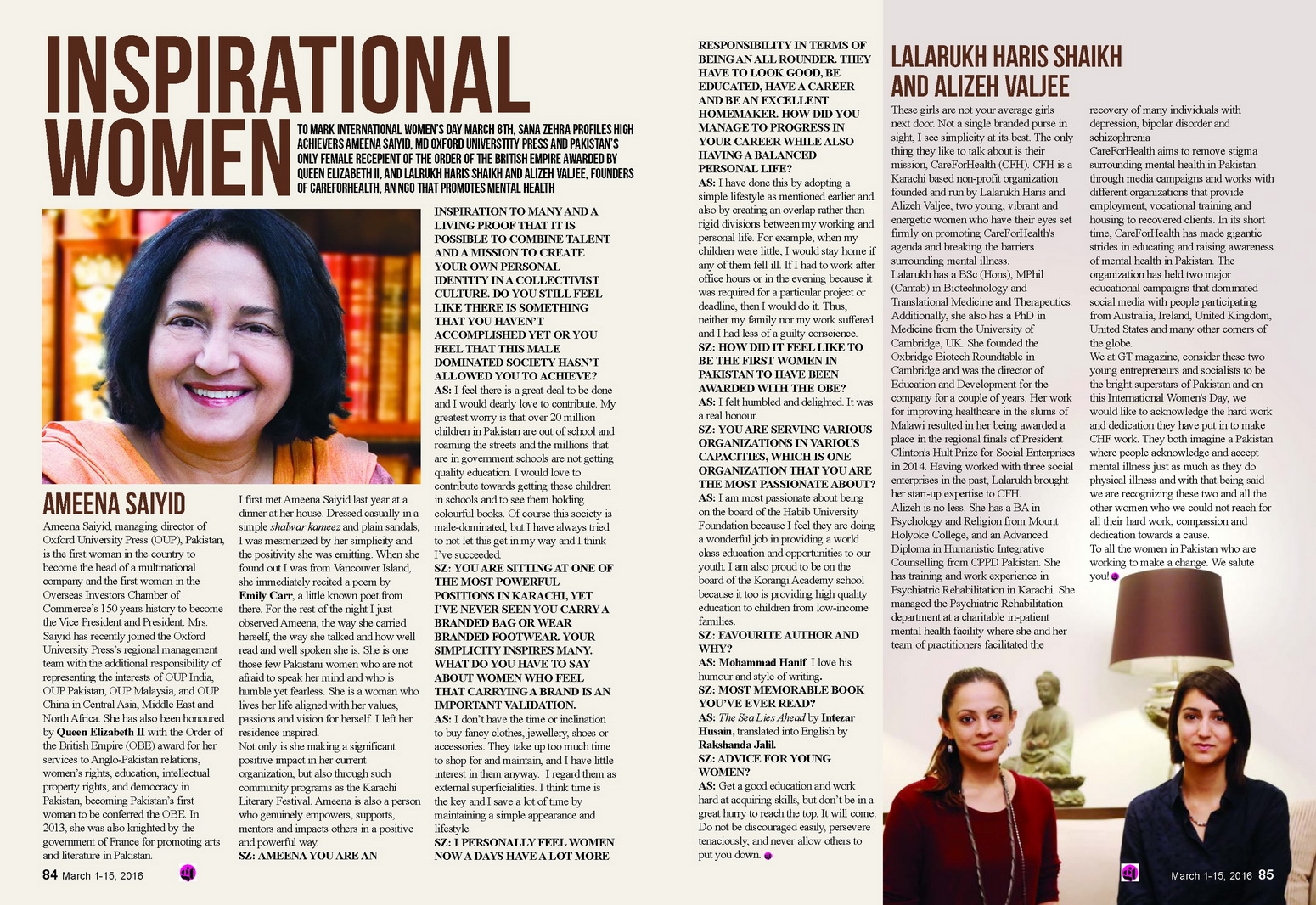









By Mahlia Lone
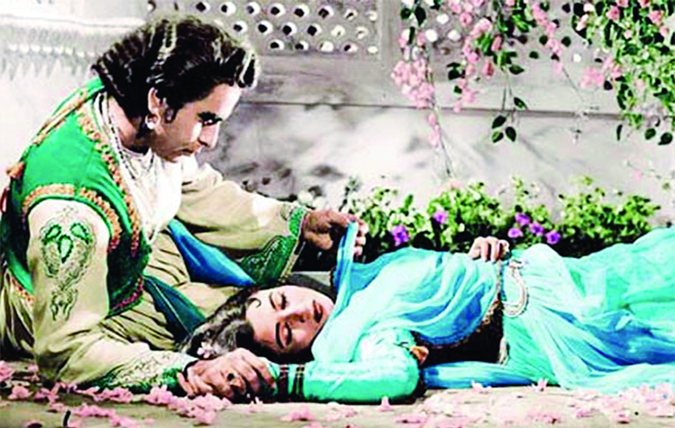
In a case of art imitating life, Madhubala and Dilip Kumar played star crossed lovers in the Indian film classic Mughal-e-Azam while nursing broken hearts over each other themselves, in her case quite literally
In 1942 Bombay, a tall, good looking Yusufzai Pathan who had recently gotten fired from his job at the Imperial Tabacco Company in New Delhi and relocated there with his wife and eleven children, took his angelic looking nine year old daughter Mumtaz Jehan Dehlavi and made the rounds of the studios in the hopes for finding a job for her. Soon Baby Mumtaz was given a small film role and subsequently became the sole breadwinner of her family. Though the father thought of himself as a self respecting Pathan, the truth was that he was extremely domineering and controlling of his star daughter because he was greedy for her income. This is what determined the course of her short and tragic life.
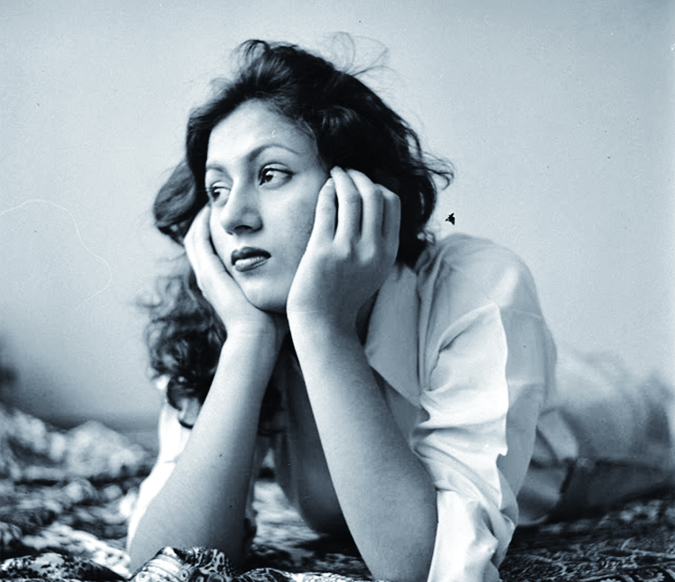
Born on Valentine’s Day 1933 a ‘blue’ baby (due to oxygen deprivation) with a ventricular septal defect (VSD) colloquially known as a hole in the heart that was undetected till she was in her 20s, Baby Mumtaz did not have a happy childhood. Five of her eleven siblings died in childhood due to their poverty stricken circumstances and even their small house in Bombay burned down due to a dock explosion in 1944. With no house, no job and six daughters to support, Ataullah Khan decided to use his prettiest daughter’s good looks to their advantage and she embarked upon a film career that lasted mostly from 1942 to 1960, though she made a few films in the 60s also. Her younger sister Madhur Bhaushan said in a Filmfare interview, ‘‘What do I say of her beauty? We suffered from a complex when we stood beside her. Being Pathans we were all tall, fair and had long hair. But none of us sisters looked like her. We weren’t a patch on Apa.â€
 It has been reported that a najoomi (fortuneteller) known as Kashmirwalle baba, predicted that Baby Mumtaz would grow up to be larger than life, “Badi hokar ye ladki bahot naam kamayegi, Bahot paisa aur shohorat paayegi, lekin (this girl will earn prestige, money and fame but) she will lead a very unhappy life with broken love affairs, a loveless marriage and will die at an early age.†His predictions proved to be ominously correct.
Spotting her talent and good looks, actress Devika Rani, founder of the movie studio Bombay Talkies, advised a teenage Mumtaz to assume the screen name Madhubala, meaning honey belle, because whenever she smiled she looked like a blossoming flower. Her first lead role, at the age of 14, was opposite Raj Kapoor in Neel Kamal (1947). Madhubala tasted mega stardom at only 16 in 1949 in Kamal Amrohi directed supernatural suspense thriller Mahal in which she plays a ghost. Overnight she became one the most sought after Indian actresses and sex symbols of the Fifties, known as the Marilyn Monroe of Bollywood and the Venus of India. In this blockbuster, the popular song Aayega aanewaala was sung by a teenage Lata Mangeshkar, singing playback for the first time.

Other significant films of Madhubala’s career belonged to such different genres as Mehboob Khan directed psychological drama Amar (1954), Guru Dutt’s satire Mr. & Mrs. ‘55 (1955), Satyen Bose’s comedy Chalti Ka Naam Gaadi (1958), Samanta’s mystery Howrah Bridge (1958), Kamal Asif’s period tragedy Mughal-e-Azam (1960) and Santoshi’s romantic Barsaat Ki Raat (1960). Her film Hanste Aansoo (1950) was the first ever Hindi film to get a scandalous (for its time) adults only (A) rating from the Central Board of Film Certification. She worked with the most popular heroes of her time, including Ashok Kumar, Bharat Bhushan, Raj Kapoor, Pradeep Kumar, Shammi Kapoor, Dilip Kumar, Sunil Dutt and Dev Anand. Her memorable performance in Mughal-e-Azam established her as a timeless film icon.
Appearing in the American magazine Theatre Arts’ August 1952 issue, Madhubala was featured in an article titled: The Biggest Star in the World – and she’s not in Beverly Hills. The prestigious Life magazine also featured her in a glossy article. Academy Award winner American director Frank Capra, while visiting Bombay for the International Film Festival of India, even offered her chance to work in a Hollywood movie in a significant role, which she could have done because she had a private English tutor, but her father was not interested in loosening his iron grip.
In their 1962 book Self-Portrait, Harish Booch and Karing Doyle comment that “unlike other stars, Madhubala prefers a veiled secrecy around her and is seldom seen in social gatherings or public functions. Contrary to general belief; Madhubala is rather simple and unassuming.â€

“She was aware of her beauty,†reminisces B. K. Karanjia, former Filmfare editor and a close friend of both Madhubala and her father, “and because there were so many in love with her, she used to play one against the other. But it was out of innocence rather than shrewd calculation.â€
Co-star Dev Anand recalls, “She liked to flirt and was great fun.â€
 “She was extremely popular and I think the only star for whom people thronged outside the gates. Very often when shooting was over, there’d be a vast crowd standing at the gates just to have a look at Madhu. It wasn’t so for anyone else. That was her personal effect on fans. Her personality was so vivacious,†said the love of her life Dilip Kumar.
Madhur describes her sister, “She loved wearing plain white saris. At home she’d wear maxis. She loved mogras (jasmine) in her hair. She was fond of gold and kundan jewellery. She was also fond of sher shayri (poetry) as she knew a bit of Urdu. An English tutor also came home to teach her. She loved eating chaat and kulfi. She’d never diet. Those days actresses were healthy women, not size zero! She’d drive all of us to Chowpatty in her imported cars, Hillman, Buick and a station wagon but she’d wear a burqa (abaya) to hide her identity. When she’d be pulled up by the traffic police for that, she’d plead, ‘Please let me wear it or else I’ll get mobbed’. She even went to watch movies in a burqa. Apa became a craze because she was never seen in public. She wasn’t allowed to attend any function, any premiere. She had no friends. But she never resisted, she was obedient. Being protective, my father earned the reputation of being domineering. He was asked why he’d made her join films in the first place. He’d say, ‘I had 12 children. We would’ve starved to death. I’ve lost my sons who could’ve been my support.’

Apa was emotional by nature. She’d be in tears in seconds. We’d keep wondering what had happened. And she’d laugh easily too. The moment she began laughing, she couldn’t stop. She wasn’t religious but was God-fearing. She didn’t fast but prayed once a day.â€
Madhubala’s father kept a constant check on her movements. Madhubala kept a diary on daily basis like many of the young girls of her time. In this diary, she kept a full account of her romantic involvements, but her father buried the book with her in her grave.
Born Muhammad Yusuf Khan on 11th December 1922 in Peshawar, Dilip Kumar is considered one of India’s greatest actors, holding the Guinness World Record for winning the maximum number of awards by an Indian actor with a record 8 wins of the Filmfare Best Actor Award and 19 nominations. Acclaimed filmmaker Satyajit Ray called him “the ultimate method actor.â€
Like Madhubala, he too belonged to a large Pathan Muslim family. He came from a Hindko speaking Awan family and was one of 12 children of Lala Ghulam Sarwar, an orchard owner and fruit merchant. The family moved to Bombay, where Yusuf attended the prestigious Barnes School. While in his teens, he fought with his father, moved out of the family house and started a successful café at the Army Club in Pune, from which he saved up Rs. 5,000, a prodigious amount of money at the time. After his army contract ended, he too met Devika Rani who offered him a film contract worth annually Rs. 1250 working in the Bombay Talkies script department because of his excellent command over Urdu. Impressed with his charm and good looks, she changed his name to the more Hindu sounding Dilip Kumar and cast him as the lead in Jwar Bhatta (1944). He also led the cast in Shaukat Hussain Rizvi’s Jugnu (1947) opposite Nur Jehan.
Again similar to Madhubala, Dilip Kumar became extremely successful and popular in the 1950s. He starred in the melodrama Babul (1950) opposite Nargis, as the alcoholic ‘Tragedy King’ in Chakraborty directed Daag (1952) opposite Nimmi, as a swashbuckler in Mahboob Khan’s Aan (1953), as a dark hero opposite Madhubala in Amar (1954),  in Bimal Roy’s Devdas (1955), in Sriramulu Naidu’s comedy Azad (1955) opposite Meena Kumari, as a Roman prince in Bimal Roy’s Yahudi (1958) also opposite Meena Kumari, and in yet another Bimal Roy this time a suspense thriller Madhumati (1958) opposite Vyjanthimala. He was advised by a British psychiatrist to not play too many dark and depressing roles, which is why he went against type and started doing light comedic roles.
In yet another uncanny similarity with Madhubala, Dilip too was offered a plum role in a foreign English language film, in his case the role of Sherif Ali in British director David Lean’s classic Lawrence of Arabia (1962), but he declined it. The role eventually went to the Egyptian actor Omar Sharif. In his autobiography Dilip Kumar: The Substance And The Shadow, he expresses no regrets but simply writes, “Omar Sharif had played the role far better than I myself could have.â€
In 1960, Kamal Asif’s big-budget epic period film Mughal-e-Azam was released to critical and box office success. It is still the second highest grossing film in Hindi film history (in today’s currency value terms). Dilip Kumar plays the role of Prince Salim (later Emperor Jehangir) who revolts against his father Emperor Akbar (played by Prithviraj Kapoor) and falls in love with a courtesan (played by Madhubala). The film considered a classic was fully colourized and re-released in 2004, 44 years after its initial release. In the time that ensued between Dilip and Madhubala being cast together in their first film together Tarana (1951) and their controversial film Nayya Daur (1957) marked the beginning and end of their memorable but doomed romance.
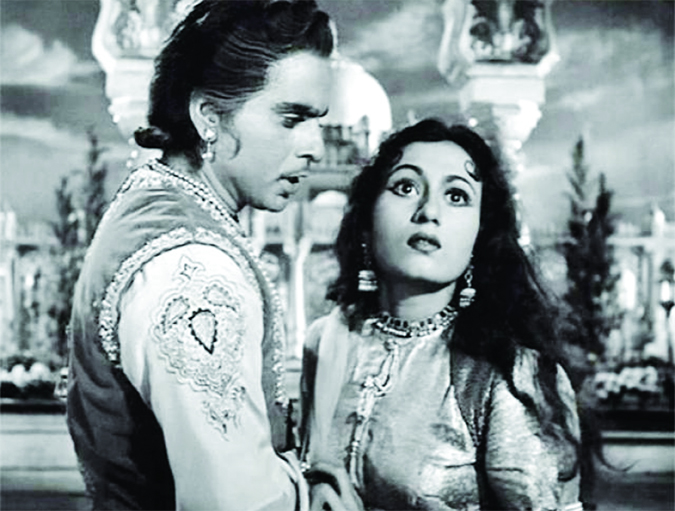
Madhubala already had a few short lived broken romances when she hooked up with Dilip Kumar. “Madhubala was an extremely passionate and impulsive person,†says Khatija Akbar in her biography I Want To Live: The Story of Madhubala. Because she was lonely, she would approach men with a red rose and a handwritten note stating, “Accept it if you love me.â€
Her sister Madhu recalls, ‘‘Apa fell in love with (actor) Premnath. Their relationship lasted six months. It broke on grounds of religion. He asked her to convert and she refused.â€
Then, Madhubala, whose enigmatic smile and screen presence enthralled a nation, fell irrevocably in love with “the most charming man of the industry Dilip Kumar. He was not only a hugely successful movie star but a an impeccably well mannered man, one who treated women with love and respect,†writes Akbar.
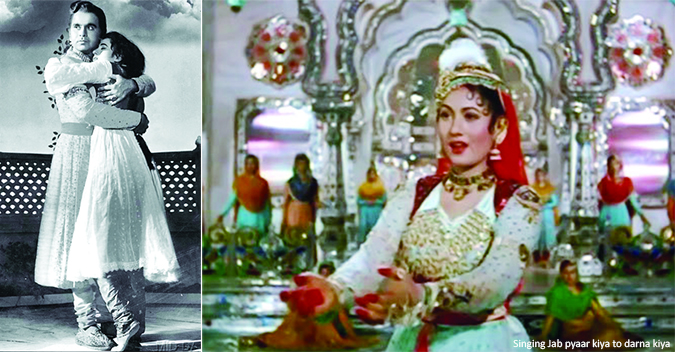
Prior to this, Dilip had a romance with actress Kamini Kaushal who had been married by her family to her deceased sister’s husband to take care of their child. Though Dilip was willing to marry her, Kamini’s brother didn’t approve of the match and the relationship ended.
First meeting on the sets of the film Jwar Bhata (1944), Dilip and Madhubala fell in love during the shooting of Tarana in 1951 when she was 18 to his 29. They were both single. She presented him with her customary red rose and a whirlwind romance followed. They also became a popular onscreen pair appearing in a total of four films together.

Actor Shammi Kapoor recalls in an interview, “Dilip Kumar would drive down from Bombay to meet Madhubala … she was committed to Dilip … he even flew to Bombay to spend Eid with her, taking time off from his shooting stint …Her inability to leave her family was her greatest drawback for it had to be done at some time.â€
 The couple quickly became intimate and inseparable. They were expected to get married. The early Fifties were Madhubala’s best years. She was rapturously and ecstatically in love and exuded happiness. Recalling those days, her friend Gulshan Ewing says, “She thrust on me the mantle of ‘confidante’. Many were the whispered conversations she had with me, all rustling with the same rhythm — Yusuf, Yusuf, Yusuf. She was so in love, the light leapt out and dazzled everyone. She would squeal when his name was mentioned, she would blush and perspire when his presence was imminent.â€
 But Madhubala’s father, Ataullah Khan, did not approve of Dilip Kumar. “The reason was simple: money. Madhubala had been providing for her family for more than a decade. Marriage would end that, Khan feared,†writes Akbar. During the shoot of Naya Daur (1957) Khan’s interfering ways led to a standoff with the film’s director and eventually a court case. During the cross-examinations details about Madhubala and Dilip’s love affair came out and were revealed by the press. In the final days of the trial, Dilip declared in the court that he loved Madhubala and will continue to love her until his death. Finally, there was an out of court settlement. It was the final nail in the coffin for the relationship because Dilip had sided with the director against Madhubala’s father.

Madhur describes their relationship: “She met Bhaijan (brother Dilip Kumar) on the sets of Tarana. They later worked in Sangdil, Amar and Mughal-e-Azam. It was a nine year long affair. They even got engaged. Unki apa aayee thi, chunni lekar. (His sister had come with a ring as is the custom.) Bhaijan was also a Pathan. Contrary to reports, my father never stopped her from getting married. We already had enough money by then and were financially secure. Apa and Bhaijan looked made for each other. He’d often come home. He has even seen me in my school uniform. He was respectful towards us children and addressed us with ‘aap’. The two would go for a drive or sit in the room and talk.
The breakup with Dilip Kumar happened due to the court case during the filming of Naya Daur in the mid ’50s. The unit was to shoot somewhere in Gwalior. During the shooting of another film Jabeen Jaleel, at the same location, a mob had attacked the women and even torn their clothes off. My father was wary and just asked that the locale be changed. It’s not that he didn’t let her go outdoors. Apa had shot in Mahableshwar, Hyderabad and other places before. Bhaijan called my father ‘a dictator’ in court and sided with the Chopras. Apa used to cry a lot those days. They had conversations on the phone trying to patch up. He kept saying, ‘Leave your father and I’ll marry you’. She’d say, ‘I’ll marry you but just come home, say sorry and hug him.’He refused, so Madhubala left him. That one ‘sorry’ could have changed her life. It was zid (stubborness and ego) which destroyed their love. My father never asked her to break the engagement or ever demanded an apology from him.

Dilip Kumar said of his ladylove Madhubala, “She was a very, very obedient daughter and who, in spite of the success, fame and wealth, submitted to the domination of her father and more often than not paid for his mistakes. Actresses those days faced a lot of difficulties and constraints in their career. Unable to assert themselves too much, they fell back on their families who became their caretakers and defined everything for them.â€
In his candid autobiography, Dilip reveals his side of the story. He writes, “Was I in love with Madhubala as the newspapers and magazines reported at that time? As an answer to this oft-repeated question straight from the horse’s mouth, I must admit that I was attracted to her both as a fine co-star and as a person who had some of the attributes I hoped to find in a woman at that age and time. We had viewers admiring our pairing in Tarana and our working relationship was warm and cordial. She, as I said earlier, was very sprightly and vivacious and, as such, she could draw me out of my shyness and reticence effortlessly. She filled a void that was crying out to be filled, not by an intellectually sharp woman but a spirited woman whose liveliness and charm were the ideal panacea.
The announcement of our pairing in Mughal-e-Azam made sensational news in the early 1950s because of the rumours about our emotional involvement. In fact, K Asif (the film’s director) was ecstatic with the wide publicity and trade enquiries he got from the announcement. It was not anticipated or planned that it would be in production for such a long period as it was. Asif was aware of Madhu’s feelings for me because she had confided in him during one of their intimate talks. And, he was equally aware of my nature as a man who made no haste in taking critical personal or professional decisions. As was his wont, he took it upon himself to act as the catalyst and went to the extent of encouraging her in vain to pin me down somehow. He went on to advise her that the best way to draw a commitment from an honourable and principled Pathan, brought up on Old World values, was to draw him into physical intimacy.
In retrospect, I feel he did what any selfish director would have done for his own gain of creating riveting screen chemistry between actors who are known to be emotionally involved. Also, I sensed Asif was seriously trying to mend the situation for her when matters began to sour between us, thanks to her father’s attempt to make the proposed marriage a business venture. The outcome was that half way through the production of Mughal-e–Azam, we were not even talking to each other. The classic scene with the feather coming between our lips, which set a million imaginations on fire, was shot when we had completely stopped even greeting each other. It should, in all fairness, go down in the annals of film history as a tribute to the artistry of two professionally committed actors who kept aside personal differences and fulfilled the director’s vision of a sensitive, arresting and sensuous screen moment to perfection.
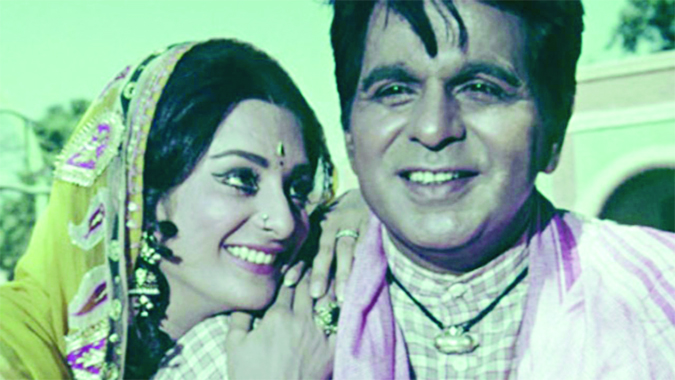
Contrary to popular notions, her father, Ataullah Khan was not opposed to her marrying me. He had his own production company and would have been only too glad to have two stars under the same roof. Had I not seen the whole business from my own point of view, it would have been just what he wanted, that is Dilip Kumar and Madhubala holding hands and singing duets in his productions till the end of our careers. When I learned about his plans from Madhu, I explained to both of them that I had my own way of functioning and selecting projects and I would not show any laxity even if it were my own production house. It must have tilted the apple cart for him and he successfully convinced Madhu that I was being rude and presumptuous. I told her in all sincerity and honesty that I did not mean any offence and it was in her interest and mine as artistes to keep our professional options away from any personal considerations. She was naturally inclined to agree with her father and she persisted in trying to convince me that it would all be sorted out once we married. My instincts, however, predicted a situation in which I would be trapped and all the hard work and dedication I had invested in my career would be blown away by a hapless surrender to someone else’s dictates and strategies. In the circumstances, therefore, it seemed best that we did not decide to marry or even give each other a chance to rethink because my resolve by then had become strongly against a union that would not be good for either of us.â€
The truth probably lies between these two versions. Madhubala, knowing the seriousness of her condition, knew that she need the fallback support of her family when her health would eventually deteriorate.
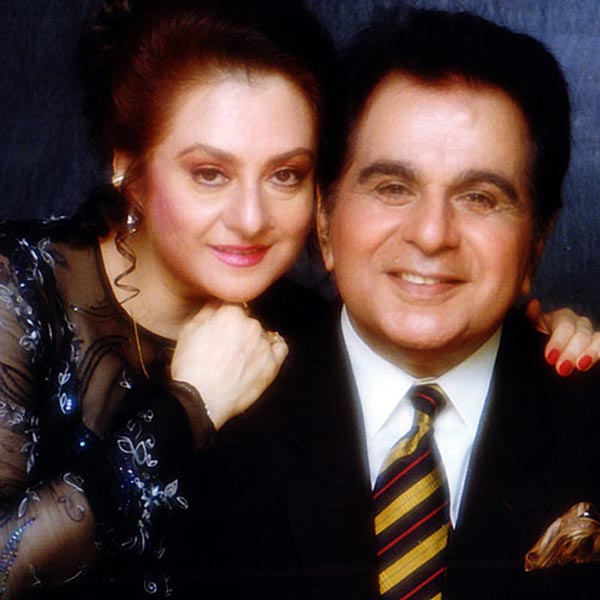
It has also been reported that during the making of Dhake ki Malmal (1956) the actor Om Prakash was on the sets of the film when he was startled by a message from Dilip Kumar who asked to see him. Dilip was with Madhubala in her makeup room and the atmosphere was tense. Om Prakash was requested to simply sit down and be a witness to the happenings. He watched as Dilip Kumar implored Madhubala, asking her to go with him and be married that very day. He had a qazi (priest) ready and waiting at his home and he wanted her to leave with him immediately. “I will marry her today,†he emphasized. It was the condition that he put forth that became the stumbling block: She would have to leave her father and never meet him again. Madhubala’s refrain was that this was impossible, and apart from this, she said nothing. ‘Dilip saab urged her repeatedly — again and again. He asked if this meant she was not willing to marry him. He told her if he went away now, he would never return. Madhubala was silent. At last, he got up and left — alone and out of her life.’â€
For the next few years, she drowned her sorrows with work, but the fabulous smile no longer reached her eyes. “She must have been miserable, but she wouldn’t show it,†comments Sushila Rani Patel.
“An ethereal beauty,†said Gulshan Ewing, “whose eyes were always sad, but whose lips were always smiling.†In the presence of her trusted friends and colleagues or in the privacy of her makeup room, there were times when sobs racked Madhubala. It seemed the pair continued to pine for each other from afar after their break up. Dilip drowned his sorrows in alcohol just as he had done in numerous films playing the jilted lover.
Madhubala was literally nursing a broken heart. ‘‘The hole in her heart (ventricular septal defect) was detected when she was shooting for SS Vasan’s Chalak (1954) in Madras. She had vomited blood. She was advised bed rest for three months but continued working as her films would suffer,†said Madhur.

One researcher writes, “Madhubala vomiting blood on the set was an ominous sign that electrified the Indian media. The history of her heart defect that came to public light as the mid-1950s brought her a string of failures, earning her the label ‘box office poison.’ With skyrocketing notoriety, no longer was Madhubala’s illness a family secret.â€
In 1953, Madhubala had been chosen to play the definitive role of her career as Anarkali. Bunny Reuben in his Book Dilip Kumar: Star Legend of Indian Cinema claimed that Dilip’s role was instrumental behind this selection given her history of illness. From beginning to end the film took nine years to complete so during the filming of their magnum opus, the relationship between the two stars was already over.
“For Mughal-e- Azam a film whose production was delayed for years, Madhubala and Dilip Kumar played the star-crossed lovers, Salim and Anarkali. It was their first meeting after their break-up. Madhubala was a pallid shadow of her former self,†writes Akbar.
The film’s production schedule ironically mirrored the stars real life love story. During much of the filming, Dilip felt bitter and was not even talking to Madhubala except when shooting required a dialogue delivery with her, but they both remained thorough professionals and didn’t let their inner turmoil mar their acting. Just as in the story Madhubala’s character Anarkali is compelled into convincing Dilip’s character Salim that she really does not love him, so did Madhubala keep her composure throughout the filming. The tragic final scene when a trapped Anarkali watches with terrified eyes the brick wall that is built around her, so was the real young woman terrified and trapped by her own deteriorating body.

By the late 1950s, her health was deteriorating fast, worsened with the rigors of the shoot. Director K. Asif remained blissfully unaware the strain that the long shooting schedules were making on her health. She bravely posed as a veiled statue in suffocating makeup for hours under the studio lights and being shackled and dragging heavy chains. Madhur said. “While shooting for Mughal-e-Azam she was tied with chains and had to walk around with them. That was stressful. By the end of the day her hands would turn blue. She’d even refuse food saying that she had to look anguished and weary for the jail scenes.â€
“The lives of Madhubala and her screen character are consistently seen as overlapping, it is because of the overwhelming sense of loss and tragedy and the unrelenting diktat of destiny that clung to both and which neither could escape,†writes Akbar.
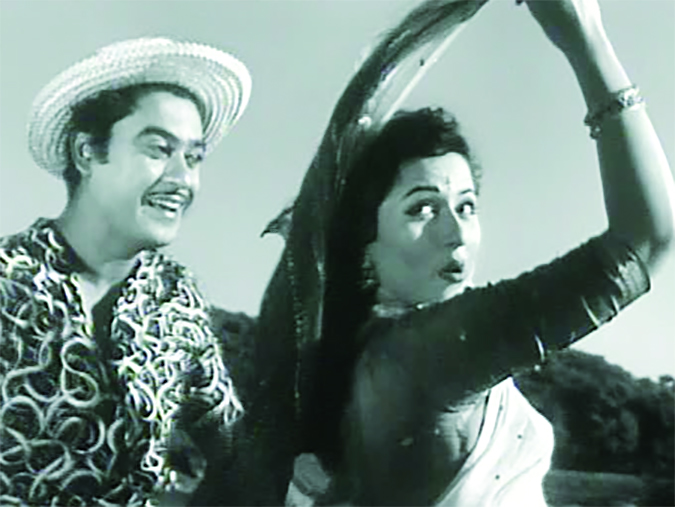
Madhubala found solace in the company of singer/actor Kishore Kumar who converted to Islam and took up the name Karim Abdul, until her death in 1969.“Madhubala was an uncomplicated person. She was famous and rich but lonely. She needed company and perhaps she thought Kishoreji would be the balm to her feelings,†Akbar writes.
Madhubala needed stability in her life and Kishore is reported to have needed financial help. At the time of this marriage, he owed huge amount of tax arrears to the Income Tax department, which had already assessed his Juhu House for auctioning off to pay this. Kishore thought that his rich wife could help him out financially. But Madhubala had severe health problems and was herself looking for a saviour. It was not till 1969 when the song Mere sapnon ki rani from the film Aradhana became a huge hit that Kishore’s fortunes changed drastically and he remained a hugely successful singer until his death in 1987, upon which he left behind Rs. 4 crore worth of assets.
“On the rebound Apa got involved with Kishore Kumar who was going through a divorce with Ruma Devi Guha Thakurta (actor/singer). What attracted her to Kishore? Maybe it was his singing or maybe his ability to make her laugh. Their love affair went on for three years through Chalti Ka Naam Gadi and Half Ticket. They got married in 1960, when she was 27. After marriage they flew to London where the doctor told her she had only two years to live. (A corrective surgery was not possible at the time.) If a 27-year-old is told that she has two years to live, what her state will be?†poses Madhur. “Due to her ailment, her body would produce extra blood, which would spill out from her nose and mouth. The doctor would come home and extract bottles of blood. She also suffered from pulmonary pressure of the lungs. She coughed all the time. Every four to five hours she had to be given oxygen or else would get breathless. After that Kishore left her at our house saying, ‘I can’t look after her. I’m on outdoors often’. But she wanted to be with him. He’d visit her once in two months though. Maybe he wanted to detach himself from her so that the final separation wouldn’t hurt. But he never abused her as was reported. He bore her medical expenses. They remained married for nine years, while she was confined to bed and reduced to just bones and skin. She’d keep crying, ‘Mujhe zinda rehna hai, mujhe marna nahin hai, doctor kab ilaaj nikalenge?’ (I want to live; I don’t want to die.When will the doctors will find a cure?)â€
Ashok Kumar defended his brother Kishore in a Filmfare interview: “Madhubala suffered a lot and her illness made her very bad-tempered. She often fought with Kishore, and would take off to her father’s house where she spent most of her time.â€
Madhu said about Madhubala’s eventual demise, “Though Bhaijan (Dilip) never visited her when she was unwell, he flew down from Madras to pay his last respects at the kabrastan (cemetery). Food was sent from his home to ours for three days. I remember when Bhaijan married Saira Banu (22 year old ingénue and half his age) in 1966, Apa was sad because she loved him. She’d say, ‘Unke naseeb mein woh (Saira Banu) thi, main nahin’. But she’d also say, ‘He’s got married to a very pretty girl. She’s so devoted. I’m very happy for him.’ But a vacuum remained in her heart.
A few years back her tomb was demolished as it was in a Wahabi (a Muslim sect that doesn’t allow building of tombs) cemetery. They wiped away the last memories of a legend.’’
On March 18, 2008, a commemorative postage stamp featuring Madhubala was issued by India Post in a limited edition presentation pack. It was launched by her yesteryear actors Nimmi and Manoj Kumar in a ceremony attended by colleagues, friends and surviving members of Madhubala’s family.
Dilip Kumar went on to achieve a legendary film career. The government of India awarded him with the Padma Bhushan (third highest civilian award) in 1991,the Dadasaheb Phalke (highest award in cinema) in 1994 and the Padma Vibhushan (second highest civilian award) in 2015 for his achievements in Indian cinema. In 1998, the government of Pakistan awarded him the Nishan-e-Pakistan, (the country’s highest civilian award) making him only the second Indian to receive this honour. Now at a frail 93, Dilip lives a retired with his wife Saira.

The Peerzada sisters are taking charge by carrying on a family legacy and paving the way for a brighter future for the arts
Yameena’s performing experience is as broad as it is impressive. The first woman to stage a one-woman play at the Edinburgh Fringe Festival in August, 2008, she has also performed in various music videos and TV serials such as Rangeel Pur, Roag and Roshni Andhera Roshni, for which she bagged the award for Best Actress (Terrestrial) at the 13th Lux Style Awards in 2014. She is now spearheading the creative conception and management of the performing arts segments of the Rafi Peer Theatre Workshop and fulfilling her dream of a career immersed in puppetry, and theatre acting.
Aleena’s efforts in the promotion of the arts from a tender age are undeniably laudatory. She heads Pakistan’s largest artist management agency, Peer Artist Management with the aim to shed some much needed light on the lesser known cultural and artistic powerhouses of the country. She’s a whizz planner, having experience almost unparalleled under her belt in the managing, planning and conception of countless festivals, concerts, corporate events and most recently, private events that she heads singularly and with indie artistic gusto.
Tell us about the most recent series of festivals Rafi Peer has conducted.
Aleena: This year we had four festivals, all in the span of a month from mid-November to mid-December. The first festival this season of Rafi Peer was the Youth Performing Arts Festival (YPAF), the week after the Folk Puppet Festival, the week after that we had the Mystic Music Sufi Festival and finally we closed the month with the International Film Festival.
How does The Youth Performing Arts Festival (YPAF) come together and what aim do you wish to achieve by it?
Aleena: Last year saw Rafi Peer’s 15th edition of the annual festival series. There are schools and colleges that regularly prepare each year to participate in the YPAF. We have new institutions applying every year. Additionally, we reach out to schools nationwide to participate and that is how we get a sizeable festival together.
The YPAF itself is a competitive festival and it’s an extremely rigorous process for Yameena and the other judges who examine the participants and also give workshops on theatre, dance, puppetry, etc. to the youngsters. They take something back with them when they come to perform at this festival and that is our goal mainly, to generate interest and enthusiasm amongst the youth for the arts.

Aleena, you also do private events, tell us about that?
Aleena: Our company Peer Events has been planning and managing events such as nationwide brand activations for multinational companies for quite a long time. Even now, most of my work with Rafi Peer is involving just that, managing events as part of PAM and for the various festivals that we initiate every year.
I never wanted to get into the party and wedding planning circle and I cringed at the prospect of it. But when I did my cousin’s wedding 4 years ago, I got a lot of buzz in the city about it. I started doing only exclusive weddings and still don’t consider myself part of the rat race of wedding planners as that’s not my primary focus at all. I’m 99.9% busy with Rafi Peer and its corresponding events. For me to enjoy planning weddings and parties, I need to know the clients really well and even then, I’d probably only really do a couple of shaadis a year simply for fun. When it becomes a larger venture, then it can be just exhausting especially since it’s not the only thing that I do with my time.
What’re your favourite Rafi Peer initiatives?
Yameena: I think performing arts and puppetry come the closest to being my favourites. I’m specifically concerned with Rafi Peer’s theatre company and performing arts and have been performing in India, Turkey, Italy, Scotland, France, Norway, Denmark and United Kingdom with the company since I was very young. The work involves going on tour, putting up puppet theatre plays, attending puppet and drama festivals. I’ve been doing this since I can remember. I manage the Youth Performing Arts and the International Film Festivals at Rafi Peer. I’ve trained as a puppeteer under my father Saadaan Peerzada and his twin brother, my uncle Faizaan Peerzada, who first set up Rafi Peer initially as a puppet company. It was later that it branched out to encompass other arts like film and dance. I’m the only one from our cousins now who is a puppeteer also.
What types of materials and mediums do you like to work with?
Yameena: We most commonly work with muppets, rod puppets and table top puppets, so a lot of my work is using papier-mâché. We especially like to use puppets with live actors and that’s something that I’ve particularly been involved in a lot. It’s a mix of performance with sections of tabletop puppets on stage. This way you mix in live music, live actors and a portion of the story can be told through people. This is the more contemporary direction of puppetry in which Rafi Peer has most recently branched out into. I staged and conceived The Border (two person theatre play) at the April Fest (the largest children’s festival in the world) in Denmark 2013-2014, featuring some parts where I acted myself and some on stage voice acting as a puppet.


You’ve also done some work as an actress on television. Tell us about that.Â
Yameena: I’d always wanted to act ever since I was 5 years old. After my Masters at the Royal Central School of Speech and Drama in London in Acting for Screen, when I came back to Pakistan, I started concentrating more on theatre, mainly because of the dearth of good scripts for television serials. I did a few serials, but it was frustrating at times. A lot of other actors start out at first as DJs or models and later realising that there’s more money in acting, only then give it a try. I literally had to take a step back and enjoy doing theatre until I got TV serial scripts that excited me. Television is different from theatre, but I enjoy both, acting on screen and on stage because at the end of the day, they both involve performing, which is what I am passionate about doing.
What’s your favourite thing about working as part of the Peerzada clan?
Aleena: People ask how we work as a family because as you know we all work together. I really don’t know any other way of working, since I’ve been working with my family my entire career. There’s this lingo between the family where we don’t say anything, but communicate silently. Those bonds and how you can work without having to say much I think does stem from being family and I think that’s extremely precious.
Yameena: I agree with Aleena where she says that we don’t know any other way of working. Every one of us speaks the same language. If someone’s not an actor, they’re a puppeteer, a writer or a painter or a sculptor. We get a lot of advice from each other and a lot of exposure. Some things that I didn’t learn in schools or institutes, I pick up just by conversing with and learning from my family; I get such invaluable advice and feedback. We grew up in this way and we’ve all always been inclined towards the arts and being born into a family like that definitely has a big role to play in our lives and careers.


How do your work and the cultural centre and hub of creativity that is Peeru’s help generate interest in art among the youth of our country?
Yameena: It all started with the Faizaan Peerzada International Museum of Puppetry, the largest museum of puppetry in Asia with its four floors of puppets complete with a puppetry workshop. From there, we built a theatre nearby and then a cafe that was initially designed to cater to the museum and theatre goers. Now it’s a whole cultural centre where all types of art related festivals are, workshops and classes are held and artistic fervour is omnipresent.
Aleena: I believe that the best way to propagate the arts is by making art. We started the festival at a time when no one even knew what a festival was. But by doing something and providing a platform and standing by it and sustaining it consistently, it gains traction. Just look at the amount of festivals going on each year and how open Lahoris are to patronising them whereas no one even knew what festivals comprised of when we staged the first many years ago. Similarly, having a cultural centre with purpose built spaces and infrastructure for people to regularly visit and engage will soon help to make art a more regular part of an increasing number of people’s lives and careers. Unfortunately, at the moment, this phenomenon is touching people few and far in between. Stand alone initiatives can generate hype but an organisation and a venue that is consistently generating artistic content and hosting events and workshops to engage in artistic discourse and the creation of art requires funding and real devotion.
AN OVERVIEW OF A HANDFUL OF THE RAFI PEER THEATRE WORKSHOP’S VARIOUS INITATIVES:
Mystic Music Sufi Festival
The two-day festival is the 13th annual edition of perhaps the largest amalgamation of mystic Sufi music today from across Pakistan, Syria and Iran. It brings together household names, such as Abida Parveen, the Niazi brothers and Goonga Sain every year in addition to over 25 Sufi singers from all over Pakistan making for a splendid musical line-up. The festival comes together to propagate age old Sufi poetry and traditions of music and dance to showcase an alternate view of Islam as a religion of peace and tolerance.
Folk Puppet Festival
Running for the 10th year, the Folk Puppet Festival has addressed the vital need for reviving this indigenous craft by sourcing participants, artisans and craftsmen, from around the country and conducting workshops providing instruction on traditional puppetry techniques.

The Youth Performing Arts Festival
The 14th Youth Performing Arts Festival (YPAF) 2015 saw much talent, entertainment and fun with awe-inspiring performances by Pakistan’s bright young things. Spanning mediums, like dance, music, puppetry, theatre and film, this festival is a great chance to excel in the pursuit of the arts through some healthy competition. Workshops conducted by the judges enable the participants to take some precious knowledge and practical advice back with them.
International Film Festival
Showing over 70 films from 38 countries, the festival is a hot bed of inspiration, encouragement and creative discourse. Talk sessions with renowned film industry staples, such as Om Puri, Vikas Bahl, Salman Shahid and Sarmad Khoosat amongst others, generate much needed conversation about social and cultural issues and the challenges facing the up and coming Pakistani film industry. The festival allows for the viewing of films from different genres for film buffs and brings a taste of world cinema to us here.
Peer Artist’s Management (PAM)
Launched by Rafi Peer Theatre Workshop’s co-founder Faizaan Peerzada, Peer Artist Management (PAM) is instrumental in amalgamating the country’s best yet least represented musical diamonds in the rough. It provides access for avid listeners, locally and abroad, to un-recorded and unreleased musical maestros from the farthest reaches of the country. Not only that, this initiative promises a brighter future for the sustainability of the arts by providing these unrepresented artists with large platforms and opportunities for promotion and income generation internationally.