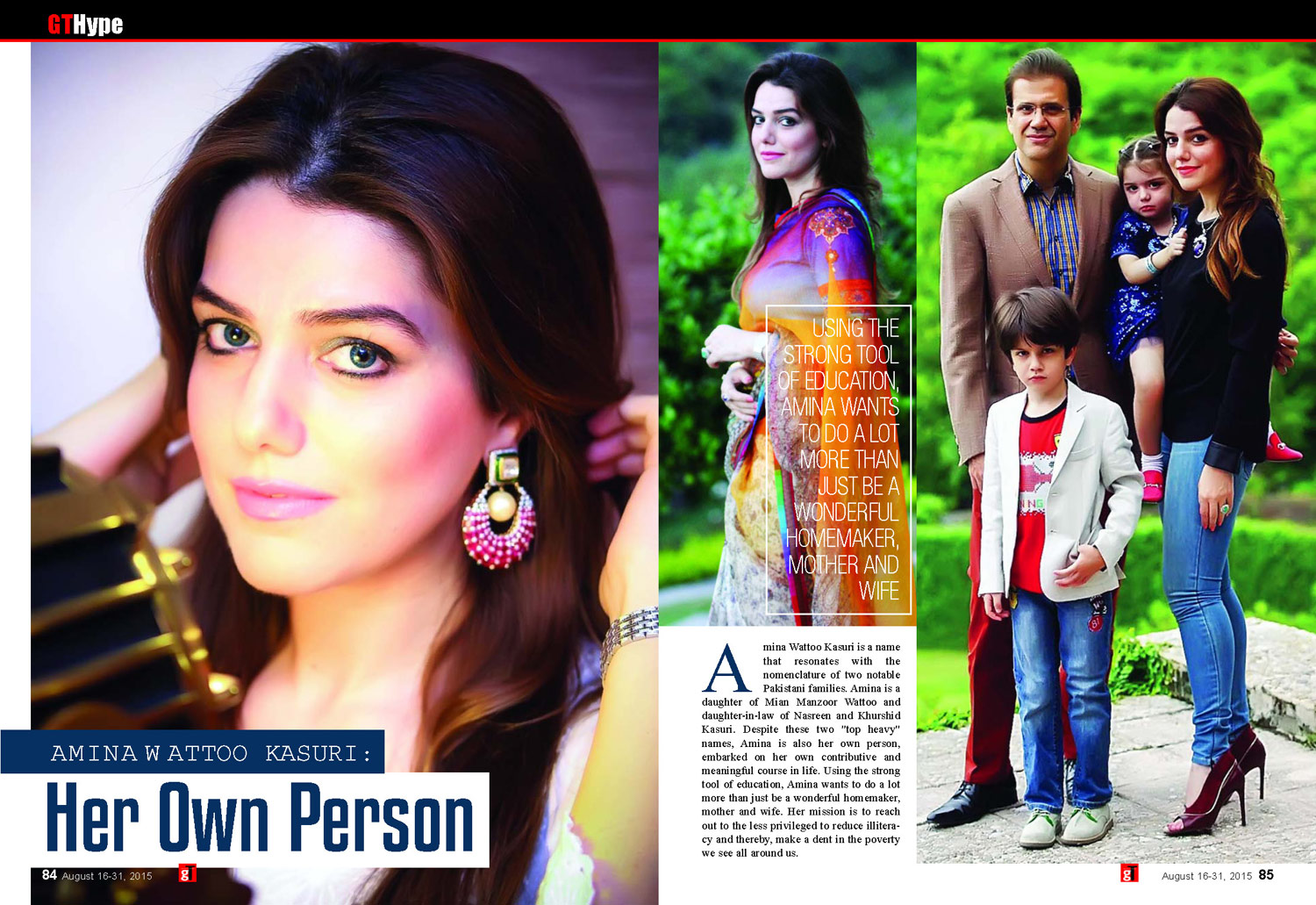




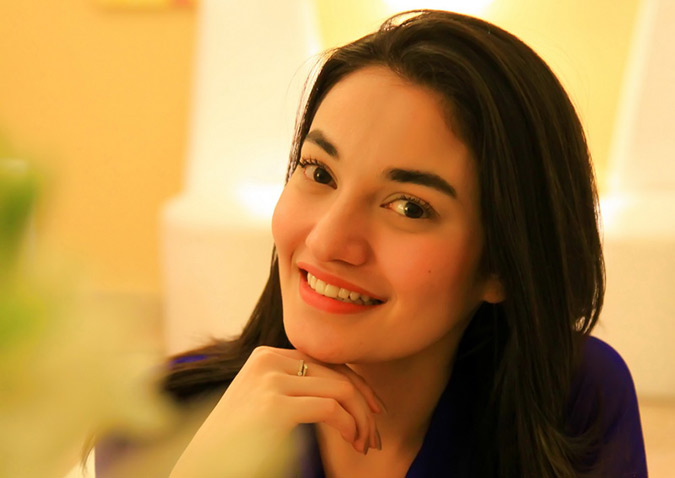
Muniba Mazari is a 27-year-old artist, activist and motivational speaker. She runs her own brand called “Muniba’s Canvas” and works at a school for underprivileged children.Â
Who is Muniba Mazari?
The mother of a four-year-old boy, daughter, sister, artist, motivational speaker, TV host, dreamer and an optimist!
What’s a regular day in the life of Muniba Mazari?
My son wakes me up at 7:00am. So my day starts with Nael and his favourite ‘The Dinosaur Train’ cartoon series. After that, I leave for work, or I paint. I’m blessed to have a super busy life thanks to physiotherapy, art and motherhood.
What are some of the challenges you’ve faced being a wheelchair user in Pakistan?
Being a wheelchair user, life wasn’t easy initially. My biggest challenge, or fear, was facing people or a crowd. I fought an unseen battle against this fear for years and conquered it gradually. Today I speak in front of thousands of people. I feel so happy when people know me for who I am or what I’ve accomplished and not because of where I am sitting.

Tell us about your journey since the accident?
It’s been seven years now. The accident was an incident which made me realise my hidden potential. It made me what I am today. When I see my scars I feel strengthened and more determined towards my goals. The only dream I had was to tell the world that differently-abled people are not less than anybody. They exist, breathe, live. Most importantly, they dream big! The idea was to glamorise the image of a wheelchair user. I’ve worked hard for it and will keep doing it till my last breath. And I’m so glad that gradually the perception is changing. Now people see you for your abilities without judging you for your ‘disabilities’.
Does your accident reflect in your paintings in any way?
Art is the only medium which helps you to express your hidden pain, fear, joy, depression or hope without uttering a single word. I paint women with big eyes which depicts hope and the idea of dreaming. The accident made me a dreamer and my art is all about women who dream big.
Do you remember your first interaction with art? When did you decide you wanted to become an artist?
My childhood diaries are filled with sketches. But I never thought of being a professional artist. The first painting I made was in the hospital. There I realised that this is my real passion.
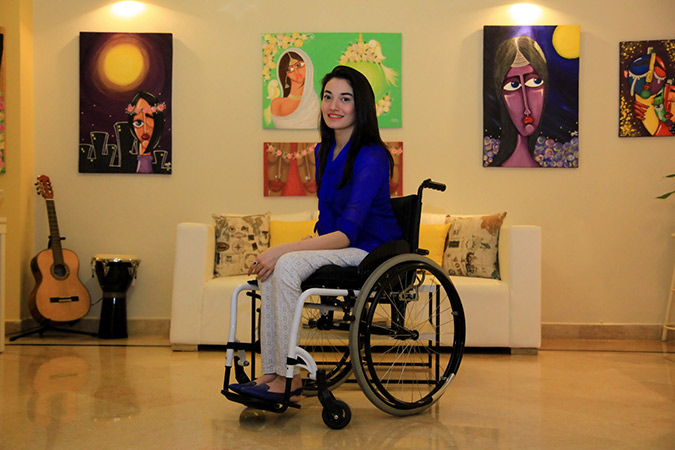


Tell us a little about your brand “Muniba’s Canvas” and the inspiration behind your art?
Muniba’s Canvas is all about women adorned with traditional ethnic jewels of our country. It’s about life, bright colours and women who are yearning for hope and freedom. The tag line of Muniba’s Canvas is “Let your walls wear Colours.” That says it all.
People usually ask me why I only paint women. I think being a woman, womanhood is the subject I know best!
You have a very gifted voice. Ever thought about pursuing a career in singing?
Music is food for the soul. I feel it’s my responsibility to revive Faiz Ahmed Faiz, Iqbal as well as beautiful national songs by other poets. I want my son to be able to sing Faiz. So if I ever pursue singing as career, my wish is to sing these legendary poets.
What advice would You give to the people reading this?
My story revolves around hope and determination. There’s no shortcut to success. The harder you work the luckier you get. We all have been sent to this world for a purpose. If you still don’t know what that purpose is, then remember, a life without purpose is pointless! Live, laugh, love and share. That’s the key to happiness.
Photography I Fakir StudioÂ


 Risham Khan talks to actor & model
Did you always want to be an actress?
No. I wanted to win a beauty pageant when I was younger. Growing up, though, I found out that Pakistani girls were not allowed to participate in these beauty pageants. So then I thought, “This is not going to happen.” I actually wanted to participate in the Miss World, Miss Universe contests. But I ended up acting and started my career with a feature film.
What are some of the challenges you’ve faced being a woman in the Pakistani film industry?
The biggest challenge is that we live in a hypocritical society where people form opinions without thinking; they go with the image that the other person is showing them. They don’t like confident, self-made women and I’ve always been one. But yes, it’s been very challenging being a girl who didn’t have a film industry background. But from the very first day I have been associated with the biggest brands. So, of course, when there are people praising you, there are always people trying to bring you down.I think this is the case with every girl. Why? Because I reached that level very soon. I started my career when I was 14, I started endorsing brands and I did my film when I was very young. I became huge because of “Bol.”And then being a Pakistani girl going to India and working there in a very commercial film: It’s not easy.
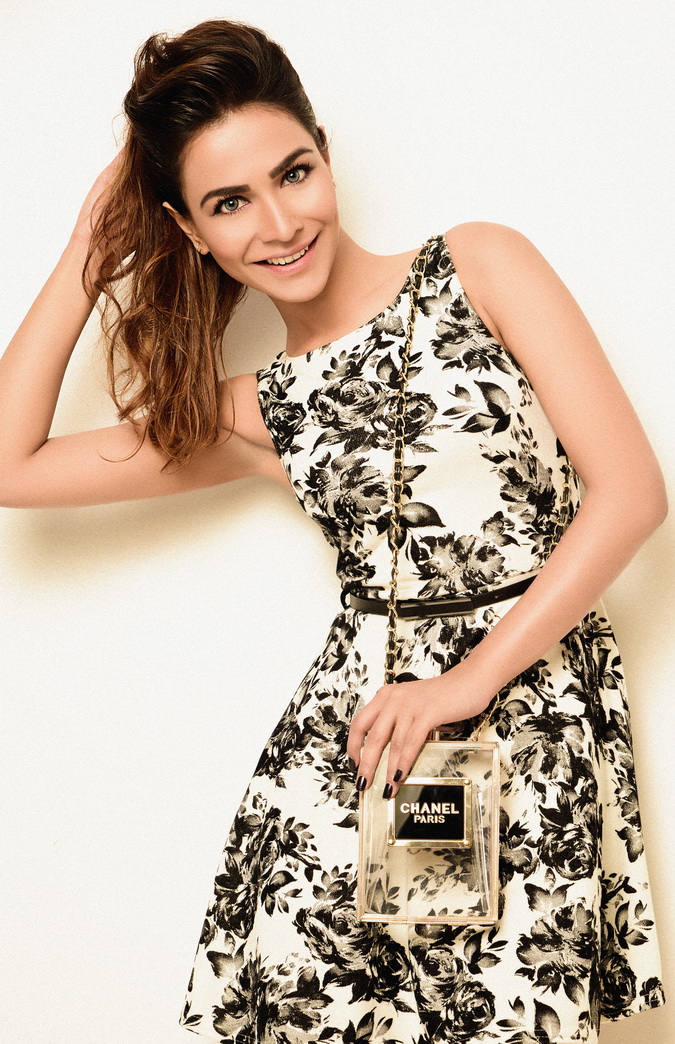

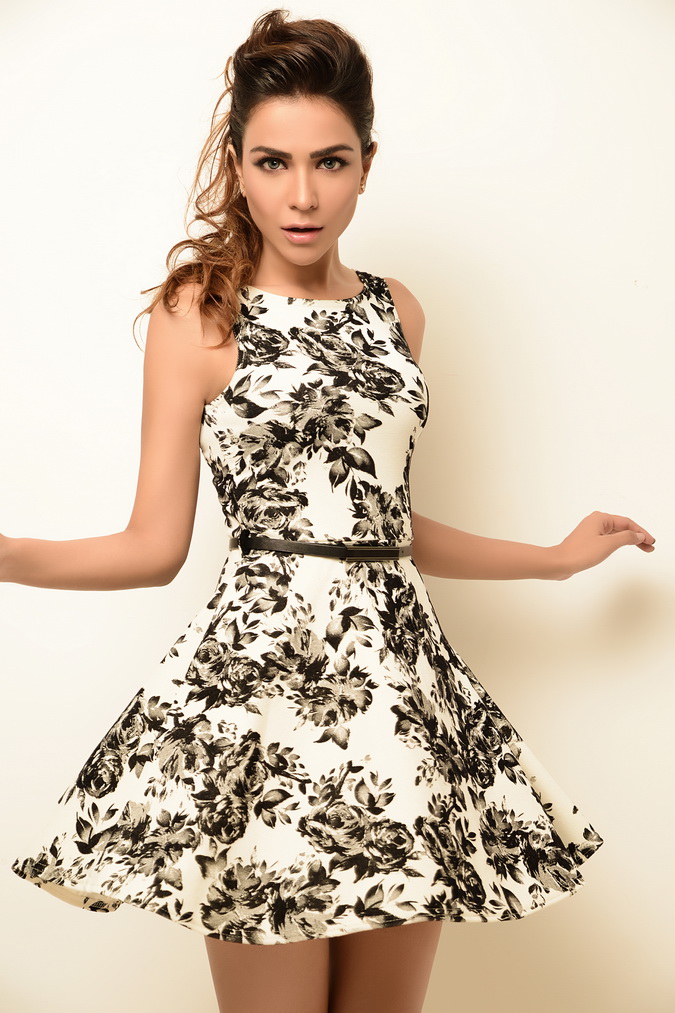
How did Bol change you?
Bol changed me as a woman. I’ve become very patient, my will is very strong, I’ve become more sensible about the decisions I take. And the way my female fans now understand and approach me — that has changed too.
What was different about Dekh Magar Pyaar SAY that made you say yes?
I respect Asad a lot. He’s one of those directors whom an artist wants to trust. So when he came to me, his approach was very nice. He came to me and said “I’ve written this script for you.”
Tell us about your character in Dekh Magar Pyaar SAY
Why did I like the character? The thing about the character in Dekh Magar Pyaar Say is that she’s a feisty girl. She’s very spontaneous. She’s dramatic and larger than life. You can expect anything from her! Essentially, she’s unpredictable with a lot of different shades. I think it’s quite challenging to play roles like that. In my first film I played a mullah ki beti and in the second film I played a bar dancer. This is going to be my third film. So, yeah, it’s been different and adventurous.
Can you personally relate to the character?
Not really. I don’t think actors are always like the characters they play but we have to become like those characters. When people leave the cinema, I don’t want them to go home and forget about my character! Kay bhai popcorn kha liya, film dekh li, ab ghar chalo. No. I’ve always tried to stay in people’s minds. I liked it when people watched Bol they took Zainab along with them. For several days people kept talking about this girl.
How was the experience of shootingDekh Magar Pyaar SAY?
It was fantastic but very, very hectic. I’ve never done such a film before. Not a single scene was shot in a proper bungalow or a fancy air-conditioned set. We had to wake up really early in the morning. Asad would say, I want to shoot you in the
4 am sun. I want that shot. And we said okay boss, we’ve got to come. We completed the entire film in 45 days—a record, apparently, for the Pakistani film industry. So it was fantastic.


How was Sikander Rizvi as a co-actor?
He’s fun. He’s quite chilled out. He’s a good learner; he’s always learning new things. And we wish him all the very best. He’ll definitely do something nice in the industry.
Describe him in one word
To me he’s Sikki, that’s it. He’s funny, he’s quite a bit of everything!
What was your chemistry like with Sikander?
Since it’s a romantic comedy, we had to make people fall in love with us, and for that we had to fall in love with each other first! We did that. We’ve tried our best as actors.
Tell us about a funny incident on set
Sikki used to mimic me a lot. And he’s superb at it! I think when we shot the first scene in the alley where you can see the church behind us, (when you see the film you’ll know), that scene was very memorable because it was Sikki’s first intense scene with me and he was very funny throughout!

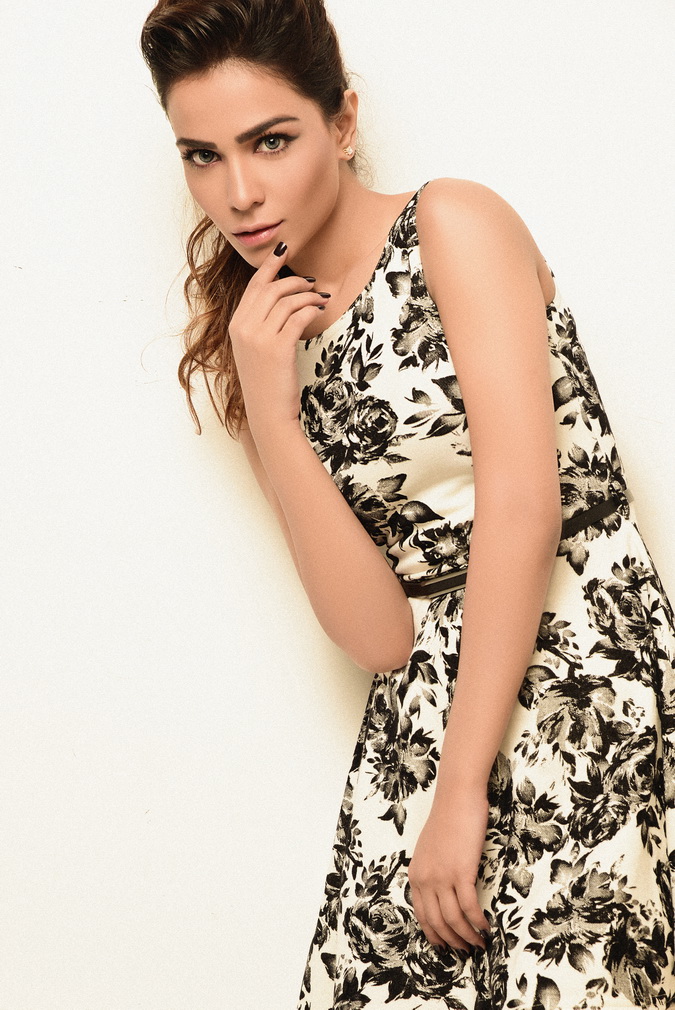
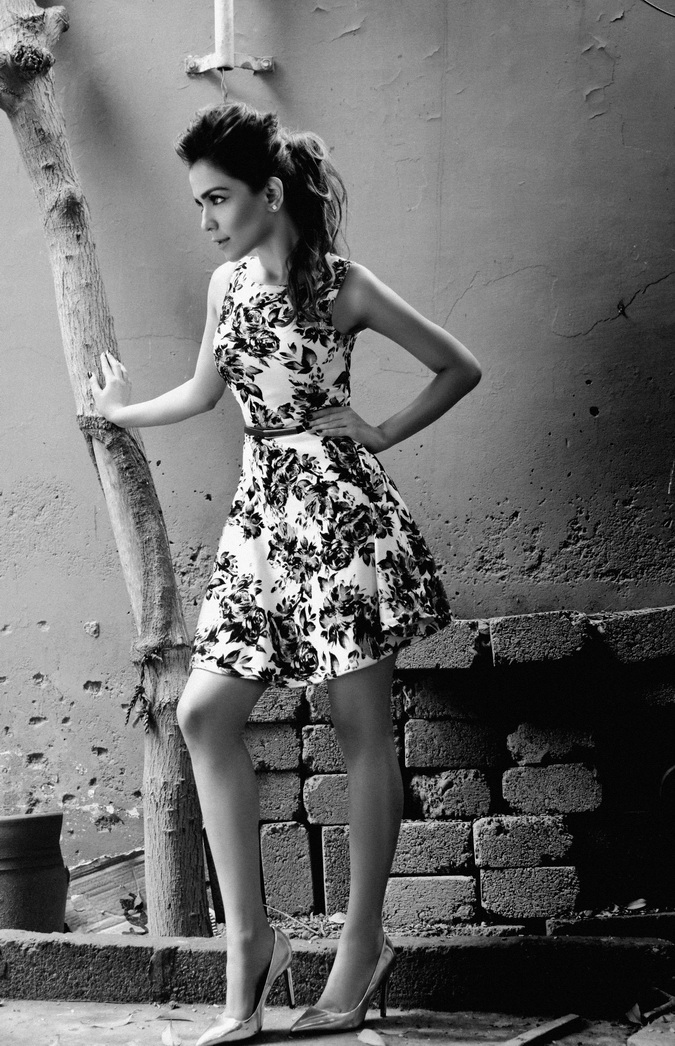
Are you working on any upcoming projects?
In Pakistan? Not right now. But, yes I am working in India and Inshallah very soon things will be coming up.
Who is your favorite Pakistani actor and actress?
I really like Shaan. Fawad is good too. Actresses? All the girls are working so well right now. I really liked Shehnaz Sheikh and Sania Saeed.
What advice would you give to young girls looking to become actresses?
Try and be yourself. Just try and explore yourself more and don’t try too hard. Acting is within you. Be patient.
Hair, Makeup, Styling & Photography by AKIF ILYAS

Actress-songstress Ayesha Omer’s tips on staying healthy while travelling
Drink plenty of fluids
Water is truly a girl’s best friend. There is nothing more indispensible for holistic health, beauty and brains than a steady 15 glasses a day. And no, not juice, not Vitamin water and not even sparkling water can take the place of good old plain, clean and still water.
Airplane cabins are notoriously devoid of moisture and you can shrivel up like a prune if you’re not diligent and conscientious about your water intake. Take an extra trip to the loo if necessary but whatever you do, do not skimp out on drinking water at regular intervals.
Invest in a handy reusable water bottle. You’ll be saving money, plus you won’t be stranded without any water where there’s no place to buy any. And you can take it through airport security, too, albeit empty.
“It’s good to stay hydrated, lemon is always a good pick me up and is always refreshing. You have late nights when you’re travelling usually and waking up early and hence you’re not really sleeping much, so it’s very very important to stay hydrated. I try to have coconut water here and there also. That’s a great way to get hydrated when you’re travelling. I also always carried around my water bottle everywhere!”

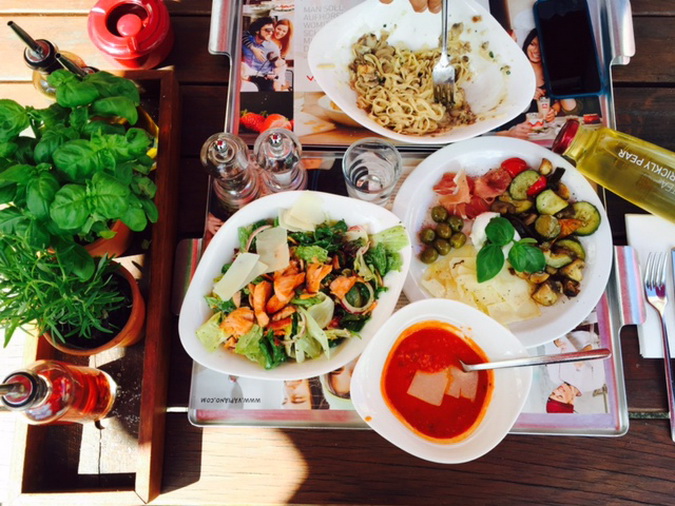
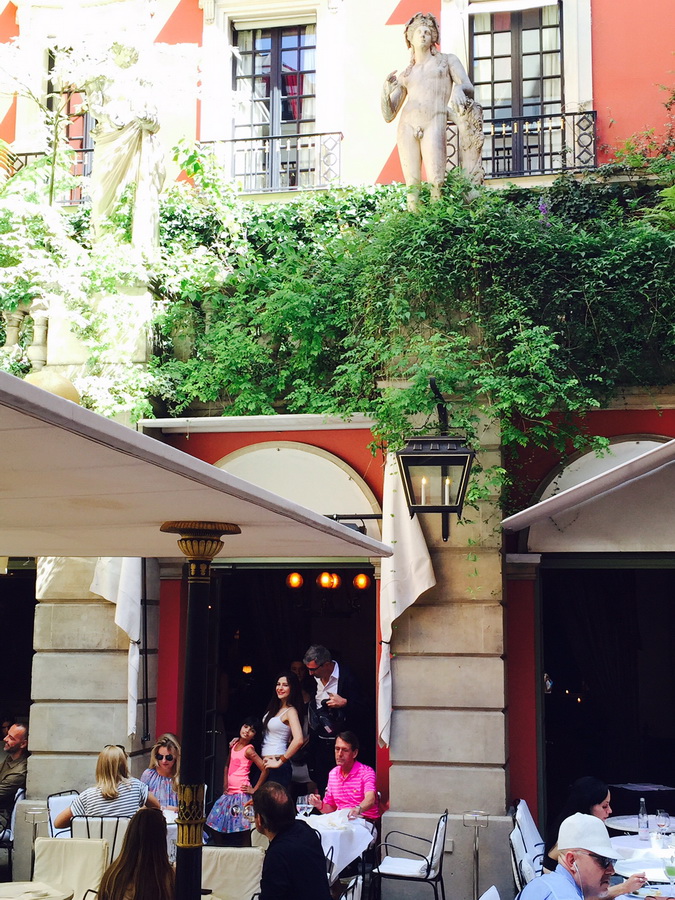
Try the local cuisine
As a rule, even when in the homeland, it’s always advisable to indulge in local AND seasonal produce. It’s fresher and healthier and more climate appropriate. For example, oranges come to us in Pakistan in the winter season and stave off cold and flu using their copious quantities of immunity boosting vitamin C.
So wherever you travel, let go of your inhibitions and take a chance on the local cuisine. It may even be miles away from what you’re used to, it’s still an integral part of the cultural experience of visiting another place.
Stay away from generic fast food
Humans are, after all, creatures of comfort and comfort lies in the familiar. What’s more familiar to a McDonald’s lover than seeing the massive golden arches of the McDonald’s M and wanting some Mc meal or other? It’s important to exit your comfort zone and ditch familiar fast food chains for local and small eateries. Not only will you be in for an alternative experience and a cornucopia of variety inaccessible to you in the run-of-the-mill fast food chain, fast food is notoriously unhealthy, full of unsaturated fats and sodium and God knows what else.
If you’re worried about hygiene standards in the local mom and pop eatery, take comfort in knowing that the world is growing smaller and that food standards and hygiene are becoming more and more regulated across the globe each day. So there will more or less be at least some hygienic, local and healthy food sources for you to choose from.
Keep healthy dry snacks in zip lock bags (nuts, seeds, trailmix, etc.)
When there is absolutely nothing around to eat or you’re trapped in that airport limbo where there is not an ounce of food in sight and you need sustenance, you can rely on your own private stash of dry, portable foods to keep you going. Take a Ziploc bag and stuff some nuts, seeds, trailmix, whole wheat crackers and the like and keep hidden away for when you’ll most need it. Dried fruits also provide essential vitamins and minerals when you can’t access the real stuff.
These portable snacks are excellent alternatives to a dreary and icky airline meal that’s all carbs and grease. Dried yogurt covered cranberries are a favourite of mine and provide a whole host of nutrients, essential for your good health and for having a good time on the go.

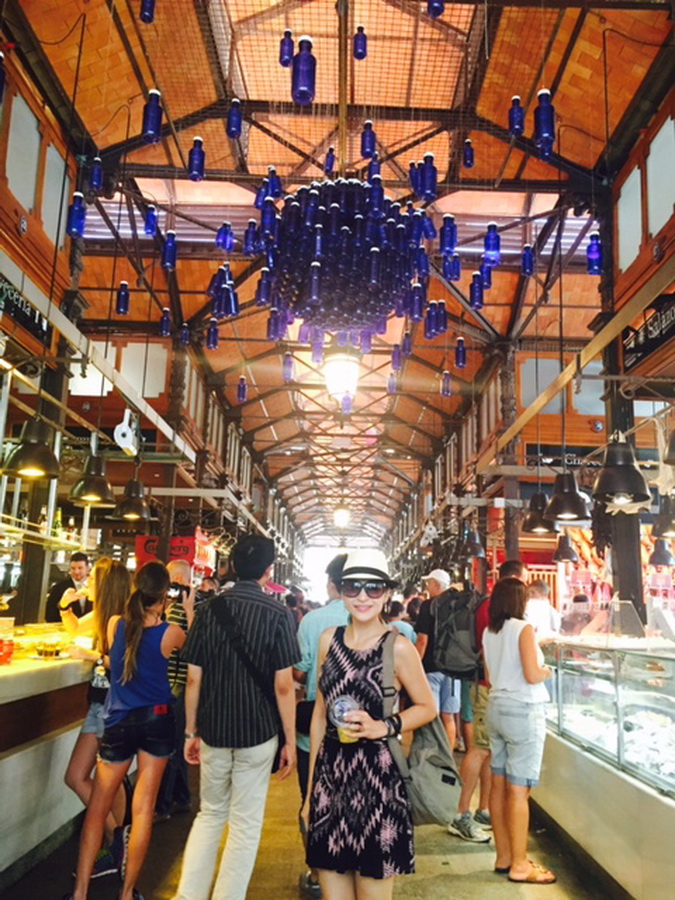

“And I always carry some snacks in my bag, a bit of dark chocolate or some nuts or some handmade energy bars. Not the processed ones, try and scope out some homemade or handmade ones or try making them yourself at home. Mints also give you some energy, they’re good to have around.”
Keep meals light and frequent to stay energised
Most of us know the feeling of lethargy after having scarfed down a huge meal of festive and/or comfort food. The two possible outcomes are either sleepiness or frequent trips to the bathroom coupled with intestinal discomfort. Who wants to experience either on a trip? Not us.
That’s why it’s smarter to eat small meals more frequently throughout the day rather than the usual three solid ones. Not only will you be able to do more regional food sampling this way, you’ll stay energetic, keep your metabolic rate up and hence be able to see and do more.
Opt for salads, smoothies, and grilled lean meats or scope out the healthier and more nutritious options on your own using some basic nutritional common sense.
“So chaltay phirtay, one can just stay energised with quick bites on the go like fruits, nuts and the like without much fuss. It’s always so much better to have little tidbits instead of huge meals. Any green salad is great for a light snack and so healthy too.”
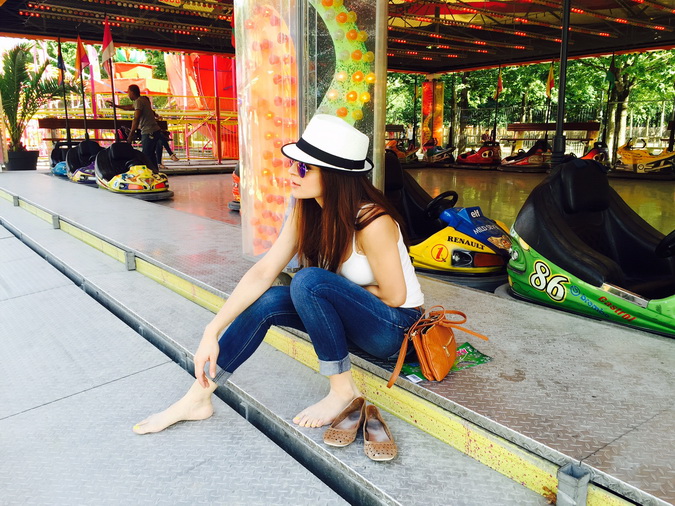

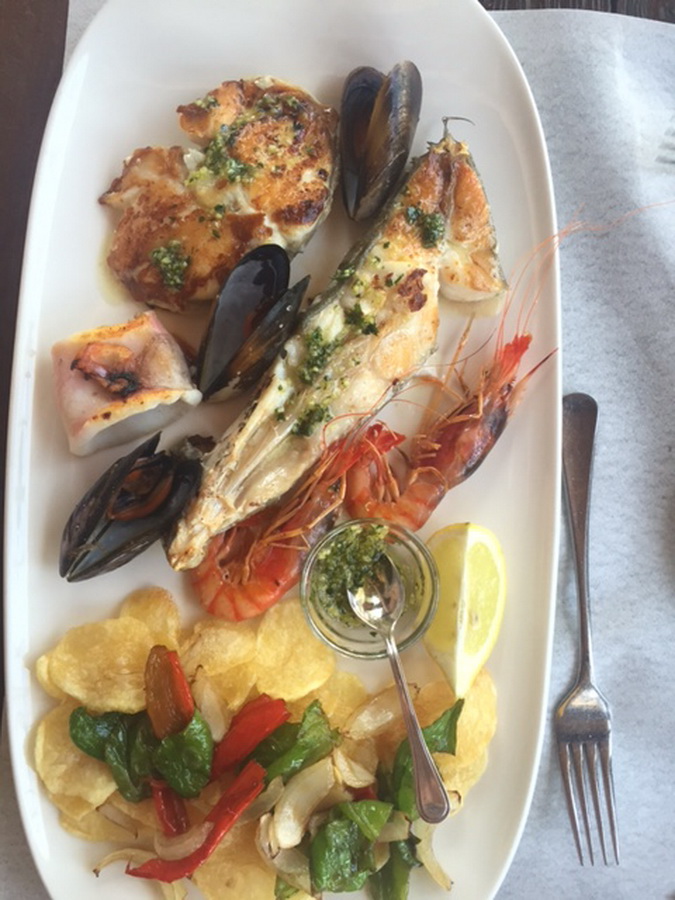
AYESHA’S HEALTH TIPS FOR A BLAST OF A VACATION:
“It’s so great to get a lot of sun when you go to beachy places and that’s actually good for you believe it or not. In Pakistan, we don’t get out in the sun a lot so the vitamin D is really welcome.
We did some walking and sightseeing, chilling in the park or biking around. It’s good to be getting at least a bit of exercise because you’ll probably be eating a lot of junk when you’re on holiday.
Whenever you’re walking around, you can get fruit almost everywhere, on the street, fresh cut up fruit like the one I got in the fruit market. So indulge in the local produce.
It’s important to take vitamins and supplements while you’re travelling. Not only is your body under more duress than usual and you may not be able to access the full spectrum of nutrition that you need for optimum health.”

Interview by Ally Adnan
Noted restaurateur, the grandson of the greatest songstress of all time, and now the male lead of Asad Ul Haq’s upcoming feature film, Dekh Magar Pyaar Say, Sikander Rizvi talks to Ally Adnan about show business, growing up without a father at home, his illustrious grandmother and much else
What is it like to be the grandson of the biggest star India and Pakistan have ever produced?
Noor Jehan was, first and foremost, my daado and then a star. Generous, indulgent, kind and loving, she was a great grandmother. I grew up thinking of her as warm and caring person in my life and not as a star. I was always aware that she was someone special because of her aura and how everyone treated her but it wasn’t until I was in my teens that I began to realize the enormity of her talent and the magnitude of her stardom. And even though I now have a grip on how big she was as a star, I remember her as my doting and loving daado. She was the best grandmother anyone could have.
How do you remember her?
Daado was full of life. She was always surrounded by people. There was a positive energy about her. She was loving, she was warm and she was a lot of fun. She had a larger than life persona but she was approachable and kind. I loved her presence and her company.
As a child, I used to spend my summers in the South of France with my mother and her parents. Daado used to visit us with her entourage of attendants, musicians, friends and family members. Those visits constitute some of my fondest childhood memories. Daado would sing for us during those visits, tell us stories and entertain us with her jokes. And she would take over the kitchen during her visits and cook for the entire family.

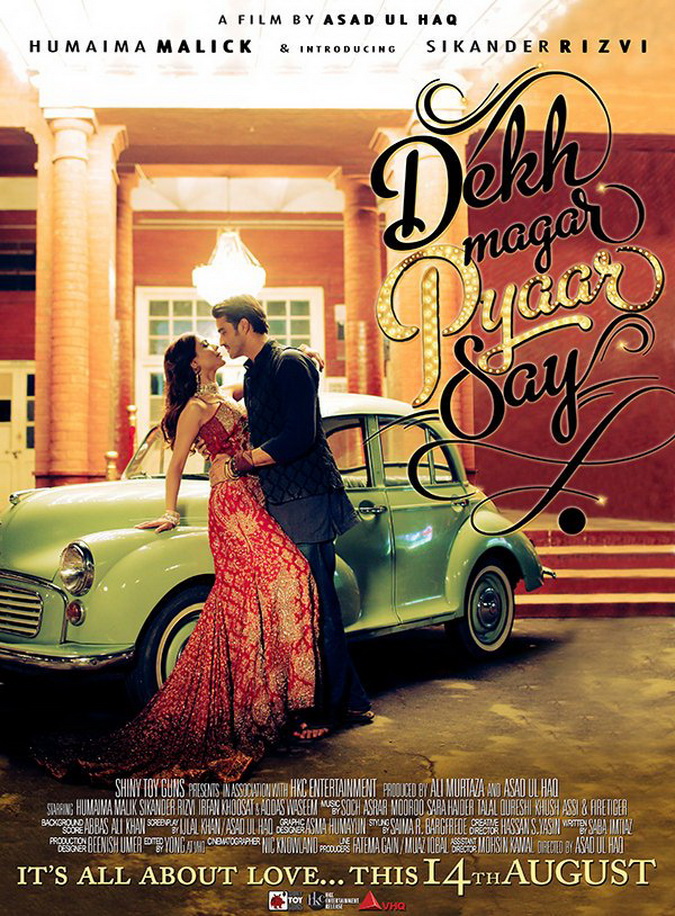
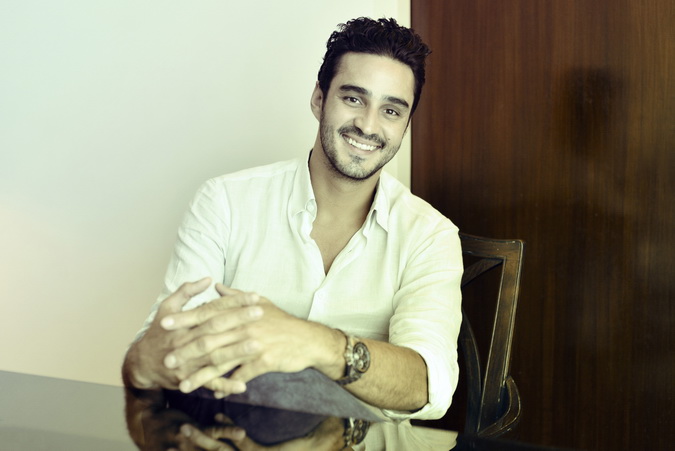
And she was one hell of a cook.
Yes, she was. An amazing, amazing cook who could work wonders in the kitchen. I have not had desi food as good as that cooked by Daado in my life. Listening to desi music, while eating desi food and enjoying desi jokes, all in a French setting, was an unreal and exceedingly charming experience.
Noor Jehan was not the only strong woman in your life. Your mother, Florence Villiers, is an amazing woman herself?
Of course, she is.
My mother is one of the strongest, most resilient and enterprising women that I have ever met in my life. As a young lady, she hitchhiked her way to Pakistan, met my father and married him after a heady romance. When my parents divorced, she raised me and my sister, Sonya Jehan, entirely on her own. As a young lady, she ran a boutique which was very successful. This was followed by the opening of her own restaurant, Café Flo, in 1998. It has been running successfully for more than seventeen years and continues to be one of Karachi’s toniest eateries. She treats her guests, her staff and herself with great respect. I have immense admiration for my mother. She is honest, straight-forward and does not believe in playing games. She suffers from multiple sclerosis but is fighting the disease like a tigress.
Your parents divorced when you were five years old. Did the divorce affect your childhood negatively?
To some extent, it did but not terribly.
Sonya and I lived with my mother after the divorce. She assumed the roles of both the mother and the father to a large extent. There were, of course, times when I wished that we had a father in the house but those were few and far between. My mother filled what could have been a terrible void very well. Sonya and I were allowed to meet our father. We loved him and would visit him in Lahore. He would come to see us when he was in Karachi. He had great love for us. Sonya and I were never short of paternal love. I think that my mother had made a concerted decision to not use us as pawns in a game against her ex-husband. That, more than anything else, helped me have a positive, happy and fulfilled childhood.


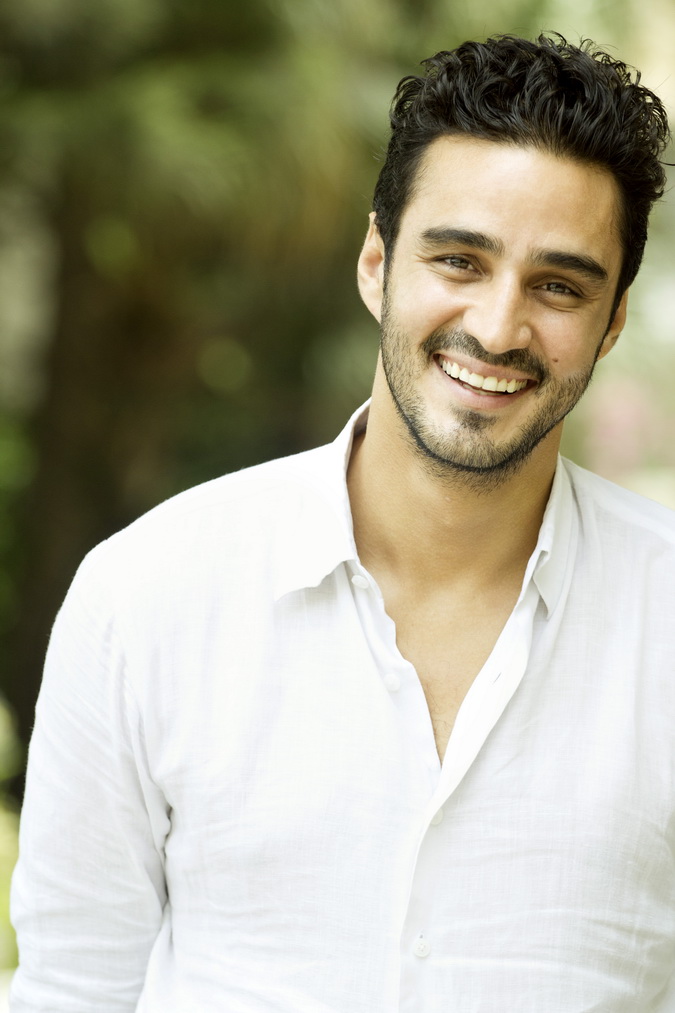
Show business is not an easy industry to enter. A lot of people have to work hard for years, dealing with disappointment, rejection and humiliation, not to mention abuse, before they see any success. Did you have to work hard to get the lead role in Dekh Magar Pyaar Say?
No, I did not. My entering show business was pure happenstance. I had done an advertisement for Asad Ul Haq. Six months after the ad, he invited me to audition for a role in his upcoming romantic feature film. The audition, in my opinion, did not go well and I was surprised when I was called back and offered the role of the lead. It really fell in my lap. I had never had a serious plan to enter show business. I am grateful that I did not have to grow through what a lot of people have to before they get their first starring role in a feature film.
Do you think that your financial and social standing helped make your entry into show business easy and protected you from abuse?
It probably did but it was not the only thing. I think the manner in which one conducts himself also protects him from predators. Confident people who work with dignity and integrity are less susceptible to abuse.
Show business in Pakistan, and elsewhere, has a dark side. Did you see it?
I have heard about it but, fortunately, I have not seen it myself.
Dekh Magar Pyaar Say was shot in a spell of forty-five days. Was it hectic?
It was hectic but a lot of fun. Director Asad Ul Haq’s team is very capable and managed the project very well. Travel, logistics, costumes, rehearsals, shoots were all done on time. I do not think many movies have been shot in periods as short as forty-five days.
Is acting in a film glamorous?
No. My mother, who had lived in Shah Noor studios for a long time, had warned me that shooting for a film required a lot of patience. I was prepared but was surprised at the amount of waiting that was involved. I had to wait for hours between takes. It also always seemed to be very hot. And I was always sleep-deprived. Waiting, heat and sleeplessness are the three facts of shooting for a film but I enjoyed the experience nonetheless. It was good to take a break from my restaurant, Xander’s. After running it for almost four years, I had become very comfortable managing the restaurant. It was nice being forced out of my comfort zone.
I am new in the industry and really do not consider myself to be a part of it but I have seen a lot of successful actors work very hard day in and day out. Acting may seem to be glamorous, it may actually be glamorous, but it is not easy. Managing dates, memorizing lines, rehearsing, dealing with the media, promoting projects, and handling celebrity make up for a grueling livelihood. And then there is the heat, sleeplessness and waiting!


Did your furlough affect business at Xander’s ?
It did. The restaurant did better business when I was away!
A lot of Pakistani films have been criticized for imitating films from Bollywood and for their stereotypical depiction of women as weak, emotional and dependent. Is Dekh Magar Pyaar Say going to be different?
Yes, it most certainly is. It will be a refreshingly different film. The story is good, the music is good and the direction is good. The story is romantic and fresh. Dekh Magar Pyaar Say is certainly not Bollywoodesque. I think people will enjoy watching the film.
The film certainly has a very fresh look and feel?
Yes, it most certainly does. It has an ethereal, almost fantastic feel. The city of Lahore has been shot in a manner that is completely new and unique. Asad chose excellent locations to shoot for the film and cinematographer Nic Knowland did a masterful job capturing them on film. Dekh Magar Pyaar Say is very appealing both aesthetically and visually.
How did you prepare for Dekh Magar Pyaar Say?
I trained, primarily on diction and dialog delivery, with Asad and some other folks for a month. I speak Urdu fluently but not like a Lahori. It was a challenge to learn how to speak the language as Lahoris do but a great learning experience. The rest of the training was about acting basics, camera angles, continuity, and body language. Asad made it easy and fun for me.
Did you have to learn how to dance for the dance number with Amina Ilyas?
Actually, no. I know how to dance and enjoy dancing. It is something that I am very comfortable doing. Wahab Shah choreographed the dance and I rehearsed some moves with him but did not have to learn how to dance for the film. It was the one thing I had down before Dekh Magar Pyaar Say. The real challenge was shooting the number in Lahore’s blistering heat while wearing a sherwani and pretending to be having a lot of fun.
Isn’t Amina Ilyas lovely?
She most certainly is. Very down-to-earth, intelligent and very interesting.
Did you make new friends while working in Dekh Magar Pyaar Say?
Yes, the entire Dekh Magar Pyaar Say team. I got along very well with everyone on the set. As far as friends in the industry go, I knew a lot of people already, because of my restaurant, through my sister and because of my grandmother. I have socialized with a lot of people from the industry for a few years. Doing the film did not add to my set of close friends.
Your mother who is French has made Pakistan her home. You studied in Switzerland, worked in the Netherlands and elsewhere in Europe, and spent a part your childhood in France but are settled in Pakistan. What do you like about Pakistan?
The people. Pakistani’s are warm, friendly, loving and hospitable. One can forge lifelong friendships in Pakistan, ones that survive the toughest of times. When they want to be, Pakistanis can be unbelievably hardworking and conscientious. And they are genuine, sincere and kind.
The French are not like that, are they?
No, they are not as warm as Pakistanis.
They also have a reputation for being rude.
Yes, they do.
Is the reputation fair?
Not really. I have met some very polite and kind French people over the years. People in Paris tend to be rude but once you get out of the city, you see a gentler and kinder type of the French. The reputation for being rude is somewhat dated, in my opinion. Things have been changing for the better for several years. The French government understands the power of the tourist. It has been educating its citizens that people will stop visiting the country if they find the French rude and inhospitable. The museums, boutiques and cafés will not survive without tourists. It makes business and economic sense to be warm, polite and friendly.
Do you ever think about leaving Pakistan for France?
I have dual citizenship and could move to France whenever I want to but like it here in Pakistan. There are things that bother me in Pakistan but the country has great people and a lot of opportunities. I like it here. This is my home.
Ally Adnan lives in Dallas and writes about culture, history and the arts.
He tweets @allyadnan and can be reached at allyadnan@outlook.com.
Photographs:
Ammar Shareef