Author

Good Times

Browsing

LAAM Fashion Week 2026 ushered in a transformative chapter for Pakistan’s fashion industry, debuting the country’s first runway-to-e-tail platform where design excellence met real-time commerce. Directed by HSY, the four-day showcase in Lahore brought together the full spectrum of Pakistan’s fashion ecosystem from couture visionaries to high-street powerhouses.

The inaugural lineup featured celebrated names including Ali Xeeshan, Deepak Perwani, Fahad Hussayn, Kamiar Rokni, Maheen Kardar, Mohsin Tawasuli, Nomi Ansari, Rizwan Beyg, Sadaf Fawad Khan, Saira Shakira, Souchaj, Summat, Tena Durrani, and Zainab Salman, each representing a distinct aesthetic within couture, luxury prêt, and bridal.

Co-founded by LAAM and Design651, with Nabila and N-Gents as Official Style Partners and Maheen Kardar as Designer Experience Director, LFW reflected a unified industry effort. Backed by leading retail and logistics partners, the platform positioned Pakistani fashion within a global broadcast spanning over 120 countries.
More than an event, LFW signalled a confident industry investing in its own ecosystem, where heritage craftsmanship, scalability, and digital ambition move forward together.

PR by Lotus
Photographs by Waqar Ahmed Butt & Team at Paragon Studio
@paragonstudioofficial @waqar_ahmed_butt

In an industry where trends come and go, Sahar Razi built something that stayed.

Long before brows and lashes became mainstream obsessions, Sahar identified a gap in Pakistan’s beauty landscape and turned it into a movement. What began as a hobby in 2016 evolved into Get Lashed – a brand synonymous with precision, professionalism, and unwavering consistency.

From celebrity clientele to international certifications, Sahar’s journey is not just about beauty, it’s about discipline, trust, and setting standards in an industry that once underestimated the power of niche expertise. As she continues to expand beyond borders, one thing remains clear: for Sahar Razi, brows and lashes are not services, they are art forms.

In this exclusive conversation, she speaks about credibility, competition, consistency, and what it truly takes to build an empire; one perfect arch at a time.

Your work has redefined brows and lashes as an art form rather than just a service. When did you realise that this could become a serious profession and not just a beauty trend?

When I started this in 2016, all I wanted to do was bring something new to Pakistan. A niche in the beauty industry that wasn’t tapped into yet. It actually started as a hobby and snowballed into a proper business.

From Lahore to international platforms, your journey reflects both ambition and consistency. What were the biggest challenges you faced while building credibility in an industry that was once underestimated?

I feel if you stay consistent, don’t let success get to your head, and spearhead in the right direction towards your goal, you automatically build credibility. I feel I built this industry in the country and created the need for brows and lashes. The challenge is more for the new artists who are trying to build a name in the market when there is already competition.

You’re known for working with international and celebrity clientele. How do expectations differ at that level, and what does professionalism truly mean to you in such spaces?

I focus on getting the job done right. There is absolutely no room for error in my business, even though I’ve been at it for over 10 years. You can’t get complacent at any point, whether it’s a celebrity, a foreigner, or people across the country.

SPMU is as much about trust as technique. How do you balance artistry with responsibility, especially when clients place their faces and confidence in your hands?

When clients come and say, “You have been recommended and we have been told, ‘Just close your eyes and let her do her job,’” I feel that I have truly built that trust with my clients.

You’re also a certified international trainer, shaping the next generation of artists. What is one misconception you actively try to break among aspiring brow and lash professionals?

As an internationally certified trainer, I try to make new artists understand that they should learn one skill at a time. Master it and then move on to the next. Learning too many techniques together will not let you excel in any.

Beauty standards evolve rapidly. How do you stay ahead of trends while still creating results that are timeless and personalised?

I stay very consistent with my education at an international level. Never think you know too much because there is always room for improvement and more learning.

Your brand feels strong, refined, and intentional. What role did personal branding play in the growth of Get Lashed, and how consciously did you build it?

I am Get Lashed, and I believe my audience should know exactly who they are coming to when they visit our studio for any service. Because I have built all these techniques and operations single-handedly. So everything reflects who I am and what I’m aiming for: a complete, professional, and satisfactory experience.

Running a beauty business in Pakistan comes with its own realities. What advice would you give to women who want to scale their beauty ventures beyond local recognition?

I feel Pakistan has great potential and lots still to do. The market for such services is saturated in Dubai and Europe, etc. Build a name locally first. Prove you are consistent, and then there is no one stopping you.

On days when creativity feels blocked or pressure feels overwhelming, what grounds you and brings you back to your purpose?

I can be underslept, exhausted, ill, or stressed, but nothing can deter me from doing my job right. Tried and tested.

Looking ahead, what’s next for Sahar Razi; new cities, new techniques, or an entirely new chapter you haven’t revealed yet?

I already cover the major cities in Pakistan. More international expansion. And some huge news that I will be revealing soon.

There’s something quietly powerful about a designer who understands structure, not just in silhouettes, but in life itself. Talha Batla’s journey from law to luxury fashion is not merely a career shift; it is a story of conviction, clarity, and creative courage.

Rooted in discipline yet driven by artistry, Talha brings a rare balance to the Pakistani fashion landscape. His collections reflect refinement without excess, softness without fragility, and elegance without noise. Each ensemble carries intention, whether it’s a fluid pastel kurta, an intricately detailed festive piece, or a bridal look layered in quiet grandeur.

As the man behind Hilal Silk Palace and the evolving Batla identity, Talha Batla continues to build a brand that speaks to modern women who value grace, craftsmanship, and understated statement-making.
In this exclusive Good Times cover feature, we step inside the mind of the designer who chose creativity over convention and hasn’t looked back since.

You began your career in law before stepping into fashion. What truly pushed you to choose creativity over convention?

I initially joined my family business, Hilal, as Head of Finance since I had completed ACCA and was pursuing my LLB alongside it. Once I finished law, I realised that while I valued the structure and discipline it gave me, I needed to build something creative of my own. Being surrounded by textiles my entire life, fashion felt like a very natural transition. It wasn’t a sudden shift, it was a calling that had always been there.

Talha Batla has carved a distinct space in Pakistan’s formal wear landscape. How would you define the core philosophy of the brand today?

The core philosophy of the brand is uncompromising quality. From the fabrics we select to the intricacy of our handwork, everything is done at the highest standard possible. I believe what truly sets us apart is the finesse and finishing of our craftsmanship. Quality is not an added feature for us, it is the foundation.

What inspired the foundation of your label, and what gap were you aiming to fill in the market?

My inspiration came directly from the fabrics we were producing at Hilal. I was constantly surrounded by beautiful textiles and felt they deserved to be shaped into something more expressive. I wanted to bridge the gap between premium fabric and thoughtfully designed formal wear, creating pieces that were luxurious yet structured and refined.

How do you ensure each collection feels fresh while still staying true to your brand identity?

I experiment consciously especially with colour palettes and silhouettes. While I respect traditional cuts, I try to reinterpret them and introduce more contemporary proportions. However, the brand’s identity — strong handwork, structure, and finish, always remains constant. That balance keeps the collections evolving without losing their essence.

What does the Talha Batla woman represent in terms of confidence, lifestyle, and aesthetic?

The Talha Batla woman represents strength rooted in culture. She values heritage but embraces modern fashion sensibilities. She is confident, poised, and understands understated luxury. Her aesthetic is refined, never excessive, but always impactful.

Festive and formal wear in Pakistan is highly competitive. What differentiates your craftsmanship and design language?

What differentiates us is the quality and authenticity of our handwork. But achieving that requires a true eye for karigars, artisans who have spent years mastering their craft, often without receiving their due recognition. I actively seek out such talent and allow their skill to speak through each piece, always guided by my design aesthetic.

How do you approach fabric selection and detailing when conceptualising a new collection?

For me, the process often begins with a handwork sample. Once a motif or technique feels right, I begin building silhouettes around it. The craftsmanship guides the design direction. Fabric selection follows closely, I choose textiles that complement and elevate the detailing rather than overpower it.

What role does heritage play in your work, and how do you reinterpret it for the modern client?

Coming from Hilal Silk, where heritage is deeply embedded, tradition has always been central to my understanding of design. The challenge lies in moving beyond the very traditional expectations clients often have. We reinterpret heritage through cleaner lines, updated silhouettes, and more refined placement of motifs — preserving the essence while modernising the presentation.

Which collection has been the most defining for the brand so far, and why?

There was a particular outfit I initially designed for a private client which later became my showstopper at BCW. That moment significantly changed the trajectory of the brand. The response it received gave us visibility and established a stronger design identity within the industry.

How do evolving consumer preferences influence your creative direction?

Interestingly, the challenge today is sometimes the lack of evolving consumer preference. Clients often gravitate towards what feels safe and familiar, which can make innovation more complex. As a designer, I try to gradually introduce new ideas while ensuring they remain commercially relevant.

In a digital era driven by trends, how do you maintain longevity and timeless appeal?

I avoid designing purely for trends or social media visibility. Craftsmanship, proportion, and finishing are timeless. I focus on creating pieces that will remain relevant years from now, outfits that photograph beautifully today but still hold value in the future. Longevity comes from discipline in design, not from chasing momentary hype.

Designers, retail powerhouses, and key industry figures marked their presence on the red carpet, signalling strong support for LAAM Fashion Week’s inaugural edition. The evening underscored the platform’s commitment to elevating Pakistan’s fashion ecosystem on both national and global stages. Pr. lotus


Clayworks Pakistan — Basant Kite Coasters
Handcrafted ceramic coasters inspired by the geometry and nostalgia of Basant kites. Bold colours and graphic forms bring instant character to everyday tableware. A design-forward way to celebrate tradition through functional art.

Kreations.pk — Basant Kite Earrings
Handmade kite-shaped earrings that capture the joy and colour of the Basant season. Finished with playful detailing, movement, and artisanal charm. Light, festive, and rooted in cultural nostalgia, perfect for seasonal styling.

Lals Chocolates — “You Are My Heart” Valentine Hamper
A thoughtfully curated assortment of handmade chocolates, macarons, and keepsakes. Every detail feels intentional, indulgent, and beautifully presented. An elevated gifting choice where sentiment meets craftsmanship.

Shaakh
A playful yet refined take on Basant jewellery, shaped like kites and finished in warm gold tones with ruby accents.

Select styles feature delicate pearl saharey that add movement and old-world charm. Designed to celebrate the season with craftsmanship that feels festive, not fleeting.

Fresh whites offset with soft sorbet hues set the tone for a luminous spring, as Luna – Eid by FTA captures the ease and elegance of festive dressing.

The collection unfolds in fluid silhouettes, delicate embroideries, and signature details that feel light, feminine, and effortlessly refined. Balancing modern freshness with timeless craftsmanship, Farah Talib Aziz reimagines Eid wear as something quietly celebratory; pieces designed to move beautifully, photograph softly, and live well beyond the season.

Founded by Sadia Mazher and her husband Noor Turk, Zarah Nur is a label born from both creative vision and personal legacy. Named after their daughter, the brand carries an intimate narrative; one where emotion, craftsmanship, and thoughtful design come together seamlessly.

The latest collection, Whispers and Wonders, celebrates effortless elegance through flowing kaftan silhouettes crafted in fine blended silks, elevated with delicate prints and refined hand embellishments. From sculpted necklines to graceful movement, each piece is designed to feel festive yet timeless.

True to Zarah Nur’s aesthetic, the collection reflects a signature balance of romance, artisanal detail, and modern luxury, creating designs that speak softly, but leave a lasting impression.

Zarah Nur feels like a brand built on emotion and storytelling. What was the original vision behind the label, and what feeling did you want women to experience when they first wear your designs?

Zarah Nur was created with the idea that clothing should carry feeling, not just form. The original vision was to design pieces that felt joyful, feminine, and personal, garments that made women feel seen and celebrated the moment they put them on. I wanted every design to feel like a small escape into beauty, colour, and softness, while still remaining refined and wearable.

Your collections are rich with illustrated motifs, hearts, florals, and whimsical elements. Why does narrative and playfulness matter so deeply in your design language?

Narrative and playfulness are central to my design language because they allow clothing to connect emotionally. Hearts, florals, and illustrated motifs bring warmth and charm to a garment, but they also tell a story. Fashion should spark feeling, and I love creating pieces that feel light, expressive, and quietly uplifting.

Each drop feels like a chapter, with names such as Dreamy Garden and Pink Lemonade. How do you translate an abstract mood or story into a wearable collection?

Every collection begins with a mood rather than a product. I start with images, memories, colours, and emotions, then slowly translate them into prints, textures, and names. Once that story is clear, silhouettes and details follow naturally, allowing the entire drop to feel like a complete chapter rather than separate pieces.

What usually leads your creative process the print, the colour palette, or the silhouette, and how do you decide which element becomes the hero of a collection?

It changes with every collection, but usually colour or print leads the way. Sometimes a single shade or illustrated motif becomes the anchor, and everything else grows around it. From there, I decide which element should take centre stage and support it with softer silhouettes or subtle detailing so the collection feels balanced.

Colour plays a powerful role in your work, especially pinks, pastels, and joyful brights. What do these colours represent to you and to the Zarah Nur woman?

These colours represent optimism, softness, and confidence. Pinks and pastels bring romance and ease, while brighter tones add energy and joy. For the Zarah Nur woman, they reflect a spirit that is feminine yet strong, playful yet polished.

Your silhouettes strike a balance between ease and statement dressing. How do you approach designing pieces that feel comfortable yet visually impactful?

Comfort is always the starting point. I work with flowing shapes, relaxed cuts, and fabrics that move with the body, then elevate them with strong prints, embroidery, or trims. The aim is for a woman to feel effortless in the piece, while still making a statement the moment she enters a room.

Detail is a recurring strength in your designs, from scalloped edges to delicate trims. Why are these finer elements essential to the Zarah Nur signature?

Detail is what turns a garment into something memorable. Scalloped edges, delicate trims, and fine finishes add depth and character to a design. These elements reflect our craftsmanship and are part of what makes a Zarah Nur piece instantly recognisable.

How do you ensure consistency in your brand identity while still offering something new and exciting with every collection?

Consistency comes from staying true to our core, storytelling, colour, and feminine ease. Innovation comes from exploring new moods, palettes, and techniques each season. I keep the soul of the brand intact while letting every collection introduce something fresh.

Who is the Zarah Nur woman today, and how has your understanding of your audience evolved since launching the brand?

The Zarah Nur woman today is confident, expressive, and appreciates thoughtful design. She enjoys colour, detail, and individuality. Over time, my understanding of her has grown more refined, she seeks pieces that feel special but still fit beautifully into her everyday and festive life.

With a presence in both Karachi and the UAE, what differences have you observed in how your designs are worn and received across regions?

In Karachi, clients often embrace the playful and festive elements, while in the UAE there is a strong appreciation for polish, fluid silhouettes, and refined finishes. Both markets value quality and storytelling, but it is fascinating to see how women style the same piece differently across regions.

What role does fabric selection play in shaping the final look and feel of your garments, and what qualities do you prioritise most when choosing materials?

Fabric is everything. It shapes how a garment falls, feels, and lives on the body. I prioritise softness, flow, print clarity, and durability. The material must elevate the design while remaining comfortable enough to wear with ease.

Before launching Zarah Nur, you worked with several designers and learned the industry from within. How did those formative years shape your confidence as a founder, and what lessons from that phase still guide you today?

Before launching Zarah Nur, I spent over a decade working closely with several designers and learning the industry from within, from sourcing and production to understanding craftsmanship and client expectations. Those years built my confidence because I witnessed how ideas turn into lasting creations. They taught me that fashion is not only about creativity, but about consistency, integrity, and strong systems. I remain deeply hands on with quality and detail today because those early lessons continue to guide how I lead.

Building a fashion label while raising two children is no small feat. How has motherhood reshaped your sense of ambition, discipline, and purpose as a creative entrepreneur?

Building a fashion label while raising two children reshaped my ambition in the most meaningful way. Motherhood made me more focused, disciplined, and intentional with my time, while giving my work deeper purpose. After years in the industry, I did not simply step into this role, I grew into it through experience, persistence, and long hours behind the scenes. I am not only creating a brand, but setting an example of resilience and belief for my children. That sense of responsibility keeps me grounded and quietly motivated every day.

For women who may feel that timing, responsibilities, or self-doubt are holding them back, what has your own journey taught you about starting anyway and believing that it’s never “too late”?

My journey has taught me that there is rarely a perfect moment to begin, and that responsibility and doubt often travel alongside growth. What matters is choosing to start anyway and letting confidence build through action rather than waiting for certainty. More than a decade in fashion taught me that every experience adds depth to your vision and strengthens your perspective. To women hesitating because of timing or fear, I would say this: your path is not a disadvantage, it is your greatest strength. Start where you are, trust yourself, and grow into what you are meant to build.

Running a print-focused fashion label comes with its own challenges. What has been the most demanding aspect of building and sustaining Zarah Nur?

One of the most demanding aspects has been maintaining quality while growing. Working across both prints and intricate embroidery requires precision at every stage, from colour development and craftsmanship to production timelines. Protecting the integrity of the brand while scaling thoughtfully has been both challenging and deeply rewarding.

In a fast-moving fashion landscape, how do you stay true to your creative identity while navigating trends and market expectations?

I stay rooted in our identity first. Trends are inspiring, but they never lead the brand. I filter everything through the lens of Zarah Nur, does it feel joyful, feminine, and timeless? That balance allows us to remain current without losing ourselves.

Looking ahead, how do you envision the growth of Zarah Nur in the coming years in terms of design direction and brand presence?

I see Zarah Nur continuing to evolve with stronger storytelling, richer textiles, and expanded international presence. Design wise, I want to explore new silhouettes and techniques while keeping our signature romance and colour at the forefront. Growth, for me, is about refinement rather than rushing.

If Zarah Nur were not a clothing brand but a feeling, how would you describe it, and what do you hope women carry with them after wearing your pieces?

If Zarah Nur were a feeling, it would be joy wrapped in elegance. I hope women walk away feeling confident, light, and beautifully themselves, carrying not just the garment, but the mood and memory it created.

Whispers and Wonders celebrates effortless elegance through flowing kaftan silhouettes crafted in fine blended silks, finished with delicate prints and refined hand embellishments. Each design is thoughtfully detailed, from sculpted necklines to graceful Va movement, creating pieces that feel both festive and timeless. The collection reflects Zarah Nur’s signature balance of romance, craftsmanship, and modern luxury.

At her son Junaid Safdar’s wedding, CM Maryam Nawaz stepped into the spotlight not as a political figure, but as a mother celebrating one of life’s most intimate milestones; her wardrobe reflecting that quiet emotional gravitas with remarkable poise.

For the Mehndi, she chose a radiant yellow lehnga choli by Nomi Ansari, a designer synonymous with colour and craft. The ensemble felt joyful without excess; sunlit hues softened by intricate embellishment, capturing the warmth of the occasion while allowing tradition to breathe easily into celebration.

The Barat look was a masterclass in restraint. Draped in an olive-gold ensemble by Iqbal Hussain, Maryam Nawaz embraced an old-world elegance rooted in heritage. The muted palette, paired with classic jewellery, carried a ceremonial dignity, timeless, grounded, and deeply South Asian in spirit.

For the Walima, she returned to Nomi Ansari, opting for a look that balanced refinement with festivity. Subtle shimmer, fluid tailoring, and a graceful colour story brought the wedding narrative full circle; festive yet composed, celebratory yet serene.

Across all three events, her style was defined by quiet confidence and thoughtful restraint. Rooted in sincerity and cultural pride, her looks gave these personal moments a lasting resonance.

Makeup: The Makeup Studio By Sehrish
Jewellery: Hanif Jewellers 
Pictures: Irfan Ahson 

Baranh welcomed guests to a thoughtfully curated evening where heritage, flavour, and warmth came
together effortlessly. Pr: Rubia Moghees


Zehra V hosted a chic surprise birthday afternoon tea for her mother at Mövenpick Hotel Islamabad, held at Embers on the 20th floor. The intimate gathering brought together Islamabad’s social elite, who enjoyed live music, a lavish hi-tea, and sweeping city views.


Khaadi — Candles That Feel Like Home
Khaadi Home’s winter candle collection blends comforting scents with cozy textures. From fresh to warm notes, each candle is designed to add softness, warmth, and a sense of calm to everyday spaces.

Glitzy Bling — Everyday Arm Candy
Delicate charm bracelets and gold-tone bangles made for daily styling. Playful motifs and subtle sparkle make these pieces easy to layer, wear, and love; from casual days to dressed-up evenings.

Huda Beauty — Easy Bake, Pressed
The iconic Easy Bake formula arrives in a pressed powder format, delivering a smooth, soft-focus finish. Lightweight, finely milled, and available in eight versatile shades, it perfects without looking heavy, ideal for everyday wear.

In a city that rarely slows down, Wonder Whirl offers something quietly radical: space.

Space for children to play freely, for parents to pause without guilt, and for families to feel held rather than hurried.
Founded by Urmea, Wonder Whirl is not just a play area — it is a thoughtfully designed ecosystem rooted in Montessori principles, sensory balance, and community care. From open, sunlit play zones to wellness spaces for mothers and a café designed for lingering conversations, every corner has been shaped with intention.
In this conversation, Urmea walks us through the philosophy, design, and emotional architecture behind
Wonder Whirl — a place that is redefining what family spaces in Karachi can look and feel like.

Wonder Whirl is designed very deliberately. Walk us through the space what do you want a child to feel the moment they step inside?

The moment a child enters Wonder Whirl, I want them to feel safe, curious, and free. I want their imagination to switch on. Whether they run towards football, soft play, or a sensory corner, the space immediately feels welcoming. It quietly tells them: this place was made for you; a place where play is real and joy feels effortless.

From colours to corners to flow, how did you decide what the space should look and feel like and what was non-negotiable in the design?

Through my own experiences of family spaces abroad, I learned how deeply environment shapes emotion and behaviour. Many local spaces felt tight and overstimulating, so I wanted the opposite. Wonder Whirl is an open concept filled with sunlight, warm colours, and room for movement. Nothing feels boxed in or overwhelming. Openness, safety, and gentle sensory balance were non-negotiable.

Montessori-inspired spaces often balance freedom and structure. How does Wonder Whirl achieve that balance physically within the play areas?

We believe in real play that allows children to choose their own experience. From soft play and football to air hockey, STEM corners, messy play, and art stations, every age group is included. The space gently guides without controlling. Children move freely, yet everything has purpose. That balance builds confidence and independence.

Every play space has a heartbeat. Which corner best represents Wonder Whirl’s philosophy and why?

The Community Pod is the heart of Wonder Whirl. It holds birthdays, workshops, wellness sessions, messy play, and educational activities. It changes daily, just like families do. Around it are small worlds of play and creativity. That living energy reflects who we are.

How important was sensory balance while planning the space?

Extremely important  for children and parents alike. Sound, movement, and calm coexist here. Children regulate through sensory play, while parents emotionally decompress. Nothing feels too loud or too quiet. The environment itself supports wellbeing.

Wonder Whirl isn’t just for kids — it holds parents too. How did you design the space to give caregivers breathing room, not just seating?

Wonder Whirl is family-centred, not child-only. Parents are given space to breathe, not just sit. There are cosy corners, open seating, a café, and a massage room to unwind. Conversations happen naturally. Caregivers feel supported, not overlooked.

Why was it important that Wonder Whirl function as more than a play area?

Families need more than entertainment. They need nourishment, rest, wellness, and emotional connection. Everything here is intentional — from partnering with Blend Café for food and coffee, to bringing in Montessori-trained teachers for arts and crafts.

Our massage room offers pre- and post-natal care, deep tissue massages, candle wax massage, and buccal and lymphatic drainage. While children play safely nearby, mothers are cared for. It sends a simple message: your wellbeing matters too. That balance defines Wonder Whirl.

Parents often say Wonder Whirl feels “different.” What do you think they’re responding to?

Everything here is built with intention — the design, the energy, the smallest details. Nothing is random or rushed. People feel the care the moment they enter. That’s what families respond to.

Why was building a mom community central to Wonder Whirl?

Motherhood can be deeply isolating, especially in Karachi. There are very few spaces designed for moms. I wanted Wonder Whirl to become part of the village that raises a child,  a place to share, breathe, and belong. Community was always the goal.

Why did this concept need to exist in Karachi?

I experienced how powerful these spaces can be for families; places where children play freely while adults unwind and connect. That balance was missing here. Parenting already carries heavy responsibility with limited support systems, especially for mothers. Karachi needed a nurturing environment built around real connection. Wonder Whirl fills that gap.

The weekend dad culture has become a highlight. Was that intentional?

It evolved organically and became something beautiful. We noticed dads stepping in on weekends so moms could rest. We now actively encourage it with special dad offers. That shift deserves support — it’s changing family culture.

How do you ensure workshops remain child-led rather than adult-driven?

We follow the child’s curiosity. Activities offer guidance, not control. Children choose how they participate, and the environment adapts to them. That freedom builds confidence.

What has the space itself taught you since opening?

That people don’t just need services — they need to feel held. They need belonging. No blueprint could teach that. The community did.

If Wonder Whirl could teach every family one thing through its environment alone, what would it be?

That raising a child is not meant to be done alone. That community is essential. That care is collective. Every family deserves support.

How do you see Wonder Whirl evolving?

Wonder Whirl is evolving with purpose — not just as a local space, but as a community platform for parents, early education, and family support. We are aligning our work with global organisations like the World Forum Foundation and NAEYC, bringing international standards and best practices to Pakistan.

We’re expanding our STEM facilities and introducing globally recognised, hands-on learning tools. Ultimately, we want this concept to grow across Pakistan so more families can access the support systems they deserve. Wonder Whirl is becoming a bridge — connecting global excellence with local heart.

Lal-e-Nur is one of AMÈNE’s most defining collections — a tribute to radiance, depth, and the quiet power of light. The collection explores the interplay between luminosity and restraint, drawing inspiration from heritage, devotion, and timeless femininity.

Conceived as couture with soul, Lal-e-Nur is rooted in rich textures, intricate handwork, and thoughtful silhouettes. Each piece is designed to feel ceremonial yet composed, celebrating craftsmanship without excess. Traditional techniques such as hand embroidery and artisanal detailing are reimagined through a modern lens, allowing the collection to feel both nostalgic and contemporary.

At its core, Lal-e-Nur is about grace that endures — pieces created not just to be worn, but to be felt. It embodies AMÈNE’s philosophy of quiet luxury: elegance that speaks softly, yet leaves a lasting impression.

AMÈNE

AMÈNE was founded by Fatima Masud as a vision of quiet luxury — a brand rooted in timeless elegance, refined craftsmanship, and thoughtful design. It began as a deeply personal creative pursuit, shaped by an appreciation for restraint, detail, and the emotional language of clothing rather than trend-driven fashion.

From its earliest collections, AMÈNE focused on celebrating heritage techniques while reinterpreting them through a contemporary lens. The brand’s philosophy has always centred on creating pieces that feel enduring — garments designed to be worn, revisited, and remembered.

Over time, AMÈNE evolved into a narrative-led label, with collections such as Lal-e-Nur, Rohaney, Olira, and Nastaran each exploring distinct moods, textures, and stories while remaining true to the brand’s core identity. With an emphasis on artisanal craftsmanship, fine fabrics, and poetic silhouettes, AMÈNE has cultivated a signature aesthetic that resonates with women seeking sophistication without excess.

Today, AMÈNE serves a global clientele while staying firmly rooted in its design ethos — offering thoughtfully crafted pieces that reflect grace, strength, and modern femininity.

In a fashion landscape often driven by immediacy and excess, Fatima Masud chooses a different language; one of stillness, intention, and enduring beauty. Through AMÈNE, she has built more than a label; she has shaped a philosophy where elegance is quiet, craftsmanship is sacred, and design unfolds with patience rather than urgency.

Her collections—Lal-e-Nur, Rohaney, Olira, and Nastaran—read like chapters of an evolving narrative, each rooted in emotion, cultural memory, and refined restraint. With silhouettes that honour tradition while embracing modern proportion, AMÈNE speaks to a woman who values presence over performance and depth over display.

This cover feature explores Fatima Masud’s journey, her design ethos, and the calm confidence that defines AMÈNE – an ode to timeless fashion in an age that rarely pauses.

This conversation is a gentle unfolding of her journey of womanhood, craftsmanship, and the philosophy that elegance does not need to announce itself to be felt.

Fatima, before AMÈNE became a name synonymous with timeless elegance, who were you as a woman, and what personal experiences shaped your creative vision?

Before AMÈNE, I was a woman deeply observant of beauty, emotion, and detail. I’ve always been drawn to nuance — the quiet moments, the unspoken strength in grace, and the stories carried within fabric and form. Personal experiences taught me patience, resilience, and the value of refinement over noise. These experiences shaped my creative vision into one that celebrates composure, depth, and enduring elegance rather than fleeting trends.

What inspired the creation of AMÈNE? Was there a defining moment when you knew this brand had to exist?

AMÈNE was born from a desire to create something timeless — clothing that felt intentional, soulful, and enduring. There wasn’t a single dramatic moment, but rather a quiet realisation that the kind of elegance I envisioned wasn’t being represented the way I felt it should be. I knew AMÈNE had to exist as a space where craftsmanship, restraint, and poetry could coexist.

The name AMÈNE carries quiet strength and refinement. What does it represent to you, and how does it reflect the soul of the brand?

AMÈNE represents serenity, confidence, and inner strength. It is not loud or assertive — it’s assured. The name reflects the soul of the brand perfectly: composed, thoughtful, and elegant without effort. AMÈNE is about presence rather than performance.

AMÈNE stands for timeless, poised, and sublime. How do you translate these values into silhouettes, fabrics, and craftsmanship?

These values guide every design decision. Timelessness comes through classic silhouettes reinterpreted with modern proportion. Poise is reflected in balance — never excess, never compromise. Sublimity lies in craftsmanship: handwork that whispers rather than shouts, luxurious fabrics that age beautifully, and details that reveal themselves gradually.

Your work beautifully bridges tradition with modernity. How important is craftsmanship in your design process, and how do you ensure it remains authentic in a fast-fashion era?

Craftsmanship is the foundation of AMÈNE. In an era of speed, choosing slowness is a conscious decision. We work closely with skilled artisans, honouring traditional techniques while adapting them thoughtfully for the modern woman. Authenticity comes from respect — for craft, for time, and for the hands that create each piece.

Who is the AMÈNE woman? How would you describe her lifestyle, mindset, and sense of style?

The AMÈNE woman is confident, discerning, and self-aware. She values quality over quantity and chooses pieces that reflect her inner world. Her lifestyle is intentional, her mindset grounded, and her style refined yet effortless. She dresses for herself, not for validation.

From Lal-e-Nur to Rohaney to Olira to Nastaran, your collections feel narrative-driven. Where do you draw inspiration from when conceptualising a new collection?

My inspiration comes from emotion, cultural heritage and lived experiences. Our collection begins with a feeling — a memory, a state of being, a visual metaphor. From there, the narrative unfolds organically through colour, texture, and form. I see each collection as a chapter rather than a standalone moment.

In today’s world, luxury means different things to different people. What does luxury mean to you personally and through the lens of AMÈNE?

To me, luxury is restraint, longevity, and intention. It is the ability to slow down and choose well. Through AMÈNE, luxury is expressed as quiet confidence — garments that don’t demand attention but command presence through craftsmanship and detail.

AMÈNE delivers worldwide. How do you maintain cultural sensitivity and design relevance for a global audience while staying rooted in your aesthetic?

AMÈNE remains rooted in its identity while allowing subtle adaptability. Cultural sensitivity comes from listening, understanding different sensibilities while staying true to the brand’s core language. Our designs speak universally through elegance, craftsmanship, and balance.

Every entrepreneurial journey comes with challenges. What were some pivotal struggles you faced while building AMÈNE, and how did they shape you as a leader?

One of the greatest challenges was learning to trust my instinct while navigating uncertainty. Building AMÈNE taught me resilience, discipline, and clarity. It shaped me into a leader who values patience, consistency, and thoughtful decision-making over haste.

How conscious is AMÈNE about sustainability, ethical production, and responsible fashion, and how do you see this evolving for the brand?

Sustainability at AMÈNE begins with longevity. We focus on responsible sourcing, ethical craftsmanship, and creating pieces meant to be cherished over time. As the brand grows, this commitment will deepen — with continued emphasis on mindful production and reduced excess.

How would you describe your own personal style? Does it mirror AMÈNE, or is it a departure from the brand’s aesthetic?

My personal style closely mirrors AMÈNE — understated, refined, and intentional. I gravitate toward clean lines, neutral palettes, and pieces that feel timeless. The brand is an extension of my own aesthetic sensibility.

What has been the most validating moment for you so far as a designer and founder?

The most validating moments are when women tell me they feel confident, composed, and themselves in AMÈNE. Knowing the brand resonates emotionally, not just visually is deeply fulfilling.

Where do you envision AMÈNE in the next five years—creatively and globally?

Creatively, I see AMÈNE continuing to evolve while staying rooted in its core philosophy. Globally, I envision a thoughtful expansion — reaching women who appreciate craftsmanship and timeless design, without compromising the brand’s integrity.

If AMÈNE were to be remembered for one thing decades from now, what would you want that legacy to be?

I would want AMÈNE to be remembered for redefining elegance — for creating garments that embodied quiet strength, refined craftsmanship, and enduring beauty.

What would you like to say to women who dream of building something of their own but hesitate to begin?

Begin before you feel ready. Growth comes through doing, not waiting for perfection. Trust your vision, stay patient with the process, and honour your own pace. What you build with sincerity will always find its place.

Dior

A masterclass in feminine indulgence, where beauty meets emotion. The Dior Addict universe celebrates glow, colour, and sensorial pleasure. Timeless luxury, refreshed with playful romance.

BIBI Pak

Jewellery rooted in history, crafted with an artistic and almost mythical sensibility. From celestial polki to 18th-century inspired hair ornaments, every piece tells a story. Heirloom design reimagined for the modern collector.

Sana Safinaz

Playful winterwear with bold prints and relaxed silhouettes that feel joyful yet wearable. Safi & Me brings a lighthearted charm to everyday dressing without losing polish. An edit made for comfort, color, and confident personal style.

An unstitched collection of eight impeccably curated designs, created for those who dress with vision and intent. Crafted on a luminous, finely selected canvas, each piece is enriched with delicate tilla and threadwork embroidery, meticulously executed to reflect artisanal mastery and enduring elegance.
Designed to feel rare, effortless, and quietly indulgent, TISSUE DE LUXE captures a modern expression of luxury, where timeless craftsmanship meets refined aspiration. This is fabric for meaningful moments, elevated living, and wardrobes shaped by sophistication and grace.

Model: Rabia
Photographer: Naveed Amjad
Brand: Elan
Creative Direction & Styling: Shahrukh Imtiaz

December 19, 2025 | Lahore: The 23rd edition of Sunsilk HUM Bridal Couture Week 2025 opened on a high note, with Day One celebrating craftsmanship, couture excellence, and the evolving landscape of Pakistani fashion. From statement bridalwear to refined menswear and star-studded runway moments, the opening night set the tone for an unforgettable three-day fashion spectacle.

The evening began with Fahad Hussayn, whose contemporary bridal showcase was elevated by live performances from Zain Zohaib and Wahab Shah, concluding with Sabeena Farooq as the showstopper. Hira Hania followed with a glamorous collection blending modern silhouettes with bridal sensibilities, while Zong 4G continued its support for emerging designers through the platform.
Menswear took center stage with Fais Couture, Zeeshan Danish, Almirah, and Sameer Sain, featuring live performances and showstoppers including Wali Hamid Ali Khan, Fatima Amjad, Ahmed Ali Akbar, and Muneeb Butt. Asifa & Nabeel delivered one of the night’s most anticipated bridal showcases, closing their segment with Resham as the showstopper.

A standout moment came with Nizka by Nida Rehan, featuring Kinza Hashmi and Ali Raza as joint showstoppers, offering a stylish preview of their upcoming HUM TV drama Leader. The night concluded on a grand note with HSY, whose couture showcase closed Day One with Jannat Mirza as the finale showstopper.
Presented by Sunsilk and powered by Zong 4G, Leather Galleria, and Union Developers, Day One of HUM Bridal Couture Week 2025 celebrated creativity, star power, and runway excellence—setting high expectations for the days ahead.

RUNWAY REPORT Sunsilk HUM Bridal Couture Week 2025 Opens with a Power-Packed Day One

December 20, 2025 | Lahore

Day Two of Sunsilk HUM Bridal Couture Week 2025 delivered a dynamic blend of couture, performance, and star power, reinforcing HBCW’s status as Pakistan’s leading fashion platform. With bold glamour, refined menswear, and impactful runway moments, the night continued the momentum set on opening day.

The evening featured standout showcases from Sophia and Raja Salludin, with Yashma Gill and Urwa Hussainbringing star presence to the runway. Menswear took center stage with Diner’s Menswear, closed by Saif Ali Khan, drawing strong audience response.

Glamour continued with Shoaib Ismail and Uzma Babar, featuring Seher Gul, Hira Mani, and Maya Ali, while Shurooq delivered a striking moment under the Fashion Pool with Saba Qamar.

Jewellery came into focus with Grace Jewellers, featuring Hajra Yamin. A key highlight of the night was the announcement of the model awards, with Union Developers honouring Suleman Hussain as Best Male Model and Leather Galleria awarding Best Female Model to Ava Anderson.

Menswear returned with Vestido1, featuring a live performance by Shafqat Amanat Ali, before the night concluded with Haris Shakeel and Komal Mir closing Day Two on a refined note.

Presented by Sunsilk and powered by Zong 4G, Leather Galleria, and Union Developers, Day Two heightened anticipation for the grand finale—promising more couture, glamour, and iconic moments ahead.

Concludes with a Grand Day Three Finale

December 21, 2025 | Lahore

The 23rd edition of Sunsilk HUM Bridal Couture Week 2025 concluded on a spectacular note with Day Three, celebrating couture excellence, cinematic moments, and iconic runway highlights. The final evening reaffirmed HBCW’s stature as Pakistan’s most influential bridal fashion platform.

The night opened under the Fashion Pool with Adnan Pardesy, whose collection Aara paid a poetic tribute to the modern bride, closing with Hareem Farooq as showstopper. Under the Glamour Pool, Ali Xeeshan presented a bold, narrative-driven showcase, elevated by Hemayal.

Menswear took center stage with EDENROBE, featuring Ahad Raza Mir as showstopper. Bridal elegance continued with Akbar Aslam, whose segment featured Mawra Hocane, also honoured with the TRESemmé Best in Style Award by Sunsilk. Under the Glamour Pool, Talha Batla unveiled Rajjan, a heritage-inspired bridal collection, closed by Sonya Hussain, followed by Saira Rizwan with a refined bridal showcase. A cinematic highlight came with the teaser launch of the upcoming film Khan Tumhara, starring Bilal Ashraf and Maya Ali, directed by Ehteshamuddin.

Menswear returned with Munib Nawaz, featuring live performances by Havi and Annie Khalid, and closing with Rizwan Ali J.. The grand finale belonged to Rizwan Beyg, whose collection Shahana closed the week with showstoppers Sana Javed and Shoaib Malik. Model awards marked a key moment of the night, with Zahib Malik named Best Male Model and Amna Baberhonoured as Best Female Model.

Presented by Sunsilk and powered by Zong 4G, Leather Galleria, and Union Developers, Day Three brought Sunsilk HUM Bridal Couture Week 2025 to a defining and celebratory close.

Pr: Ph Solutions

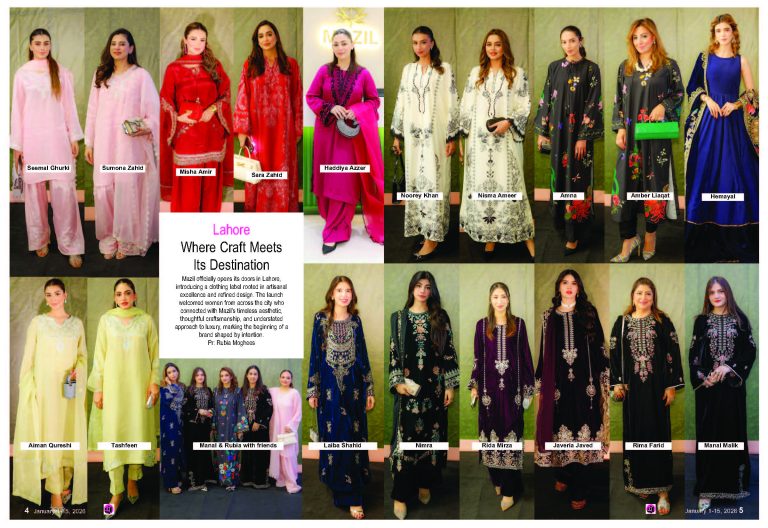
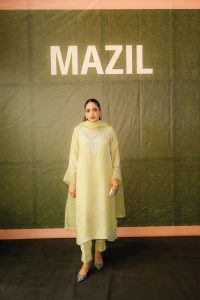
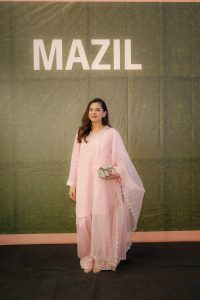
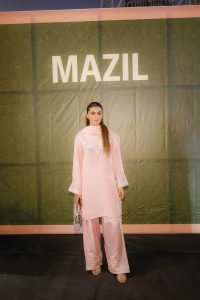
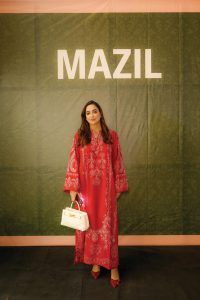
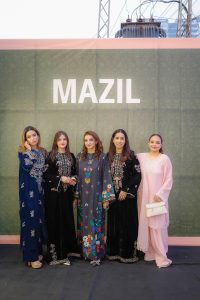
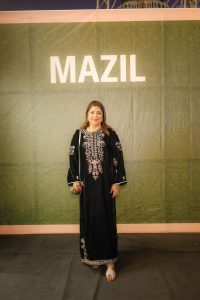
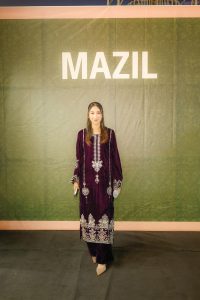
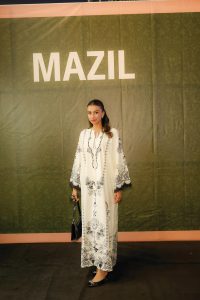
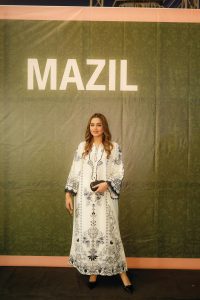
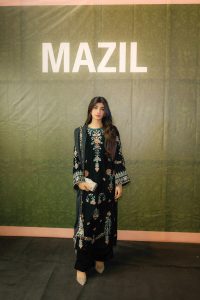
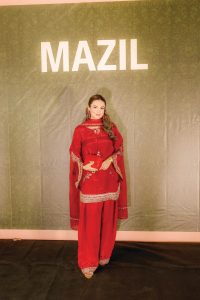
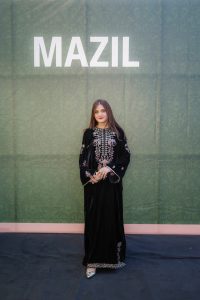
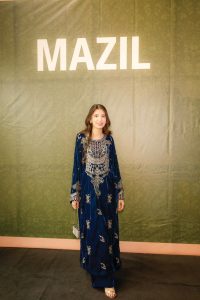
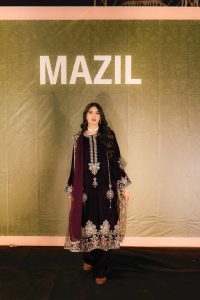
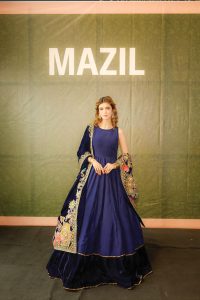
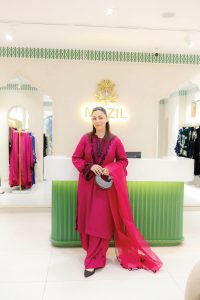
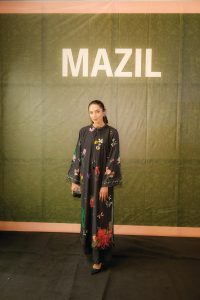
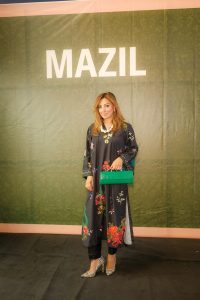
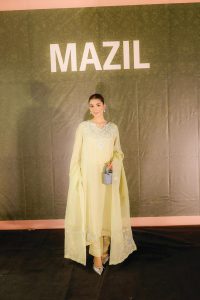
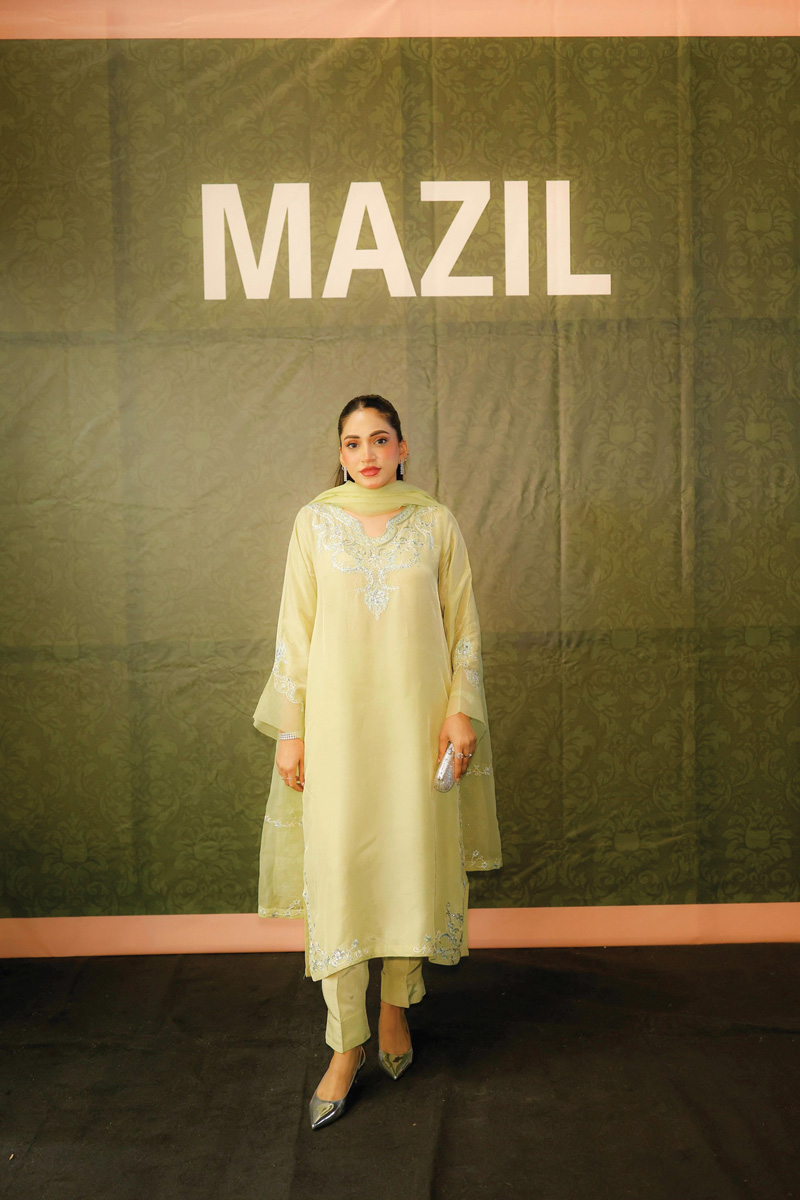
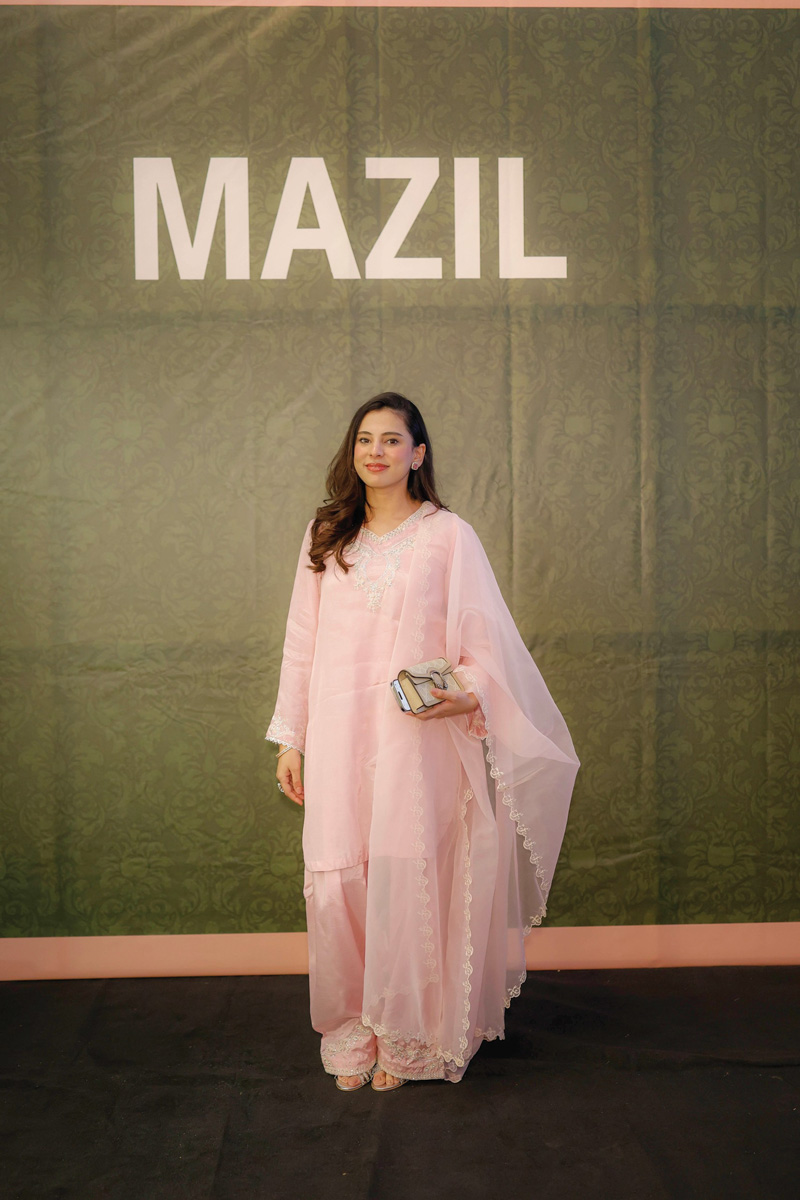
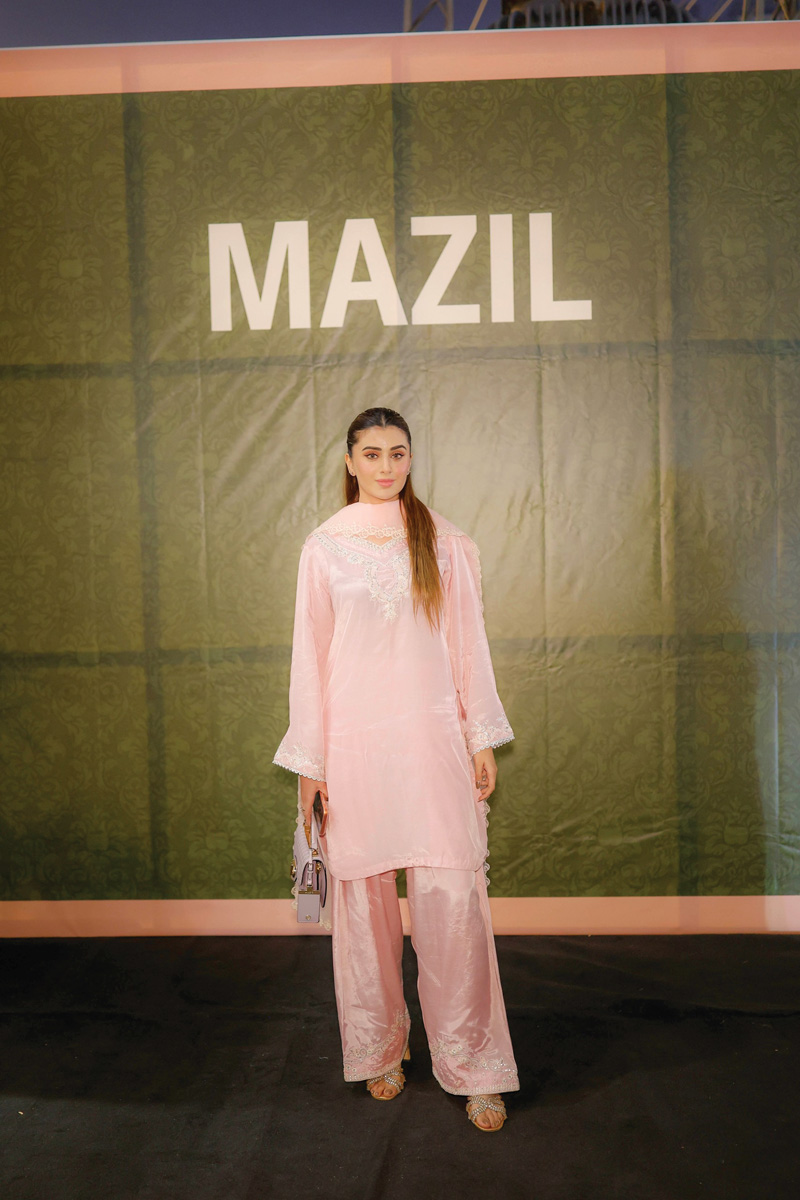
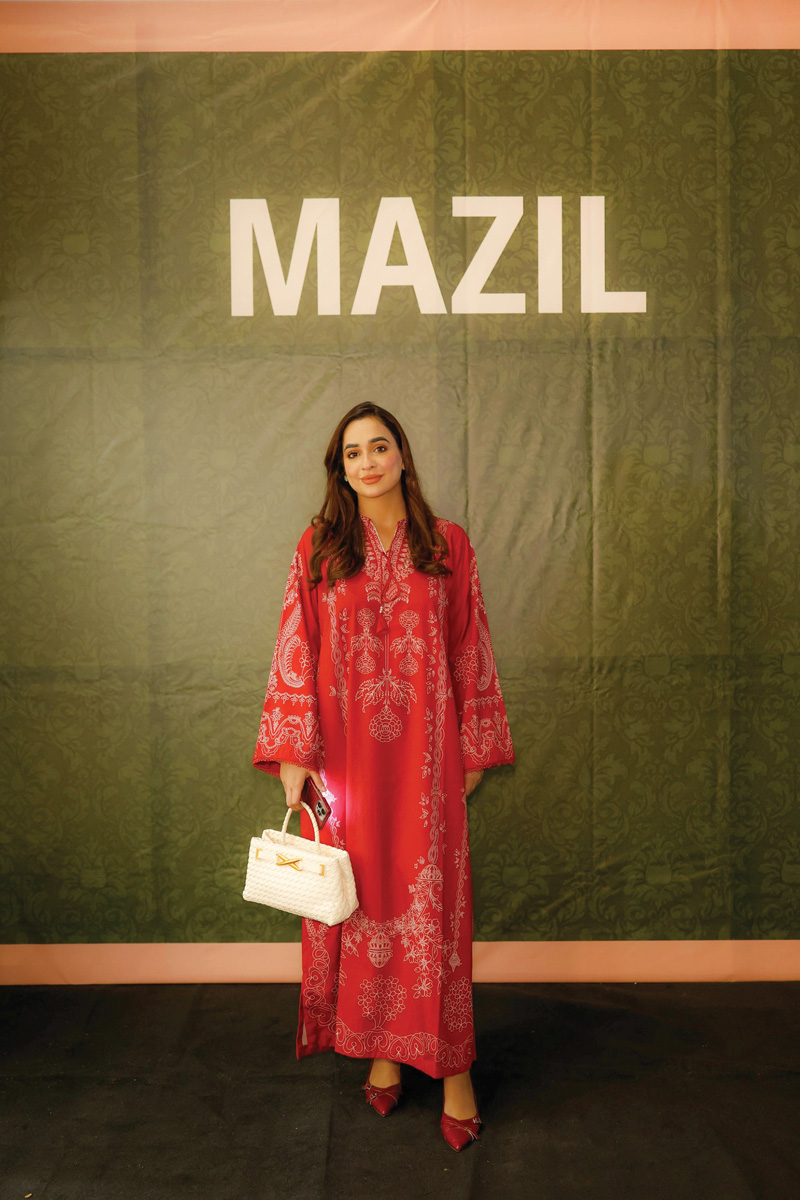
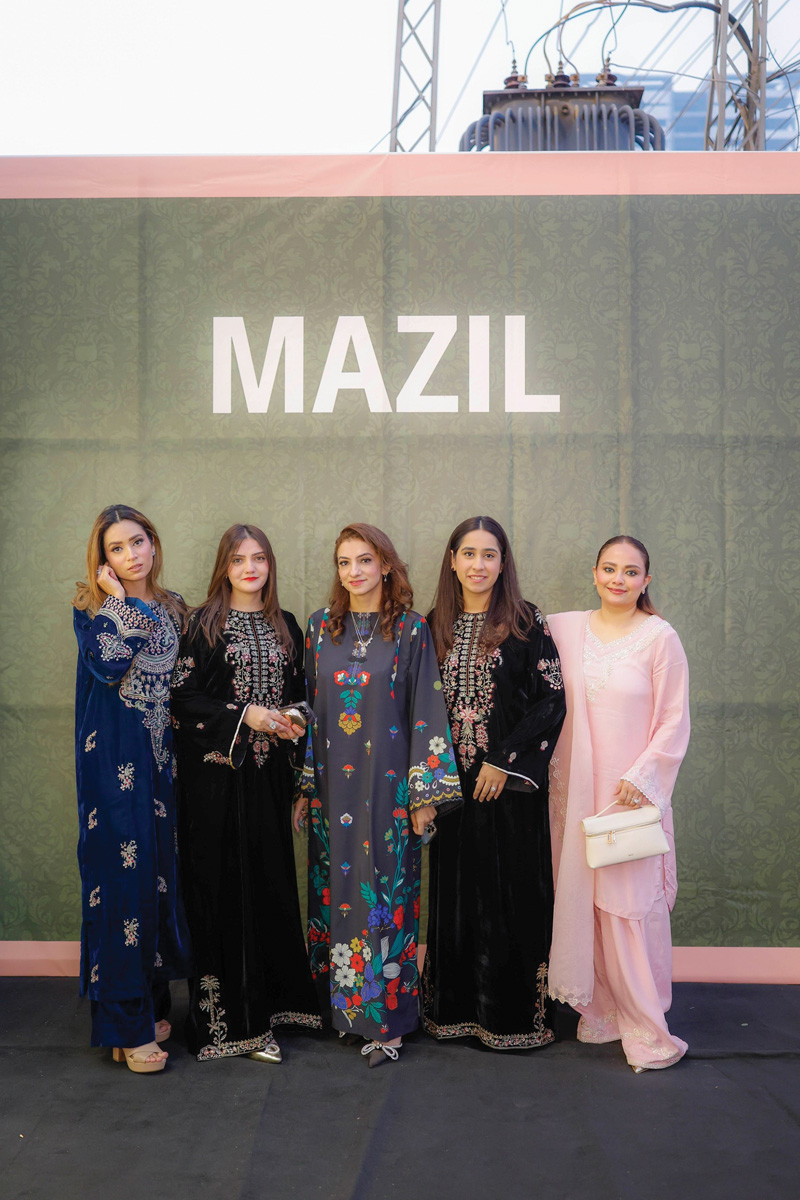
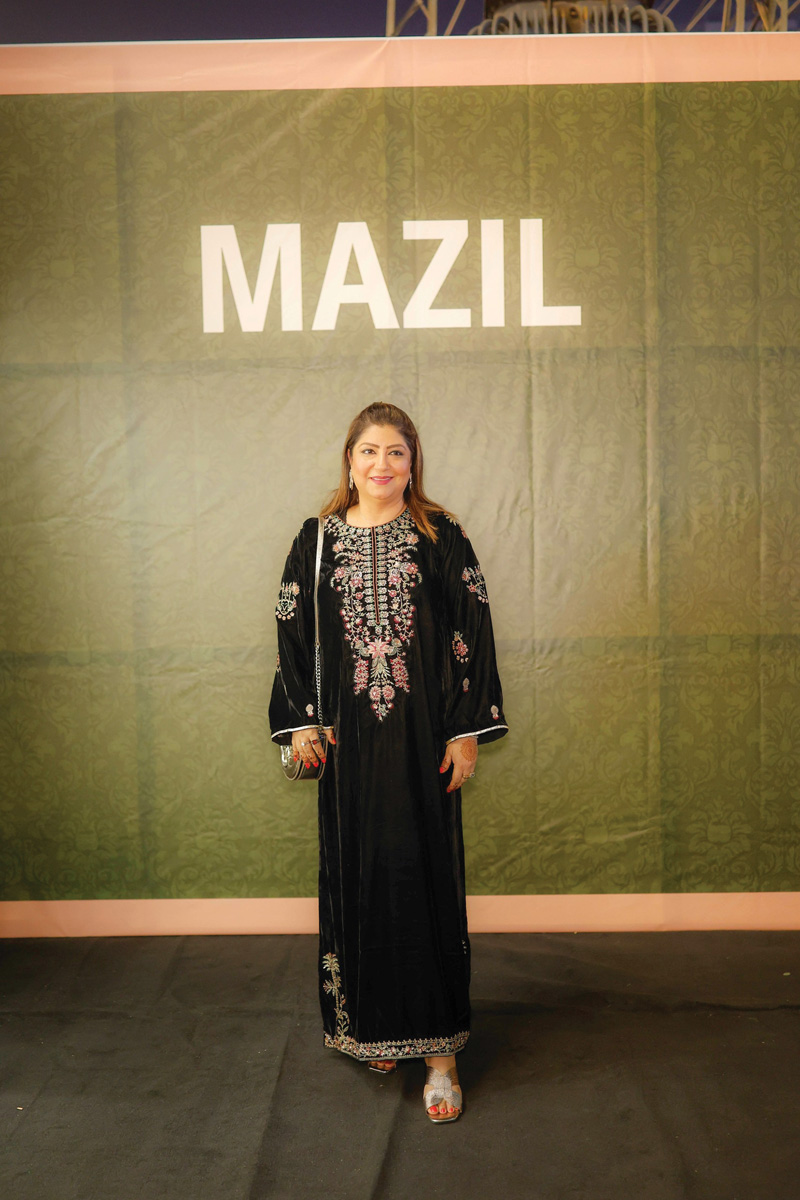
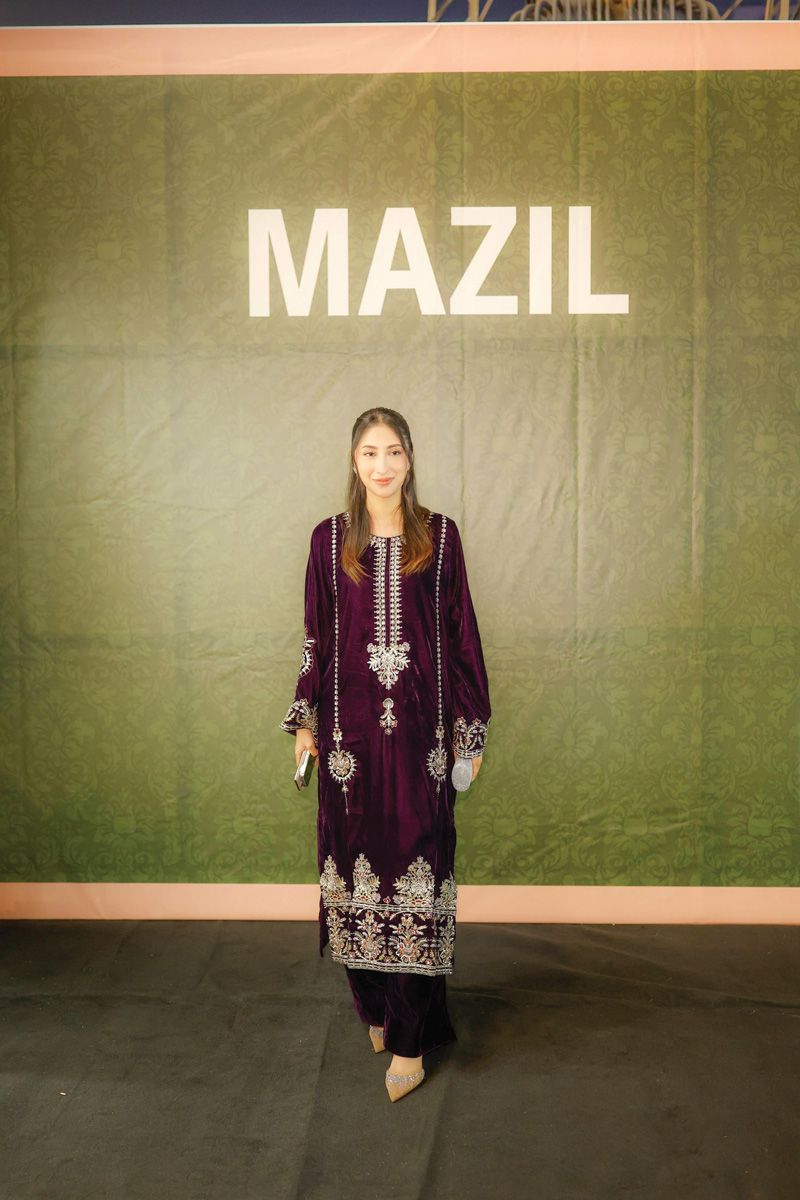
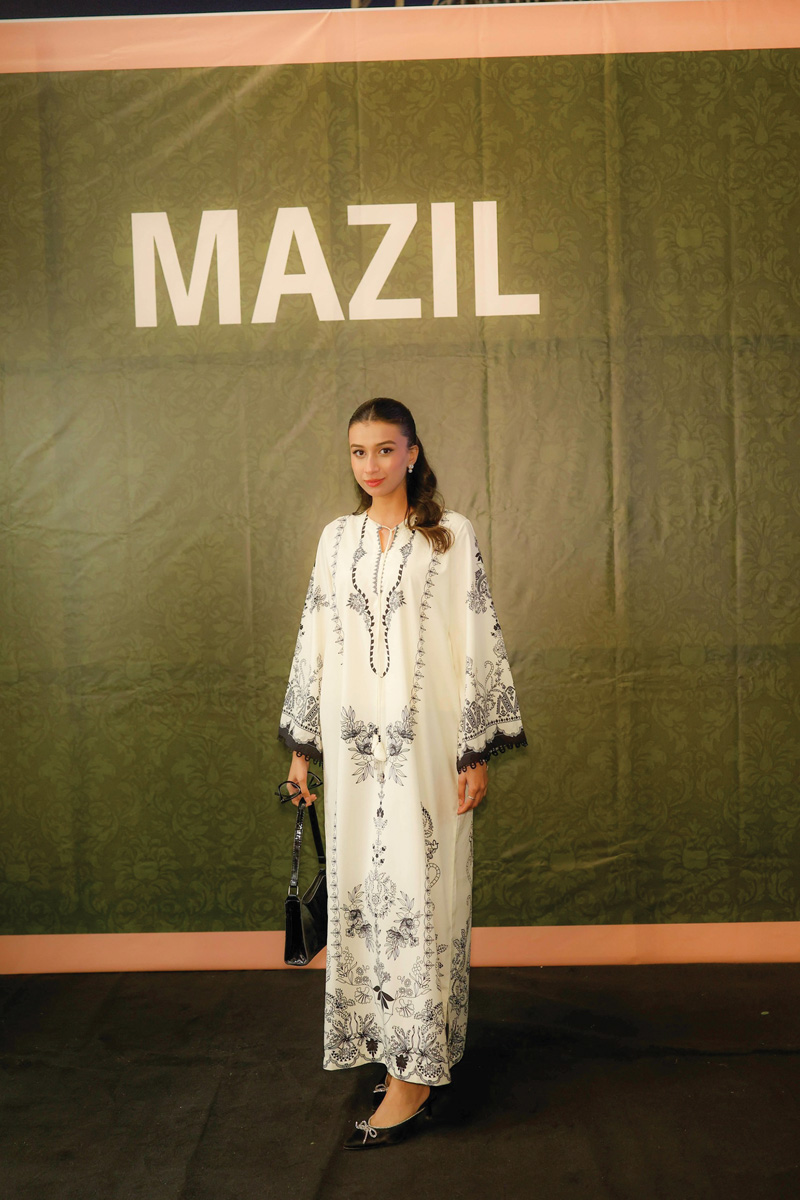
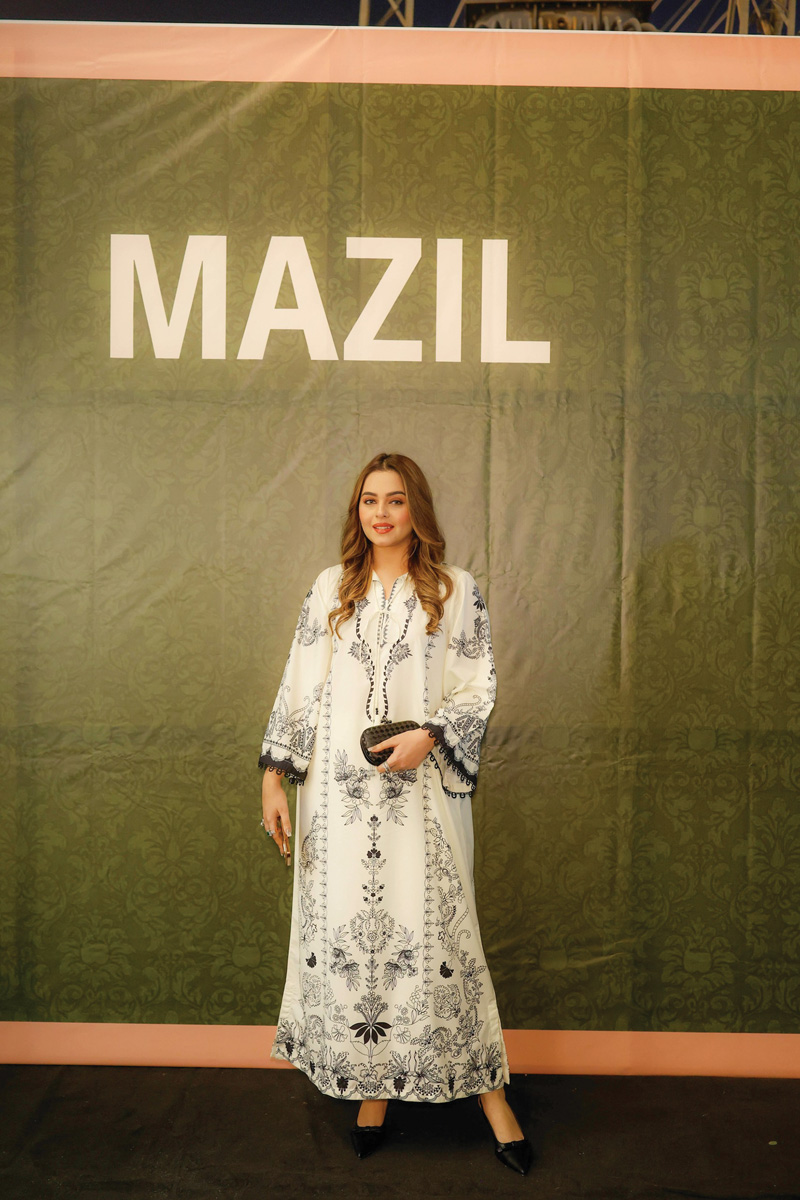
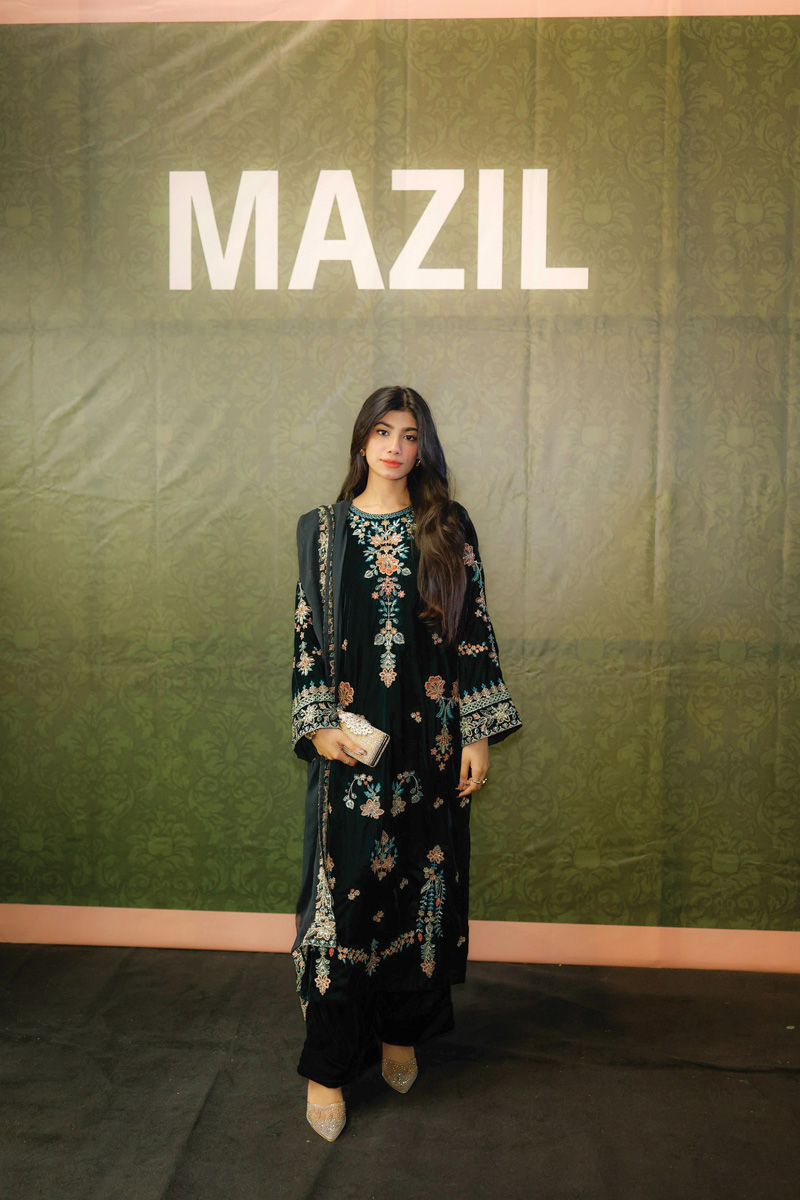
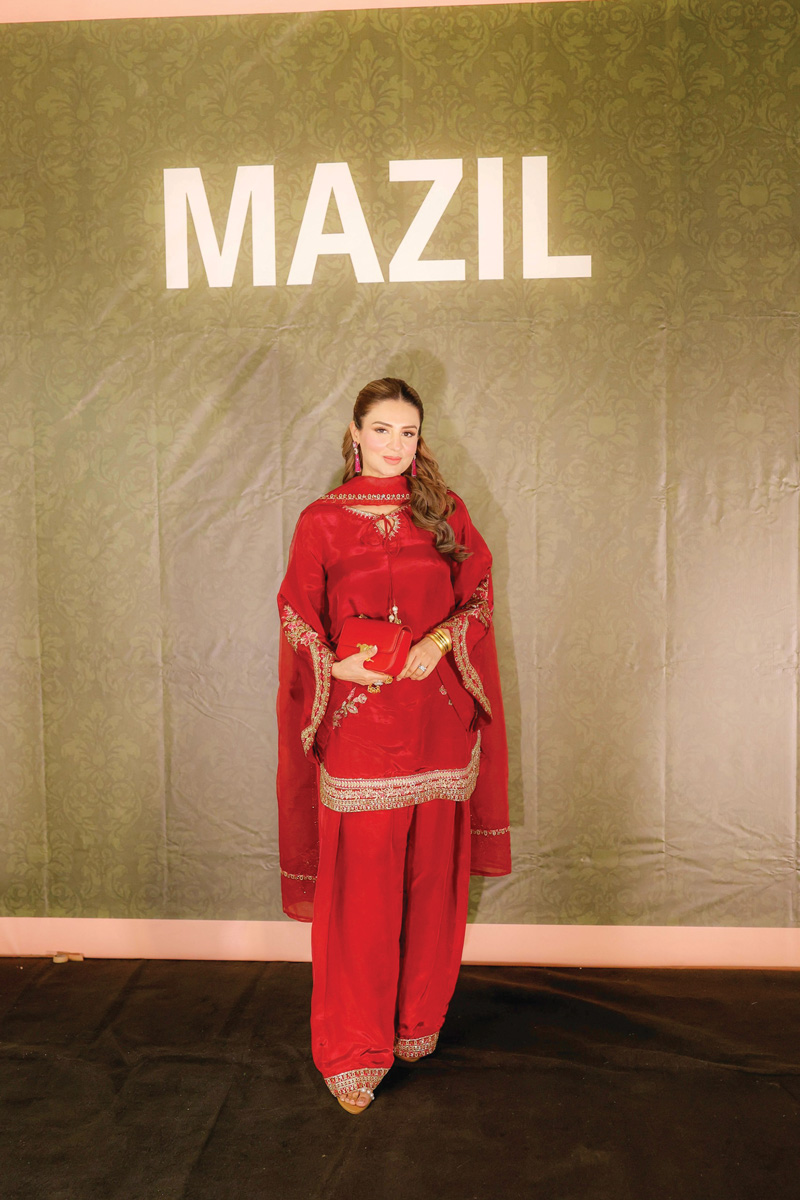
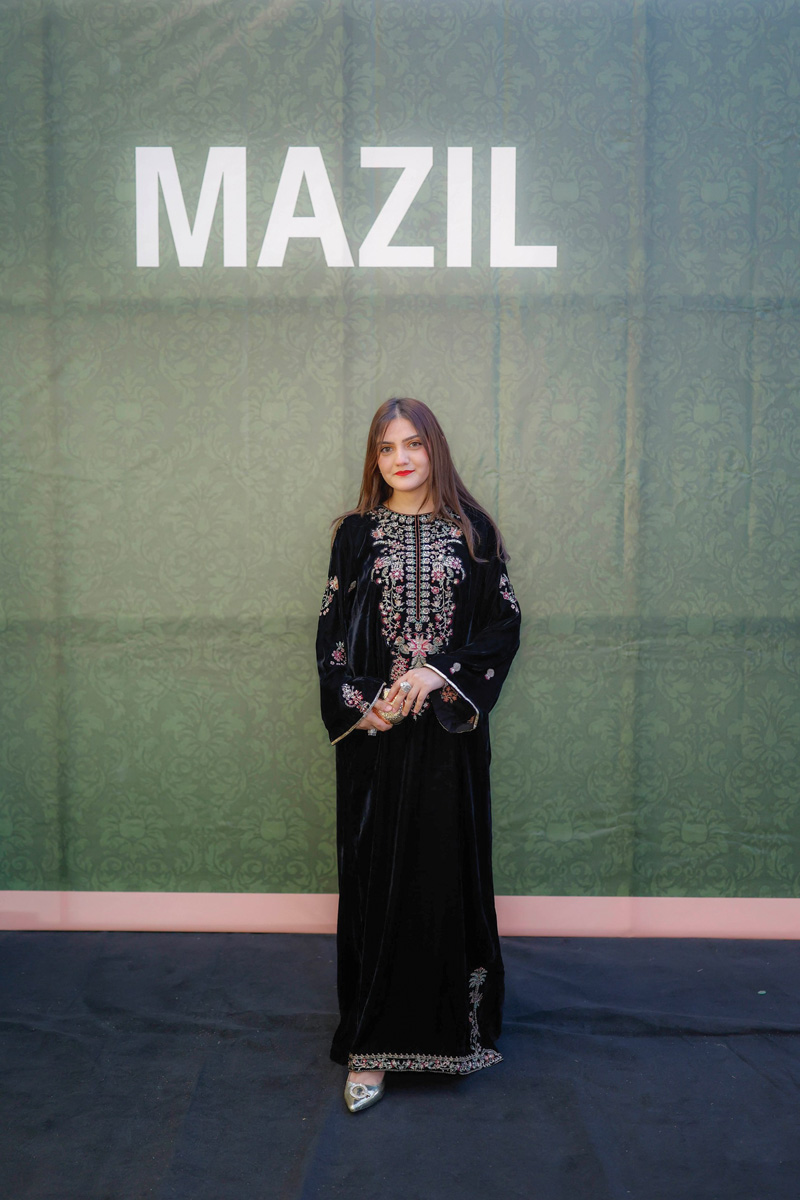
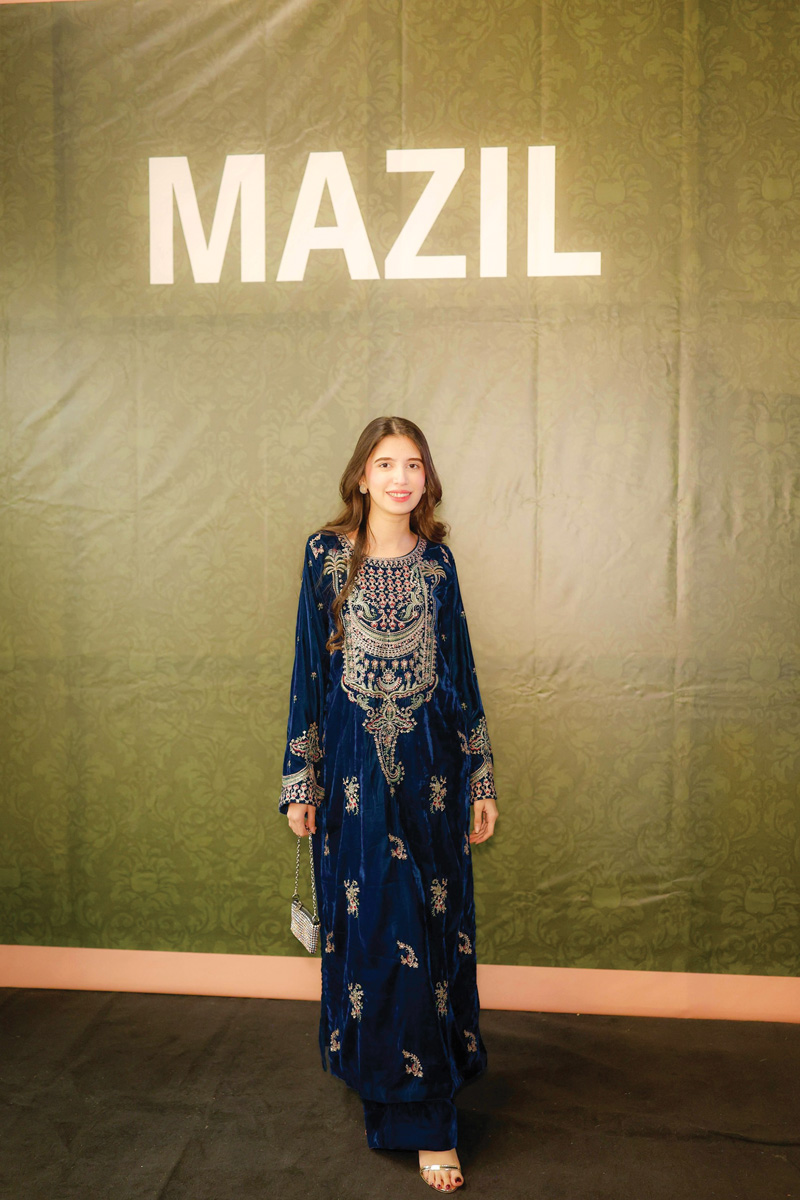
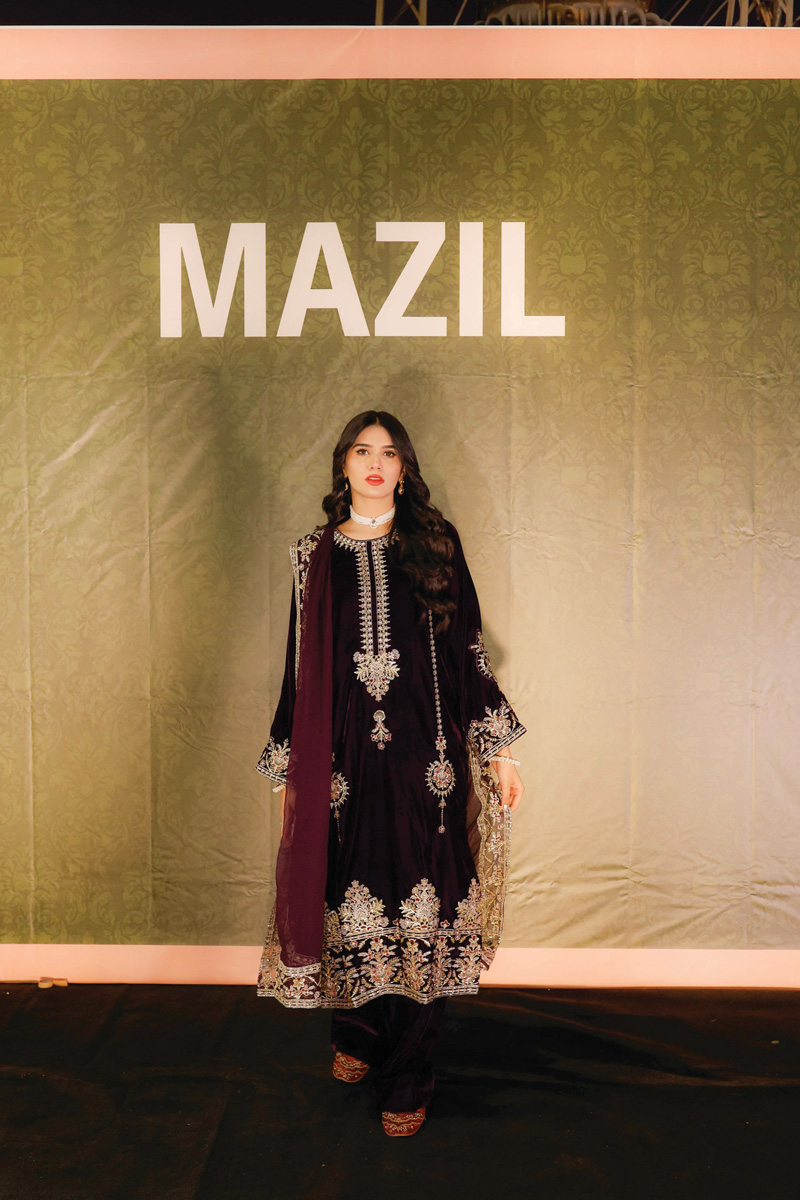
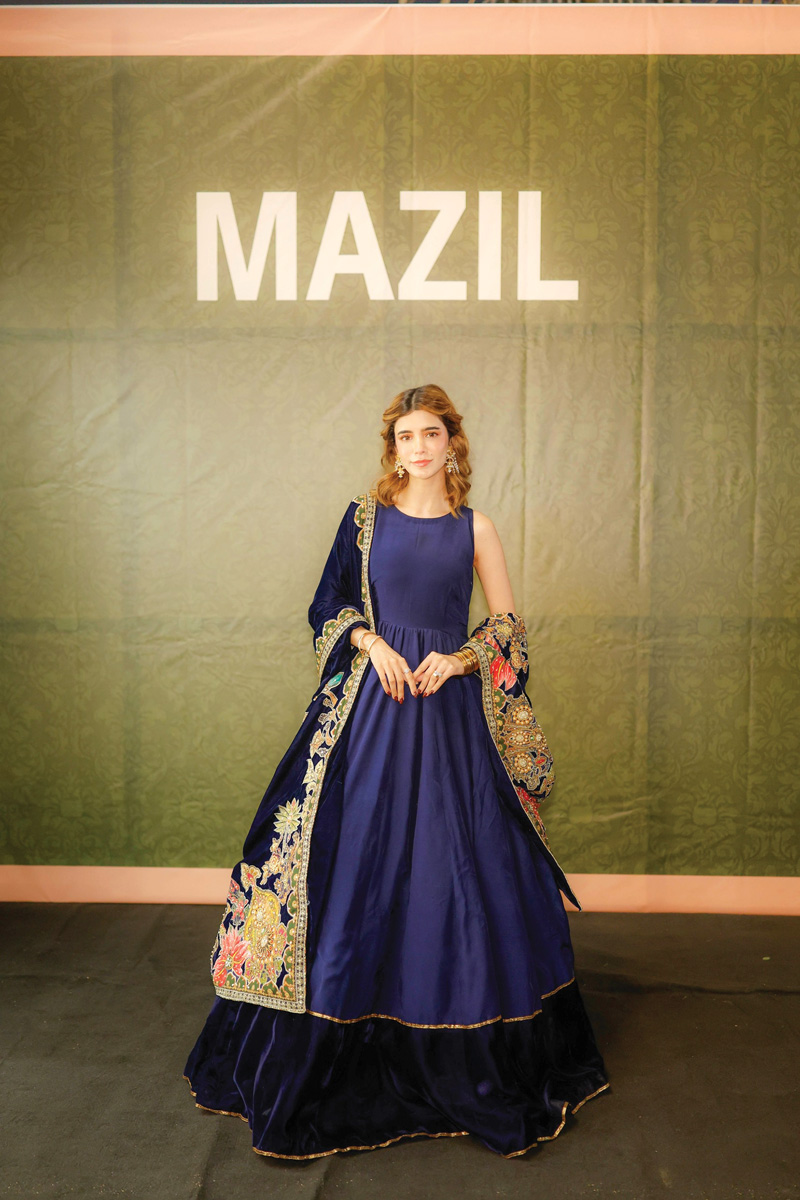
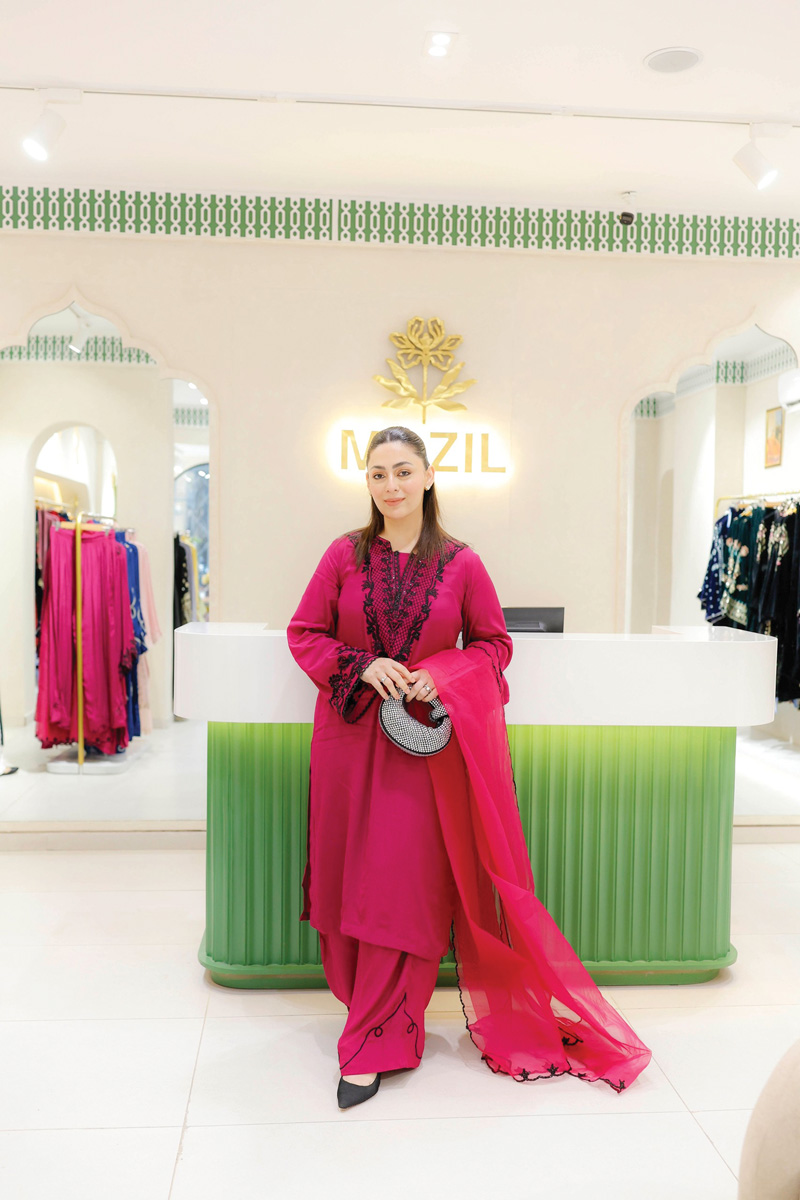
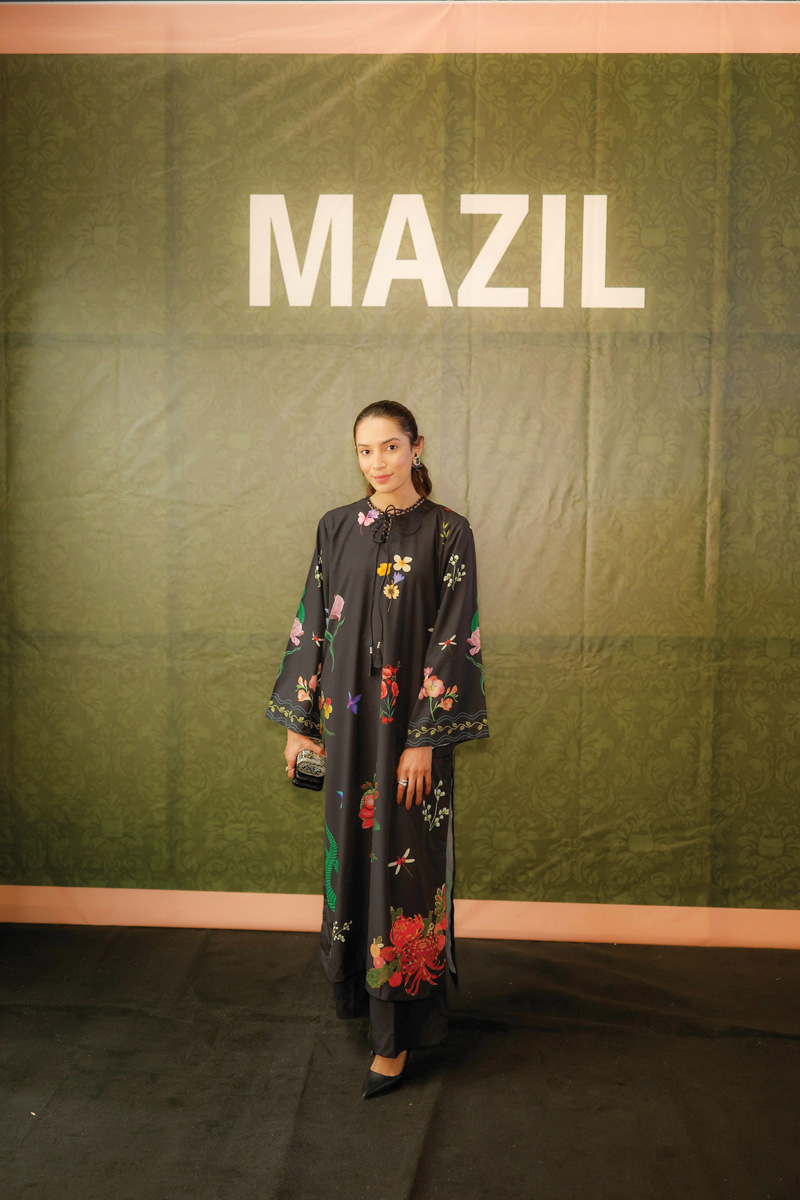
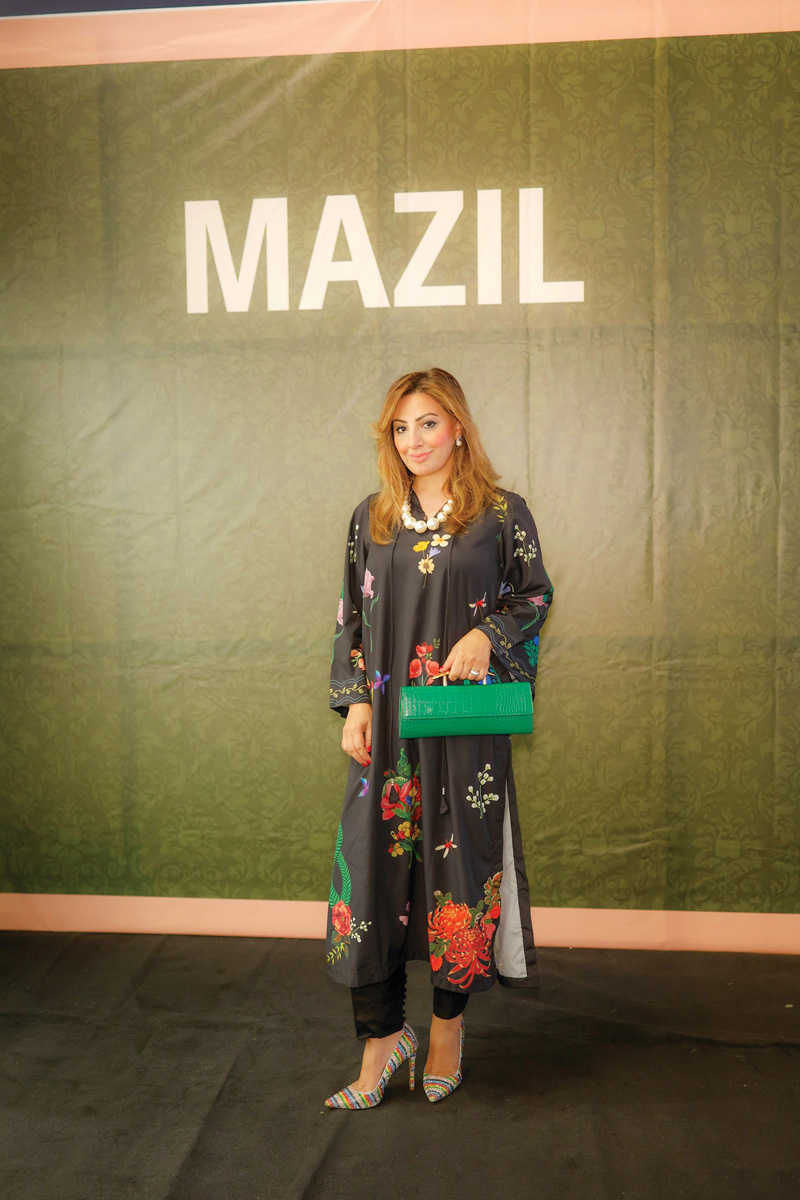
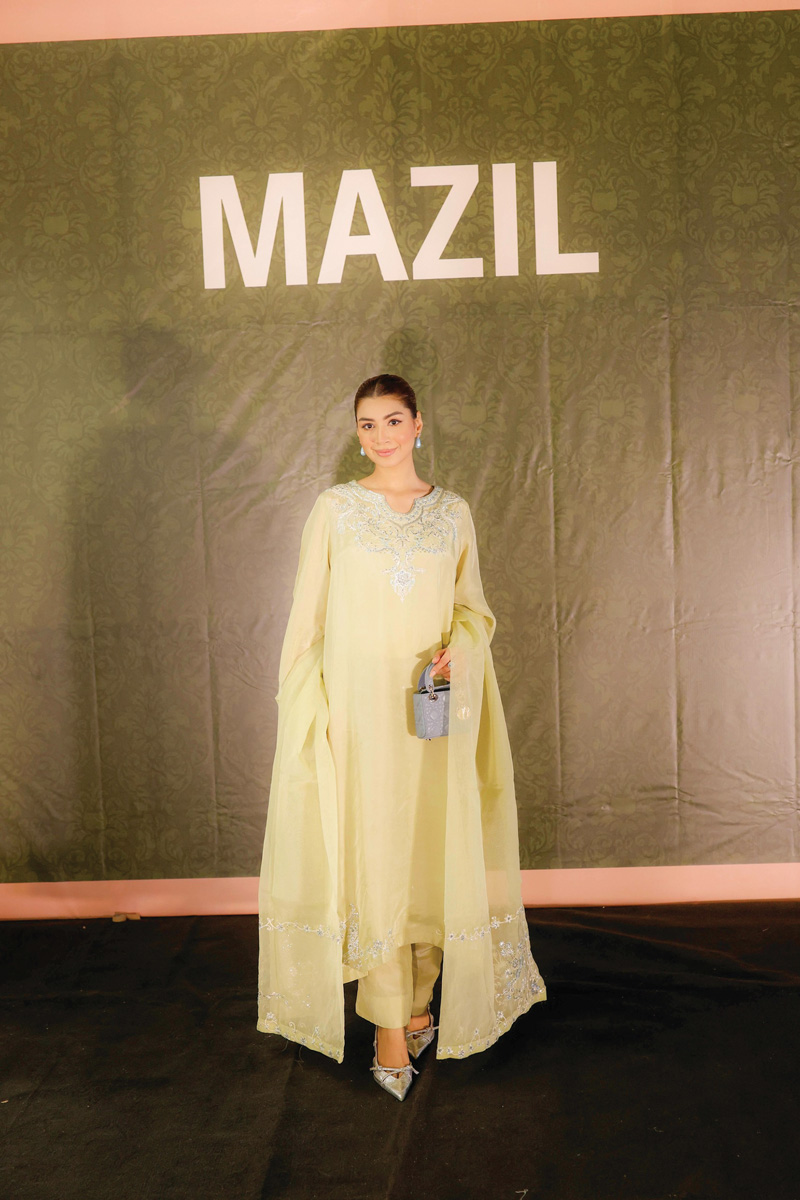
Mazil officially opens its doors in Lahore, introducing a clothing label rooted in artisanal excellence and refined design. The launch welcomed women from across the city who connected with Mazil’s timeless aesthetic, thoughtful craftsmanship, and understated approach to luxury, marking the beginning of a brand shaped by intention.
Pr: Rubia Moghees


Gisou Gift Guide: Sweeten Your Routine

Treat yourself (or someone special) with Gisou’s honey-infused wonders. Our top pick? The Honey Pups collection—glossy, golden, and irresistible.

Sephora Favourites: 25 Days of Beauty

Countdown to joy with the Sephora Favourites Advent Calendar. 25 days of curated beauty treats to make every morning feel like a celebration.

Dior Beauty Sets: Luxe in Every Detail

Dior’s latest beauty sets come wrapped in gold tweed, making every gift feel like pure elegance. A timeless indulgence for the luxe-lover in your life.

Rooted in memory, texture, and quiet intention, Sajni is a brand born from emotion as much as design. Founded by Asma Mansoor , an environmental science scholar with an instinctive love for fabric.

Sajni reflects a thoughtful approach to fashion where simplicity, sustainability, and soul come together.

From her grandmother’s carefully preserved textiles to dressing some of Pakistan’s most influential women, Asma’s journey is a testament to mindful creativity and purpose-driven design.

You hold an MPhil in Environmental Science—how did that academic journey shape the way you see creativity, sustainability, or even fashion today?

My academic journey taught me to look at everything through the lens of responsibility and balance. I naturally think about long-term impact, resource use, and simplicity, which also reflects in my approach to fashion. For me, creativity feels more meaningful when it is conscious and thoughtful.

Your earliest memories of fashion are tied to your grandmother and her carefully stored fabrics. Can you share a moment or lesson from her that still guides your design philosophy?

My grandmother treated fabric with great respect and never wasted a single piece. She taught me that clothes hold memories and emotions, not just beauty.

Solid colours and textures clearly define Sajni’s aesthetic. What is it about minimal palettes and fabric feel that speaks so deeply to you?

Solid colours feel calm, honest, and powerful to me rather than printed designs. They allow the fabric, cut, and craftsmanship to speak without distraction. Texture matters because I want the wearer to feel comfort and confidence the moment they touch the cloth.

Sajni is only a year old, yet you’ve already launched five collections. What inner drive or discipline keeps you creating at such a rapid pace?

Sajni is deeply personal, so working on it feels natural rather than forced. I create when inspiration feels strong, and I try not to delay that energy. Discipline comes from my academic and professional background, where consistency was essential.

Was there a particular moment when you realised Sajni was no longer just a passion project, but a serious fashion brand?

Yes, when women I didn’t personally know started reaching out and connecting emotionally with the designs. Their trust made me realise Sajni had a real voice. That moment shifted my mindset from hobby to responsibility.

Your designs have been worn by Hania Aamir, Mira Sethi, Zeb Bangash, and other influential women. How did that visibility impact Sajni’s growth and your confidence as a designer?

Seeing such confident and strong women wear Sajni was very encouraging. It gave the brand visibility and helped people take it more seriously.

How do you want women to feel when they wear Sajni—powerful, comfortable, expressive, or something else entirely?

I want women to feel comfortable and grounded in themselves—powerful, but in a calm and effortless way.

As someone deeply connected to fabric, how do you choose your materials? Is it an emotional process, a technical one, or a mix of both?

It is always a mix of both. I pay attention to quality, durability, and how the fabric behaves, but emotion plays a big role too. If a fabric feels right in my hands, I know it belongs to my creativity.

In an industry that often celebrates excess, Sajni feels quietly intentional. How do you stay true to your vision without chasing trends?

I remind myself why I started Sajni in the first place. Trends come and go, but personal values stay. I focus on designing pieces I truly believe in, even if they are not loud or seasonal.

What challenges did you face in your first year as a brand owner, and what did they teach you about yourself?

Managing time, finances, and expectations was challenging in the beginning. It taught me the process of patience and self-trust. I believe that growth takes time, and consistency matters more than perfection.

Do you see your background in environmental science influencing future directions—perhaps in sustainability or conscious fashion?

Yes, definitely. Sustainability revolves around three pillars: society, environment, and economy. It is something I naturally think about and want to explore more deeply in Sajni’s future. My goal is to move towards more conscious choices by selecting fabrics with longevity and producing less waste.

How do you balance creative intuition with the commercial realities of running a fashion business?

I listen to my intuition first, then adjust with practical thinking. Not every creative idea becomes a product, and that’s okay.

Looking ahead, what is your dream for Sajni five years from now and what legacy do you hope it leaves behind?

I dream of Sajni becoming a timeless and trusted brand known for sustainability, simplicity, and honesty. I hope it leaves a legacy of mindful fashion and respect for craftsmanship. My long-term goal is to incorporate eco-friendly techniques and better substitutes.

Pin It