Tag

Slider

Browsing

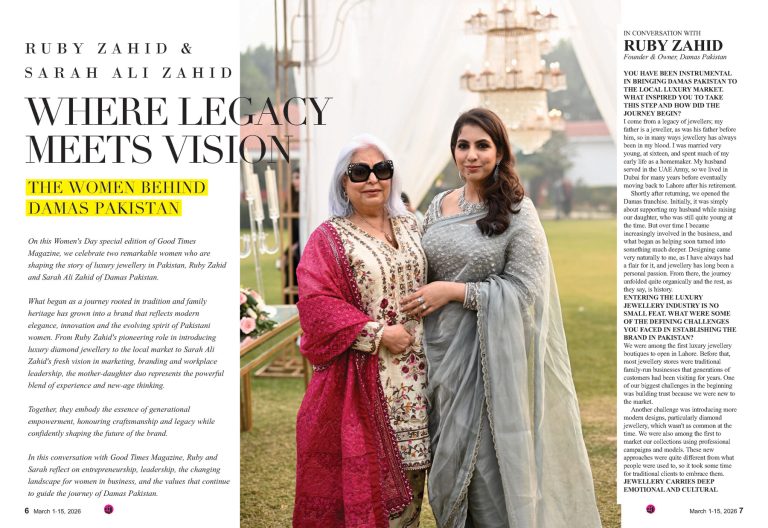
On this Women’s Day special edition of Good Times Magazine, we celebrate two remarkable women who are shaping the story of luxury jewellery in Pakistan, Ruby Zahid and Sarah Ali Zahid of Damas Pakistan.

What began as a journey rooted in tradition and family heritage has grown into a brand that reflects modern elegance, innovation and the evolving spirit of Pakistani women. From Ruby Zahid’s pioneering role in introducing luxury diamond jewellery to the local market to Sarah Ali Zahid’s fresh vision in marketing, branding and workplace leadership, the mother-daughter duo represents the powerful blend of experience and new-age thinking.

Together, they embody the essence of generational empowerment, honouring craftsmanship and legacy while confidently shaping the future of the brand.

In this conversation with Good Times Magazine, Ruby and Sarah reflect on entrepreneurship, leadership, the changing landscape for women in business, and the values that continue to guide the journey of Damas Pakistan.

In Conversation with Ruby Zahid Founder & Owner, Damas Pakistan

You have been instrumental in bringing Damas Pakistan to the local luxury market. What inspired you to take this step and how did the journey begin?

I come from a legacy of jewellers; my father is a jeweller, as was his father before him, so in many ways jewellery has always been in my blood. I was married very young, at sixteen, and spent much of my early life as a homemaker. My husband served in the UAE Army, so we lived in Dubai for many years before eventually moving back to Lahore after his retirement.

Shortly after returning, we opened the Damas franchise. Initially, it was simply about supporting my husband while raising our daughter, who was still quite young at the time. But over time I became increasingly involved in the business, and what began as helping soon turned into something much deeper. Designing came very naturally to me, as I have always had a flair for it, and jewellery has long been a personal passion. From there, the journey unfolded quite organically and the rest, as they say, is history.

Entering the luxury jewellery industry is no small feat. What were some of the defining challenges you faced in establishing the brand in Pakistan?

We were among the first luxury jewellery boutiques to open in Lahore. Before that, most jewellery stores were traditional family-run businesses that generations of customers had been visiting for years. One of our biggest challenges in the beginning was building trust because we were new to the market.

Another challenge was introducing more modern designs, particularly diamond jewellery, which wasn’t as common at the time. We were also among the first to market our collections using professional campaigns and models. These new approaches were quite different from what people were used to, so it took some time for traditional clients to embrace them.

Jewellery carries deep emotional and cultural meaning in our region. How do you think Damas resonates with the evolving tastes of Pakistani women today?

I think Pakistani women today have a very evolved and dynamic sense of style. They appreciate tradition, but they also want jewellery that feels modern, versatile and wearable in their everyday lives. At Damas, we try to reflect that balance by offering pieces that combine classic craftsmanship with contemporary design.

Many women today are drawn to lighter, more minimal pieces that can transition easily from day to evening while still appreciating the beauty of traditional designs for weddings and special occasions. We try to create collections that allow women to express both sides of their style – timeless heritage and modern elegance.

Ultimately, our goal is to create jewellery that resonates with the modern Pakistani woman – confident, multifaceted and rooted in both tradition and modernity.

As a woman who has built and led a successful business, what does International Women’s Day represent to you personally?

Women’s Day is a celebration of strength, creativity and resilience. For us, it holds special meaning because our brand is built around women – the women who design, wear, gift and pass down jewellery through generations. It’s a reminder of the power of female support and the incredible ways women inspire and uplift one another.

Over the years, how have you seen the role and confidence of Pakistani women evolve, both as consumers and professionals?

Over the years, I’ve seen a remarkable shift in the confidence and independence of Pakistani women, both as consumers and as professionals. Today, women are far more self-assured; they know what they want and they pursue it with clarity and determination.

What I particularly admire about the younger generation is their boldness. They are strong, informed and very clear about their preferences. They make their own decisions and are not easily influenced, which I think is a very positive and empowering change.

What has it been like watching your daughter step into the business and become a part of the brand’s evolution?

It has been incredibly special. Watching my daughter step into the business and bring her own perspective and strengths has been very rewarding. I see her doing things I couldn’t have done myself, especially in areas like marketing, branding and connecting with a new generation of customers, and that makes me very proud.

Every generation brings something new, and seeing her contribute to the growth and evolution of the brand while still respecting the values we built it on has been very meaningful for me.

What leadership values have guided you through your entrepreneurial journey?

Throughout my entrepreneurial journey, the values that have guided me most are perseverance, integrity and a genuine passion for what I do. I really love my work so much. Building a business is never without challenges, but staying committed and believing in your vision is what keeps you moving forward.

Looking ahead, what is your vision for the future and legacy of Damas Pakistan?

My vision for the future of Damas Pakistan is to continue building on the foundation we have created while evolving with the changing tastes of modern women. Jewellery is deeply connected to emotion, celebration and tradition, and I hope the brand continues to be a part of those meaningful moments in people’s lives.

I would like Damas Pakistan to grow while staying true to its values of quality, craftsmanship and timeless designs. Most importantly, I hope it remains a brand that women trust and feel connected to, and one that continues to pass from one generation to the next.

In Conversation with Sarah Ali Zahid Marketing & HR Director, Damas Pakistan

A brand’s identity is deeply connected to its people, especially in a business like ours where relationships and trust matter so much. How do marketing and HR work together to shape that identity?

A brand’s identity is deeply connected to its people, especially in a business like ours where relationships and trust matter so much. Without the people behind it, a brand is nothing.

That’s why I see marketing and HR as closely linked. Marketing shapes how the brand is perceived externally, while HR ensures we build a team that truly embodies those values internally. When your people believe in the vision and feel invested in the brand, that authenticity naturally reflects in the customer experience.

Luxury branding today requires strong storytelling and digital presence. How are you positioning Damas to connect with the new generation of customers?

The new generation wants to feel a genuine connection with the brands they support. It’s no longer just about the product; it’s about identity, values and the story behind what they wear. They want to understand the materials, the craftsmanship and how a piece reflects who they are and what they stand for.

To connect with them, we focus on creating jewellery that fits naturally into their everyday lives. Today’s customers are looking for pieces that are versatile, lightweight and durable; jewellery they can wear from work to social gatherings to working out and throughout their daily routines. We are designing collections that reflect this shift while staying true to our sense of quality and elegance.

Honestly, the younger generation is incredibly inspiring, and we feel fortunate to have such a strong and engaged young clientele supporting the brand.

Working within a family-led business can be both inspiring and challenging. What have been the most valuable lessons you’ve learned from your mother?

From my mother, I learned how to be strong and assertive in what is a male-dominated industry. She truly paved the way, and because of that my own journey has been much easier in many ways. She also taught me the importance of carrying oneself professionally with both confidence and grace.

From my father, I learned the value of integrity in business. He always reminds me that we must conduct our work as honestly as possible in every aspect because one day we will have to answer to a higher power. That belief has stayed with me and continues to guide how I approach both business and life.

In your HR role, how important is it for you to create a workplace culture that supports and empowers women?

Creating a workplace culture that supports and empowers women is extremely important to me. For me, it’s essential that they feel safe, respected and valued in the workplace, and that they have the confidence to grow and succeed.

Being in a leadership position as a woman gives me the opportunity to help create that environment, and I feel a strong responsibility to ensure that women in our team feel supported enough to thrive in this industry. Luxury jewellery has traditionally been a male-dominated profession in Pakistan, so it’s incredibly encouraging to see more young women entering the field today.

What do you believe makes jewellery such a powerful form of self-expression for modern women?

Jewellery has always been a powerful form of self-expression. It carries deep cultural and emotional meaning, often representing love, memories and personal milestones. The pieces a woman chooses to wear often tell a story about who she is and what matters to her.

Especially with the younger generation, I see women choosing jewellery that reflects their individuality – pieces that resonate with their personality, interests and values. In that sense, jewellery becomes more than adornment; it becomes a reflection of identity.

Running a business together as mother and daughter must create unique moments. What has been the most rewarding part of building this journey together?

Ruby:

For me, the most rewarding part has been sharing everything I’ve learned with her and then watching her bring her own perspective and approach to it. It’s very fulfilling to see her take those lessons and make them her own. Of course, spending so much time together and traveling for work has also been very special – those moments create memories that go far beyond business.

Sarah:

For me, it’s been about learning from her every step of the way and building those memories together. Being able to work alongside my mother and carry forward the legacy she has created is something that means a lot to me.

If you could share one piece of advice with young women who aspire to enter leadership or entrepreneurship, what would it be?

Ruby:

Be bold, be confident and never give up. The journey may not always be easy, but perseverance and belief in yourself will take you far.

Sarah:

Ignore the noise and trust your own worth. External validation does not define you, but believing in yourself and staying true to your vision is what truly matters.

In a world where childrenswear often mirrors adult fashion in miniature, Mehreen, founder of Mini’s by M, has carved a space that feels entirely its own — whimsical, refined, and deeply rooted in storytelling.

Born from a mother’s search for something truly special for her daughters, Mini’s by M has evolved into a luxury kidswear label that celebrates imagination, heritage, and elegance in equal measure. From butterfly fountain layers to heirloom-inspired lehenga cholis, Mehreen designs not just outfits but moments.

In this exclusive feature, she speaks to Good Times Magazine about fairytale motifs, fabric philosophy, desi couture for little girls, and why timelessness will always win over trends.

Rapid Fire with Mehreen

Butterflies or florals?
Butterflies
Pastels or bold jewel tones?
Pastels
Silk or organza?
Definitely silk
Ballgown moment or gharara elegance?
Can’t I choose both?
One word that defines Mini’s by M?
Timeless

Mini’s by M is described as “timeless luxury for young girls.” How did the idea for a luxury kidswear brand first begin for you?

I think it was last year February, when I was looking for Eid outfits for my girls. It would be the same routine before every Eid or wedding event: endlessly scour the internet, search local shops, find nothing that felt truly unique or special. I’ve loved fashion and designing, so at that time it clicked that the best way forward was to start something small, design a few clothes and see what happens. And here we are today!

Your aesthetic feels whimsical yet minimal — butterflies, stars, florals, cherries, seashells. What draws you to these fairytale-inspired motifs?

I’m a literature major, and a romantic at heart. I like to make stories out of everything, and weaving a soft, fairytale feeling into every piece. Think of The Little Mermaid, with sea green hues and seashells, or The Grimm’s fairy tales, which I loved reading as a child. My work has dainty details from Snow White to Red Riding Hood, everything that I feel represents childlike imagination and wonder.

Your first collection, *Secret Garden*, explored silk, 3D chikan, net and moonlight textures. How do you approach fabric selection for such delicate, structured silhouettes?

I love playing around with fabrics! With kidswear, unless it’s a wedding wear collection, you don’t focus on intricate embroideries or elaborate patterns the way you would with womenswear. We source the purest fabrics, keeping in mind that young girls are constantly moving rather than sitting still. The silhouettes need to feel flowy and breathable, yet structured enough to hold their shape. I look for materials that are dainty, elegant and luxurious—yet still comfortable. And I love the moonlight fabric. It gives such a princess like shine.

From butterfly fountain layers to floral-shaped sleeves and ballgown drama — how do you balance playfulness with sophistication in childrenswear?

Our designs balance experimentalism with minimalism. We have a simple rule: every outfit should carry a hint of playfulness, or a touch of drama if you must say, but it must still feel timeless. Personally too, I have gravitated towards timeless, elegant couture and accessories rather than something overly seasonal, and I think that perspective translates into my work as well. Even when we create ballgowns, statement sleeves, or dramatic silhouettes, the foundation is always classic.

Your wedding collection introduced traditional elements like lehenga cholis, embroidered birds, and cotton net jackets. What inspired you to merge heritage with youthful design?

I love desi couture, especially motifs that beautifully reflect our culture and traditions. I deeply admire the work our local designers have done in womenswear, whether it’s Deena Rahman, or Shehla Chatoor, or Faraz Manan. Each of them has built their signature style while experimenting with desi silhouettes and heritage motifs.

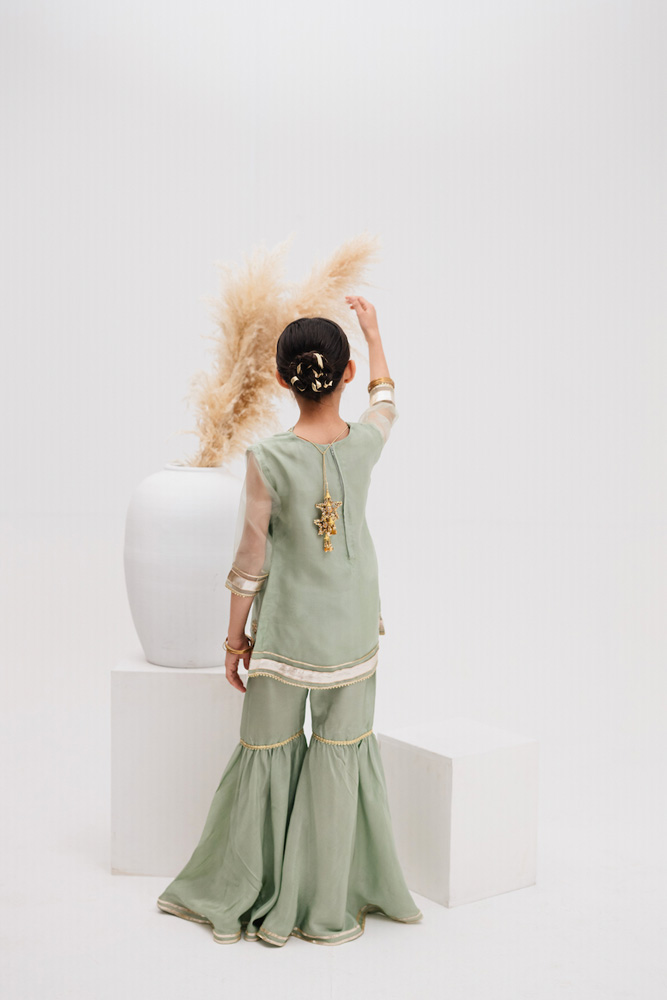
However in kidswear, there hasn’t been much exploration in that direction. There is so much room to create unique, meaningful pieces that don’t just replicate adult fashion in miniature, but truly set trends for young girls in their own right. Our pieces treat girls as the centrepiece, with each motif meant to mix desi silhouettes with childlike wonder. You’ll see birds and elephants mixed with lehenga cholis and front open jackets, ghararas finished tassels made of golden stars. It’s about creating pieces that honour heritage while infusing it with imagination.

The current Eid collection blends cherries, florals and seashells with traditional chikan and organza ghararas. How do you reinterpret classic Eastern wear for little girls without losing innocence?

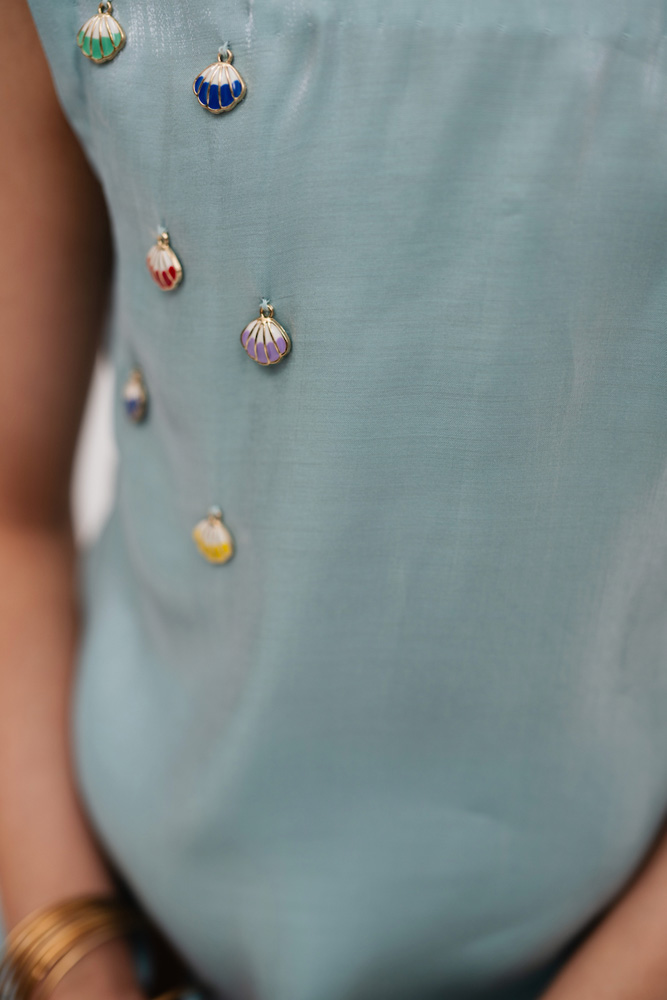
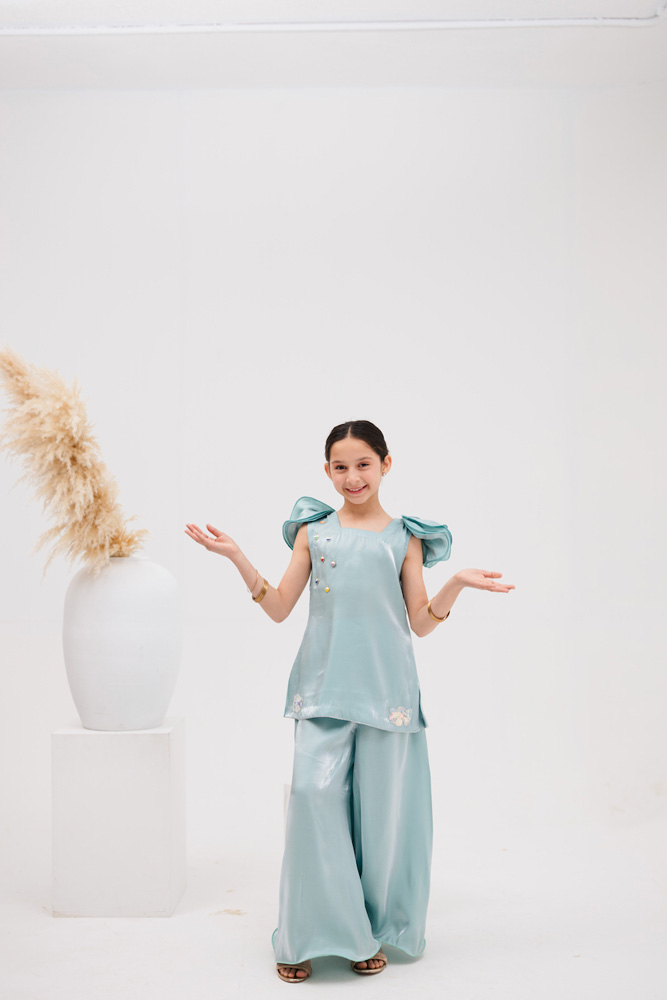
For us it’s about balancing traditional designs with storytelling. I want to preserve Pakistani tradition and heritage through ghararas and traditional fabrics, but at the same time infuse each piece with joyful, childlike motifs. We try to keep the structure and craftsmanship intact, then we layer it with playful elements like cherries, florals or seashells to make it feel whimsical and age appropriate. The innocence is in the details: shiny fabrics, delicate hangings and handwork, flowy lehengas and ballgowns for our lovely girls to twirl around in.

“Mommy and Me” pieces are such a heartwarming concept. What does that segment mean to you emotionally as a designer?

I think little girls want to be just like their mommies. It warms my heart to see daughters looking just like their mothers, being clothed just like their mothers, and vice versa. That feeling of belonging, of being each other’s likeness and of also having the chance to match outfits together, is what I enjoy witnessing.

Luxury kidswear often walks a fine line between comfort and couture. How do you ensure Mini’s by M outfits remain wearable for children?

For us, comfort is a non negotiable. We source the purest fabrics to start with. Every element of our garments, including our linings and dupattas, are meticulously sourced and tested to ensure it feels gentle against a child’s skin. Breathability and lightness are just as important as visual appeal. As a designer, while I can sketch and plan my heart out, the real responsibility lies in execution. Every embellishment, every stitch, and every loom of fabric is well planned out.

It hasn’t even been a year since your launch, yet the brand has gained impressive traction. What has been the biggest learning curve so far?

I think the biggest learning curve has definitely been maintaining consistency. It was easier in the beginning to manage and send pieces across, but once our brand took off Alhamdulillah, and there was a significantly higher volume of orders, there were one or two instances where we had issues with our fittings, especially with Lehenga cholis which need to be impeccably fitted. I remember we had sent an outfit to the Netherlands and the client had an issue with the opening of the kameez. Without hesitation, we made her a new outfit, paid the extra DHL shipping charges ourselves, and sent it off before her event. That made us realise that quality and consistency must be triple checked before delivery. At the end of the day, care and accountability builds trust, and ultimately keeps our clients coming back.

How would you describe the Mini’s by M girl in three words?

Playful. Delicate. Timeless.

What role does storytelling play in your collections? Do you design with a narrative in mind before sketching?

I start with a few motifs in mind, then my literary background kicks in and a story comes to life. Is the wearer of this outfit walking through a garden? Twirling in a Bridgerton style ballroom? That narrative helps me decide everything from fabric choices to embellishments.

Looking ahead, what is your vision for Mini’s by M over the next five years?

To grow definitely, in the most stable and consistent way possible. To serve our clients in the best way we can. And to design unique creations that are both timeless and true to our heart.

MINI’S Eid Soirée ’26

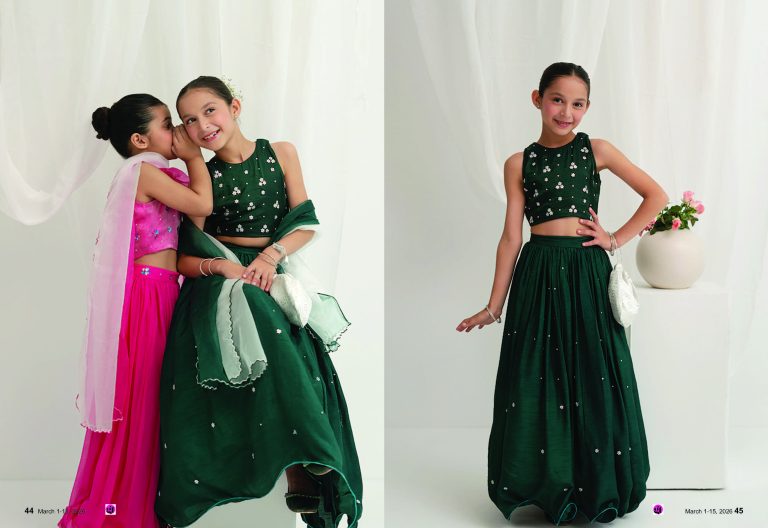
Mini’s Eid Soiree ’26 is a love letter to the magic of Eid: a celebration woven with childlike wonder, joy, and timeless elegance. Designed for little girls who lead with confidence and imagination, this collection captures the beauty of tradition through a modern, trend-forward lens.

Crafted in flowy, breathable fabrics, each piece is adorned with delicate motifs: playful cherries, soft florals, and whimsical seashells, that echo sweet reveries and festive charm.

True to our design philosophy, Mini’s Eid Soiree ’26 is where experimentalism meets classicism. Soft, childlike details blend seamlessly with refined tailoring, creating garments that reflect stories within them.

Because even at a young age, our girls don’t follow trends.

They set them.

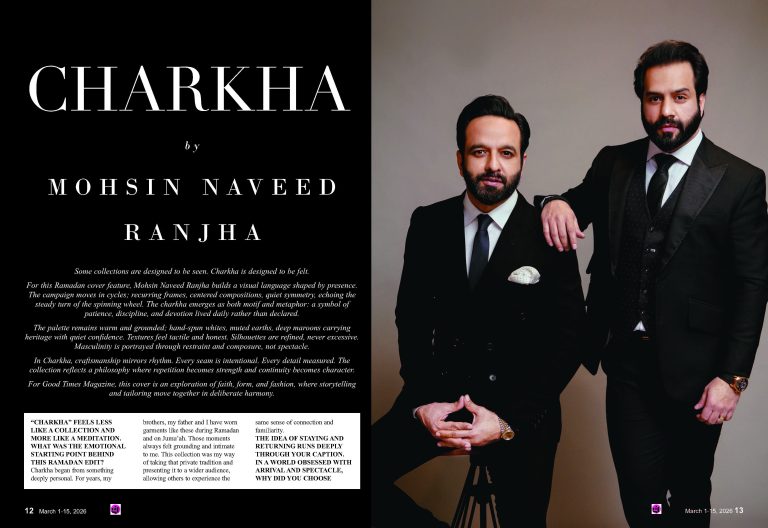
Some collections are designed to be seen. Charkha is designed to be felt.

For this Ramadan cover feature, Mohsin Naveed Ranjha builds a visual language shaped by presence. The campaign moves in cycles; recurring frames, centered compositions, quiet symmetry, echoing the steady turn of the spinning wheel. The charkha emerges as both motif and metaphor: a symbol of patience, discipline, and devotion lived daily rather than declared.

The palette remains warm and grounded; hand-spun whites, muted earths, deep maroons carrying heritage with quiet confidence. Textures feel tactile and honest. Silhouettes are refined, never excessive. Masculinity is portrayed through restraint and composure, not spectacle.

In Charkha, craftsmanship mirrors rhythm. Every seam is intentional. Every detail measured. The collection reflects a philosophy where repetition becomes strength and continuity becomes character.

For Good Times Magazine, this cover is an exploration of faith, form, and fashion, where storytelling and tailoring move together in deliberate harmony.

Rapid Fire with Mohsin Naveed Ranjha

One emotion that defines Charkha?
“ Yaad “

The quietest luxury?
Your comfort

A fabric that feels like faith?
Linen

What does masculinity mean in 2026?
Steadfastness

Staying is…?
No fun, if it’s staying in the same place

“Charkha” feels less like a collection and more like a meditation. What was the emotional starting point behind this Ramadan edit?

Charkha began from something deeply personal. For years, my brothers, my father and I have worn garments like these during Ramadan and on Jumu’ah. Those moments always felt grounding and intimate to me. This collection was my way of taking that private tradition and presenting it to a wider audience, allowing others to experience the same sense of connection and familiarity.

The idea of staying and returning runs deeply through your caption. In a world obsessed with arrival and spectacle, why did you choose stillness as your central theme?

In a world that constantly celebrates spectacle and arrival, I wanted to focus on stillness. Ramadan naturally slows you down. It encourages reflection, restraint and inner calm. Choosing stillness as the central theme felt honest to the spirit of the month and true to how we experience it ourselves.

The charkha symbolizes patience, repetition, and quiet labour. How does that metaphor translate into the craftsmanship and silhouettes of this collection?

The charkha represents patience, repetition and quiet dedication. That metaphor translates directly into our craftsmanship. The silhouettes are refined rather than excessive, and the detailing is intentional and considered. Each piece reflects time, care and discipline, much like the steady turning of a wheel. Nothing is rushed, and that quiet labour is what gives the garments their strength.

Your muse is introduced “not as spectacle, but as stillness.” How are you redefining masculinity through this portrayal?

With Nameer, the intention was to portray masculinity through restraint rather than display. He carries a quiet strength and maturity that felt aligned with the spirit of the campaign. Instead of presenting masculinity as loud or performative, we chose to show it as grounded, composed and self-assured.

Ramadan is often about introspection rather than display. How did you balance spiritual subtlety with the visual richness that MNR is known for?

For us, spiritual subtlety and visual richness are not opposites. Even beyond Ramadan, we believe in designing within our cultural framework rather than chasing extremes. The richness comes through fabric, texture and finish, while the overall aesthetic remains refined and respectful. That balance feels authentic to our brand identity.

The palette and textures in this edit feel rooted in heritage yet incredibly contemporary. How do you keep tradition alive without letting it feel nostalgic or frozen in time?

Tradition stays alive when it is worn and lived, not when it is treated as something frozen in time. The palette in this collection reflects colours I have personally gravitated toward for years, so it feels natural rather than nostalgic. The fabrics carry depth and luxury, but the tailoring keeps everything current and relevant for today’s Ramadan and Eid celebrations.

This campaign feels cinematic — almost poetic in tone. Do you see storytelling becoming as important as garment construction in modern fashion?

Storytelling has become just as important as garment construction. A strong narrative gives emotional context to the clothing and strengthens brand identity. It requires the same energy and intention as designing the collection itself. Over the years, shoots at locations like Sheeran Wala Bagh, Capri Cinema, Radio Pakistan and Rooti Booti have helped us build a cinematic language that complements our craftsmanship.

You speak about devotion that “does not seek to be seen, only to be true.” In your own journey as a designer, what has “staying” meant for you?

For me, staying has always meant consistency. Talent alone is never enough. What truly shapes a journey is the discipline to show up every day, even when there is no immediate reward. In an era that seeks overnight success, I believe steady commitment creates lasting impact. I myself am an example of that.

In Charkha, love is shown as consistency rather than intensity. Is this also how you approach creative evolution — slow, steady, intentional?

Yes, I approach creative evolution in the same way. Growth should be intentional and steady rather than reactive. Trends may change quickly, but identity is built over time. Consistency allows a brand to evolve without losing its essence. Even the brands friendship with Nameer evolved over the many years we have known him and that is due to consistency on both sides.

If Charkha were not a collection but a prayer, what would it be asking for?

Love and hapiness always?

If Charkha were a prayer, it would ask for sincerity, patience and lasting love. It would seek the strength to remain grounded and true, both in craft and in spirit.

Charkha

Ramadan Edit by mohsin naveed ranjha

Charkha is a counterfactual — an intentional reimagining of Mahi Ve Tere Vehar Nu. In the song, the girl waits beside the charkha, suspended in longing. This campaign begins where the waiting ends. Here, the boy is already there — not as spectacle or promise, but as steady presence.

The charkha shifts from a symbol of yearning to a witness of consistency. Love is not about anticipation; it is about return. About showing up beside the same person, in the same place, choosing them again and again without applause.

This is a meditation on devotion that is lived, not declared. On partnerships built through everyday rituals. Charkha honors the quiet, radical act of staying — where love is made thread by thread.

The design language reflects the philosophy of presence. Repetition and rhythm shape the visual system — recurring frames, centered compositions, and cyclical movement echo the act of returning. The charkha becomes both motif and metaphor.

The palette is warm and grounded: hand-spun whites, muted earths, deep maroons. Textures feel tactile and honest — raw cotton, matte surfaces, unpolished finishes. Nothing glossy or performative, only what feels lived-in and sincere.

Typography and spacing are restrained and human. Generous negative space allows stillness to breathe. The overall sensibility favors continuity over climax — embodying the campaign’s core belief: love is not in the arrival, but in the staying.

LAAM Fashion Week 2026 ushered in a transformative chapter for Pakistan’s fashion industry, debuting the country’s first runway-to-e-tail platform where design excellence met real-time commerce. Directed by HSY, the four-day showcase in Lahore brought together the full spectrum of Pakistan’s fashion ecosystem from couture visionaries to high-street powerhouses.

The inaugural lineup featured celebrated names including Ali Xeeshan, Deepak Perwani, Fahad Hussayn, Kamiar Rokni, Maheen Kardar, Mohsin Tawasuli, Nomi Ansari, Rizwan Beyg, Sadaf Fawad Khan, Saira Shakira, Souchaj, Summat, Tena Durrani, and Zainab Salman, each representing a distinct aesthetic within couture, luxury prêt, and bridal.

Co-founded by LAAM and Design651, with Nabila and N-Gents as Official Style Partners and Maheen Kardar as Designer Experience Director, LFW reflected a unified industry effort. Backed by leading retail and logistics partners, the platform positioned Pakistani fashion within a global broadcast spanning over 120 countries.
More than an event, LFW signalled a confident industry investing in its own ecosystem, where heritage craftsmanship, scalability, and digital ambition move forward together.

PR by Lotus
Photographs by Waqar Ahmed Butt & Team at Paragon Studio
@paragonstudioofficial @waqar_ahmed_butt

In an industry where trends come and go, Sahar Razi built something that stayed.

Long before brows and lashes became mainstream obsessions, Sahar identified a gap in Pakistan’s beauty landscape and turned it into a movement. What began as a hobby in 2016 evolved into Get Lashed – a brand synonymous with precision, professionalism, and unwavering consistency.

From celebrity clientele to international certifications, Sahar’s journey is not just about beauty, it’s about discipline, trust, and setting standards in an industry that once underestimated the power of niche expertise. As she continues to expand beyond borders, one thing remains clear: for Sahar Razi, brows and lashes are not services, they are art forms.

In this exclusive conversation, she speaks about credibility, competition, consistency, and what it truly takes to build an empire; one perfect arch at a time.

Your work has redefined brows and lashes as an art form rather than just a service. When did you realise that this could become a serious profession and not just a beauty trend?

When I started this in 2016, all I wanted to do was bring something new to Pakistan. A niche in the beauty industry that wasn’t tapped into yet. It actually started as a hobby and snowballed into a proper business.

From Lahore to international platforms, your journey reflects both ambition and consistency. What were the biggest challenges you faced while building credibility in an industry that was once underestimated?

I feel if you stay consistent, don’t let success get to your head, and spearhead in the right direction towards your goal, you automatically build credibility. I feel I built this industry in the country and created the need for brows and lashes. The challenge is more for the new artists who are trying to build a name in the market when there is already competition.

You’re known for working with international and celebrity clientele. How do expectations differ at that level, and what does professionalism truly mean to you in such spaces?

I focus on getting the job done right. There is absolutely no room for error in my business, even though I’ve been at it for over 10 years. You can’t get complacent at any point, whether it’s a celebrity, a foreigner, or people across the country.

SPMU is as much about trust as technique. How do you balance artistry with responsibility, especially when clients place their faces and confidence in your hands?

When clients come and say, “You have been recommended and we have been told, ‘Just close your eyes and let her do her job,’” I feel that I have truly built that trust with my clients.

You’re also a certified international trainer, shaping the next generation of artists. What is one misconception you actively try to break among aspiring brow and lash professionals?

As an internationally certified trainer, I try to make new artists understand that they should learn one skill at a time. Master it and then move on to the next. Learning too many techniques together will not let you excel in any.

Beauty standards evolve rapidly. How do you stay ahead of trends while still creating results that are timeless and personalised?

I stay very consistent with my education at an international level. Never think you know too much because there is always room for improvement and more learning.

Your brand feels strong, refined, and intentional. What role did personal branding play in the growth of Get Lashed, and how consciously did you build it?

I am Get Lashed, and I believe my audience should know exactly who they are coming to when they visit our studio for any service. Because I have built all these techniques and operations single-handedly. So everything reflects who I am and what I’m aiming for: a complete, professional, and satisfactory experience.

Running a beauty business in Pakistan comes with its own realities. What advice would you give to women who want to scale their beauty ventures beyond local recognition?

I feel Pakistan has great potential and lots still to do. The market for such services is saturated in Dubai and Europe, etc. Build a name locally first. Prove you are consistent, and then there is no one stopping you.

On days when creativity feels blocked or pressure feels overwhelming, what grounds you and brings you back to your purpose?

I can be underslept, exhausted, ill, or stressed, but nothing can deter me from doing my job right. Tried and tested.

Looking ahead, what’s next for Sahar Razi; new cities, new techniques, or an entirely new chapter you haven’t revealed yet?

I already cover the major cities in Pakistan. More international expansion. And some huge news that I will be revealing soon.

There’s something quietly powerful about a designer who understands structure, not just in silhouettes, but in life itself. Talha Batla’s journey from law to luxury fashion is not merely a career shift; it is a story of conviction, clarity, and creative courage.

Rooted in discipline yet driven by artistry, Talha brings a rare balance to the Pakistani fashion landscape. His collections reflect refinement without excess, softness without fragility, and elegance without noise. Each ensemble carries intention, whether it’s a fluid pastel kurta, an intricately detailed festive piece, or a bridal look layered in quiet grandeur.

As the man behind Hilal Silk Palace and the evolving Batla identity, Talha Batla continues to build a brand that speaks to modern women who value grace, craftsmanship, and understated statement-making.
In this exclusive Good Times cover feature, we step inside the mind of the designer who chose creativity over convention and hasn’t looked back since.

You began your career in law before stepping into fashion. What truly pushed you to choose creativity over convention?

I initially joined my family business, Hilal, as Head of Finance since I had completed ACCA and was pursuing my LLB alongside it. Once I finished law, I realised that while I valued the structure and discipline it gave me, I needed to build something creative of my own. Being surrounded by textiles my entire life, fashion felt like a very natural transition. It wasn’t a sudden shift, it was a calling that had always been there.

Talha Batla has carved a distinct space in Pakistan’s formal wear landscape. How would you define the core philosophy of the brand today?

The core philosophy of the brand is uncompromising quality. From the fabrics we select to the intricacy of our handwork, everything is done at the highest standard possible. I believe what truly sets us apart is the finesse and finishing of our craftsmanship. Quality is not an added feature for us, it is the foundation.

What inspired the foundation of your label, and what gap were you aiming to fill in the market?

My inspiration came directly from the fabrics we were producing at Hilal. I was constantly surrounded by beautiful textiles and felt they deserved to be shaped into something more expressive. I wanted to bridge the gap between premium fabric and thoughtfully designed formal wear, creating pieces that were luxurious yet structured and refined.

How do you ensure each collection feels fresh while still staying true to your brand identity?

I experiment consciously especially with colour palettes and silhouettes. While I respect traditional cuts, I try to reinterpret them and introduce more contemporary proportions. However, the brand’s identity — strong handwork, structure, and finish, always remains constant. That balance keeps the collections evolving without losing their essence.

What does the Talha Batla woman represent in terms of confidence, lifestyle, and aesthetic?

The Talha Batla woman represents strength rooted in culture. She values heritage but embraces modern fashion sensibilities. She is confident, poised, and understands understated luxury. Her aesthetic is refined, never excessive, but always impactful.

Festive and formal wear in Pakistan is highly competitive. What differentiates your craftsmanship and design language?

What differentiates us is the quality and authenticity of our handwork. But achieving that requires a true eye for karigars, artisans who have spent years mastering their craft, often without receiving their due recognition. I actively seek out such talent and allow their skill to speak through each piece, always guided by my design aesthetic.

How do you approach fabric selection and detailing when conceptualising a new collection?

For me, the process often begins with a handwork sample. Once a motif or technique feels right, I begin building silhouettes around it. The craftsmanship guides the design direction. Fabric selection follows closely, I choose textiles that complement and elevate the detailing rather than overpower it.

What role does heritage play in your work, and how do you reinterpret it for the modern client?

Coming from Hilal Silk, where heritage is deeply embedded, tradition has always been central to my understanding of design. The challenge lies in moving beyond the very traditional expectations clients often have. We reinterpret heritage through cleaner lines, updated silhouettes, and more refined placement of motifs — preserving the essence while modernising the presentation.

Which collection has been the most defining for the brand so far, and why?

There was a particular outfit I initially designed for a private client which later became my showstopper at BCW. That moment significantly changed the trajectory of the brand. The response it received gave us visibility and established a stronger design identity within the industry.

How do evolving consumer preferences influence your creative direction?

Interestingly, the challenge today is sometimes the lack of evolving consumer preference. Clients often gravitate towards what feels safe and familiar, which can make innovation more complex. As a designer, I try to gradually introduce new ideas while ensuring they remain commercially relevant.

In a digital era driven by trends, how do you maintain longevity and timeless appeal?

I avoid designing purely for trends or social media visibility. Craftsmanship, proportion, and finishing are timeless. I focus on creating pieces that will remain relevant years from now, outfits that photograph beautifully today but still hold value in the future. Longevity comes from discipline in design, not from chasing momentary hype.

Fresh whites offset with soft sorbet hues set the tone for a luminous spring, as Luna – Eid by FTA captures the ease and elegance of festive dressing.

The collection unfolds in fluid silhouettes, delicate embroideries, and signature details that feel light, feminine, and effortlessly refined. Balancing modern freshness with timeless craftsmanship, Farah Talib Aziz reimagines Eid wear as something quietly celebratory; pieces designed to move beautifully, photograph softly, and live well beyond the season.

Whispers and Wonders celebrates effortless elegance through flowing kaftan silhouettes crafted in fine blended silks, finished with delicate prints and refined hand embellishments. Each design is thoughtfully detailed, from sculpted necklines to graceful Va movement, creating pieces that feel both festive and timeless. The collection reflects Zarah Nur’s signature balance of romance, craftsmanship, and modern luxury.

At her son Junaid Safdar’s wedding, CM Maryam Nawaz stepped into the spotlight not as a political figure, but as a mother celebrating one of life’s most intimate milestones; her wardrobe reflecting that quiet emotional gravitas with remarkable poise.

For the Mehndi, she chose a radiant yellow lehnga choli by Nomi Ansari, a designer synonymous with colour and craft. The ensemble felt joyful without excess; sunlit hues softened by intricate embellishment, capturing the warmth of the occasion while allowing tradition to breathe easily into celebration.

The Barat look was a masterclass in restraint. Draped in an olive-gold ensemble by Iqbal Hussain, Maryam Nawaz embraced an old-world elegance rooted in heritage. The muted palette, paired with classic jewellery, carried a ceremonial dignity, timeless, grounded, and deeply South Asian in spirit.

For the Walima, she returned to Nomi Ansari, opting for a look that balanced refinement with festivity. Subtle shimmer, fluid tailoring, and a graceful colour story brought the wedding narrative full circle; festive yet composed, celebratory yet serene.

Across all three events, her style was defined by quiet confidence and thoughtful restraint. Rooted in sincerity and cultural pride, her looks gave these personal moments a lasting resonance.

Makeup: The Makeup Studio By Sehrish
Jewellery: Hanif Jewellers 
Pictures: Irfan Ahson 

In a city that rarely slows down, Wonder Whirl offers something quietly radical: space.

Space for children to play freely, for parents to pause without guilt, and for families to feel held rather than hurried.
Founded by Urmea, Wonder Whirl is not just a play area — it is a thoughtfully designed ecosystem rooted in Montessori principles, sensory balance, and community care. From open, sunlit play zones to wellness spaces for mothers and a café designed for lingering conversations, every corner has been shaped with intention.
In this conversation, Urmea walks us through the philosophy, design, and emotional architecture behind
Wonder Whirl — a place that is redefining what family spaces in Karachi can look and feel like.

Wonder Whirl is designed very deliberately. Walk us through the space what do you want a child to feel the moment they step inside?

The moment a child enters Wonder Whirl, I want them to feel safe, curious, and free. I want their imagination to switch on. Whether they run towards football, soft play, or a sensory corner, the space immediately feels welcoming. It quietly tells them: this place was made for you; a place where play is real and joy feels effortless.

From colours to corners to flow, how did you decide what the space should look and feel like and what was non-negotiable in the design?

Through my own experiences of family spaces abroad, I learned how deeply environment shapes emotion and behaviour. Many local spaces felt tight and overstimulating, so I wanted the opposite. Wonder Whirl is an open concept filled with sunlight, warm colours, and room for movement. Nothing feels boxed in or overwhelming. Openness, safety, and gentle sensory balance were non-negotiable.

Montessori-inspired spaces often balance freedom and structure. How does Wonder Whirl achieve that balance physically within the play areas?

We believe in real play that allows children to choose their own experience. From soft play and football to air hockey, STEM corners, messy play, and art stations, every age group is included. The space gently guides without controlling. Children move freely, yet everything has purpose. That balance builds confidence and independence.

Every play space has a heartbeat. Which corner best represents Wonder Whirl’s philosophy and why?

The Community Pod is the heart of Wonder Whirl. It holds birthdays, workshops, wellness sessions, messy play, and educational activities. It changes daily, just like families do. Around it are small worlds of play and creativity. That living energy reflects who we are.

How important was sensory balance while planning the space?

Extremely important  for children and parents alike. Sound, movement, and calm coexist here. Children regulate through sensory play, while parents emotionally decompress. Nothing feels too loud or too quiet. The environment itself supports wellbeing.

Wonder Whirl isn’t just for kids — it holds parents too. How did you design the space to give caregivers breathing room, not just seating?

Wonder Whirl is family-centred, not child-only. Parents are given space to breathe, not just sit. There are cosy corners, open seating, a café, and a massage room to unwind. Conversations happen naturally. Caregivers feel supported, not overlooked.

Why was it important that Wonder Whirl function as more than a play area?

Families need more than entertainment. They need nourishment, rest, wellness, and emotional connection. Everything here is intentional — from partnering with Blend Café for food and coffee, to bringing in Montessori-trained teachers for arts and crafts.

Our massage room offers pre- and post-natal care, deep tissue massages, candle wax massage, and buccal and lymphatic drainage. While children play safely nearby, mothers are cared for. It sends a simple message: your wellbeing matters too. That balance defines Wonder Whirl.

Parents often say Wonder Whirl feels “different.” What do you think they’re responding to?

Everything here is built with intention — the design, the energy, the smallest details. Nothing is random or rushed. People feel the care the moment they enter. That’s what families respond to.

Why was building a mom community central to Wonder Whirl?

Motherhood can be deeply isolating, especially in Karachi. There are very few spaces designed for moms. I wanted Wonder Whirl to become part of the village that raises a child,  a place to share, breathe, and belong. Community was always the goal.

Why did this concept need to exist in Karachi?

I experienced how powerful these spaces can be for families; places where children play freely while adults unwind and connect. That balance was missing here. Parenting already carries heavy responsibility with limited support systems, especially for mothers. Karachi needed a nurturing environment built around real connection. Wonder Whirl fills that gap.

The weekend dad culture has become a highlight. Was that intentional?

It evolved organically and became something beautiful. We noticed dads stepping in on weekends so moms could rest. We now actively encourage it with special dad offers. That shift deserves support — it’s changing family culture.

How do you ensure workshops remain child-led rather than adult-driven?

We follow the child’s curiosity. Activities offer guidance, not control. Children choose how they participate, and the environment adapts to them. That freedom builds confidence.

What has the space itself taught you since opening?

That people don’t just need services — they need to feel held. They need belonging. No blueprint could teach that. The community did.

If Wonder Whirl could teach every family one thing through its environment alone, what would it be?

That raising a child is not meant to be done alone. That community is essential. That care is collective. Every family deserves support.

How do you see Wonder Whirl evolving?

Wonder Whirl is evolving with purpose — not just as a local space, but as a community platform for parents, early education, and family support. We are aligning our work with global organisations like the World Forum Foundation and NAEYC, bringing international standards and best practices to Pakistan.

We’re expanding our STEM facilities and introducing globally recognised, hands-on learning tools. Ultimately, we want this concept to grow across Pakistan so more families can access the support systems they deserve. Wonder Whirl is becoming a bridge — connecting global excellence with local heart.

Lal-e-Nur is one of AMÈNE’s most defining collections — a tribute to radiance, depth, and the quiet power of light. The collection explores the interplay between luminosity and restraint, drawing inspiration from heritage, devotion, and timeless femininity.

Conceived as couture with soul, Lal-e-Nur is rooted in rich textures, intricate handwork, and thoughtful silhouettes. Each piece is designed to feel ceremonial yet composed, celebrating craftsmanship without excess. Traditional techniques such as hand embroidery and artisanal detailing are reimagined through a modern lens, allowing the collection to feel both nostalgic and contemporary.

At its core, Lal-e-Nur is about grace that endures — pieces created not just to be worn, but to be felt. It embodies AMÈNE’s philosophy of quiet luxury: elegance that speaks softly, yet leaves a lasting impression.

AMÈNE

AMÈNE was founded by Fatima Masud as a vision of quiet luxury — a brand rooted in timeless elegance, refined craftsmanship, and thoughtful design. It began as a deeply personal creative pursuit, shaped by an appreciation for restraint, detail, and the emotional language of clothing rather than trend-driven fashion.

From its earliest collections, AMÈNE focused on celebrating heritage techniques while reinterpreting them through a contemporary lens. The brand’s philosophy has always centred on creating pieces that feel enduring — garments designed to be worn, revisited, and remembered.

Over time, AMÈNE evolved into a narrative-led label, with collections such as Lal-e-Nur, Rohaney, Olira, and Nastaran each exploring distinct moods, textures, and stories while remaining true to the brand’s core identity. With an emphasis on artisanal craftsmanship, fine fabrics, and poetic silhouettes, AMÈNE has cultivated a signature aesthetic that resonates with women seeking sophistication without excess.

Today, AMÈNE serves a global clientele while staying firmly rooted in its design ethos — offering thoughtfully crafted pieces that reflect grace, strength, and modern femininity.

In a fashion landscape often driven by immediacy and excess, Fatima Masud chooses a different language; one of stillness, intention, and enduring beauty. Through AMÈNE, she has built more than a label; she has shaped a philosophy where elegance is quiet, craftsmanship is sacred, and design unfolds with patience rather than urgency.

Her collections—Lal-e-Nur, Rohaney, Olira, and Nastaran—read like chapters of an evolving narrative, each rooted in emotion, cultural memory, and refined restraint. With silhouettes that honour tradition while embracing modern proportion, AMÈNE speaks to a woman who values presence over performance and depth over display.

This cover feature explores Fatima Masud’s journey, her design ethos, and the calm confidence that defines AMÈNE – an ode to timeless fashion in an age that rarely pauses.

This conversation is a gentle unfolding of her journey of womanhood, craftsmanship, and the philosophy that elegance does not need to announce itself to be felt.

Fatima, before AMÈNE became a name synonymous with timeless elegance, who were you as a woman, and what personal experiences shaped your creative vision?

Before AMÈNE, I was a woman deeply observant of beauty, emotion, and detail. I’ve always been drawn to nuance — the quiet moments, the unspoken strength in grace, and the stories carried within fabric and form. Personal experiences taught me patience, resilience, and the value of refinement over noise. These experiences shaped my creative vision into one that celebrates composure, depth, and enduring elegance rather than fleeting trends.

What inspired the creation of AMÈNE? Was there a defining moment when you knew this brand had to exist?

AMÈNE was born from a desire to create something timeless — clothing that felt intentional, soulful, and enduring. There wasn’t a single dramatic moment, but rather a quiet realisation that the kind of elegance I envisioned wasn’t being represented the way I felt it should be. I knew AMÈNE had to exist as a space where craftsmanship, restraint, and poetry could coexist.

The name AMÈNE carries quiet strength and refinement. What does it represent to you, and how does it reflect the soul of the brand?

AMÈNE represents serenity, confidence, and inner strength. It is not loud or assertive — it’s assured. The name reflects the soul of the brand perfectly: composed, thoughtful, and elegant without effort. AMÈNE is about presence rather than performance.

AMÈNE stands for timeless, poised, and sublime. How do you translate these values into silhouettes, fabrics, and craftsmanship?

These values guide every design decision. Timelessness comes through classic silhouettes reinterpreted with modern proportion. Poise is reflected in balance — never excess, never compromise. Sublimity lies in craftsmanship: handwork that whispers rather than shouts, luxurious fabrics that age beautifully, and details that reveal themselves gradually.

Your work beautifully bridges tradition with modernity. How important is craftsmanship in your design process, and how do you ensure it remains authentic in a fast-fashion era?

Craftsmanship is the foundation of AMÈNE. In an era of speed, choosing slowness is a conscious decision. We work closely with skilled artisans, honouring traditional techniques while adapting them thoughtfully for the modern woman. Authenticity comes from respect — for craft, for time, and for the hands that create each piece.

Who is the AMÈNE woman? How would you describe her lifestyle, mindset, and sense of style?

The AMÈNE woman is confident, discerning, and self-aware. She values quality over quantity and chooses pieces that reflect her inner world. Her lifestyle is intentional, her mindset grounded, and her style refined yet effortless. She dresses for herself, not for validation.

From Lal-e-Nur to Rohaney to Olira to Nastaran, your collections feel narrative-driven. Where do you draw inspiration from when conceptualising a new collection?

My inspiration comes from emotion, cultural heritage and lived experiences. Our collection begins with a feeling — a memory, a state of being, a visual metaphor. From there, the narrative unfolds organically through colour, texture, and form. I see each collection as a chapter rather than a standalone moment.
In today’s world, luxury means different things to different people. What does luxury mean to you personally and through the lens of AMÈNE?

To me, luxury is restraint, longevity, and intention. It is the ability to slow down and choose well. Through AMÈNE, luxury is expressed as quiet confidence — garments that don’t demand attention but command presence through craftsmanship and detail.

AMÈNE delivers worldwide. How do you maintain cultural sensitivity and design relevance for a global audience while staying rooted in your aesthetic?

AMÈNE remains rooted in its identity while allowing subtle adaptability. Cultural sensitivity comes from listening, understanding different sensibilities while staying true to the brand’s core language. Our designs speak universally through elegance, craftsmanship, and balance.

Every entrepreneurial journey comes with challenges. What were some pivotal struggles you faced while building AMÈNE, and how did they shape you as a leader?

One of the greatest challenges was learning to trust my instinct while navigating uncertainty. Building AMÈNE taught me resilience, discipline, and clarity. It shaped me into a leader who values patience, consistency, and thoughtful decision-making over haste.

How conscious is AMÈNE about sustainability, ethical production, and responsible fashion, and how do you see this evolving for the brand?

Sustainability at AMÈNE begins with longevity. We focus on responsible sourcing, ethical craftsmanship, and creating pieces meant to be cherished over time. As the brand grows, this commitment will deepen — with continued emphasis on mindful production and reduced excess.

How would you describe your own personal style? Does it mirror AMÈNE, or is it a departure from the brand’s aesthetic?

My personal style closely mirrors AMÈNE — understated, refined, and intentional. I gravitate toward clean lines, neutral palettes, and pieces that feel timeless. The brand is an extension of my own aesthetic sensibility.

What has been the most validating moment for you so far as a designer and founder?

The most validating moments are when women tell me they feel confident, composed, and themselves in AMÈNE. Knowing the brand resonates emotionally, not just visually is deeply fulfilling.

Where do you envision AMÈNE in the next five years—creatively and globally?

Creatively, I see AMÈNE continuing to evolve while staying rooted in its core philosophy. Globally, I envision a thoughtful expansion — reaching women who appreciate craftsmanship and timeless design, without compromising the brand’s integrity.

If AMÈNE were to be remembered for one thing decades from now, what would you want that legacy to be?

I would want AMÈNE to be remembered for redefining elegance — for creating garments that embodied quiet strength, refined craftsmanship, and enduring beauty.

What would you like to say to women who dream of building something of their own but hesitate to begin?

Begin before you feel ready. Growth comes through doing, not waiting for perfection. Trust your vision, stay patient with the process, and honour your own pace. What you build with sincerity will always find its place.

An unstitched collection of eight impeccably curated designs, created for those who dress with vision and intent. Crafted on a luminous, finely selected canvas, each piece is enriched with delicate tilla and threadwork embroidery, meticulously executed to reflect artisanal mastery and enduring elegance.
Designed to feel rare, effortless, and quietly indulgent, TISSUE DE LUXE captures a modern expression of luxury, where timeless craftsmanship meets refined aspiration. This is fabric for meaningful moments, elevated living, and wardrobes shaped by sophistication and grace.

Model: Rabia
Photographer: Naveed Amjad
Brand: Elan
Creative Direction & Styling: Shahrukh Imtiaz

December 19, 2025 | Lahore: The 23rd edition of Sunsilk HUM Bridal Couture Week 2025 opened on a high note, with Day One celebrating craftsmanship, couture excellence, and the evolving landscape of Pakistani fashion. From statement bridalwear to refined menswear and star-studded runway moments, the opening night set the tone for an unforgettable three-day fashion spectacle.

The evening began with Fahad Hussayn, whose contemporary bridal showcase was elevated by live performances from Zain Zohaib and Wahab Shah, concluding with Sabeena Farooq as the showstopper. Hira Hania followed with a glamorous collection blending modern silhouettes with bridal sensibilities, while Zong 4G continued its support for emerging designers through the platform.
Menswear took center stage with Fais Couture, Zeeshan Danish, Almirah, and Sameer Sain, featuring live performances and showstoppers including Wali Hamid Ali Khan, Fatima Amjad, Ahmed Ali Akbar, and Muneeb Butt. Asifa & Nabeel delivered one of the night’s most anticipated bridal showcases, closing their segment with Resham as the showstopper.

A standout moment came with Nizka by Nida Rehan, featuring Kinza Hashmi and Ali Raza as joint showstoppers, offering a stylish preview of their upcoming HUM TV drama Leader. The night concluded on a grand note with HSY, whose couture showcase closed Day One with Jannat Mirza as the finale showstopper.
Presented by Sunsilk and powered by Zong 4G, Leather Galleria, and Union Developers, Day One of HUM Bridal Couture Week 2025 celebrated creativity, star power, and runway excellence—setting high expectations for the days ahead.

RUNWAY REPORT Sunsilk HUM Bridal Couture Week 2025 Opens with a Power-Packed Day One

December 20, 2025 | Lahore

Day Two of Sunsilk HUM Bridal Couture Week 2025 delivered a dynamic blend of couture, performance, and star power, reinforcing HBCW’s status as Pakistan’s leading fashion platform. With bold glamour, refined menswear, and impactful runway moments, the night continued the momentum set on opening day.

The evening featured standout showcases from Sophia and Raja Salludin, with Yashma Gill and Urwa Hussainbringing star presence to the runway. Menswear took center stage with Diner’s Menswear, closed by Saif Ali Khan, drawing strong audience response.

Glamour continued with Shoaib Ismail and Uzma Babar, featuring Seher Gul, Hira Mani, and Maya Ali, while Shurooq delivered a striking moment under the Fashion Pool with Saba Qamar.

Jewellery came into focus with Grace Jewellers, featuring Hajra Yamin. A key highlight of the night was the announcement of the model awards, with Union Developers honouring Suleman Hussain as Best Male Model and Leather Galleria awarding Best Female Model to Ava Anderson.

Menswear returned with Vestido1, featuring a live performance by Shafqat Amanat Ali, before the night concluded with Haris Shakeel and Komal Mir closing Day Two on a refined note.

Presented by Sunsilk and powered by Zong 4G, Leather Galleria, and Union Developers, Day Two heightened anticipation for the grand finale—promising more couture, glamour, and iconic moments ahead.

Concludes with a Grand Day Three Finale

December 21, 2025 | Lahore

The 23rd edition of Sunsilk HUM Bridal Couture Week 2025 concluded on a spectacular note with Day Three, celebrating couture excellence, cinematic moments, and iconic runway highlights. The final evening reaffirmed HBCW’s stature as Pakistan’s most influential bridal fashion platform.

The night opened under the Fashion Pool with Adnan Pardesy, whose collection Aara paid a poetic tribute to the modern bride, closing with Hareem Farooq as showstopper. Under the Glamour Pool, Ali Xeeshan presented a bold, narrative-driven showcase, elevated by Hemayal.

Menswear took center stage with EDENROBE, featuring Ahad Raza Mir as showstopper. Bridal elegance continued with Akbar Aslam, whose segment featured Mawra Hocane, also honoured with the TRESemmé Best in Style Award by Sunsilk. Under the Glamour Pool, Talha Batla unveiled Rajjan, a heritage-inspired bridal collection, closed by Sonya Hussain, followed by Saira Rizwan with a refined bridal showcase. A cinematic highlight came with the teaser launch of the upcoming film Khan Tumhara, starring Bilal Ashraf and Maya Ali, directed by Ehteshamuddin.

Menswear returned with Munib Nawaz, featuring live performances by Havi and Annie Khalid, and closing with Rizwan Ali J.. The grand finale belonged to Rizwan Beyg, whose collection Shahana closed the week with showstoppers Sana Javed and Shoaib Malik. Model awards marked a key moment of the night, with Zahib Malik named Best Male Model and Amna Baberhonoured as Best Female Model.

Presented by Sunsilk and powered by Zong 4G, Leather Galleria, and Union Developers, Day Three brought Sunsilk HUM Bridal Couture Week 2025 to a defining and celebratory close.

Pr: Ph Solutions

Rooted in memory, texture, and quiet intention, Sajni is a brand born from emotion as much as design. Founded by Asma Mansoor , an environmental science scholar with an instinctive love for fabric.

Sajni reflects a thoughtful approach to fashion where simplicity, sustainability, and soul come together.

From her grandmother’s carefully preserved textiles to dressing some of Pakistan’s most influential women, Asma’s journey is a testament to mindful creativity and purpose-driven design.

You hold an MPhil in Environmental Science—how did that academic journey shape the way you see creativity, sustainability, or even fashion today?

My academic journey taught me to look at everything through the lens of responsibility and balance. I naturally think about long-term impact, resource use, and simplicity, which also reflects in my approach to fashion. For me, creativity feels more meaningful when it is conscious and thoughtful.

Your earliest memories of fashion are tied to your grandmother and her carefully stored fabrics. Can you share a moment or lesson from her that still guides your design philosophy?

My grandmother treated fabric with great respect and never wasted a single piece. She taught me that clothes hold memories and emotions, not just beauty.

Solid colours and textures clearly define Sajni’s aesthetic. What is it about minimal palettes and fabric feel that speaks so deeply to you?

Solid colours feel calm, honest, and powerful to me rather than printed designs. They allow the fabric, cut, and craftsmanship to speak without distraction. Texture matters because I want the wearer to feel comfort and confidence the moment they touch the cloth.

Sajni is only a year old, yet you’ve already launched five collections. What inner drive or discipline keeps you creating at such a rapid pace?

Sajni is deeply personal, so working on it feels natural rather than forced. I create when inspiration feels strong, and I try not to delay that energy. Discipline comes from my academic and professional background, where consistency was essential.

Was there a particular moment when you realised Sajni was no longer just a passion project, but a serious fashion brand?

Yes, when women I didn’t personally know started reaching out and connecting emotionally with the designs. Their trust made me realise Sajni had a real voice. That moment shifted my mindset from hobby to responsibility.

Your designs have been worn by Hania Aamir, Mira Sethi, Zeb Bangash, and other influential women. How did that visibility impact Sajni’s growth and your confidence as a designer?

Seeing such confident and strong women wear Sajni was very encouraging. It gave the brand visibility and helped people take it more seriously.

How do you want women to feel when they wear Sajni—powerful, comfortable, expressive, or something else entirely?

I want women to feel comfortable and grounded in themselves—powerful, but in a calm and effortless way.

As someone deeply connected to fabric, how do you choose your materials? Is it an emotional process, a technical one, or a mix of both?

It is always a mix of both. I pay attention to quality, durability, and how the fabric behaves, but emotion plays a big role too. If a fabric feels right in my hands, I know it belongs to my creativity.

In an industry that often celebrates excess, Sajni feels quietly intentional. How do you stay true to your vision without chasing trends?

I remind myself why I started Sajni in the first place. Trends come and go, but personal values stay. I focus on designing pieces I truly believe in, even if they are not loud or seasonal.

What challenges did you face in your first year as a brand owner, and what did they teach you about yourself?

Managing time, finances, and expectations was challenging in the beginning. It taught me the process of patience and self-trust. I believe that growth takes time, and consistency matters more than perfection.

Do you see your background in environmental science influencing future directions—perhaps in sustainability or conscious fashion?

Yes, definitely. Sustainability revolves around three pillars: society, environment, and economy. It is something I naturally think about and want to explore more deeply in Sajni’s future. My goal is to move towards more conscious choices by selecting fabrics with longevity and producing less waste.

How do you balance creative intuition with the commercial realities of running a fashion business?

I listen to my intuition first, then adjust with practical thinking. Not every creative idea becomes a product, and that’s okay.

Looking ahead, what is your dream for Sajni five years from now and what legacy do you hope it leaves behind?

I dream of Sajni becoming a timeless and trusted brand known for sustainability, simplicity, and honesty. I hope it leaves a legacy of mindful fashion and respect for craftsmanship. My long-term goal is to incorporate eco-friendly techniques and better substitutes.

From a childhood passion to a beauty empire, Annie and her daughter Noor have redefined bridal makeup in Pakistan. What began with Annie experimenting with makeup for family events has now grown into Alle’nora Annie’s Signature Salons, a space where every client’s individuality shines.

With over 12 branches, hundreds of loyal clients, and a team of highly experienced artists, Annie and Noor bring a perfect blend of tradition, innovation, and personalized artistry to every look.

This mother-daughter duo not only creates breathtaking bridal transformations but also shares a bond that inspires creativity, passion, and excellence in the beauty industry.

Step inside their world as they share the story behind Allenora Annie, the moments that defined their journey, and their secrets to making every bride feel radiant and unforgettable.

Annie, can you share the story behind Alle’nora Annie’s Signature Salons? What inspired you to start this journey?

My journey with Alle’nora Annie honestly began back in grade eight and nine, when I was the girl everyone in my family came to for makeup before weddings or events. I loved getting dressed up, experimenting with looks, and seeing how a little creativity could boost someone’s confidence. That early passion never left me, and over time it grew into the vision for Allenora Annie Signature Salons, a place built on that same love for beauty and the joy of making women feel their best. Alle’nora really started with me, a chair, and a 50-rupee payment made by a family friend for doing their makeup. Now it’s grown into over 12 branches and a few hundred employees.

Noor, what role have you played in the salon’s growth, and how has working alongside your mother shaped your perspective on beauty and business?

I’ve been part of the salon since childhood, basically ever since I can remember. I learned foundation techniques beside my mother using the old Kryolan palettes, since that was the only brand available in Pakistan at the time. I would even walk around with a little ‘feedback notebook’ asking clients how their experience was. I did my first bridal makeup at 12 for a family friend, and that moment made me realize how much I loved this work. Growing up in the salon shaped everything for me. It’s why I later studied anthropology, focused on corporate anthropology, and earned twelve aesthetics diplomas and certificates, all to understand people better and serve them with more intention and skill.

What has been the most memorable moment for both of you in your salon journey so far?

Noor: It’s the same one for both of us, but Mama can tell it better.
Annie: The most memorable moment was when Noor uncovered some shady activity by an employee in our Dubai branch. Noor was only 16 at the time but handled the situation with clarity and responsibility that impressed me. I had to fire the employee, and Noor stepped in to fill the role. Her father would pick her up from school in her uniform and drive her to the salon or even Abu Dhabi for clients. She’d finish late, return home, and repeat school-work-sleep the next day. That period showed how naturally she stepped into the demands of the business without complaint and reinforced her unwavering support and commitment from a very young age.

Annie, what challenges did you face when starting the salon, and how did you overcome them?

The real challenges didn’t appear at the beginning but later, especially when we shifted to Dubai. A false rumor circulated that we had sold the salon and moved abroad, which affected the business. Eventually, we decided to close the Dubai branch to protect the brand at home. Beyond that, the usual industry challenges; coalitions forming against you, poaching, and misinformation were present. You navigate these by staying consistent, focusing on your work, and maintaining strong relationships with clients. I’m grateful for the loyalty of our clients, which has been key to our success.

How do you balance innovation and staying true to your brand’s signature style?

For us, balancing innovation with our signature style is about embracing new techniques while never losing sight of individuality. Trends come and go, and we study, adapt, and evolve with them but we never let a trend overpower the client. Our core philosophy is that every person should walk out with a look uniquely theirs. Innovation simply becomes another tool to enhance that, not replace it.

Annie, looking back at where Allenora Annie Signature Salons began and where it stands today, what are you most proud of?

I’m most proud of how Allenora Annie helped shape Pakistan’s beauty industry. We were the first brand to offer a true one-stop solution for brides; skin, hair, and photography under one roof. We introduced techniques like glitter instead of highlighter before it became mainstream, and we were the first to launch a colourful makeup line. From shoots in the 90s with Babra Sharif to iconic collaborations with models and actors like Reema, Meera, Iffat, Sadaf Kanwal, and designers such as HSY, Mehdi, and Faraz Manan, it’s been rewarding to watch a small vision grow into a name synonymous with bridal beauty and fashion milestones.

What are your top 3 winter wedding makeup tips for brides who want to look radiant but natural?

Noor: First, focus on healthy skin. A well-prepped canvas is essential.
Annie: Winter skin can be dry, so gentle exfoliation, a nourishing moisturizer, and a glowing primer make all the difference. Second, choose a luminous but controlled base. Light layers blend better and keep the skin looking healthy all day.
Noor: Third, build radiance strategically. Cream blush or contour, soft highlighter, and hydrated lips bring life to the face without overdoing it.

Are there any specific shades, textures, or products you recommend for brides in colder months?

For winter brides, skin prep matters most. Cold weather dries out skin, making even the best makeup sit poorly unless hydrated. Gentle exfoliation followed by deep hydration ensures foundations blend seamlessly, cream products melt in, and the overall look stays fresh for hours. Makeup enhances the skin, but great skin prep is the secret to radiant bridal glow.

Any advice for bridal party members to complement the bride without overshadowing her look?

The bridal party should enhance the overall aesthetic while keeping the spotlight on the bride. Opt for softer, muted versions of the bride’s tones, keep skin fresh, eyes defined but not dramatic, and lips subtle. Coordinated makeup creates harmony without stealing attention.

Noor, what’s your personal go-to makeup style for weddings or special events?

It depends on the outfit, but the base must be perfect and everything blended. Bold red lips or full smokey eyes work if they complement the outfit. I prefer makeup that looks like makeup, expressive but elegant, never caked on. The key is enhancing the outfit and personality without forcing trends.

Annie, what is the secret behind Allenora Annie Signature Salons’ unique makeup approach?

Clients come first. Every look starts with what suits them, not what’s trendy. We don’t rank artists; all have at least 15 years of experience. Instead, we match clients to styles — modern or traditional — ensuring quality, consistency, and personalization in every look.

How do you ensure that every bride’s personality shines through in her makeup?

A bride’s personality shows when makeup reflects her choices. We observe her comfort level, style, and reactions during consultation or trial. Tailoring the makeup to her individuality ensures she looks elevated but unmistakably herself.

If you could pick one signature makeup look to represent Allenora Annie Signature Salons, what would it be?

Bold, well-structured eyes paired with soft nude lips. Eye makeup creates depth and symmetry, while nude lips keep the look balanced and timeless. This represents our philosophy: strong technique, refined artistry, and enhancement over overwhelm.

Annie & Noor, how do you bond over work? Any fun traditions in the salon?

Annie: We bond through brainstorming sessions. Noor would absorb my ideas when younger; now we collaborate fully, challenge each other, and evolve together.
Noor: Those sessions are my favorite. I grew up listening to Mama’s creativity and now contributing ideas feels rewarding. We learn from each other constantly.

What’s the best advice you would give to aspiring makeup artists or salon owners?

This industry isn’t easy. Passion is key. Hours are long, competition is fierce, and trends constantly change. Loving your craft will keep you improving and showing up with excitement every day. Everything else becomes manageable once passion leads the way.

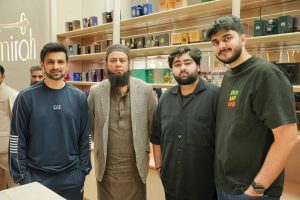
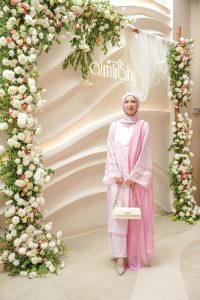
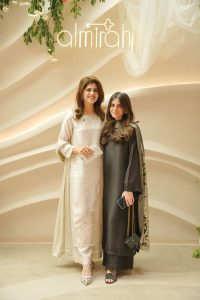
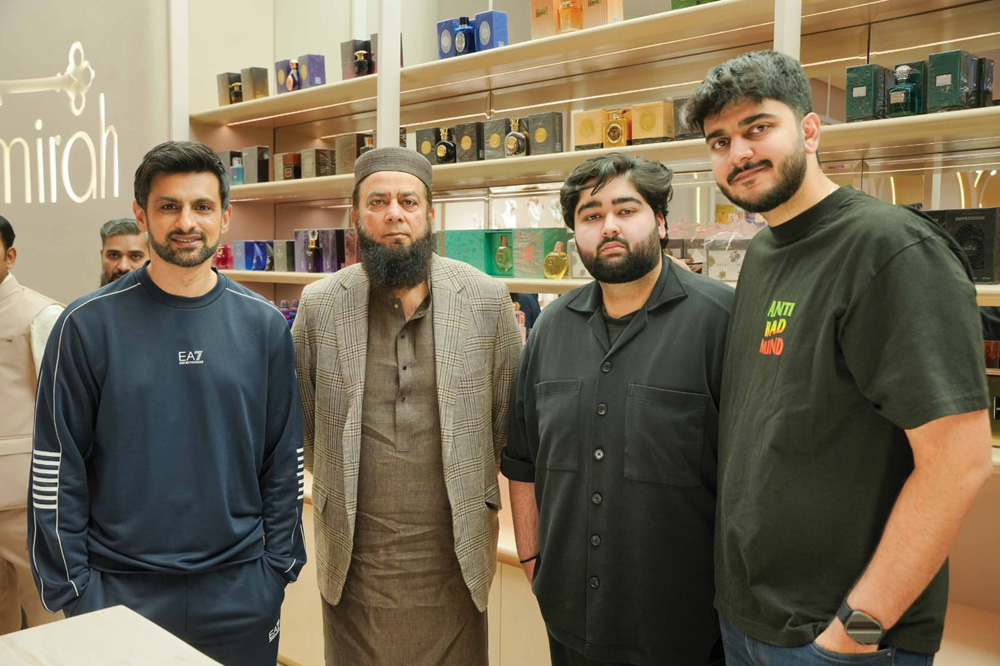
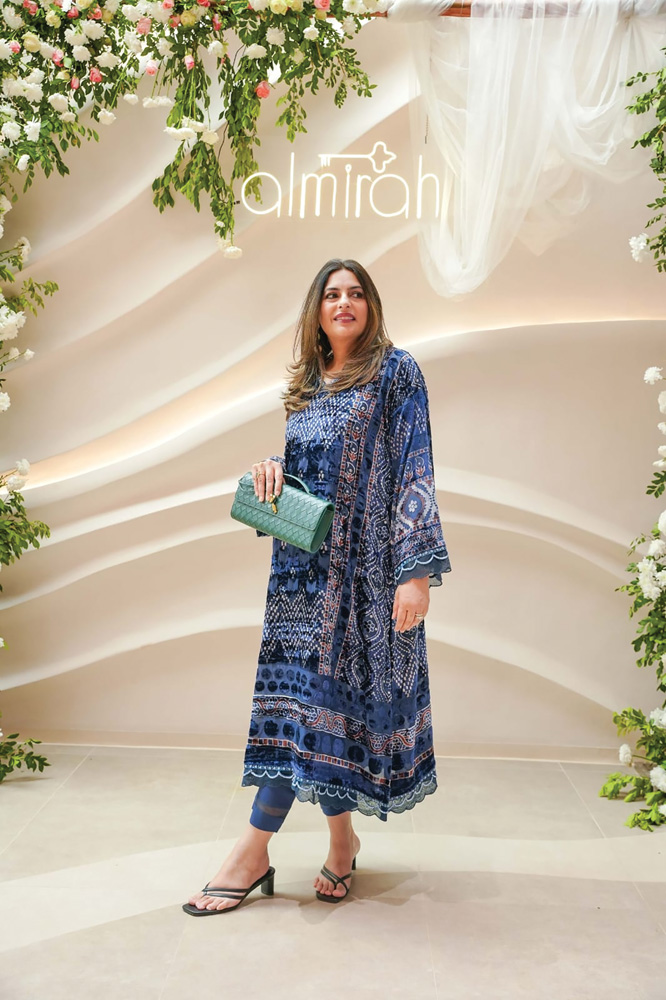
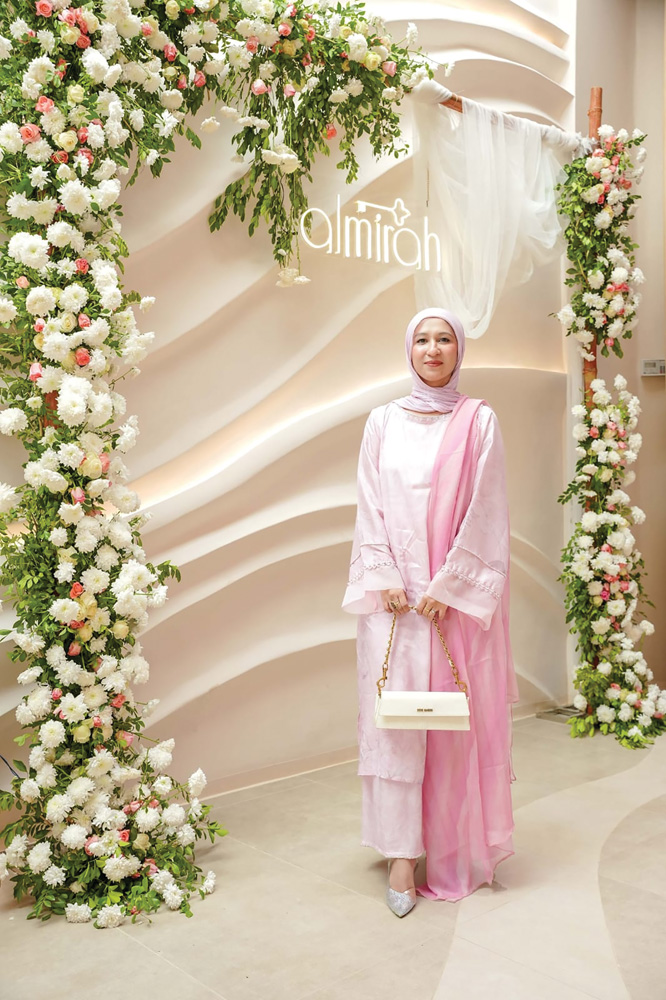
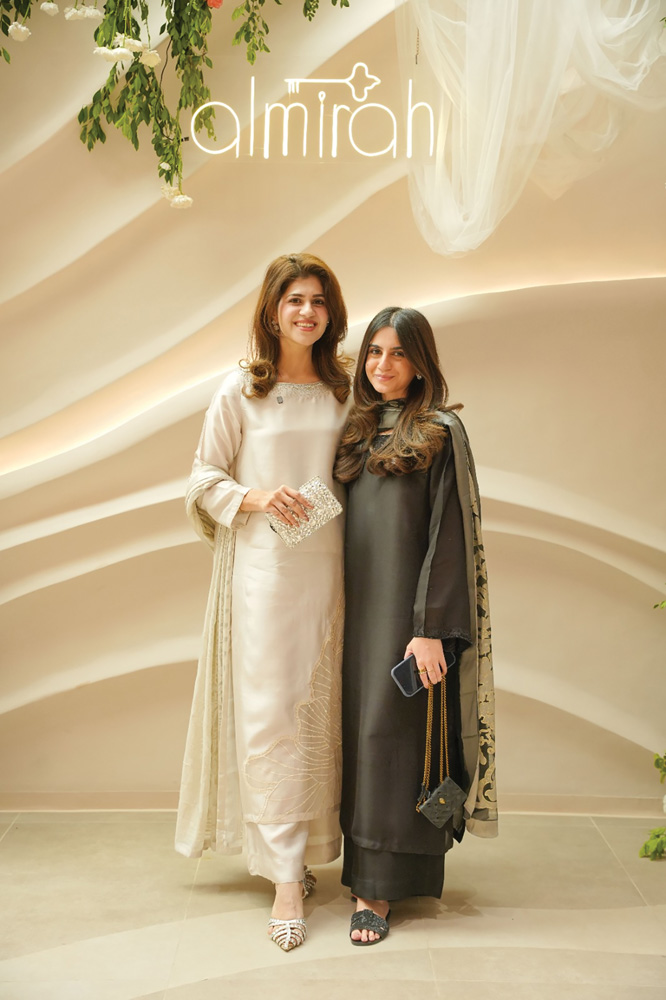
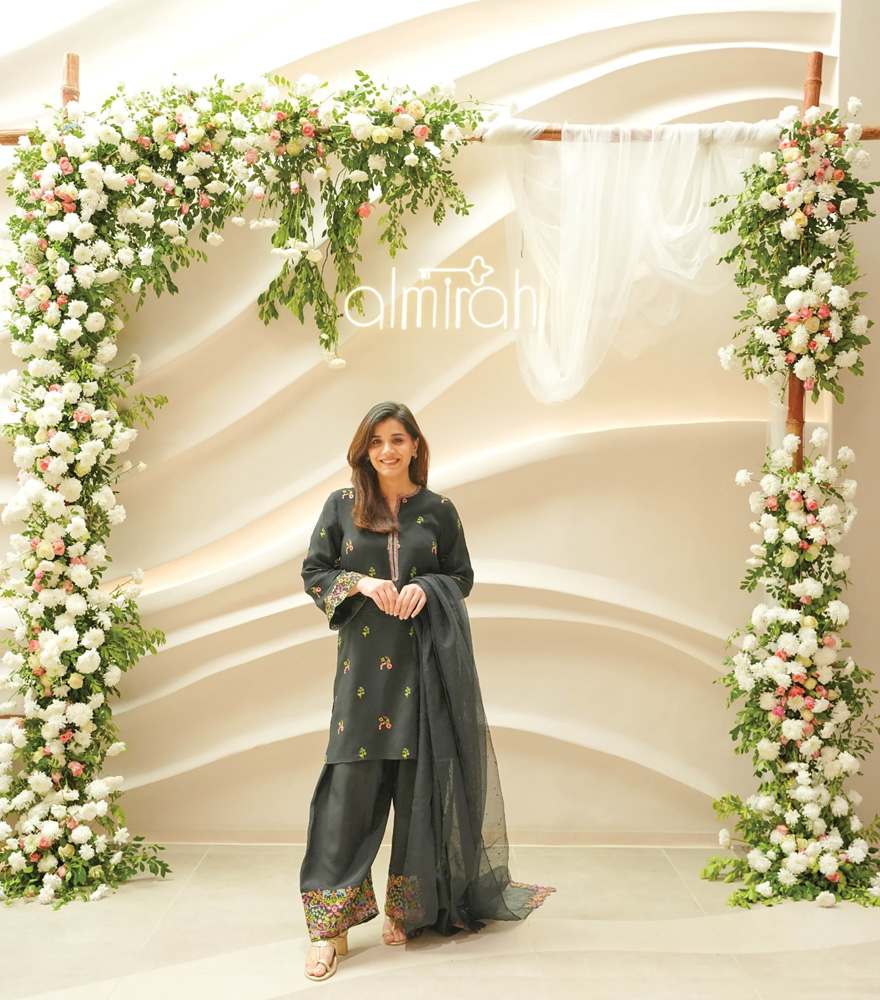
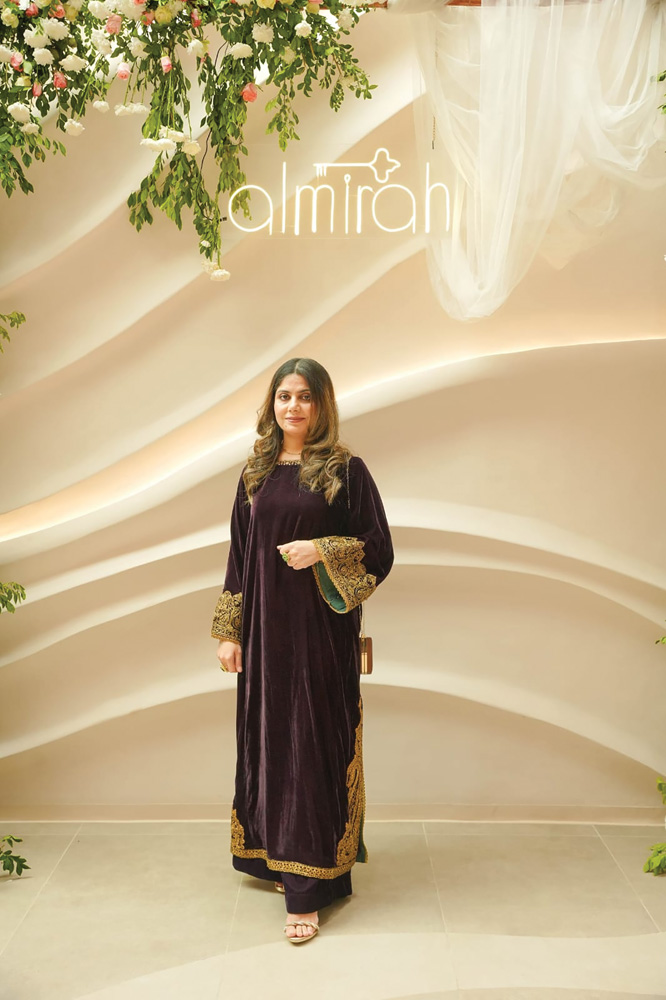
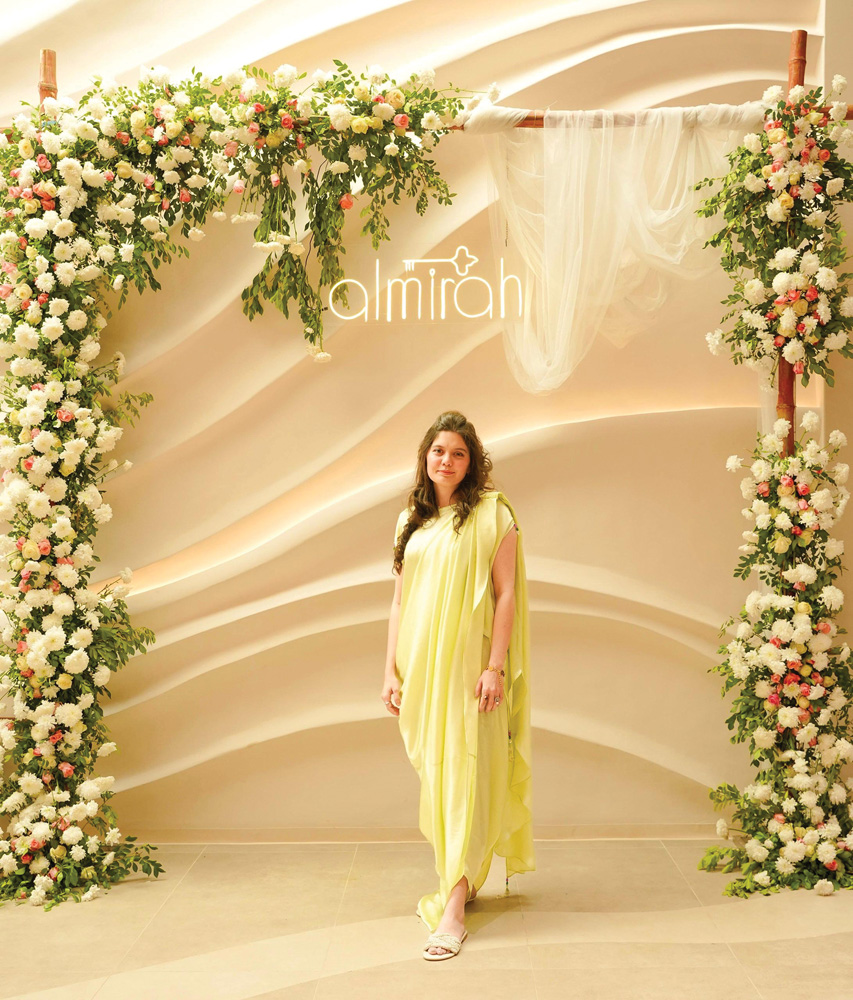
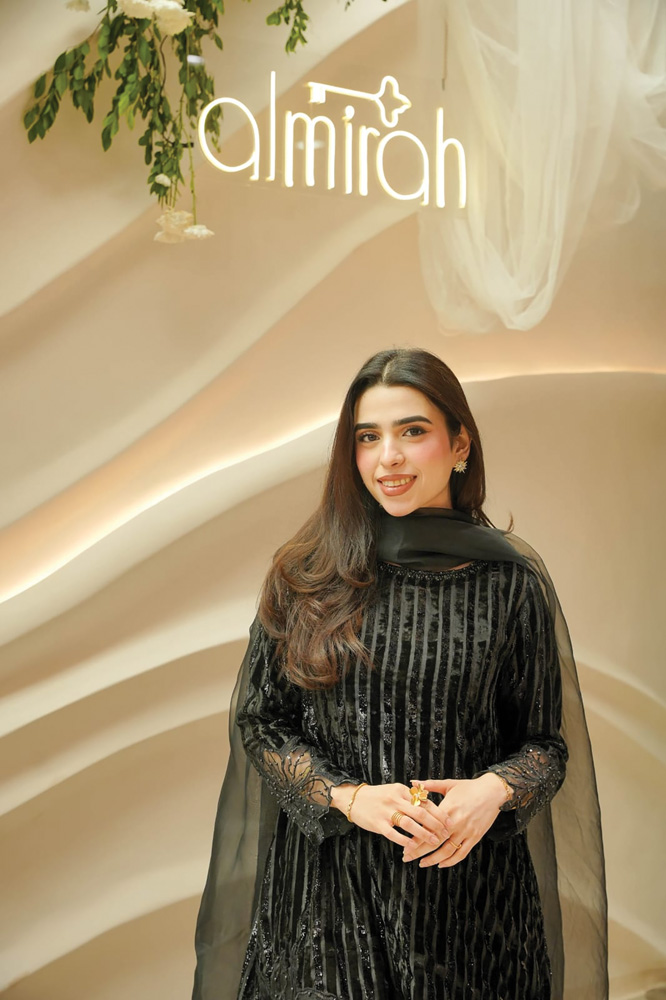
Karachi celebrated the launch of State of the Art Almirahs’ new clothing store at Lucky One Mall. The stylish evening was attended by top influencers, showbiz stars, sports personalities, and the city’s social circle. The launch event and PR were impeccably managed by TAKELL Events & PR.


Where Craft Meets Legacy; Defining Pakistani Beauty for Over Four Decades

Few names in Pakistan’s beauty industry carry the kind of legacy, trust, and artistic authority that Nighat Misbah does. As the Director and Creative Head of Depilex Group, she has shaped generations of makeup artists, set bridal trends, and transformed Depilex into a powerhouse synonymous with timeless beauty and professional excellence.

In this exclusive conversation, she opens up about her creative evolution, winter bridal trends, long-lasting glam, and what truly defines the Depilex bride today.

Depilex has shaped Pakistan’s beauty industry for decades. How do you continue reinventing your creative vision year after year?

The secret is to simply keep pushing yourself out of your comfort zone and focus on creating unique concepts. I have been heading the group’s creative direction for decades, and I can’t think of a year where my team and I haven’t pushed our boundaries to experiment with new techniques, materials, and trends. It’s been a tremendous journey, and I look forward to the future.

How would you describe the Depilex bride today? What defines her look and attitude?

The Depilex Bride embodies a modern elegance that feels effortless yet impeccably refined. She favours makeup that enhances her natural beauty — luminous skin, softly sculpted features, expressive eyes, and lips that balance grace with confidence. She is empowered, modern yet culturally rooted, timeless yet trend-aware, and elegant without effort.

Winter weddings are around the corner — what makeup trends will take the spotlight this season?

Winter trends focus on making the skin the star of the show. Think very dewy, soft foundations and bases, with hints of warmth added through eyeshadows, blushes, and bronzers.

What colour palettes work best for winter brides, especially for Barat and Walima?

Both events have distinct colour stories. Baraat brides lean towards bolder, warmer tones — reds, browns, and golds. Walima looks, on the other hand, are softer and more neutral with shimmery peaches, nudes, and subtle metallics.

Skin prep becomes tricky in colder months. What essential skincare steps should brides follow before their makeup?

Skin prep is everything — it’s like laying the foundation of a skyscraper. The better the prep, the stronger what you build on top. I identify the client’s skin type and select a cleanser, toner, serum, and moisturiser based not only on her skin condition but also on the event timing, weather, and duration. I focus on prep as much as the makeup itself.

Glowing skin is a signature bridal trend. How can brides achieve a luminous finish without looking oily or heavy?

Many people overload on creams and highlighters, which makes everything feel heavy. True luminosity comes from prep. A hydrating serum and moisturiser, paired with a strobe primer, are usually all you need for that radiant, weightless glow.

What is one makeup mistake winter brides commonly make, and how can they avoid it?

Winter brides underestimate how dry and textured their skin becomes. Makeup alone can’t fix that — it actually makes things worse.
A. Hydrate: Start days before. Use HA/ceramides, drink more water, and apply a richer night moisturiser.
B. Exfoliate gently: 2–3 days before.
C. Use a nourishing mask: A sheet mask on the morning of the wedding boosts moisture.
D. Choose a winter-friendly base: Avoid overly matte foundations; opt for breathable, hydrating formulas like the MM Ultrawear Flawless Foundation.
E. Prep the lips: Lip scrub + balm are essential.

Bridal makeup needs to last 10–12 hours. What longevity tips or products do you swear by?

I rely on Masarrat Makeup Silk Foundation, a good setting spray like the waterproof one from Charlotte Tilbury, and Masarrat Misbah Liquid Lipsticks. I also send clients home with the lip colour they’re wearing, along with a balm and facial mist for touch-ups.

From soft glam to bold reds — what lip looks will dominate this winter season?

Burgundy lips are trending and beautifully complement our skin tone. For softer looks, muted mauves paired with brown liners, nude or pink lips, and a touch of gloss will be very popular.

How important is personalisation in bridal makeup, and how do you tailor each look?

Consultation is everything. I take time before every appointment to understand the bride’s event details, outfit, preferences, hair condition, and skin type. Many artists skip this step, but it’s essential to creating a truly customised bridal look.

Depilex has trained countless professionals. What qualities define a great makeup artist today?

At the Depilex Institute, launched in 1980, we offer international qualifications unmatched in Pakistan. The qualities that stand out for me are humility, lifelong learning, and professionalism. No matter what you achieve, you must remain grounded and committed to growth.

What advice would you give brides who want to stay timeless yet still embrace trends?

No matter what’s trending globally, it has to work for you. Always book a consultation with your makeup artist before the big day — that conversation shapes the perfect balance of timeless beauty and contemporary flair.

Known for crafting visually rich and emotionally resonant wedding experiences, Haleema Sadia Riaz, the visionary behind Lively Events, has established a signature aesthetic rooted in warmth, artistry, and meticulous detail. From handcrafted installations to deeply personalised design narratives, her work reflects a rare blend of creativity, authenticity, and heart.

In this exclusive conversation with Good Times Magazine, Haleema opens up about her process, inspirations, challenges, and the magic behind some of her most celebrated setups, including the unforgettable Garden of Vows.

Lively Events is known for its warm aesthetic and visually rich setups. How did this signature style develop over the years?

The signature style grew naturally from my love for creativity. My mother was incredibly artistic, and I grew up watching her create beautiful pieces. That early exposure shaped my eye for detail, and over the years, those influences evolved into the aesthetic Lively Events is now known for.

How would you describe the ethos behind Lively Events in three words?

Creative. Authentic. Quality-driven.

How do you approach understanding each couple to make their wedding truly unique?

I aim to give every client a bespoke experience, one that’s completely tailor-made for them. I focus on their personalities, preferences, and the emotions they want to share, so every detail feels personal and unlike any other event.

Can you walk us through your creative process for “Garden of Vows” — from initial concept to final execution?

For “Garden of Vows,” the bride gave us full creative freedom, so we envisioned an event completely immersed in floral artistry. We hand-crafted 50,000 individual flowers, painted them in our chosen palette, and mounted each on laser-cut styrofoam bases. The production took 30 days — a true labor of love. The craftsmanship was exceptional, and the final result was breathtaking, leaving guests in awe.

What inspired the choice to handcraft 50,000 flowers instead of using ready-made ones?

We handcrafted them to achieve the exact size and shade we envisioned — something ready-made simply couldn’t match.

If you were to recreate “Garden of Vows” today, would you do anything differently?

I would incorporate kinetic props, which were part of our initial plan. Due to certain constraints, we had to exclude them, but they would have added an extra layer of movement and magic to the experience.

What were the biggest challenges in executing such an elaborate floral setup?

The biggest challenges were the extended production time and safely transporting fragile props, ensuring every detail remained flawless.

Were there any eco-friendly or sustainable practices you incorporated in this event?

Yes, we prioritized sustainability by repurposing décor, using long-lasting materials, and carefully minimizing waste throughout the event.

How involved were the couple in the design process, and how did that collaboration work?

The bride gave us complete trust and creative freedom, allowing us to explore our vision fully. That level of confidence and collaboration made it possible to create an event that was both unique and a huge success.

How do you ensure your events leave a lasting impression on both clients and guests?

We treat every client like family and craft each event as our own. That personal care naturally leaves a lasting impression.

What role does storytelling play in your event designs?

Storytelling is at the heart of our designs, turning each couple’s journey and emotions into a personal, unforgettable experience.

What advice would you give to couples planning their weddings in peak seasons?

Book early and confirm vendors ahead of time, as peak seasons fill up fast. Early planning ensures a seamless, stress-free celebration.

What sets Lively Events apart from other event planners in Pakistan?

We stand out by prioritizing quality over quantity and crafting each wedding as a unique, original creation rather than simply following trends.

What budget-friendly décor choices do you recommend that still create a luxurious effect?

Choosing a naturally scenic outdoor venue lets the surroundings do the work, making it easy to transform into a stunning wedding space without overspending.

And finally — what is one timeless piece of advice you’d give to every bride and groom planning their big day?

Stay true to your vision and enjoy the process. Your wedding should reflect your story and personalities, not trends or external pressures.

As the season of celebration dawns, Zaha unveils ‘Gossamer ’25’ — an unstitched wedding festive collection that captures the essence of romance, artistry, and timeless grandeur. Each ensemble is a dream woven on a delicate net canvas, shimmering with embroidered sequins, pearls, and tinsel that glimmer like sunlight over still water.

Designed for moments that linger — from sunlit mehndis to moonlit vows — every piece flows with ethereal grace, celebrating the beauty of tradition reborn through modern elegance.

Bathed in a serene yet celebratory palette of sunshine yellow, lime green, ice blue, pistachio, ivory, and rose pink, Gossamer ’25 is an ode to joy, emotion, and luminous femininity. Each hue tells a story — of new beginnings, radiant love, and the quiet power of grace.

‘Gossamer ’25’ is more than a collection; it is a celebration of womanhood — a canvas of color and craft, and a whisper of dreams brought to life for the wedding season!

Sarah Ali Zahid, one of the Directors of Damas Pakistan brings her refined eye to the world of bridal jewelry. She walks us through selecting pieces that elevate your bridal look — from timeless classics to modern heirlooms that shine with meaning and elegance.

With the winter wedding season in full swing, what jewelry trends are you seeing brides gravitate toward this year?

Statement chokers and dramatic earrings, particularly jhumkas, are having a moment this bridal season. There’s also a beautiful shift toward sentimentality, with many brides choosing to reimagine heirloom pieces from their mothers and grandmothers, giving them a modern, personal twist.

Our new bridal campaign, Silsila celebrates this very idea- heirlooms are living legacies. Each piece carries the echoes of those who came before, embodying emotions and memories, and evolves with every wearer, moving through time and telling a story that is uniquely yours.

How can brides choose jewelry that complements the deeper hues and luxurious fabrics often seen in winter bridal wear?

I don’t really believe in tying bridal jewellery to specific seasons. I always encourage investing in pieces that transcend trends, as these are the ones that stay with you for a lifetime and often become cherished heirlooms. Timeless gold jewellery enhanced with polki diamonds and emeralds is a choice that never goes out of style.

What are your top tips for layering jewelry elegantly without overpowering the overall bridal look?

Honestly, it really depends on the look the bride wants to achieve. For the best kind of layering, if she’s going all out with a jhoomar and tikka or matha patti, I recommend pairing a small choker with a larger mala and medium-sized earrings. The biggest faux pas is trying to do it all at once—statement earrings, statement choker, statement mala, and oversized jhoomar and tikka—it ends up looking overwhelming rather than elegant.

Gold or diamonds — what’s taking the spotlight this season, and how can brides strike the right balance between tradition and modernity?

With gold prices on the rise and more people recognizing its value as a sound investment, we’re seeing a surge in gold and white gold bridal pieces this season. For the perfect balance, the most important factor is the bride’s personal style. Whether traditional or modern, the pieces must reflect her individuality, otherwise the look simply doesn’t work.

What timeless jewelry pieces do you believe every bride should invest in — ones that remain relevant long after the wedding?

A beautiful gold mala is incredibly versatile, it pairs effortlessly with traditional outfits as well as saris. Add statement diamond earrings, a delicate diamond string, and a tennis bracelet, and you have the essentials. That said, I always stress that a bride should also invest in small, everyday gold or diamond pieces. Bridal jewellery only comes out a few times a year, but everyday pieces are worn and cherished far more often

Many brides are now opting for personalized or custom pieces. How does Damas cater to that growing demand?

At Damas Pakistan we offer every kind of customization and pride ourselves on being completely flexible. Our approach is simple: give clients exactly what they want. If brides wish to mix and match our designs or change the stones or size, we make it happen. It’s your big day, and we’re here to ensure your jewellery is as perfect and as YOU as possible.

How can brides care for their jewelry before and after the wedding to keep it sparkling for years to come?

It’s very very simple! The most important thing to do is to wrap each piece individually in tissue paper or a soft, lint-free cloth and store them in an airtight container in a cool, dry, moisture-free place. I also recommend taking your jewellery to your local jeweller for a professional clean once a year. Please avoid washing your pieces at home, as detergents and home cleaning methods often damage jewellery.

If you could give one key piece of advice to upcoming brides choosing their jewelry for this winter season, what would it be?

Please, please, please pick jewellery that speaks to you—not your mother, not your aunt, not even your husband. It’s your look, your day, and it should reflect your personal style. Don’t chase trends blindly; what works for an influencer or on social media might not suit you. Focus on what truly complements your features and reflects your individuality. Authenticity always shines through—and it’s that genuine sense of style that makes the final look unforgettable.

Hifsa Khan, the visionary behind Hifsa Khan Salon, shares her expert advice on achieving flawless bridal beauty this winter wedding season. Known for her timeless aesthetics and signature glow, she reveals how brides can keep their makeup fresh and radiant despite the chill.

What are the top makeup trends you’re seeing for winter brides this season?

This time our focus is on Frost-Kissed Radiance such as ultra-luminous ‘glass skin’ paired with dramatic, rich Berry Lips for a bold romantic statement. Eyes would illuminated with soft, icy shimmer like champagne or soft silver or gold, mimicking inspired by our newly introduced in our Bridal Beauty Edit 2025 as HKS Lumiere & HKS unfiltered.

How does the cold weather affect bridal makeup, and what are your best tips to ensure the look stays flawless all day?

The cold and indoor heating cause dehydration, leading to flaky skin and dull makeup. My tip is to swap all powders for cream-based foundations and blushes and use a heavy-duty, long-wear setting spray to lock in hydration and prevent cracking.

What are the three most important services every bride should get from your salon before her big day?

My prior recommendation would be HKS Hydrating Facial Range, tailored to your skin type based on our comprehensive Skin Spectrum Analysis, will give you that radiant glow. Second , Our Hair Nourishment Treatment, customized according to your hair scalp analysis, will give your locks the strength and shine they deserve. Lastly HK’s Laser Treatment is a must for flawless skin prep, avoiding damage from polisher or waxing.

Can you share a few winter-friendly products or formulas that help achieve that perfect bridal glow?

Incorporate Hyaluronic Acid Serum under your primer for maximum hydration lock. Use a cream or liquid highlighter mixed into your foundation, or a nourishing facial oil patted on high points for that ‘lit-from-within’ sheen.

What’s one makeup mistake brides should absolutely avoid before their wedding?

The biggest mistake is experimenting with a totally new skincare product or treatment in the final month. It risks unexpected irritation, allergies, or breakouts right before the big day. Stick to your proven routine.

Wihich color tones and styles do you predict will dominate this bridal season?

Rich jewel tones like deep, espresso brown, and classic gold will dominate the eyes for warmth. The style will be Soft Matte Glam—luminous skin paired with softly diffused colour for a look that’s striking but not harsh.

How important is skin prep before makeup, and what kind of routine do you recommend?

Skin prep is 70% of the flawless final result; makeup only perfects the canvas. The night before, cleanse, apply a Hydrating Sheet Mask, and use a rich Occlusive Night Cream to seal in moisture.

What are the four must-have products a bride should keep in her pouch or clutch throughout her wedding events?

So if you’re HKS bride, we facilitate every bride of ours with a Touch-up pouch that includes Lipstick, a small pot of Concealer & compact powder for spot-corrections, HK beauty blender, lash glue, mints & cotton buds to ensure a bride has all the essentials with her for makeup touch-ups after her shoot.

How do you help brides find the right balance between traditional glamour and modern elegance?

I choose one Traditional Anchor and pair it with a Modern Technique—the flawless, dewy, contoured base & luminous eyes. This fusion honours heritage while ensuring the look feels fresh and timeless.

Finally, what advice would you give to winter brides to feel confident, camera-ready, and truly themselves on their big day?

Trust your preparation and stay present. The best confidence comes from knowing you’ve hired the right team; relax, surrender to the joy, and let your genuine happiness be the most beautiful glow.

Bringing global fashion closer to home, About The Fit by Saleha Ali is an online shopping platform that connects style enthusiasts in Pakistan with the finest picks from the USA – delivered straight to their doorstep in just four weeks.

Founded by Saleha Ali, a New Jersey-based entrepreneur with over a decade of experience in the fashion and retail industry, the brand has built a loyal clientele through trust, quality, and personalized service. With a sharp eye for trends and an unwavering commitment to customer satisfaction, Saleha continues to bridge continents, one stylish order at a time.

Saleha, tell us about the inspiration behind *About The Fit by Saleha Ali*.

After my internship at Deloitte Singapore, I realized something for sure: the corporate world wasn’t for me. As a LUMS accounting and finance graduate, I had the skills to climb the ladder—but not the passion. I wanted to build something of my own, just like my father and grandfather did. Even during university, I was earning a steady income as a content writer on Upwork, which gave me the confidence to take risks.

That’s when About The Fit was born—not as a fashion label, but as a beauty gateway. I saw how hard it was for people in Pakistan to access top-tier US beauty brands, and I knew I could change that. Today, I help customers get their hands on cult-favorite cosmetics and skincare products—delivered straight from the US to Pakistan within just four weeks.

This isn’t just a business. It’s a movement for beauty lovers who refuse to settle. If you’ve ever wanted that viral lip gloss, that sold-out serum, or that exclusive palette—About The Fit is your shortcut to the global beauty scene.

You’ve been in the business for over 10 years — that’s quite an achievement!

How has your brand evolved over the years, and what key moments have defined your journey?

Over the past 10+ years, About The Fit has evolved with every wave of digital change. We started as a simple e-commerce website, but as media trends shifted, so did we—moving from static product photos to dynamic social content, from curated feeds to viral reels, and now to personalized product unboxings that connect directly with our audience. Each step has brought us closer to our customers, turning beauty delivery into an experience. This journey isn’t just about selling—it’s about staying ahead, staying real, and building a brand that grows with the people it serves.

Your tagline, “Everything from USA to Pakistan in 4 weeks,” says it all.

How do you ensure smooth logistics, quality assurance, and timely deliveries across continents?

Logistics is hands down the most complex part of what we do. Every order we handle is unique—no bulk shipments, no shortcuts. Each product travels over 7,500 miles from the U.S. to Pakistan, tailored to individual customer requests. What makes it work? Meticulous planning. From sourcing to packaging to final delivery, every step is mapped out with precision to ensure quality, speed, and reliability. That’s how About The Fit lives up to its promise: delivering the most-wanted U.S. beauty products to your doorstep in just 4 weeks—without compromise.

Being based in New Jersey while catering to clients in Pakistan must come with its own challenges.

What has been your biggest learning experience managing *About The Fit by Saleha Ali* internationally?

Managing About The Fit from New Jersey while serving clients across Pakistan has been a masterclass in commitment. The time difference is no joke—I haven’t slept a full six hours in years. But that’s the reality of running a customer-first business across continents. Whether it’s responding to late-night queries, tracking shipments, or sourcing the latest beauty must-haves, I’ve built this brand on relentless dedication. That kind of hustle is what sets About The Fit apart: when you order from us, you’re not just getting exclusive U.S. products—you’re getting a founder who’s awake, alert, and obsessed with delivering excellence.

Tell us about the kind of products and brands featured on *About The Fit by Saleha Ali*.

How do you decide what makes it to your platform?

Our platform features high-end makeup, branded shoes, and designer bags from the most coveted global labels. I personally track every major launch, every limited-edition drop, and every seasonal sale to make sure my clients get first access to the best deals. Whether it’s a viral lipstick from Sephora or a must-have handbag from Nordstrom, I handpick each item with care and authenticity. If it’s trending, trusted, and worth the hype—it’s on AboutTheFit. That’s how we turn beauty cravings into fast-moving, satisfaction-guaranteed deliveries.

Your clients often praise your reliability and personalized service.

What’s your secret to maintaining such strong customer relationships in an online setup?

The secret behind our strong customer relationships? It’s simple: authenticity, transparency, and heart. Every product at About The Fit is personally handpicked by me from trusted U.S. retailers like Sephora, Ulta, and official brand stores—never third-party sellers, never replicas. I keep every receipt, inspect every item, and pack each order myself. Then, my brother in Pakistan takes over to ensure safe, timely delivery. It’s a family-run process from start to finish, and that’s exactly how I see my customers—like family. That personal connection is everything. When someone comes back to order again, that’s when I know I’ve truly earned their trust. For me, it’s not about the first sale—it’s about building a relationship that lasts.

With fashion constantly changing, how do you balance American trends with Pakistani tastes when curating your collections?

Fashion is always evolving, and curating collections that resonate across borders is both an art and a strategy. At About The Fit, I stay deeply tuned into American trends—tracking launches, seasonal styles, and viral moments from retailers like Sephora, Nordstrom, and Ulta. But I also understand the pulse of Pakistani tastes: what’s wearable, what’s aspirational, and what fits our cultural vibe.

My goal is to bridge both worlds. I select products that are globally loved but locally relevant—whether it’s a universally flattering lipstick shade, a designer bag that elevates eastern wear, or shoes that blend comfort with statement style. I also listen closely to my customers, noting what they repurchase, request, and rave about. That feedback helps me refine every drop.

It’s not just about trends—it’s about translating them. And that’s how About The Fit delivers fashion that feels fresh, familiar, and always a step ahead.

Social media, especially Instagram, plays a major role in your business.

How has digital presence helped you grow and connect with shoppers globally?

Social media—especially Instagram—has been the heartbeat of About The Fit. It’s where my brand lives, breathes, and connects. From showcasing new launches and exclusive deals to sharing behind-the-scenes moments and customer unboxings, Instagram has helped me turn a small beauty venture into a trusted global platform.

It’s not just about posting—it’s about building relationships. I use stories, reels, and DMs to engage directly with shoppers, answer questions, and offer personalized recommendations. That real-time connection builds trust and keeps customers coming back.

Instagram also allows me to stay ahead of trends and respond instantly to what my audience wants. Whether it’s a flash sale, a viral product, or a restock alert, I can reach thousands within seconds. That kind of visibility is priceless—and it’s helped me grow a loyal community that feels more like family than followers.

As a woman entrepreneur running a cross-border business, what advice would you give to others who dream of starting something of their own?

As a woman entrepreneur running a cross-border business, my biggest advice is this: don’t wait for permission—create your own path. There’s no shortcut to success, and yes, the journey is demanding. But you don’t have to choose between ambition and home. The real magic lies in balancing both. I’ve built AboutTheFit while managing household responsibilities, sleepless nights, and the pressure of international logistics—and I wouldn’t trade it for anything. Working as a woman isn’t just about income—it’s about feeling empowered, appreciated, and truly valuable. If you have a dream, chase it with grit and grace. Your mark isn’t something you wait to make—it’s something you define, unapologetically.

Looking ahead, what’s next for *About The Fit by Saleha Ali*?

Are there any exciting new categories, collaborations, or expansions on the horizon?

The future of About The Fit by Saleha Ali is all about scaling with heart and staying true to what our customers love. We’re expanding beyond high-end makeup, shoes, and bags to introduce new categories that reflect our clients’ evolving lifestyles—think skincare essentials, wellness picks, and curated fashion finds that blend U.S. trends with Pakistani flair.

I’m also exploring exclusive collaborations with U.S.-based brands to bring limited-edition products directly to my audience in Pakistan—items you won’t find anywhere else. And as demand grows, we’re working on streamlining our logistics even further to reduce delivery times and enhance the unboxing experience.

But most importantly, I’m committed to keeping About The Fit personal. Every product will still be handpicked by me, packed with care, and delivered with the same family-run warmth that built this brand. We’re not just expanding—we’re evolving, and I can’t wait to bring our community along for the ride.

Rooted in the philosophy that modesty is not a compromise but a statement, Jannataan emerges as a sanctuary of luxury modestwear. Seamlessly blending couture craftsmanship with serene sophistication, the brand redefines elegance for the modern woman —– one who carries faith and fashion in graceful harmony.

In this exclusive conversation with Good Times Magazine, Ayesha Imran the creative force behind Jannataan shares the story, vision, and essence of a label that’s quietly revolutionizing modest fashion across the globe.

“Two heavens. One expression of timeless elegance.” — Jannataan’s tagline itself feels deeply poetic. Tell us about the story behind the name and the vision that brought this brand to life.

The name Jannataan draws from Jannat, the Arabic word for paradise. It represents serenity, beauty, and purpose. “Two heavens” reflects the dual essence of every woman — her inner world of faith and her outer world of expression. Jannataan was created to harmonize the two, offering modestwear that feels empowering, sophisticated, and emotionally meaningful.

Jannataan redefines modestwear by merging tradition with couture sensibility. What inspired you to blur the lines between modesty and high fashion?

Jannataan was founded on the belief that modesty and luxury are not opposites — they are complementary. The brand was inspired by women who value grace as much as individuality. By merging traditional silhouettes with couture craftsmanship, Jannataan transforms modestwear into a refined expression of contemporary elegance.

The brand’s silhouettes are fluid yet structured, embodying both grace and power. How do you approach the creative process of balancing softness with strength in your designs?

Every Jannataan design is guided by duality — fluid fabrics symbolizing femininity and structured tailoring representing strength. The creative process focuses on achieving harmony between movement and form. This balance ensures that each piece captures the essence of the modern woman: poised, powerful, and graceful. These designs are something that are easier for the woman of the future.

The craftsmanship and fabric choices in your collections speak volumes about attention to detail. Could you share the thought process behind your material selection and design philosophy?

Jannataan’s design philosophy is rooted in timeless refinement. Each fabric is chosen for its texture, flow, and ability to reflect light with subtlety — from soft silks and crepes to fine linens and blends. Every stitch and embellishment is purposeful, ensuring that craftsmanship becomes part of the brand’s visual language. The focus is always on creating pieces that feel as beautiful to wear as they are to behold.

Jannataan positions modestwear not as a limitation but as a statement. How do you think this perspective is reshaping the narrative around modest fashion globally?

By reimagining modestwear as a form of quiet luxury, Jannataan contributes to a global shift in perspective. Modesty is no longer seen as a constraint; it’s viewed as choice, identity, and empowerment. This evolving narrative celebrates women who express strength through subtlety, proving that elegance need not be loud to be powerful.

From flowing abayas to tailored jackets and signature scarves, each piece tells its own story. What emotions or experiences do you want women to feel when they wear Jannataan?

Every Jannataan creation is designed to evoke confidence, calm, and connection. The brand’s intention is for women to feel both grounded in their values and elevated in their presence. When wearing Jannataan, one should feel the quiet assurance that comes from authenticity and self-awareness.

Luxury modestwear is gaining prominence worldwide. How do you see Jannataan contributing to this global movement, and where do you envision your brand in the next few years?

Jannataan aspires to be a leading voice in global luxury modestwear. The brand’s vision is to bridge cultural heritage with contemporary sophistication, resonating with women across borders. In the coming years, Jannataan aims to expand internationally through curated showcases, global collaborations, and timeless collections that honor its ethos of grace and refinement. We are focusing on expanding Jannataan primarily in Middle Eastern countries, Europe, and Asia.

Fashion today is as much about identity as it is about style. How does Jannataan celebrate individuality within the framework of modest design?

At Jannataan, individuality is celebrated through subtle expression. Each piece is thoughtfully designed to adapt to a woman’s personal aesthetic — versatile, refined, and distinct. The brand’s philosophy emphasizes that true individuality lies in how one carries grace, not in how much one reveals.

The brand embodies serenity, sophistication, and self-assurance. How do these values translate into your creative direction and visual storytelling?

Jannataan’s visual identity reflects a world of calm elegance — muted tones, clean lines, and purposeful imagery. Each campaign focuses on storytelling that highlights strength through stillness. The brand’s creative direction embraces minimalism not as absence, but as intention — where every detail carries meaning.

As the face behind Jannataan, what does modesty personally mean to the brand, beyond fashion?

For Jannataan, modesty is a philosophy of being. It signifies inner peace, dignity, and balance. Beyond garments, it’s reflected in how the brand approaches design, communication, and experience — with thoughtfulness and integrity. Modesty, to Jannataan, is the truest form of sophistication.

You’ve positioned Jannataan as a new era of luxury modestwear. What challenges did you face while introducing this concept, and how did you turn them into opportunities?

Introducing luxury modestwear required redefining perceptions — showing that modest fashion can be aspirational, contemporary, and artistically relevant. The challenge became an opportunity to innovate and elevate modestwear through design, storytelling, and craftsmanship. Today, those same challenges have shaped Jannataan’s identity as a brand that leads with purpose and poise.

Finally, what can we expect next from Jannataan — any upcoming campaigns, international showcases, or collaborations our readers should be excited about?

Jannataan’s upcoming collection is the Wedding Edit. The brand is also preparing for an international showcase and a cross-disciplinary collaboration that blends art and couture. We have recently exhibited in Doha, Qatar. Each new chapter reaffirms Jannataan’s commitment to redefining modesty as timeless luxury.

Pin It