


The celebrity couple of the hour, Zara Noor Abbas and Asad Siddiqui, have arrived with their new movie Chhalawa. Sana Zehra catches up with them to talk about their success, while Arsalan Bilgrami captures them styling uber cool outfits from Zasimo, a multi-brand store that stocks authentic international brands such as New Look, Quiz, Vera Moda, Burton and Dorothy Perkins

What was it like growing up surrounded by art and visual storytelling?
The environment I grew up in is what developed my interest in the arts and also became the reason why I chose to study filmmaking. I’ve always felt that it all came quite naturally to me.
While you’ve always had central roles in drama serials, you will be playing second lead in your debut movie, Chhalawa. What made you sign the project?
The character I play is perhaps the most impactful one in the film and that’s what made me sign on the role.  Even though this is my first movie to be released, it’s the second I signed. I was quite delighted to be working with Asad. He is truly my reel and real life hero and to work with him has been a dream come true.

“The character I play is perhaps the most impactful one in the filmâ€
— Zara
What does stardom mean to you?Â
It’s all about talent. If you have it and hone it, you’ll definitely achieve your goals.
What kind of roles excite you as an actor?
Roles that challenge me and push me away from my comfort zone have always excited me.

What is the best advice on life, work or relationships that you’ve recieved from your mother?
My mother always taught me to never compromise on self-respect and always prioritise relationships over work.
Do you get time to nurture your relationship with yourself?
“My mother always taught me to never compromise on self-respect and always prioritise relationships over workâ€
— Zara
Well, not that often. I do however, make sure I visit my family in Lahore to unwind and reconnect with my roots before starting a new project.

One memorable moment from set ?
I don’t think I can pinpoint any particular moment. We’ve had a great time shooting the film and every moment has been memorable.
Would you ever consider getting directed by Asad?
Of course! I’d love to.
Critics have nothing but rave reviews for your acting. How hard did you have to work to achieve the appreciation?
Well, I’ve worked and danced even when I couldn’t get out of bed. I suffered chronic back pain in my teens and underwent regular physiotherapy for it. My doctors told me I’d be paralysed if I didn’t stop dancing. It’s been a long and trying road, but my dedication has paid off.
You’re a close-knit family despite being in the middle of a competitive industry. What’s the secret?
You just have to get your priorities straight and then all’s well.

Why should anyone watch Chhalawa?
Because it’s a great film. Period.
Future projects?
Can’t disclose right now.
One word for Paparazzi
Flashy
Ever endorse a fairness cream?
Never
Greatest joy
Family time
Favourite thing to indulge in?
Makeup
Your favourite fragrance
Elie Saab
Best ending (movie or book)
Titanic and Devdas. Timeless.
What’s the one thing you look forward to in your personal life?
Having a family
Least favourite household chore
Cleaning my cupboards
Do you feel connected to the characters you portray?
Yes, of course. I never accept a role that I can’t connect with.

Does moving on from one character to another require a lot of unlearning?
Yes, it does. But it’s easy for me to detach myself from a character once I’m done portraying it, so it’s not very complicated.
How do you define success for yourself?
Being respected by my fans, while remaining humble and grounded.
Is there a difference between being a “star†and an “actor?â€
Not really — I feel like these are just titles. It’s all about where your work takes you.

Would you ever consider writing? If yes, what genre?
No, I don’t think I’ll ever write. However, I’d love to produce.
What’s the worst question you’ve been asked about Chhalawa?
Luckily, nothing so far that I’d deem to be negative.
What’s your dream role?
I’d love to embody the role of someone fromthe medieval era, but in the armed forces. Perhaps a Viking, or someone from the Roman Empire.
“Nothing should get stuck to your head — things come and go. I’m glad that this understanding has made me a calm and easy-going personâ€
— Asad
What’s the most important lesson you’ve learnt so far?
Nothing should get stuck to your head — things come and go. I’m glad that this understanding has made me a calm and easy-going person.

Is there an offer you wish you would have taken but didn’t?
Nope, no regrets.
What’s the best thing Zara has told you after watching your work?
Zara once told me that she thinks I’m going to be the biggest actor in the world. She’s my wife so she says such things. I don’t really believe her.

How do you deal with criticism?
I don’t take it to heart. I come home, watch a TV show or spend time with my parents and that’s it. I brush off negative energy.
What was working with Zara like?
Zara is a phenomenal actress. She’s an amazing co-star and a real prankster.
What did you learn from the team on set?
“Zara is a phenomenal actress. She’s an amazing co-star and a real pranksterâ€
— Asad
Team Chhalawa consisted of a very spirited and talented group of people. It’s been a great experience learning the beauty of operating as one unit.
Millennials and masses relate well with you and Zara. Does that put pressure on you to be mindful of your public persona?
No pressure, we just like to portray who we really are.

What’s your motto?
Take it easy, every step of the way.
What’s the biggest different between Zara and your personalities?
I’ve accepted her as a very emotional girl and she’s accepted the fact that I’m not — that balance is working out great.
Tell us why we should watch Chhalawa?
Because its my film with Zara!
Last three things your credit card statement?
Netflix subscription, a pair of shoes and I don’t remember the third. Maybe fuel
Go-to shower song?
Thanday thanday paani say nahaana chahye! Gaana aye ya na aye gaana chahye!
Which one of the seven deadly sins are you guilty of?
Vanity
Any charities you’re associated with?
No fixed association yet, but I do what I can
Any superstition you believe in?
I believe in the evil eye
Your idea of a perfect date with Zara?
As long as Zara is there, it’s all I need
Favourite household chore?
Getting lights fixed
One thing every man should stay away from?
Bringing other people down
Coordination: Sana Zehra
Outfits: Zasimo
Zara’s hair & make-up: Hadi @ Nabila
Asad’s grooming: Nadeem William @ A-List
Stylist: Ehtesham Ansari
Jewellery: Allure by MHT
Photography: Arsalan Bilgrami @ a.bilgrami studio

Fans worldwide enjoy Spanish DJ and producer Danny Avila’s music. Cited as the ‘one to watch’ by Billboard magazine and MTV, he gives Haider Rifaat a glimpse into his music life

Tell us about your new song and its theme.
My most recent release Thinking About You is the first track from my new label NUMB3R5. I wanted to release it on my birthday because I’m able to express myself openly with this song. It encapsulates the sound I’ve been working on for the past two years.
Describe your DJ-ing style.
Good vibes. I just adore electronic music and am open to different genres. I suppose you can understand my style better after listening to my tracks and DJ sets.
When did you first connect with music?
As a teenager. I was obsessed and it wasn’t an option for me to not work in music. It’s all I ever wanted to do. The day I learnt how to produce, I didn’t want to stop.
You recently performed in Pakistan. How was the experience?
I had such a great time. Thanks so much to the crowd for being energetic. They seemed to have had as much fun as I did.
How are you managing such a tiresome touring schedule?
It takes getting used to, but I love it so much. I wouldn’t have it any other way. I enjoy meeting new people and seeing beautiful places. It’s a blessing.

“Tiësto is one of the greatest people in the music fraternity for sure. I have immense respect for himâ€
How do you keep up with your fast-paced life as a DJ?
By producing music that I want to listen to. Besides, I find some way to make my hectic routine fun. It may sound strange but it is true.
What does your music collection consist of ?
It comprises of tracks that I would want to hear on a night out or at the gym. I enjoy energetic music that relaxes me and makes me feel good about myself.
What key components do you consider while producing music ?
The details and sound of music on speakers. It’s good to keep that in mind.
What essential elements should a song have for it to be a masterpiece ?
A massive hook.
Which remixes do you usually play for a mass audience ?
It depends what kind of music I’m into that week.

What’s your go-to jam ?
I’m constantly playing my track Too Good to Be True with Machine Gun Kelly and The Vamps.
What was it like working with music legend Tiësto ? Â
As epic as I’d expected it to be. He is a real mentor. Tiësto is one of the greatest people in the music fraternity for sure. I have immense respect for him.
An artist you want to team up with in the future ?
There are many artists I’d love to work with, such as Post Malone. He is impressive.
What’s keeping you busy these days ?
Everything – I love to be busy. If I’m not on tour, I prefer working out or writing my new tune.
Is there an album in the pipeline ?
I’ll let you know if there is, but not at the moment. Right now, my prime focus is single releases in the club and commercial world with Sony Music.
Which performance of yours has been the most memorable ? Â
There are plenty; Tomorrowland, Airbeat One and Untold Festival. It feels great to perform for massive crowds.
Do you feel any difference performing at home versus abroad ?
Definitely. I think every country I go to has a different vibe.
What distinguishes Spanish music from mainstream music ?
Spanish music is very mainstream nowadays. There is Latin hype everywhere and Bad Bunny is just one example of a good Spanish artist.
How do you unwind ?
I love to wakeboard. I wish I had more time for it.
What are your plans for this year ?
Music, music and more music. So much stuff is yet to come that I can’t wait to share with you all.

Inspired by a philosophical concept of Jean-Jacques Rousseau that refers to self-love and true to Hira Ali’s aesthetic, the collection presents silhouettes that are modern, presenting fashion that does not limit wearers but rather creates a coming together of tradition, splendour and contemporary style.


Models: Zara Peerzada & Anushka Qizilbash
Styling: Haiya Bokhari
Photography: Maham Iqbal Bosan
Videography: Zain Abid
Jewellery: Jewelicious
Makeup: Saad Sami

With its uber cool hues and minimal designs, Carmin launches its all new Spring/Summer 2019 pret collection “Freyjaâ€. These chic clothes will make you stand out of the crowd and are definitely hot picks for the season


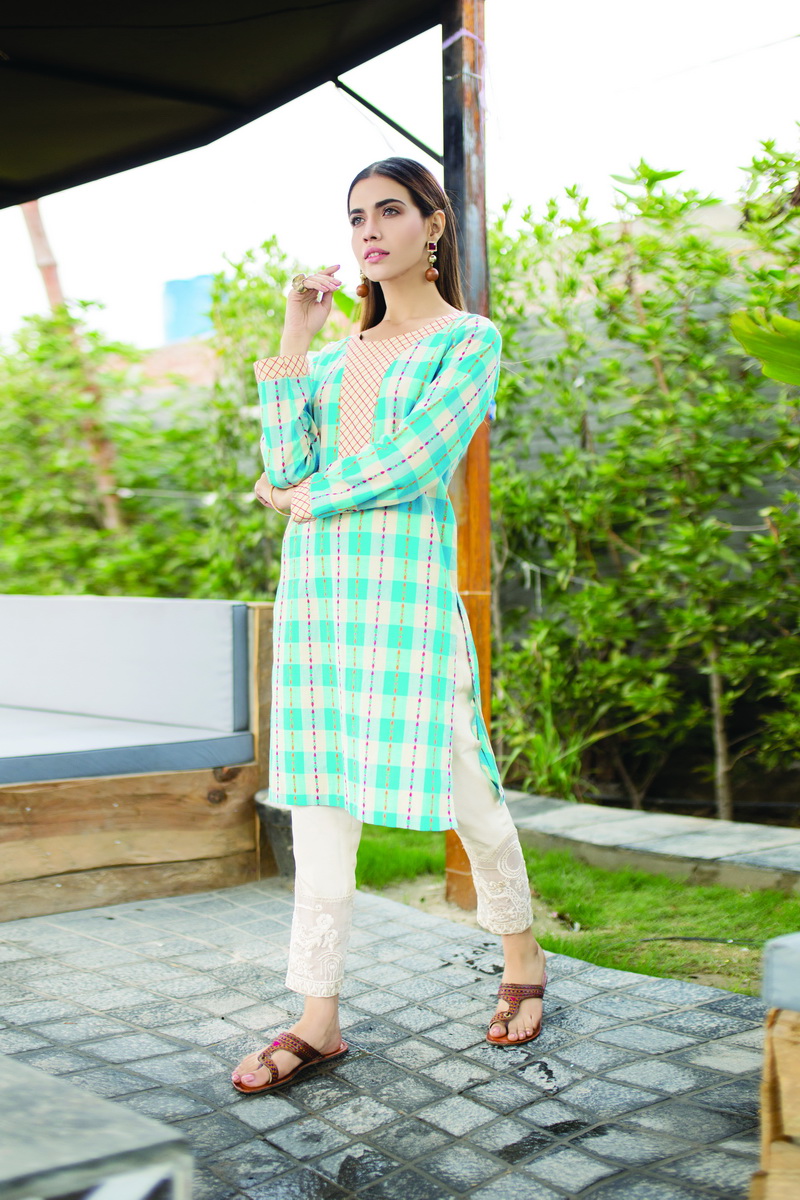


Photographer: Seemab Saqib
Model: Zara Hussain
Stylist: Mehek Raza Rizvi
Co-ordination: Centaur One
Makeup Artist: Umar Aziz


1. Low-Cal Delights
Our favourite fitness centre and gym, IronBox, has launched its own health bar—Daggy’s. All about breaking the norm when it comes to low-cal food, Daggy’s is committed to providing scrumptious, yet healthy, meals. FFrom whole-wheat beef burgers, to New York style chicken and rice platters or energy booster protein shakes, Daggy’s is the place to go.


2. For the Love of Art
Acclaimed Pakistani artist Imran Qureshi’s solo show titled “The Seeming Endless Path of Memory” has opened in Paris at the coveted Galerie Thaddaeus Ropac Paris Pantin. The title and the works on display echo words of Pakistani poet Faiz Ahmed Faiz, which are prevailing throughout Qureshi’s work. They reveal various social and cultural connotations and subtly reflect the threat of violence as a continuous motif. We are proud of our artists representing Pakistan abroad.

3. Our eye on Fashion
International design house Etro has captured our attention over the past few weeks through its very noticeable presence on various red carpets—from creative experimentation at the Met Gala to more traditional (yet inspired) looks for both men and women at the Cannes Film Festival 2019. We love how the brand has successfully imbibed old school motifs into forward-fashion. As their hashtag says, it’s definitely #EtroEverywhere

4. Cartoons with a Purpose
SOC Films, helmed by two-time Academy Award winner Sharmeen Obaid-Chinoy, has announced the launch of their latest animated series “Shattering the Silence,†which focuses on raising awareness about social issues faced by children in Pakistan today. This 4-part series will focus on real life stories to educate children, the first of which is “Cheena Hua Bachpan” and can be viewed on Youtube.


ONE OF OUR FAVOURITE TRENDS FROM THE ‘90S (TRACED BACK TO THE ‘60S) HAS MADE A MAJOR COMEBACK THIS SUMMER. HERE’S HOW THE FASHION SET IS WEARING THE STYLE


Ace fashion stylist EhtEsham Ansari styles Mishaal Khan, a world affairs enthusiast, human rights & environmental sustainability activist and budding photographer, in a summer staple every woman should own — flared pants


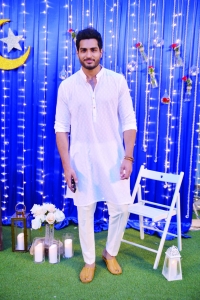
Celebrate Eid in shades of classic white, a perfect choice for summer festivities
Model: Zara Peerzada
Photography: Maham Iqbal
Styling: Areesha Chaudhry & Seyham Vahidy
Makeup: Nauman Paul
Wardrobe: Mahgul, Zuria Dor, Razia Sultana & Saleha Kashif
Jewellery: Zaheen Kamran


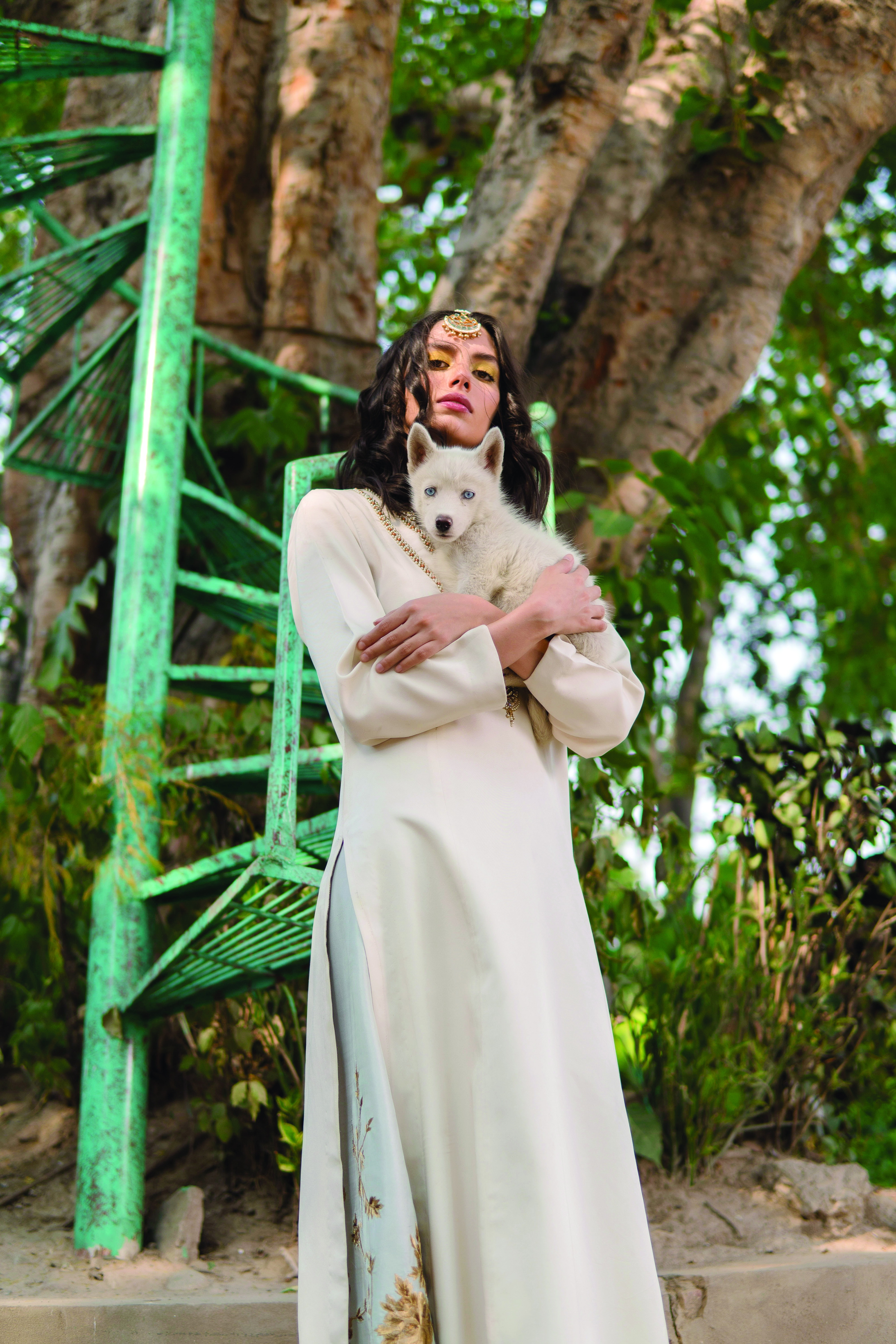


Model-turned-actress Zubab Rana has garnered acclaim for her role in the recently concluded drama serial “Bandish.†Haider Rifaat sat down with her to know more about the rising star
What drew you to acting?
I knew I wanted to act since I was a child. The way actors are able to portray different characters and bring them to life has always fascinated me.

Tell us about your role in Bandish.
I played the character of an innocent bride-to-be, who happens to be a victim of black magic.
Are you open to experimentation with roles?Â
Of course, I would like to play versatile characters. I feel doing justice to a challenging role is any actor’s biggest achievement.
Will you consider signing a film anytime soon?Â
Definitely! If the right script comes along, I’d be game.

Who has been the biggest influenc in your life?
My father. The values he’s instilled in me and the way he’s lived his life continue to inspire me daily.
Do you think a career in acting makes it difficult to spend time with your loved ones?
I can’t speak for my colleagues, but I make sure I take enough time out for those who matter.
How do you stay fit?
I strongly believe a healthy body ensures a healthy mind. I don’t necessarily follow a set diet plan, but I try to make healthy choices whenever I can.

Define beauty.
I don’t think there is anything more beautiful than confidence. A confident person wins half the battle before even drawing his sword.
What makes you smile and what scares you the most?Â
My mother’s happiness makes me smile. What I fear most on the other hand, are my loved ones going through adversity.
Your thoughts on marriage?Â
I’m open to the idea of marriage, when the time is right, with the right man.
What brings you the most satisfaction?
I’m a very family oriented person. Whenever my family is happy and content, I’m satisfied.
What’s the best advice you’ve received?
“Just have faith in God.†It has always helped me.
“The way actors are able to portray different characters and bring them to life has always fascinated meâ€
What’s on your bookshelf?
I’m not much of a reader. All I ever read are the scripts I receive.
What’s on your to-do list for the coming months?
I’m planning to travel and Europe is most definitely on the list.
Your greatest indulgence?
Freud said, “To be happy, all one needs is love and work†and I would define that as my indulgence.
If you could, what one piece of advice would you give to your younger self?
I wish I had understood the importance of self-worth. Therefore, I’d advise my younger self to be proud of who she is and to stay true to her beliefs.


 “the three looks are youthful and minimalist with a touch of extravagance. Keeping the scorching heat in mind, I chose weather-friendly colours and fabrics. These outfits are perfect for a weekend brunchâ€