
Category

GT Interview

Category

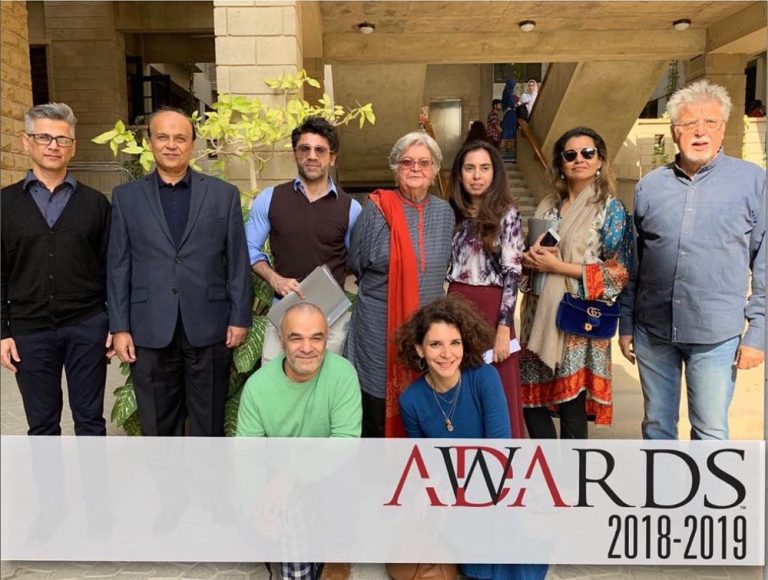
Maria Aslam is a multifaceted individual, renowned as a prolific writer, architectural historian, and environmental activist. Her expertise spans the fields of interior design, architecture, heritage, and urban revitalization. As the founder and Editor-in-Chief of ADA Magazine from Pakistan, Maria has made significant contributions to the discourse on architecture, design, and art. She holds the distinction of being the first female entrepreneur from Pakistan to venture into publication, spearheading the ADA Awards, a ground-breaking initiative in the disciplines of Architecture, Design, and Art. In addition to her editorial role, Maria Aslam is the Founder and Principal Architect of ArchWorks, a Karachi-based creative and research practice. ArchWorks operates at the intersection of architecture, urbanism, landscape, interiors, and cultural geographies. Maria’s work at ArchWorks encompasses diverse projects, including architecture, interiors, environmental geographies, community settlements, and curatorial ventures such as exhibitions, seminars, installations, and speculative projects. Furthermore, Maria is actively involved in advocacy and activism for sustainable design through her role as the Co-founder and President of SDC – Sustainable Design Council from Pakistan. She is committed to addressing issues related to the health of the planet and promoting environmentally conscious practices within the design industry. Maria Aslam has held leadership positions in prominent professional organizations, including serving as Chairperson of the Karachi Chapter of the Institute of Architects Pakistan (IAP) and currently as Chairperson of the Pakistan Institute of Interior Designers (PIID). A published author, Maria wrote ‘Interiors of Pakistan Volume I’, published in 2016, and her second book on seven decades of Pakistan architecture landscape co-authored with Hasanuddin Khan is in production. She is currently working on two more publications. With a Bachelor of Architecture from Indus Valley School of Art and Architecture and a master’s in architecture from McGill University, Maria advocates for the environment, built structures, and equitable spaces. Maria Aslam will be representing Pakistan in WAF – World Architecture Festival, November this year. Her influence extends beyond national borders, as she has represented Pakistan on numerous international platforms as a juror, critic, convener, and speaker, contributing to the global dialogue on architecture and design.

How did the concept of ADA awards come about?

The concept of the ADA Awards was born out of a reflective moment during our decade-long journey of documenting, archiving, and fostering critical discourse within the realms of architecture, design, and art. As we celebrated ten years of ADA’s existence, we asked ourselves a fundamental question: What more can we do?

While our publication had successfully provided a platform for intellectual engagement and scholarly documentation, we realized that a crucial element was missing-formal recognition. There was a glaring void in acknowledging and celebrating the immense creative talent and groundbreaking work emerging from Pakistan and the region.

The ADA Awards were thus conceived as a means to bridge this gap-an initiative that would not only honor exceptional contributions in architecture, design, and art but also elevate the creative fraternity by fostering visibility, appreciation, and dialogue on a grander scale. It was our response to the need for a dedicated platform that would champion innovation, sustainability, and cultural identity while inspiring future generations to push the boundaries of creative excellence.

What were the challenges you faced while establishing the idea.

Establishing the ADA Awards came with its own set of unique challenges. One of the primary hurdles was the absence of any local precedent for such a platform in Pakistan. There was a significant gap in recognizing creative excellence across architecture, design, and art, making it essential to build an entirely new framework from scratch-one that would be both credible and impactful.

Creating awareness and understanding about the significance of such an award system required extensive engagement with the creative community, industry stakeholders, and institutions. Establishing a structured process for evaluation, curation, and selection was another key challenge, as it had to uphold the highest standards of excellence while being inclusive and representative of the creative fraternity.

Guidance from advisors played a crucial role in shaping the ADA Awards, providing strategic direction and ensuring that the awards aligned with international best practices. A major milestone in this journey was the support and inspiration drawn from the Aga Khan Award for Architecture, which provided valuable insights into how such an initiative could be structured effectively.

Additionally, forging alliances and learning from global organizations operating in similar domains helped refine the vision and execution of the ADA Awards. Building credibility required not just a strong jury and evaluation mechanism but also the trust of the creative community. Over time, through persistence, collaborations, and a commitment to excellence, the ADA Awards have grown into a prestigious platform that continues to celebrate and elevate Pakistan’s creative talent on both national and international stages.

What makes you choose historical locations especially in Lahore for the awards?

Our selection of venues for the ADA Awards is not solely about historical significance, nor is it limited to Lahore. Rather, it is a conscious decision to host events in spaces that have undergone conservation, adaptive reuse, restoration, and have been reintegrated into communal life. By doing so, we highlight the importance of preserving and repurposing architectural heritage while demonstrating the potential of these sites as vibrant, functional spaces for contemporary cultural dialogue. We were the first one to step in the power corridors of the Governor House in   Karachi, when it was opened to public in 2019.

All our events-whether the awards, exhibitions, or seminars-are intentionally hosted in such venues, reinforcing our commitment to sustainability, cultural preservation, and community engagement. However, hosting formal, invitation-only events in public spaces brings its own set of challenges, from logistical planning to ensuring smooth execution while maintaining the sanctity of these heritage sites.

Looking ahead, we are eager to extend this initiative beyond Lahore, exploring venues in the northern regions and other cities of Pakistan. Our approach is holistic; it is not just about a single awards night but a series of engagements, including talks, knowledge-sharing seminars, and exhibitions. Each city’s infrastructure, accessibility, and suitability for national and international participation are carefully considered in our planning. This multi-faceted approach ensures that the ADA Awards and its associated events continue to grow as an inclusive, impactful platform for Pakistan’s creative community.

How rewarding has been this strive for the pursuit of excellence?

The journey of the ADA Awards has been immensely rewarding, yet we continue to evolve. The response from each host city plays a crucial role in shaping our experience, and Lahore, with its unmatched hospitality, vibrancy, and active participation, has set a high benchmark.

Beyond just creating awareness about excellence and cutting through mediocrity, we see a deeper impact unfolding. The awards have become a catalyst for introspection within the creative community. When architects, designers, and artists tell us that they now strive for more meritorious work, it is an affirmation of the purpose we set out to achieve.Encouraging self-exploration, pushing boundaries, and fostering a culture of critical questioning-these are the true rewards. The fact that creatives are reflecting on their own work and asking, How can I respond better to a project? How can I integrate climate-conscious design, sustainable materials, and cultural relevance?-this is the most significant achievement of all.

The journey is not just about recognition; it is about nurturing a mindset where excellence becomes a standard, not an exception. And to keep questioning, challenging, and pushing forward remains our driving force.

Do you want to take the awards international?

Good question!

How do you see art, design and architecture industry being evolved in Pakistan?

The art, design, and architecture industry in Pakistan is undergoing a dynamic evolution, shaped by a confluence of tradition, innovation, and global influences. Over the years, we have seen a remarkable shift in how creative disciplines are perceived, practiced, and integrated into the larger socio-economic and cultural framework of the country.

One of the most significant transformations has been the increasing emphasis on sustainability and contextual relevance. Architects and designers are now more conscious of materiality, climate responsiveness, and the environmental impact of their work. There is a growing movement towards adaptive reuse, restoration, and conservation, as creatives recognize the importance of preserving heritage while reinterpreting it for contemporary needs.

Another key shift is the interdisciplinary approach that is emerging across creative fields. The boundaries between architecture, design, and art are becoming increasingly fluid,  and entangled leading to more experimental, research-driven, and socially responsive projects. Public spaces, community engagement initiatives, and urban interventions are becoming more prominent, reflecting an awareness that design and architecture are not just about aesthetics but about shaping experiences and fostering inclusivity.

Moreover, technology and digital advancements are playing a pivotal role in reshaping the industry. From parametric design and AI-driven solutions to digital art and virtual exhibitions, Pakistani creatives are embracing new tools to push the limits of expression and functionality. The global reach of our creative fraternity is also expanding, with more artists, designers, and architects gaining international recognition and engaging in cross-border collaborations.

However, challenges remain-there is still a need for stronger institutional support, policy frameworks, and industry-wide standards that can further nurture innovation and excellence. The role of platforms like the ADA Awards is crucial in not only celebrating achievements but also creating critical discourse, mentorship opportunities, and avenues for knowledge exchange.

In essence, the creative industries in Pakistan are in a state of flux, moving towards a more conscious, collaborative, and critically engaged future. The conversation is no longer just about designing spaces or objects but about designing impact-culturally, socially, and environmentally.

Maria Aslam Interview

Are there any back lash and or criticisms after the results are announced?

Yes absolutely! Like any prestigious recognition platform, the ADA Awards are not immune to backlash. The challenges primarily stem from disappointed participants, subjective interpretations of merit, and misconceptions about the jury process.However, those who do not win often assume bias, favoritism, or lack of understanding of their work. The lack of winners in certain categories, especially when the jury deems submissions not up to standard, can lead to misconceptions that categories were canceled or unfairly judged.In the age of instant reactions and viral discussions, public events are subject to real-time criticism. Some artists and designers take to emails, messages and social media to express disappointment, occasionally stirring controversy. The challenge is to differentiate between constructive feedback and unfounded negativity.

While backlash is an unavoidable aspect of any competitive platform, the ADA Awards will continue its strive for the pursuit of excellence in architecture, design, and art.

Interdisciplinarity will be the future working in the design world.; how do you see that evolve the awards process?

Each cycle is a learning process, is an evolution in itself!

Interdisciplinarity is undoubtedly shaping the future of design, architecture, and art. The ADA Awards, which already celebrate a holistic approach to creativity, will continue to evolve by embracing cross-disciplinary collaborations and recognizing works that transcend conventional boundaries. Each cycle the discipline categories are reviewed by the respective chairs and in consonance will expand categories to reflect hybrid practices. The future of design is collaborative, and the awards must reflect this. Categories or subcategories may need to highlight co-creation between disciplines-for instance, a project where an architect, environmental scientist, social anthropologist and artist collaborate to design resilient urban spaces. Awards will be mindful of the recognition of such projects and team by reframing evaluation metrics. The two distinctive awards are already in the program and well received by the fraternity, these are projects with long-term effect on community, environment and industry.

Interdisciplinary work demands a diverse jury panel with expertise beyond traditional architecture, design, or art. The ADA Awards will benefit from including scientists, technologists, anthropologists, and urban planners, ensuring a comprehensive evaluation of projects from multiple lenses.Interdisciplinary work often requires public participation, whether through community-driven urban projects, interactive installations, or participatory art. ADA is working in introducing public voting elements or impact-based awards that highlight how a project engages with society.

I am supremely aware that the ADA Awards must continuously adapt to recognize and honor boundary-pushing, interdisciplinary work that reflects the evolving creative landscape. The future is not about siloed disciplines-it is about the synergy between them, and ADA can lead the way in showcasing this new paradigm of design thinking.

What advise do you have for artists who want to participatein ADA awards in coming years?

For artists, designers, and architects aspiring to participatein the ADA Awards coming years, my two cents would be centered around authenticity, innovation, and impact.The jury looks for meritorious work that pushes creative boundaries.Whether it’s material exploration, sustainability, or storytelling, originality is key.Whether you are working in fine arts, architecture, or design, consider how your work responds to its environment, materials, and sustainability challenges. The jury values projects that address contemporary issues with responsibility and awareness.

A strong submission is not just about great work; it is also about how you present it. Ensure that your project is well-documented through high-quality images, detailed descriptions, and a compelling narrative that conveys the essence of your work.Not being selected in one cycle does not mean your work lacks merit. Use the experience to refine, grow, and evolve. Keep challenging yourself with self-exploration and critical questioning.

Familiarize yourself with past winning projects, jury citations, and selection criteria. This will help you understand what the ADA Awards stand for and how your work can align with the vision of recognizing excellence and innovation in creative fields.

In short, focus on creating work that is meaningful, thought-provoking, and impactful-that is what sets apart true award-worthy projects.

Masarrat Misbah

the visionary CEO of Depilex and the founder of Depilex SmileAgain Foundation, has redefined beauty beyond aesthetics—using it as a tool for empowerment. Through her foundation, she has given a new lease on life to acid attack survivors, helping them reclaim their confidence and dignity. Alongside her, Redah Misbah, the director of Depilex, carries forward the legacy of innovation and excellence in the beauty industry. Together, they continue to inspire with their passion, resilience, and commitment to making a difference.

In this exclusive conversation, we delve into their journey, challenges, and the impact of their work in shaping lives and redefining beauty in Pakistan.

You’ve been a pioneer in Pakistan’s beauty industry for decades. What inspired you to start Depilex, and how has the journey been so far?

When I started Depilex over four decades ago, my vision was simple: to create a space where women could not only enhance their beauty but also gain confidence and independence, as I always say a space through which they not only look beautiful but also feel beautiful. At that time, the beauty industry in Pakistan was non existent, and there were rare professional training opportunities available. I wanted to change that.

The journey has been incredible. It wasn’t easy, it was an uphill task that I had taken upon myself, one that was filled with challenges, but also deeply rewarding. From a single salon to the largest nationwide network of salons in Pakistan, Depilex has become a household name. But more than that, it has empowered thousands of women by providing them with skills, careers, and financial independence. That, to me, is the true success of Depilex.

How has the beauty industry evolved in Pakistan since you started, and how has Depilex adapted to these changes?

Over the years, I’ve witnessed a massive transformation—where as the community was not considered an industry as it is today. Not only that but it is now recognized as both an art and a science, with international standards, advanced techniques, and greater awareness among consumers.

Depilex has always stayed ahead of these changes. We introduced professional training programs, brought international certifications to Pakistan, and continuously upgraded our services to match global trends. Our focus has always been on innovation, skill development, and ensuring that beauty is not just about looking good but also feeling empowered.

Your work with the Depilex SmileAgain Foundation has changed so many lives. What moment in this journey has been the most emotional or impactful for you?

Every survivor’s journey is deeply emotional. One of the most heartbreaking moments in my journey was meeting a young girl at Jinnah Hospital, a victim of an honor attack. Her entire body was burned by her own brother, and I was devastated to see the pain she endured. But what truly shook me was the strength in her eyes; when she saw me, she said, “I will work with you at your salon once I get better.”

I arranged everything for her treatment, but tragically, she passed away before it could happen. That moment stays with me. However, what gives me hope is seeing survivors rise again—many now work at our salons, have remarried, or run their own ventures. Watching them rebuild their lives after unimaginable suffering is what keeps me going. Their resilience is the true definition of beauty.

Running a successful business and an NGO must be challenging. How do you balance both roles?

Balancing a successful business and an NGO is undoubtedly challenging, but for me, both are deeply connected. Depilex is about beauty and empowerment, and Depilex SmileAgain Foundation is about restoring dignity and confidence to those who have lost it. I don’t see them as separate responsibilities but as two parts of the same mission.

Of course, it requires immense dedication and a strong team that I am very grateful to have. My daughter Redah Misbah who runs the salons network now is always there at every step of the journey. At the end of the day, the impact we create, whether through beauty or rebuilding lives, makes every challenge worthwhile.

What advice would you give to young women who want to pursue entrepreneurship in the beauty and wellness industry?

My advice to young women aspiring to enter the beauty and wellness industry is simple: believe in yourself and give your 100%, never compromise on quality and never give up. Success doesn’t happen overnight, but with passion, perseverance, and a clear vision, you can carve your own path.

The beauty industry is constantly evolving, so stay updated, keep learning, and embrace innovation. And remember, true beauty is about empowerment, not just for yourself, but also for those around you.

What does beauty mean to you beyond makeup and styling?

To me, beauty goes far beyond makeup and styling. It’s about confidence, being kind to yourself, and the way you carry yourself. We all have heard true beauty comes from within, I truly believe that. Over the years, I’ve seen that beauty isn’t just about appearances; it’s about how you make people feel. Whether it’s through helping someone regain their confidence, empowering women with skills, or simply spreading positivity, beauty is about creating an impact. When you feel beautiful from the inside, it naturally reflects on the outside. That’s the kind of beauty that truly lasts.

You are known for empowering women, both through your business and your foundation. What motivates you to continue this mission?

What motivates me is the strength and resilience of the women I meet every day. Whether it’s a young girl pursuing her dreams in the beauty industry or a survivor rebuilding her life, their courage inspires me to keep going. I have always believed that empowered women create empowered communities. When a woman gains confidence, financial independence, or simply a sense of self-worth, it creates a ripple effect. Seeing these transformations; women standing on their own feet, running businesses, and supporting families is what drives me. My mission has always been to help women not only look beautiful but feel beautiful, inside and out.

What legacy do you want to leave behind in the beauty industry and in social work?

I want to leave behind a legacy of empowerment, integrity, and transformation; one that continues to uplift women long after I’m gone. In the beauty industry, my goal has always been to set new standards by ensuring high-quality, Halal products that cater to Pakistani women’s needs while staying true to our values.

Through my social work, I hope to create a world where survivors are not just helped but truly rehabilitated; where they regain confidence, independence, and purpose. If my work can continue to inspire women to rise above challenges and claim their rightful place in society, that would be my greatest achievement.

Redah Misbah

Growing up with such an inspiring mother, how has her journey influenced your career choices?

Growing up with my mother, Masarrat Misbah, was nothing short of inspiring. Watching her transform the beauty industry while dedicating her life to empowering women shaped my perspective from an early age. Her resilience, compassion, and ability to balance business with social impact instilled in me a deep sense of purpose. It wasn’t just about makeup or salons, it was always about making people feel beautiful and confident inside and out.

What has been your vision for Depilex since taking on the role of Director?

My vision for Depilex has always been to build upon the incredible foundation my mother created while evolving it to meet modern beauty standards whether it’s through the state of the art services we offer, the franchise model we have made available for our 84 locations, the policies we make for our 1500+ employees or the internationally accredited education we impart to work force and students. I want Depilex to not only remain the leading beauty institute and salon in Pakistan but also to set new benchmarks in innovation, inclusivity, and professional excellence. Most importantly, I want Depilex to continue empowering women.

How do you see Depilex evolving in the next decade? Are there any new innovations or expansions in the pipeline?

In the next decade, I see Depilex not only expanding its footprint but also revolutionizing the beauty and wellness industry in Pakistan for its clients and talent . We are working on launching mobile aesthetic clinics, bringing high-quality skincare and aesthetic treatments directly to communities that lack access to such services. Additionally, we are digitizing our education and training programs, making beauty education more accessible through online platforms, interactive courses, and virtual masterclasses. We are continuously working on bettering our industries working environment and HR policies for the force. Our goal is to blend innovation with inclusivity, ensuring that Depilex remains at the forefront of beauty, education, and empowerment while continuously evolving to meet the needs of our clients and students.

Many women look up to you as a business leader. What advice would you give to those who want to work in the beauty industry?

My advice to women aspiring to join the beauty industry is simple: be passionate, stay dedicated, and never stop learning. This industry is constantly changing by, and to succeed, you must adapt, innovate, and perfect your craft. Build your skills, understand the science behind beauty, and most importantly, develop a strong work ethic. Surround yourself with people who share and understand your vision and build a team that will support your goals.Success doesn’t come overnight, but if you give your 100%, stay consistent, and believe in yourself, there’s no limit to what you can achieve.

What are some of the biggest challenges you face in your role, and how do you overcome them?

The biggest challenge I’ve been facing in recent years is the instability of our economy, whereas we as a company are fiercely patriotic and optimistic, it’s also important to be realistic. The reality is that the ever changing government policies,  inconsistent support to the community and dealing with officials can be frustrating but again having good advisors and a capable team really helps.

The beauty industry is constantly changing. How do you ensure Depilex remains a trendsetter in Pakistan?

At Depilex, staying ahead means constant growth and learning. We invest in ongoing training for our artists, ensuring they master the latest techniques at the salon front- Attending international beauty events and collaborating with global industry experts allows us to bring cutting-edge trends and technologies to Pakistan. On the business front we continuously push ourselves to better our systems and processes, continuously strengthening our support to branches across the country.

How do you personally define beauty and confidence?

For me, beauty and confidence go hand in hand. Beauty isn’t just about flawless makeup or perfect hair, it’s about how you feel within. True beauty comes from self-acceptance, self-care for one’s mind and body, and embracing individuality.

What is one lesson you’ve learned from your mother that you apply in your work every day?

One of the most valuable lessons I’ve learned from my mother is to lead with purpose and integrity. She has always emphasized that success isn’t just about building a business; it’s about creating impact and empowering others. Every decision I make at Depilex is guided by this principle. Whether it’s ensuring the highest standards in beauty services, uplifting women through education, or expanding our initiatives, I always ask myself: How will this make a difference? Her resilience, passion, and unwavering commitment to her mission continue to inspire me every single day.

Depilex SmileAgain Foundation

Restoring Faces, Rebuilding Lives

Depilex SmileAgain Foundation has transformed the lives of countless burn victims. What was the defining moment that led you to create this initiative?

The defining moment was in 2003, when a young girl with severe burn injuries walked into my salon, covered in a veil. When she removed it, I was shocked and heartbroken, her face was completely disfigured due to an acid attack. When I met her, she said, “Give me a makeover.” Her words shook me to my core. I realized that while I had spent years enhancing beauty, I now had a bigger purpose; to restore it for those who had it taken away so cruelly.

I immediately began arranging her treatment, but I knew she wasn’t alone in this suffering. A few days later, I placed an advertisement in the newspaper, inviting acid burn survivors for help, expecting three or four responses. Instead, 42 women walked into my office. That moment changed everything; it was time to take action, and Depilex SmileAgain Foundation was born.

What are the biggest challenges faced by acid attack and burn survivors, and how does your foundation help them rebuild their lives?

Acid attack and burn survivors face physical, emotional, and social challenges that are unimaginable. The most immediate struggle is the excruciating pain and multiple surgeries they must endure. But beyond that, they face isolation, rejection, and a loss of confidence, as society often sees them as outcasts. Many are abandoned by their families, left without financial support, and stripped of opportunities to rebuild their lives.

At Depilex SmileAgain Foundation, we provide free medical treatment and reconstructive surgeries to help restore their appearance and functionality. But healing isn’t just physical; we offer vocational training, psychological counseling, and job placements to help them regain independence. Many of these women now work in our salons, have remarried, or run their own businesses. Our mission is to ensure they don’t just survive but thrive, reclaiming their dignity and place in society.

Can you share a success story of a survivor whose journey deeply moved you?

There are many stories that have touched my heart, but one that stays with me is that of a girl who was really young when she became a victim of an acid attack; her face was severely burned, and she lost vision in one eye. Abandoned by her family, she had nowhere to go. When she came to the Depilex SmileAgain Foundation, she was broken physically and emotionally.

We arranged for multiple reconstructive surgeries, and with time, she began to heal. She learned hairdressing and makeup artistry, and today, she works as a professional beautician, supporting herself and her family. Seeing her smile, standing on her own feet after so much pain, was a moment of immense pride. Her strength reminds me why we do this work; to give these women a second chance at life, dignity, and independence.

What role does mental health support play in the rehabilitation process, and how does the foundation provide for this?

Mental health support is a crucial part of the rehabilitation process for acid attack and burn survivors. The trauma they endure isn’t just physical, it deeply affects their confidence, sense of self-worth, and ability to reintegrate into society. Many survivors struggle with depression, anxiety, and PTSD, making emotional healing just as important as physical recovery.

At Depilex SmileAgain Foundation, we provide counseling and therapy sessions to help survivors process their trauma and rebuild their confidence. We also foster a supportive community, where they can connect with others who have faced similar struggles. Additionally, vocational training and job placements play a psychological role, giving survivors a renewed sense of purpose and independence.

How can people contribute to the cause and support the foundation’s mission?

Supporting the Depilex SmileAgain Foundation means helping survivors rebuild their lives with dignity and hope. People can contribute by donating to fund life-saving surgeries, medical treatments, and vocational training or by sponsoring a survivor’s treatment or education. Volunteering, especially in medical, psychological, and vocational fields, plays a vital role in their rehabilitation. Spreading awareness about acid violence and advocating for change also helps amplify our mission. Additionally, supporting survivors’ work by hiring or purchasing from them empowers them toward financial independence. Every effort, no matter how small, helps us continue our mission of healing, empowerment, and hope.

What changes need to be made in society and in the legal system to prevent acid attacks and provide justice to survivors?

To prevent acid attacks and ensure justice for survivors, both society and the legal system need significant reforms. Stricter enforcement of laws regulating the sale of acid is crucial, along with severe penalties for perpetrators to deter such crimes. Speedy trials and survivor-centered legal support can help victims receive justice without prolonged suffering.

On a societal level, awareness campaigns are essential to change mindsets and eliminate gender-based violence. Education, especially for women, and economic empowerment programs can reduce vulnerability. More government and private sector support for medical care, rehabilitation, and employment opportunities will help survivors rebuild their lives with dignity.

What future projects or initiatives are in the works for the foundation?

Depilex SmileAgain Foundation is dedicated to expanding its impact and reaching more survivors across Pakistan. We aim to enhance our mental health support programs, introduce further vocational training programs in different sectors for financial independence, and advocate for stricter laws and policies to protect survivors. My team and I played a key role in formulating laws like The Acid Crime Prevention Bill (2011) and The Regulation for Storage, Sale, and Purchase of Acid Rules (2022) in Sindh. As we continue our efforts, we are actively working towards expanding these regulations to other provinces, taking a crucial step toward an acid crime-free Pakistan.

If you could send one message to survivors out there who may feel hopeless, what would it be?

To every survivor out there: You are stronger than what happened to you. Your scars do not define you but your resilience, courage, and determination do. Life may feel overwhelming now, but there is hope, there is healing, and there is a future waiting for you. You are not alone; we stand with you, ready to support, uplift, and help you rebuild. Believe in yourself, take one step at a time, and know that you deserve happiness, love, and a life full of possibilities.

In an industry where glamour meets the spotlight, Abeer & Sauban have always captivated audiences with their charm, elegance, and effortless style. But this time, they aren’t just gracing the runway—they’re stepping into a beautiful new chapter of their lives as husband and wife.

For the first time since their wedding, the power couple of Pakistan’s fashion scene sits down for an exclusive interview with Good Times Magazine.

From their breathtaking wedding moments to their journey as life partners, Abeer & Sauban open up about love, commitment, and what makes their bond truly special.

Join us as we take a closer look at their dreamy wedding and the magic that brought them together!

Your wedding decor beautifully recreated your parents’ barat. What inspired you to pay such a heartfelt tribute to their special day?

The reason I recreated that image from my parents’ wedding was actually as a gift to my father. My mother passed away 15 years ago due to cancer, and my dad never left her side for even a second. He never remarried because he believes, “Shaadi aik hi baar hoti hai, biwi aik hi hoti hai.”

I wanted him to see the picture and feel the love they shared. I’m always manifesting the love and chemistry that my parents had.

Walking into a setting that mirrored your parents’ wedding, how did you feel in that moment? Did it bring back any special memories they’ve shared with you?

It truly gave me goosebumps—like a reel of my parents’ entire life playing before my eyes. I was so emotional, having grown up listening to their wedding stories, and now experiencing my own felt surreal.

Your bridal look was stunning! How did you decide on your dress, jewelry, and overall aesthetic for the big day?

Thank you so much! I always wanted to look like a true bride on my big day. As a model, I have worn thousands of bridal dresses, but I never wore something that truly felt like “my own” bridal dress. I always dreamed of wearing an all-red outfit and had a clear picture in my mind for years of how my dress would look and exactly how my jewelry would be.

Hassan from Mihha is a good friend, and I knew only he could bring my vision to life because I had been on his nerves for almost a month!

You and Sauban are both celebrated fashion models. How was it planning a wedding where style and elegance were naturally expected?

To be honest, it wasn’t something we had planned for months. People are still asking if there was any pressure to look our best on the big day since we’re always dressed as a bride and groom. But honestly, that wasn’t the case at all.

One day, we just sat down and decided that we would do and wear whatever made us feel good, and everything went so smoothly, Alhamdulillah!

The response to your wedding pictures has been overwhelming! What has been the most touching or memorable comment you’ve received?

Yes, Alhamdulillah! You have no idea how humbled we are by the love we’ve received.  It’s not just one or two comments— every single one is filled with so much love and heartfelt prayers.

My absolute favorite was from my Mister: “Meri biwi, meri aankhon ki thandak”.

Marriage is a new chapter. How do you and Sauban envision your journey together, balancing both your personal and professional lives?

Of course, it is! It’s all about balance. We don’t see each other as competition—his win will always be my win, and my win will always be his.

To be honest, relationships built on love are entirely different from those based on materialism. Love brings nothing but positivity and goodness, allowing you to spread the same energy to the world.

If you could give one piece of advice to future brides who want to add personal and nostalgic touches to their weddings, what would it be?

First of all, find a Dulha who truly loves you—haha! It all starts with finding a great partner with whom you can share everything.

I hope all future brides find the best life partners. Just do what makes you feel good, and everything will automatically fall into place!

From radio waves to television screens and global event stages, Sophiya Anjam has mastered the art of storytelling and audience engagement. With over 18 years in the media industry, this award-winning RJ, TV presenter, and emcee has captivated audiences worldwide with her vibrant energy and impeccable hosting skills. A gold medalist and media leader, she has not only hosted some of the most prestigious shows but has also been recognized by the UAE and Pakistani governments for her contributions to media and entertainment. Sophiya’s journey is one of passion, perseverance, and impact—whether she’s leading prime-time radio shows in Dubai, mentoring future media professionals at LUMS, or using her platform for social advocacy. As a recipient of multiple awards, including the “Best Female RJ” and “Voice of the Year”, she continues to redefine excellence in broadcasting. Join us as we dive into an inspiring conversation with Sophiya Anjam, where she shares her experiences, insights, and the secrets behind her success!

How did you first step into the world of media, and what inspired you to pursue it?

Since I was a kid, I always knew that the media was my true calling. The stage and mic were my best friends in school as well as in college. I loved the spotlight, which led me to pursue my Master’s in Mass Communication. A friend of mine who worked at FM91, one of the most popular radio stations back in 2006, asked me to audition as an RJ. It just had to happen—and the rest, as they say, is history!

Can you share a memorable moment from your early days as an RJ or TV presenter?

In 2007, my boss asked me to arrange a celebrity interview, and I knew absolutely no one at that time! I googled a popular Pakistani singer, found his contact details, and called him. To my surprise, Atif Aslam came over to the station just because I asked! He was the first celebrity I interviewed, and he holds a special place in my journey.

As a TV host, one of my most cherished memories is hosting the reunion of Vital Signs on my show Weekend World With Sophie at PTV World with the late Junaid Jamshed. It was an incredible experience, and he kept in touch with me afterward. I felt truly honored to have had that opportunity, and I’ll forever be grateful.

Being a gold medalist, how has your academic success contributed to your career in media?

My education provided a solid foundation for understanding the media. Through my institution, I had the chance to train with leading print publications, advertising agencies, and TV channels. I was fortunate to learn from some of the best, including the brilliant Dr. Mehdi Hasan (late), who spearheaded Gender Studies; the talented Mr. Sarmad Khoosat, who taught me filmmaking; and the veteran Mrs. Moneeza Hashmi, who guided me in documentary-making.

My academic success enhanced my critical thinking, career opportunities, and specialized knowledge, helping me build a strong foundation for my career.

You’ve hosted numerous national and international events. Which one stands out as the most impactful for you, and why?

One event that’s close to my heart is Soul Fest, Pakistan’s biggest food and music festival. I’ve been associated with it since day one and have seen it grow. It provides an economic boost for artists and entertainers while offering families an amazing time in great weather. It’s also given me incredible visibility—truly a solid combination!

Another memorable series of events are the drives for Shaukat Khanum Memorial Cancer Hospital & Research Centre. Hosting their Ramadan drives, charity events, and breast cancer awareness sessions has been a privilege. It’s an honor to have been their ambassador for over a decade now.

How did your time in Washington and Chicago shape your media skills and perspective?

I was selected by the US Consulate for a media training program in the USA, which was a transformative experience. In Washington, D.C., we discussed media ethics, journalism, and women empowerment. In Chicago, I served as an international correspondent on the Maze Jackson Radio Show, going live with the local community to discuss world news.

This experience broadened my horizons, allowing me to observe different cultures, values, and work ethics. It also gave me the chance to break stereotypes, as people were surprised by my fluency in English and confidence.

What has been the most rewarding part of hosting Sounds Good With Sophie and other prime-time shows?

The most rewarding part is the feedback I receive. Hearing from listeners and viewers who’ve followed my journey and seeing their heartfelt messages, poems, and even gifts motivates me. It’s their love and encouragement that keep me going.

Winning prestigious awards like the Gulf News and Being She Excellence Award must have been a proud moment. What do such accolades mean to you?

It was an absolute honor, especially being the only Pakistani in that category. Winning the Best Upcoming RJ & Emcee of the Year award from Gulf News gave me a significant career boost in the UAE, increasing my credibility, opening up networking opportunities, and fueling my personal growth.

How does being a UAE Golden Visa holder reflect on your contributions to media and entertainment?

The Golden Visa is a testament to my professional credibility and contributions to the industry. It’s a recognition that gives you peace of mind for 10 years while adding prestige to your profile. I’m proud to be a UAE Golden Visa holder!

What do you feel is the key to being recognized as a trusted voice in broadcasting?

The key elements are credibility, consistency, authenticity, engagement, professionalism, and building meaningful relationships. Your reputation should precede you, and your work should always deliver value.

Can you tell us more about The S Studio and its mission to empower emerging creators?

The S Studio was my way of giving back to the industry. It’s a hub for content creators, offering audio production facilities for radio spots, podcasts, dubbing, and voiceovers, as well as a creative space for events. It was a passion project designed to foster talent and serve as an incubator for emerging creators. Our tagline says it all: Keep The Spirit Alive!

As a mentor at LUMS, what advice do you give aspiring media professionals?

I always tell them to keep building themselves and never compare their journey to others. Self-awareness is key to growth. Passion, compassion, and consistency are the qualities I advocate. Success takes time, so stay patient and keep going!

How has your role as a goodwill ambassador for Shaukat Khanum and WWF Pakistan impacted your life?

These roles have taught me the power of compassion and advocacy. Shaukat Khanum has shown me that there’s a CAN in cancer—we can beat it. With WWF Pakistan, I’ve embraced sustainable living and learned about environmental and wildlife issues. These experiences have enriched my perspective and purpose.

How do you balance your diverse roles in radio, television, digital media, and acting?

I love staying busy—it makes me feel alive! Radio is my first love, TV is a seasonal favorite, and hosting live events gives me an adrenaline rush. Acting is something I’ve recently explored, and I’m open to more opportunities in the future.

What keeps you motivated after 18 years in the media industry?

The drive to evolve and the love I receive from my fans. Their support is priceless, and it inspires me to keep challenging myself.

What’s your favorite place to travel for work or leisure, and why?

Turkey! It’s the perfect blend of East and West. I love the weather, food, culture, and the warmth of the people. Pak-Turk Dosti Zindabad!

  1. If you could host a show with any guest in the world, who would it be, and what would you discuss?

I’d love to host Indian PM Modi to discuss peace between Pakistan and India. His Highness, the Crown Prince of Dubai, would be another fascinating guest to talk about opportunities for Pakistanis in the UAE. And, of course, Shah Rukh Khan—he’s been my idol since I was seven!

Where do you see yourself in five years, both professionally and personally?

Professionally, I see myself ruling the UAE media market, running a successful business, and gaining global recognition. Personally, I envision being happily married to a life partner who complements me.

Are there any upcoming projects or collaborations you’re particularly excited about?

I’m excited to see where my drive time radio show ‘Sounds Good With Sophie’ at VibeFM105.4 takes me ahead in the UAE, as some exciting camapaigns are undergoing. I am eager to explore the market here in Dubai and looking forward to capture the hearts of everyone here soon. I’m also looking forward to my international events around the globe. Habibi, it’s now my time to shine globally!

Ghania is an internationally certified yoga teacher renowned for expertise in mindfulness and holistic wellness. With a deep commitment to promoting overall well-being, Ghania combines a wealth of knowledge with a compassionate teaching style to guide students on their journey towards physical, mental, and emotional balance. Having trained extensively in various mindfulness techniques and holistic health practices, Ghania empowers individuals to cultivate inner peace and resilience in their daily lives, to experience a transformative journey to wellness that nurtures the mind, body, and spirit. She also holders a degree in Child Psychology and is a Mindful Parenting Expert.

What inspired you to start practicing yoga, and how has your journey evolved over time?

My healing journey began in 2015 when I discovered yoga as a means to manage chronic pain and stress. I was determined to revive my career as a child psychologist and reignite my passion for designing clothes. Yoga became my salvation, and I enrolled in Aliya Agha’s yoga academy to deepen my understanding.

I pursued yoga teacher training to gain independence and fully heal myself. Through yoga, I’ve regained control over my life, alleviated pain, and rediscovered my creative spark.

Today, I’m grateful for yoga’s transformative power and its role in my holistic healing journey.

Can you share a pivotal moment that led you to establish Holistic Yoga Lounge?

During my 200hr Yoga Teacher Training (YTT) course, I experienced a profound shift in perspective. I realized that yoga is not just physical practice, but a holistic way of living. It’s a lifestyle change that encompasses mental clarity, emotional balance, and physical well-being.

As I delved deeper into practice, I felt a strong urge to share this transformative knowledge with others. I saw the potential for yoga to positively impact on the lives of those around me who were struggling with stress, anxiety, and other modern-day challenges.

This realization sparked the idea to establish The Holistic Yoga Lounge in 2020. My vision was to create a serene and supportive space where individuals could experience the profound benefits of yoga and embark on their own journey of holistic transformation.

How has yoga influenced your personal life and well-being?

Yoga has been the catalyst for my healing and transformative journey. It has deeply impacted my physical, mental, and spiritual well-being. I’ve experienced profound calmness, love, and positivity in my life.

Yoga has redefined my purpose and meaning of living. I’ve noticed a significant decrease in stress and anxiety, replaced by boundless energy and positivity. Overall, yoga has been a game-changer, empowering me to live a more balanced, harmonious life.

What is the mission and vision behind The Holistic Yoga Lounge?

The mission behind The Holistic Yoga Lounge is to offer a sacred space for those seeking healing and guidance. Our vision is to support individuals on their physical, mental, and spiritual journeys.

I invite everyone to embark on this transformative path and discover their inner strength. Having experienced the profound benefits for myself, I feel a deep sense of responsibility to share this gift with others. I encourage you to join us for a session and experience the healing power of yoga for yourself.

Could you describe the range of services and classes offered at your center?

At our studio, we offer a holistic experience nurturing body, mind, and spirit. Clients can share their concerns, and I tailor sessions to address their needs. Our services include:

l  Personalized /group yoga classes with relaxation, breathing, stretches, and Hatha yoga

l  Meditation sessions for inner connection and self-awareness

l  Detox plans & weight loss techniques

l  Mindfulness sessions for parents and kids

l  Kids’ yoga sessions

l  Yoga for pain management

We focus on Hatha yoga, mindfulness, pranayama, and meditation for overall wellness, creating a supportive environment for physical, mental, and emotional balance.

How do you ensure a welcoming and supportive environment for women at your studio?

I strive to create a warm and inclusive space for women at my studio. To foster a sense of community, I encourage clients to share their personal experiences, thoughts, and feelings. We support and show compassion for one another, creating a safe and nurturing environment. By doing so, I aim to provide a welcoming space where women can feel comfortable, empowered, and connected.

What aspects of yoga do you find most transformative for physical and mental health?

The philosophy of Yoga offers reflective insights that can simplify life. The mind-body connection is powerful, and negative thoughts can elevate cortisol levels, leading to obesity and disease. However, Yoga has the transformative power to control our thoughts and calm our minds. In just 9 yogic breaths, our physiology shifts, cortisol levels drop, and our body becomes stress-free and ultimately, disease-free. This transformative practice is an excellent way to achieve a balanced and relaxed nervous system, leading to optimal physical and mental well-being.

How do you integrate holistic wellness practices into your yoga teachings?

Integrating holistic wellness practices into yoga teachings creates a comprehensive and enriching experience for students. Incorporating mindfulness and meditation helps cultivate present-moment awareness and inner peace. Breathwork enhances energy flow and reduces stress, and sound healing with mantra breath works creates a calming atmosphere. Energy healing practices like chakra balancing complement physical yoga practice. Stress management tools and lifestyle education on routines and holistic living further enhance well-being. This holistic approach addresses physical, mental, emotional, and spiritual aspects, empowering students to lead healthier, more balanced lives. By integrating these practices, we offer a well-rounded experience that fosters overall wellness and personal growth.

In your opinion, what role does yoga play in promoting overall well-being in today’s fast-paced world?

Yoga plays a vital role in promoting overall well-being by training the body and mind to be stress-free. By incorporating yoga into daily life, one can experience a profound energy shift, leading to a state of contentment and serenity. Ultimately, yoga helps prevent health issues arising from stress, leading to optimal health and wellness.

How has the local community in Qalb14 responded to The Holistic Yoga Lounge since its opening?

The opening of Holistic Yoga Lounge in Y Block DHA has received an overwhelmingly positive response from the Yoga enthusiasts. Students of all ages and backgrounds have been joining monthly sessions and have expressed their excitement and appreciation for such a facility to help them connect more deeply with their yoga practice and embrace holistic wellness. Our studio’s serene ambiance, diverse class offerings, and skilled training has been well appreciated. The encouraging response is a testament to the strong demand for a nurturing, inclusive space where individuals can embark on their wellness journeys.

Can you share any success stories or testimonials from your clients that highlight the impact of your work?

One of my client, who is a 34-year-old executive in a multi-national, had always been swamped with the demands of her high-pressure job, family responsibilities, and personal commitments. This relentless pace left her feeling exhausted and anxious. Traditional fitness routines offered little respite until she discovered the transformative power of yoga. From the first class, she felt an immediate connection with her mind and body.

Over time, yoga became her sanctuary. Mindfulness and breathing exercises seamlessly integrated into her daily routine, leading to reduced stress and heightened focus. Physically, she experienced enhanced flexibility and strength, while emotional resilience blossomed. The practice enabled her to navigate life’s challenges with newfound grace and calm.

Today, she attributes her newfound health, happiness, and inner peace to yoga. It has not only improved her physical well-being but has also deepened her self-awareness and emotional balance.

Do you collaborate with other wellness professionals or organizations to enhance your offerings?

I strongly believe in collaborating with other healers and professionals to give back to society. This synergy benefits clients and professionals alike, promoting a holistic approach to wellness. By working together, we can create a positive impact on a larger scale, fostering growth and learning for all involved. I welcome collaborations and encourage others to do the same.

What are your future goals for Holistic Yoga Lounge?

The plan is to expand class offerings to cater to diverse preferences, enhancing community engagement through workshops and events, and integrating technology with virtual classes and a wellness app. The studio aims to implement sustainability initiatives and offer holistic services like nutrition counseling and energy healing. Additionally, focusing on research, innovation, and global reach through international retreats and online communities will be key.

Are there any upcoming events or programs that you’re particularly excited about?

I am extremely excited to confirm a series of upcoming events, including engaging yoga workshops at schools tailored for kids, fostering mindfulness and physical activity from a young age. Additionally, we will host separate workshops focused on mindful parenting and yoga, providing parents with valuable tools to integrate mindfulness into their family routines. Looking forward to people from all walks of life joining us to embark on an enriching journey of wellness and connection.

Meet Husnain Akram, a visionary hair technician celebrated for his ability to create stunning hair transformations. With a keen eye for detail and a mastery of technique, Husnain turns hair into a canvas, delivering personalized styles that boost confidence and redefine beauty. Whether it’s a subtle change or a bold makeover, Husnain’s magic lies in understanding his clients’ needs and crafting looks that leave a lasting impression.

What inspired you to enter the beauty and hair industry? 

It was my wife who inspired me to become a hair technician and infact saw this talent in me that I would be able to do it. Infact she was the one who searched my primary course of hair artistry.  She has been the biggest supporter, promoter and encouragement of my work and has always paved the way for me. I have simply just walked on that way.

What motivated the move to Lahore and opening your salon in DHA Raya? 

Challenge! The single factor which motivated us to move to Lahore was to Challenge ourselves in the biggest and most competitive market of Pakistan. We aim to be the best service providers in the Capital of Punjab too!

How has your journey been as a trainer at L’Oréal Pakistan? 

My journey as a trainer and idea stylist with Loreal Pakistan has been very enlightening. It feels great to spread my knowledge as I strongly believe that you only get more when you give more. So I give knowledge and gain much more of it in return.

What sets your salon apart from others in Lahore? 

Our salon would give you a corporate vibe and not a Parlor vibe. We always strive to make our systems according to what a multi national company would follow and not take it as someone has opened a shop. Unfortunately most of the salons/beauty parlors run their places like running small shops.

How do you approach hair transformations for your clients? 

The foremost thing which needs to be kept in mind before any hair transformation is the hair health. If the desired shade means comprising hair health more than the usual then I don’t recommend it. I don’t go much into what color would suit which complexion as I feel fashion is all about how you carry your self and one can compliment any hair color with right type of dressing which goes with it.

Do you have any signature techniques or services that clients love? 

Yes! People love our Ombre Balayage technique which I have created myself and my Signature shade of “Ash Mocha” which I have invented myself has been the talk of the town for quite some time now.

How do you keep up with evolving trends and techniques in the beauty industry? 

Every year my wife pushes me to go to different countries to learn different steps. I keep up with the game by learning new techniques and school of thoughts every year. I have been to Turkey, England and numerous times in Dubai to enhance to learn new trends and techniques. I proudly say that I am probably the one hair technician in the country who has learned so many completely different school of thoughts of hair artistry.

What challenges did you face transitioning from Gujranwala to Lahore? 

Before starting the branch I started taking appointments in Lahore once a week and I continued it consistantly doing 4-5 clients a week. That was the time when Amaima and I were testing the waters. We discussed and decided to not miss even a single week as an average of 4 clients a week would make it 208 clients in an year and that is what is paying off now with the new branch.

Can you share a proud moment or achievement in your career so far? 

Each day is a proud moment now. Seeing the business flourish; Seeing the team Amaima and I have built from scratch do wonders on one of the top Celebrities of our country is a really moment.

What are your plans for the future of your salon and your career? 

Plans are BIG! We have to go around the Country and Across borders to other countries as well. We are not stopping now. The motive is not to make money only. Ofcourse you need to make money to make ends meet and run the business but the Main motive is to create an institute in which we give talent in the hands of those females who are not considered much in their households or society. We want to see them be the main supporters of their families and be a respectable figure in the society.

What advice would you give to aspiring hairstylists in Pakistan? 

Learn before you Practice you work. Unfortunately I see almost 90% of the salons working on clients without any basic knowledge at all. No wonder you see so many ruined hair in Pakistan. Knowledge is the key for Hair artistry. It is not a simple hand painting art, it requires calculations too

How do you balance being a salon owner, trainer, and creative professional?

You would feel this interview is all about my wife but in all honesty it is because of Amaima’s management in side the salon that I have been able to go and work on things outside of the salon too. Since it has been the main Vision of Amaima to empower the girls which we hire it has been the core strength of the compamy. We kept on empowering them with knowledge and in return they have given me the margin to carry out my activities out side of the salon.

In conversation with Good Times Magazine, Rida Fatima shares her journey of turning dreams into reality with bespoke event designs, floral artistry, and unforgettable celebrations.

What inspired you to start Seasons Events Co.?

Seasons Events Co. was born out of a passion for creating memorable experiences and bringing people together. We wanted to offer a service that combined creativity, attention to detail, and the ability to execute flawless events.

What makes your event planning business unique compared to others in the industry?

Our ability to manage all types of events-from corporate gatherings to intimate celebrations sets us apart. We deliver experience that reflect our clients’ unique visions and exceed their expectations.

How do you ensure each event reflects the vision and personality of your clients?

We prioritize collaboration with our clients, starting with an in-depth consultation to understand their preferences, goals, and style. Throughout the planning process, we maintain open communication to incorporate their input into every detail.

What was the most challenging part of starting your business, and how did you overcome it?

One of the biggest challenges was establishing a reputation in a competitive industry. We overcame it by delivering exceptional services, focusing on client satisfaction, and leveraging word-of-mouth recommendations to build trust and credibility.

How has social media, particularly Instagram, contributed to the growth of your business?

Instagram has been a game-changer, allowing us to showcase our work visually and connect with potential clients. It’s an excellent platform for sharing event highlights, receiving client testimonials, and staying relevant in the industry.

How do you stay updated with the latest trends in event design and decor?

We regularly attend industry conferences, follow influential designers and planners, and draw inspiration from global events. Networking with professionals and keeping an eye on emerging trends ensures that our designs remain fresh and innovative.

Could you walk us through your process of planning an event, from the first meeting to execution?

Consultation: Understanding the client’s vision, budget, and preferences.

Planning: Developing a detailed plan, including venue selection, design concepts, and logistics.

Coordination: Managing vendors, timelines.

Execution: Ensuring every aspect runs smoothly on the day of the event.

Follow-up: Gathering feedback to ensure continuous improvement.

What are your long-term goals for Seasons Events Co.?

We aim to become a global leader in event management, known for delivering unique and unforgettable experiences. Expanding our international footprint and embracing innovative technology in event planning are key goals.

What advice would you give to someone aspiring to enter the event planning industry?

Start with internships or entry-level roles to gain hands-on experience. Building a strong network, staying organised, and maintaining a client-focused approach are essential for success in this dynamic industry.

How would you describe your signature design aesthetic, and how does this collection align with your overall vision?

We keep it raw, authentic, and true to what we personally love while staying aligned with our brand’s DNA.

What specific inspirations, whether historical, cultural, or artistic, influenced the design direction of this velvet collection?

A few years ago, we created a collection inspired by Lollywood’s golden era, which was a huge success. We loved it so much that we wanted to revisit it and celebrate Lollywood’s legacy and style.

Who is the ideal customer for this collection, and how did you consider their preferences and lifestyle in the design process?

Any woman who wants to look classic while embracing the roots of our heritage and culture.

Why did you choose velvet as the primary material for this collection, and what unique qualities of the fabric did you aim to highlight?

It’s a winter festive collection, and velvet is unparalleled for this season. It’s my personal favorite because of its richness, warmth, and elegance.

What specific embroidery and embellishment techniques were employed in creating these pieces, and how do they contribute to the overall luxury and elegance of the collection?

We used a mix of techniques, mainly tilla, marori, zari, nakshi, gota, and sitara work. These enhance the opulence and timeless appeal of the pieces.

How does your brand approach sustainability and ethical sourcing, and are there any specific initiatives or practices implemented in this collection?

Unfortunately, sustainability efforts in our country are minimal. Designers and brands are working independently without systemic support. This industry has great potential to generate revenue for Pakistan, but we need serious attention and action.

How do you perceive the future of the fashion industry, and what emerging trends or technologies do you anticipate will shape the landscape?

I’m concerned about the lack of infrastructure to promote our crafts locally and globally. Without support, smaller brands will struggle, and we risk losing this industry’s potential to boost Pakistan’s economy.

What are your long-term goals for your brand, and how do you envision its evolution in the coming years?

We’re going with the flow, striving to give our best. The goal is to put in 100% effort and enjoy the journey, wherever it takes us.

What advice would you offer to aspiring fashion designers who are passionate about pursuing a career in the industry?

“Mehnat ka koi alternate nahi” (There is no substitute for hard work).

What are the standout pieces in this collection, and what makes them unique and special?

The standout pieces reflect a perfect balance of heritage-inspired embroidery, luxurious textiles, and timeless silhouettes.

How do you envision this collection being styled, and what occasions or settings would be appropriate for these pieces?

These pieces are perfect for winter weddings, festive gatherings, and any event where you want to make a regal statement.

Can you provide any insights into the direction of your future collections, and whether we can expect to see more velvet pieces in the future?

We’ll continue to experiment with velvet and other luxurious materials, especially for winter collections.

What were the biggest challenges you encountered during the design and production process for this collection, and how did you overcome them?

In the past, challenges were more work-related. Now, external factors like smog, political instability, and electricity and gas shortages have made things more complicated.

Are there any upcoming collaborations or partnerships that you’re excited about, and how do they align with your brand’s vision?

Something big is coming in 2025—stay tuned!

What is the most rewarding aspect of being a fashion designer, and what drives your passion for creating beautiful garments?

I feel proud to play my role in preserving and promoting Pakistan’s craftsmanship globally. Supporting our hand embroidery artisans, dyers etc  and showcasing their unmatched skills drives my passion.

What inspired you to pursue a career in ad filmmaking, and how did you get started? 

Although this question may seem easy to answer, it’s surprisingly difficult to pinpoint the exact moment it all began. I’m not sure when the canvas of real life started transforming into frames that transported me to new realms. If I had to summarize, I’d say it’s the power of visual storytelling that has captivated me since childhood. When I joined the advertising world, I realized that this visual storytelling could shape my story while keeping me behind the camera. My professional journey truly began nearly two decades ago with the start of my advertising career.

How do you keep up with trends while maintaining a unique voice in your ads?

To stay up-to-date with trends while maintaining a unique visual style, I stay informed on industry trends—and then deliberately choose not to follow them. 😀 Simple. I always keep myself aware of the latest developments in advertising, but rather than strictly adhering to trends, I use them as insights rather than a blueprint. This approach keeps my work relevant yet distinct, offering a unique perspective that stands out amidst mainstream approaches.

What challenges have you faced as an ad filmmaker, and how do you overcome them? 

In Pakistan, predicting brand’s demands, feedback, and even the brief is often very unpredictable. You need strong adaptability and mental flexibility to meet the market’s needs while keeping the visual and story elements creative. Challenges like limited budgets, ever-changing technical requirements, logistics, and lack of industry standards are common, but I overcome these obstacles through innovative storytelling, resourcefulness, and building strong industry connections. However, I believe things are changing a lot for the better now.

What do you think sets a successful ad campaign apart from others? 

A successful ad campaign stands apart through its concept, visual scenarios, and copy. A discerning perspective, coupled with innovative storytelling and a unique visual approach, is crucial to creating exceptional work. Always strive for perfection, as mediocrity can never create a masterpiece. Celebrity endorsement can be a factor, but it’s not the key to a successful campaign. The real focus should be on brand and consumer insights—understanding what the brand wants to convey and finding captivating ways to communicate it. Collaboration and shared understanding are essential, as the merging of diverse perspectives, talents, and expertise yields a dynamic outcome that resonates deeply with target audiences.

How do you approach the creative process for a new ad? 

By redefining the fine line between ‘what is created’ and ‘what is left to be created,’ we open up a new realm of creative possibilities. The creative process for a new ad is about challenging conventional limits and rethinking the process itself. The magic lies in exploring the gaps, the spaces yet to be filled, and the unanswered questions. It’s in these uncharted territories that the most innovative and impactful ideas emerge.

What are the key elements you focus on to make an ad memorable and impactful? 

Hard work and perfection. Hard work drives the dedication needed to understand the brand and its audience and to ensure every detail aligns with the overall vision. Perfection is about refining each element—from script to visuals to the final product—until it resonates and leaves a lasting impression.

Could you share how you conceptualize ideas that resonate with diverse audiences? 

I start by visualizing the ad as a filmmaker, then shift perspectives to see it through the audience’s eyes, imagining how they would receive each visual. Conceptualizing involves balancing my creative vision with the audience’s expectations, as well as focusing on artistic and technical needs, and the narrative itself.

Who are some of the filmmakers or creators who inspire your work?

Steven Spielberg for his range in narrative storytelling and Stanley Kubrick for his meticulous craftsmanship and visual flair.

How do you think the ad filmmaking industry has evolved over the past few years?

Ad filmmaking is evolving at a rapid pace, but only a few impactful ads stand out. These standout campaigns create a ripple effect, sparking competition and raising expectations for other filmmakers and agencies. Many campaigns follow traditional formulas, which can make much of the advertising landscape feel predictable and repetitive.

What trends do you see shaping the future of ad filmmaking?

The ad film industry is experiencing rapid transformation driven by technological innovations, changing consumer behaviors, and new tools. We’re likely to see a surge in immersive storytelling, with technologies like VR and AR transporting viewers into brand experiences. AI-powered tools in production and post-production will also become increasingly important as the industry evolves.


How do you ensure your work reflects cultural sensitivity and authenticity?

By prioritizing originality. For me, originality means being unique, creative, and innovative.

Which ad campaign of yours are you most proud of, and why?

The recent TVC for Lake City, starring Mahira Khan and Fawad Khan, is a personal favorite. This project required shifting real estate advertising from a direct, amenity-focused approach to a 360-degree, thematic visual storytelling style. Our goal was to tell an elegant, charismatic story through each meticulously crafted frame, and the overwhelmingly positive response has been incredibly rewarding.

Another favorite is the Hanif Jewellers ad film, which featured a distinctive concept shot in nature. This project stood out for its attention to detail and elegance, requiring a delicate balance between artistry and precision.

Then there’s “Bachi Bari Khush Rahey Gi,” the famous ad film for Mughal Steel, and many others that are close to my heart.

What advice would you give to aspiring ad filmmakers? 

To aspiring ad filmmakers: There’s a world beyond YouTube references and stock videos—so no more chappa (copying). Never stop learning; keep exploring, and be persistent. The industry is competitive, but with hard work, passion, and originality, you can leave a lasting mark.

Are there any upcoming projects or collaborations you’re particularly excited about? 

I’m really excited about my upcoming project, ‘Akram: An Era’, a biopic on the life of cricket legend Wasim Akram. It’s a true honor to work on a project dedicated to my all-time favorite cricketer and a great friend. This opportunity feels incredibly special, and I’m looking forward to bringing his incredible journey to the screen.

What’s your favorite part of the filmmaking process?

That satisfying moment of saying, “Cut!”

One skill every ad filmmaker should master? 

Stop selling ad films—start selling solutions.


A dream brand or product you’d love to create an ad for?

When I start working on a project, it becomes my dream project. For me, the idea matters more than the brand. However, I would love to create something for Ferrari.

Your go-to source of inspiration when you’re facing a creative block?

Brainstorming with my creative team. When we gather, ideas start flowing, and different perspectives come into play. It’s a collaborative process where everyone shares thoughts without judgment, which often leads to breakthroughs.

A piece of advice you received that’s stayed with you?

“There’s always another way to tell the story—keep searching until your heart says, ‘This is what you need to do,’ regardless of budgets or impossibilities.”

Fatima Ashar, the visionary behind the acclaimed fashion house Fatima Ashar Official, has carved a niche in couture that combines elegance with innovation. Known for her meticulous attention to detail and a keen eye for timeless fashion, Fatima’s creations embody sophistication and individuality. Her collections reflect a deep passion for high-quality craftsmanship and a modern interpretation of traditional aesthetics, making her one of the most sought-after designers in the industry. Fatima Ashar continues to inspire with every piece, bringing her artistic vision to life and setting new trends in luxury fashion.

Tell us about your journey into couture. What inspired you to specialize in bridal and formal wear?

I’ve always been drawn to heritage craftsmanship and traditional techniques and bridal couture felt like the perfect way to celebrate that artistry. Creating bespoke pieces for such significant moments allows me to blend tradition with modern design, making each bride’s experience uniquely special.

How would you describe the aesthetic and philosophy behind your designs? 

My designs are deeply rooted in the celebration of heritage craftsmanship, with a strong focus on floral patterns and animal motifs. I love bringing these elements to life through intricate hand-painted designs, blending tradition with modernity. My philosophy is to create pieces that tell a story, capturing the beauty of nature and art while preserving the elegance of timeless craftsmanship.

Your bridal collections are known for intricate craftsmanship. What makes your designs stand out from others in the industry?

What sets my bridal designs apart is the level of customization we offer. Each piece is tailored to reflect the bride’s unique vision, allowing her to be part of the design process. From intricate hand-work to personalized details, we create one-of-a-kind outfits that blend tradition and individuality, ensuring every bride feels truly special on her big day.

Walk us through your creative process. How do you go from an idea to a final couture piece? 

Inspiration can come from anywhere, a beautiful landscape, a color palette in nature or even something I come across while scrolling through social media. Once something catches my eye, I start by sketching out initial ideas and experimenting with patterns or motifs. From there, I collaborate with my team to select fabrics, colors and embellishments that bring the vision to life. Every step, from the first sketch to the final stitch, is carefully thought out to ensure the design feels cohesive and unique.

Do you have a favorite collection or a particular piece that holds special meaning for you? Why?

My latest collection, Naaz-e-Ulfat, holds a special place in my heart. It came after one of the toughest years of my life and I was able to channel all that emotion and energy into creating something truly beautiful. Each piece represents resilience, love and a deep connection to my craft, making this collection not only my favorite but also incredibly meaningful on a personal level.

Bridal wear trends are always evolving. What trends do you think will define the upcoming wedding season?

For me, trends are all about what my brides desire when curating a special outfit for their big day. Whatever makes them feel comfortable and beautiful is what I focus on. Whether it’s a specific color palette, unique cuts or intricate details, I work closely with each bride to bring her vision to life. Ultimately, it’s about creating something that reflects her individuality and makes her feel truly special.

How do you balance tradition and modernity in your designs, especially when creating bridal outfits?

I always prioritize traditional craftsmanship techniques like zardozi, marori, vasli work and even chattapatti in my designs. However, I love blending these with contemporary elements, especially in color palettes and cuts. Each collection allows brides to celebrate their heritage while expressing their personal style. It’s all about creating outfits that feel timeless yet fresh, making each bride’s experience truly special.

What role do fabrics and embellishments play in the identity of your brand? Any favorite materials you prefer to work with?

Fabrics and embellishments are at the heart of my brand’s identity. I work with a variety of materials but I often find myself drawn to raw silk, net and tissue for their beauty and versatility. Intricate handwork and fine detailing are essential to my designs, as they bring each piece to life and showcase the craftsmanship I value. Ultimately, it’s about using quality materials to create unique, luxurious pieces that resonate with brides.

Can you share a memorable experience from working with a bride? How do you ensure the bridal look reflects her personality?

Each bride is special to us since we offer full customizations. Every bride walks into our studio with a unique vision and leaves with the dress of her dreams. We guide them in choosing the right fabrics and shades, ensuring that every detail aligns with their preferences and personality. It’s incredibly rewarding to see each bride’s excitement as she tries her dream bridal, knowing we’ve helped her bring her vision to life.

What challenges do you face as a couture designer in Pakistan, and how do you overcome them?

As a couture designer in Pakistan, one of my biggest challenges is sourcing high-quality materials and skilled artisans familiar with traditional techniques. I overcome this by building strong relationships with reliable suppliers and constantly exploring new innovations in the industry, ensuring my designs remain relevant while honoring our heritage.

Your jewelry business, Kundun.co, complements your couture work beautifully. How do both ventures inspire each other?

My jewelry business, Kundun.co, lets me play with different gemstones and unique designs, adding a fresh layer to my creativity. While couture is all about fabric and silhouette, jewelry focuses on showcasing the beauty of stones and intricate details. This balance between the two inspires me daily, allowing me to create pieces that complement each other beautifully.

With increasing international exposure, do you have plans to expand your couture or jewelry brand globally? 

Absolutely! With the increasing international exposure from my exhibitions in Dubai, Doha and the USA, I’m excited to expand my couture and jewelry brands globally. I already have an international clientele that appreciates our craftsmanship, and I look forward to reaching even more customers who resonate with my aesthetic.

What advice would you give to aspiring designers wanting to enter the world of bridal and formal couture? 

My advice is to find your own personal aesthetic and stay true to it. It’s essential to experiment and evolve your style but maintaining a core identity will help you stand out in a competitive market. Focus on honing your craft, understanding fabrics and techniques and listening to your clients. Remember, the best designs come from a place of passion and authenticity, so let that shine through in every piece you create.

Lastly, what can we expect from your upcoming collections? Any exciting projects or collaborations on the horizon?

In my upcoming winter collection, you can expect a stunning selection of heritage pashmina shawls, including Shikargarh and Sui Jama, alongside elegant winter silhouettes perfect for layering. I’m excited to unveil this collection soon, and there’s a special showcase in the works that I can’t wait to share with everyone.

Alina and Fatima, two passionate fashion enthusiasts with rich backgrounds in Journalism, PR, and Marketing, are back with a second exceptional exhibit, perfectly timed for winter and the bustling wedding season of 2024. With a keen eye for curating an extraordinary shopping experience, they’re on a mission to bring an impressive selection of winter and bridal collections under one roof. Their dedication to showcasing diverse brands and trends makes this exhibit a must-visit for anyone seeking style and sophistication this season.

With your background and experience in the world of fashion, journalism and PR, what inspired you to shift into the world of fashion exhibitions, and how did Numaish come to life?

Alina: During a casual weekend hangout, Fatima shared her observation about the challenges faced by vendors at fashion exhibitions and how there’s apparent favoritism. That sparked an idea and I suggested her that we create our own platform, and the rest, as they say, is history.

I believe that my extensive understanding of fashion and consumer needs, combined with my networking skills played a pivotal role in the creation of Numaish.

Fatima: I was inclined towards designing clothes all my teenage life and after my masters degree in manufacturing management from Canada I decided to set up my own clothing unit. I participated in various fashion exhibitions in Lahore over the years and always found vendors dissatisfied about something or the other. Hence the idea of a fashion exhibition keeping in mind all the issues faced by vendors came into being therefore Numaish was born.

Numaish brings a variety of brands under one roof, creating a unique experience for both designers and customers. How do you curate the brands and ensure each exhibit stands out?

Alina: Our meticulous brand selection process ensures a diverse and exciting showcase, featuring brands that align with our event’s vision and offer unique value to shoppers. To help each brand stand out and make a lasting impression, we provide comprehensive support tailored to their specific needs. This includes expert guidance on booth setup and design, ensuring a visually appealing and functional space. We also offer strategic support in social media promotions and to help brands reach a wider audience and maximize their exposure at Numaish.

Fatima: At Numaish, our goal is to create a dynamic platform that not only showcases a variety of brands but also delivers a memorable experience for both designers and customers. We curate brands through a careful selection process, ensuring a mix of established names and emerging talent to offer diversity. Each brand is evaluated based on its design innovation, quality of craftsmanship, and alignment with the latest trends in ladies’ clothing, accessories and household items. To ensure that every exhibit stands out, we work closely with each brand to highlight their unique selling points. Our aim is to create a balance where every brand has its own spotlight, providing customers with seamless shopping experience.

Fashion exhibitions require a lot of coordination and creativity. What are some of the biggest challenges you’ve faced while organizing Numaish events, and how have you overcome them?

Alina: The biggest challenge was managing budget constraints. Negotiating with vendors and exploring cost-saving strategies without compromising the event’s overall quality proved to be quite demanding. It required careful planning and a willingness to adapt to unforseen circumstances.

Fatima: Attracting a significant number of attendees and engaging the relevant audience for a fashion exhibit is not as straightforward as it might seem. It requires a strategic approach, effective marketing campaigns, and a deep understanding of the desired demographic.

Having worked in fashion and PR, how has your expertise in these fields helped shape the success of Numaish, particularly in building relationships with designers and brands?

Alina: While I’ve successfully (if I say so myself) managed numerous events throughout my 15+ year career, curating my own exhibit required twice the effort and dedication. However, with my industry experience and established reputation, I was able to cultivate trust and foster strong relationships with both participants and vendors.

Fatima: My background in management and experience at various exhibitions allowed me to identify the communication gap between organizers and brands as a major shortcoming. Being a designer and active participant, I prioritize open communication, actively seeking feedback from the designers and incorporating their insights into event planning.

What’s been the most rewarding aspect of running Numaish, and how do you see the platform evolving in the future, especially in Pakistan’s growing fashion industry?

Alina: For me, the most fulfilling aspect was witnessing the success of our vendors. When they achieve significant sales and express their appreciation for the seamless exhibition experience we provide, it reinforces our commitment to creating a supportive and thriving platform for local businesses. Our vision for Numaish is to establish it as an internationally recognized and respected platform.

Fatima: The most rewarding aspect of running Numaish has been the opportunity to create a platform that brings together talented designers and an eager audience, promoting creativity and innovation in Pakistan’s growing fashion industry. Seeing emerging brands get the exposure they deserve and the gratitude that they show towards us after a successful event is overwhelming.

Numaish offers a platform for both established and emerging brands. How do you balance supporting new designers while also featuring well-known names, and what’s your vision for promoting talent?

Alina: We focus on curating a diverse selection, providing guidance and support, creating dedicated showcase opportunities, fostering partnerships, and considering pricing accessibility. The vision for promoting talent is to create a platform that empowers emerging designers to grow and succeed.

Fatima: At Numaish, we balance supporting new designers and featuring established brands by allocating specific areas for emerging designers to ensure they have visibility without competing directly with well-known brands. We offer focused marketing support to emerging designers, boosting their exposure through social media and influencer campaigns. Exhibits are curated to feature a blend of established names and fresh talent, creating a diverse experience for visitors.

In your opinion, what makes a successful exhibit, and how do you tailor each event to reflect current trends while also providing a unique shopping experience?

Alina: The ultimate measure of an exhibit’s success lies in its ability to attract footfall and drive sales. When vendors thrive and express gratitude for the platform we provide, it validates our efforts. We have been analysing the buying patterns and interests of shoppers which allows us to tailor future exhibits to their preferences and ensure continued success.

Fatima: A successful exhibit requires a balanced mix of established and emerging brands to engage diverse customers. Creative and eye-catching displays that reflect each brand’s identity. A focus on current fashion trends, while also offering timeless designs. Well-organized layouts and customer support for a smooth, enjoyable experience.

The fashion industry is constantly evolving. How do you keep Numaish relevant and exciting for both brands and customers, especially in a competitive market?

Alina: We believe in quality over quantity. Our commitment to quality is reflected in our careful selection of brands. We curate a diverse yet cohesive lineup, ensuring that most relevant participants are invited to join Numaish. By avoiding overcrowding, we deliver a unique and memorable experience for our shoppers.

Fatima: Featuring a balanced blend of established and emerging designers to maintain variety and innovation. Utilising social media, influencers, and personalized campaigns to attract and retain the right audience. This approach keeps Numaish dynamic, ensuring ongoing appeal in a competitive market.

How do you think Numaish contributes to the fashion landscape in Pakistan, and what role do you see it playing in promoting local and international brands in the future?

Alina: Numaish has significantly contributed to the Pakistani fashion landscape by promoting local brands, fostering a sense of community, elevating standards, and inspiring emerging talent. In the future, we wish to see it expand its reach internationally, focus on sustainability, promote diversity, and leverage technology to become a global platform for promoting both local and international brands.

Fatima: Numaish contributes to Pakistan’s fashion landscape by providing a platform for local upcoming designers to gain exposure alongside established brands. Supporting these emerging designers, helping them establish themselves in the competitive market. For the future, Numaish aims to attract international brands, creating a global fashion hub in Pakistan. And also aim to take Pakistani brands to the global market.

As business partners, how do you divide responsibilities, and how has your partnership evolved as Numaish has grown in popularity and success?

Alina: I oversee PR, social media management, and marketing initiatives, while Fatima manages vendor relations and operational activities. Participant selection and strategic sponsorship planning is a collaborative effort. Despite certain challenges, our friendship and shared vision for Numaish has been the foundation of our successful partnership.

Fatima: Our responsibilities are divided according to our expertise with Alina’s background in PR and marketing she deals with those two aspects of the business and with my background in Management I deal with vendors and the management aspect of the business. As far as brand selection goes we both share that responsibility. As Numaish has grown, our partnership has evolved to include jointly planning growth strategies and new markets. Expanding our team to handle increased operational demands, allowing us to focus more on innovation and networking. This balanced approach has driven Numaish’s continued success.

A cancer survivor, Amina has transformed her personal battles into a mission to inspire and heal others. As an art teacher and the founder of a dedicated art therapy space for children, she uses the power of creativity to nurture young minds. Beyond the classroom, Amina is also a certified yoga and breathwork instructor, promoting mental and physical well-being through mindful practices. Her story is one of courage, compassion, and empowerment—an inspiring journey of a woman who continues to rebuild, create, and uplift others with unwavering grace.

Can you share the most defining moment of your cancer journey and how it shaped who you are today? 

My most defining moment in this painful journey was when the doctors told me that my treatment had doubled to 16 chemo cycles since my cancer was aggressive and was multiplying within hours. At this point all I had was faith. I had lost every other hope and vision at this point.

Being a single mother comes with its own set of challenges. How do you find strength to balance personal struggles and motherhood? 

Honestly, I am still learning and unlearning everyday. Motherhood,being sick and pursuing my goals are difficult to balance. Some days I’m strong and other days I’m in my safe space reading books. So there are my highs and lows but for me the balance is to embrace them both fully and listen to my mind and body at that time. this body and mind are with me till the end so everything else can wait.

What advice would you give to people facing life-altering hardships?

Id say to hang in there and again embraceit. We belive in divine decree so embrace the pain as yours too. And trust the process that you were choosen to change and grow.

How did art become a therapeutic tool for you, and what inspired you to open an art therapy studio for children? 

Art has been my life source since I was 6 years old. All my life I have formally or informally learned various art forms. Creative expression was my was to share my thoughts and ideas, so for me art was the only way ever. The inspirationtion for the studio was my world , my son Ebrahim. He was 5.5-6 when he was facing fighting parents at home. Right around that timeline I was diagnosed with cancer and was batteling a messy divorce and child coustody case. He was too young to even comprehend what was going on and became silent , he lost his childhood. So during my recovery from treatment I wanted to help him out and every child therapist I went too were a hospital setting which intemidated my kid even more. That’s when I wanted him to express himself through art like I always had. But being a boy child he wasn’t too interested. That’s when I decided to formally train myself as a therapist and as a yoga, meditation and breathwork practionier. And all this lead me to design courses for kids where art is a therapy process.

Could you share a memorable experience where art therapy made a difference in a child’s life? 

Oh !! so many. There is one very close to my heart where a 4.5 year old was suffering from anxiety. As much as it hurt me I was sure that childern are not built to feel these emotions since they are conducive to their environments. Allhumdullilah after 2.5 months of sessions he was able to name what he felt and why he felt so.

What are some of your favorite activities or techniques to help children express their emotions through art? 

I honestly can’t name one. For me the AHAA moment is my favourite where the child recognises themselves and their emotions as separate beings.

Solo traveling is often seen as challenging, especially for women. What drew you to it, and how has it impacted your life? 

Solo travelling was never in my cards, I mean I never even thought of it. Yes iv always loved travelling with family and loved ones. But my childhood friend was persistent for a good 1.5 years that I need to travel solo. I still don’t know what he saw in me but he was sure that ill come out as a more of myself than being defined by the society. So when life was hitting rock bottom that’s when I dared to go solo backpacking for a month internationally. And believe me iv never looked back. We are conditioned to believe that we need people or social setups to survive this life, which is untrue. Your are alone with your thoughts, emotions and feelings. People are there for a little part. So solo travelling made me love myself completely. My confidence, my stability in gait and talk, no rushing things are all beautiful results of my solo travels. And now more than ever I love my company so much that people wonder what is my energy source? Solo travelling is my drug where I reconnect and ground myself.

What message do you share most frequently as a motivational speaker, and how does your personal story resonate with your audience? 

Hold on to your faith and trust yourself. You are here for a purpose, it can be as small as moving a prick from a cat’s paw or as big as making a hospital. My personal story is a huge example of it. Although I’m sure I have multiple purposes to fulfill but I’m sure I’m here to help and give in every possible way I can.

Can you tell us about a place you traveled to that transformed your perspective on life?   

Gosh I can never forget this. So I was going for my first scuba dive in open waters and my instructor ,who id been learning from over a week now , was revising the kinds of fish and sea creatures id possibly encounter there. We gear up and start our decend, its a lot of over whelm at first to be so weightless and silent all of a sudden. About 5 meters down my panic kicks in and I signal him that I need to get out now. He held my arm really tight and with his othe hand knocked at my goggles and signled me to look at his eyes only. Then he signaled me to breath and asked me to turn. And my eyes burts open, I was infrom of a massive beautiful cave of corals and so many fish around me. I tried to touch the fish and corals and again I was signeled not to. I spent a good hour under water went about 10 plus meters and came back on the boat . The 2 lessons I learned and cried over were every soul needs reassurance from the other that’s litrally it. in any relationship reassurance is all that is needed. Thye tinniest fish in the sea has a boundary and a defense mechanacism then how on earth we humans tell our woman to not have any boundaries in the name of marriage?

How did yoga and breathwork become part of your healing journey, and how do they influence your daily life? 

Post cancer was a new aminah that didn’t know this new steroidal body. Yoga breathwork meditation helped me get to a point where I felt ok to exist. Everyday meditation is my staple. I need it to keep myself in check.

What’s the next chapter for you—personally, professionally, or as a mother? 

My next chapter is to flow only. Be so fully accepting of whatever comes my way. And make sure I raise a better man for someone’s daughter.

How do you envision the future of your art therapy studio, and what dreams do you have for the children you work with? 

I see art therapy as a staple in school cirriculms. And the childern who benefit from it need to help one more person in their surroundings is all I ask.

If you could give one piece of advice to your younger self, what would it be?

Love yourself. You are a complete magical universe who doesn’t need any validation externally. And keep forgiving yourself for any and all the mistakes you make. You are human and that is what humans do.

Hadiyya Aazer is no stranger to the world of public relations, but it’s her personal journey that has captivated and inspired countless women. Known for her jaw-dropping weight loss transformation, Haadiya has become a beacon of motivation for those striving for self-improvement and wellness. Beyond her work in PR, she has expanded her influence into the beauty industry with the launch of ‘H Salon & Spa’, offering a space where self-care and empowerment go hand in hand.

In this interview, Haadiya shares her story, her passion for beauty, and the drive that keeps her constantly evolving.

You’ve had an inspiring weight loss journey that many look up to. How did this transformation influence your personal and professional life?

My weight loss journey has transformed both my personal and professional life. Personally, it gave me newfound energy and confidence, allowing me to be more present with my family. Professionally, it boosted my focus and determination, helping me grow my salon business and connect more deeply with my audience as an influencer. It’s shown me that discipline and consistency are key to success in all areas of life.

Being a well-known PR person in the media industry, how has your role evolved over the years, and what key lessons have you learned along the way?

Over the years, my role as a PR person in the media industry has evolved from managing basic communications to crafting strategic narratives that resonate with audiences. The key lessons I’ve learned are the importance of building genuine relationships, staying adaptable in a fast-changing landscape, and always being authentic. Consistency and credibility have been vital in shaping my professional growth.

With a successful career in PR, what motivated you to venture into the beauty industry and open H Salon?

My passion for beauty and the desire to create a space where people can feel confident and empowered motivated me to open H Salon. I wanted to combine my PR experience with my love for beauty, offering personalized services that reflect the latest trends while building strong client relationships.

What is the vision behind H Salon, and how does it stand out from other salons in the industry?

The vision behind H Salon is to provide a personalized, luxury experience where clients feel pampered and confident. We stand out by blending the latest beauty trends with exceptional customer service, ensuring each client leaves feeling their best. As both a salon owner and influencer, I aim to create a space that’s stylish, innovative, and welcoming, setting new standards in the beauty industry.

Can you tell us about the services H Salon offers? Is there a signature treatment or experience that sets it apart?

H Salon offers a range of services, from haircuts and styling to skincare treatments and makeup. What sets us apart is our signature personalized consultations, where we tailor each treatment to the client’s unique needs and style. Our luxury hair treatments, combined with a focus on modern beauty trends, ensure every client receives a bespoke experience that makes them feel truly special.

How did you curate the team for H Salon? What qualities were you looking for in your stylists and beauty experts?

When curating the team for H Salon, I focused on finding stylists and beauty experts who are not only highly skilled but also passionate about their craft. I looked for individuals with creativity, a keen eye for trends, and a dedication to providing exceptional customer service. It was important to me that the team shared my vision of making each client feel valued and confident, while also staying innovative in the beauty industry.

Did your own beauty and wellness journey influence the offerings at H Salon in any way?

Absolutely! My personal beauty and wellness journey played a significant role in shaping H Salon’s offerings. I wanted to create a space where clients could enjoy not just great beauty services but also feel empowered in their own skin. This is why we focus on personalized treatments that cater to individual needs, blending beauty with wellness to ensure a holistic experience.

The beauty industry is constantly evolving. How do you plan to keep H Salon innovative and aligned with the latest trends?

To keep H Salon innovative and aligned with the latest trends, I focus on continuous education for my team, ensuring they’re up-to-date with new techniques and products. We regularly introduce trending services and invest in the latest beauty technologies. By staying active in the beauty community, both online and offline, I’m always in tune with emerging trends and incorporate them into the salon experience to keep it fresh and exciting.

As a business owner, what challenges have you faced in launching a salon, and how have you overcome them?

Launching a salon came with its challenges, from building a skilled team to ensuring consistent quality in services. Balancing creative vision with the operational side of the business was also tough. I overcame these by focusing on strong leadership, creating a supportive work environment, and staying adaptable. My PR experience helped me build the brand, while maintaining clear communication and fostering a customer-first approach ensured the salon’s success.

Self-care is a big part of the beauty industry. How do you prioritize your own self-care while managing your business and career?

I prioritise self-care by setting aside time for myself in my daily routine, whether through exercise, meditation, or enjoying quiet moments. As a business owner, I understand the importance of leading by example, so I make it a point to practice what I preach. I also delegate tasks to my talented team, allowing me to focus on both my well-being and the salon’s growth. Finding balance is essential, and I believe that taking care of myself ultimately enhances my ability to serve my clients and lead my team effectively.

A prominent Pakistani human rights activist, widely recognized for her work in advocating women’s rights and empowerment

As the first chairperson of the Punjab Commission on the Status of Women (2014-2019), she spearheaded significant policy and legislative reforms aimed at eliminating discrimination and violence against women, embedding gender equality into government processes. Currently serving as the Federal Ombudsperson for Protection Against Harassment of Women at the Workplace, she brings her expertise in women’s rights to national leadership.

Viqar’s career spans both Pakistan and Canada, where she advised the Ontario Ministry of Community Safety on human rights. In Pakistan, she has collaborated with major governance, accountability, and inclusion programs, working with government bodies and international organizations, including the UN. A recognized educator, she has taught human rights and pro-women laws in various government academies and civil society organizations.

Among her notable contributions, she developed the Punjab Gender MIS, a specialized digital platform for gender-disaggregated data collection, essential for evidence-based policymaking. She has also pioneered initiatives like the Women in Leadership program, job portals for economic empowerment, and transitional housing for survivors of violence. Viqar has served on numerous boards in the non-profit, public, and corporate sectors, continuously advocating for women’s rights and leadership.

What inspired you to begin your work in women’s rights and human rights activism?

As far as I can remember, even as a child, I have felt and retaliated against injustice. If I was stopped from playing outside as a girl or when confronted with double standards for women and men at any other time, I used to question and often refuse to accept. I had similar issues with judging people differently based on their wealth and shunning people if they treated the rich with greater reverence, purely on the basis of their fortunes. It sometimes made me quite unpopular, but you are made that way and don’t need any other way to behave.

How did your experience at Shirkat Gah Women’s Resource Centre shape your approach to addressing issues like honourkillings and domestic violence?

My experience at Shirkat Gah brought me in touch with the grassroots on a daily basis, helping me understand the mindset and practice issues that necessitate advocacy for change. I worked on racism in Canada also, and that experience helped me connect issues of color, class and gender. This means that if you are rich, your experience as a woman will be vastly different from a poorer woman who will have other issues like denial of education and opportunities for growth. Domestic violence, however, cuts across classes. Both rich and poor women will likely experience domestic violence, but the shape or form that this violence takes may vary somewhat.

Can you share the process behind developing the gender management information system and the impact it had on policymaking?

Data tells the most compelling stories. People do not give much importance to testimonies of women coming from their lived experiences. They also often reject figures terming them unreliable when generated by NGOs. GMIS was developed to collect gender-disaggregated government or administrative data, which is collected on a more frequent basis than surveys and censuses. It was meant to convince the policymakers that outcomes for women were much worse than for men in terms of their economic and social empowerment. Fewer girls stay in schools, more girls drop out of or never go to school, only 3% of women own houses, and less than 15% have an account in any financial institution. GMIS helped convince people that the Constitutional commitment to gender equality was not being upheld. It created an urgency in terms of taking steps that will help achieve better results for women and girls.

What was your proudest achievement during your tenure at the Punjab Commission on the Status of Women (PCSW) ?

I look back with great satisfaction at all the steps we took for women and girls. The Punjab Women’s Helpline became a source of rapid redress for women complaining of discrimination or violence; the women’s leadership program provided an efficient model for promoting women’s leadership in the government and in non-government sectors; the identification and training of over 29000 Nikah Registrars and local government officials was an exciting opportunity to secure women’s rights through the Nikah Nama and its registration; the transitional homes project provided insights into the possibility and success of public-private partnership for support to women victims of domestic violence and the economic and social well-being survey gave information on women’s conditions in so many areas that we had so far not explored, including women’s decision making and male perception of how women are doing and how they should behave.

What key changes would you recommend to improve Pakistan’s policies towards women’s rights and equality?

Pakistan has adequate and comprehensive laws and policies for women’s rights and equality. We need to focus on implementation, which is the biggest challenge to achieving these objectives. Better monitoring of how laws and policies are being implemented is necessary to understand whether maternity leave is being given, whether women’s washrooms and daycare facilities are available, whether women are being inducted against at least the minimum quota of 15%, and whether women are also present in leadership positions. For example, the Protection Against Harassment of Women at the Workplace Act, 2010, and the Enforcement of Women’s Property Rights Act, 2020, both of which fall under the ambitof the Federal Ombudsperson Secretariat for Protection Against Harassment (FOSPAH) are key laws designed to safeguard women’s rights. The former aims to create a safe working environment free of harassment, while the latter ensures women can claim their inheritance rights without undue interference. Despite the existence of these laws, a significant portion of the population remains unaware of their rights and protections. Many women, especially in rural areas, do not know how to access legal recourse if they face workplace harassment or if their inheritance rights are denied. This is where FOSPAH steps in. FOSPAH is actively working to ensure that both these laws are not only implemented but also accessible to everyone. By handling workplace harassment complaints and property rights issues of women in Islamabad Capital Territory (ICT), conducting awareness campaigns, and working closely with organizations across Pakistan, we are trying to create safer work environments for women.

What are your immediate priorities as the Federal Ombudsperson for Protection against Harassment at Workplace?

My priority in this position is to strengthen efficiency and transparency in the organisation.  To achieve this objective, the team and the processes are being institutionalised to ensure  SOPs and policies are being followed in letter and spirit. For this, we need digitization of our work so that end-to-end accountability is possible. Creating awareness of the issue of harassment and denial of property rights of women is a very big priority. It is my mission to make sure that every woman knows she has legal protection and that she can seek justice without fear. Women need to be aware that they have the right to report discrimination and harassment without hesitation. They should know they can call the Federal Ombudsperson for Protection against Harassment at Workplace at 03444367367and get their right to inheritance and other property, which is denied by families and others. The law is there to protect them, and FOSPAH is here to ensure these laws are upheld.

How do you envision the role of this office in fostering safer workplaces for women across Pakistan?

FOSPAH plays an important role in creating nationwide awareness, effective monitoring of compliance with the laws on harassment and on property rights of women, a gender-sensitive environment for reporting violations of rights, and enabling women to speak up. Through these efforts, we aim to create safer, more inclusive workplaces where women feel empowered, respected, and protected. A key component of this mission is ensuring that every organization has a functioning internal inquiry committee, as mandated by law. These committees are crucial for addressing workplace harassment issues, protecting employees, and providing a safe space for grievances to be heard. FOSPAH regularly monitors organizations across Pakistan to ensure they comply with the code of conduct. We check if internal committees are established, if they are functioning effectively, and if the organizations are following through on their legal obligations. By holding organizations accountable and promoting a culture of responsibility, we are working to create long-lasting systemic change that prioritizes the safety and dignity of all employees, especially women.

What advice would you give to young activists and advocates striving to make a difference in women’s rights?

Stay the course and focus on the one person whose life you helped make easier. Human rights works can sometimes become frustrating but it must go on.

Looking forward, what are the areas of advocacy or reform that you would like to focus on in the next few years?

Increased women’s representation and leadership and better rights for women in marriage as well as after divorce. In Pakistan, there are no repercussions for men if they want to divorce a woman, even after a long marriage. I would like to work on reforms in the laws and practices to provide better protection in family laws. We also need to see many more women transitioning from education to employment that is dignified and not exploitative. Too many women are working under exploitative conditions, in non-formal and vulnerable employment. This needs to change through a better policy framework as well as mindset changes that will encourage women to get into formal employment. Ending harassment in public places and workplaces is an important strategy for achieving this goal.

Ms. Zafar established Kashf Foundation after working for several years with the World Bank in Islamabad in the Water and Sanitation department. She was among the first Ashoka Fellows in Pakistan and has been a Schwab Foundation Social Entrepreneur since 2004. Her contributions to development and women’s empowerment have earned her numerous accolades, including the Tamgha-e-Imtiaz, one of Pakistan’s highest civilian honors, awarded by the President of Pakistan. She also received the Skoll Award for Social Entrepreneurship in 2007 and the Vital Voices Award for Economic Empowerment in 2010. Additionally, Ms. Zafar serves on the Prime Minister’s Taskforce on Austerity and Federal Government Restructuring, and is on the boards of several institutions including Finca Microfinance Bank, the Punjab Board of Investment and Trade, the Punjab Social Protection Board, and Kaarvaan Crafts. Ms. Zafar is a graduate of the Wharton School, University of Pennsylvania, and holds a Master’s degree in Development Economics from Yale University.

You’ve had a remarkable journey from studying at Yale and Wharton to founding Kashf Foundation. What inspired you to move from global academia to on-ground work in Pakistan’s microfinance sector, particularly for women?

My academic journey gave me a strong foundation in understanding economics and finance but it also exposed me to the idea of global human connectivity. At Yale and Wharton, I gained the analytical tools to see how business and finance impact ordinary lives but it was also a process of self-actualization. This journey gave me the confidence to apply these tools in a way that could make a tangible difference particularly in empowering women in Pakistan. The global exposure helped me realize that despite our different backgrounds, we all share the same human thread, and it became clear to me that my role was to empower women locally by addressing systemic economic inequalities

Kashf Foundation has pioneered Pakistan’s first gender bond, a significant step in linking women entrepreneurs to capital markets. Can you share the vision behind this initiative and the impact it has had on women’s financial inclusion?

The gender bond is one of the most transformative initiatives we’ve undertaken. The gender bond was truly groundbreaking. It marked the first time that capital markets were directly connected to low-income women entrepreneurs in Pakistan. Initially, it was difficult to convince investors but we demonstrated that women’s businesses have better credit ratings and strong potential. A story that stands out is Rehana Javaid, who expanded her cash bag stitching business by using funds from Kashf to grow her operations to serve major banks. Her success, along with many others, proves that when you give women access to resources, they thrive. This bond created a credible, investable class of women entrepreneurs in Pakistan.

With your background working with the World Bank in women-in-development projects, how did your experience shape the way you approached microfinance and women’s empowerment in Pakistan?

My time with the World Bank allowed me to travel across Pakistan, from the small villages of Balochistan to the Neelam Valley in AJK, and speak to women from all walks of life. Regardless of where they came from whether it was Sindh, KP or Punjab, their aspirations were the same: they wanted control, access and agency over their lives. That was the turning point for me. Everywhere I went, women spoke of the need for income generation as a path to decision-making power within their households. This realization shaped my approach at Kashf Foundation where empowering women economically became central as it’s clear that unless women are part of the economy, the country cannot progress.

Kashf’s holistic approach to financial inclusion goes beyond micro-lending. Can you tell us more about how this approach integrates financial literacy, business support, and community development for women entrepreneurs?

Our holistic approach is built on four key pillars: economic empowerment, capacity building, mindset change and reproductive health. Micro-lending is just one part of the equation. We equip women with financial literacy and business management skills but we also focus on changing mindsets, empowering women to believe they can lead and succeed. By addressing broader issues like women’s reproductive health and community engagement, we ensure that our interventions support not just individual women but their families and communities leading to sustainable long-term change. Take the story of Salma Kanwal, who began making dolls from home after receiving a loan from Kashf. With training in financial literacy and business management, she expanded her production to 1,000 dolls per week, employing other women in her community. Salma’s story illustrates how our programs do more than provide capital, we build confidence and support women’s roles as leaders in their families and communities

You have received prestigious awards such as Tamgha-i-Imtiaz and the Skoll Foundation’s Social Entrepreneurship Award. How have these recognitions influenced your work and motivated you to push the boundaries of women’s economic empowerment?

Awards are, of course, incredibly rewarding, especially when recognized in your own country. But these aren’t personal accolades, they represent the resilience and hard work of women in Pakistan who tirelessly improve the lives of their families. The Tamgha-i-Imtiaz holds special significance for me because it’s a recognition from my own people and that makes it one of the most meaningful honors in my journey. It raises the bar for all of us, acknowledging the powerful role women play in driving change.

As a member of the UN’s Advisors Group on Inclusive Financial Sectors and the World Economic Forum’s Global Agenda Council, how have your global perspectives informed your local strategies in Pakistan, particularly in bridging the gender gap?

My international participation provided not only recognition of the work we are doing in Pakistan but also the opportunity to see its broader impact on gender equality. Being exposed to how other countries tackle similar challenges allowed us to adopt best practices and contribute to a cross-fertilization of ideas. It also gave me the chance to impact global policies related to financial inclusion for women whether through the UN or other entities by bringing the voices of Pakistani women and women entrepreneurs to the global stage. As a Pakistani woman, this has strengthened my resolve to continue making a positive impact on gender equality locally and globally.

Women in Pakistan, especially in low-income areas, face multiple social, cultural, and economic barriers. How does Kashf Foundation address these challenges beyond financial support, and how do you encourage a cultural shift in these communities?

At Kashf, we focus not only on financial support but on tackling the underlying social and cultural barriers that hold women back. We provide financial literacy but we also conduct extensive gender trainings that address cultural mindsets. We use media campaigns, television dramas and theatre to spark conversations around taboo topics like child marriage and domestic violence. By engaging entire communities in these dialogues, we are slowly but surely helping to shift perceptions about women’s roles showing that empowered women can positively transform their families and communities.

Looking at the broader microfinance landscape, what do you see as the biggest challenges and opportunities for microfinance institutions in supporting women’s entrepreneurship in developing countries?

The biggest challenge is changing mindsets – both for the women themselves and for the society around them. Access to loans is just one part of the solution; the real challenge lies in giving women the confidence and the societal backing to start and sustain businesses. The opportunity, however, is immense. By leveraging technology, microfinance institutions can reach even more women in rural and underserved areas. Additionally, designing products that are tailored specifically to the needs of women entrepreneurs opens up enormous potential for growth and impact.

Your journey includes serving at some of the world’s top organizations and now leading a grassroots movement through Kashf Foundation. How do you balance the international and local aspects of your work, and what key lessons have you learned along the way?

My journey has been shaped by key lessons from global leaders like the Grameen Bank and SEWA. From Grameen, I learned the importance of trust, respect and the associative strength of women coming together which is central to Kashf’s work. At SEWA, I saw how critical it is to build women’s self-confidence and give them voice and agency within their households. We’ve integrated these learnings into Kashf by focusing not just on microfinance but also on training, financial education and leadership development, so women can truly take control of their lives. We’ve also drawn lessons from places like Bolivia, where we learned the value of designing tailored products for women in different trades and sectors, and our work on insurance emerged from studying global models on managing vulnerabilities. It’s these cross-border insights that have helped us create a comprehensive approach to women’s empowerment.

Kashf Foundation has expanded into diverse areas like climate finance, youth equity, and maternal health clinics. Can you tell us more about these initiatives and how they contribute to your overall mission of empowering women and communities in Pakistan?

Kashf is continuously evolving and our recent focus areas reflect the emerging challenges and opportunities in Pakistan. We’re working on climate finance to ensure that women and their communities are more resilient in the face of environmental challenges. Our youth equity programs aim to provide young people with the tools and opportunities they need to succeed. Additionally, we’re establishing maternal health clinics because we recognize the direct link between women’s health and poverty reduction. These initiatives align with our holistic model, ensuring that we address not just economic empowerment but the broader challenges women and communities face.

Kashf Foundation’s television series have been groundbreaking in addressing gender inequality and promoting strong female characters. What inspired you to venture into media production, and how do you see storytelling as a tool for social change?

Storytelling has the power to challenge societal norms and offer hope. Our drama serials, like Udaari and Rehaii, were the result of extensive research into issues like child marriage and domestic violence. We made sure that our storytelling was rooted in reality but without sensationalizing these topics. Our goal has always been to offer a message of hope by showing that change is possible. For instance, the Udaari storyline on child abuse not only reflected a harsh reality but also demonstrated how communities could come together to protect their children and challenge societal taboos.

Your dramas highlight women not as victims but as survivors, which is a powerful shift in narrative. How important is it for media to reshape the way women are portrayed in Pakistan, and what impact have you seen from these productions on societal views?

It’s crucial that we portray women as survivors because they are the backbone of their families and communities. We’ve seen significant societal impact from these dramas. By showing women overcoming adversity, we’re changing the narrative around what women are capable of. The feedback we receive tells us that these productions are starting important conversations, breaking taboos and shifting perceptions of women’s roles in society. These are not just dramas – they’re a reflection of real struggles and they inspire real change.

Tackling deeply ingrained taboos through entertainment is no small feat. What challenges did you face in producing content that questions traditional norms, and how have you managed to balance cultural sensitivity with the need for progressive storytelling?

Our biggest challenge has been balancing respect for cultural norms with the need for progress. We tackle issues like child marriage and domestic violence head-on, but we always show a way forward. Our productions don’t just point out problems; they highlight how communities can come together to find solutions. The real focus is on offering resolve and resolution. For example, in Rehaii, we didn’t just show the horrors of forced marriage; we showed how women can rise above these situations and reclaim their rights. This careful balance allows us to push boundaries while maintaining cultural sensitivity.

Shazia tell us about your label,  Ivy couture and its design philosophy.

Ivy Couture is committed to celebrating craftsmanship and preserving a rich heritage, consistently honoring traditional handwork and couture techniques. Our designs, while richly embellished and historically grounded, also incorporate influences from the diverse cultures we have explored during our travels.

From a design perspective, our creations feature easy-to-wear yet distinctive cuts in a sophisticated palette, incorporating elements like resham, pearls, nakshi, korra, gotta, Swarovski thread work, and dabka. Renowned for our focus on luxury and impeccable craftsmanship, our design philosophy seamlessly blends classic and contemporary elements, with opulence remaining a hallmark of our signature designs.

Can you tell us about your new collection, “Scheherazade,” and why it holds a special place in your heart?

“Scheherazade” is particularly meaningful to me as it is named in honor of my granddaughter. This collection celebrates vibrant colors, weaving them into a tapestry that combines timeless beauty with modern sophistication. Each piece captures the essence of tradition reimagined for the contemporary bride, bringing a touch of magic to every design.

How do you ensure that your designs resonate with the modern woman while honoring traditional craftsmanship?

My designs feature luxurious, handwoven fabrics beautifully paired with intricate, timeless motifs, capturing both our cultural heritage and the pivotal moment when a young girl’s dream transforms into a lasting legacy of beauty. I believe today’s women are more aware of global fashion trends and have a keen sense of style. With that in mind, I feel a strong responsibility to apply my expertise and knowledge to their fullest potential.

What excites you the most about designing clothes?

For me, it’s the entire experience. Every stage of the design process is both challenging and fascinating—from brainstorming new styles and sketching them out, to selecting the perfect colors, matching materials, and bringing it all together. The real reward is seeing the final creation come to life.

Each piece I create is one-of-a-kind, and I constantly evolve and explore new techniques to ensure my work reflects my vision exactly as I imagine it.

How do you stay true to your roots while experimenting with new ideas in your designs?

My heritage is deeply important to me, even when I blend it with other cultural influences to create avant-garde designs. I never lose my authentic voice in the process and continue to learn and grow every day.

Given the impact of inflation on everyone, how do you intend to keep your new bridal collection affordable for the general public?

We plan to address this by adjusting our profit margins and designing timeless pieces from high-quality fabrics that offer durability and can be enjoyed for many years.

How do you incorporate cultural elements into your designs while maintaining a modern aesthetic?

Our studio beautifully merges Eastern and Western influences, creating designs that are both stylish and wearable. I believe that every woman deserves to celebrate her body with elegance, style, and grace. My approach combines modern practicality with unique embellishments and a captivating color palette.

Any advice for the upcoming brides and aspiring fashion designers?

For all the upcoming brides and aspiring designers, my advice is to remain true to yourself and not feel pressured to follow every trend just because it’s popular.

Aima has a 12+ years of experience in the corporate sector and have worked with top companies in UAE & Pakistan but furniture and interiors has always been her passion inherited from her Late Father who had a deep love for wood work.

Today Takhleek is a brand known and recognised by people who understand quality and are looking for bespoke pieces tailored to their interior needs.

What inspires your designs?

Takhleek’s design philosophy emphasizes blending rich cultural heritage and local craftsmanship into modern furniture. By creating pieces that reflect heritage while fitting seamlessly into modern or contemporary interiors, we strive to create designs which are culturally resonant and relevant to today’s design sensibilities.

How do you approach selecting or designing furniture to fit within an overall interior design scheme?

We start by considering the overall style of the interior to ensure the furniture enhances and not conflicts with the existing design elements. Then we assess the space-its size, layout, and natural light. Understanding how the space will be used is crucial, as it guides the type and scale of furniture that will be most functional and visually appealing.

Can you walk us through your process for designing a room, from concept to completion?

Our design process is thorough and client-focused, by starting with a clear understanding of the client’s needs and budget, and then progressing through detailed stages like 2D layouts, mood boards, and 3D modelling. After the design phase we move onto preparing a detailed BOQ along with material selection and execution cost.

Do you offer customization services? If so, what aspects can be customized?

At Takhleek, customization is our specialty. We offer a range of customizable aspects, including size, shape, material, and polish finishing, all while considering ergonomics and aesthetics. Our skilled product designers create 3D furniture models, allowing clients to visualize the final product before it goes into manufacturing. Although this process is time-consuming, it helps us meet client expectations and distinguishes Takhleek from many other businesses.

What types of materials do you typically work with? and do you work with local suppliers? *

Takhleek takes pride in sourcing materials from local suppliers. We primarily use high-quality Sheesham wood from across Pakistan, which undergoes a rigorous seasoning process. Additionally, we incorporate red oak, mahogany, and ashwood based on design requirements. For our polish finishes, we use Renner products to ensure that the surfaces of our furniture are scratch-free and durable.

Do you have a showroom? And how can the client’s see your work and order from you?

We plan to open a showroom at the start of next year. Currently, we operate from our factory in Lahore and have a fully functional website that offers deliveries across Pakistan. Our social media pages are regularly updated with our latest product range. Clients can view our work by booking an appointment to visit the factory, and site visits can also be arranged.

How did your background in furniture design influence your approach to interior design? *

My experience as a furniture designer has significantly influenced my approach to interior design, allowing me to balance all elements in terms of aesthetics and functionality-whether it’s interiors, soft furnishings, or furniture. The meticulous attention to detail required in furniture manufacturing, especially in terms of finishing, has carried over into my interior design projects due to which I focus more intensely on ensuring that our interior finishing is of highest quality.

What are the biggest challenges you faced when transitioning from furniture design to interior design?

The biggest challenge I encountered during the transition from furniture design to interior design was finding the right team and skilled workers. Particularly, having a reliable and skilled execution team is crucial for the success of any project. It took me about five years to develop a proficient team in furniture manufacturing. However, labour challenges remain a significant hurdle in this field, requiring constant and vigilant supervision to ensure quality and durability.

Where do you see your brand in the next 5-10 years?

We aim to build a team that provides a comprehensive solution for all our clients’ furniture and interior needs. In the next 5-10 years, I envision Takhleek evolving into a lifestyle brand known for its luxury and unmatched export-quality standards. Additionally, I plan to explore international markets such as the US and Canada, where there is significant demand for high-quality, Pakistani-manufactured furniture.

Are there any upcoming projects or collections you’re excited about?

We recently completed a 3-bedroom apartment in Gulberg, Lahore, where we had complete freedom with the interior design, budget, and furniture choices. I thoroughly enjoyed working on this project. Currently, we are developing a new collection in collaboration with Architect Ali Raza for his farmhouse project on Bedian Road, Lahore. I’m particularly excited about this project as the architecture is inspired by a resort, and we’re designing custom pieces to complement this unique theme.

What trends or styles in furniture design are you currently excited about? and how do they integrate into your interior design projects?

I’m personally thrilled about the resurgence of Rattan in furniture design. Additionally, I’m working on a Japandi style interior project that features a neutral palette. This project involves creating customized statement pieces using Rattan and red oak, blending traditional and modern elements to achieve a unique and cohesive look.

What techniques or principles from furniture design do you find most useful while executing interior spaces?

Woodwork is a major component of interior design, and the detailed approach required in furniture design-such as precise wood joinery, accurate sizing, and thoughtful placement of elements-profoundly impacts interior execution. These skills are essential for ensuring that every element fits together harmoniously and meets both functional and aesthetic goals, ultimately achieving the desired results in interior spaces.

What kind of warranty or guarantee do you offer on your furniture? Do you provide after-sales services, such as maintenance or repairs?

We take full responsibility for our products. We ensure high-quality delivery and encourage clients to inspect their furniture upon delivery. In the event of any issues, we have a comprehensive repair, exchange, and after-sales service policy to address all client needs.

celebrating his win of the Filmfare (UAE) award. Saim delves into his inspiring journey through the entertainment industry and shares much more!

How has living in Dubai influenced your work in the entertainment industry?

I had my gears in the media industry over here before I  moved to Dubai as I have done my higher studies  here. As  I have permanently shifted so it has definitely influenced in the most positive way possible.

What challenges have you faced transitioning from Pakistan’s entertainment scene to Dubai’s?

The only challenge was to register myself among the media world in Dubai, which I did over time and got great results in the form of good work and recognition over here.

Can you describe how your cultural background from Pakistan informs your roles and presentations?

Well being a Pakistani I had to face a lot of challenges. We as a nation are very insecure and self-centred people, we are not ready to help others , but here when I started working with other  nationalities for work mostly I found myself in the right place with the right people. People here support each other and there is hardly any backstabbing.

What are some of the biggest differences you’ve noticed between the media industries in Pakistan and Dubai?

Oh so many! No lobby system and no barriers. Most importantly you are paid on time. The protocols I get on set here I have never got them back home. I was never even nominated in any awards in Pakistan clearly because of jealousy and insecurities of many people in the system but here I got one of the biggest Bollywood awards Filmfare Middle East where I was nominated not once but twice and won this year.

How do you balance maintaining your cultural identity while working in a diverse city like Dubai?

Well I am some one who strongly believes on “Jesa Deis Wesa Bhais” I am among the 1st Pakistani artist who received the Golden residency here 3 years ago and I am part of a lot of international projects. It is simply because of my positive attitude and loyalty with my work and craft which says a lot.

What do you find most rewarding about your work as an actor and presenter in Dubai?

I feel that I get to work with so many other nationalities here specially Bollywood which gives me great pleasure. From interviewing some big Bollywood celebrities here and also big stars from other countries, I always wanted to broaden my horizons and audience. I am the 1st Pakistani who did a Malaysian film and theatre in Malaysia and got massive recognition there too.

Are there any particular projects or roles that you’re especially proud of?

My work in Malaysia. I will always cherish it as an actor on the silver screen as well as on the Theatre stage. Dubai has given bigger and larger opportunities and platforms to perform and flourish . I am the 1st Pakistani to host the most prestigious awards, The Diafa and Emigala Middle East and also have been on the cover  of world class publications such as Khaleej times and many more. My recent accomplishment also includes my Samsung UAE & Gulf’s commercial where I play a lead character.

How has the audience’s reception been to your work in Dubai compared to Pakistan?

Well Pakistan has given me my 1st recognition, I am proudly working for the softer image of my country and Pakistanis. My audience is definitely not restricted just to Pakistani as I have now larger number of Indians and emaratis among my audience.

Can you share a memorable experience or story from your career that stands out?

From my first ever morning show as a host in Pakistan to dramas and than my theatre and film experience in Malaysia. Furthermore shining on some of the biggest platforms in Dubai and much more that are equally amazing and memorable for me in so many ways.

What advice would you give to aspiring actors or presenters from Pakistan who want to work in Dubai?

You must work hard and flourish your name and of your country. I felt so happy when Mahira khan spoke at the Emigala that how proud she is being a Karachiite. We all must broaden our horizons and work worldwide.

Ayesha, with a background in fine arts, operates a home-based cake company, “ Little Pleasures Artisan Cakes”, where she crafts the most scrumptious, breathtaking and intricately designed cakes that are almost surreal in their beauty.

What sparked your interest in baking and decorating cakes, especially themed ones?

As a fine arts student my whole life, I wanted to bring something new to Pakistan. When I launched Little Pleasures in 2012, now almost 12 years old, the concept of artistic and themed cakes was relatively unknown in Pakistan. My goal was to popularize this idea and make it a trend, which I successfully achieved.

Can you describe the most challenging cake you’ve ever made? What was the theme, and how did you approach it?

The most challenging cake was the Nun’s head on a rod cake. It was an hyper-realistic chopped off nun’s head on a iron rod. I know, even its description seems jaw-dropping.

How do you stay updated with current trends in cake design and baking techniques?

I have been on a hunt for new techniques and recipes developing and I have been around the world meeting and learning from new cake artists. I have built a community of some very talented artists from dubai, France, India and Russia. Keeping up with them and their art helps me stay updated with trends and happenings in the Cake business around the world.

Walk me through your creative process when designing a themed cake. Where do you draw inspiration from?

Something I firmly believe in not doing is copying other artists work. So when a customer comes to me with reference picture of a cake they want, I ask them to add customisation or let me design their cake with personalised elements. That is how I start designing every cake and end up with something artistic, personalised and unique.

What ingredients or tools do you find indispensable when creating your cakes?

Sugar and an off set spatula. I just cannot work without these two products.

Can you share a memorable story about a cake you’ve made for a special occasion or event?

Made this fully customised cake for a returning customer for his wife. He requested to carve their wedding vows on the cake and it turned out to be so beautiful and magical.

What techniques do you use to ensure the structural integrity of your cakes, especially when dealing with intricate designs?

Our work hours are from 12-5pm. As a home based business, we take our work hours extremely seriously, and that is how we manage orders.

What is your favorite part of the cake-making process, and why?

My favorite part of the cake-making process is definitely the final result. Achieving that perfect cake is incredibly satisfying and rewarding for me.

How do you approach customer requests for custom-themed cakes? How do you ensure their vision is realized?

We sketch out their orders, select colour palette and elements. We respect all of their requests, whether it’s easy to incorporate in one cake or not. We make sure we find a way to add everything they are asking for.

Have you ever experimented with unconventional ingredients or designs in your cakes? What was the result?

Acrylic cake was a success, we made this glass shine cake using gelatin sheet technique and it ended up looking like an artificial glass jar. It was beautiful and looked surreal.

Where do you see yourself in your baking career in the next 5 years?

In a cake shop, of course!

Cured Olive is a culinary haven where the art of charcuterie reaches new heights. With a dedication to crafting diverse and exquisite offerings on a board, they’ve mastered the delicate balance of flavors and textures. Now, expanding their expertise to catered events, they ensure every occasion is elevated with their culinary creations.

Can you describe your journey into the world of charcuterie and catering? What sparked your interest in this culinary specialty?

My journey into the world of catering and hospitality business began after my return from university in California in 2010. My family had recently launched a business focused on wedding halls and I dove right in, overseeing events and managing everything from food preparations to layout for gatherings of up to 1000 guests. Through this hands-on experience and my food tasting skills, I have picked up on the art of layouts and catering spreads. Food has always been central to our family life, and together, we’ve explored various culinary techniques, setting the stage for my venture into charcuterie and catering. It wasn’t until a few years later, while organizing my sister’s party, that I discovered my passion for food styling and creating visually delectable charcuterie boards. The positive feedback from that event, coupled with the encouragement of family and friends, helped me officially launch my own charcuterie and catering business.

What sets your charcuterie boards apart from others? Could you walk us through your creative process when crafting a board?

Our charcuterie boards are distinguished by attention to detail and a unique presentation style. We prioritize locally sourced ingredients, always aiming for preservative-free and natural options whenever possible. Whether it’s a standard or customized platter, our creative process begins by understanding the client’s preferences. If it’s a gift, we pay extra attention from the point of order taking until they are delivered, at every step guiding our clients through. For events, we consider factors like the theme and design the table accordingly. We offer a wide selection of cheeses, homemade dips, a variety of meats, and pair them with the freshest seasonal fruits, flavorsome nuts, and our homemade crackers and breads. Each element is thoughtfully arranged to achieve a harmonious balance of flavors and textures, resulting in a visually stunning and delicious board that leaves a lasting impression.

How do you select and source your ingredients for your charcuterie creations?

We prioritize sourcing fresh, locally sourced ingredients from trusted local suppliers whenever possible. Our cheese selection includes both locally sourced options and imported varieties, which at times, can be costly, but still allow us curate unique and aesthetically pleasing boards. We value the efforts of our local cheese producers, whose products enable us to create wonderful and diverse offerings while keeping costs reasonable. In addition to cheeses, we have been carefully working in our homemade dips, artisan crackers and breads, and also offer a variety of meats, and other accompaniments that complement each other and provide a diverse taste

What are some key considerations you keep in mind when designing a charcuterie board for a specific event or occasion?

When designing a charcuterie board for a specific event or occasion, we consider the theme, the preferences of the client, example: any dietary restrictions. We aim to create a balance of flavors, colors, and textures that will appeal to everyone. We also give priority to the presentation of the board and how it can enhance the overall aesthetic of the event for our client.

Could you share a memorable catering experience where your charcuterie offerings were a highlight?

One of our most memorable catering experiences was a dholak event where we created a desi grazing table consisting of charcuterie and canapé food items. The bride, who was from England, had high expectations, and it was a bit challenging to fuse together the two cultures. For the table decoration, we incorporated traditional flowers like gainda, motia, and nargis to keep it in-line with the theme of the event. Some of our dessert items were particularly unique, showcasing the union of the two cultures. For instance, we created ‘artisan white chocolate jalebi barks’ and ‘rasmalai tres leche’ dessert shots. The bride shared her heartfelt appreciation, making us grateful for the opportunity to make her important day special.

How do you stay updated with current trends and techniques in the world of charcuterie and catering?

Staying updated with current trends in anything, including charcuterie, is best done through social media. We keep an eye on international trends set by industry professionals and adapt them using locally available resources, with our own personal touch. For instance, we were amongst the first locally to introduce the “pepperoni roses” concept to our charcuterie boards. Initially, people were hesitant to include them on their boards, often requesting more of another item instead. However, now we find everyone asking for them, even when offered other meat options. This trend seems to have solidified its place. We’ve also noticed those who have been around for longer, incorporating this feature into their offerings. It’s rewarding to see the trends we introduced, inspired by international markets, gaining recognition and making an impact locally. I believe in mutual inspiration to continuously improve and bring the latest trends to the local market.

Additionally, I recently completed professional kitchen certification from Scafa, Lahore this year, which is a level 2 programme about French cuisine, world cuisines, desserts, and much more. Such an experience was invaluable, learning from teachers like Chef Rob and my amazing group! I look forward to incorporating many of my learnings from Scafa into our future plans.

Can you discuss any challenges you’ve faced in your career and how you’ve overcome them?

One of the challenges we faced was managing logistics. In the beginning, it was often difficult to explain to customers that a platter cannot be transported on a bike because the setting would be affected. Over time, we established systems to inform customers about these issues effectively and now offer reliable delivery options.

Another improvement we made was streamlining our platter arrangements by creating standard settings and categorizing them into different sizes. We realized that not everyone wants a customized arrangement, which can be more time-consuming and expensive. This change has saved time for both our clients and us, as we previously offered only customized settings for every order. Now, clients can easily pick what they would like to order from the menu description, knowing exactly what they’ll receive. Additionally, we frequently seek feedback from our clients to continuously improve our quality and ensure customer satisfaction.

What advice would you give to someone looking to enter the field of charcuterie and catering professionally?*

My ad vice would be to start with a passion for food and creativity. Take the time to learn about different ingredients and presentation techniques. Building a good rapport with the new clients and seeking feedback from them can also help improve your offerings. Most importantly, stay open to new trends and ideas!

In your opinion, what are the essential elements of a successful charcuterie board?

The important elements of a successful charcuterie board should have a mix of flavors, colors, and textures so that many further flavors are buildable from the mixed options available on the board. The more options of ingredients, the more fun the clients will have building their own bites based on their taste preferences. The next important aspect is that it looks appetizing and inviting with its colors and presentation. Finally, if there are any dietary restrictions from the client’s end, those must be carefully taken into consideration and worked around.

How do you balance flavors, textures, and visual appeal when creating your charcuterie boards?

Balancing flavors, textures, and visual appeal involves selecting a diverse range of ingredients that work well together. We provide a wide variety of cheeses, dips, and meats to choose from, each offering different textures and flavors, and pair them with fresh seasonal fruits, freshly baked crackers and breads, various flavors of nuts, and other accompaniments. As for the visual aspect, we arrange the ingredients in a way that creates a tapestry of flavors and visual delight to be discovered, ensuring that the board is as visually appealing as it is delicious.

Fatima Shaheen is a Barrister by training. She holds a degree of Bachelor in Law from University of London & was called to the Bar in England & Wales at The Honourable Society of Lincoln’s Inn.

Fatima has diverse work experience from that ranging to hard core litigation to corporate advisory work; from human rights advocacy to influencing law/policy making. Additionally, her TV career spans to around 13 years where she has worked with various private TV Channels hosting different genre of shows. She joined PTV in 2012 with her show ‘Qanoon Bolta Hai’, a popular show recognised by the Pakistani Government to help it fulfill its’ international obligations as per Pakistan’s Periodic Report on compliance with CEDAW in 2017.

Since 2019, Fatima has also been hosting a social issues based English talk show ‘The Society’ at PTV World. Fatima was nominated as ‘Ponds Miracle Woman’ of the Year 2018 & her work has been officially recognised & acknowledged by Pakistan’s first ever ‘Women in Law’ Publication too.

Fatima, you are recognized as one of the most influential women in Pakistan, could you share a bit about yourself and your educational journey?

I did my O & A Levels from Lahore Grammar School after which I completed my University of London, LLB Honours Degree. Then I went to London for my BAR and studied the Bar Vocational Course at Inns of Court School of Law (now City Law School).

A lot of people don’t know this but I don’t come from either a legal or a media background—rather I come from a family of doctors!

From receiving professional education in Law to building your career in media, tell us about the transition.  What compelled you to change your field?

People often ask me that question. A lot of people do not know but in addition to conducting my TV shows, I have been teaching law….furthermore I am also working as an independent legal consultant. Hence it would be wrong to say that I have changed my field completely.

Earlier on in my career, I have worked with top notch lawyers like Asma Jahangir, Justice Ayesha Malik (now sitting a Supreme Court Judge). I always wanted to make most of my practical experience of the profession. I wanted to share my knowledge through media ,and TV allowed me to do just that. I used media to translate all my practical knowledge/ experience of the legal profession for the betterment of the Pakistani masses.

What is the ultimate goal that you want to achieve by spreading awareness and giving life to real taboo issues in Pakistan?

I am a strong believer of the fact that awareness is empowerment for all,especially for women/vulnerable segments of the Pakistani society. Those who are unaware of their rights cannot claim them. Hence my ultimate aim in conducting informative shows is to ‘empower’ the Pakistani society at large.

Debate & discussion about real taboo issues be it child rape, honour killings or domestic abuse etc definitely sensitizes the society about the same. It helps shape societal attitudes in developing zero tolerance for such crimes. Media, as we all know, has a strong role in making & breaking stereotypes &/or in changing perceptions—I (in my limited capacity) try to use my television shows to do just the same.

We know TV Anchor Fatima Shaheen. Tell us something personal about yourself, something which we don’t know?

I am glad I am a principled and secure person, I do not believe we need the opinions or pronouncements of others to feel validated or feel we have self-worth. I believe the most subversive thing a woman can do is be happy with herself. I surround myself with a group of likeminded friends, who I know I can trust fully.  But I must also admit a weak spot of mine—I am notoriously impatient, especially if I sense a weak or flawed argument. If you want to win me over, you either have to be genuinely kind or you have to bribe me to dessert. I’m big on sweets!

What stimulates you to come up with new ideas for your shows?

Several things shape the scope and direction of each show. I actively follow news and latest developments to ensure my shows are up to date and topical, I like to deepen people’s knowledge and information regarding what is happening all around them. I also quite like meeting new people of diverse backgrounds and differing experiences, this helps me deepen my own understanding and offer fresh perspectives on television. As they say, everybody has a story to tell and I have met hundreds of people with stories worth telling.

How do you manage time for yourself in such a busy routine?

To be honest, this has always remained a struggle. I am always striving to be better at time management, which I find easier on the weekends when I am “off” but as we all know, the news never sleeps! I also am quite nocturnal, something I am actively working on changing. But of course the success of a person is based on how diligent they are to their priorities. I work hard to ensure I give time to my work and of course, make time for the most important people in my life too.

Your love for fashion speaks for itself! Who are your favorite designers nationally & internationally?

Sania Maskatiya, Bunto Kazmi & Fahad Hussayn top my list of favorites in Pakistan. Love Coco Chanel’s statement pieces & her distinct signature style, which reflects clearly in all her pieces. Big fan of Elie Saab & the attention he gives to detail in his line. My list would be incomplete without Manish Malhotra & Sabyasachi Mukerjee; both of whom I love for their feminine, exquisite yet balanced designs.

What are the social challenges faced by women in Pakistan’s media Industry? Especially when dealing with sensitive topics?

It isn’t easy being a woman in media anywhere in the world. I would say there is general pressure on a wide variety of issues. First is the painful salary gap between female and male individuals, everyone knows it’s true and yet we are still stuck with this injustice. Yet woman must always work thrice as hard to be seen as credible as their male colleagues. I recall in my early days I was refused a show because I looked too young to be talking about challenges such as domestic violence, divorce, etc. People will flock to hire a young girl if she comes across as a dumb blonde, and seat her next to a smart enough middle-aged or higher male counterpart, showing that gender discrimination is alive and well in our society. Yet I believe these challenges produce real stars because women are tenacious and determined. That is why you have several fantastic female anchors and reporters worthy of admiration.

We know your love for travelling! Which countryyou visited left a lasting impact on you?

I went to Rio De Janeiro, Brazil a few years ago and I must say it was one place which left a lasting impact on me. Brazilians’ ability to smile on everything that came their way, their positive energy and infectious vibes and their zest to celebrate today, likethere is no tomorrow definitely left me thinking…why  it is  so important to celebrate life even when its isn’t good! I met ‘real’ people in Brazil and that is what made the trip so memorable for me!

If you could have coffee with any celebrity/public/historical figure, who would you choose?

I would have coffee with Princess Diana—I am a die hard fan of the late Princess; her looks, her style, her love for humanity, and her kindness will always make her a source of fascination for me. I would like to ask her one question—how did she gain the courage to speak up for what she believed in….against ALL odds?!

In an age of social media and instant access to public figures, how do you manage to maintain an aura of mystery around you?

I think its’ because I am selective about what I share online—I post to keep my followers and fans interested, but not to bore them with every tiny detail of my life. Your aura is established from the tone you set for yourself, the access you give others into your personal space—be spontaneous, but do not let them see everything!

Who has influenced your decisions the most—whether it is in real life or your career?

My mother and my best friend…both. They are two people I always turn to for advice and support. Both of them have always encouraged me to do things—I might just not have done staying in my comfort zone. Later on, these things have turned out to be the perhaps the best decisions of my life!

Your message to your fans?

Love yourself first & everything else will then fall into line!

Photography by: Marib Shahid Alvi

Makeup by: Layla Belal

Wardrobe by: Noreen & Neelam

Zunaira is the owner of Pakistan’s first medical spa, Picture Perfect. She is a licensed and certified permanent makeup and microblading artist with 6 years of experience. Trained in Dubai with PhiBrowsTM and BioTouchtm, she offers microblading, lash services, permanent makeup, and more to enhance your natural beauty and leave you feeling confident and radiant.

So Semi-Permanent makeup, that means we have to put less makeup on in the morning right? What inspired you to become a semi-permanent makeup artist?

Yes, semi-permanent makeup can definitely save time in the morning since it’s designed to last for an extended period. As for what inspired me to become a semi-permanent makeup artist, I’ve always been passionate about enhancing natural beauty and helping people feel confident in their own skin. The idea of providing a long-lasting solution that simplifies daily routines appealed to me, prompting me to pursue this career path.

Tell us a bit about your journey from learning, practicing and then introducing a medical spa in Pakistan.

My journey began as a certified SPMU artist trained by Biotouch and Phibrows UAE. I started by practicing my craft diligently, building my skills and reputation. As demand grew, I transitioned from a home-based studio to establishing a medical spa in Pakistan. It’s been a fulfilling journey of learning, growth, and realizing my entrepreneurial dreams.

Zunaira tell our readers what actually is a medical spa and What treatments are offered at your med spa?

A med spa is a facility that offers medical-grade cosmetic treatments and procedures in a spa-like environment. At Picture Perfect, we specialize in advanced aesthetic treatments like microblading, micropigmentation, facial rejuvenation, injectables, laser hair removal, and skin tightening. Our focus is on enhancing natural beauty and rejuvenating skin in a safe, personalized, and professional environment.

What’s the difference between a MedSpa and a salon?

A med spa offers medical-grade cosmetic treatments supervised by healthcare professionals, while a salon primarily provides hair, nail, and basic skincare services without medical oversight.

What are the four most in demand treatments at your salon?

At our clinic, the four most in-demand treatments are microblading, permanent hair extensions, laser hair removal, and injectables such as Botox and dermal fillers.

As we get to experience a very humid summer season tell us about 3 important treatments we all should go for?

In preparation for humid summers, consider three key treatments: BB glow for radiant skin, especially beneficial as it provides a semi-permanent foundation-like coverage, perfect for days when traditional foundation may not fare well in the humidity. Aqua Gold facial to minimize pores and rejuvenate, and Hair Botox for sleek, frizz-free hair. These treatments ensure skin and hair stay hydrated, radiant, and resilient in humid conditions.

How do you think acceptance has grown towards these procedures and semi permanent makeup in Pakistan?

Acceptance of semi-permanent makeup in Pakistan has surged due to global beauty trends, increased visibility on social media platforms, and the availability of skilled professionals offering these services. This growing acceptance reflects a broader understanding of the benefits these procedures offer in enhancing appearance and boosting confidence among individuals in Pakistan.

What is the difference between BOTOX®? and fillers?

Botox relaxes muscles to smooth out wrinkles caused by facial movements like smiling or frowning, while fillers plump up areas to reduce wrinkles from aging and volume loss.

Are MedSpa services expensive?

MedSpa services may have a higher price point due to the use of advanced technology, medical-grade products, and expertise involved. However, clients often find value in the quality and effectiveness of the treatments.

What are permanent cosmetics?

Permanent cosmetics involve implanting pigment into the skin to enhance facial features like eyebrows, eyeliner, and lips, mimicking the look of makeup for long-lasting results.

Tell us about two most important facials that brides and bridesmaids must get from your salon?

For brides and bridesmaids, our salon offers the HydraFacial and Glow Facial. The HydraFacial deeply hydrates and nourishes, while the Glow Facial exfoliates and brightens for a radiant complexion on the big day. These treatments ensure everyone looks stunning for the special occasion.

What are your future plans and do you plan to introduce some more services at your salon?

Our future plans for the med spa are quite exciting! We’re aiming to expand our services by introducing an Operating Theater (OT) for more intricate procedures. Additionally, we’re looking to collaborate with a plastic surgeon to offer a wider range of aesthetic treatments. Every new innovation in the field of beauty and aesthetics will find its place in our med spa !!!

Zahra, I truly appreciate your agreeing to do this interview. Tell me a bit about your career so far, how did you become a fashion stylist?

Since a very young age I used to admire people for how they dressed. I’ve always believed that the way you dress yourself is a silent language & it introduces you before you introduce yourself to anyone else.

Thus I was always way too opinionated about what my mother dressed my sister & I in, & later I carried my opinions to dress those around me.

Till the age of 23 I wasn’t even aware of ‘fashion styling’ being a career option, I witnessed Maryam Raja a dear colleague styling fashion models at a shoot which I was photographing & I was blown away when I found out that people get ‘paid’ to tell other people what to wear & how to wear it.

That’s when the whole concept stuck with me & I decided to pitch myself as a ‘fashion stylist’ to Saira Rizwan for her lawn campaign with Sanam Saeed. I still remember driving around the whole city, going jeweller to jeweller, collecting accessories & putting my mood-board together. I was on top of the world & the feeling hasn’t changed with every time I am chosen for a project!

What prompted you to journey into the field of being a fashion stylist?

Back when I was completing my bachelor’s in psychology at Middlesex London, I was way too unhappy with the subject I was studying. It didn’t excite me, it didn’t intrigue me, I used to find myself lurking outside fashion exhibitions & shows, mesmerised by the world of fashion.

That’s when I started my photography blog & I started photographing street style in London. Back then I believed that photography was my passion but I was wrong, I was actually smitten by how people put together the most basic of pieces to create a look that one could never think of, it was like art to me.

It was the grit that led me to my career as a ‘fashion stylist’, I refused to give up on my passion & perseverance for a career in fashion. My refusal to settle down for a career that gave me no excitement & motivation to wake up in the morning, led me to where I am today.

Who have been some of your inspirations, mentors, or role models?

Clothes are just clothes at the end of the day, I know it’s weird of me to say that considering my career revolves around them. But I don’t think I’ve ever made someone my role model in life on the basis of how they dress.

You can be dressing yourself up in the most glamorous of outfits but if you don’t know how to dress yourself in humility, kindness & generosity, I don’t think there is anything that can save you.

Thus I’ve picked up inspiration from different people in my life – my mother & sister for one – for their hard work & resilience – from my khala (aunt) for how she balances her work life & family. From my father – who places nothing above his value system & has taught me the art of ‘giving’. From my brother – who is passionate about providing for himself & never asking anyone for anything. My husband who is one of the smartest businessmen – he inspires me to be confident with who I am & what I can do.

Tell us all about Glamgency and how do you feel being the founder of Pakistan’s first styling agency?

Back when I was getting married in 2022 – I really struggle to explain my vision for my bridal looks to those around me. Yes I was surrounded by a sea of opinions but I longed for a professional support system. Even for me, someone who dresses models up on daily basis & leads designers ‘how’ to style their fashion campaigns, I was overwhelmed with my own bridal journey.

That’s when I decided that I will open up Pakistans first styling agency & extend my services & professional knowledge to brides to be. Back then no one thought I’d be able to establish ‘bridal styling’ as a service in Pakistan but it was in a matter of months that the response I received was so brilliant! In the past 2 years we’ve styled over 50 brides from every corner of the world.

The best part about ‘Glamgency’ is that I’ve managed to ‘Pakistani Couture’ to every part of the world!

Describe your style in 3 words.

Experimental, flamboyant & modest!

Who are your style icons?

Zendaya is the undisputed queen for me!

How was your experience styling the top icons of the fashion industry for HSY’s 30 years celebration?

I am someone who performs her best under pressure – while working I make sure to push myself beyond my capacity & potential.

I am never happy or satisfied with the work I put out there – I always feel like I can do more! Thus I was constantly driving myself crazy – until a night before the show I broke down in front of Hassan & told him that I simply wasn’t happy with the work I’ve put out. That’s when he reassured me that he thought what I had put together was fabulous & that I was being too hard on myself.

I’d be lying if I told you that changed anything for me – I still grilled myself through the show day – I didn’t get a chance to breathe or process anything – all that I cared about was not letting him or myself down.

At the time of the show my team dragged me to the front of the ramp – forcing me to witness what I had put together & now I feel like had I not done that – I would’ve never felt the storm of emotions that rushed through me in those 4 minutes & 10 seconds.

To style icons – the actual people that blessed Pakistan with fashion & have left their mark in our fashion bibles is something that is truly irreplaceable!

As a celebrity stylist, what are some opportunities you have been blessed to get your hands into?

I am grateful for every single opportunity that has walked my way! Even the ones that broke me down & made me doubt my profession as a ‘fashion stylist’!

You don’t lose when you have a bad day at work & when someone makes you feel like you’re not good enough – you lose when you believe them & give up!

I am more than thankful to Allah Mian for blessing me with resilience, for letting my sensitive little heart take so much in, for making my body strong enough to take more load than I thought it was capable of!

You create opportunities for yourself, by putting yourself out there, by being through the grind, by being on a constant look out!

What challenges do you face as a stylist?

Style is something very subjective! I may love something & you may hate it! It’s not math, there is no right or wrong!

It’s extremely important for you to earn the trust of those you’re working with! If the person you’re styling doesn’t trust you a 1000% person there is no way that you can get the job done!

Also I am always surrounded by a sea of opinions while styling fashion models, the model has her own opinion, so does the makeup artist so does the designer so does the photographer! Every time I’ve surrendered to those opinions – I’ve regretted it!

What are a few tips you would like for people to remember concerning overall self-care and beauty?

You’re just as beautiful on the outside as you are from the inside! I know you might think this is cliche for me to say! But I really can’t stress on it enough!

Looking glamorous is all fun & games – please don’t prioritise this worldly aspect above the actual reason for why we are here.

Who are some of your go-to designers for styling now?

Our designers are doing a fabulous job but they still need that push to come out of the lehnga choli bubble!

Bridal fashion is the only ‘fashion’ that exists in Pakistan! We need to push beyond our boundaries more – we need to go international – we need to designing for a larger audience & bringing more attention to Pakistani Couture!

I love what HSY has done with his Resort Collection – designers need to push themselves to think more internationally!

What styling advice would you give other women?

Never be scared to experiment – never be scared to make mistakes – it’s in all the looks that go wrong that you’ll find the right!

And you don’t need brands ladies – you are the brand!

Heartiest congratulations, Hassan on achieving the significant milestone of thirty years in the fashion industry. This remarkable accomplishment undoubtedly merits commendation. How do you reflect upon this momentous achievement?

I am deeply moved and gratified by this milestone. Beyond merely completing three decades as a fashion designer, these years have been marked by profound growth and diverse accomplishments, including directing fashion shows and venturing into acting.

The presence of my sister and niece, who walked the ramp for me, imbued the celebration with personal significance. The overwhelming support and attendance of all who came to show their love and support underscored the immense value of familial and professional relationships. Despite facing unforeseen challenges, the unwavering commitment to persevere and ensure the show’s success was emblematic of resilience and dedication.

Hassan you have always been very creative with your fashion shows, and this 30 years celebration was just magnificent. Tell us about all the challenges that you had to face in bringing this huge show together?

The undertaking of this grand celebration presented a myriad of challenges, each demanding meticulous attention and unwavering resolve. Fashion showcases of such magnitude are a rarity in Pakistan, amplifying the complexity of the endeavor. Yet, I am profoundly grateful for the steadfast support and dedication of all involved, driven by their unwavering allegiance to our shared vision.

The journey was marked by countless sleepless nights and formidable obstacles, yet it epitomized the resilience and collective effort of an unwavering team. From orchestrating the intricacies of venue planning and adornment to orchestrating the participation of esteemed international luminaries and distinguished local models, every aspect demanded meticulous attention.

Our team left no stone unturned in imbuing the event with the quintessential essence of HSY’s aesthetic, from the meticulous studio embellishment to the seamless orchestration of the runway. Even the culinary offerings were thoughtfully curated to harmonize with the overarching ambiance of the celebration.

Despite the inherent challenges and moments of fatigue, the overwhelming outpouring of affection and acclaim from all quarters served as a potent antidote to any tribulations encountered. It is this resolute support and the resounding triumph of the event that truly overshadow any adversities encountered along the way.

Hassan, your reputation as the king of Couture precedes you, and your bridal creations, particularly in the rich hues of red, have garnered widespread admiration. However, why do you consistently opt for white as the theme for your celebratory events?

The choice of white as the thematic cornerstone for celebratory events symbolizes unity and inclusivity. It serves to transcend societal differences and foster an environment of harmony and togetherness, where all individuals feel welcomed and embraced. By embodying purity and elegance, white creates a canvas upon which diverse attendees can converge and celebrate collectively, irrespective of social or status distinctions.

Can you mention the names of the distinguished international guests who adorned the ramp for HSY, imparting an aura of global allure to the event?

For our ‘HSY Resort’ collection we had

  • Afshan Samee
  • Anushe Samee
  • Waleed Khalid
  • Maheen Kardar
  • Shehryar Taseer
  • Jalal Babar
  • Rema Taseer
  • Asif Rehman

For our ‘HSY Trousseau’ collection we had

  • Daniel Lee
  • Shoa Caan
  • Haseeb Ahmed Shah
  • Adhrita Nowrin
  • Hormigo Valldeperez
  • Kunwal Safdar
  • Khaled Jamal Mustafa Sharan
  • Nina Filippa Noshin Zandnia
  • Mohamed Labib Rafiq Alborno
  • Sufeena Hussain
  • Ayman Ahmed Fakoussa

Our final segment ‘HSY Couture’ featured:

  • Vaneeza
  • Mehreen Syed
  • Focus Aman
  • Amna ilyas
  • Aimal khan
  • Amna baber
  • Rizwan jaffery
  • Hasnain lehri

The fashion industry of Pakistan has witnessed a fusion of both digital and live elements within a single fashion show for the first time. What was your inspiration behind this?

The integration of digital and live elements within the fashion show reflects a commitment to innovation and redefining industry standards. Inspired by the evolving landscape of fashion showcases globally, the decision to incorporate these elements was driven by a desire to create immersive and unforgettable experiences for our audience. This visionary approach not only captivated attendees but also set a precedent for future fashion events, heralding a new era of experiential excellence.

Revisiting the presence of all the supermodels on the ramp must have evoked nostalgic sentiments. I would be delighted if you could share your most memorable moments with Vaneeza, Mehreen, Fouzia, Hasnain, Waleed, and Aimal.

The reunion with esteemed supermodels evoked deeply nostalgic sentiments, underscoring the profound bonds forged over the years. Each individual holds a special place in my heart, with memories of collaborative endeavors and shared triumphs. Mehreen’s presence particularly moved me, evoking tears of gratitude and reflection. Mehreen was and will always remain the face of HSY.

As for Vaneeza, Fouzia, Hasnain, Waleed, and Aimal, their contributions to the fashion industry have been invaluable, and our collective journey has been marked by moments of immense pride and camaraderie.

Why did you choose Ever New Studios for your 30 years celebration?

The choice of Ever New Studios for the 30 years celebration holds significant sentimental value. It was where my journey in the fashion industry began, accompanying my sister to a commercial shoot. The studio served as a nexus for industry connections and friendships, marking the inception of my career as a fashion designer. Thus, selecting it as the venue for this milestone celebration was a heartfelt tribute to the place where it all began.

Tell us a bit about ‘Trousseau’ and your design philosophy behind it.

Trousseau embodies our commitment to democratizing luxury fashion, offering opulent designs at accessible price points. Our design philosophy revolves around creating exquisite pieces that resonate with individuals worldwide, ensuring that the elegance and sophistication synonymous with HSY’s creations are accessible to a broader audience. Plans for international expansion underscore our ambition to bring the allure of couture to diverse global markets.

Which segment was your favorite from the show & why?

Each segment held profound significance, representing the culmination of meticulous craftsmanship and creative ingenuity. From the intricate designs to the seamless choreography, each segment epitomized the essence of HSY’s artistic vision. It would be remiss to single out a favorite, as each held its own importance and contributed to the overall success of the show.

There was just magic & love in the air on the show

Esteemed fashion designer and cultural icon, Hassan Sheheryar Yasin, widely known as HSY, marked a significant milestone on Friday, April 26th, 2024, commemorating three decades of unparalleled contribution to the fashion industry. The grand celebration, held in Lahore, Pakistan, underscored HSY’s steadfast dedication to innovation and sartorial distinction.

The event, a first of its kind in Pakistan, witnessed the convergence of digital fashion and live show presentation, setting a new standard in the realm of couture. For three decades, HSY has been at the forefront of directing hundreds of shows and fashion weeks, and his latest endeavor highlighted his pioneering spirit by seamlessly integrating both live and digital experiences for a global audience, thus advancing the “Made in Pakistan” brand.

In recognition of his profound influence and eminence within the fashion fraternity, HSY extended invitations to an illustrious cadre of international fashion luminaries, each distinguished in their respective domains. Noteworthy attendees included Shoa Caan, Head of BURBERRY Middle East; Ayman Ahmed Fakoussa, Co-founder of The Qode, LVMH; Daniel Lee, a revered Creative Director who has done shows with mega icons like Beyonce, Nicki Minaj and Mariah Carey; Sufeena Khan, Vice President at IAM Entertainment representing the likes of AP Dillon and Mariah Carey; Kunwal Safdar, Celebrity Chef and founder of Moreish by K; Enrique Hormingo, Founder of MONTROI; UAE Celebrity Nina Zandnia; Haseeb Ahmed Shah and Khaled Sharan, Co-Founders of Creative Clinic; and Adhrita Nowrin, entrepreneur & investor with expertise spanning DeepTech, Fintech, Startups, Investments, Fashion, and Real Estate. Their esteemed presence underscored HSY’s pivotal role in elevating Pakistani fashion onto the global stage, solidifying its status as an epitome of creativity and refinement.

The event also featured prominent Pakistani luminaries, including Vaneeza Ahmed, Hasnain Lehri, Fouzia Aman, and Mehreen Saeed, who graced the runway alongside their international counterparts, culminating in an unforgettable spectacle of grace and sophistication.

Reflecting on the significance of the occasion, HSY has expressed his profound gratitude for the unwavering support and camaraderie that have accompanied his illustrious journey over the past three decades. “I am deeply honored and truly grateful for everyone here and for the opportunity to transcend boundaries, exceed expectations, and showcase the best of Pakistani fashion to a global audience,” remarked HSY.

As the curtains descended on HSY’s 30-year commemoration, attendees were left awestruck by the magnificence of the spectacle they had witnessed. Through his visionary leadership and unyielding commitment to excellence, HSY continues to inspire generations, leaving an indelible imprint on the global fashion landscape.

Event Partner: @jbnjaws

Gifting Partner: @_bigbash @cookieauntypk

Digital Show Director: @nusairrahman.photography

Special Thanks to Evernew Studios & @sajjadgul114

HSY Lounge Setup by: @mahinareki @khizerdurraniofficial

Airline Partner: @flyjinnah

Hospitality Partner: @the_nishat

Social Media Team: @happastudios

PR Team: @phsolutions

Styling by: @zahrasarfraz @glamgencyy @mamoontariq

Hair & Makeup Partner: @nabila_salon @ngents.lahore

Special Thanks to: @khojiiii

Jewellery Partners: @hanifjewellers @dhola.aa

AV Creative Director: @amarali.film

Food & Catering Partners: @sweet_affairs_official

@cravethecaterers

Neeshay tell us a bit about yourself and your educational background.

I am an Architect by profession with a passion to keep exploring. I completed my graduation from BNU in 2019. I have worked with various architectural design firms as an architect and interior designer, until recently when I decided to embark on a journey of my own practice. I was part of a residency in 2021, which was a turning point in my journey of self-exploration as a creative and set a base for me to develop my photography practice, which I have been passionately pursuing, from there on.

Describe your architectural journey so far and what led you to exploring the artistic side of it?

I believe, my architectural journey is beginning, just now. Initially, I was solely focused on architectural design, but along the way, my aspirations have evolved towards becoming a creative. While I still cherish designing spaces, it’s not confined to just that. To me, architecture is a form of art, that represents an expansive canvas for creative expression and has the ability to manifest itself ranging from grand structures to intricate products; akin artworks, each reflecting the architect’s essence and vision. I intend to delve deeper into this realm and explore as a creative. This perspective has propelled me towards exploring the artistic dimensions of architecture.

How would you describe your art style?

My art style is in a state of constant evolution. I try to not confine myself to a singular medium rather implement my architectural knowledge and experience to whatever medium I intend to explore. Central to my creative identity is the artistic exploration of space through reflections, which adds a unique dimension to my work and a visual experience for all who engage with my work.

Neeshay you are a versatile aspiring artist. What medium of art has grabbed your interest?

I’ve worked with various mediums, including writing, photography, and more recently, ceramics. It’s the concept of each project that dictates the medium for effective communication. Although Photography has been a significant part of my work, particularly in reflection and narrative-based forms. I thoroughly enjoy the medium. It was my undergrad thesis that gave me the courage to pursue it professionally. Looking back, I realize photography chose me, not the other way round-it’s always been my way of expressing myself. Lately, I’ve been experimenting with ceramics, and I’m really enjoying that too.

We’ve seen your particular interest in reflection photography. Tell us a bit more about the medium and what draws you to it?

I’ve always been captivated by reflections. It’s a fascinating phenomenon, creating surreal visual experiences where two planes overlap, resembling artworks in their own right. It’s a beautiful dialogue between the tangible and intangible. Its artistically rewarding exploring space through reflection-an almost intangible dimension, a third dimension. What I find most enjoyable about this art style is how the visual unfolds naturally, often beyond one’s control. All it takes is a keen eye to capture it, and photography serves as a wonderful medium to communicate and capture such artistry.

Any collaboration or exhibition that is very close to your heart and why?

The Residency at Tasweerghar in 2021, marked a pivotal moment in my journey, helping me take a step in the direction that has now become my vision. It stands out as one of my most cherished experiences, reflecting on how it influenced my path forward. Additionally, I had the privilege of being a part of the Design summit held at Lahore Fort from March to April 2024. Coordinating the segment of Pavilions; Materiality as Design was a great learning experience as I worked with some extremely talented individuals and got to witnessed their creative processes unfold through remarkable works. This experience inspired me to pursue my aspirations with renewed hope.

Are there any interesting projects that you are currently working on?

I’ve recently launched my latest collection, “Déjà vu,” for an exhibition at Lakir Art Gallery. In this particular series of photographs, I aim to transcend the boundaries of reality, offering a glimpse into a world that mirrors the surreal landscapes of dreams or memories.  I had the most fun making it and excited for you all to see it.

Additionally, I’m exploring ceramics. I am blending forms to see how they respond to one another in vase-like structures. It’s an attempt to create visually striking art pieces. Take a peek at the pictures for a preview.

Also, I’m in the early stages of conceptualizing an art show based on my vision. Slightly nervous but more excited to see how it turns out.

Looking towards the future, what are your aspirations and vision?

I aspire to keep having fun while exploring architecture on my own terms. My vision is simply to free the concept of architecture from the confines of designing spaces to “DESIGNING” in every form and medium. To scale it down from massive structures to smaller art pieces/products and have it valued as any other form of art.

Henna your salon, The Cutting Edge has marked its name in the beauty industry of both Pakistan and Dubai. How do you feel about it today?

The success of my brand brings a feeling of satisfaction, pride, and accomplishment.  There is a sense of validation and recognition for all the hard work and dedication of the past 17 years. It drives me to work harder and do better.  I’m  grateful for the overwhelming response from the UAE market.  It’s been a rewarding yet challenging experience so far and my aim is to make a mark amongst the top hairstylists of the world.

It has been a great learning experience to work out of my comfort zone and work in an extremely competitive market in Dubai.

What inspired you to become a hair and makeup artist?

Playing with hair has always intrigued me.

I was a 5-year-old when I first noticed that dolls’ hair could be coiffed. This hobby extended to my sisters and I would spend hours playing with their hair;

braiding it, brushing and trying different hairstyles.

Growing up I would go through my mother’s magazines and notice how impactful the hair is in a picture. I believe 70% of your look is how your hair is done. The first thing that grabs my attention is the hair, the colour, the style and everything related to it.

My mother opened her first salon when I was 19 years old and that’s how I got a platform to pursue my passion.

A brief overview of your experience as a hair stylist, including any specialized training or certifications you have received?

I started training in 2009 and have been working since then. Over the years, I  have taken multiple courses from Toni and Guy, Singapore to  learn different haircut techniques.

I started my colour training with Loreal Paris and I go there every year to learn new techniques and colour trends. I have also taken training from famous hair dressers like Mounir and Catherine Boden.

How do you stay up-to-date on the latest hair trends, styles, and techniques?

I am constantly studying and attending trainings(virtual and in person) to keep myself updated with the latest trends and techniques. I take courses every 2/3 months with different beauty academies and hair and makeup trainers.

Tell us about a challenging hairstyle or color request you have successfully executed? What made it challenging, and how did you achieve the desired result?

Oh Gosh! There are soo many but there  is this one that I recall right now, a client came to me with repetitively box dyed ginger (orange) hair and requested for an ash shade. This is sometimes impossible to achieve in one sitting without damaging the hair. I managed to do it in one sitting without any damage and it took almost 6 hours to achieve the result.

Explain how you’d advise a young girl going for a makeup & hair look that’s both trendy and parent-approved

Please take care of your hair health and skin.

Invest in good hair and skin products. Trust me- healthy skin and hair doesn’t require a lot of makeup or hairstyling.

Tell me about three hair & makeup trends you’re a fan of.

  • Korean lips. It gives a very raw tint to the lips, accentuating the pout.
  • Curtain bangs are just soo much fun.  Depending on your face shape and hair type, they contour your face and add that oomph factor.
  • Feathered eyebrows- they add softness to your face

Which hair trend you think will be trending this summer’s season?

Copper gingers and very vibrant shades of rose copper are definitely back. Whether is a blend, balayage or highlights, the fiery shades are definitely the IT look for this summer.

Natasha, you have a decade of experience in advertising, communication and digital and social media; tell us a bit about yourself & your educational background.

Hi, I’m Natasha Durrani, Chief Operating Officer at Media Matters Communications, which is one of the leading PR and digital agencies of Pakistan. I’m a mother of two grown kids. My daughter is studying in UK and my son is in his last year of A Levels. I started my journey into the world of advertising and communications with an MBA degree from IoBM. I actually got admission in a medical college but at the last minute ditched it and decided to study marketing. I guess it was destiny as I found my true calling in this field.

What inspired you to step into the digital world of PR & advertising?

My husband has been into media and advertising for around 2 decades now and it was but a natural step to join the family business. When I stepped in the business, there was a revamp as I instigated the shift towards the digital side. Today, we are a 360-degree agency which caters to print, electronic, digital advertising and PR.

How did Media Matters came  into being and what is your work philosophy?

Media Matters is a group company of Media Pulse which was founded by my husband in 2004. Media Pulse was a core media buying house but we felt that there was a gap in the market in terms of good PR agencies. Hence, Media Matters came into being in 2015. Our philosophy is to be adaptable, innovative, and forward-thinking, ensuring our strategies are as dynamic as the landscapes in which we operate. Our goal is to foster trust and admiration for our clients, turning their vision into compelling stories that engage, inform, and inspire.

What skills or qualities do you feel helped you build a digital marketing agency?

I believe several key skills have been instrumental in building our digital marketing agency. Adaptability and agility are crucial in the fast-paced world of digital marketing, allowing us to respond quickly to industry trends and client needs. Effective communication skills have enabled us to articulate our vision clearly to clients and team members, fostering strong relationships and collaboration. Creativity and innovation drive our approach, ensuring we stay ahead of the curve and deliver impactful campaigns. Finally, a strong focus on data analysis and insights allows us to make informed decisions and optimize our strategies for maximum results. I am very passionate about digital and social media. There is so much you can achieve through it.

Outside of your professional/work area, what hobbies or interests do you have?

I’m a big foodie and a travel enthusiast which also made me start my own Instagram page www.instagram.com/tashathefoodietraveller where I review restaurants and travel destinations. I’m also a self-proclaimed Netflix addict.

Tell us about the collaborations or projects that have made Media Matters stand out.

The first collaboration that I’m extremely proud of is the cover page shoot with Sajjal Ali to promote our client Dubai Department of Economy and Tourism. We are also doing a travel-based YouTube series for Dubai which will be out after Ramadan. This is the first time in Pakistan that someone is making customized content to promote a travel destination.

#LoveLocalPakistan campaign was another feather in our cap which we developed for Meta to promote small businesses which started off using Meta platforms such as Facebook, WhatsApp or Instagram.

Furthermore, we are engaged in exciting and clutter-breaking campaigns for our clients Jazz, foodpanda, Daraz, Careem, Bank Alfalah, PUBG Mobile  and many more.

Where do you see the advertising industry, (its importance and influence) going in the coming years?

The importance of advertising will be there but we have to adapt to the changing landscape. The significance of influencer and social media campaigns will increase. The reason being that Gen Z are looking for more relatable, real and authentic content and they look up to influencers to make their buying decisions. TV and print readership are decreasing in this demographic, hence we need to be more creative and use platforms like Meta, TikTok, Netflix, and Spotify to communicate with this segment.

What is the benefit of hiring a PR agency and how do they help in building brands?

PR is all about image management and perception building. Hiring a PR agency can be a valuable investment in building and maintaining a strong, positive brand image. Their expertise, networks, and strategic approaches enable businesses to communicate effectively with their audience, manage their reputation, and achieve their marketing and business goals. We are in the age of boycotts and controversies and it is imperative for companies to seek out the services of a reputable PR agency to keep a clean slate.

What advice would you have for someone looking to get into digital marketing?

Success in digital marketing doesn’t happen overnight. It requires persistence, continuous learning, and adaptability. Start with a solid foundation, build practical experience, and never stop growing your skills and knowledge.

Haleema your salon, Muse is the new go to place for everyone. tell us a bit about yourself and your journey so far.

I come from a political and farming background and I have been raised as an independent strong woman. I am a mother of two children and I love to travel and explore new places to keep my adventuress spirit up-lifted. I grew up with an astounding love for arts and design. Although I have a degree in Finance and marketing but my inclination was always towards arts. Also I wanted to do something that helps people feel confident and good about themselves. The philosophy behind our name Muse is ‘Be your own muse’ ~ You see the beauty within yourself. You acknowledge it, connect to it and become passionate about who you are, and appreciate your own uniqueness. Today when I look around, what I see is a reflection of who I am. I thank those things that reflect back to me the beauty and love that I want to see, as they show me that I am beauty and love. Knowing that I am my own muse, I recognize the power within me.

What inspired you to become a makeup artist & from where did you receive your training as a makeup artist?

My mother is my biggest inspiration and support. She’s the driving force behind MUSE. She has been successfully running her salons since the 90’s. Running a salon is something I have been seeing and experiencing since the age of 7 and I couldn’t have waited longer to have my own salon and my own brand.

Explain how you’d advise a young girl going for a look that’s both trendy and parent-approved.

Muse is all about believing in yourself and making choices that makes one feel good about themselves. Coming from a family oriented background I would never opt for something that’s not parent -approved nor would I advise anyone. There’s always a smart way to work around trendy look and make it look so elegant that it’s hard for anyone to disapprove.

What do you think is the biggest challenge for makeup artists?

Firstly there’s a lot of competition, Lahore alone has numerous talented makeup artists who are crafting beautiful looks every day. So competition is one of the biggest challenge. Secondly in this down trodden economy I believe it has become rather difficult to provide quality services and yet keep the prices low so that it’s affordable for the masses also and not just for the niche market.

Tell me about three makeup trends you’re a fan of.

I’m a huge fan of minimalist makeup because it enhances one’s own features and not make them look like a different person. Using less product helps the overall makeup to not look overdone. With minimal makeup, less is more, darlings! Secondly I’m loving how SKIN CARE products are being incorporated into MAKEUP products,  how wonderful is the concept of using a concelears which help not only in concealing the dark circles but also helps in brightening Those dark circles. As I’m a big fan of minimalist makeup, I am also a big fan of  sleek hairstyles and I couldn’t be happier with customers asking for it as well. Overly done hairstyles are so over done now.

What are the three best services offered at Muse Salon?

Muse is a full-serviced salon, we have hair services, spa services, nails services along with makeup services. I’m am extremely proud of my team for it’s doing an incredible job in all departments. With immense gratitude I’m saying that we have been getting repeated customers who go home leaving amazing reviews. Apart from our makeup, Clients are raving about our facials (Jensen, Dermalogica and guinot) and our manicures and pedicures. we have in-house scrubs that have been carefully crafted to cleanse the skin thoroughly while leaving it well hydrated. People are a fan of Our voluminous blowdrys, we have clients coming from DHA phase 8 for blowdrys. Balayage and keratin are also client’s favourite at MUSE.

What are the three best services offered at Muse Salon?

Muse is a full-serviced salon, we have hair services, spa services, nails services along with makeup services. I’m am extremely proud of my team for it’s doing an incredible job in all departments. With immense gratitude I’m saying that we have been getting repeated customers who go home leaving amazing reviews. Apart from our makeup, Clients are raving about our facials (Jensen, Dermalogica and guinot) and our manicures and pedicures. we have in-house scrubs that have been carefully crafted to cleanse the skin thoroughly while leaving it well hydrated. People are a fan of Our voluminous blowdrys, we have clients coming from DHA phase 8 for blowdrys. Balayage and keratin are also client’s favourite at MUSE.

Any advice for the brides of winter and spring wedding season?

I know how stressful the wedding preparations can be but I would advise them to look after their health and skin. They should eat healthy, drink juices, follow a good skin care regime and keep the skin well hydrated. Having a good skin is very important in creating a flawless foundation. Also don’t forget to enjoy this period, it is precious.

Farah Talib Aziz is now one of the leading fashion houses, tell us a bit about your journey and what inspired you both to become fashion designers.

My mum would cut and stitch her own outfits from scratch from a very young age and realized she had a passion for creating flattering and wearable designs, for not just herself but her friends as well who would really encourage her to keep creating!!

What’s your favorite part about being a fashion designer?

Inspiring people, making women feel their best and executing ideas and bringing them to life.

What’s your greatest strength as a fashion designer?

Staying true to our aesthetic and maintaining supreme quality.

Can you describe your signature design aesthetic?

Effortlessly luxe and timeless pieces that can be passed down to generations.

What has been the most pivotal moment in your fashion career?

Opening our first international store in Houston has been the most pivotal moment for us.

How do you stay true to your design philosophy when trends change?

Keep focus on flattering silhouettes that remain classics but can be accented with trending elements.

Can you share a design or collection you are most proud of?

One of our first bridal collections that was shot by my dear friend Muzi Sufi and featured one of my favourite muses Imaan Madani

As inflation has affected everyone, how do you plan to keep your new lawn collection still affordable for the masses?

By adjusting our own profit margin and creating classic designs from premium fabrics that can be worn again and again for years to come.

Farah Talib Aziz has also marked its name in making the most stunning and traditional bridal outfits. What according to you will be the hot favourite colour palette for the spring brides?

Lavender is really taking over international markets and I feel like it should come in ours too!!

Tell us about your new upcoming collection (both bridal and lawn).

Our Lawn collection pushes boundaries to introduce innovative techniques such as cut work appliqué, laser cut, ribbon work and stylised 3D embroideries, on PURE PREMIUM fabrics, making a lawn collection like never before

Our Bridal collection is created to be loved and cherished for generations to come. It uses traditional embroidery techniques all painstakingly intertwined on pure handwoven fabrics with modern flair.

Any advice for all the upcoming brides and aspiring designers.

Stay true to yourself and you don’t have to follow whatever is selling.

Shoaib has stunned us with his makeup transformations and has become one of the favourite makeup artist in town for both brides and fashion editorials.

Shoaib you are known for your unrealistic yet jaw dropping makeup transformations. Tell us a bit about yourself and what inspired you to become a makeup artist?

I am a very simple, friendly and fun guy. I get along with people easily and that’s probably because I was brought up in a joint family where all your elders teach you to be polite and considerate.  My inspiration of becoming a makeup artist was a wedding I attended in my childhood. When the bride arrived I almost did not recognize her though she was a very close family member. That day I knew I wanted to know what sorcery that was and I knew I wanted to become a powerful wizard.

Some of your transformation looks of late Madam Noor Jahan got a lot of attention on your social media, do you think this and may other transformation looks were a turning point in your career?

Thank you for your appreciation. I do these looks for myself to be honest. I challenge myself and then I try to live upto it and by the grace of the Almighty, I have been successful so far. I can’t say if these looks were the turning point in my career but I received a lot of recognition and love because of them.

Shoaib we saw you dancing your heart out at Ahl-e-Dil; tell us about how you ended up learning classical dance and do you plan to excel your career in this field of art as well?

I have always been into visual and performing arts. I believe that dance is a medium that connects you with your soul. I needed a platform for my connection and Ahl-e-Dil and the Colony gave me exactly that. I would like to pay my gratitude to Fatima Amjad for believing in me and encouraging me all the way. It sure is something very close to my heart but it’s not a career option for me.

Congratulations on opening up your own makeup studio. Tell us about the challenges you had to go through to reach this point and how do you feel after achieving this milestone?

Well, every startup has its challenges and excitement, mine has too but I am very thankful to Allah for all His blessings including this one. I feel grateful but at the same time I believe that “Abhi Ishq Ke Imtihan Aur Bhi Hain”.

Spring wedding season is just around the corner, what do you think will be the ‘spring makeup’ trend?

Spring is all about blossoming and embracing yourself for who you are, and so will be the makeup trend in the spring. Minimalistic makeup and pink tones.

What color palette would be trending for spring bridals and which colours should be avoided?

Pinks, hands down. pastel, subtle, shimmery; all pinks.  Avoid darker shades of lilac, maroon and browns in the spring.

Your three favourite makeup products

Three things that can be sufficient for basic makeup are probably my favorite things too. An eyebrow kit, a lash curler, and a tint for lips and cheeks.

What unique techniques do you use to enhance a client’s natural features?

The only technique that I religiously follow is minimalism. My mantra is “Less is more” and that’s what I do.

Describe a makeup look you created that received significant media attention.

The natural dewy no make look I suppose. That look got me a lot of attention on social media and 9 out of 10 clients ask me for that look.

Share an experience when you had to create a look based on specific character requirements for a film or TV show.

I have not done any TV show or film yet, however when I created my very first look of Maleficent, I worked on some specialized makeup techniques. People loved the look and then I did several more as you mention Madam Noor Jahan, Ma’am Rani, Depika Padokon, Haleema Sultan and Sohail Warraich. Yes I did a Sohail Waraich look as well.

How do you stay updated with the latest trends in the beauty industry?

I keep an eye on international makeup trends. I follow globally renowned makeup artists and I seriously rely on continuing professional development.

Any advice for all the bride-to-Be’s

Dear Brideto-be, please dont stress yourself unnecessarily, take care of your diet and go for a minimal, more natural makeup look.

Pin It