Author

Good Times

Browsing

The Legacy Collection is a milestone in Karma’s journey as it marks the 25th year of our existence. In this span of two and a half decades, we have lived a life with our patrons, our friends, our loved ones. We have evolved, laughed, cried, achieved, failed, grown, gained and lost together. We are the sum of those years and we have been there every step of your paths.

The Legacy Collection is an ode to ishq, to our classics, to the East, to our collective references in all its splendor. It is moonlit nights, the magic of first love, majestic monsoons, fragrant gaajras, stolen moments on a chaat, spiritual belonging and coming into our own.

We bring to you a collection of rich color, festive textile, classic Karma silohettes, gota, chaata paati, sparkle, grace and the dramatic in true Karma signature.

The Karma woman lies beyond the ordinary. She is resilient, elegant, self possessed and glamorous. She is classic, she is timeless, she is fierce and she is mystical and always beautiful.

After a hiatus from the world of luxury pret, Karma returns to celebrate their 25th year in the fashion industry and business with a proverbial bang. Maheen Kardar brings back the charm, color, sparkle and traditional with a twist ethos that has always been Karma’s mainstay. Bringing affordable sustainable fashion to the Karma women across the world, the Legacy Collection is reminiscent of old world glamor, festive grace and traditional

Creative Director: @maheenkardarofficial
Director of Photography: @naveed.amjad
Stylist: @khojiiiiMuses: @sarahzulfiqar_ @noor_rashidd
Hair & Make-up: @nabila_salon
Jewelry: @_kundan_jeweller @theshopmaya
Sets: @ayraevents

Ms. Zafar established Kashf Foundation after working for several years with the World Bank in Islamabad in the Water and Sanitation department. She was among the first Ashoka Fellows in Pakistan and has been a Schwab Foundation Social Entrepreneur since 2004. Her contributions to development and women’s empowerment have earned her numerous accolades, including the Tamgha-e-Imtiaz, one of Pakistan’s highest civilian honors, awarded by the President of Pakistan. She also received the Skoll Award for Social Entrepreneurship in 2007 and the Vital Voices Award for Economic Empowerment in 2010. Additionally, Ms. Zafar serves on the Prime Minister’s Taskforce on Austerity and Federal Government Restructuring, and is on the boards of several institutions including Finca Microfinance Bank, the Punjab Board of Investment and Trade, the Punjab Social Protection Board, and Kaarvaan Crafts. Ms. Zafar is a graduate of the Wharton School, University of Pennsylvania, and holds a Master’s degree in Development Economics from Yale University.

You’ve had a remarkable journey from studying at Yale and Wharton to founding Kashf Foundation. What inspired you to move from global academia to on-ground work in Pakistan’s microfinance sector, particularly for women?

My academic journey gave me a strong foundation in understanding economics and finance but it also exposed me to the idea of global human connectivity. At Yale and Wharton, I gained the analytical tools to see how business and finance impact ordinary lives but it was also a process of self-actualization. This journey gave me the confidence to apply these tools in a way that could make a tangible difference particularly in empowering women in Pakistan. The global exposure helped me realize that despite our different backgrounds, we all share the same human thread, and it became clear to me that my role was to empower women locally by addressing systemic economic inequalities

Kashf Foundation has pioneered Pakistan’s first gender bond, a significant step in linking women entrepreneurs to capital markets. Can you share the vision behind this initiative and the impact it has had on women’s financial inclusion?

The gender bond is one of the most transformative initiatives we’ve undertaken. The gender bond was truly groundbreaking. It marked the first time that capital markets were directly connected to low-income women entrepreneurs in Pakistan. Initially, it was difficult to convince investors but we demonstrated that women’s businesses have better credit ratings and strong potential. A story that stands out is Rehana Javaid, who expanded her cash bag stitching business by using funds from Kashf to grow her operations to serve major banks. Her success, along with many others, proves that when you give women access to resources, they thrive. This bond created a credible, investable class of women entrepreneurs in Pakistan.

With your background working with the World Bank in women-in-development projects, how did your experience shape the way you approached microfinance and women’s empowerment in Pakistan?

My time with the World Bank allowed me to travel across Pakistan, from the small villages of Balochistan to the Neelam Valley in AJK, and speak to women from all walks of life. Regardless of where they came from whether it was Sindh, KP or Punjab, their aspirations were the same: they wanted control, access and agency over their lives. That was the turning point for me. Everywhere I went, women spoke of the need for income generation as a path to decision-making power within their households. This realization shaped my approach at Kashf Foundation where empowering women economically became central as it’s clear that unless women are part of the economy, the country cannot progress.

Kashf’s holistic approach to financial inclusion goes beyond micro-lending. Can you tell us more about how this approach integrates financial literacy, business support, and community development for women entrepreneurs?

Our holistic approach is built on four key pillars: economic empowerment, capacity building, mindset change and reproductive health. Micro-lending is just one part of the equation. We equip women with financial literacy and business management skills but we also focus on changing mindsets, empowering women to believe they can lead and succeed. By addressing broader issues like women’s reproductive health and community engagement, we ensure that our interventions support not just individual women but their families and communities leading to sustainable long-term change. Take the story of Salma Kanwal, who began making dolls from home after receiving a loan from Kashf. With training in financial literacy and business management, she expanded her production to 1,000 dolls per week, employing other women in her community. Salma’s story illustrates how our programs do more than provide capital, we build confidence and support women’s roles as leaders in their families and communities

You have received prestigious awards such as Tamgha-i-Imtiaz and the Skoll Foundation’s Social Entrepreneurship Award. How have these recognitions influenced your work and motivated you to push the boundaries of women’s economic empowerment?

Awards are, of course, incredibly rewarding, especially when recognized in your own country. But these aren’t personal accolades, they represent the resilience and hard work of women in Pakistan who tirelessly improve the lives of their families. The Tamgha-i-Imtiaz holds special significance for me because it’s a recognition from my own people and that makes it one of the most meaningful honors in my journey. It raises the bar for all of us, acknowledging the powerful role women play in driving change.

As a member of the UN’s Advisors Group on Inclusive Financial Sectors and the World Economic Forum’s Global Agenda Council, how have your global perspectives informed your local strategies in Pakistan, particularly in bridging the gender gap?

My international participation provided not only recognition of the work we are doing in Pakistan but also the opportunity to see its broader impact on gender equality. Being exposed to how other countries tackle similar challenges allowed us to adopt best practices and contribute to a cross-fertilization of ideas. It also gave me the chance to impact global policies related to financial inclusion for women whether through the UN or other entities by bringing the voices of Pakistani women and women entrepreneurs to the global stage. As a Pakistani woman, this has strengthened my resolve to continue making a positive impact on gender equality locally and globally.

Women in Pakistan, especially in low-income areas, face multiple social, cultural, and economic barriers. How does Kashf Foundation address these challenges beyond financial support, and how do you encourage a cultural shift in these communities?

At Kashf, we focus not only on financial support but on tackling the underlying social and cultural barriers that hold women back. We provide financial literacy but we also conduct extensive gender trainings that address cultural mindsets. We use media campaigns, television dramas and theatre to spark conversations around taboo topics like child marriage and domestic violence. By engaging entire communities in these dialogues, we are slowly but surely helping to shift perceptions about women’s roles showing that empowered women can positively transform their families and communities.

Looking at the broader microfinance landscape, what do you see as the biggest challenges and opportunities for microfinance institutions in supporting women’s entrepreneurship in developing countries?

The biggest challenge is changing mindsets – both for the women themselves and for the society around them. Access to loans is just one part of the solution; the real challenge lies in giving women the confidence and the societal backing to start and sustain businesses. The opportunity, however, is immense. By leveraging technology, microfinance institutions can reach even more women in rural and underserved areas. Additionally, designing products that are tailored specifically to the needs of women entrepreneurs opens up enormous potential for growth and impact.

Your journey includes serving at some of the world’s top organizations and now leading a grassroots movement through Kashf Foundation. How do you balance the international and local aspects of your work, and what key lessons have you learned along the way?

My journey has been shaped by key lessons from global leaders like the Grameen Bank and SEWA. From Grameen, I learned the importance of trust, respect and the associative strength of women coming together which is central to Kashf’s work. At SEWA, I saw how critical it is to build women’s self-confidence and give them voice and agency within their households. We’ve integrated these learnings into Kashf by focusing not just on microfinance but also on training, financial education and leadership development, so women can truly take control of their lives. We’ve also drawn lessons from places like Bolivia, where we learned the value of designing tailored products for women in different trades and sectors, and our work on insurance emerged from studying global models on managing vulnerabilities. It’s these cross-border insights that have helped us create a comprehensive approach to women’s empowerment.

Kashf Foundation has expanded into diverse areas like climate finance, youth equity, and maternal health clinics. Can you tell us more about these initiatives and how they contribute to your overall mission of empowering women and communities in Pakistan?

Kashf is continuously evolving and our recent focus areas reflect the emerging challenges and opportunities in Pakistan. We’re working on climate finance to ensure that women and their communities are more resilient in the face of environmental challenges. Our youth equity programs aim to provide young people with the tools and opportunities they need to succeed. Additionally, we’re establishing maternal health clinics because we recognize the direct link between women’s health and poverty reduction. These initiatives align with our holistic model, ensuring that we address not just economic empowerment but the broader challenges women and communities face.

Kashf Foundation’s television series have been groundbreaking in addressing gender inequality and promoting strong female characters. What inspired you to venture into media production, and how do you see storytelling as a tool for social change?

Storytelling has the power to challenge societal norms and offer hope. Our drama serials, like Udaari and Rehaii, were the result of extensive research into issues like child marriage and domestic violence. We made sure that our storytelling was rooted in reality but without sensationalizing these topics. Our goal has always been to offer a message of hope by showing that change is possible. For instance, the Udaari storyline on child abuse not only reflected a harsh reality but also demonstrated how communities could come together to protect their children and challenge societal taboos.

Your dramas highlight women not as victims but as survivors, which is a powerful shift in narrative. How important is it for media to reshape the way women are portrayed in Pakistan, and what impact have you seen from these productions on societal views?

It’s crucial that we portray women as survivors because they are the backbone of their families and communities. We’ve seen significant societal impact from these dramas. By showing women overcoming adversity, we’re changing the narrative around what women are capable of. The feedback we receive tells us that these productions are starting important conversations, breaking taboos and shifting perceptions of women’s roles in society. These are not just dramas – they’re a reflection of real struggles and they inspire real change.

Tackling deeply ingrained taboos through entertainment is no small feat. What challenges did you face in producing content that questions traditional norms, and how have you managed to balance cultural sensitivity with the need for progressive storytelling?

Our biggest challenge has been balancing respect for cultural norms with the need for progress. We tackle issues like child marriage and domestic violence head-on, but we always show a way forward. Our productions don’t just point out problems; they highlight how communities can come together to find solutions. The real focus is on offering resolve and resolution. For example, in Rehaii, we didn’t just show the horrors of forced marriage; we showed how women can rise above these situations and reclaim their rights. This careful balance allows us to push boundaries while maintaining cultural sensitivity.

Revisit your cherished childhood memories at the newly relaunched Shezan Restaurant at Fortress Stadium where tradition meets exceptional cuisine. The grand opening was a resounding success attended by the foodie aficionados of the city & prominent media figures alike who gathered to celebrate the nostalgic experience of this famous eatery from the 80’s.


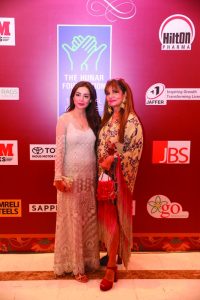
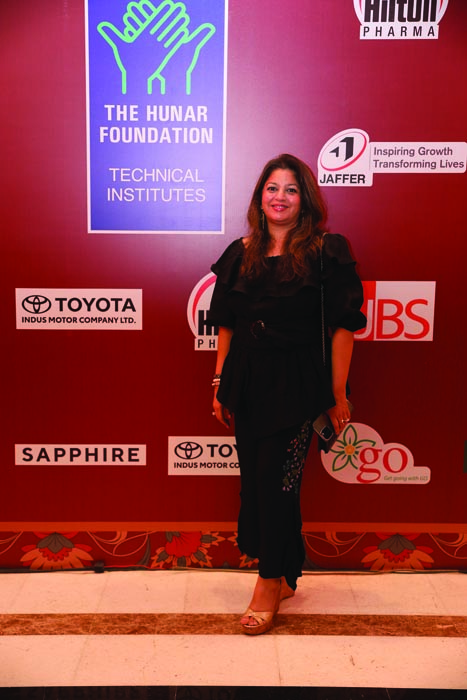
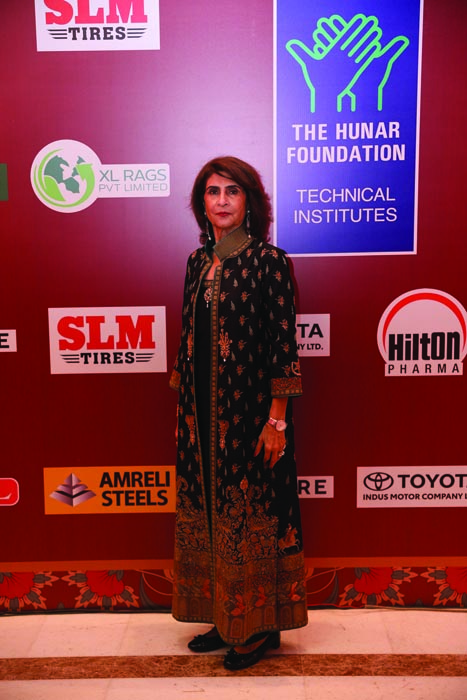
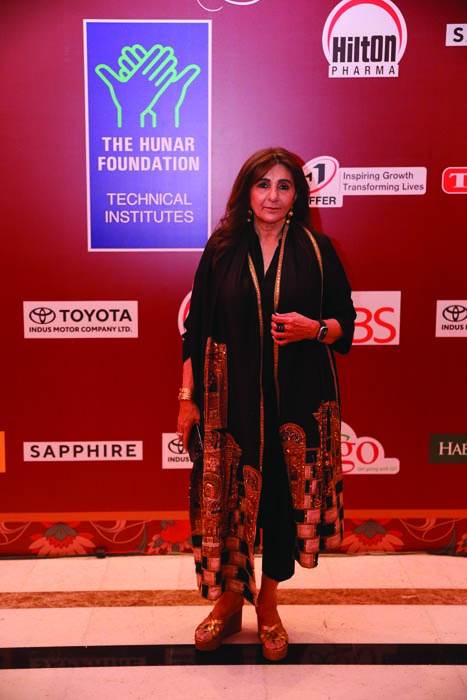
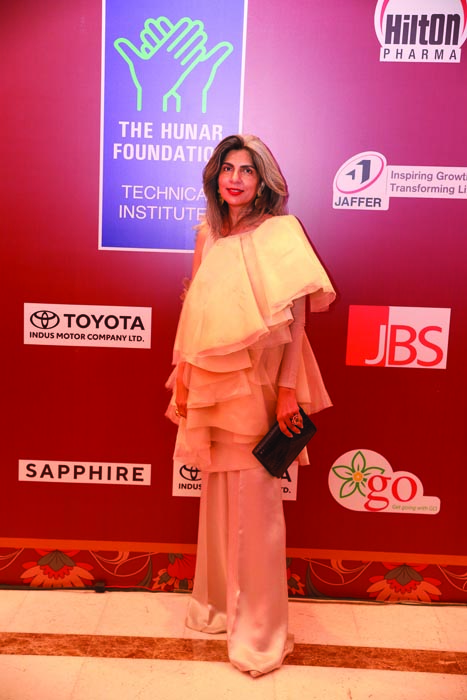
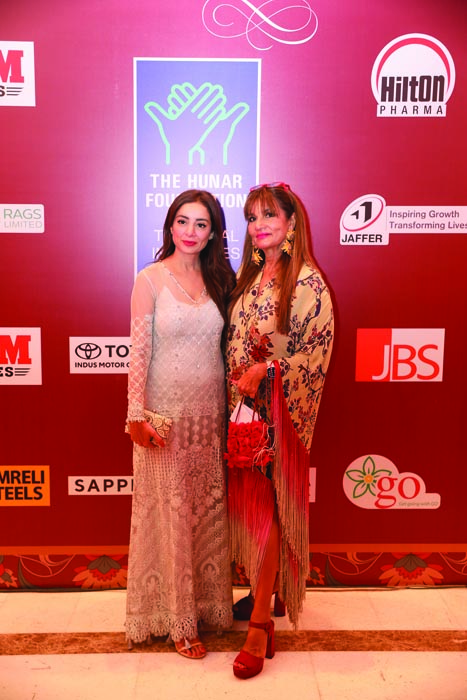
Shamaeel Ansari showcased her “Symposium of Queens” collection at a charity fashion event in Karachi on September 7, 2024, benefiting the Hunar Foundation. The collection honored Hürrem Sultan, Elizabeth I, and Noor Jehan with regal designs inspired by their legacies.


Diamond Direct Luxury opened their second branch in Y Block, DHA with a star-studded event.


Fix Chocolate Bars

Fix chocolate bars are creating a buzz online, with people going wild over them. All their flavors sound incredibly tempting and delicious, but the Can’t Get Knafeh of It, seems to be a fan favorite. You can find these bars from various online retailers in Pakistan!

EXAGGER-EYES 28HR Volume Mascara — Charlotte Tilbury
Fix chocolate bars are creating a buzz online, with people going wild over them. All their flavors sound incredibly tempting and delicious, but the Can’t Get Knafeh of It, seems to be a fan favorite. You can find these bars from various online retailers in Pakistan!

What makes it MAGIC?

LASH VINYL-BLACK WRAP TECH!
Infused with lash-plumping polymers that coat every single lash for 9X more volume after just one coat, whilst vinyl-black inspired pigments create the illusion of bigger, brighter eyes!

ULTRA-CURVED LASH STYLER BRUSH!
Like a stylist for your lashes, it hugs, grips + separate lashes for instant root-to-tip volume and 2X curl effect! No eyelash curler needed! Plus, the ultra-fine laser-cut fibre bristles fan out, then define lashes for fast, maximised precision!

Mint & Co.

We are just in love with these cute baby announcement boxes!
Baby Lion Parachute themed boxes just have our heart! Celebrate your little one with their adorable new baby lion parachute printed boxes. These uniquely designed boxes offer plenty of space to fill with treats of your choice. Customise the boxes to your preference.

Introducing SHAH, a lively and vibrant brand that perfectly captures the essence of joyful living. Rooted in an unwavering love for bold design and playful elegance, SHAH brings a fresh approach to everyday fashion for women who embody light and energy.

It’s not just clothing and accessories-it’s a celebration of life, wrapped in undeniable style.

Dolce Gabba Full Suit, Gucci Royal Necklace, Gucci Studs Bracelet, Bulgari Bracelet, Chanel Bracelet, Zara Boots

Balenciaga Sneakers, Zara Shots, Dolce GABBANA T Shirt, Zara Woollen Upper, BOTTEGA Mobile Holder, Bulgari Bracelet

Loewe Necklace, Massimo Dutti Blazer, Zara High Neck, Massimo Dutti Floor Length Trousers, Zara Boots, Hermes Purse, MIU MIU Glasses, Harry Winston Watch

Alexander Wang Trousers, Massimo Dutti Linen Shirt, Reiss Blazer, Hermes Purse, Christian Dior Shades, Zara Boots

Valentino Shirt, Celine Glasses, Celine Holder, Massimo Dutti Trench Coat, Zara Tracks, Loro Piana Shoes

Sania Hasan began her career as the creative head at Motifz, a brand that has carved out its own niche market. Sania Hasan Couture offers designer bridal wear, Formals , and semi formals known for its intricate work, vibrant color palette, and a blend of Eastern and Western cuts.

It offers luxury and tradition intertwined. Sania Hasan Couture stands out as a story of timeless elegance and modern charm, bringing you the most innovative and exquisitely designed products.

We are proud to Present Eight Exquisite designs in the SHC Maharani Bridal Couture ’24 collection, capturing the essence of royal grace and contemporary allure. Each piece is meticulously crafted to blend timeless tradition with modern sophistication.

Photographer: Talha Bhatti @muhamadtalhabhatti
Makeup & styling: Ayan Amir @ayanamir.thestylist
Model: Mahnoor Cheema @mahnoorcheema

Step into a world of enchanting elegance as Shazia Ammar proudly presents the “Scheherazade” Bridal Collection 2024 by Ivy Couture Official.

Experience timeless bridal traditions with a modern twist.

Muse: Neha Taseer
PR: @rubiamoghees
Hair & Makeup: @bablooworld
Jewellery: @hanifjewellers @kundan.co
Decor: @whimsicalbloom.co
Shoot Coverage: @deeveesofficial

Shop No. 6, Ground Floor, Square One, 110 B3 & 91 B2 Gulberg III, Lahore,

Shazia tell us about your label,  Ivy couture and its design philosophy.

Ivy Couture is committed to celebrating craftsmanship and preserving a rich heritage, consistently honoring traditional handwork and couture techniques. Our designs, while richly embellished and historically grounded, also incorporate influences from the diverse cultures we have explored during our travels.

From a design perspective, our creations feature easy-to-wear yet distinctive cuts in a sophisticated palette, incorporating elements like resham, pearls, nakshi, korra, gotta, Swarovski thread work, and dabka. Renowned for our focus on luxury and impeccable craftsmanship, our design philosophy seamlessly blends classic and contemporary elements, with opulence remaining a hallmark of our signature designs.

Can you tell us about your new collection, “Scheherazade,” and why it holds a special place in your heart?

“Scheherazade” is particularly meaningful to me as it is named in honor of my granddaughter. This collection celebrates vibrant colors, weaving them into a tapestry that combines timeless beauty with modern sophistication. Each piece captures the essence of tradition reimagined for the contemporary bride, bringing a touch of magic to every design.

How do you ensure that your designs resonate with the modern woman while honoring traditional craftsmanship?

My designs feature luxurious, handwoven fabrics beautifully paired with intricate, timeless motifs, capturing both our cultural heritage and the pivotal moment when a young girl’s dream transforms into a lasting legacy of beauty. I believe today’s women are more aware of global fashion trends and have a keen sense of style. With that in mind, I feel a strong responsibility to apply my expertise and knowledge to their fullest potential.

What excites you the most about designing clothes?

For me, it’s the entire experience. Every stage of the design process is both challenging and fascinating—from brainstorming new styles and sketching them out, to selecting the perfect colors, matching materials, and bringing it all together. The real reward is seeing the final creation come to life.

Each piece I create is one-of-a-kind, and I constantly evolve and explore new techniques to ensure my work reflects my vision exactly as I imagine it.

How do you stay true to your roots while experimenting with new ideas in your designs?

My heritage is deeply important to me, even when I blend it with other cultural influences to create avant-garde designs. I never lose my authentic voice in the process and continue to learn and grow every day.

Given the impact of inflation on everyone, how do you intend to keep your new bridal collection affordable for the general public?

We plan to address this by adjusting our profit margins and designing timeless pieces from high-quality fabrics that offer durability and can be enjoyed for many years.

How do you incorporate cultural elements into your designs while maintaining a modern aesthetic?

Our studio beautifully merges Eastern and Western influences, creating designs that are both stylish and wearable. I believe that every woman deserves to celebrate her body with elegance, style, and grace. My approach combines modern practicality with unique embellishments and a captivating color palette.

Any advice for the upcoming brides and aspiring fashion designers?

For all the upcoming brides and aspiring designers, my advice is to remain true to yourself and not feel pressured to follow every trend just because it’s popular.

Ansab Jahangir launched her stunning new bridal collection ‘Shadmani Ho’ with much fanfare.


Amber Liaquat joyfully celebrates her birthday with friends and family at Cosa Nostra in Lahore.


Aima has a 12+ years of experience in the corporate sector and have worked with top companies in UAE & Pakistan but furniture and interiors has always been her passion inherited from her Late Father who had a deep love for wood work.

Today Takhleek is a brand known and recognised by people who understand quality and are looking for bespoke pieces tailored to their interior needs.

What inspires your designs?

Takhleek’s design philosophy emphasizes blending rich cultural heritage and local craftsmanship into modern furniture. By creating pieces that reflect heritage while fitting seamlessly into modern or contemporary interiors, we strive to create designs which are culturally resonant and relevant to today’s design sensibilities.

How do you approach selecting or designing furniture to fit within an overall interior design scheme?

We start by considering the overall style of the interior to ensure the furniture enhances and not conflicts with the existing design elements. Then we assess the space-its size, layout, and natural light. Understanding how the space will be used is crucial, as it guides the type and scale of furniture that will be most functional and visually appealing.

Can you walk us through your process for designing a room, from concept to completion?

Our design process is thorough and client-focused, by starting with a clear understanding of the client’s needs and budget, and then progressing through detailed stages like 2D layouts, mood boards, and 3D modelling. After the design phase we move onto preparing a detailed BOQ along with material selection and execution cost.

Do you offer customization services? If so, what aspects can be customized?

At Takhleek, customization is our specialty. We offer a range of customizable aspects, including size, shape, material, and polish finishing, all while considering ergonomics and aesthetics. Our skilled product designers create 3D furniture models, allowing clients to visualize the final product before it goes into manufacturing. Although this process is time-consuming, it helps us meet client expectations and distinguishes Takhleek from many other businesses.

What types of materials do you typically work with? and do you work with local suppliers? *

Takhleek takes pride in sourcing materials from local suppliers. We primarily use high-quality Sheesham wood from across Pakistan, which undergoes a rigorous seasoning process. Additionally, we incorporate red oak, mahogany, and ashwood based on design requirements. For our polish finishes, we use Renner products to ensure that the surfaces of our furniture are scratch-free and durable.

Do you have a showroom? And how can the client’s see your work and order from you?

We plan to open a showroom at the start of next year. Currently, we operate from our factory in Lahore and have a fully functional website that offers deliveries across Pakistan. Our social media pages are regularly updated with our latest product range. Clients can view our work by booking an appointment to visit the factory, and site visits can also be arranged.

How did your background in furniture design influence your approach to interior design? *

My experience as a furniture designer has significantly influenced my approach to interior design, allowing me to balance all elements in terms of aesthetics and functionality-whether it’s interiors, soft furnishings, or furniture. The meticulous attention to detail required in furniture manufacturing, especially in terms of finishing, has carried over into my interior design projects due to which I focus more intensely on ensuring that our interior finishing is of highest quality.

What are the biggest challenges you faced when transitioning from furniture design to interior design?

The biggest challenge I encountered during the transition from furniture design to interior design was finding the right team and skilled workers. Particularly, having a reliable and skilled execution team is crucial for the success of any project. It took me about five years to develop a proficient team in furniture manufacturing. However, labour challenges remain a significant hurdle in this field, requiring constant and vigilant supervision to ensure quality and durability.

Where do you see your brand in the next 5-10 years?

We aim to build a team that provides a comprehensive solution for all our clients’ furniture and interior needs. In the next 5-10 years, I envision Takhleek evolving into a lifestyle brand known for its luxury and unmatched export-quality standards. Additionally, I plan to explore international markets such as the US and Canada, where there is significant demand for high-quality, Pakistani-manufactured furniture.

Are there any upcoming projects or collections you’re excited about?

We recently completed a 3-bedroom apartment in Gulberg, Lahore, where we had complete freedom with the interior design, budget, and furniture choices. I thoroughly enjoyed working on this project. Currently, we are developing a new collection in collaboration with Architect Ali Raza for his farmhouse project on Bedian Road, Lahore. I’m particularly excited about this project as the architecture is inspired by a resort, and we’re designing custom pieces to complement this unique theme.

What trends or styles in furniture design are you currently excited about? and how do they integrate into your interior design projects?

I’m personally thrilled about the resurgence of Rattan in furniture design. Additionally, I’m working on a Japandi style interior project that features a neutral palette. This project involves creating customized statement pieces using Rattan and red oak, blending traditional and modern elements to achieve a unique and cohesive look.

What techniques or principles from furniture design do you find most useful while executing interior spaces?

Woodwork is a major component of interior design, and the detailed approach required in furniture design-such as precise wood joinery, accurate sizing, and thoughtful placement of elements-profoundly impacts interior execution. These skills are essential for ensuring that every element fits together harmoniously and meets both functional and aesthetic goals, ultimately achieving the desired results in interior spaces.

What kind of warranty or guarantee do you offer on your furniture? Do you provide after-sales services, such as maintenance or repairs?

We take full responsibility for our products. We ensure high-quality delivery and encourage clients to inspect their furniture upon delivery. In the event of any issues, we have a comprehensive repair, exchange, and after-sales service policy to address all client needs.

Fahad Hussayns print museum presents an exclusive range of printed formals on lawn inspired by Rilli and minimal prints embellished with signature Fahad Hussayn fine vintage embellishment for the festive season ahead.

Produced & conceived by Fahad Hussayn
Featuring: Dua Saud, Nayab Ali, Zakiya Majeed & Kaya Khan
Photographed by Syed Hussain Jamal (SHJ)
Makeup & hair: Jacob
Art direction: Mahina Reki & Khizer Durrani
Styling: Fahad Hussayn Academy
Jewels: menagerie.co

LADIESFUND launched in Peshawar with a Who’s Who of Northern KPK women. LADIESFUND President Tara Uzra Dawood came from Karachi to grace the occasion, which was hosted by LADIESFUND Peshawar member Zeba Rehman (Director, Rehman Medical Institute) at the beautiful Peshawar Barracks by Shelton’s Rezidor, as a roundtable with introduction and discussion. The Barracks are owned by LADIESFUND Peshawar member Qurat Ul Ain Khan, who arranged a grand and lavish tea and hospitality for all.


Farah Talib Aziz’s “Miray” collection is a captivating fusion of heritage and modernity. Exquisitely crafted bridal ensembles blend timeless elegance with contemporary silhouettes. Each piece is a testament to meticulous artistry, adorned with intricate details that whisper stories of the past. “Miray” empowers the modern bride to embrace her roots while making a bold statement, creating a truly unforgettable bridal look.

Photography: Mehlum Sadriwala
Jewellery: Ali Javeri Jewelers
Carpets by: Abbas Carpets
Videography by: The wedding story films
Makeup: Zeeshan Farooqi
Styled by: GlamGency – Zahra Sarfraz

Bokx An Ode:

Fall/winter wedding season is just around the corner and this engagement box by Bokx An Ode is just so beautiful and eye catching. A miniature garden enchantingly rests in a box surrounding a glass-cloche with a hidden jewellery box. This exquisitely curated Ring Box adds a magical touch to the whole experience of gifting your special person.

Banana Road Print Shop:

We are all looking out for easy breezy outfits in the summer season and Banana Road Print shop has just dropped some very cool and wearable outfits both eastern and western. Do check out their page as they are all set to drop some more designs very soon!

Organic Lab:

If you are looking out for an affordable skincare brand with the international standards then organic lab is a must check. Their newly launched Pro Peptide serum has some of the amazing benefits such as:

  • Promotes collagen production
  • Reduces wrinkles and fine lines
  • Enhances skin barrier function
  • Improves skin texture
  • Anti-inflammatory properties
  • Enhances skin hydration
  • Brightens skin
  • Treats saggy skin
  • Hydrates dry and flaky skin
  • Helps lighten scars and pigmentation

While inflammation is our body’s natural response to infection and toxins, living in a constant state of inflammation is extremely harmful to our health. Inflammation is normally temporary and the inflammatory cells that are initially produced by our bodies to protect often result in pain, redness and swelling. This is usually short-lived but for some, chronic inflammation remains after the body’s initial response even in the absence of a threat. This is often signalled by fatigue, fever, depression, and weight gain. Luckily, the right food can act as the best medicine so if you find that your immune system is inadvertently causing you more harm than good, you can make thoughtful changes to your diet to quell unnecessary inflammation and get your body back to normal.

Crafting an anti-inflammatory diet is pretty straightforward. Y ou should decrease or completely eliminate inflammatory foods like refined carbs, trans fats and sugar and instead replace these with fruits, veggies, whole grains and lean protein. These foods are rich in antioxidants and play a major role in reducing inflammation by suppressing the body’ s pro-inflammatory processes to create a more harmonic immune response.

Anti-inflammatory diets are totally customisable depending on your personal taste but here are some 6 essential foods you should incorporate into your diet if you want to beat inflammation:

  1. Salmon:

Fish, especially salmon, is an anti-inflammatory superfood. It’ s rich in omega-3 fatty acids, particularly EP A and DHA, which have been shown to reduce inflammation in the body . Regular consumption of salmon can also help lower the risk of chronic diseases associated with inflammation, like heart disease, arthritis, and even certain types of cancer .

  1. Green Tea:

If you’re a matcha lover , you’ll be pleased to learn that green tea is extremely beneficial for reducing inflammation. It contains powerful antioxidants called catechins, particularly which help fight excessive inflammation in the body . Green tea, especially a concentrated amount in the form of matcha powder, has various other health benefits too – it alleviates anxiety , promotes gut health and protects the brain from ageing.

  1. Berries:

Most people are surprised to learn that berries are not only a delicious fruit but also an integral part of the anti-inflammatory diet. Berries like raspberries, blackberries, and blueberries contain protective phytonutrients which help in balancing the body and eliminating oxidative stress (high levels of reactive oxygen species that can damage internal structures and trigger inflammation). Berries are also super easy to incorporate into your routine via snacking, smoothies, and salad toppings.

  1. Whole Grains:

In recent years, people have come to really appreciate the importance of fiber in the form of whole grains. Fiber is integral when it comes to improving gut health as it balances the permeability and pH of the gut. Fiber does this by reducing inflammation along with cholesterol and blood sugar . So don’t underestimate the power of whole grains like oats, quinoa and brown rice – they may not seem like much but they’re actually pretty powerful superfoods!


  1. Turmeric:

While a number of herbs and spices are great at lowering inflammation, turmeric reigns supreme. Y ou can thank polyphenol curcumin, the root’ s active compound, for its antioxidant effects. There are many simple ways to incorporate turmeric into your diet such as whipping up a golden-milk latte, shaving some turmeric over a salad, or simply incorporating the spice into your daily dishes for an instantaneous immune boost—and improved digestion. Aside from combatting inflammation, turmeric also inhibits the growth of cancer cells and helps enhance brain function while decreasing the risk of neurodegenerative diseases like Alzheimer’s.

Organic turmeric milk. The concept of healthy eating and diet.
  1. Extra-virgin Olive Oil:

Normally seed oils are a total no-go in anti-inflammatory diets but extra virgin olive oil is an exception. In fact, extra virgin olive oil may be the key to making you’re diet inflammation-free. This oil is a source of healthy fat and has been proven to reduce inflammatory markers, thanks (again) to its antioxidants, specifically oleocanthal. This is why olive oil is a staple of the Mediterranean diet, which is famously associated with a lowered incidence of chronic diseases like heart disease, diabetes, and certain cancers.

Using food to manage inflammation provides a natural alternative to medications, reducing the risk of side effects and long-term dependency on pharmaceutical interventions. Focusing on an anti-inflammatory diet encourages a holistic approach to health, emphasizing the importance oflifestyle choices, such as regular physical activity and stress management, alongside a healthy diet.

celebrating his win of the Filmfare (UAE) award. Saim delves into his inspiring journey through the entertainment industry and shares much more!

How has living in Dubai influenced your work in the entertainment industry?

I had my gears in the media industry over here before I  moved to Dubai as I have done my higher studies  here. As  I have permanently shifted so it has definitely influenced in the most positive way possible.

What challenges have you faced transitioning from Pakistan’s entertainment scene to Dubai’s?

The only challenge was to register myself among the media world in Dubai, which I did over time and got great results in the form of good work and recognition over here.

Can you describe how your cultural background from Pakistan informs your roles and presentations?

Well being a Pakistani I had to face a lot of challenges. We as a nation are very insecure and self-centred people, we are not ready to help others , but here when I started working with other  nationalities for work mostly I found myself in the right place with the right people. People here support each other and there is hardly any backstabbing.

What are some of the biggest differences you’ve noticed between the media industries in Pakistan and Dubai?

Oh so many! No lobby system and no barriers. Most importantly you are paid on time. The protocols I get on set here I have never got them back home. I was never even nominated in any awards in Pakistan clearly because of jealousy and insecurities of many people in the system but here I got one of the biggest Bollywood awards Filmfare Middle East where I was nominated not once but twice and won this year.

How do you balance maintaining your cultural identity while working in a diverse city like Dubai?

Well I am some one who strongly believes on “Jesa Deis Wesa Bhais” I am among the 1st Pakistani artist who received the Golden residency here 3 years ago and I am part of a lot of international projects. It is simply because of my positive attitude and loyalty with my work and craft which says a lot.

What do you find most rewarding about your work as an actor and presenter in Dubai?

I feel that I get to work with so many other nationalities here specially Bollywood which gives me great pleasure. From interviewing some big Bollywood celebrities here and also big stars from other countries, I always wanted to broaden my horizons and audience. I am the 1st Pakistani who did a Malaysian film and theatre in Malaysia and got massive recognition there too.

Are there any particular projects or roles that you’re especially proud of?

My work in Malaysia. I will always cherish it as an actor on the silver screen as well as on the Theatre stage. Dubai has given bigger and larger opportunities and platforms to perform and flourish . I am the 1st Pakistani to host the most prestigious awards, The Diafa and Emigala Middle East and also have been on the cover  of world class publications such as Khaleej times and many more. My recent accomplishment also includes my Samsung UAE & Gulf’s commercial where I play a lead character.

How has the audience’s reception been to your work in Dubai compared to Pakistan?

Well Pakistan has given me my 1st recognition, I am proudly working for the softer image of my country and Pakistanis. My audience is definitely not restricted just to Pakistani as I have now larger number of Indians and emaratis among my audience.

Can you share a memorable experience or story from your career that stands out?

From my first ever morning show as a host in Pakistan to dramas and than my theatre and film experience in Malaysia. Furthermore shining on some of the biggest platforms in Dubai and much more that are equally amazing and memorable for me in so many ways.

What advice would you give to aspiring actors or presenters from Pakistan who want to work in Dubai?

You must work hard and flourish your name and of your country. I felt so happy when Mahira khan spoke at the Emigala that how proud she is being a Karachiite. We all must broaden our horizons and work worldwide.

A star-studded evening featuring celebrity Hania Amir, renowned models, and top content creators. Tech influencers reviewed and shared their experiences, providing a detailed breakdown of the launch and its features. Attendees not only witnessed the unveiling but also explored the cutting-edge AI functionalities of the Galaxy Fold 6 and Flip 6 firsthand. #SamsungUnpacked #GalaxyFold6 #GalaxyFlip6 #TechInnovation #StarStuddedEvent


Pin It